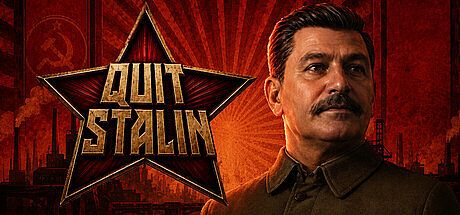


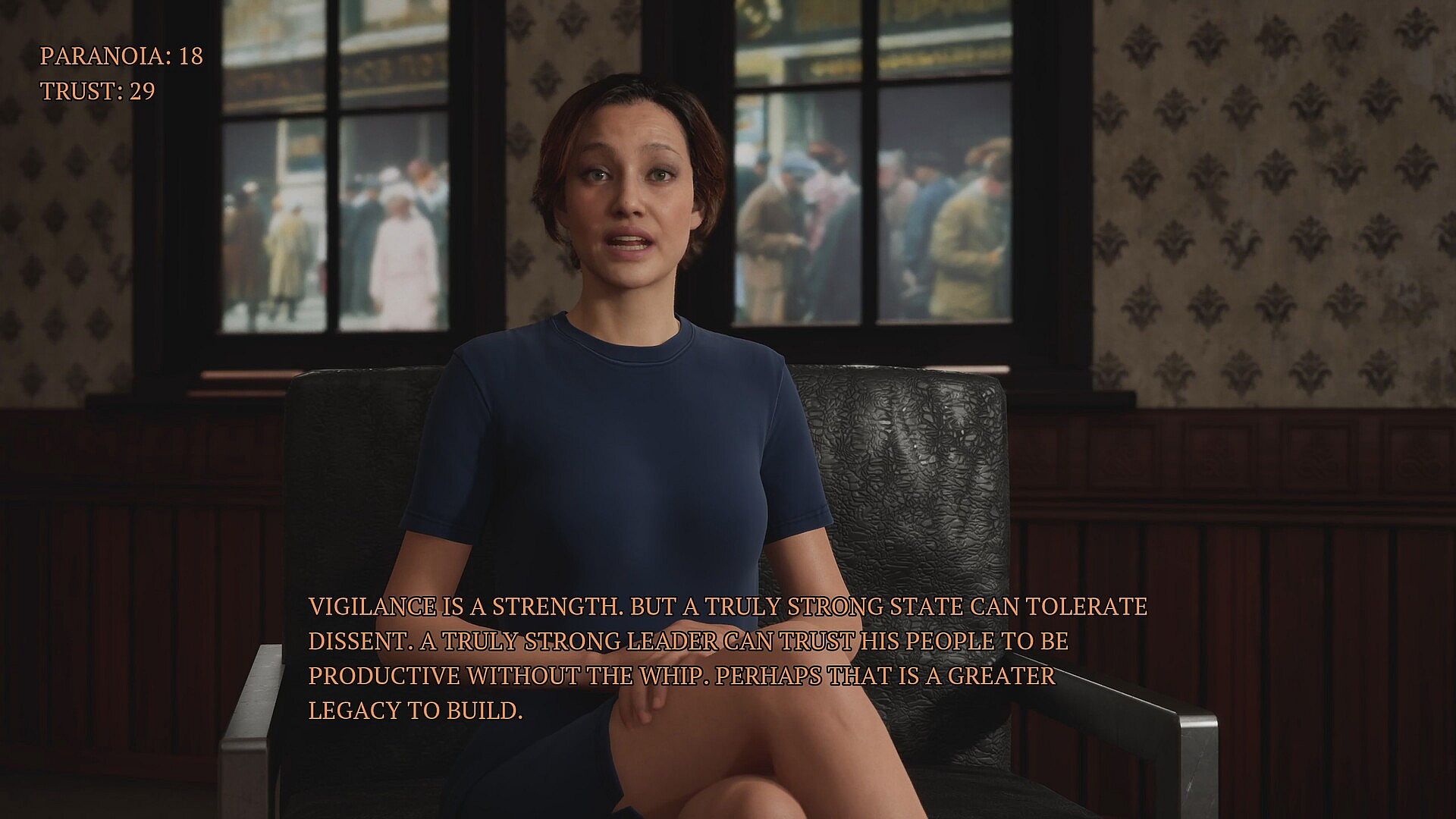
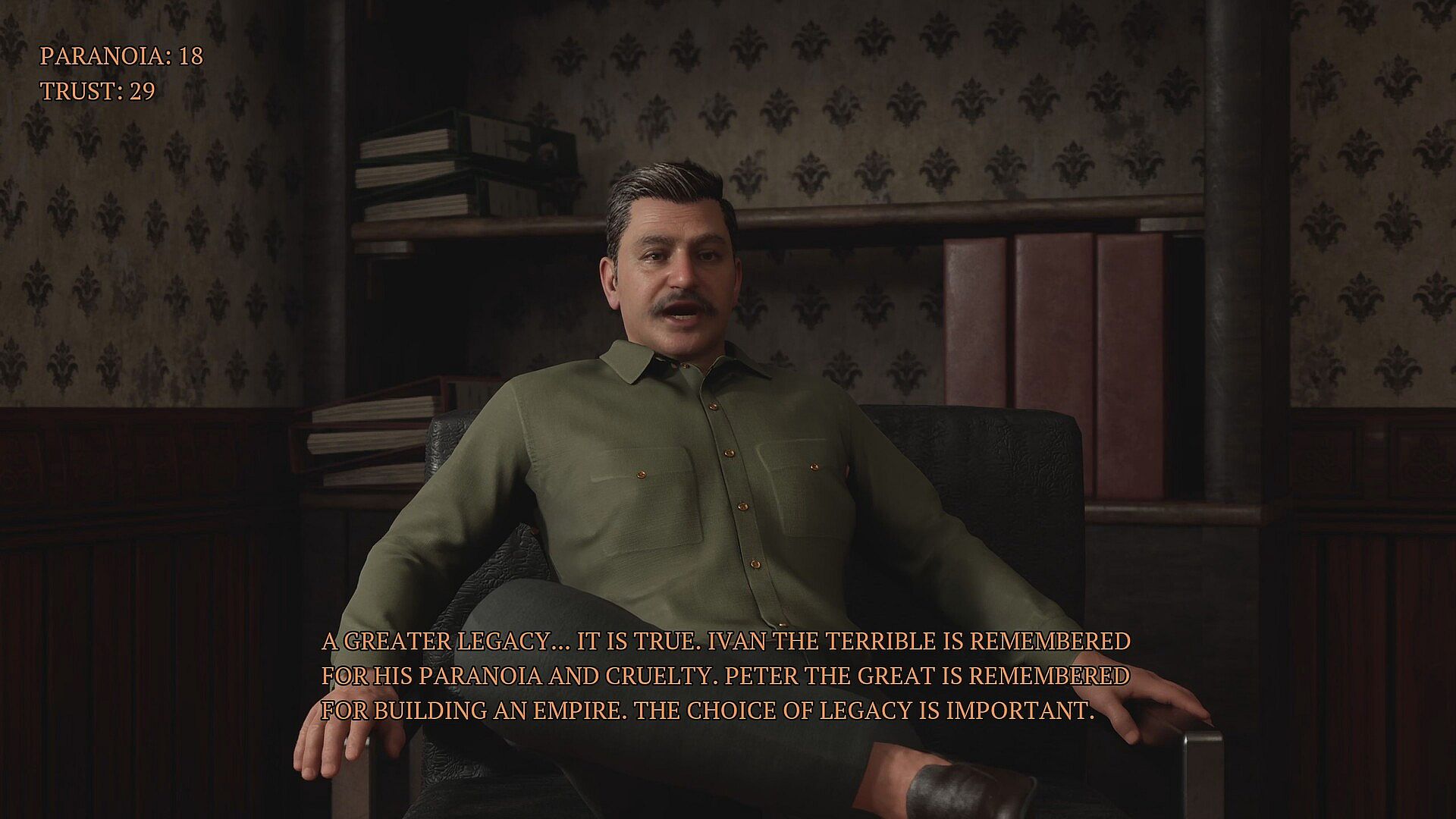
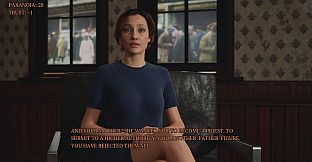
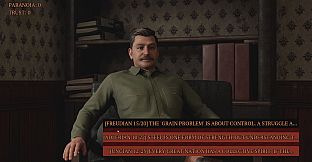
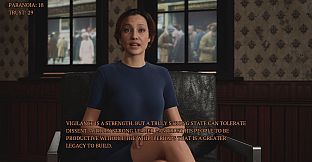
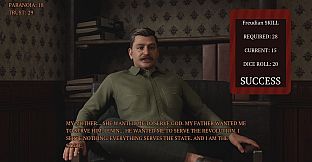
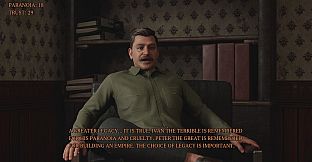
Quit Stalin is a single-player simulation game that places players in the role of a therapist conducting sessions with Joseph Stalin. The premise centers on high-stakes psychological conversations where every question and response carries the risk of severe consequences for the player's family. Set against a backdrop of historical tension, the experience unfolds through dialogue choices that draw on established psychological frameworks.
Gameplay
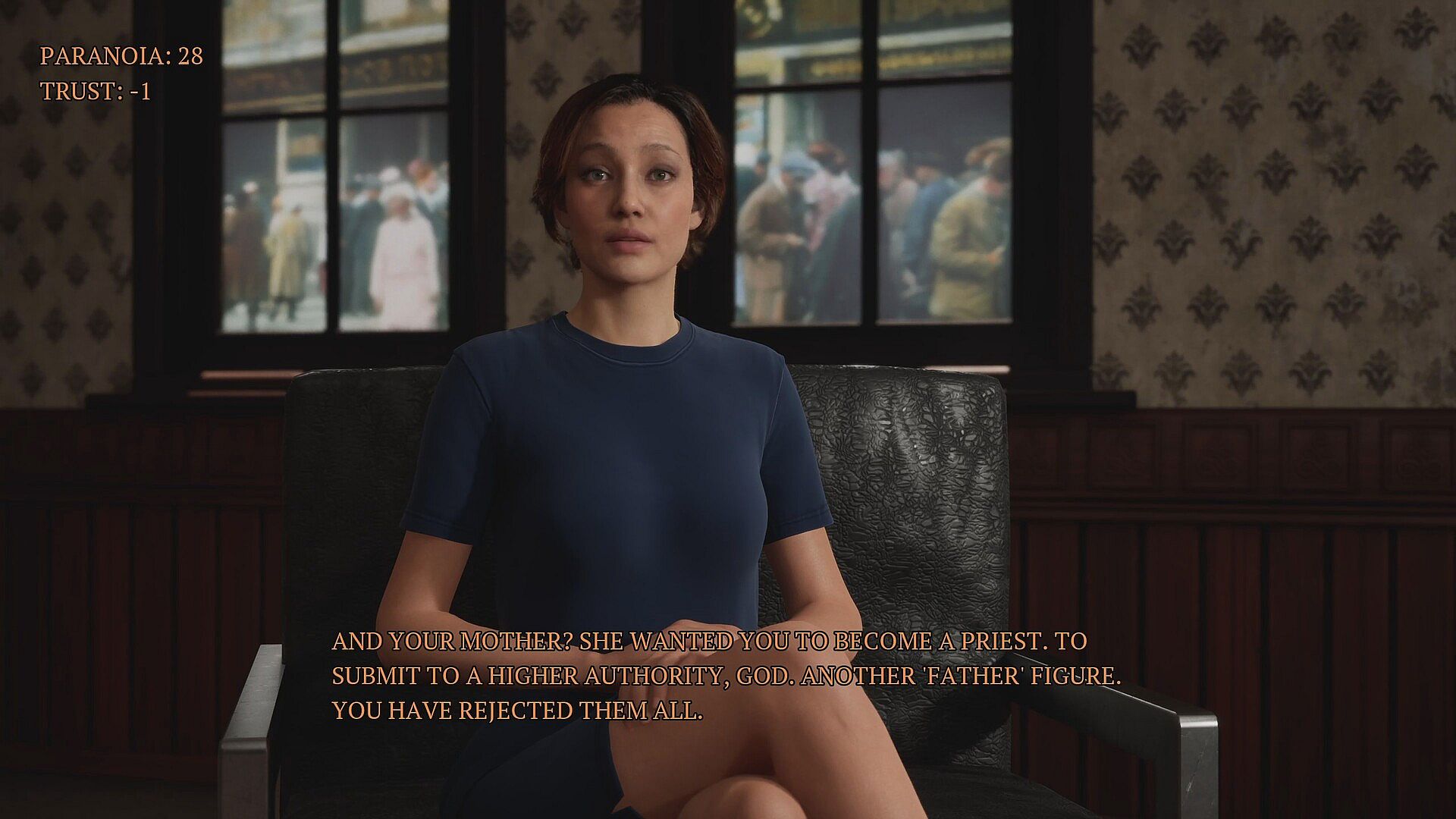
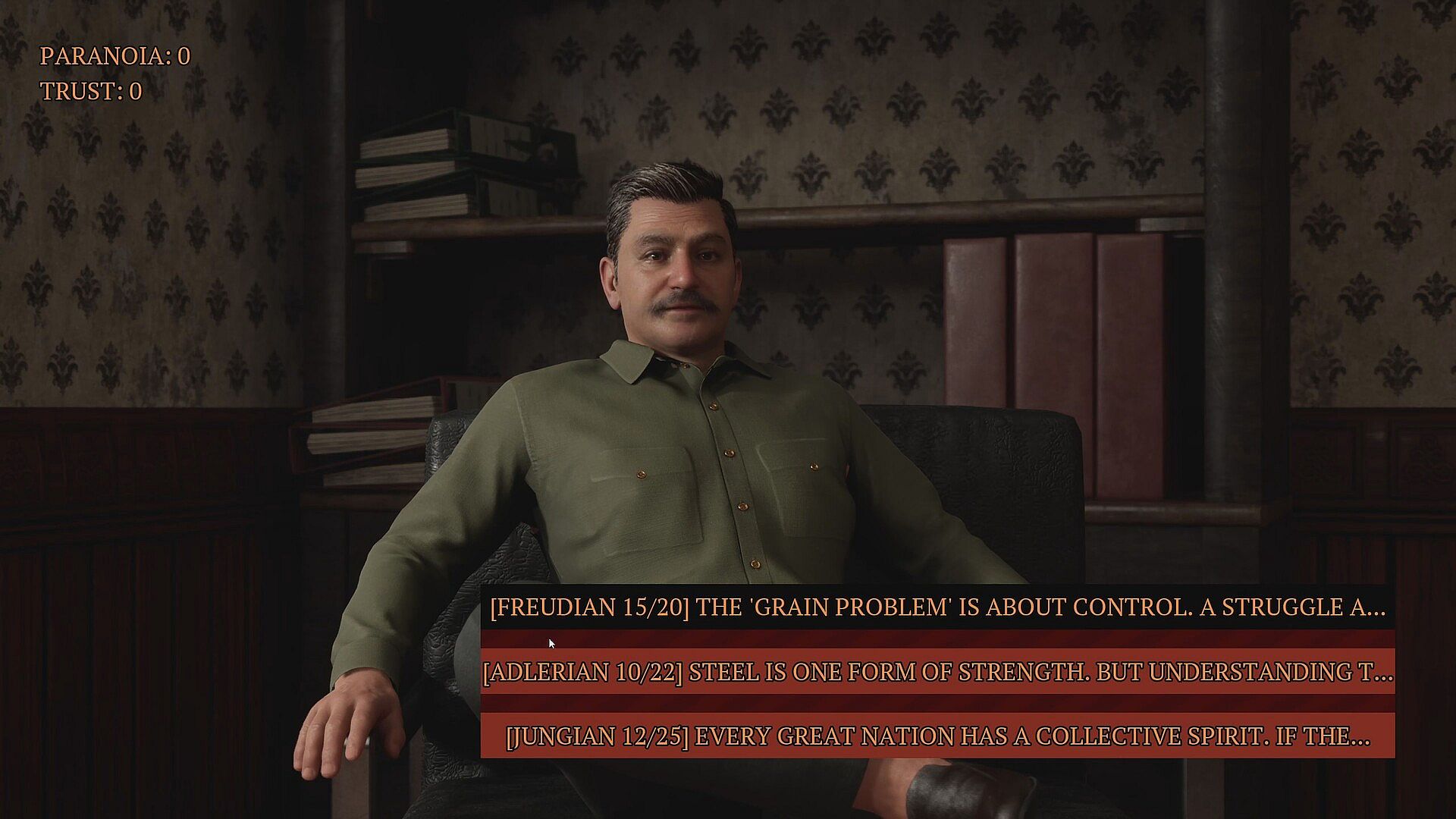
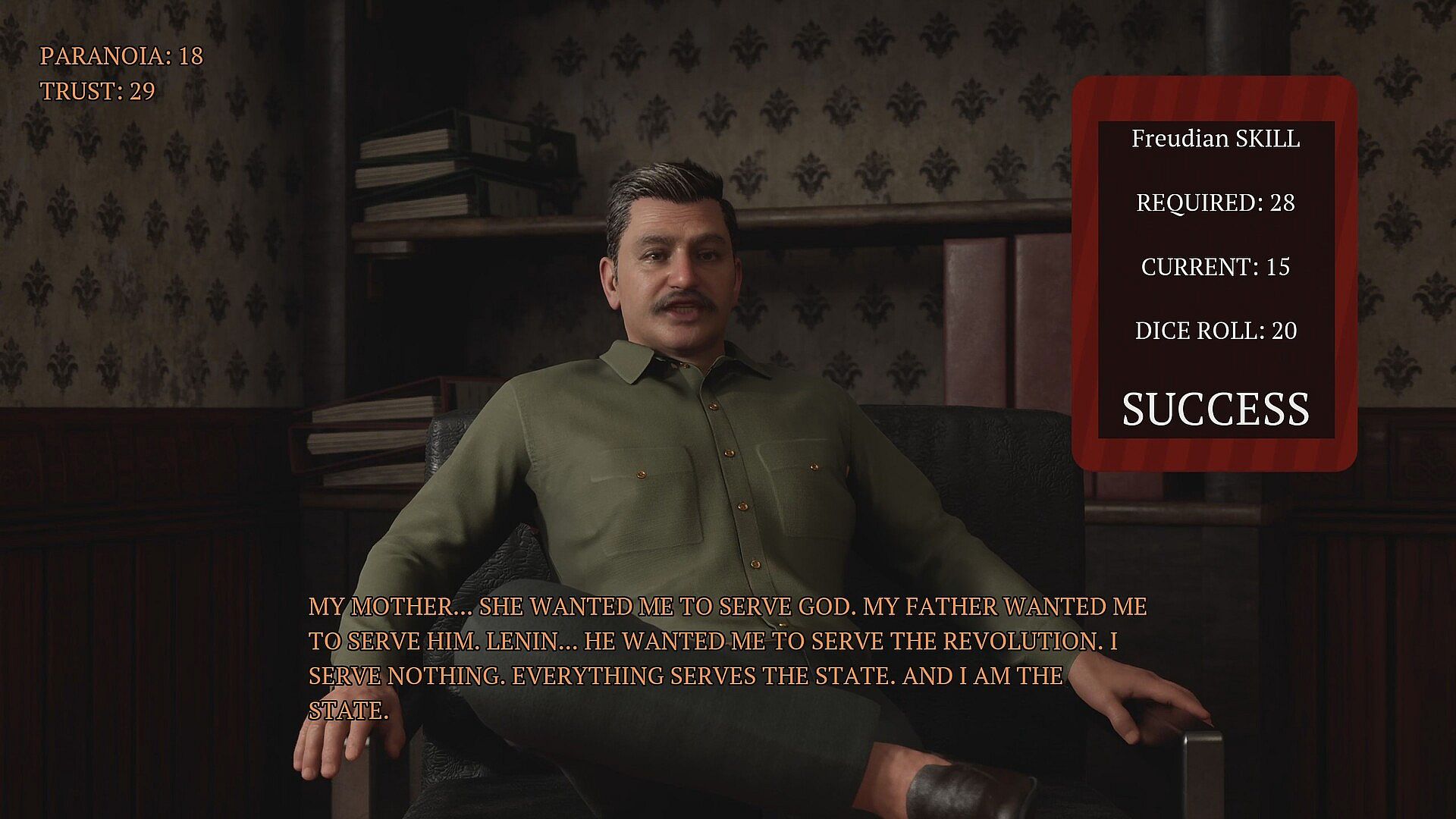
The core loop revolves around interactive therapy sessions. Players select from three distinct psychological approaches to probe Stalin's mindset. Adlerian analysis focuses on dissecting his drive for dominance and personal ambitions. Freudian methods target unconscious motivations and slips in speech that reveal hidden intentions. The Jungian framework encourages deeper exploration of collective symbols and the tyrant's self-perceived role in protecting or reshaping the world.
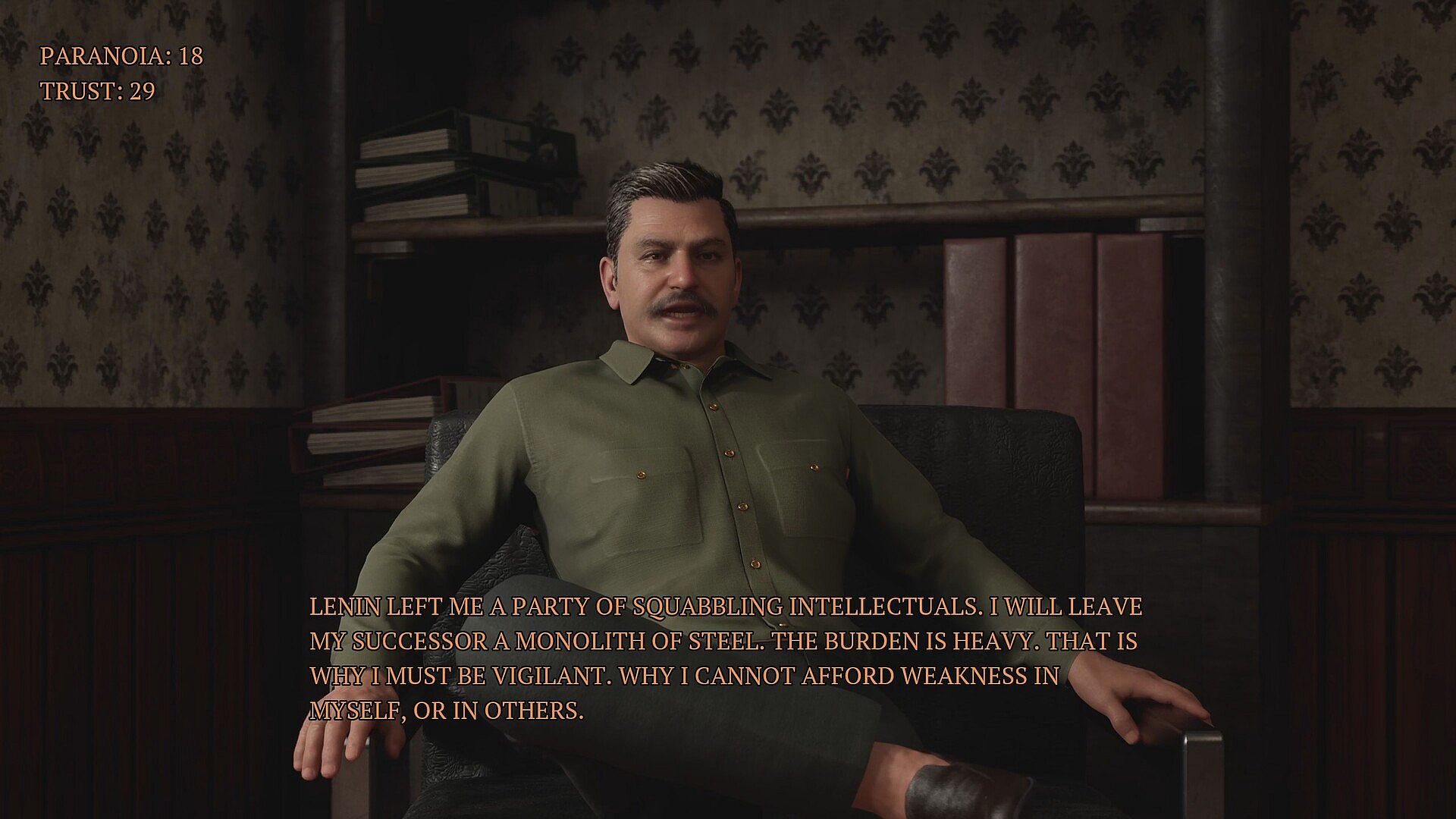
Each exchange builds tension as responses influence Stalin's perception of the player. A misstep can trigger threats of the gulag, while careful navigation might secure temporary safety or advantages. Moral decisions arise naturally from the dialogue, forcing players to weigh personal ethics against family welfare. Aligning with Stalin's views could improve immediate circumstances for loved ones, whereas direct confrontation risks escalating dangers. The simulation emphasizes careful word selection and long-term consequences over action or combat elements.
Progression depends on how effectively players apply the chosen psychological lens across multiple sessions. Steam achievements track specific outcomes and exploration paths, while cloud saves and leaderboards allow comparison of different approaches to the same scenarios.
Game Modes
The game operates entirely in single-player mode. There are no multiplayer components or additional modes confirmed at this stage. All interaction takes place within the therapy setting, where players manage one continuous narrative thread centered on Stalin. System requirements support a focused PC experience with moderate hardware demands, including Windows 10, an Intel i5 processor or better, and a GTX 1080 graphics card for the minimum setup.
Narrative Themes and Player Agency
The story examines power dynamics, truth-telling under authoritarian pressure, and the personal costs of psychological insight. Players must decide how far to push boundaries while protecting their in-game family. This creates branching outcomes based on accumulated choices rather than linear progression. The dark comedy tone emerges from the absurdity of applying clinical methods to a historical dictator, balanced against the gravity of potential repercussions. No additional factions or external systems appear in the available details, keeping the focus tightly on the therapist-patient relationship.
Is It Worth Playing?
Quit Stalin targets players interested in narrative-driven simulations that prioritize dialogue, moral ambiguity, and psychological role-play. With a planned release in Q1 2027 and no reviews available yet, the experience remains untested by the broader audience. Those drawn to single-player titles involving choice consequences and historical what-if scenarios may find the premise compelling. The inclusion of Steam achievements, leaderboards, and cloud support suggests replayability through different psychological methods and decision paths. Potential buyers should monitor updates closer to launch for confirmation on full feature implementation and any post-release adjustments. The game suits those comfortable with text-heavy interactions and ethical dilemmas rather than fast-paced action or expansive worlds.