

群琼逐鹿 is a turn-based strategy RPG with casual elements that blends Three Kingdoms faction management, online multiplayer negotiation, and tabletop-style dice resolution into sessions for two to four players on PC. Each participant controls a warlord carving out territory in the late Han period, expanding influence through conquest, recruitment, and deals while using the ancient boqiong dice to resolve events and battles.
Gameplay
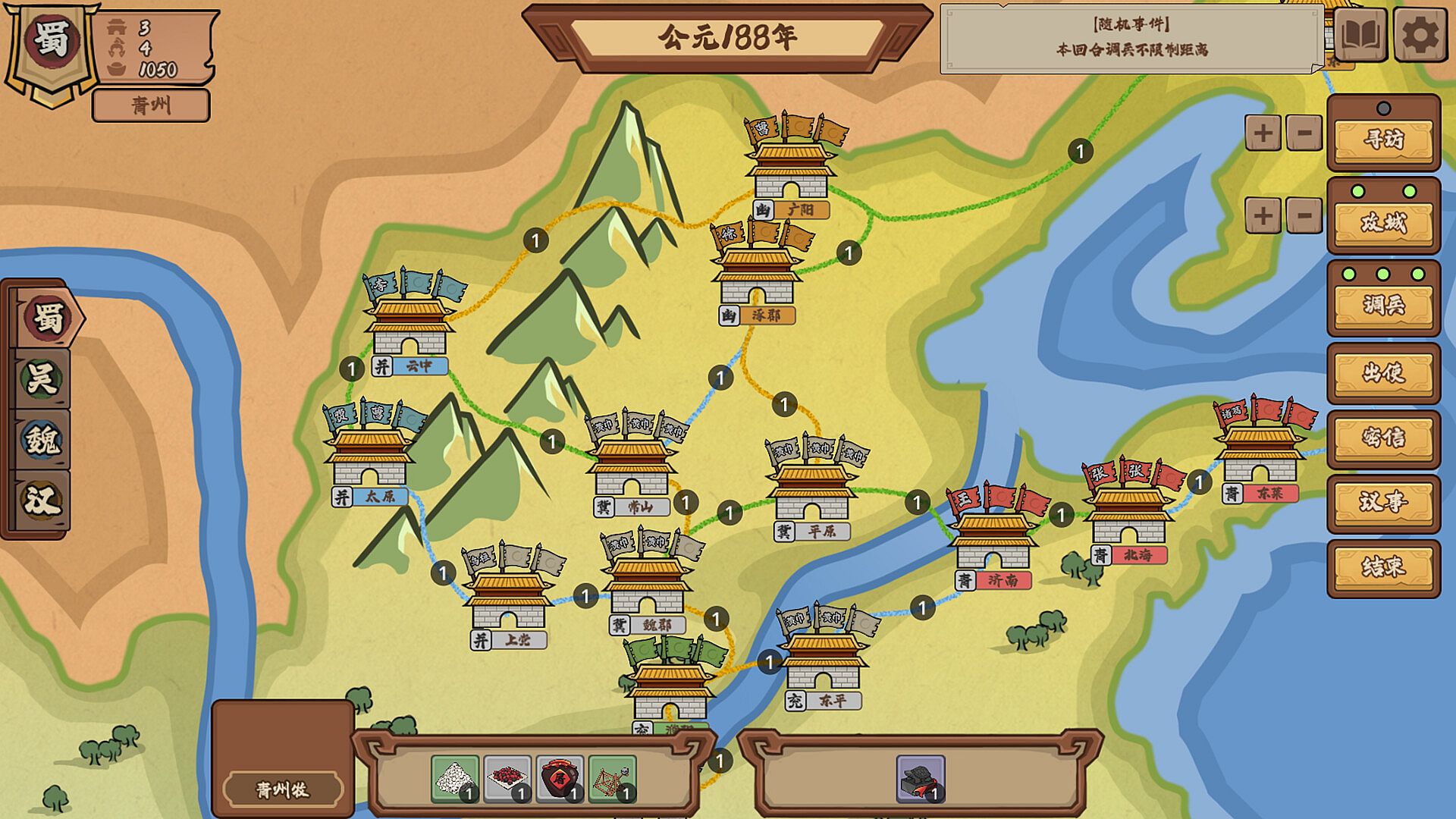
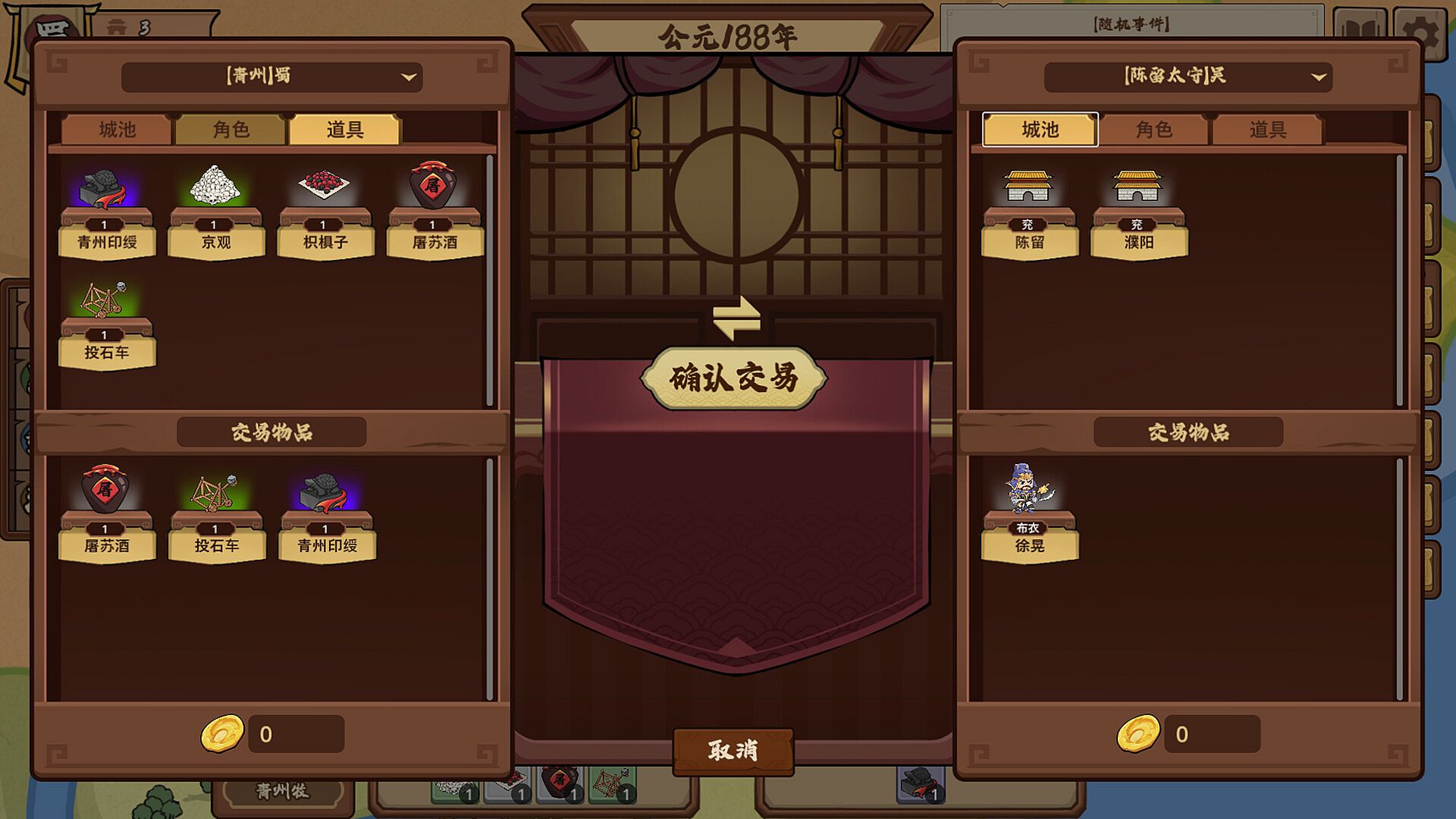
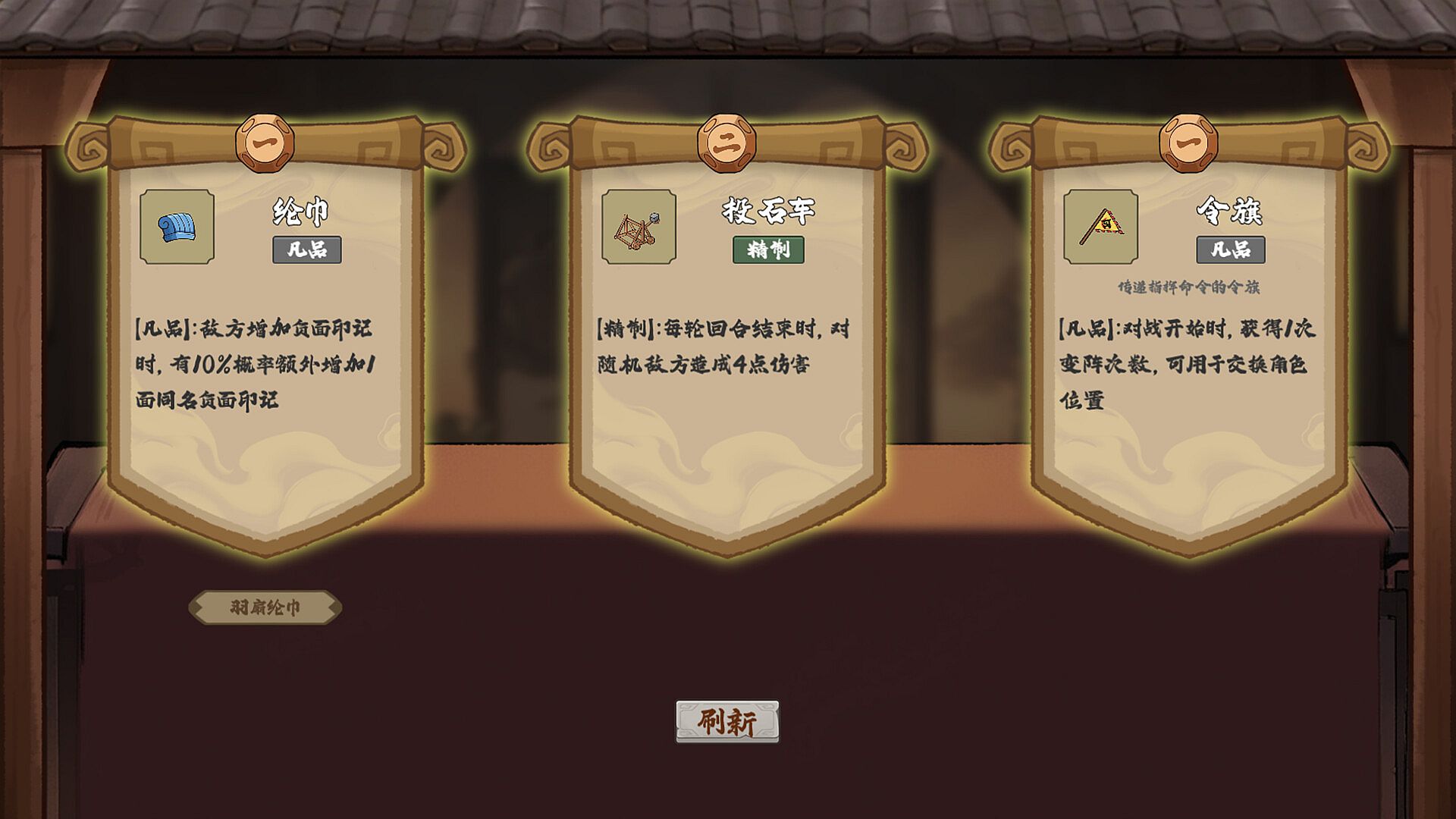
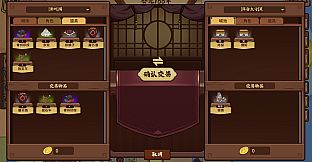
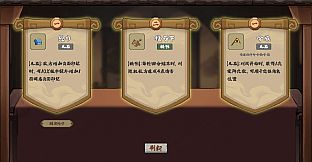
Players alternate turns performing actions such as launching expeditions, moving troops, searching for new characters and items, or conducting trades. Resources include cities captured through sieges, along with roles and equipment gathered from randomized search options each round. These assets serve as bargaining chips in alliances, betrayals, or temporary truces. Certain combinations of roles and items produce special synergies that strengthen combat or economic options, encouraging players to pursue or exchange for optimal sets.
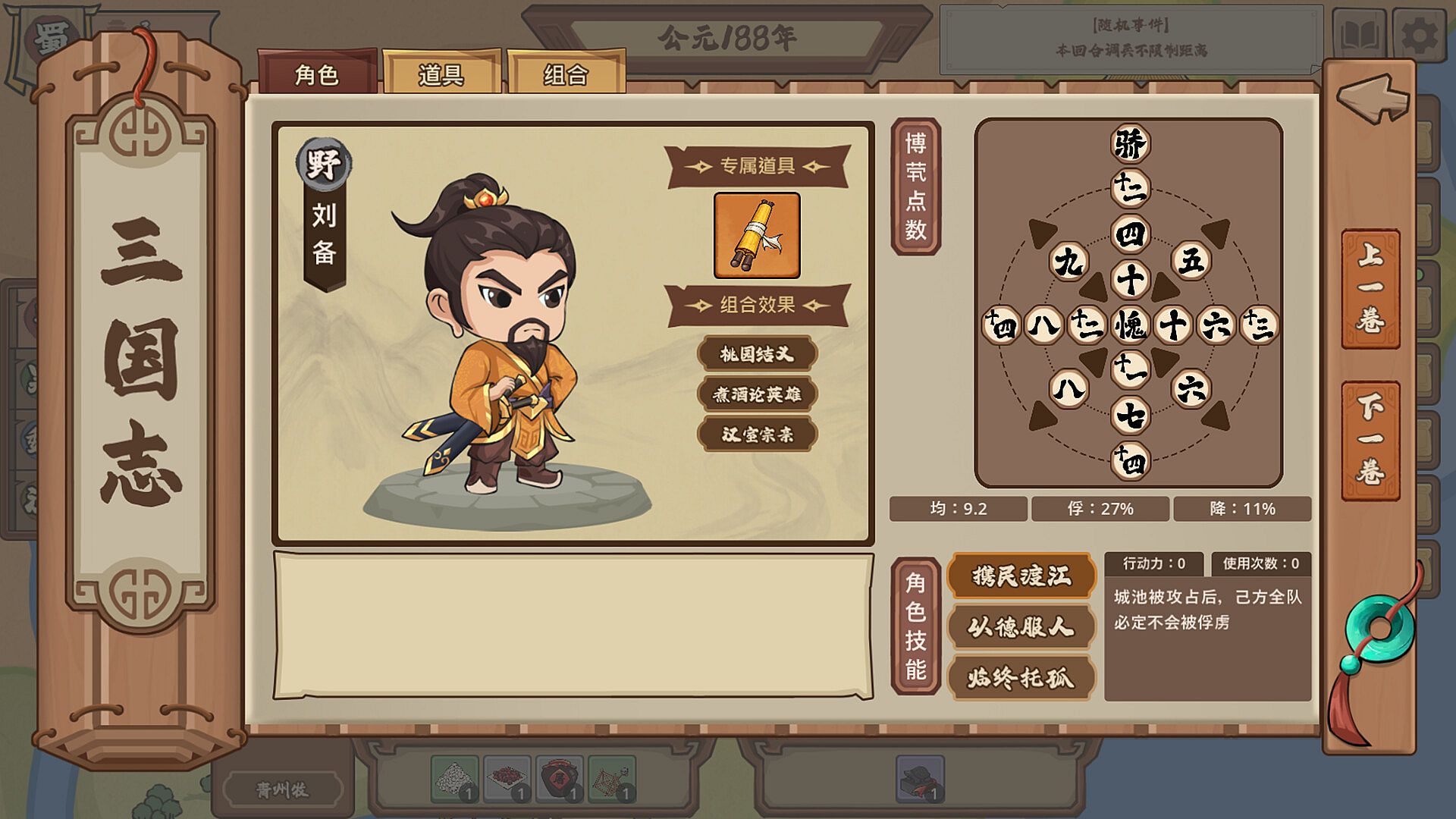
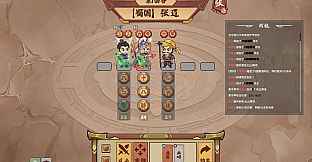
The boqiong system drives much of the unpredictability. This eighteen-sided die from the Qin-Han era typically shows numbers one through sixteen plus the faces jiao and kui. Individual characters possess unique versions of the die with altered faces or values. Rolling jiao or kui during combat raises or lowers the relevant character's level, shifting momentum. Skills and items can attach marks to die faces, creating layered status effects that reward careful pairing of characters and equipment.
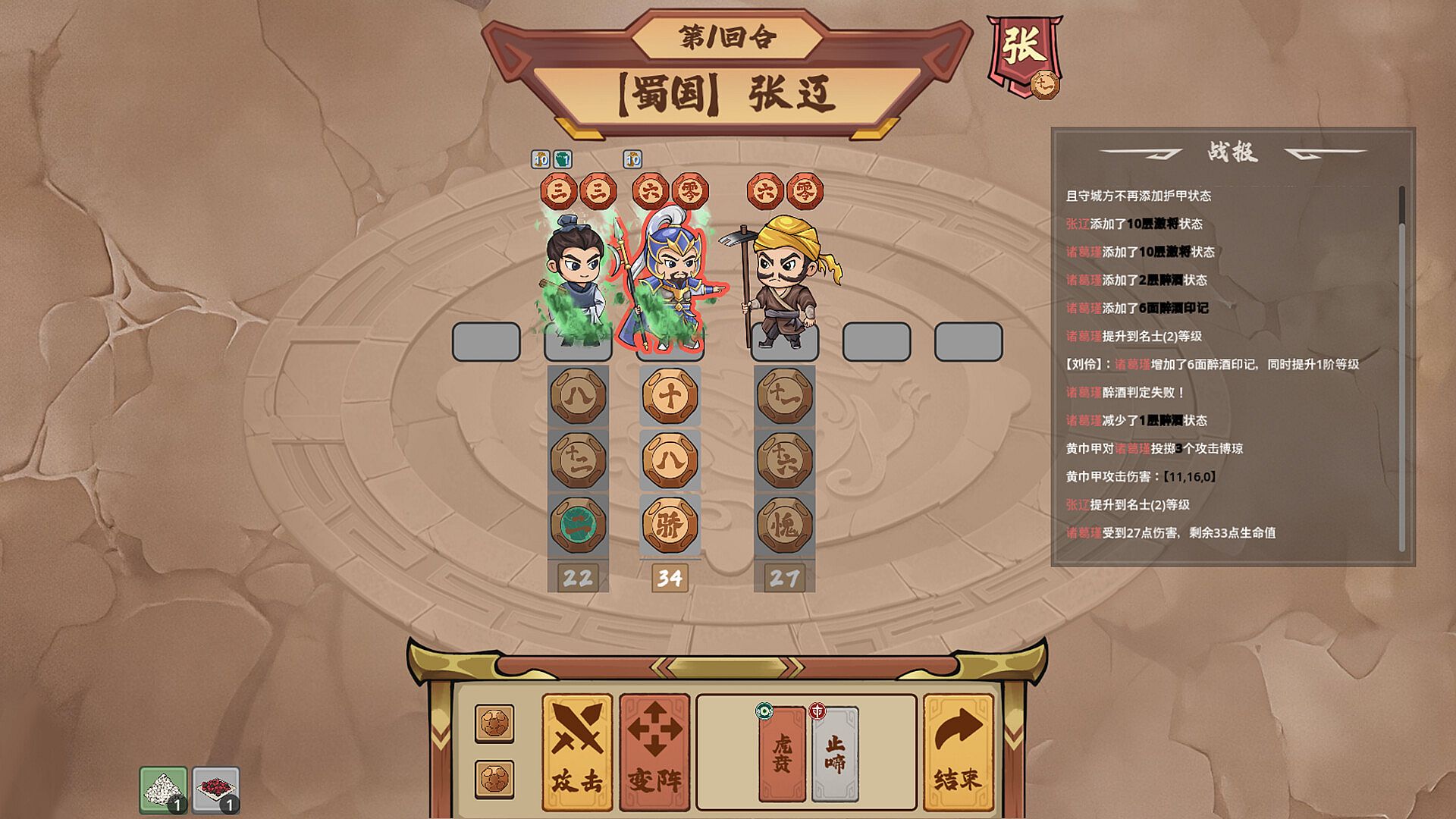
Combat occurs when a player initiates a siege. The attacker selects and arranges a team of characters, then resolves attacks and abilities with boqiong rolls. Outcomes depend on more than raw strength. Each round triggers random events decided by non-combatant players, though the attacker may offer payments to influence those choices toward favorable results. This setup keeps every confrontation open to external interference and shifting priorities.
Game Modes
Two primary formats are available. The full-map mode supports extended campaigns focused on broad territorial growth and long-term rivalry among all participants. The key-state contention mode narrows the focus to specific provinces or commanderies, requiring participants to adapt their mix of expansion, trading, and direct confrontation to meet the mode's victory conditions. In both formats, success can arise from steady development, decisive engagements, assembled synergies, or a single well-timed negotiation.
Core Mechanics and Player Interaction
Negotiation forms the heart of the experience. Alliances can form against the strongest position, only to dissolve when one side senses advantage. City transfers, role swaps, and item exchanges let players reshape the board mid-session. Sudden strikes against complacent allies remain possible, underscoring that no partnership lasts indefinitely. The single-winner structure forces every decision to weigh short-term gains against the risk of empowering future opponents.
Random events and the boqiong rolls ensure no two sessions unfold identically. External players influencing combat outcomes add a layer of meta-strategy, where bribes and persuasion become tools as important as battlefield tactics. Resource management stays light enough for casual pacing while still rewarding foresight in collection and trading.
Is It Worth Playing?
The game targets players who enjoy multiplayer strategy titles centered on negotiation and variable outcomes rather than pure tactical depth or solo campaigns. Its lightweight rules and four-player limit suit groups seeking sessions that mix planning with social deduction and occasional luck swings. Because the title remains in the coming-soon phase with no user reviews yet available, prospective buyers should monitor the official store page for launch timing and any post-release updates that refine balance or add content. Those drawn to Three Kingdoms themes combined with dice-driven resolution and fluid alliances will find the core loop distinctive within the strategy genre.