




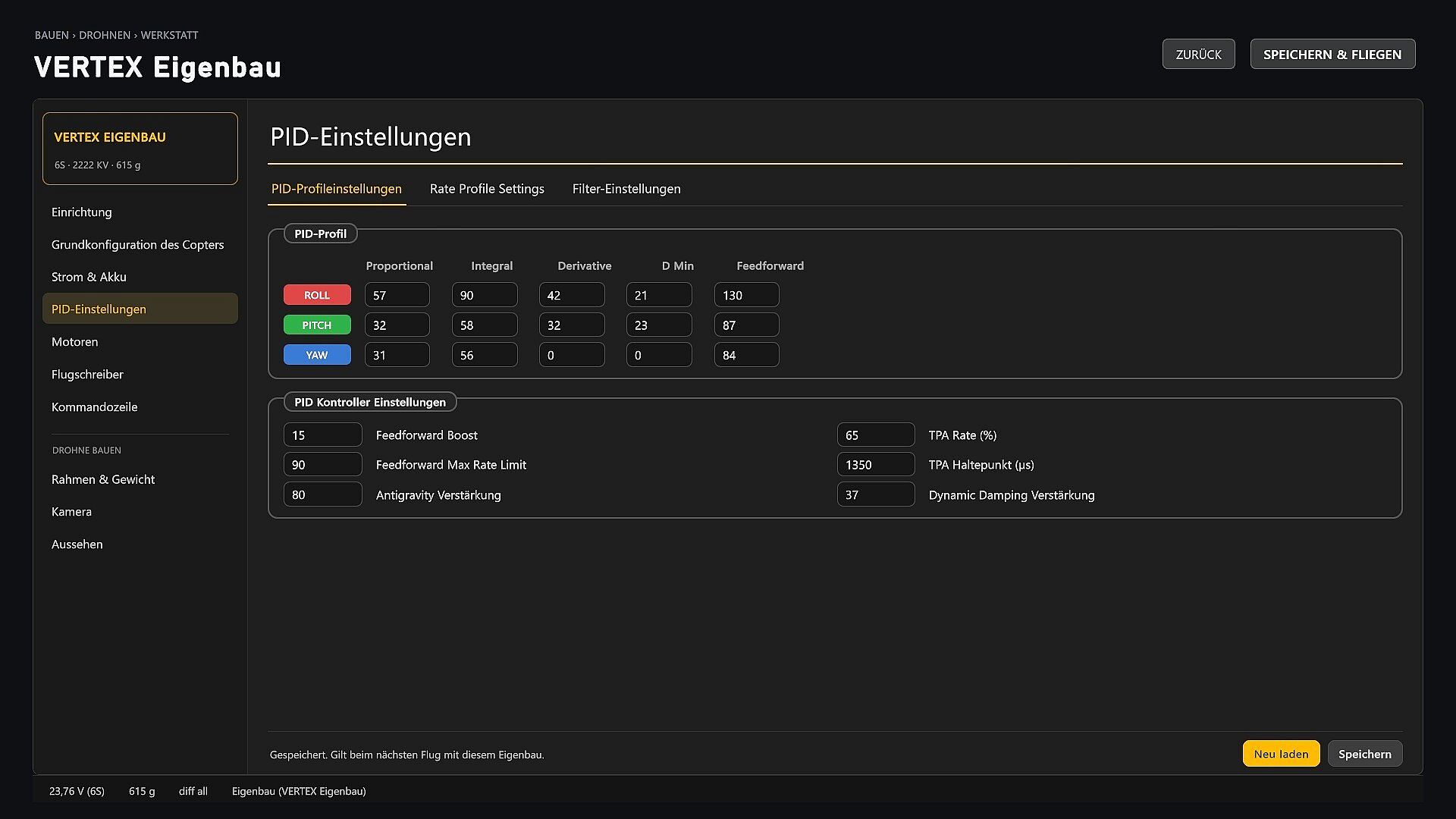
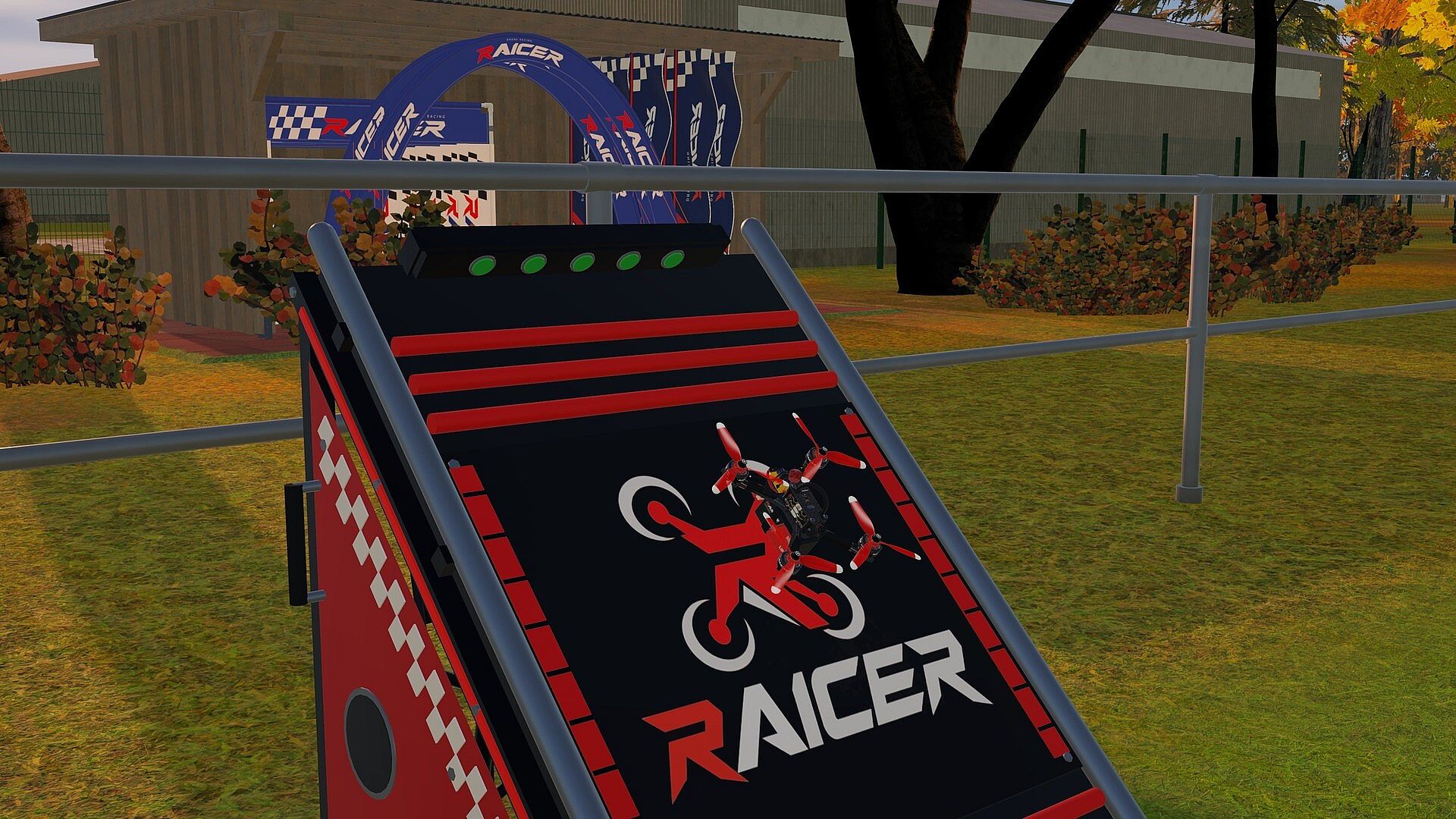
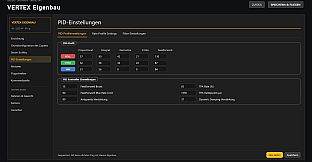
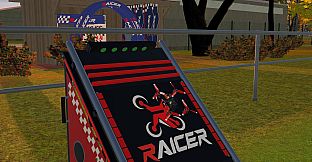
RAICER is a PC-based FPV drone racing and freestyle simulator that emphasizes realistic flight physics drawn from actual quadcopter components. Players control drones through detailed environments using controls that mirror real radio transmitters or gamepads, with flight behavior calculated from props, motor KV ratings, battery voltage, weight, and frame geometry. A flight controller modeled on Betaflight 4.5 handles PIDs, filters, and throttle limits, allowing pilots to apply familiar rate setups or import configurations directly from their real-world Betaflight setups.
Gameplay
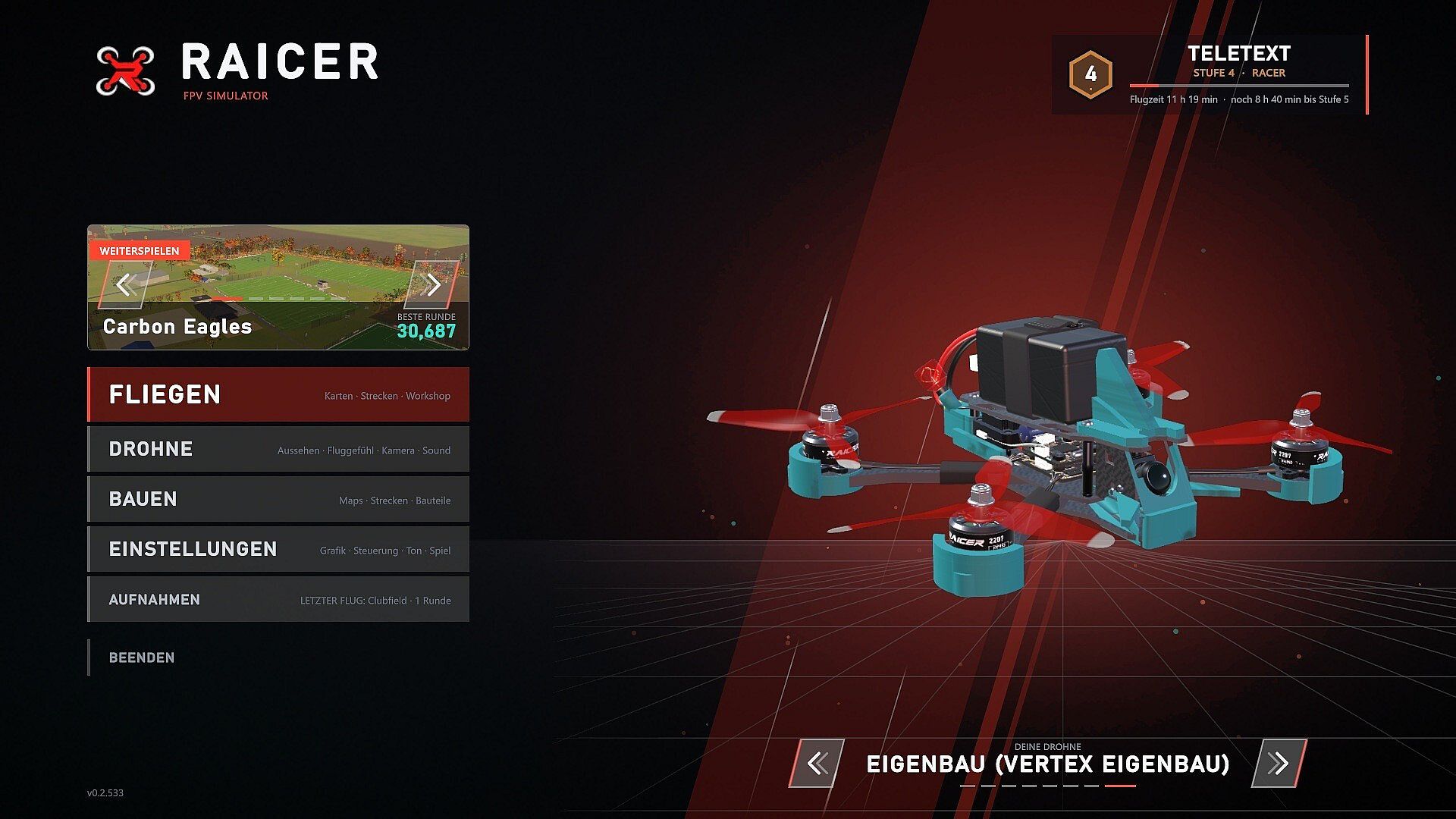
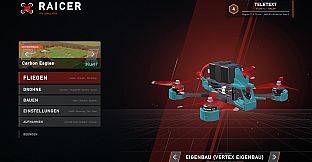
The core loop centers on precise piloting in varied locations. Eight pre-built drones range from compact 65 mm whoops suited for indoor navigation to larger 5-inch and 7-inch models for open racing and freestyle. Pilots can also construct custom quads in a workshop interface styled after the Betaflight Configurator by specifying individual parts and importing diff all files or Blackbox log headers. Camera settings such as angle, field of view, and fisheye distortion adjust the view, while video transmission options include clean digital or analog feeds that simulate signal breakup based on computed radio conditions.
Controls support USB joystick mode for transmitters and Bluetooth connections, with gamepads as an accessible alternative. A first-start assistant guides initial radio calibration and performance testing before flight begins. Graphics scale from high detail to a low-demand Potato preset without altering the underlying physics model, making the experience viable on older hardware. Replays capture the final minutes of any session for review from multiple camera angles, displaying speed-colored flight paths alongside stick inputs, throttle, and timing data.
Game Modes
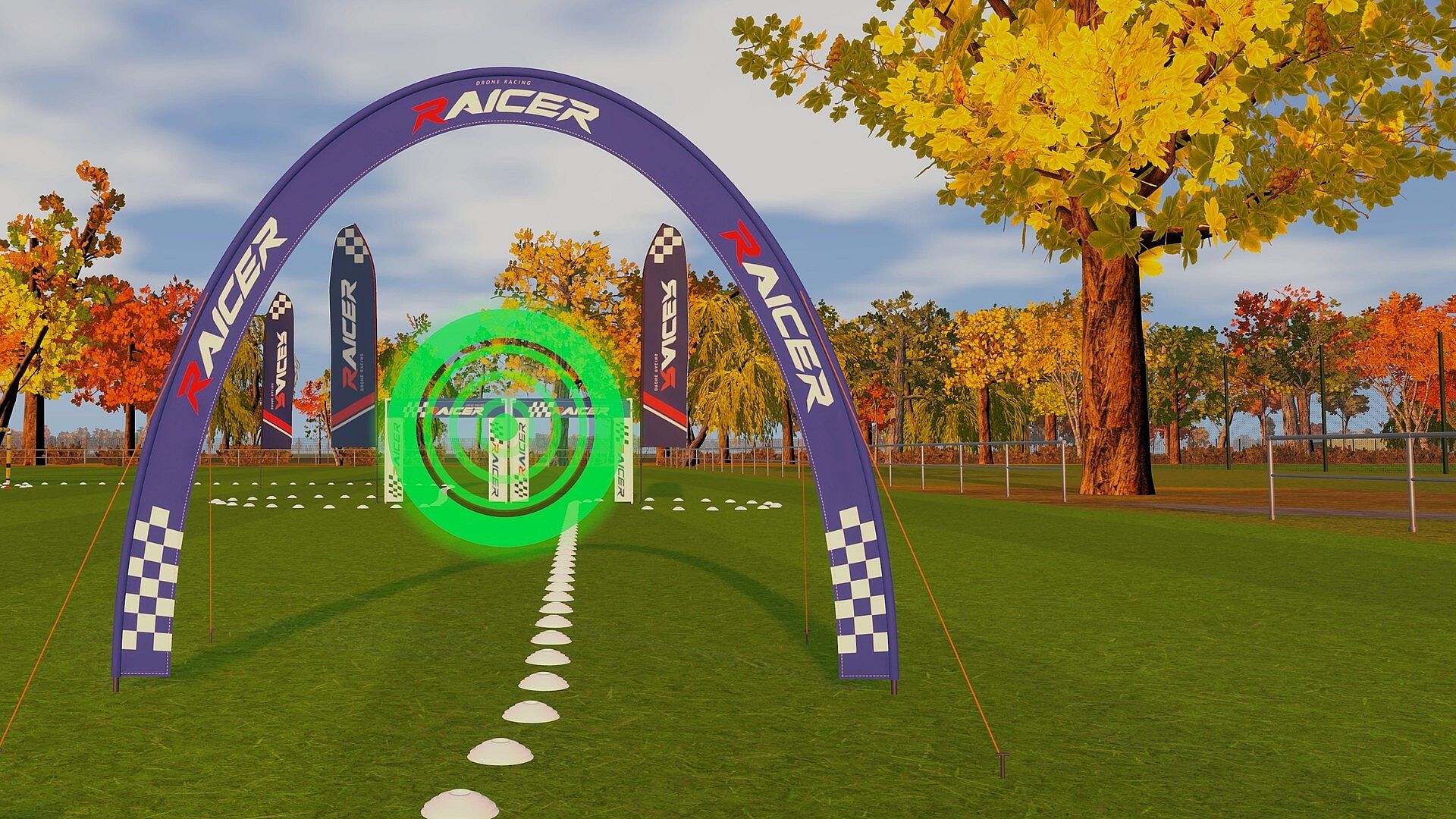
RAICER offers five distinct modes that test different aspects of piloting skill. Race mode features a start signal followed by timed laps with split times recorded. Freestyle mode provides unrestricted flight across all available maps for practice or creative lines. Speed mode ends a run if velocity falls below a set threshold. Clean mode requires a completely error-free lap to count. Nemesis mode pits the player against a ghost drone replicating their personal best performance on the same track.
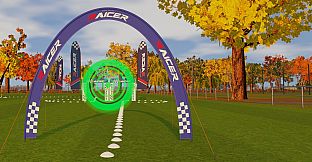
Twenty-five included tracks award medals and span slalom layouts to precision courses. Steam leaderboards track best single laps and three-lap races, segmented by drone class including a spec class where all participants use identical setups for direct comparison. Custom builds uploaded to the Steam Workshop appear as selectable options on these boards.
Maps and Editor Tools
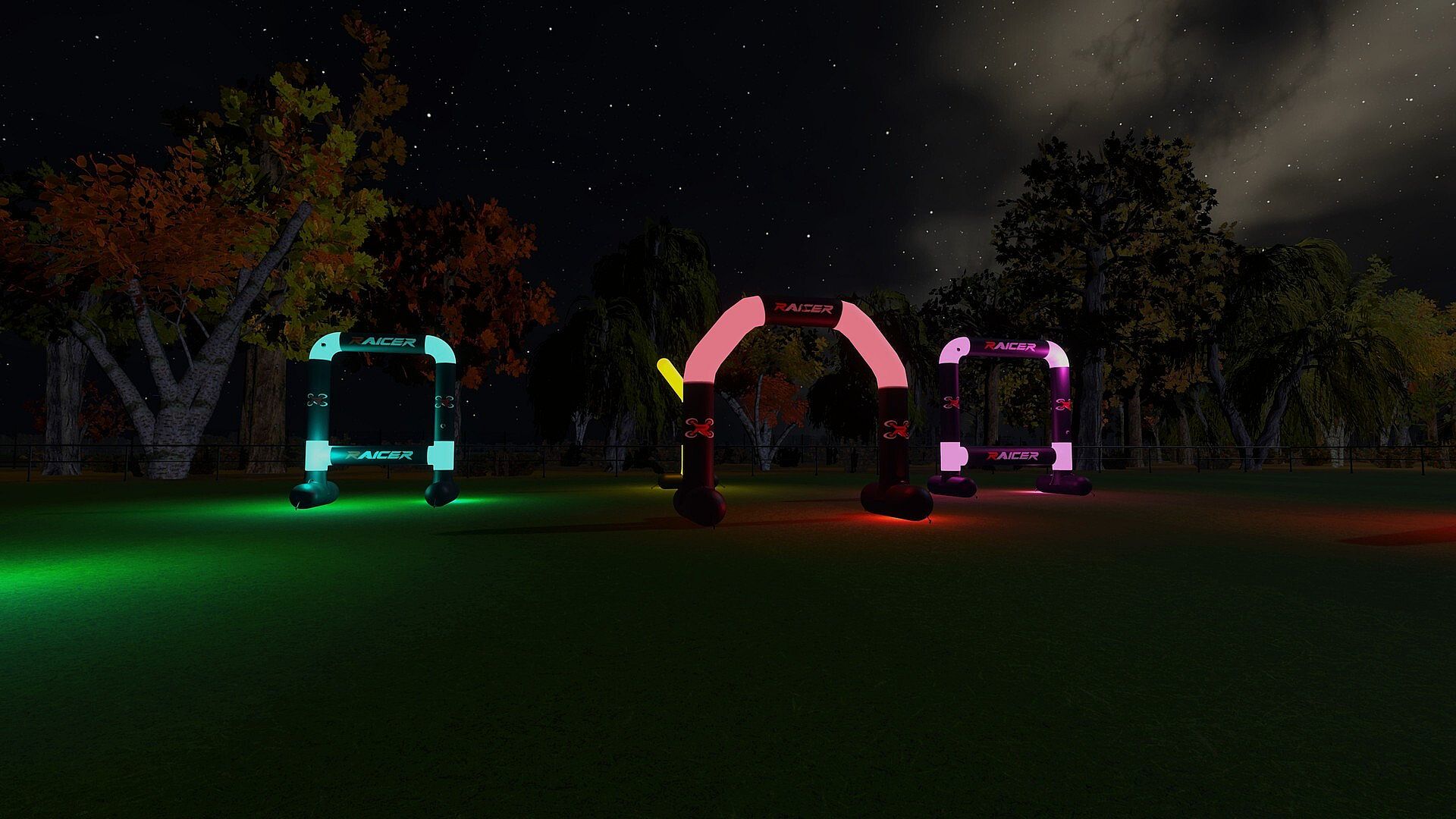
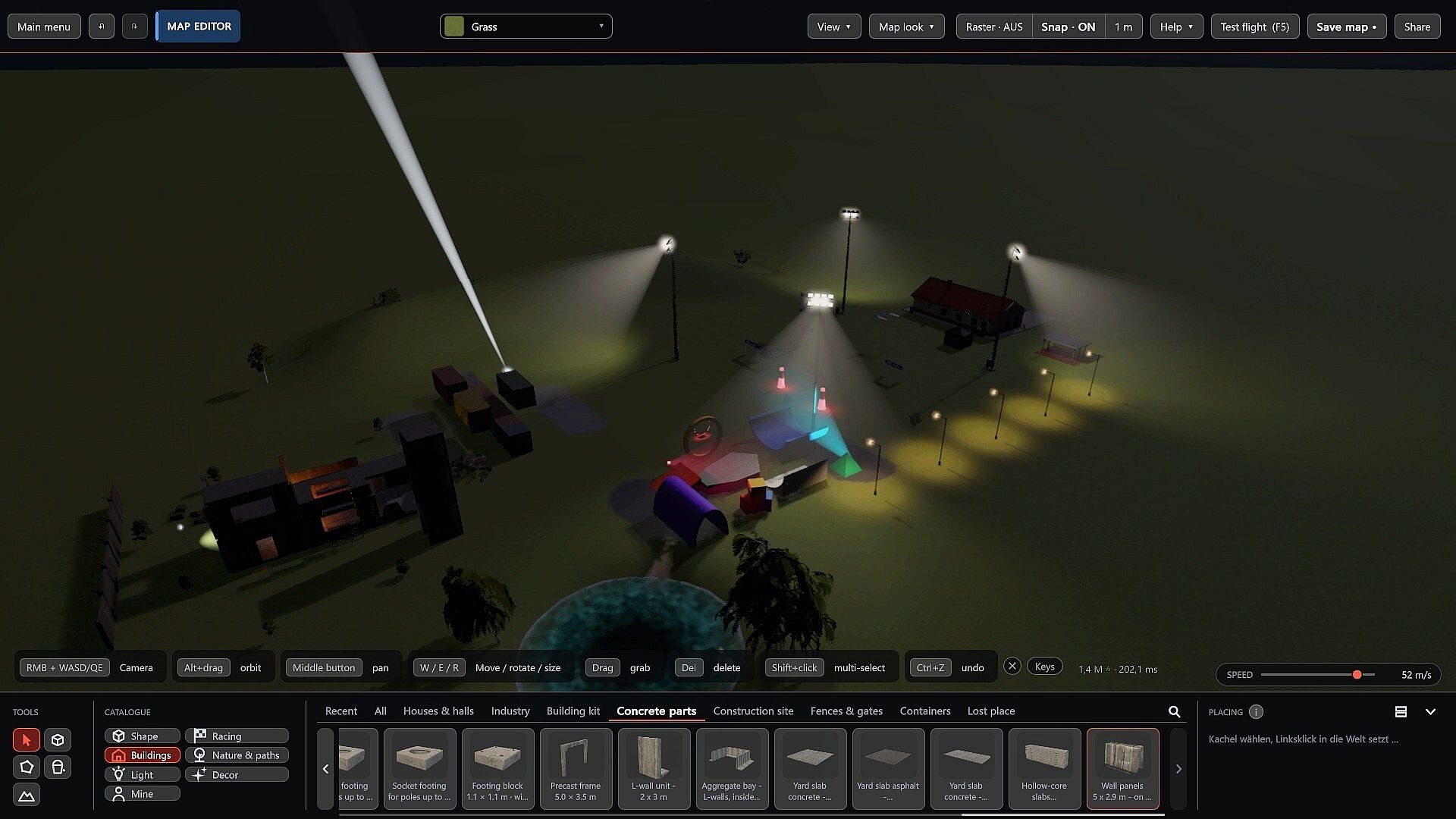
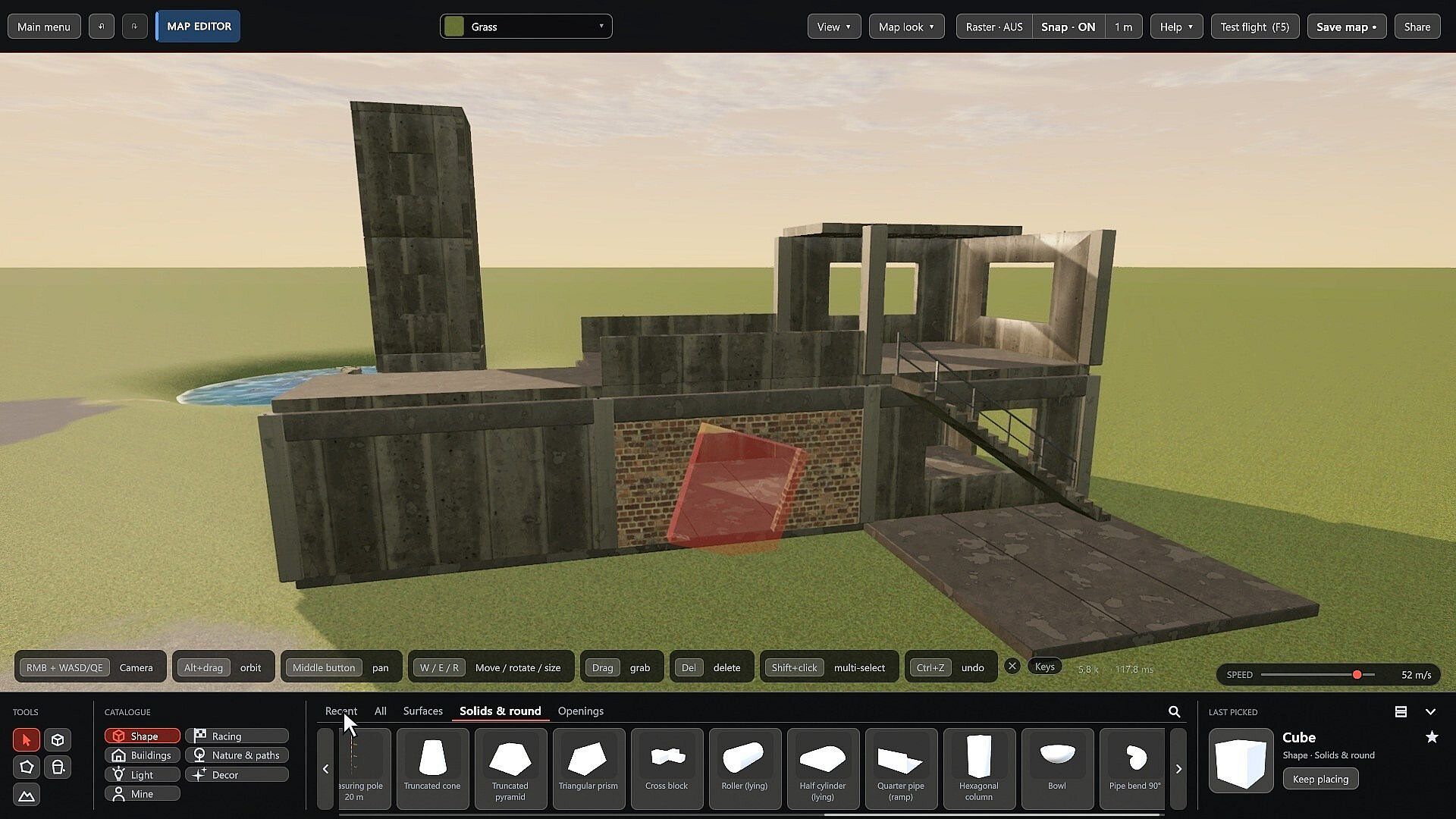
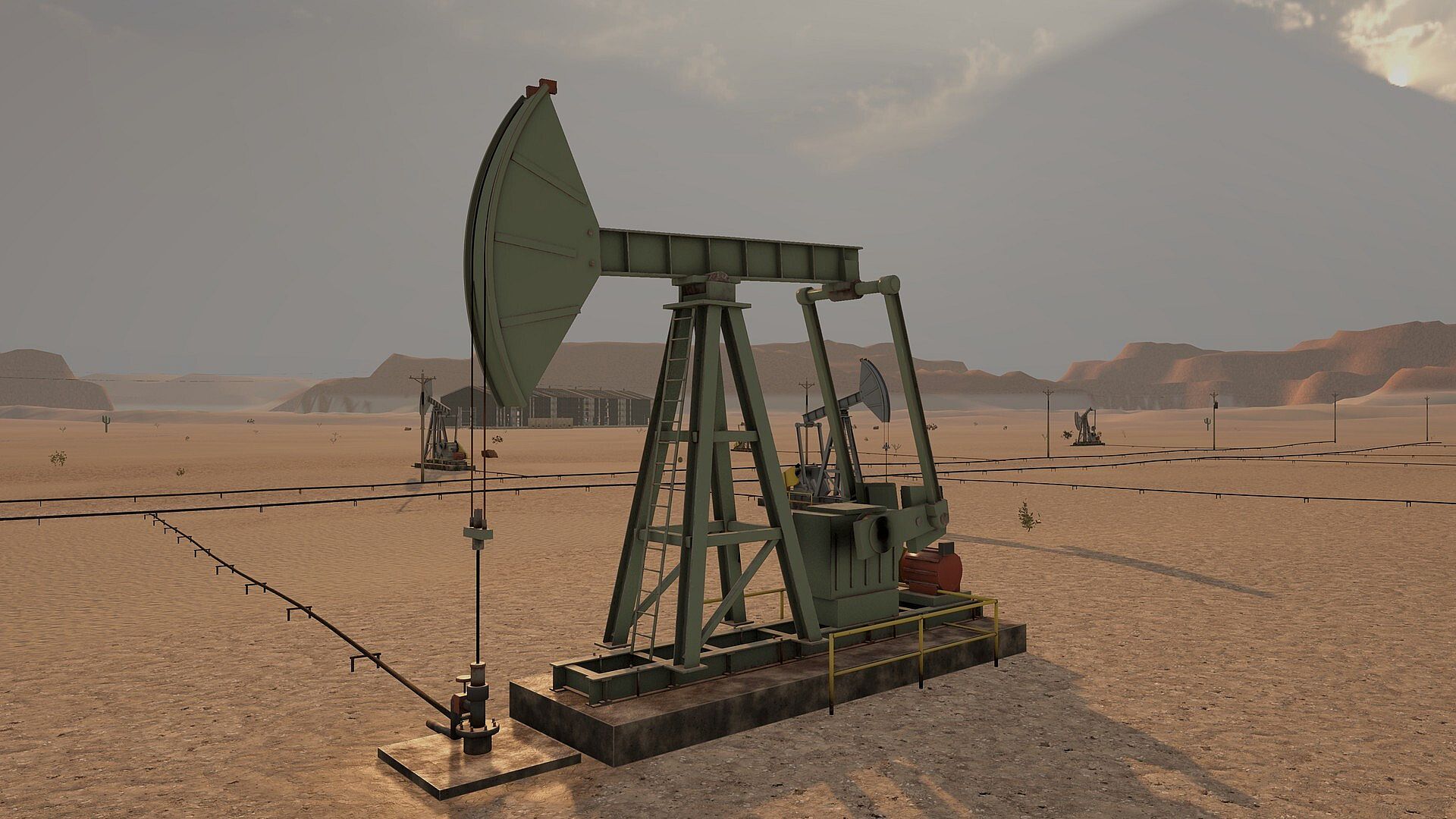
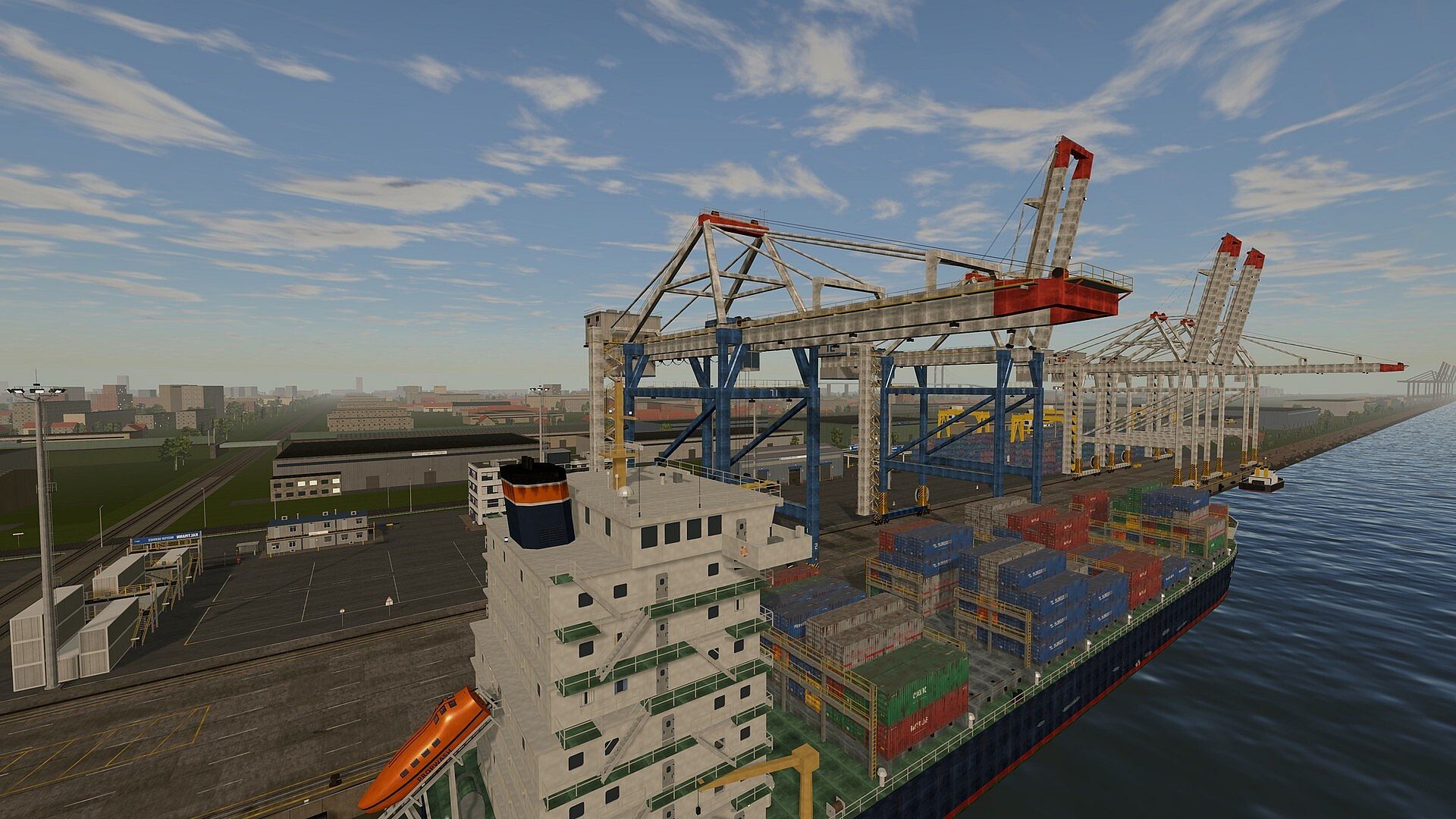
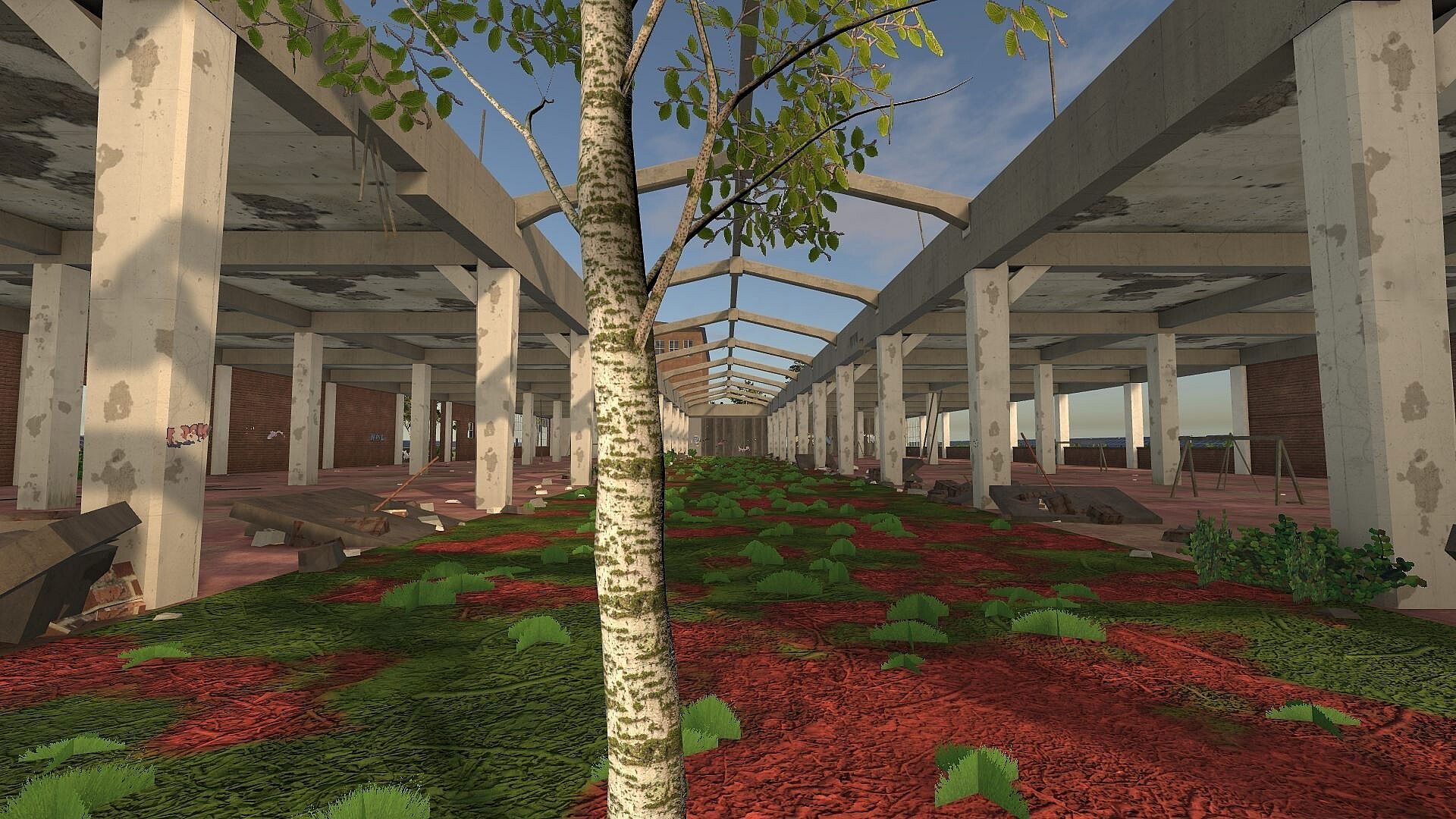
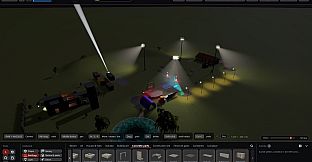
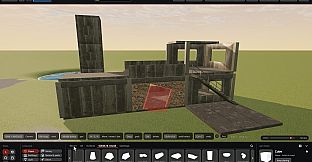
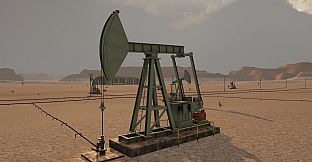
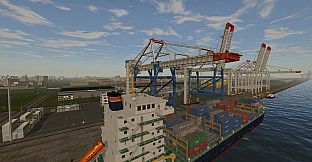
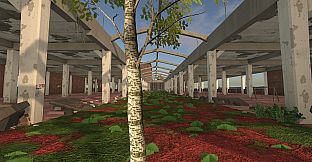
Twenty maps cover diverse settings including an abandoned discount supermarket, concrete halls, power plant ruins, radar sites, oil fields, container ports, nighttime parking garages, metro stations, vaporwave malls, and open fields. Lighting varies by time of day, with floodlights and glowing gates active at night. The integrated map and track editor supports placement of gates, flags, obstacles, building sections, lights, and props. Users can cut openings in walls, draw custom shapes, and assemble structures from kits. Completed maps and tracks export directly to the Steam Workshop for sharing, with subscribed content loading automatically in the game.
Is It Worth Playing?
RAICER targets pilots who value authentic FPV drone handling and community-driven content creation. Its physics model and Betaflight integration deliver a close approximation of real quad behavior, while the editor and Workshop support extend play through user-generated maps and builds. The game enters Early Access with a complete set of core features already functional, including all listed drones, maps, tracks, modes, replays, and leaderboards. Development plans focus on expanding these elements based on pilot feedback over an estimated six to twelve months. Players seeking a simulator that prioritizes flight fidelity over arcade elements will find the current build rewarding, particularly those already familiar with Betaflight configurations and real-world FPV equipment.












