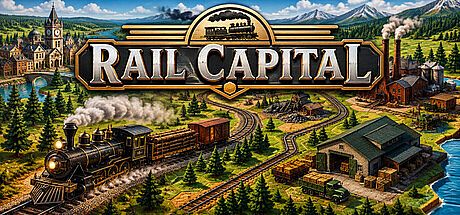


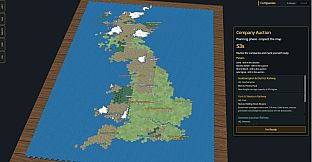
Rail Capital is a real-time strategy game focused on railway construction, company management and economic systems. Players start in 1820 with limited funds and build a network that interacts with industries, passengers and markets in a living economy.
Gameplay
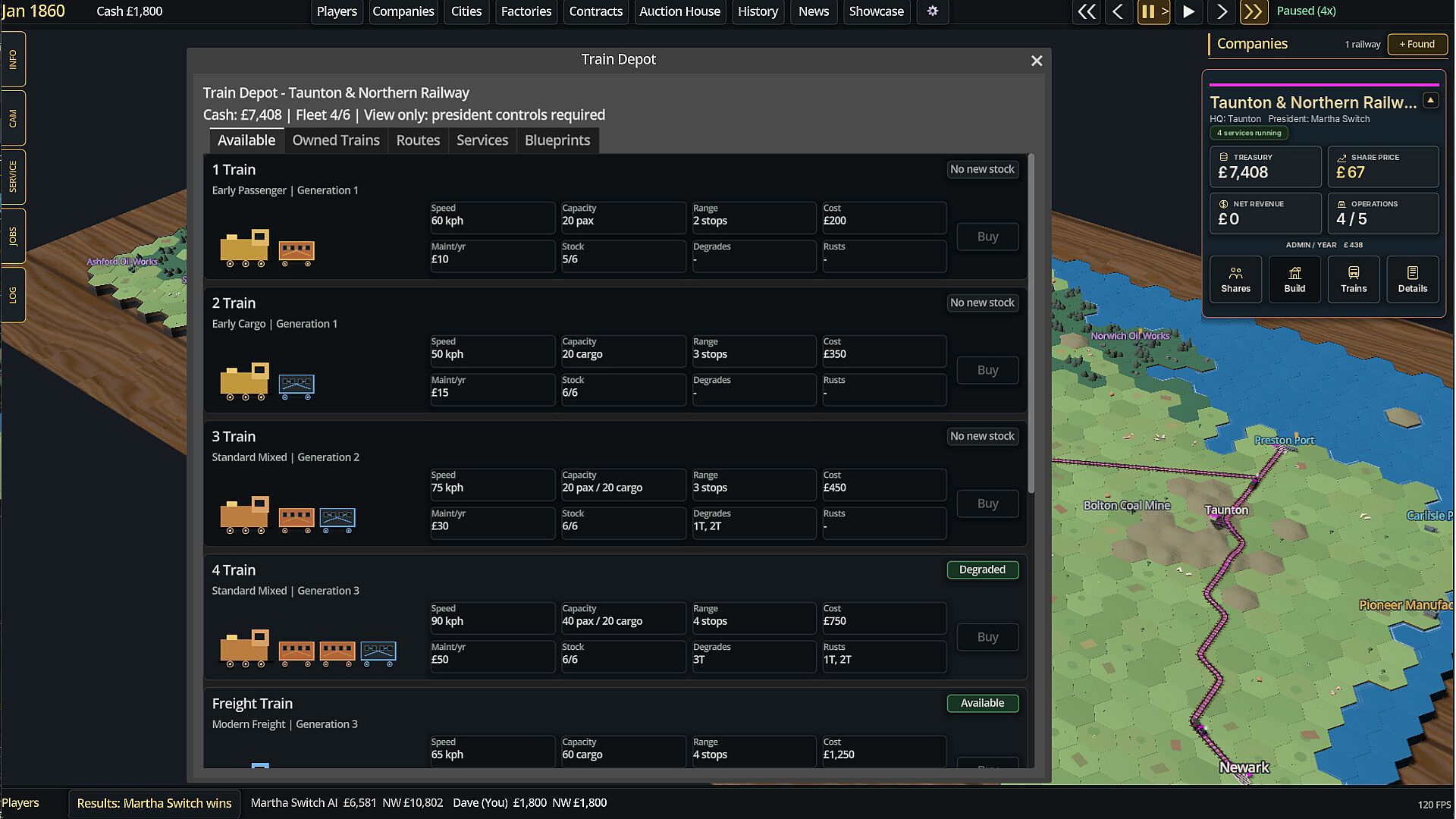
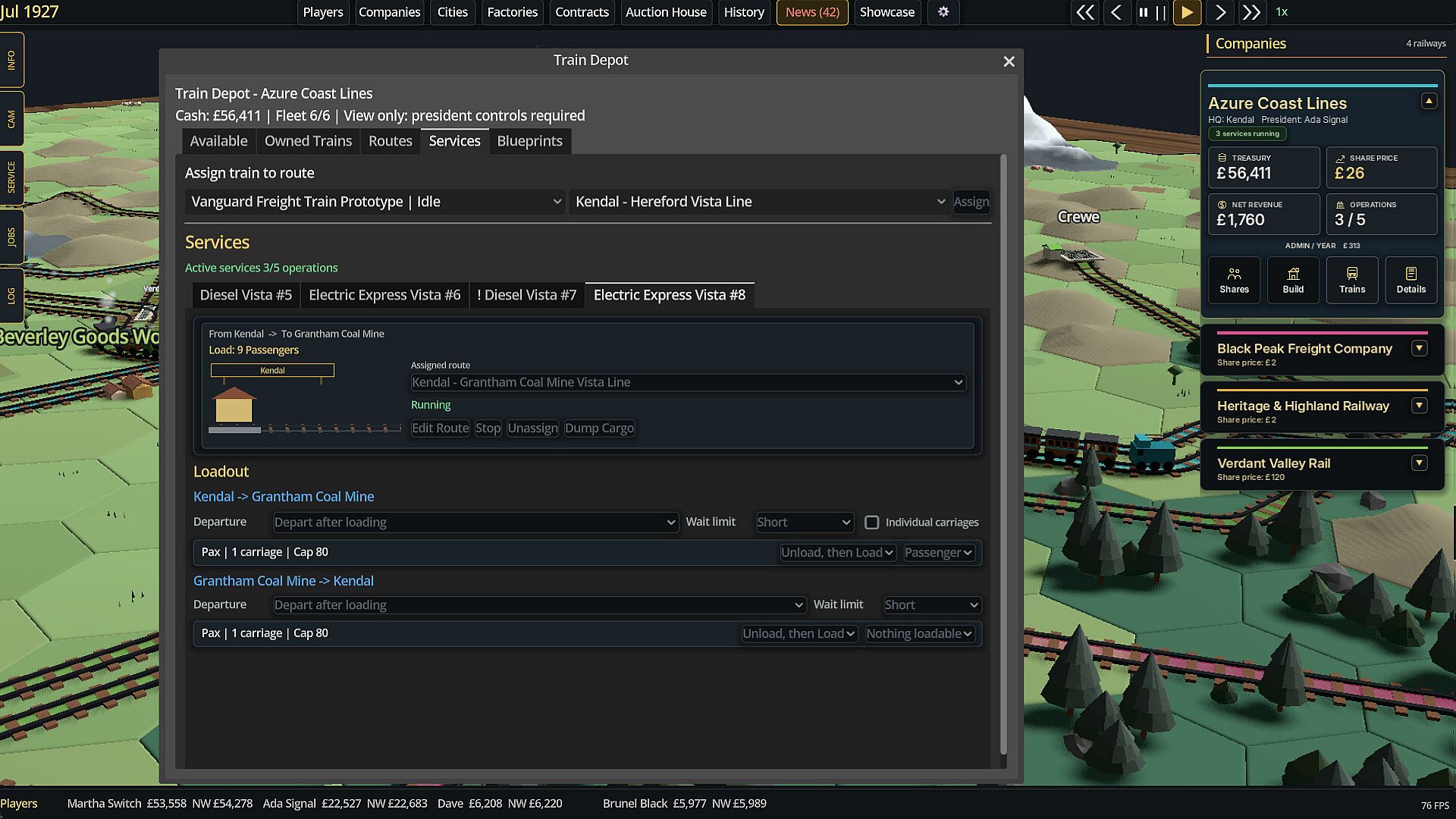
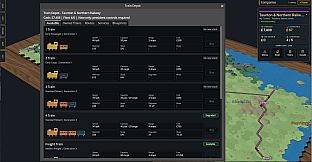
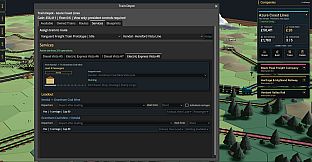
The core loop centers on founding a railway company, issuing shares to raise capital and using that treasury to lay track, purchase trains and secure key assets through auctions. Track placement connects cities and industries, while services require careful configuration of what each carriage loads, carries and unloads at every stop. Freight moves through a supply-and-demand system where mines, factories and ports generate or consume goods at fluctuating prices.
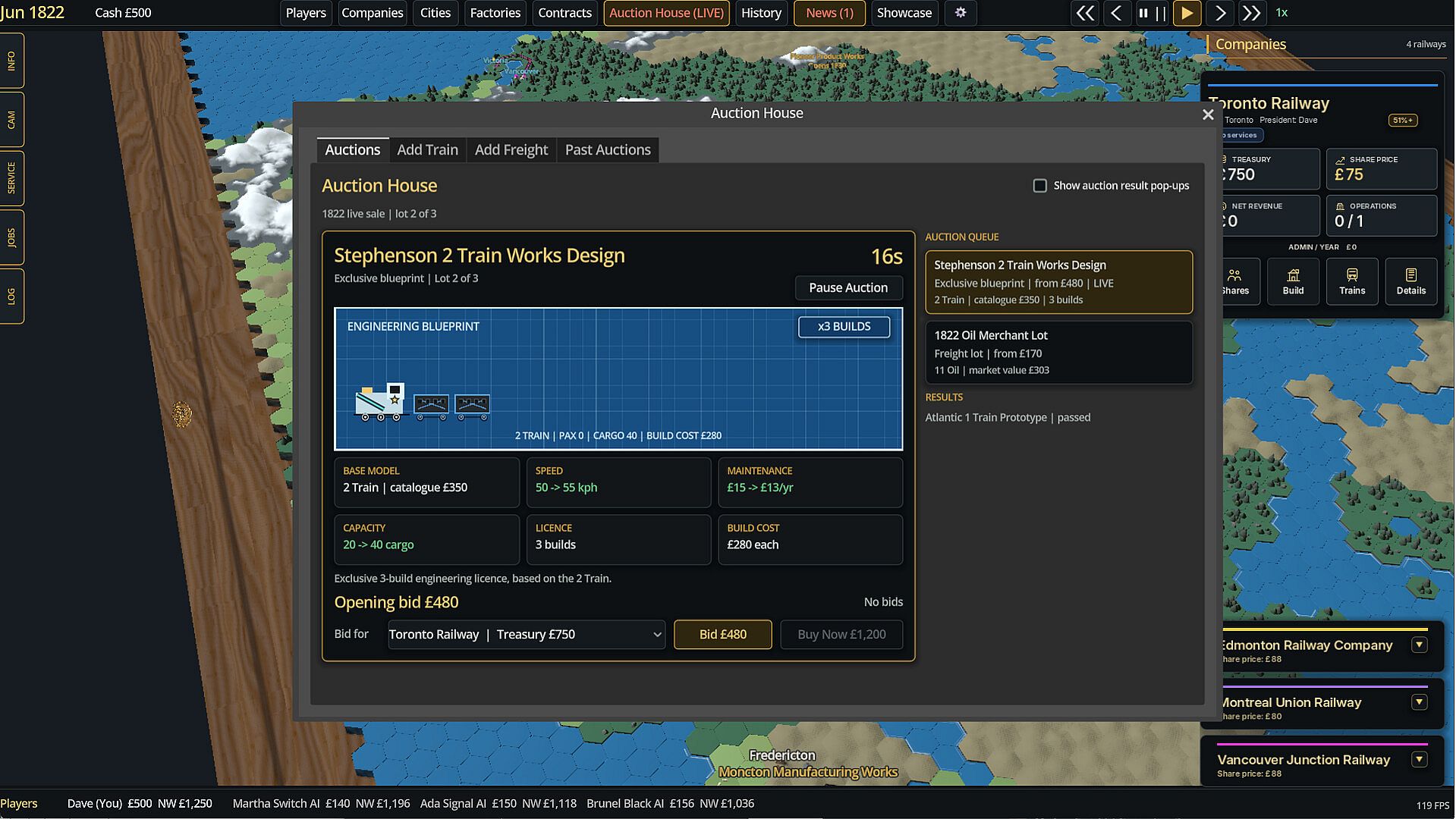
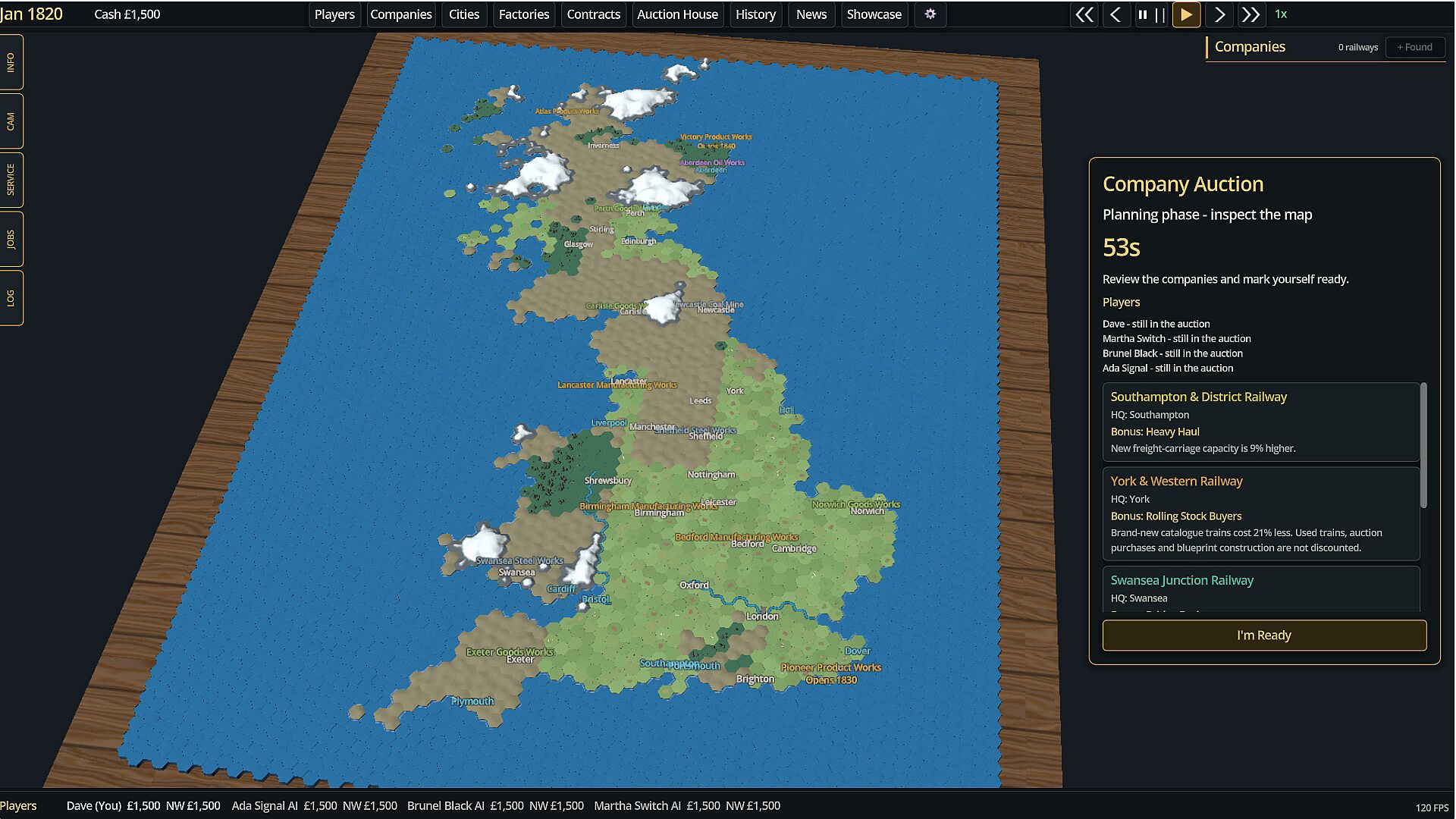
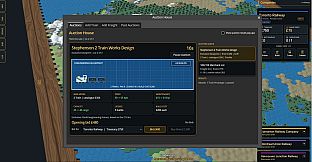
Company finances operate separately from personal player funds. Revenue builds during the year and can be retained for expansion or distributed as dividends. Share trading allows players to buy and sell stock, defend control of their company or challenge rivals through takeovers and mergers. Auctions for prototype locomotives, blueprints and freight contracts add competitive timing elements to long-term planning.
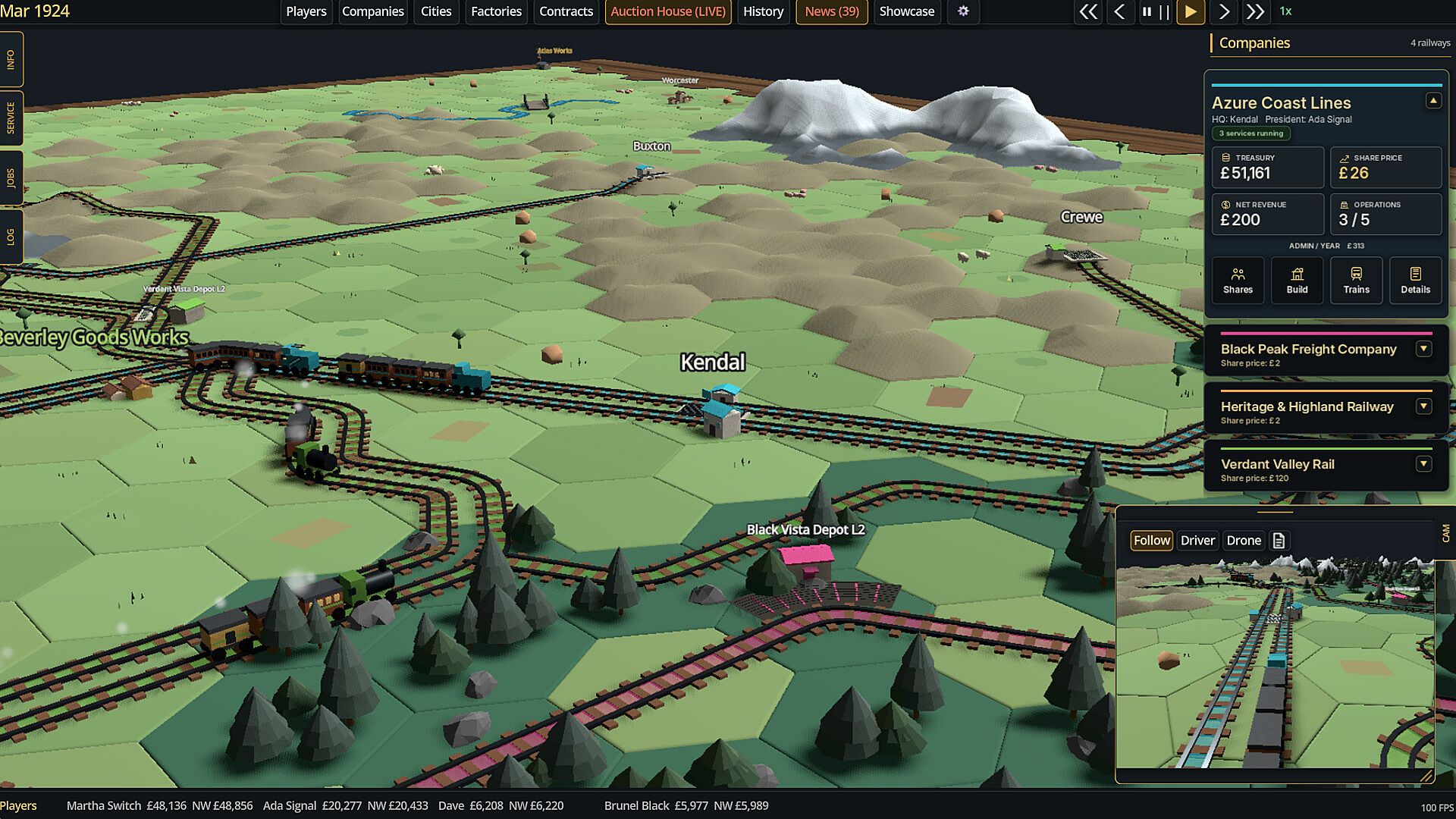
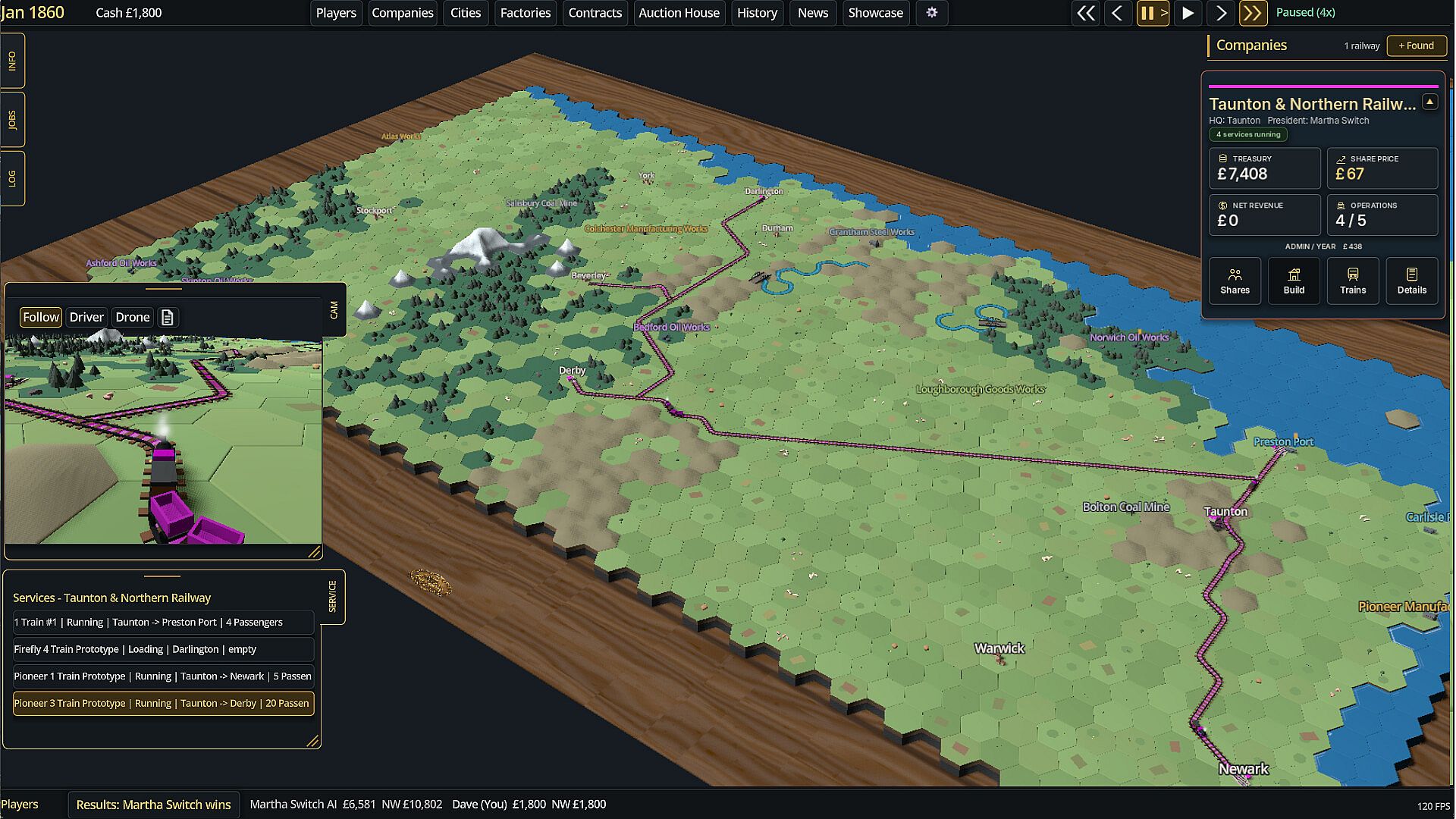
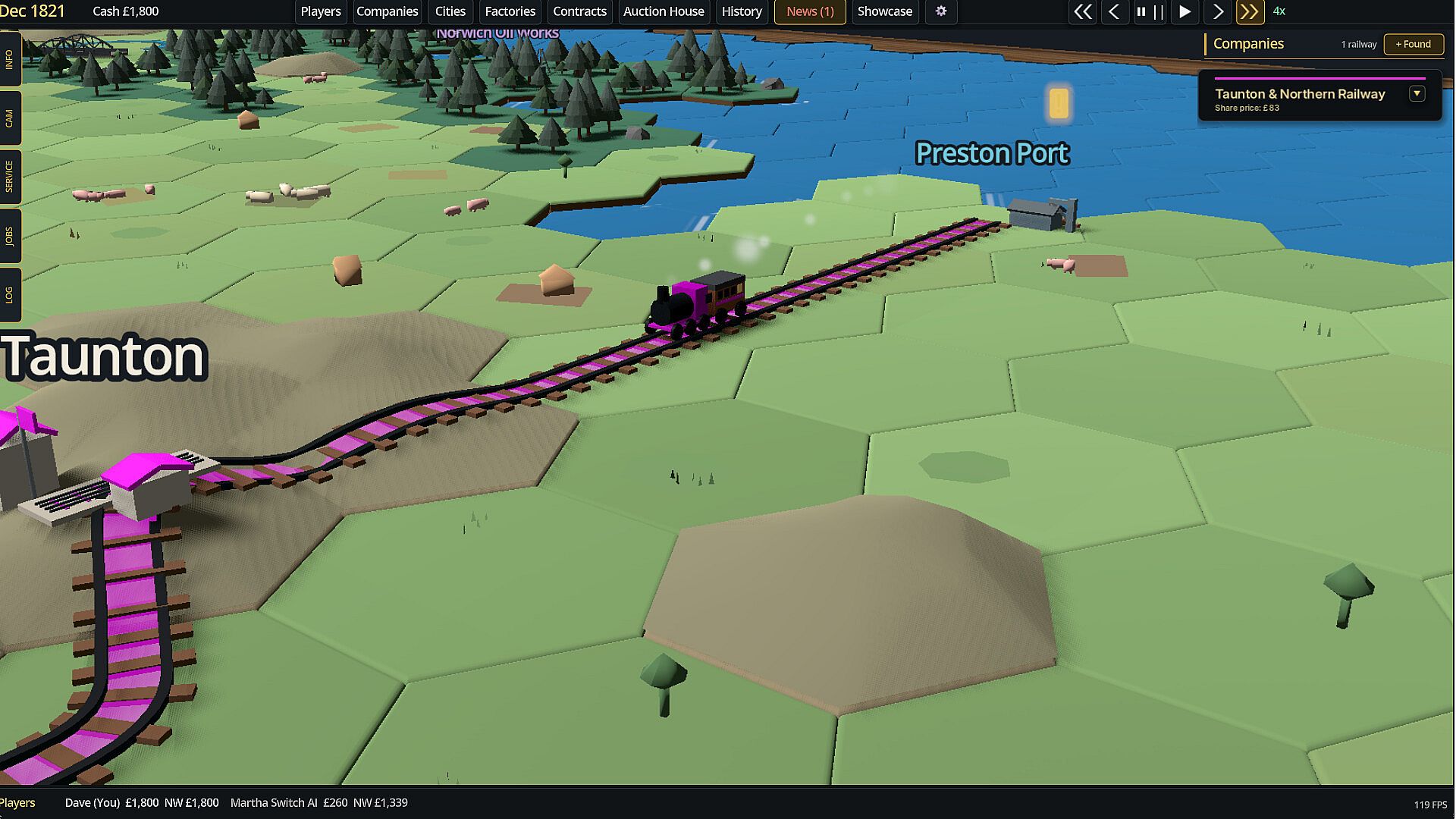
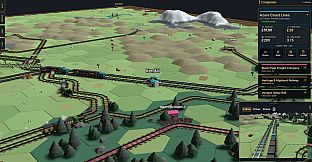
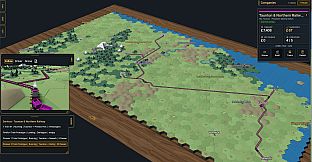
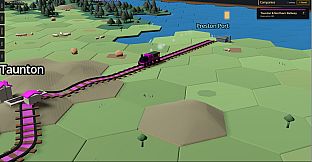
Visual feedback shows trains navigating hills, tunnels and rivers on a growing map. Logistics decisions extend beyond simple routes into warehouse placement, contract selection and industry investment that shapes cargo flows across the entire network.
Game Modes
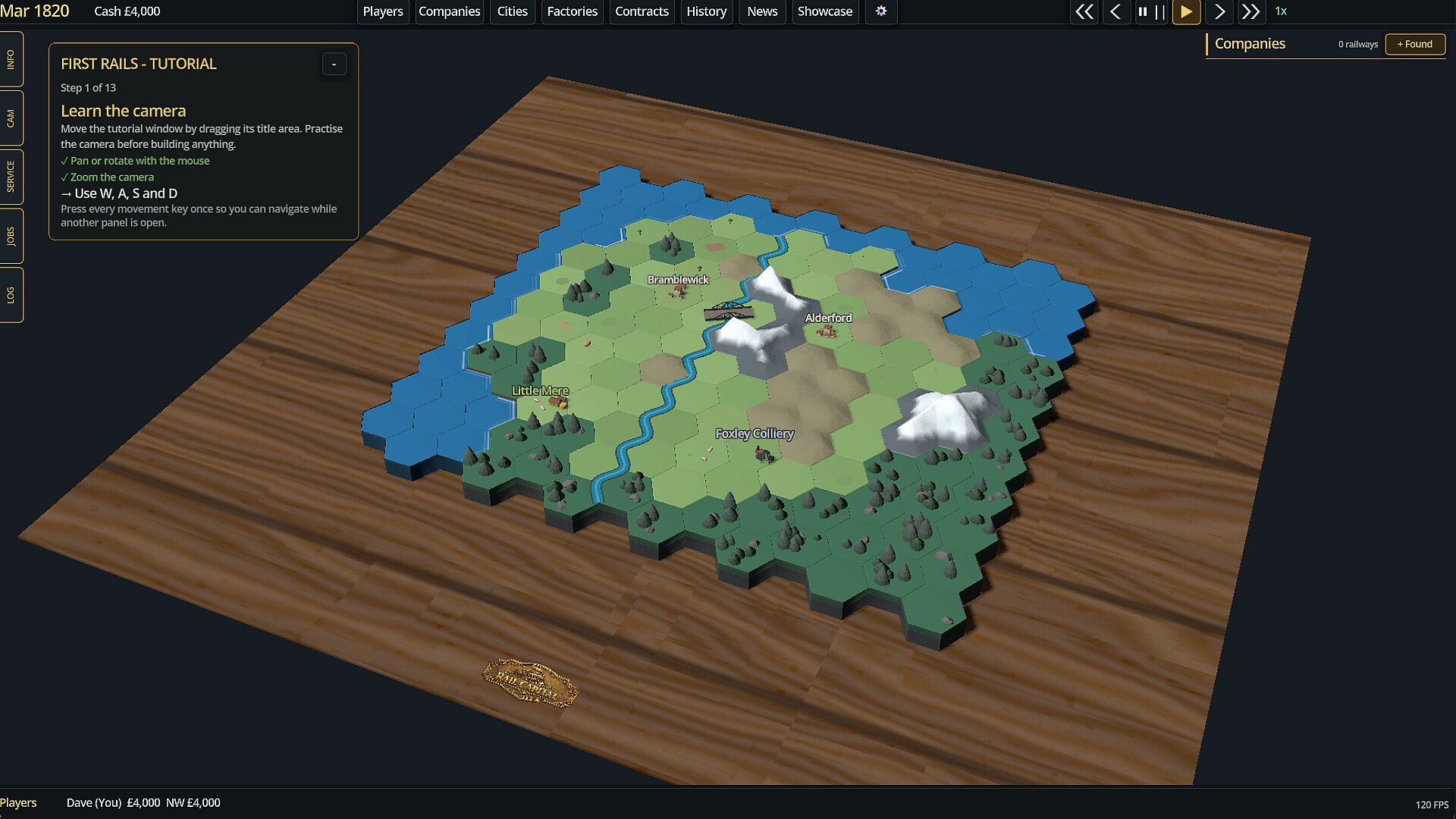
Multiple structured ways to play support different preferences. Tutorial campaigns introduce mechanics through guided objectives that progress from basic railway operation to advanced share management and logistics.
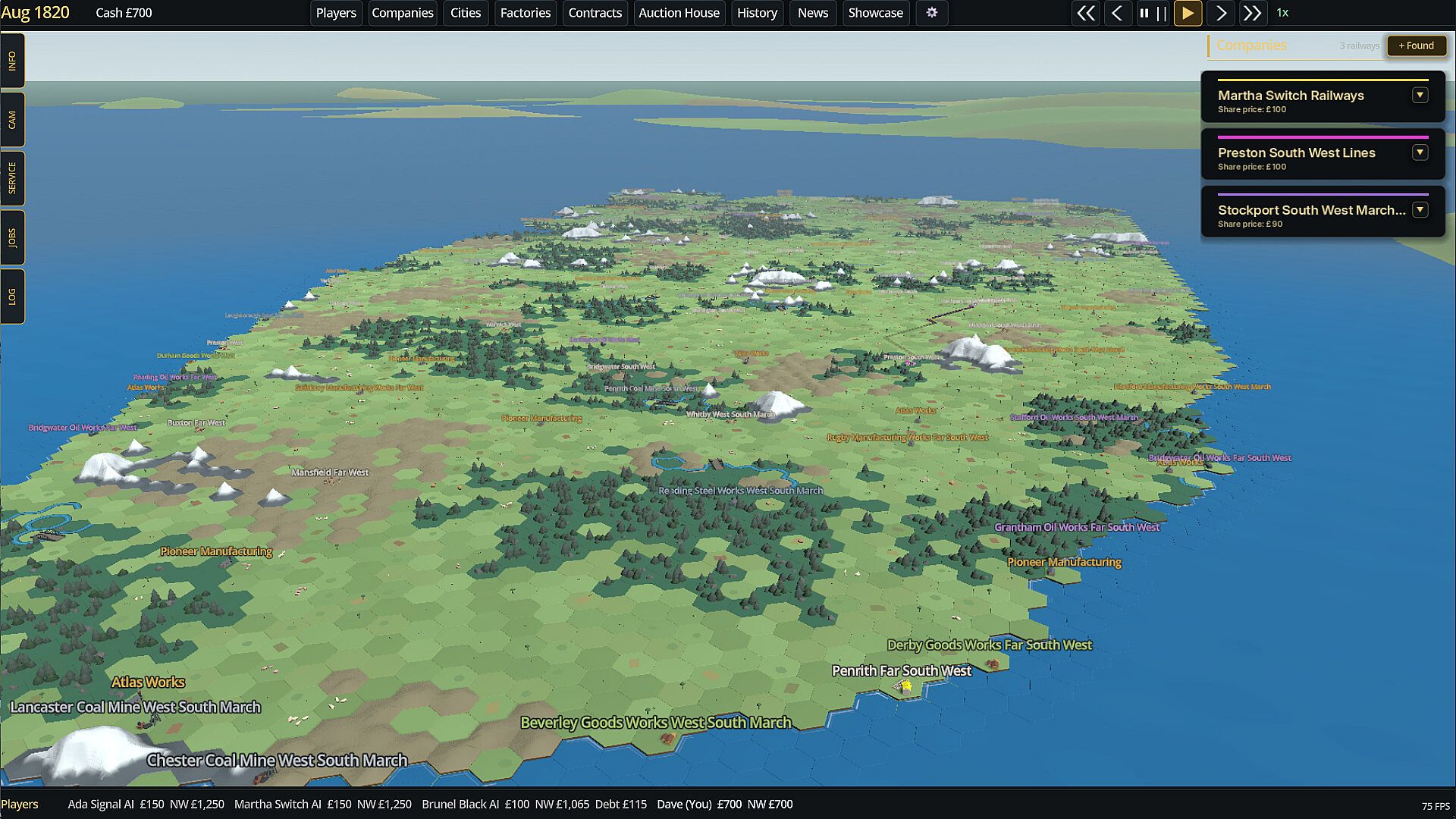
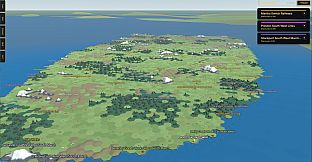
Sandbox maps use seeded worlds with configurable settings and AI opponents of varying personalities. Scenarios provide handcrafted maps paired with specific opponents and victory conditions. Daily challenges deliver one shared deterministic map each day for competitive or comparative play.
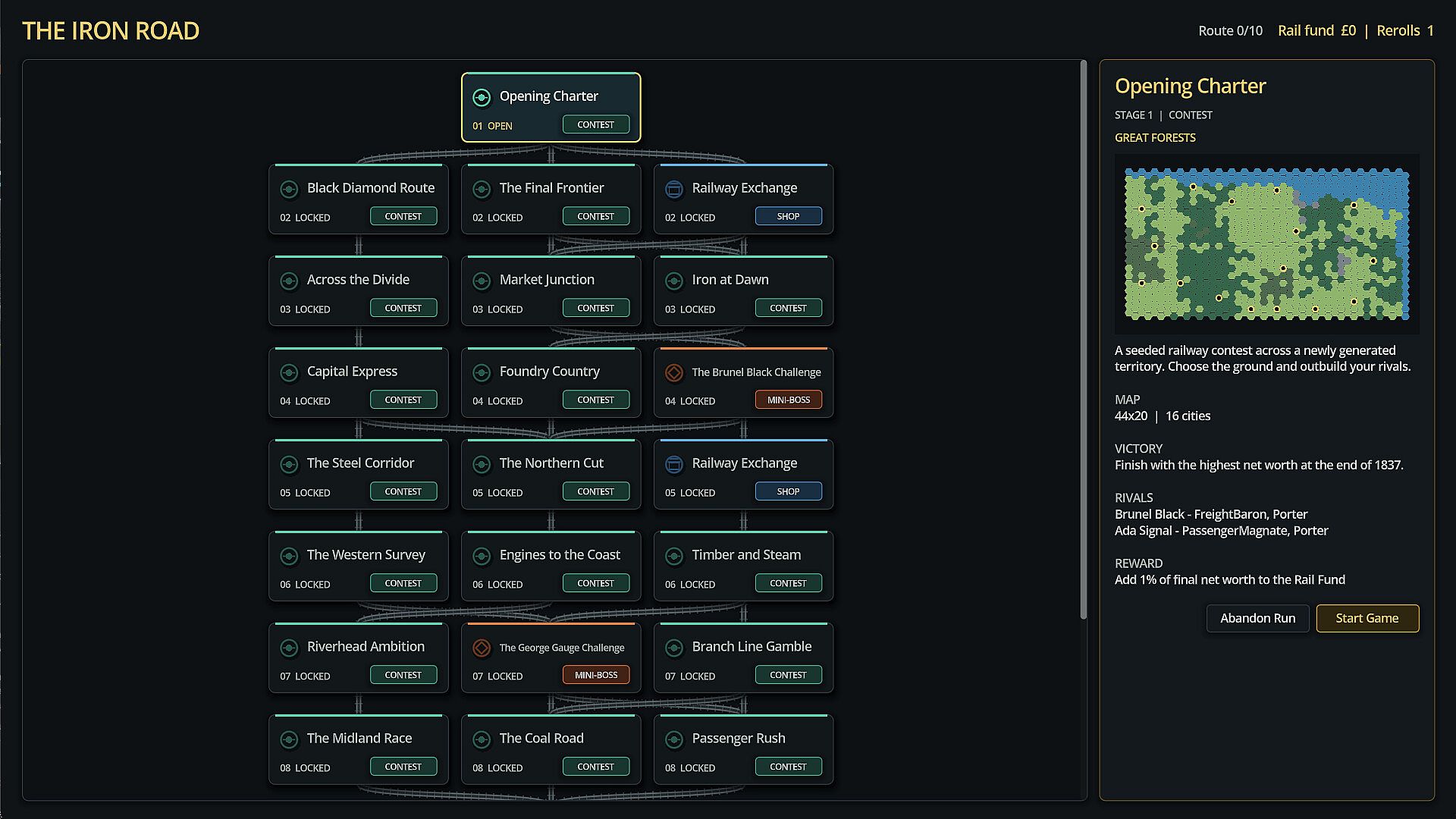
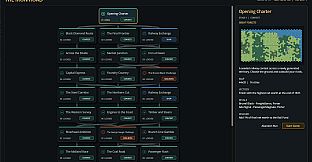
Iron Road functions as a multi-stage roguelite campaign where company advantages persist across a branching series of runs. Real-time multiplayer allows hosted or joined sessions against other players, while a read-only Vista mode offers a passive view of network activity.
Core Mechanics and Economy
Every railway operates inside a wider simulation where passenger demand follows useful connections and industries react to available raw materials. Factories convert inputs into higher-value outputs, and ports open export routes. Warehouses and private contracts create dedicated logistics opportunities that reward precise timing and capacity management.
Construction options include single or double track, tunnels, bridges, stations and warehouses. Double track improves throughput on busy lines. Services must respect completed track connections and stop ranges, with loading instructions set independently for each carriage type.
Public contracts create open competition for deliveries, while private contracts tie up operations capacity until fulfilled. Market prices respond dynamically to supply, encouraging players to anticipate shortages or surpluses when designing routes.
Is It Worth Playing?
Rail Capital suits players who enjoy detailed economic strategy and real-time decision making in the style of 18xx board games. The separation of company and personal finances, combined with share trading and auctions, creates layered competition that rewards both operational efficiency and financial maneuvering.
Single-player options range from structured tutorials to open sandbox sessions and the persistent-progression Iron Road mode. Multiplayer supports direct competition in the same real-time environment. The game remains in active early access with ongoing manual updates that expand on core systems.
Those drawn to complex logistics, network building and market manipulation will find substantial depth. Players seeking lighter or purely visual train experiences may find the economic layers more demanding than expected. The current feature set already delivers a cohesive strategy experience centered on railway operations and company control.