




















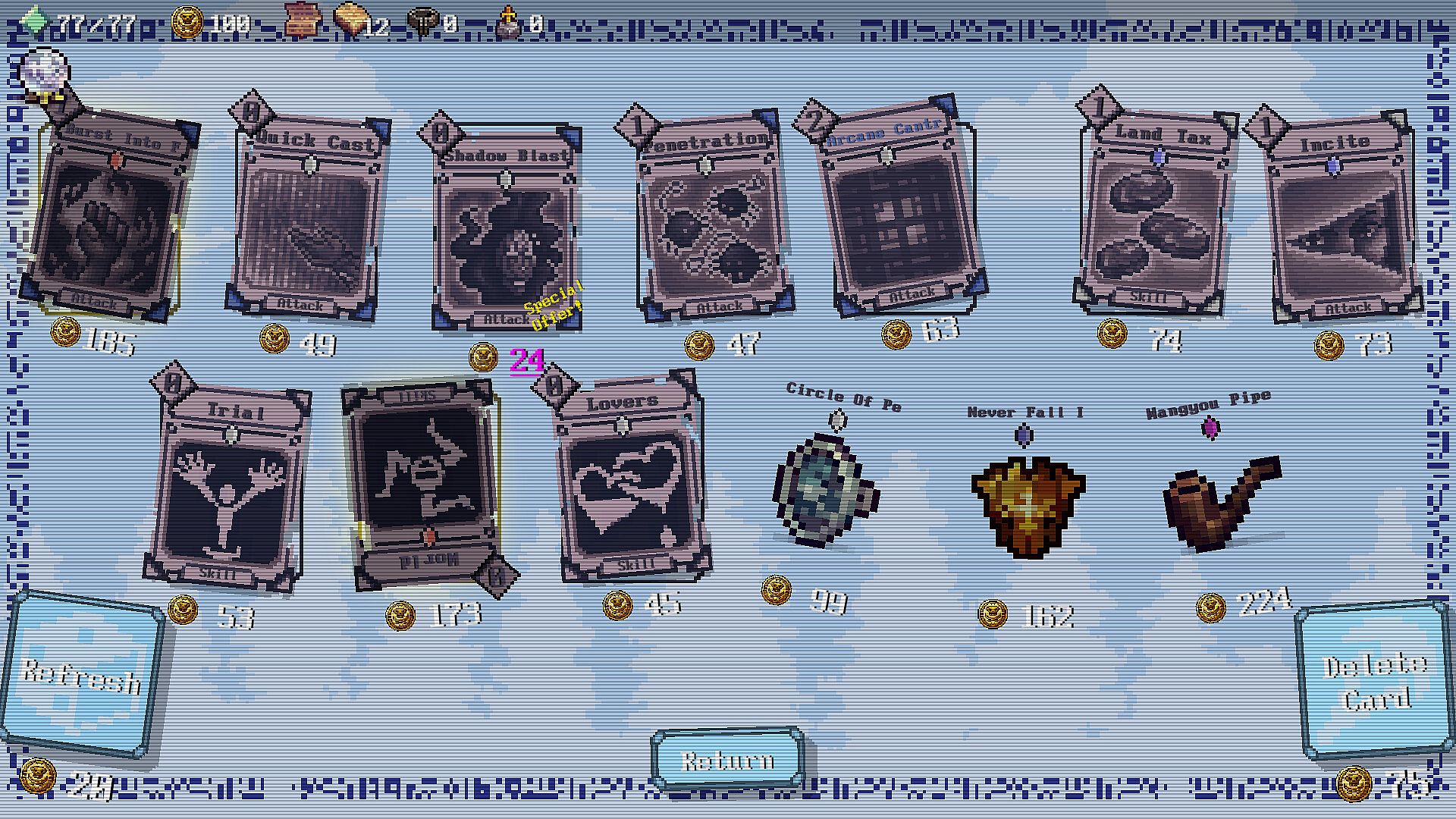




Rainbow Legends stands out as a strategy indie RPG that blends roguelike deckbuilding with a distinctive territory control mechanic on PC. Players build decks around cards whose effects tie directly into battlefield positioning, where control of tiles determines outcomes rather than raw numerical values alone.
Gameplay
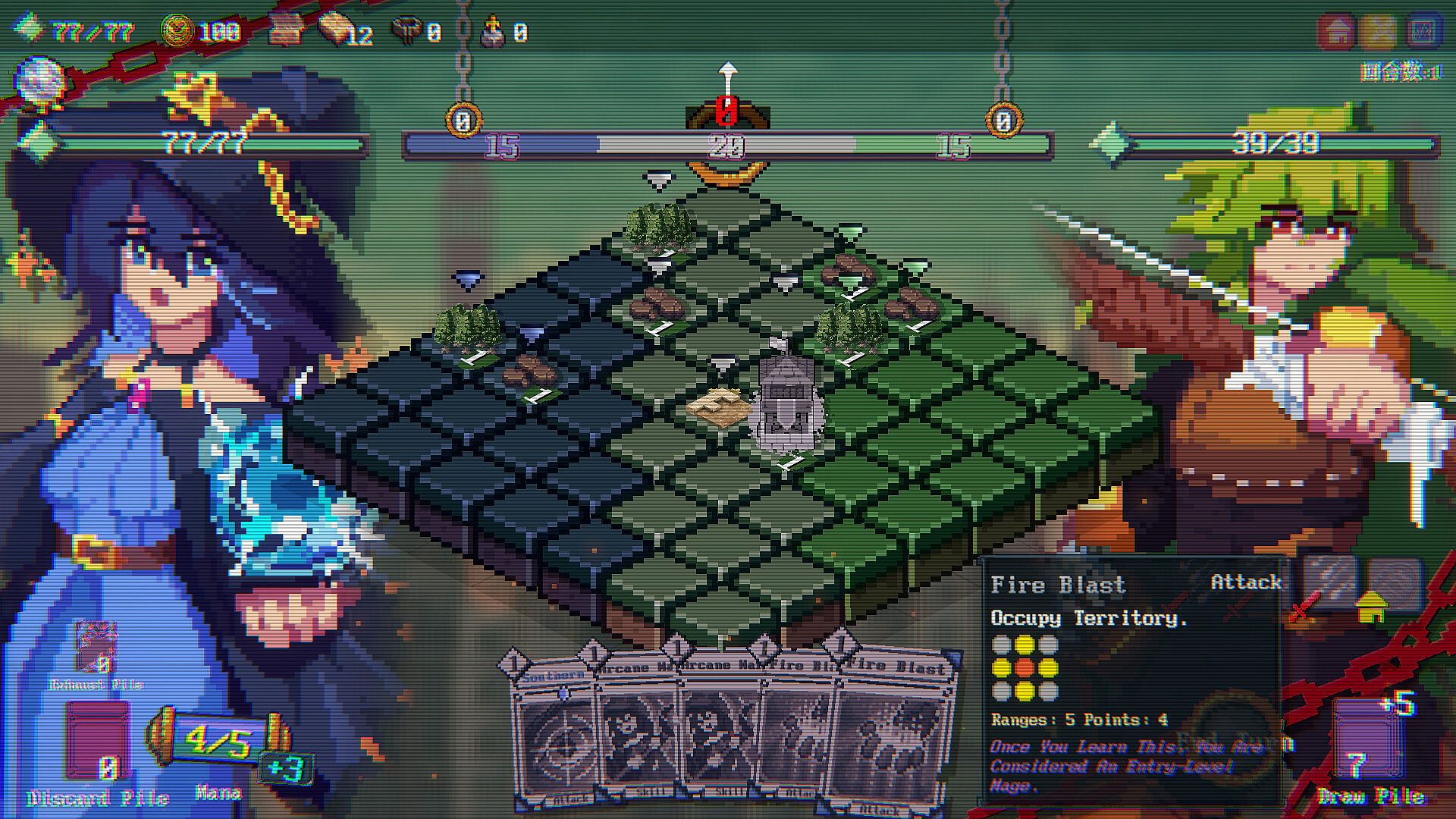
The core loop revolves around claiming and holding territory across a grid-based battlefield. At the end of each round the player or opponent with more tiles under control deals damage based on the difference in territory points. Card damage incorporates range as a factor, encouraging thoughtful placement rather than simple attacks from hand.
Deployment adds another layer. Structures and runes can be placed on friendly or enemy territory to alter resolutions. A Twin Rune doubles the effect of attack cards on a chosen tile, while an Explosive Rune can be positioned to self-destruct in opposing areas. Core positions require protection because enemy actions can target them directly during combat phases.
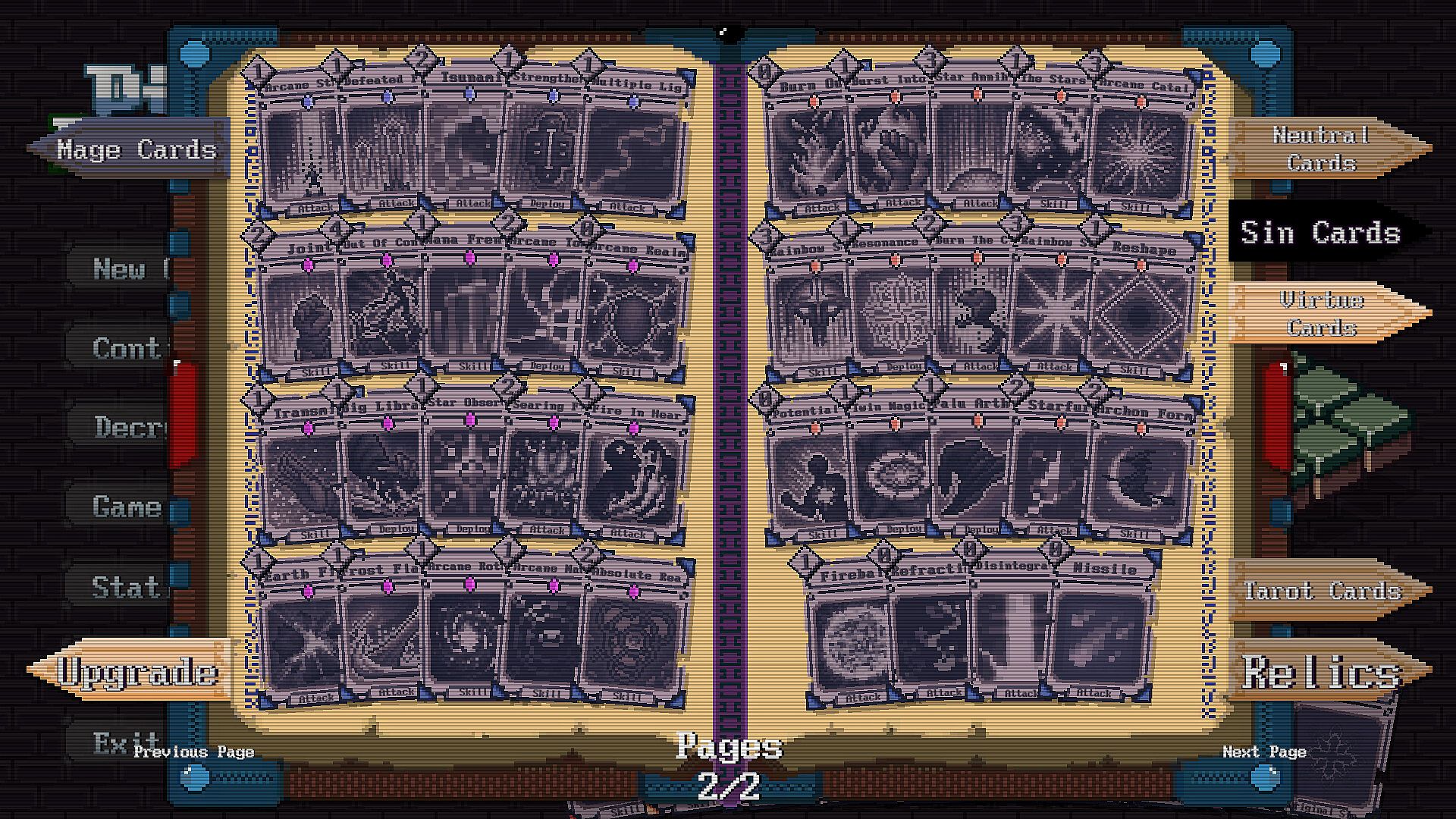
Progression centers on card upgrades and relic collection. Every card offers upgrade paths that change its function or efficiency. Over one hundred relics provide additional tools for synergies, allowing combinations that shift how territory is seized or defended. Eight classes each bring distinct card pools and relic options, with five storylines per class that unlock further content through repeated runs.
Adventures incorporate battlefield events and puzzles that appear unpredictably. Multiple paths through encounters create variety, forcing adaptation to shifting conditions on the board. Card and relic synergies become essential for maintaining control amid these surprises.
Game Modes
The game focuses on single-player roguelike runs where each attempt builds on previous unlocks. Random encounters and branching paths ensure no two adventures unfold identically, emphasizing strategic decision-making over fixed scenarios.
Players select a class and storyline at the start, then navigate a series of battles that test territory management and deck synergy. Success depends on balancing aggressive expansion with defensive placements while managing the limited resources of each run.
Classes and Relics
Eight classes differentiate playstyles through unique card sets and relic interactions. Each class supports five storylines that expand available options as players complete runs and earn unlocks. Relics number over one hundred and slot into builds to amplify specific mechanics such as range bonuses or territory point generation.
Card shapes and factions further customize strategies. Players experiment with combinations that leverage the territory system, turning defensive setups into offensive advantages or vice versa depending on the encounter.
Is It Worth Playing?
Rainbow Legends appeals to players who value tactical depth in deckbuilding games. The territory control system introduces a spatial element that rewards foresight and adaptation over straightforward card spam. Those who enjoy roguelike progression with meaningful choices in upgrades and synergies will find the mechanics engaging across multiple runs.
The game launched on PC in May 2026 with a demo available beforehand. Its indie scale keeps the focus on core systems rather than expansive multiplayer features. Fans of strategy titles that layer positioning onto traditional card play should consider trying the available demo to assess fit with their preferences.