




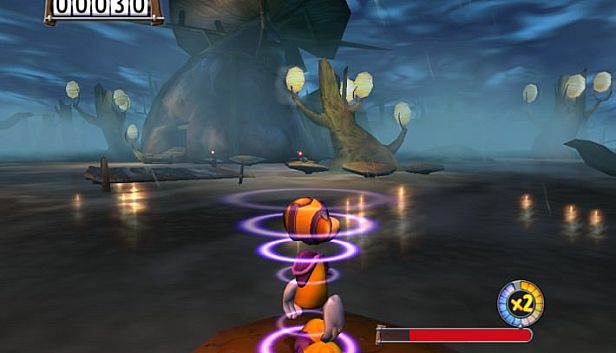















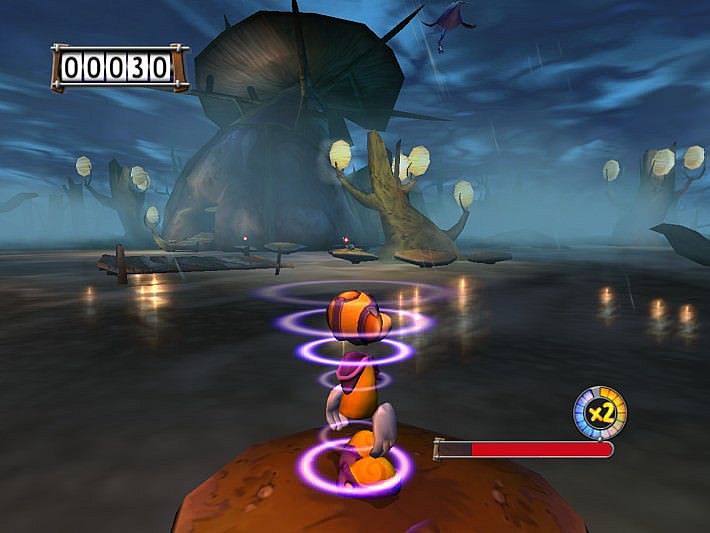
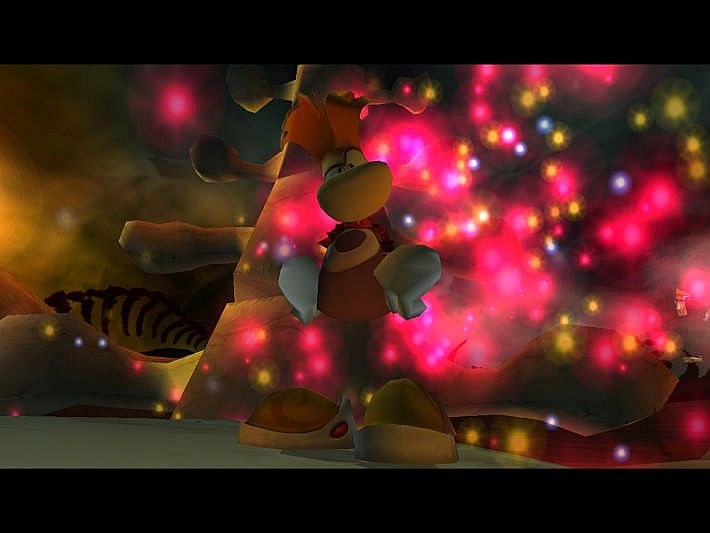
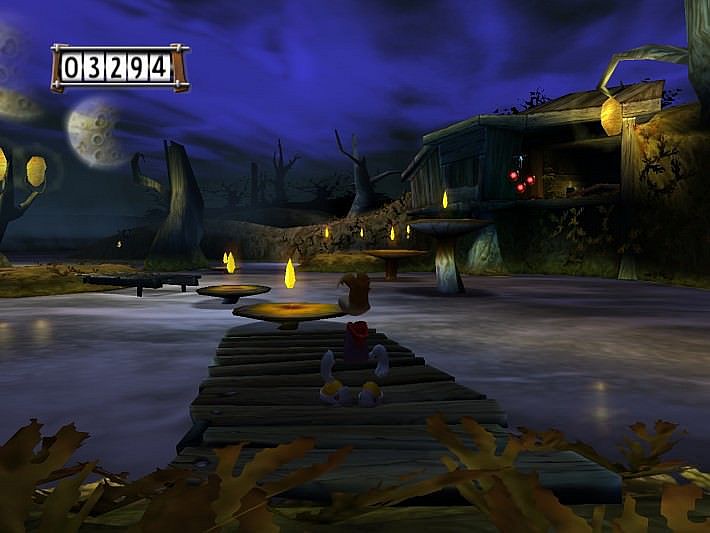
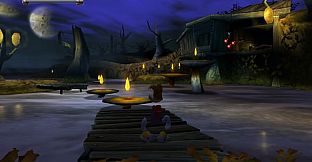
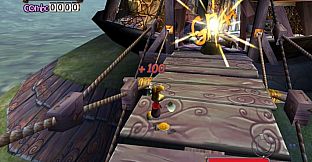
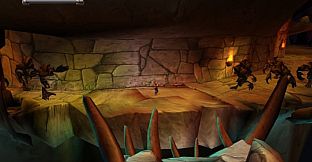
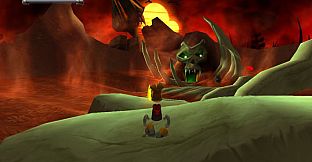
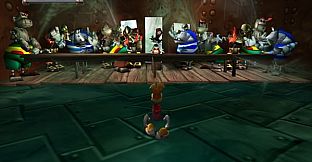
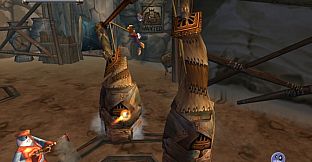
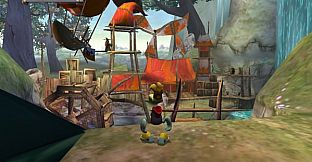
Rayman 3: Hoodlum Havoc is a 3D platformer developed by Ubisoft and released for the PC in 2003. The game follows the limbless hero Rayman as he navigates colorful environments filled with enemies, obstacles, and collectibles while pursuing a story centered on stopping the spread of dark Lums and their Hoodlum army.
Gameplay
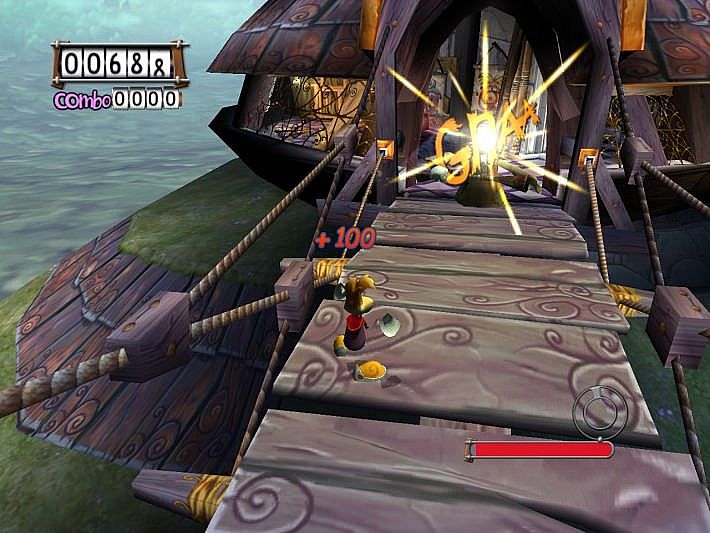
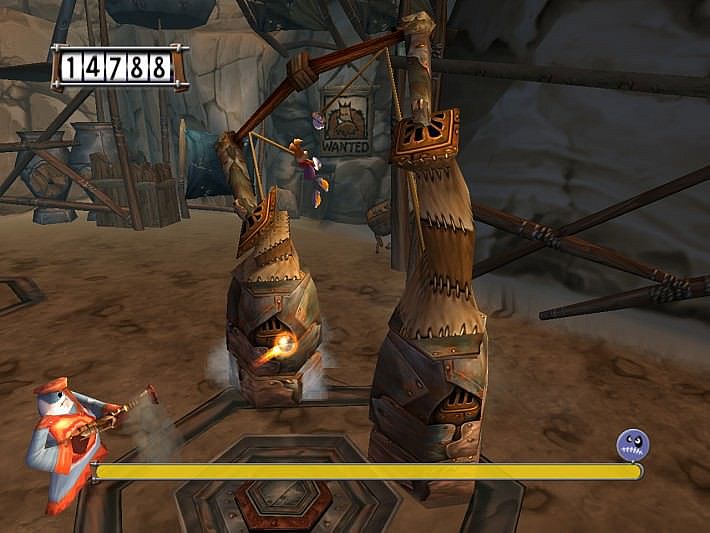
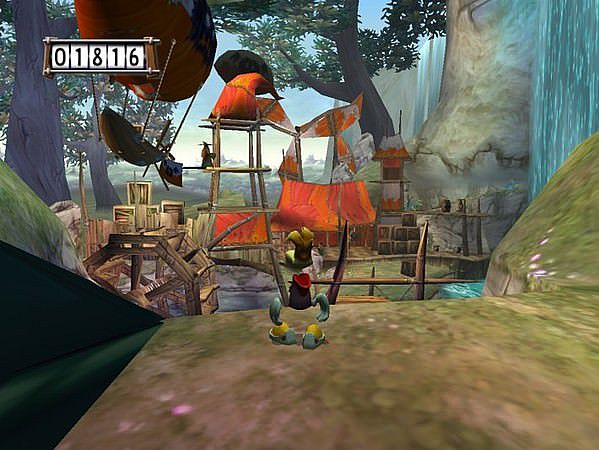
The core loop centers on exploration, combat, and platforming within linear levels spread across several distinct worlds. Rayman moves through environments using standard jumps, a helicopter hair glide for short distances, and rolls for evasion. His primary attack involves launching telescopic fists that can be charged for greater power and curved around obstacles when locked on to targets. Strafing and lock-on mechanics allow players to maintain focus on enemies while moving sideways or avoiding projectiles.
Health recovery comes from collecting red Lums scattered throughout stages. Temporary power-ups appear as colored cans dropped by certain Hoodlums. These grant short-duration abilities such as the Vortex for firing spinning energy blasts that affect multiple foes or shrink platforms, the Heavy Metal Fist for powerful strikes that smash barriers and armored enemies, the Lockjaw for grappling hooks that enable swinging and electrical shocks, the Shock Rocket for guiding missiles to distant switches or high targets, and the Throttle Copter for brief vertical boosts. Each power lasts a limited time and fits specific level challenges.
An arcade-style scoring system tracks points earned from defeating enemies, collecting jewels, and performing actions. Consecutive successes trigger a combo mode that multiplies rewards, encouraging continuous momentum. High scores unlock bonus content like extra levels or videos. Players also free captured Teensies from cages, which provides rewards and eventually extends the life bar after sufficient collections. Boss encounters often require strategic use of the temporary powers against larger or transforming adversaries.
Game Modes
Rayman 3: Hoodlum Havoc operates as a single-player experience with a linear campaign structure. Progression moves through sequential stages in each world, with automatic saves after completion. There are no separate multiplayer modes or competitive options in the PC version. The scoring system and collectible elements serve as the main incentives for replay, allowing players to pursue higher totals or full completion markers such as smile stamps on stages.
Bonus material unlocked through points includes short additional challenges, but these remain tied to the main single-player framework rather than independent modes. The emphasis stays on completing the story campaign while experimenting with combat approaches and power-up timing.
Story and World
The narrative involves Rayman teaming with his friend Globox to address a threat from Andre, a black Lum who creates an army of Hoodlums. The pair travels through varied settings including wooded areas, swamps, and eerie locales while dealing with the consequences of Globox swallowing the antagonist. Humor arises from character interactions and absurd situations, with Globox providing commentary during gameplay.
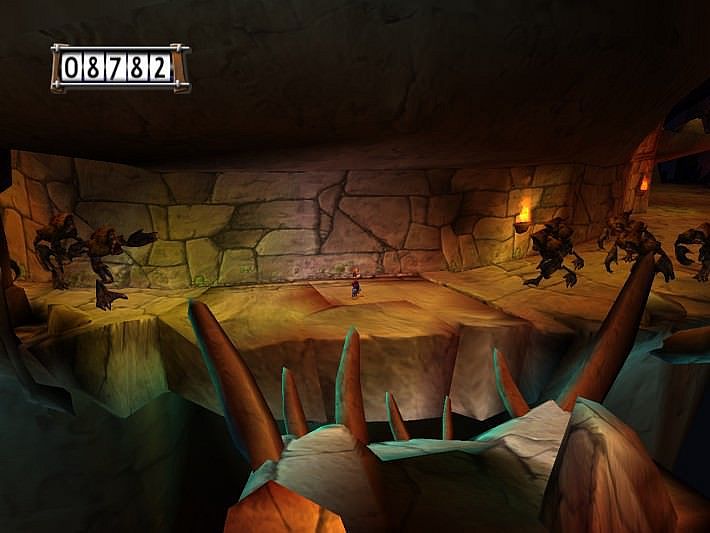
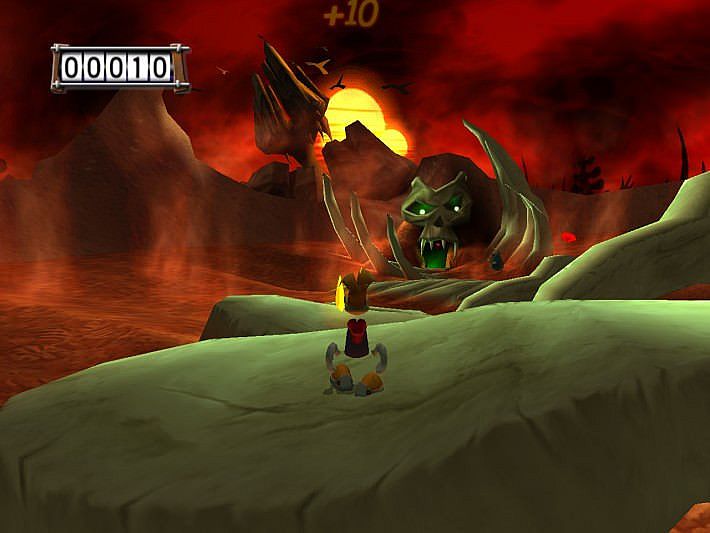
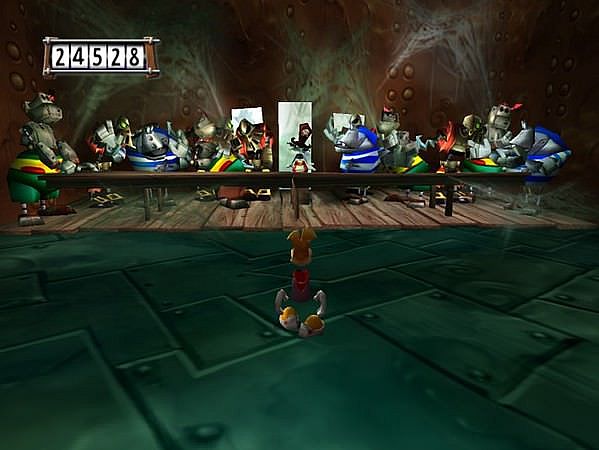
Environments feature distinct visual themes and enemy placements that shift the focus between platform precision, combat encounters, and light puzzle elements solved via power-ups. Hoodlums appear in multiple variants with different behaviors, such as ranged attacks or defensive positions, requiring adaptation in approach.
Is It Worth Playing?
Rayman 3: Hoodlum Havoc delivers a focused single-player 3D platforming campaign that lasts roughly eight to ten hours on a first playthrough. Its mechanics reward precise timing with the temporary powers and consistent scoring, while the visual style and enemy variety keep stages engaging. The game runs on modern PCs through digital re-releases and maintains compatibility with adjustments for widescreen support.
Reception at launch placed it in the mixed-to-positive range on aggregate sites, with praise for its combat refinements and humor balanced against occasional camera or pacing notes. Players who enjoy classic platformers with action elements often return for the scoring challenges and completionist goals. It suits those seeking a self-contained experience without ongoing updates or seasonal content, particularly fans of the Rayman series or similar titles from the early 2000s. Availability remains straightforward through legitimate digital storefronts for those interested in the original release.


