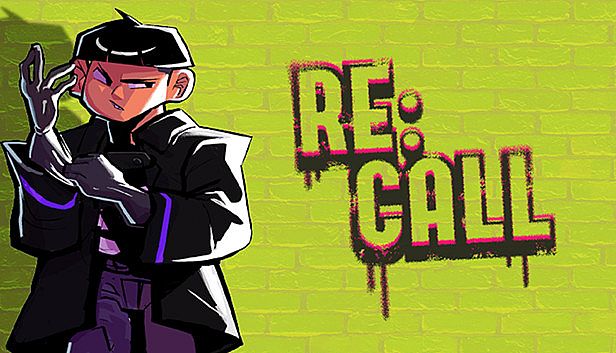



































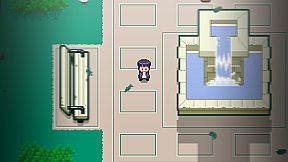


RE:CALL is a single-player adventure game centered on memory manipulation and its ripple effects across time. Players control characters who revisit their own past experiences in flashbacks, where every decision alters the present-day reality and opens new paths forward. This core loop drives the entire experience, blending puzzle solving with a branching narrative that rewards careful observation of cause and effect.
Gameplay
The gameplay revolves around entering and editing memories to reshape current events. In each flashback sequence, players interact with environments and characters from the past, then watch those changes manifest immediately in the present. Puzzles often require testing multiple memory variations to remove obstacles, alter alliances, or reveal hidden information. The system creates tight integration between exploration and consequence, where small adjustments in one timeline can unlock entirely different outcomes moments later.
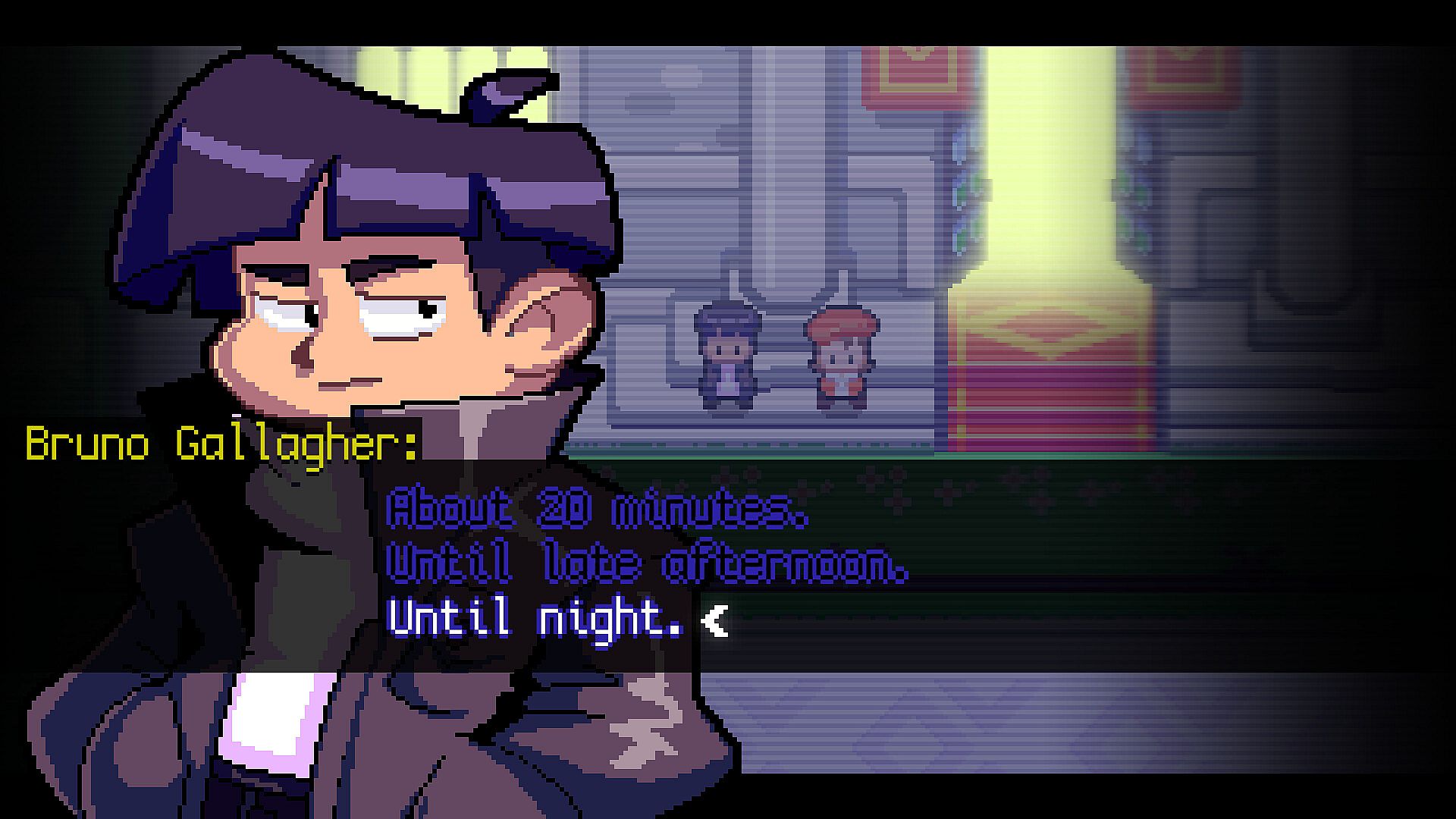
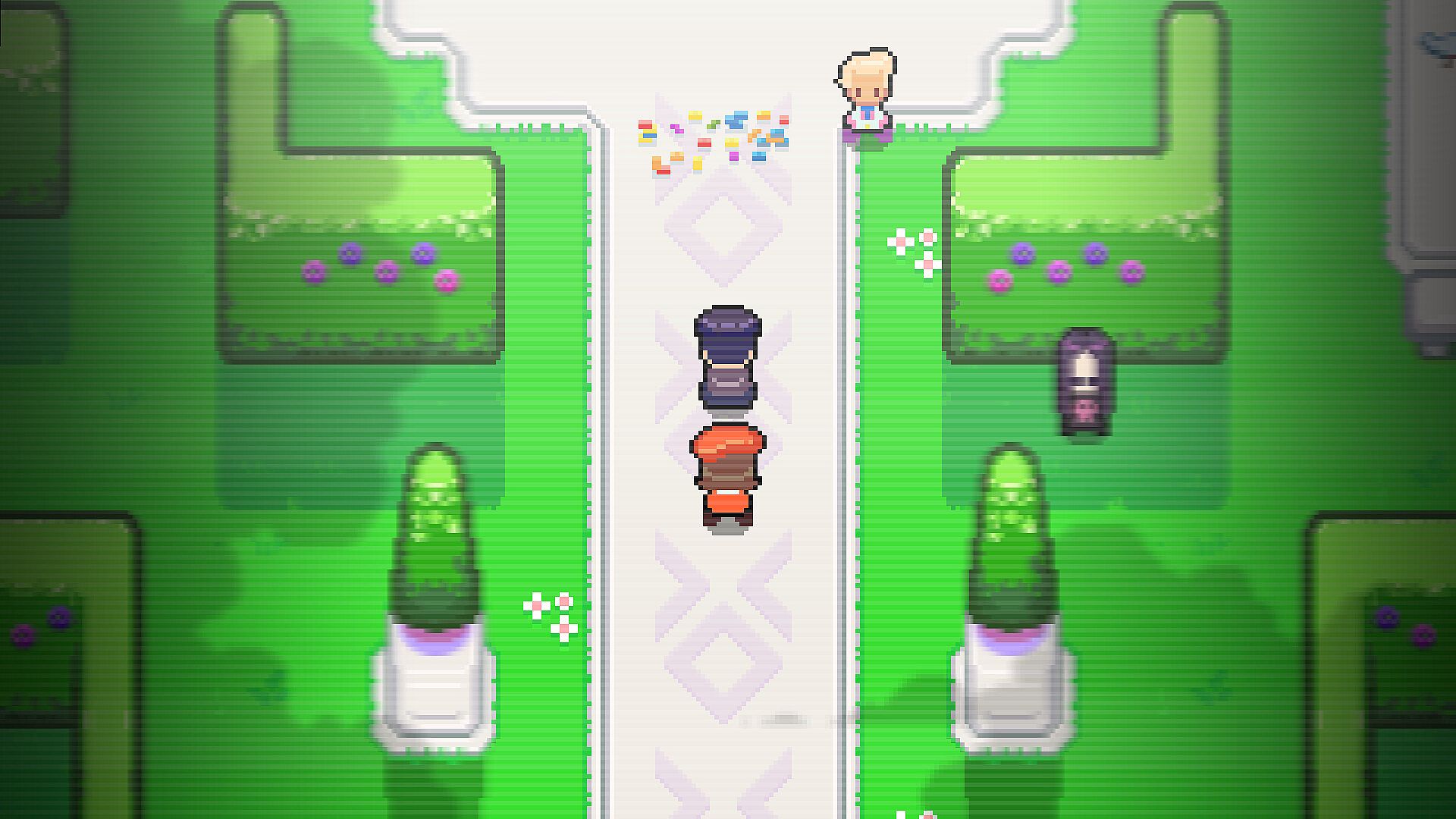
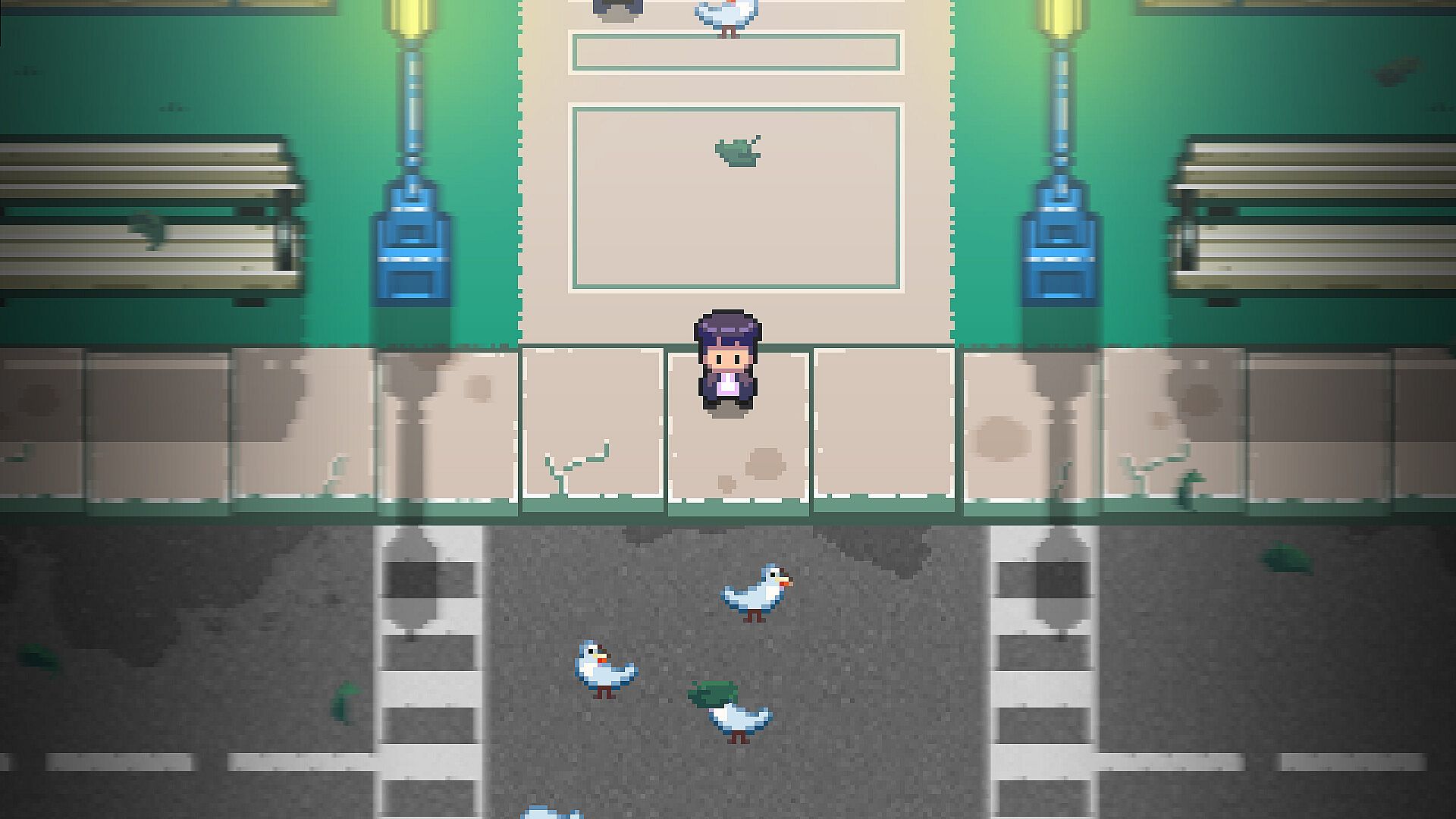
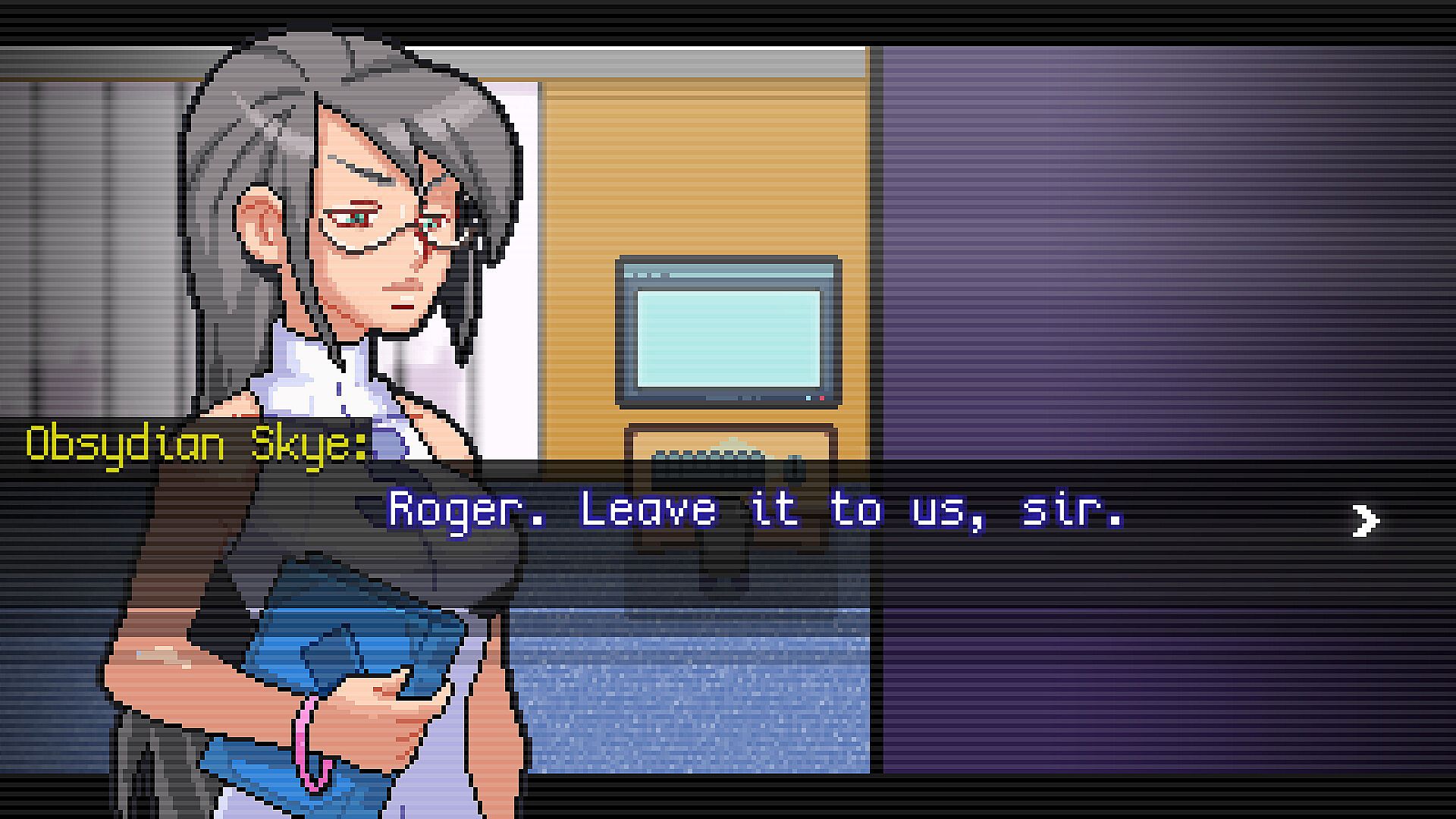
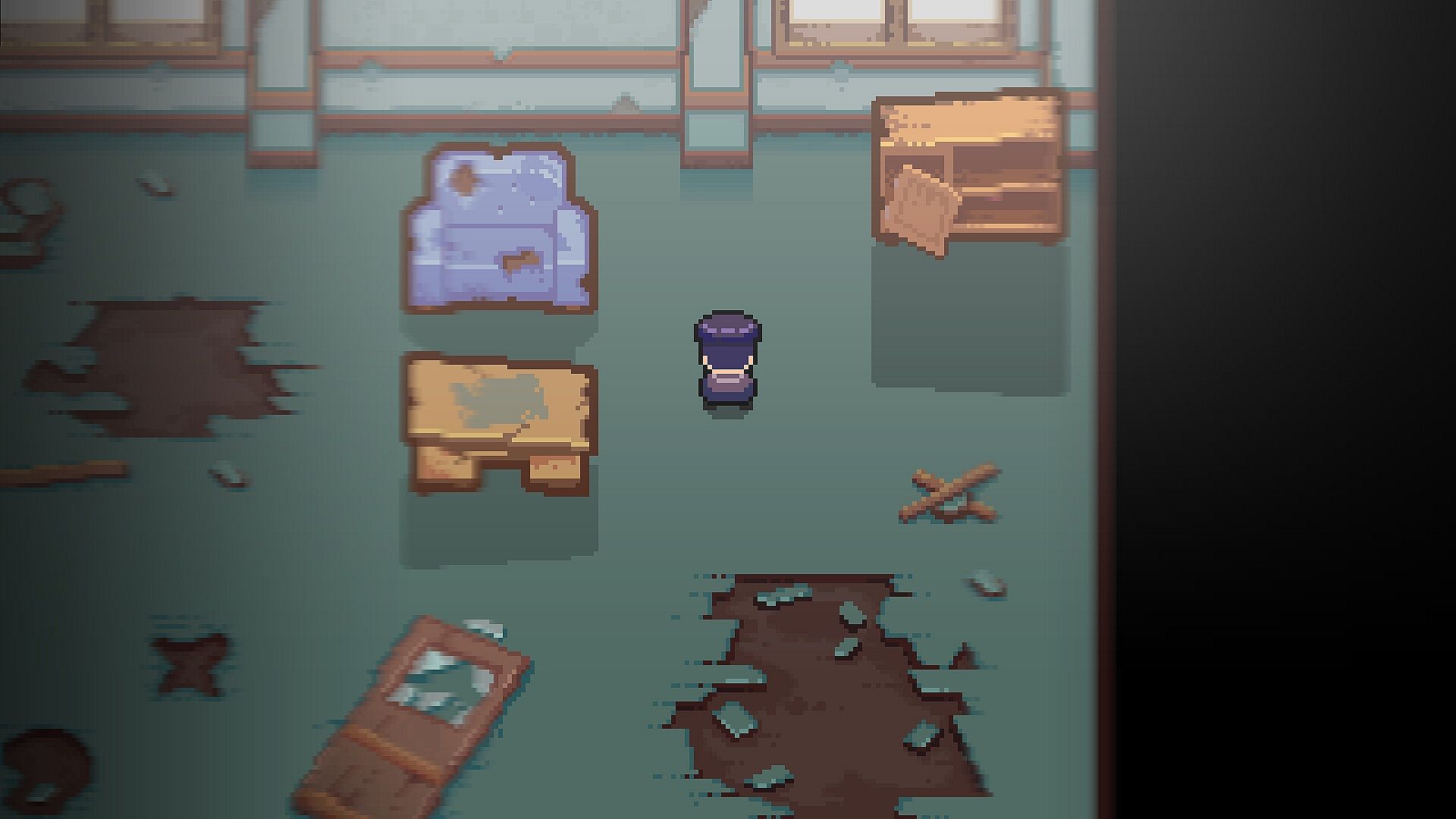
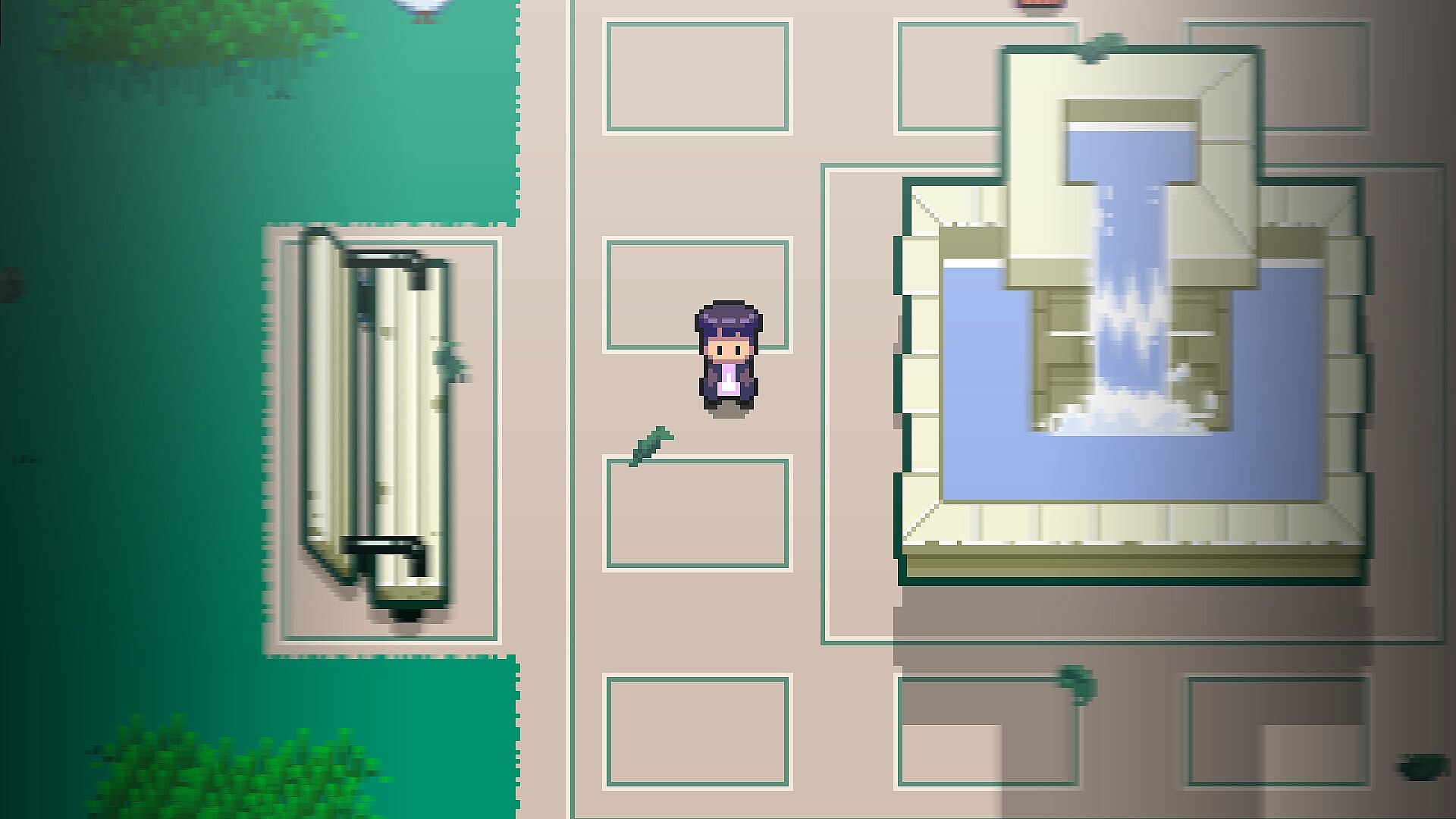
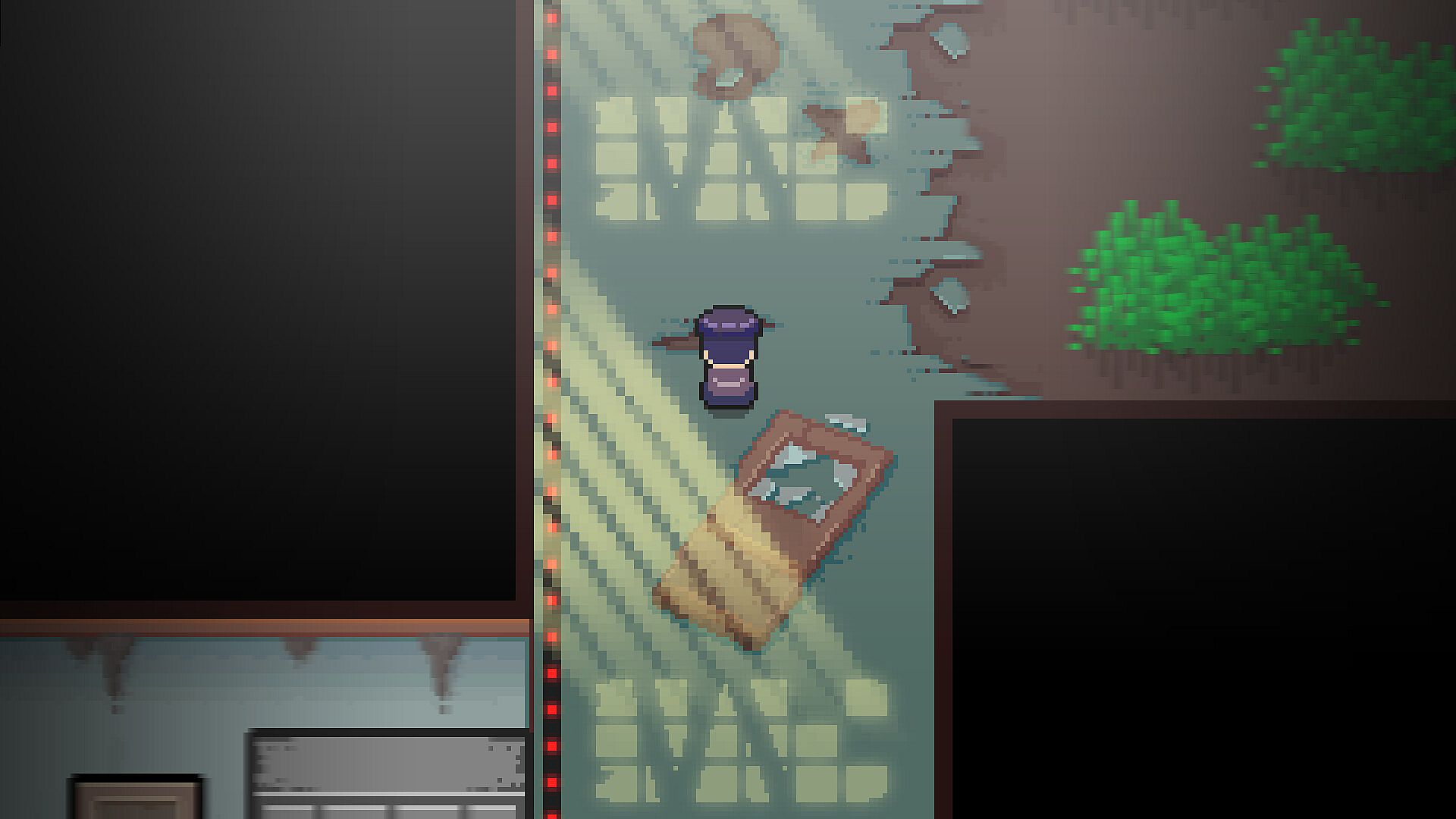
Progression involves escaping confined locations like a factory while piecing together larger mysteries. Players switch perspectives among several protagonists, each bringing distinct memories and viewpoints that expand the available options. The pixel-art presentation keeps focus on the mechanics and dialogue choices rather than visual spectacle, allowing the memory system to remain the star of every scene.
Game Modes
RE:CALL operates as a linear single-player campaign with no separate multiplayer or competitive modes. The entire experience unfolds through a continuous story structured around memory-based puzzle chapters. Players advance by completing these interconnected sequences, with the memory mechanic serving as the sole gameplay framework from start to finish.
Within the main campaign, progression feels consistent because every section builds directly on the previous memory alterations. There are no side activities or optional modes to distract from the central narrative drive. The structure encourages replaying certain sections to explore alternate memory outcomes and their downstream effects.
Narrative and Characters
The story follows the investigation of a mysterious power that lets the protagonist rewrite personal history. Over ten distinct characters populate the world, each with individual quirks and backstories that intersect through shared events. Interactions shift based on prior memory changes, turning conversations into dynamic elements that evolve as the timeline adjusts.
Themes of trauma and its lingering influence run through the cast, with many figures dealing with consequences from events players can revisit and modify. Dialogue and relationships respond to these alterations, creating a sense of personal investment in how the past is reconstructed. The narrative maintains a focused mystery tone while incorporating lighter moments through character personalities.
Is It Worth Playing?
RE:CALL suits players who enjoy narrative-driven adventure games built around clever puzzle mechanics rather than action or combat. The memory system delivers consistent novelty across its length, and the character interactions provide meaningful variety without requiring long play sessions. Reviews highlight the strength of the central concept and its execution in early sections, noting some pacing inconsistencies later that do not derail the overall experience.
Those seeking a compact, self-contained story with replay value through different memory choices will find the game rewarding. It remains available as a complete title with no ongoing seasonal content or required updates beyond its original release. The recommendation holds strongest for fans of puzzle adventures that prioritize logical cause-and-effect over traditional inventory or dialogue trees.