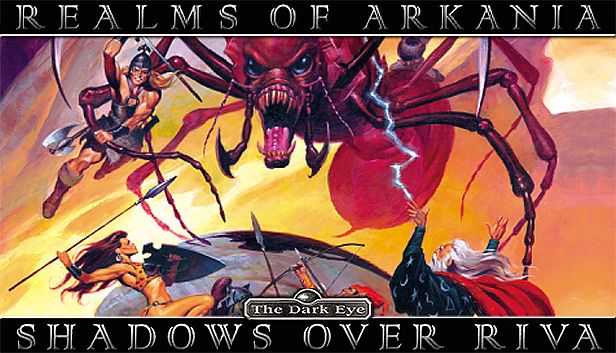










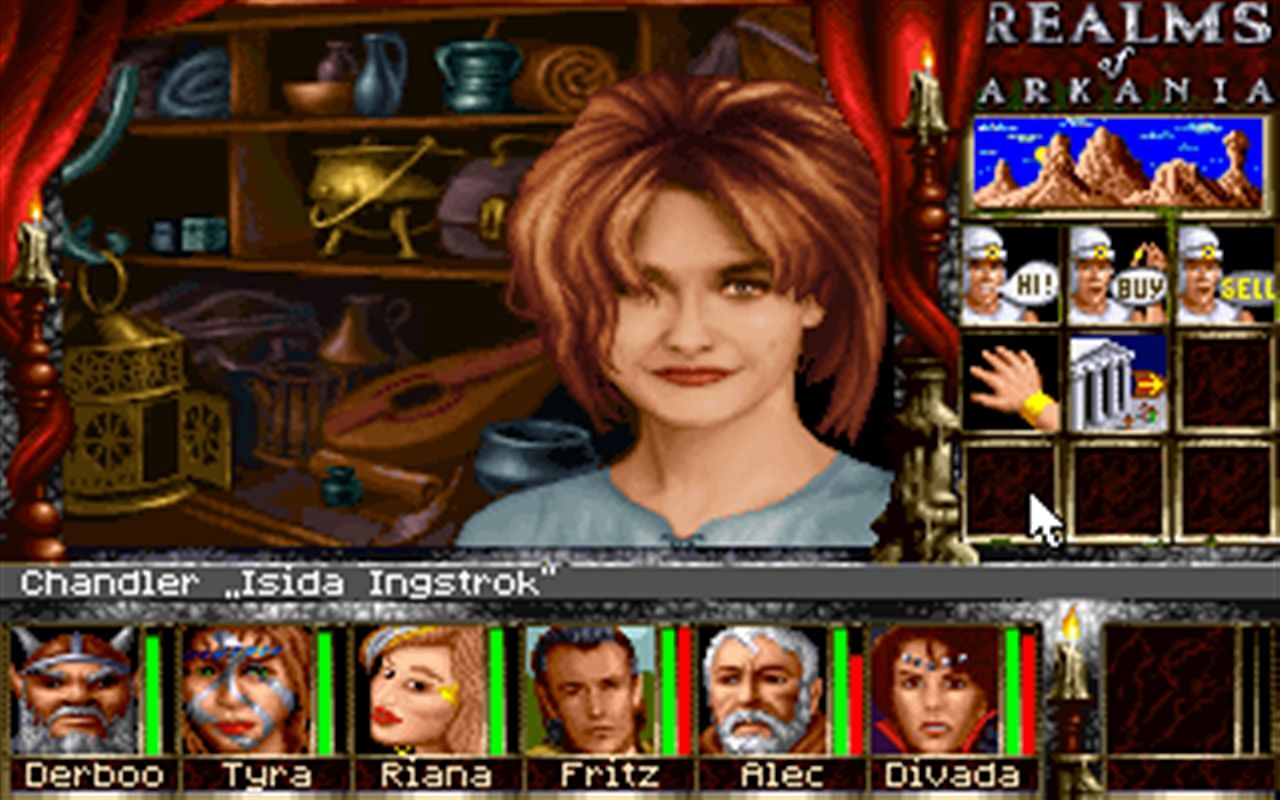
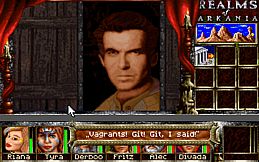
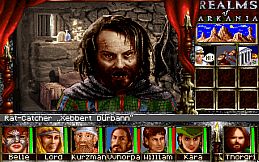
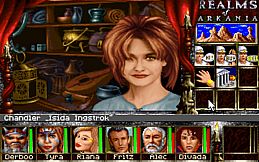
Realms of Arkania 3 - Shadows over Riva Classic is a single-player turn-based RPG that brings the detailed rules of the German tabletop system Das Schwarze Auge to the computer screen. Released originally in 1996 and reissued in a classic edition, the game places players in control of a party of up to six adventurers who arrive in the coastal city of Riva to investigate growing threats from organized orc forces and hidden corruption within the settlement.
Gameplay
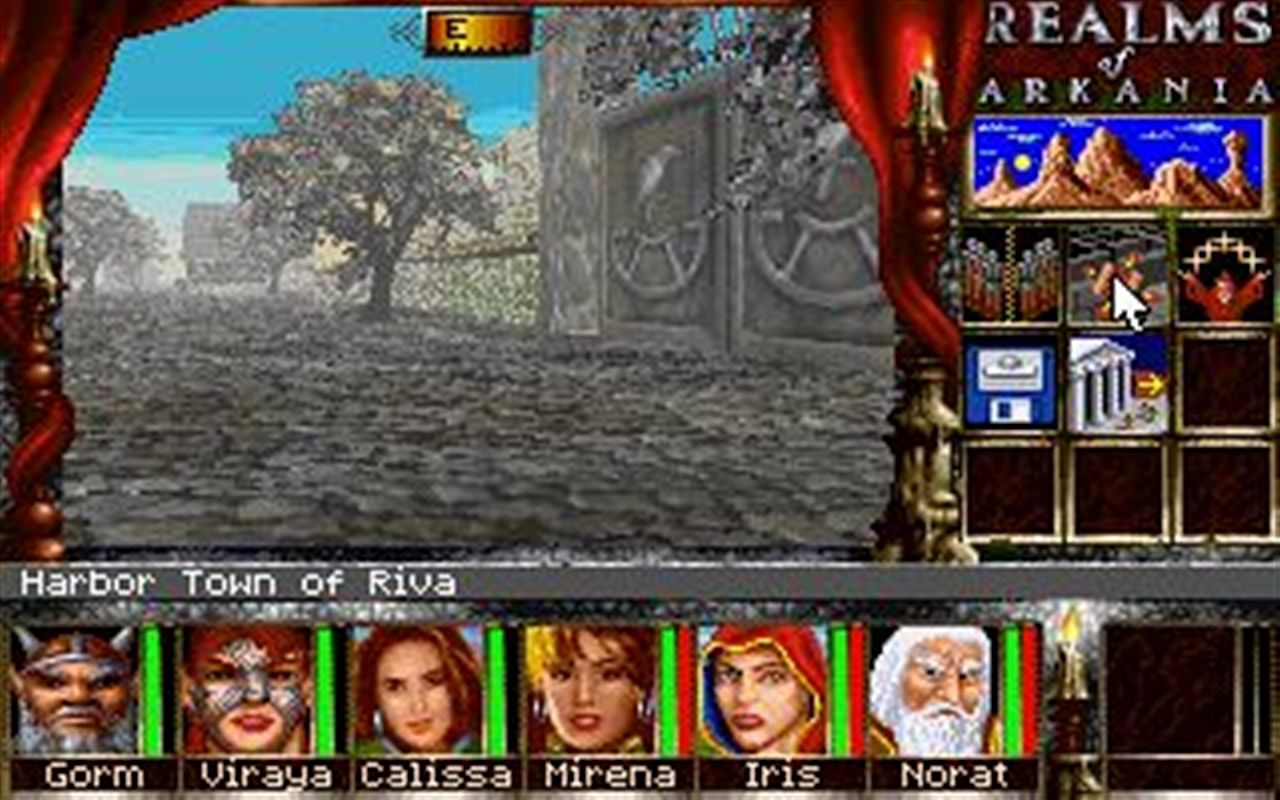
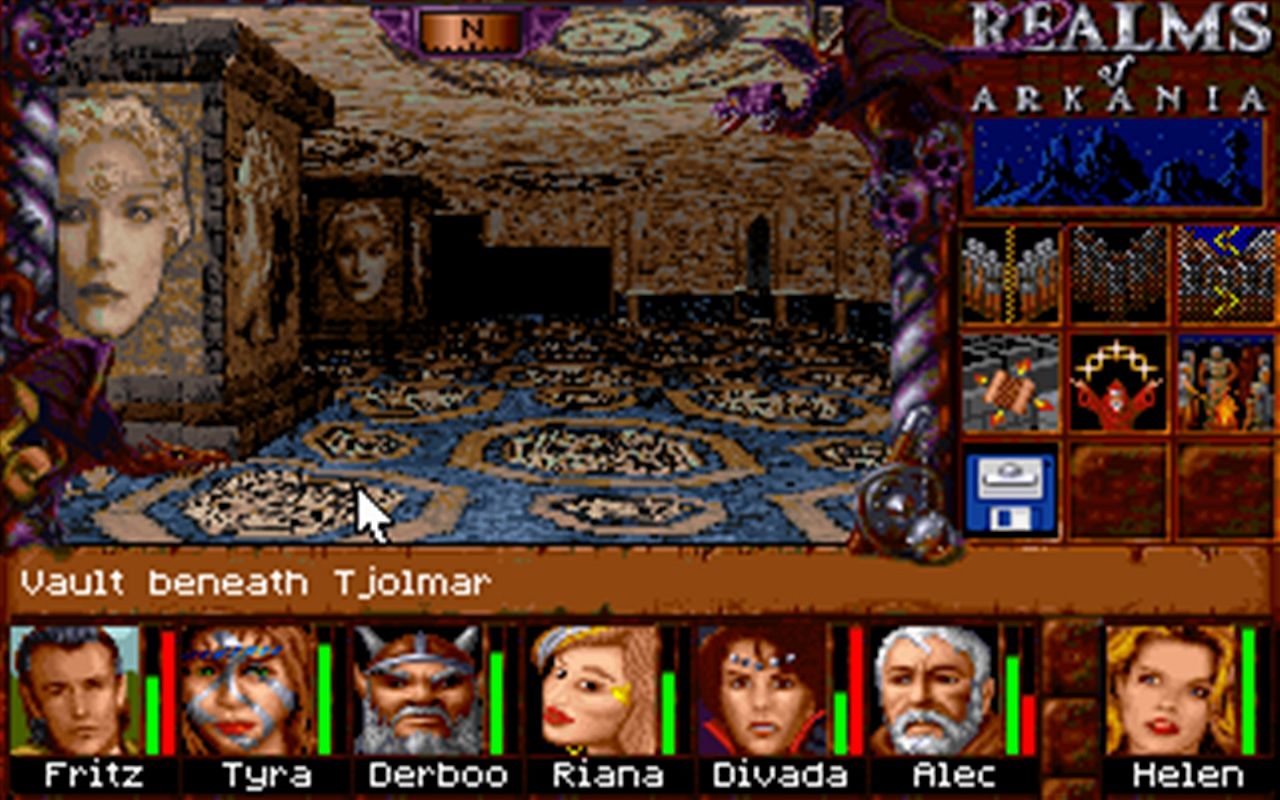
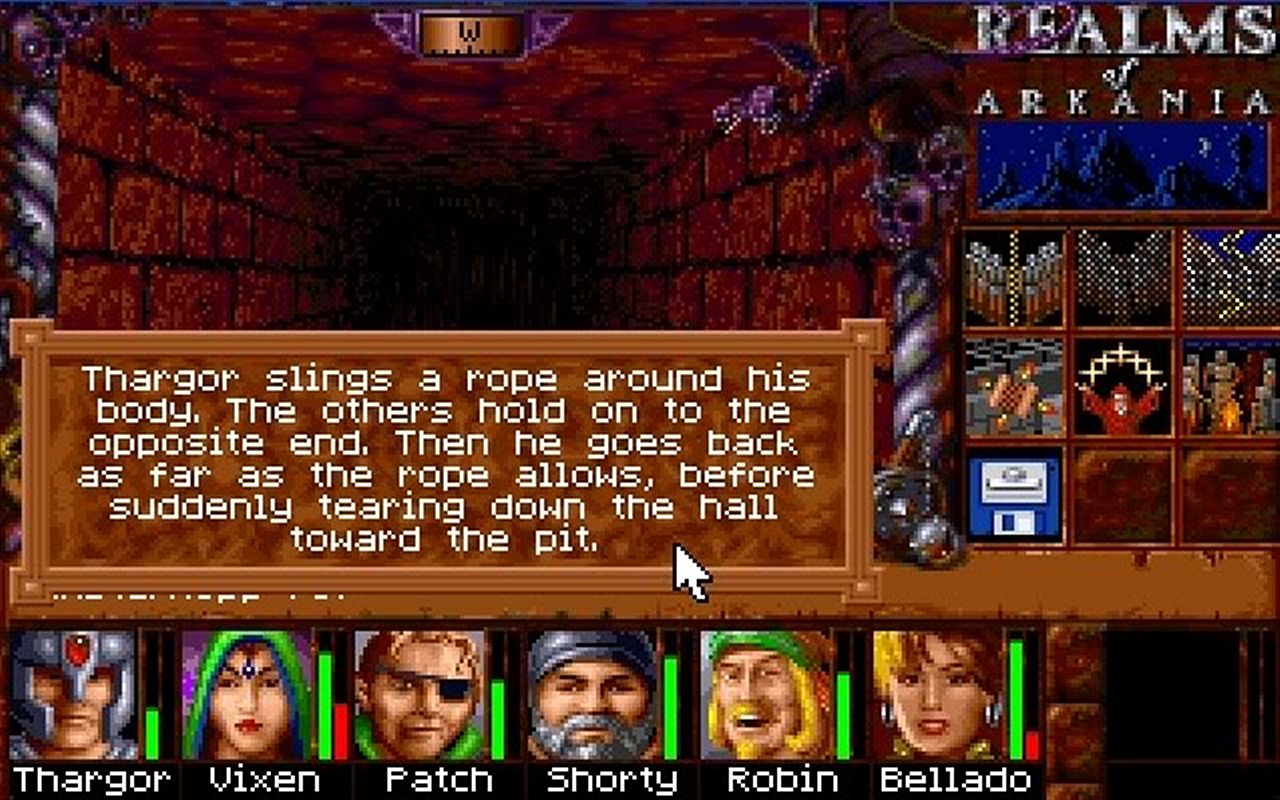
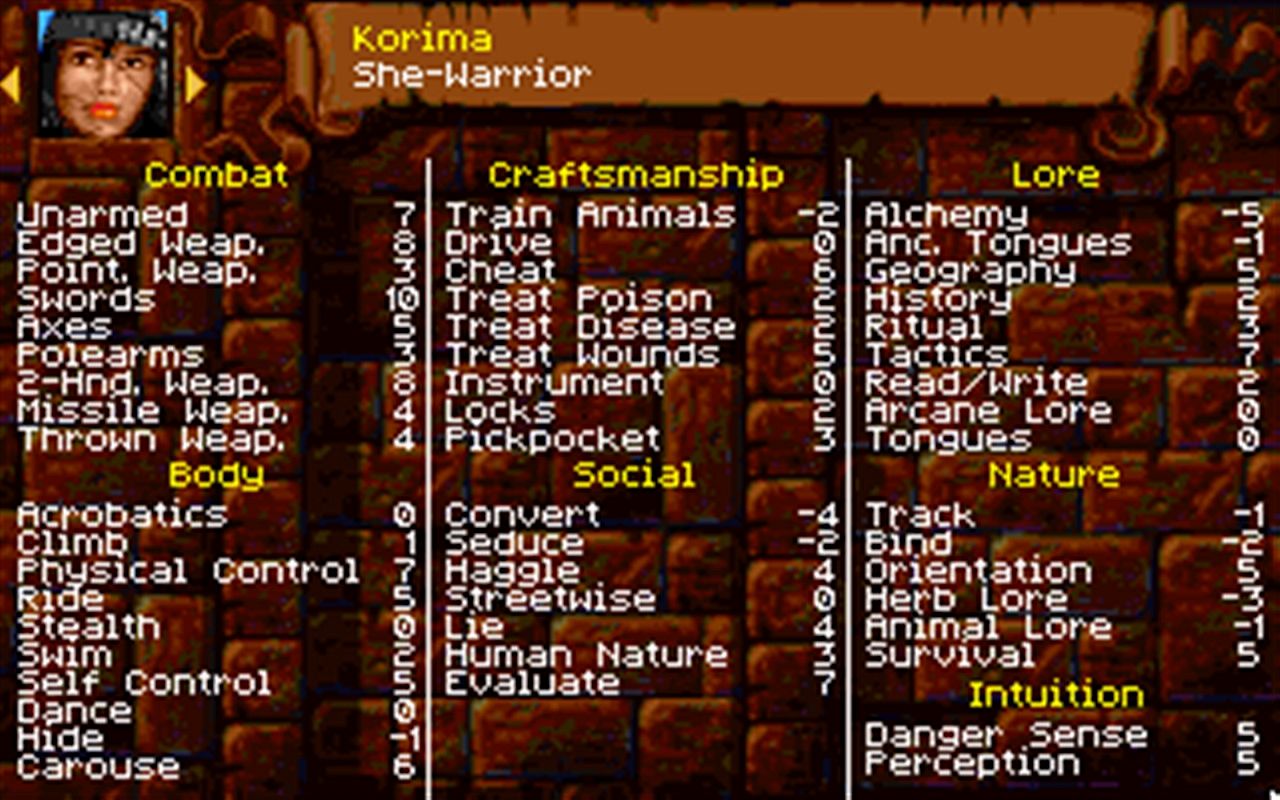
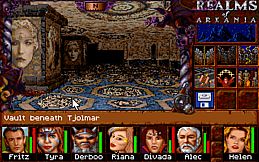
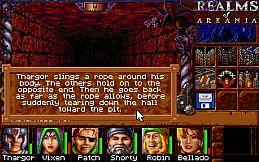
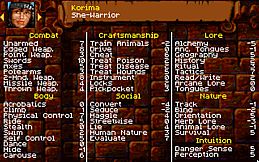
The core loop centers on first-person exploration of a detailed 3D environment that includes the sprawling streets and buildings of Riva, its extensive sewer network, nearby dungeons and mines, underwater areas, and surrounding swamps. Movement occurs in real time through these spaces, while skill checks drawn directly from the pen-and-paper rules govern actions such as lockpicking, persuasion, herbalism, and perception. Success depends on character attributes, learned skills, and situational modifiers, often requiring careful preparation and multiple attempts.
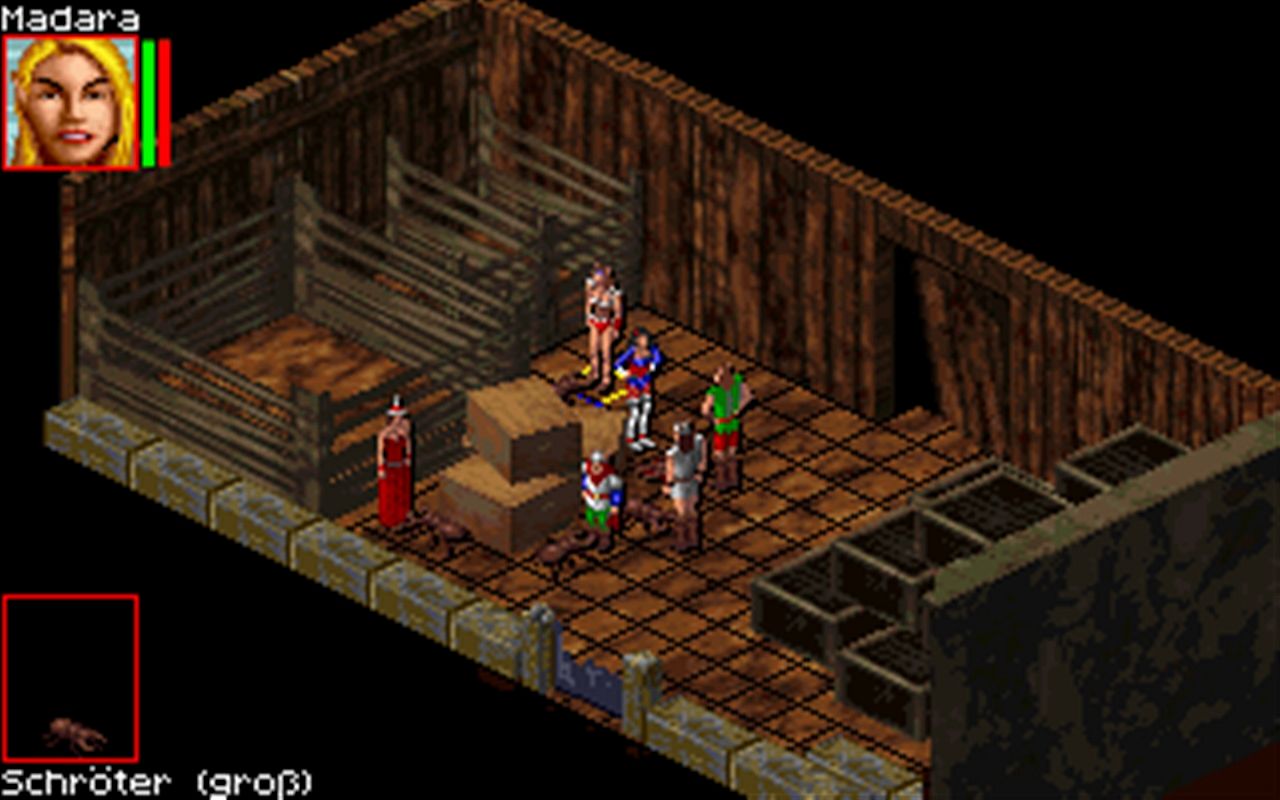
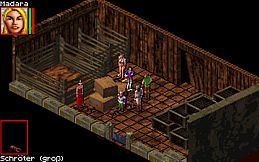
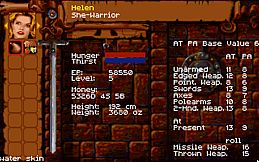
Combat shifts to a separate turn-based isometric view where each party member acts in sequence. Players manage positioning, weapon choices, spellcasting, and ranged attacks with options to automate certain behaviors or handle every decision manually. Inventory management receives attention through tools that allow efficient distribution of equipment and items among the six characters. Difficulty settings let players adjust the depth of simulation, from streamlined progression to full adherence to every tabletop mechanic including hunger, fatigue, and disease.
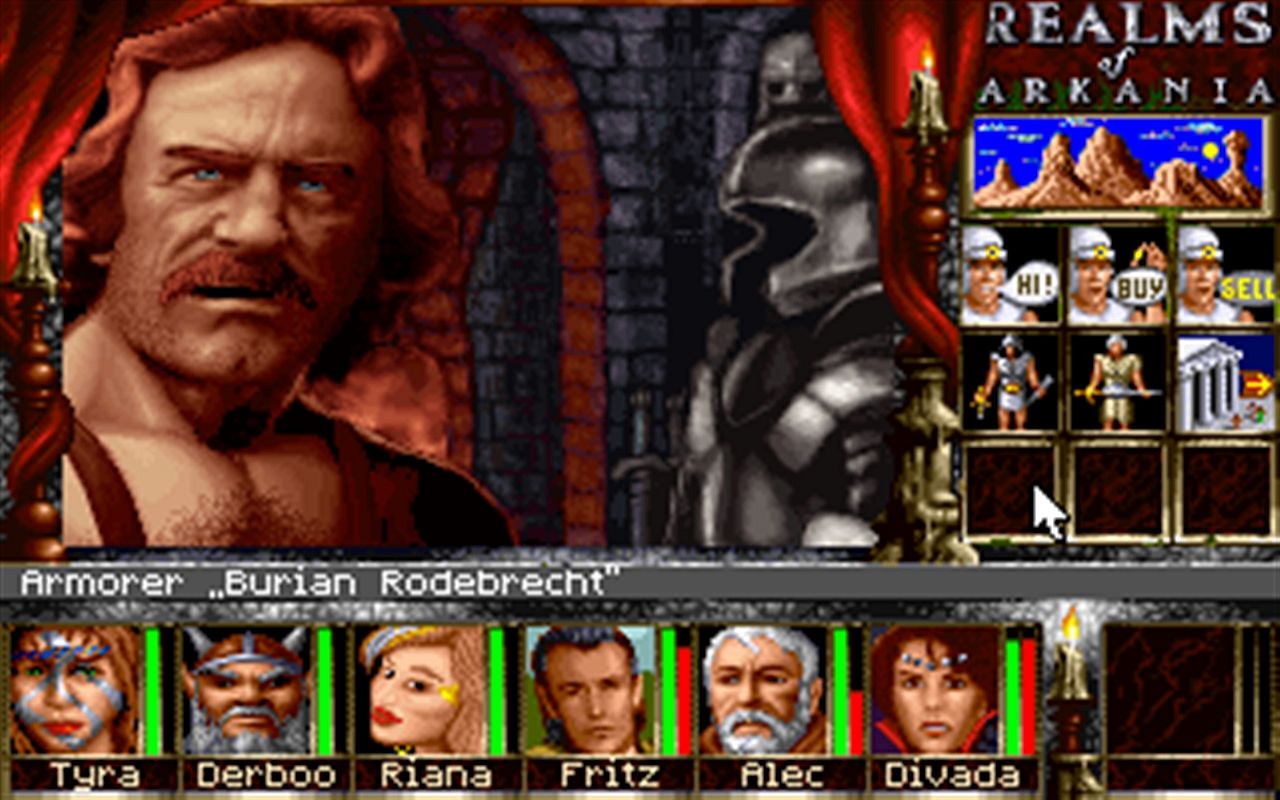
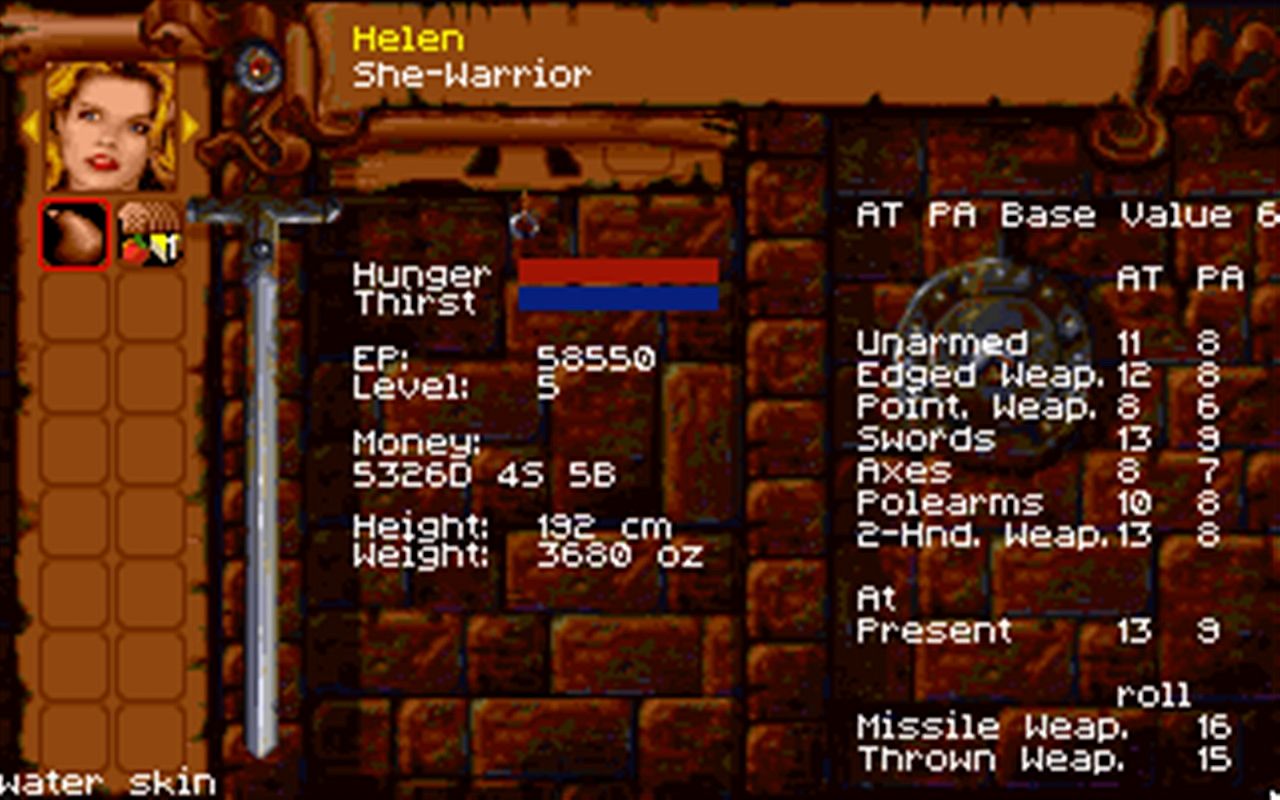
Character creation draws from the full range of classes and talents in the source ruleset. Players build balanced parties by assigning points across dozens of skills, talents, and attributes, then track ongoing development through use and training. The system rewards planning, as many challenges outside combat hinge on having the right expertise available at the right moment.
Game Modes
The game consists of a single continuous single-player campaign that follows the main investigation while incorporating optional side content. There are no separate multiplayer options, competitive modes, or additional game types. The experience unfolds as one cohesive adventure with branching opportunities through side quests that players may pursue or ignore based on interest and party capabilities.
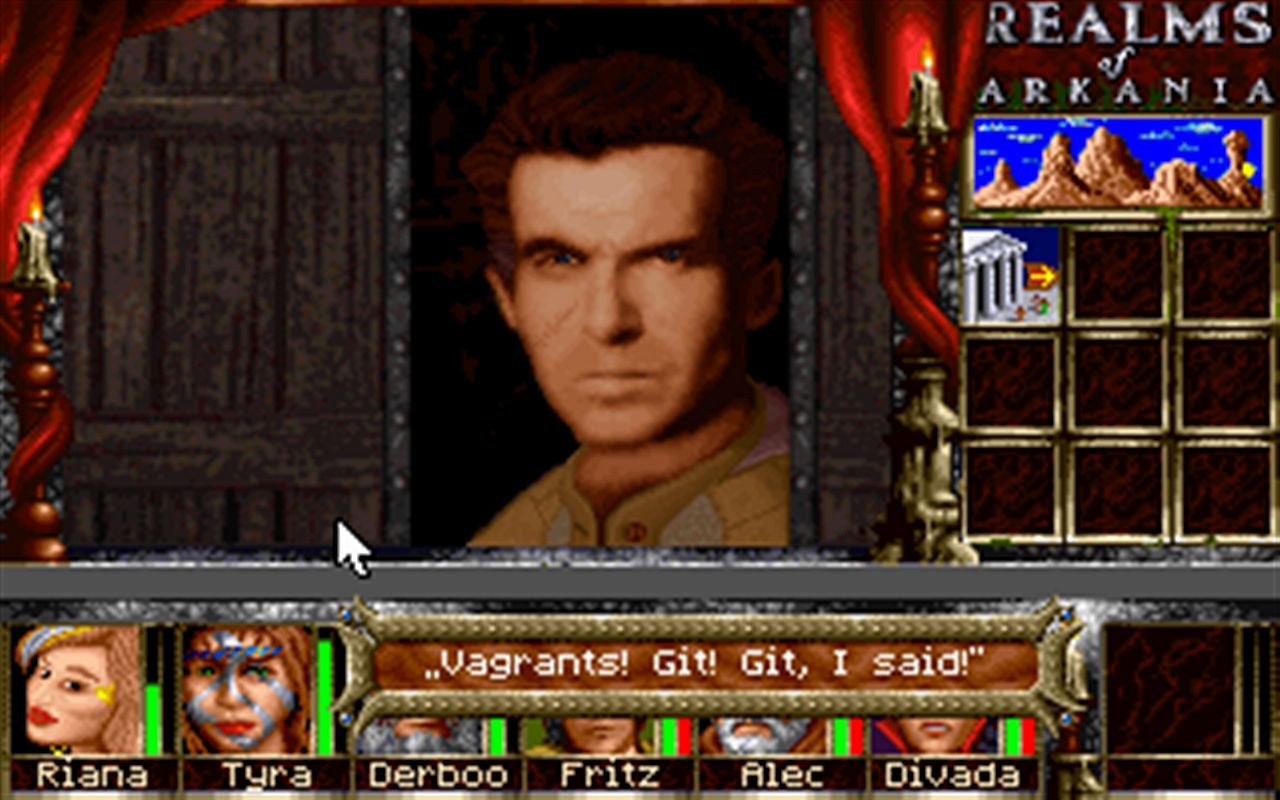
Progression remains linear in its overall structure yet flexible in execution. Players decide the order of exploration and which leads to follow, with time-sensitive events and flag-based triggers influencing outcomes. The campaign integrates travel between key locations, dialogue with numerous NPCs, and puzzle-like sequences that rely on skill application rather than combat alone.
Exploration and Atmosphere
Riva serves as the central hub, offering a large urban area filled with distinct districts, temples, markets, and hidden passages. Dungeons and mines extend the scope with trap-filled corridors and larger encounters, while underwater sections and sewer crawls add variety in movement and visibility. The presentation emphasizes practical medieval fantasy details drawn from the source material, including realistic consequences for poor planning during overland or underground travel.
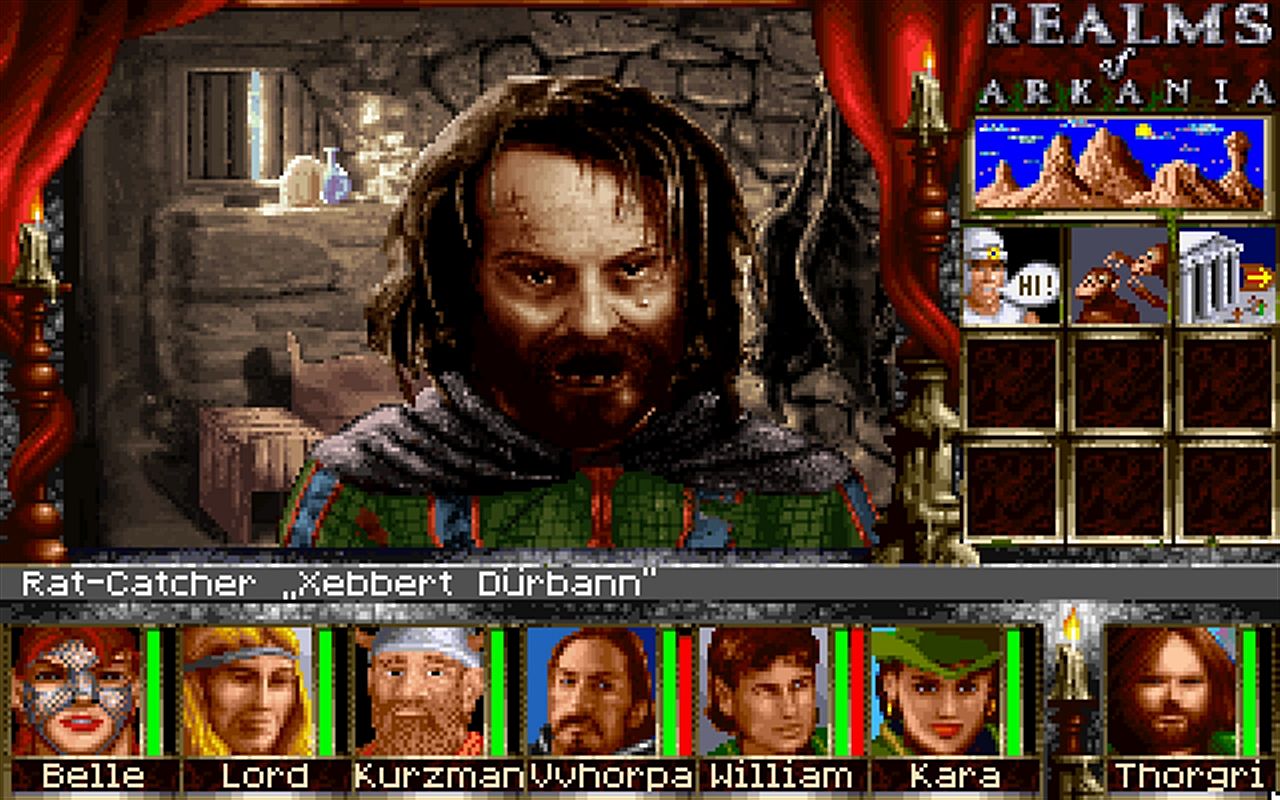
Side content expands the scope without altering the primary focus. Investigations into missing corpses, sewer inhabitants, and harbor wrecks lead to self-contained sequences that reward thorough searching and creative use of skills. These elements integrate with the main thread through shared locations and recurring characters, creating a sense of a living settlement affected by the central conflict.
Is It Worth Playing?
Shadows over Riva Classic delivers a statistics-heavy, rules-faithful RPG suited to players who appreciate methodical character building and frequent skill-based problem solving. The re-release runs through DOSBox on modern systems and maintains the original structure without added layers or ongoing updates. Steam user reviews rate the title Very Positive, reflecting appreciation from those familiar with older Western RPGs that prioritize simulation depth over streamlined pacing.
The game suits individuals comfortable with party management across six characters and willing to consult in-game information or external references for the extensive skill system. Those seeking quick sessions or heavily action-oriented combat may find the deliberate pace and occasional punishing outcomes less appealing. Availability on digital platforms makes the complete campaign accessible for anyone interested in a self-contained classic experience rooted in European tabletop traditions.
- Turn-based isometric combat with manual or assisted controls
- First-person 3D navigation through city, dungeons, and underwater zones
- Skill checks and character progression drawn from Das Schwarze Auge rules
- Single continuous campaign with integrated side investigations
- Adjustable difficulty to match preferred level of detail