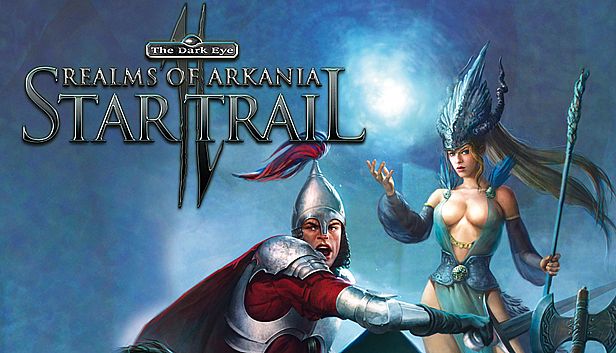














Realms of Arkania: Star Trail is a single-player indie RPG that brings a classic 1994 title into modern form while preserving its demanding ruleset drawn from The Dark Eye tabletop system. Players create and lead a party through a story of orc invasions, racial alliances, and the search for the Salamander Stone, an artifact needed to unite elves and dwarves. The game emphasizes careful planning, skill checks, and tactical decisions across hand-crafted locations on PC.
Gameplay
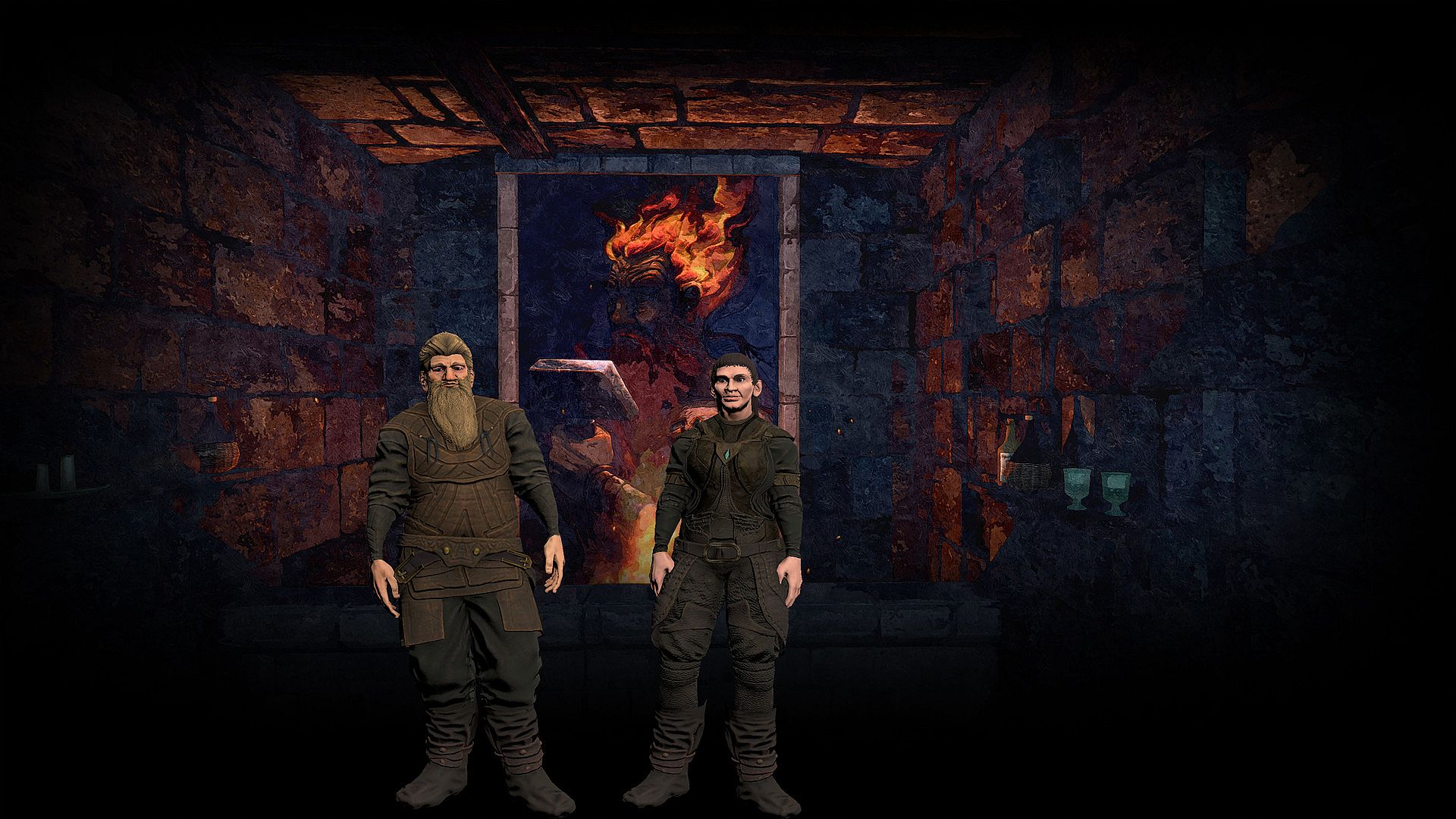
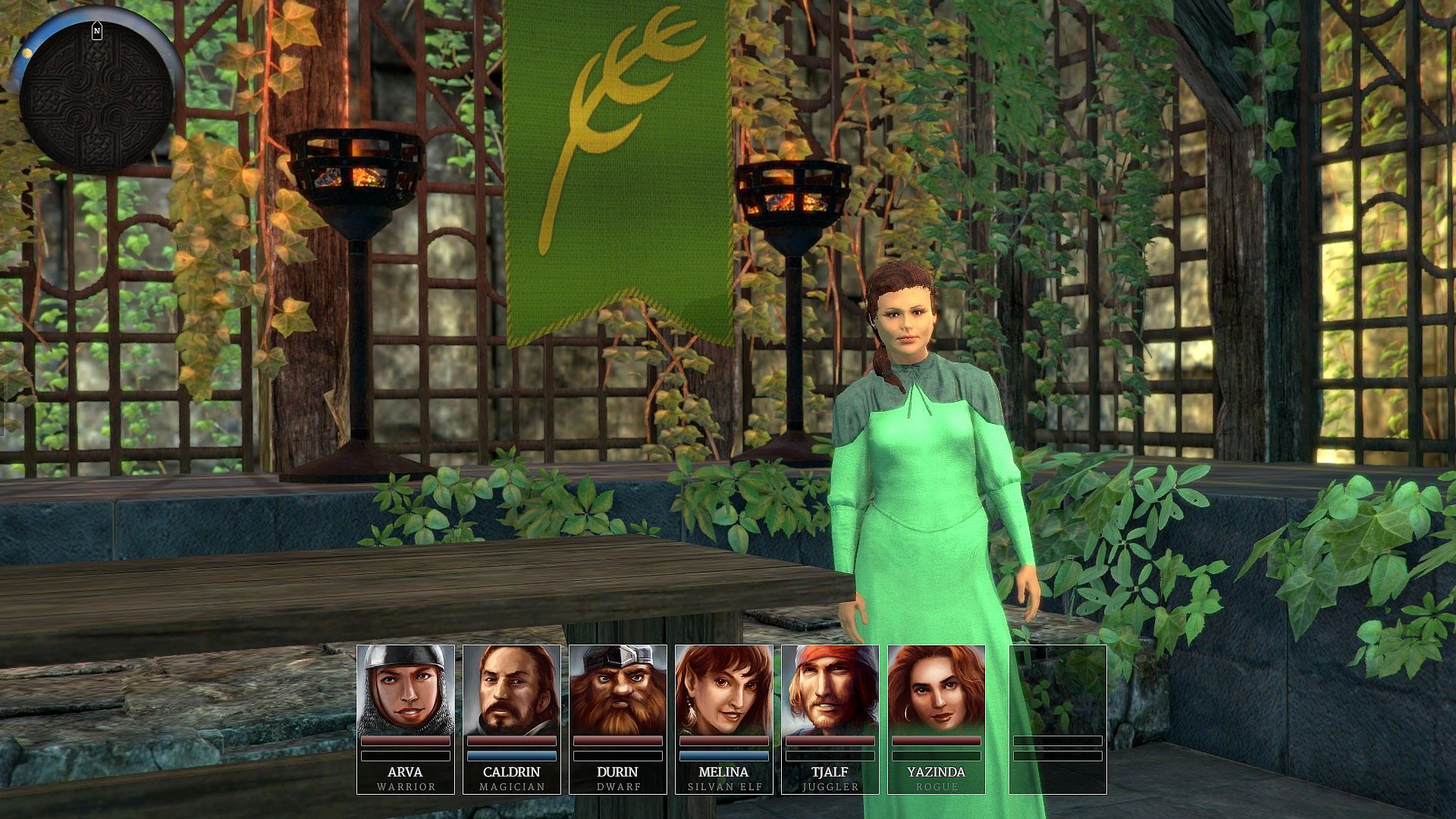
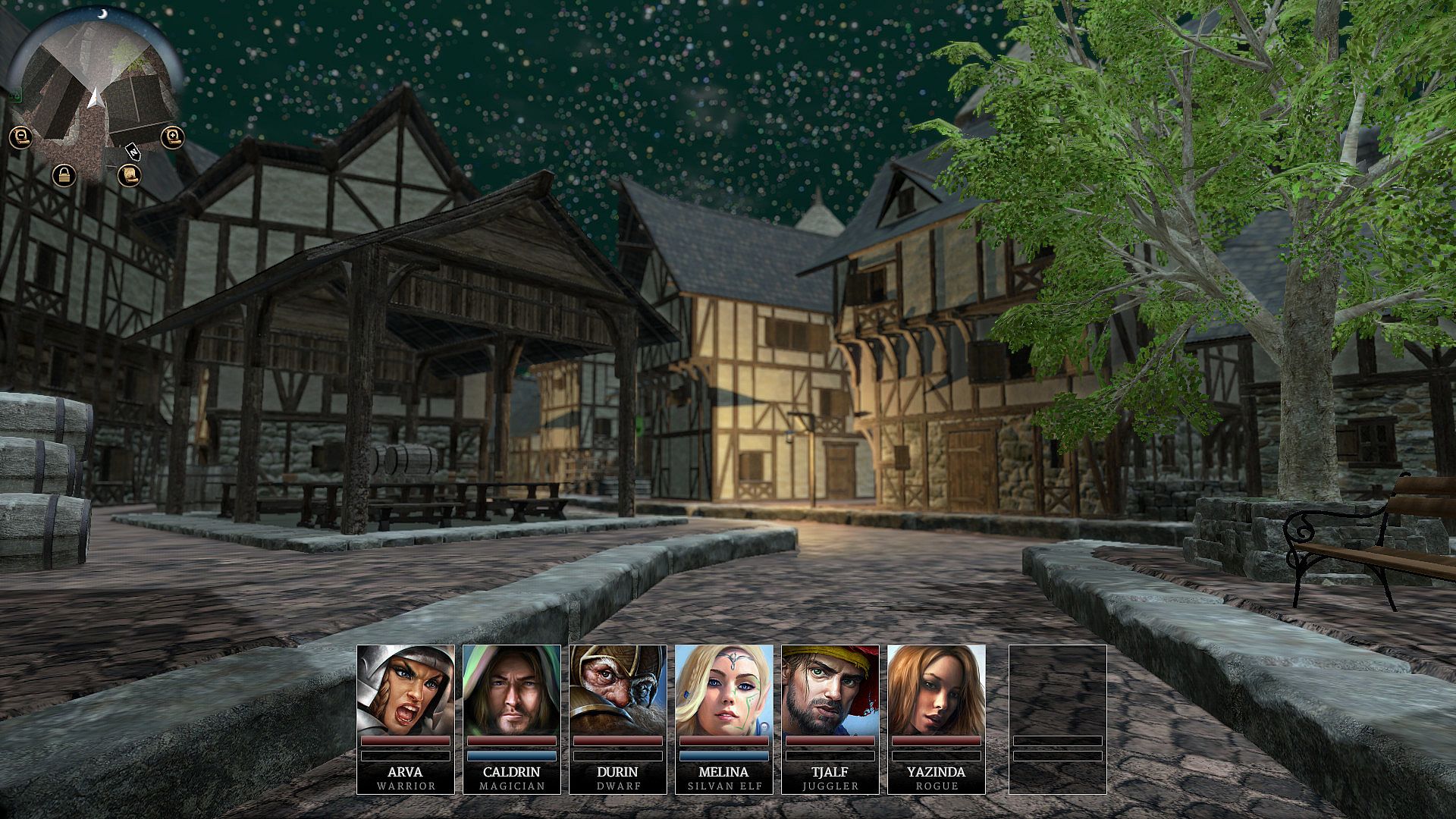
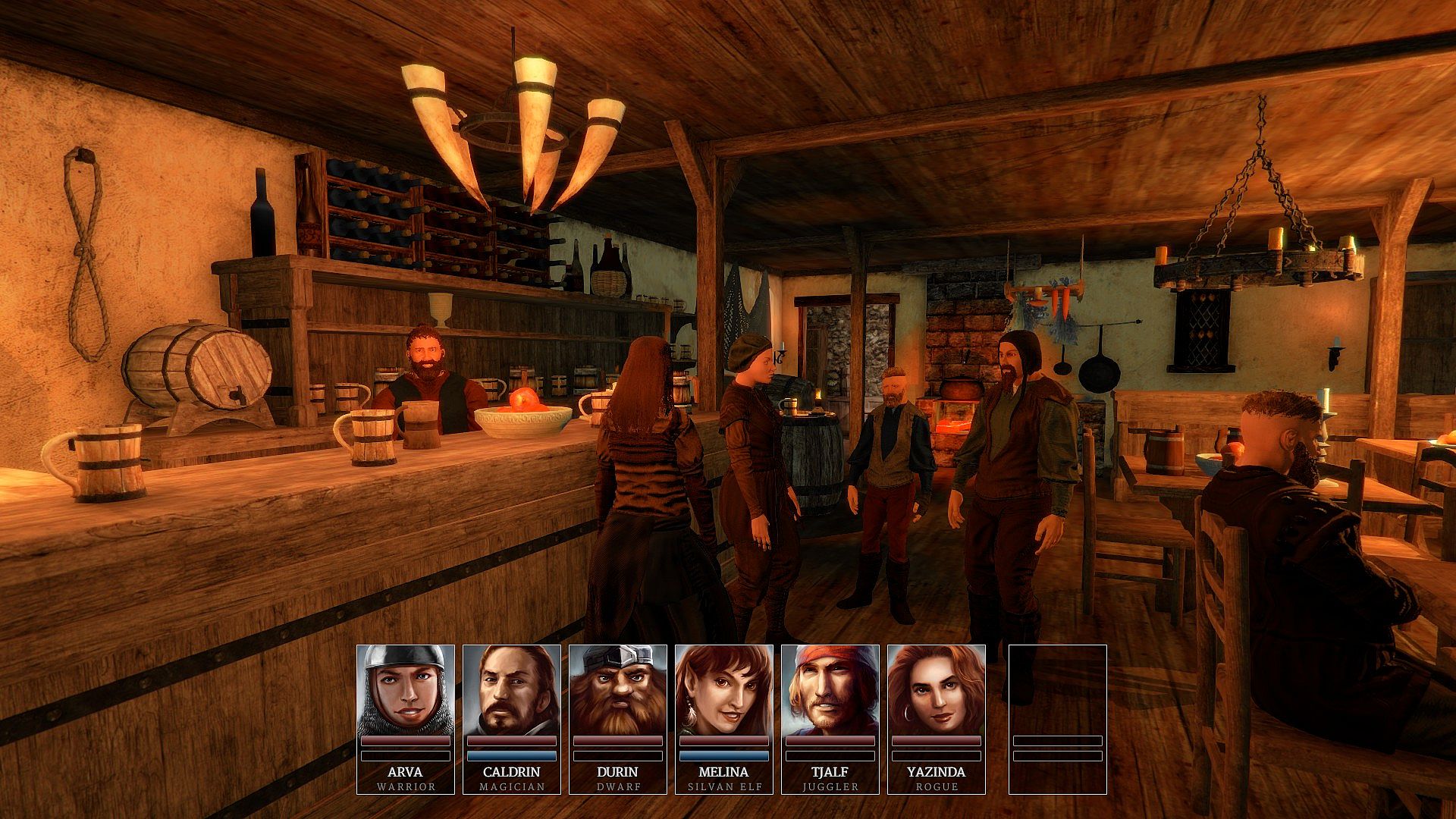
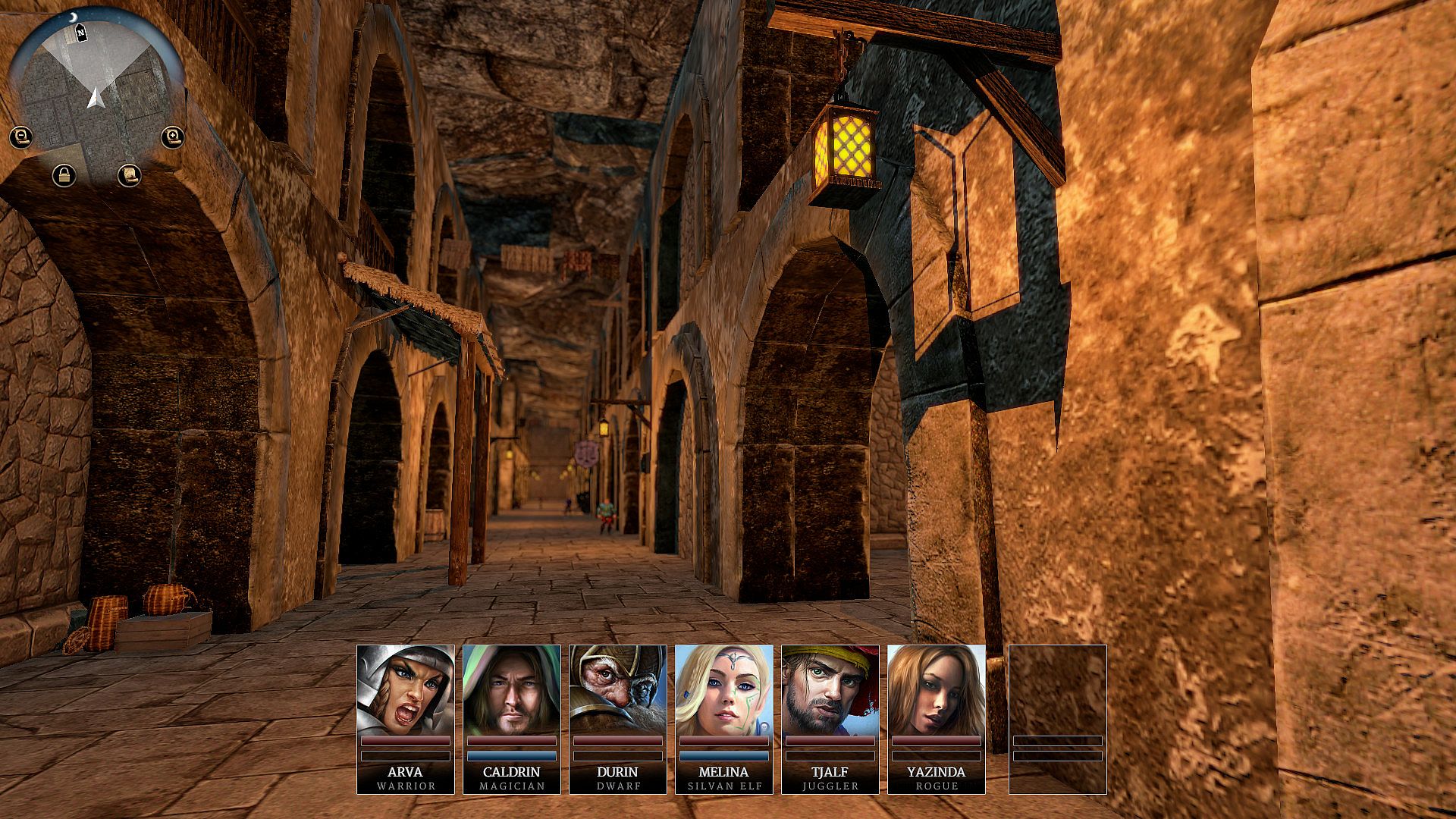
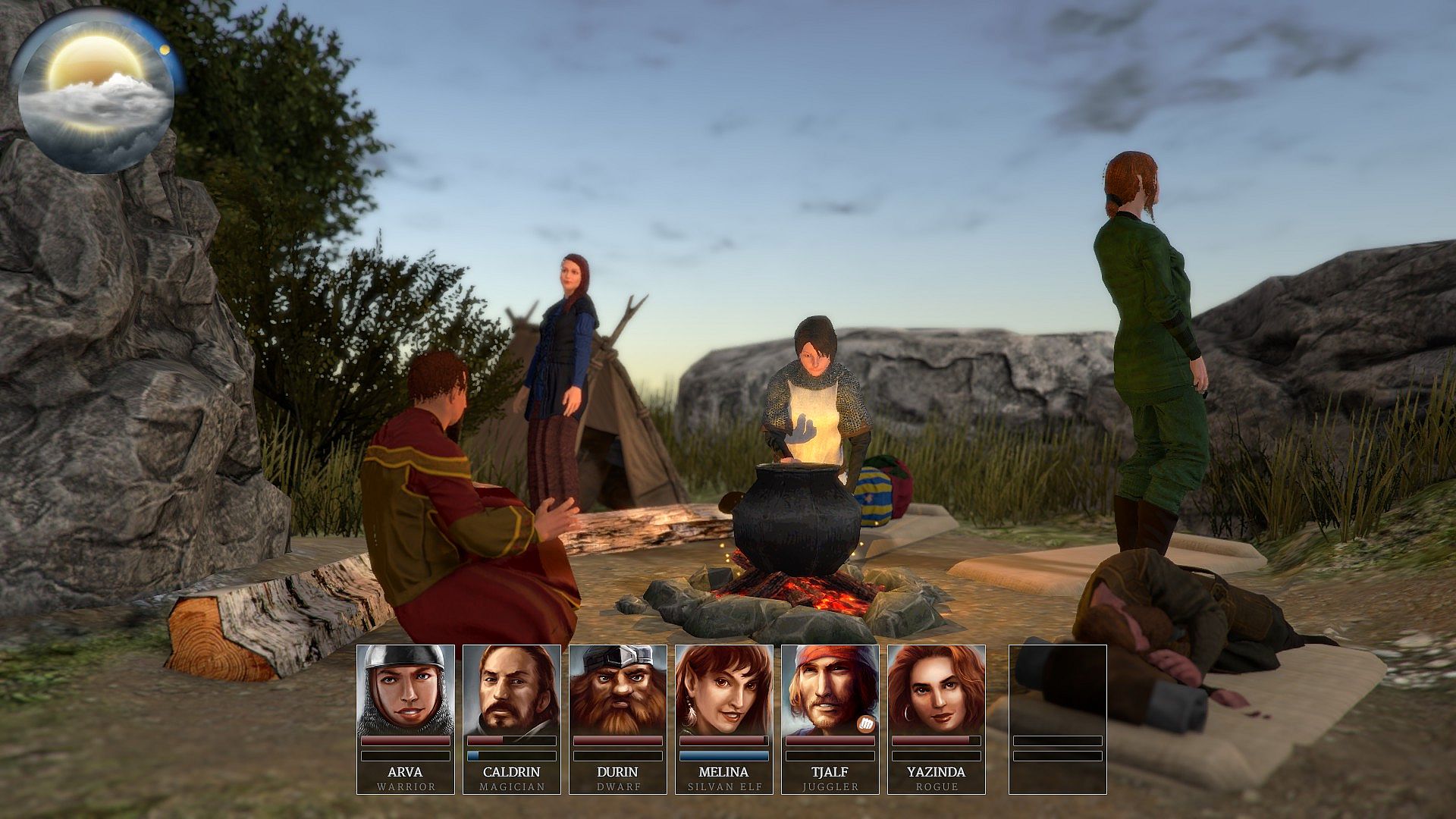
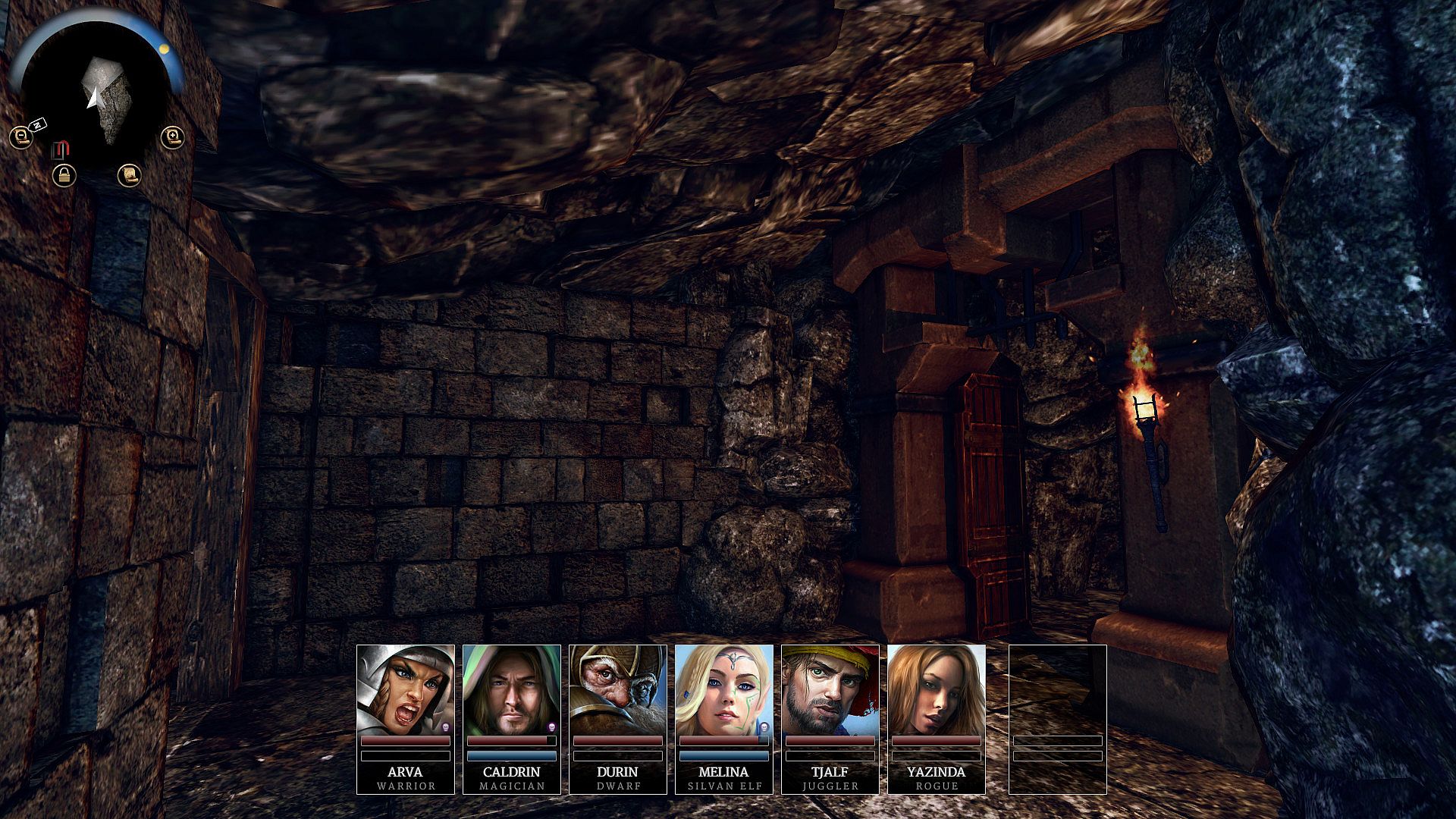
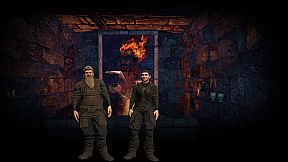
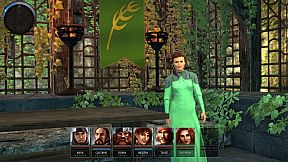
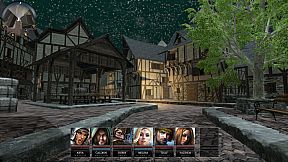
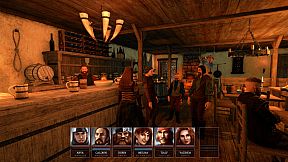
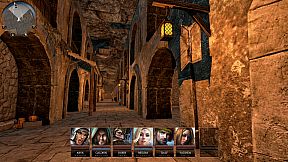
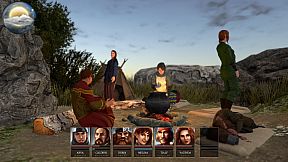
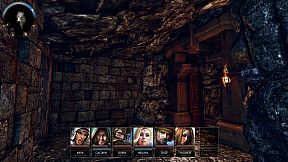
Exploration takes place in first-person view inside detailed cities, villages, and dungeons. Movement feels deliberate as players examine objects, speak with NPCs, and test character talents during events. An overworld map handles travel between sites, with the party represented as a line progressing across terrain that changes with day and night cycles. Random encounters and crossroads appear during these journeys, requiring resource management and occasional skill use for foraging or other survival tasks.
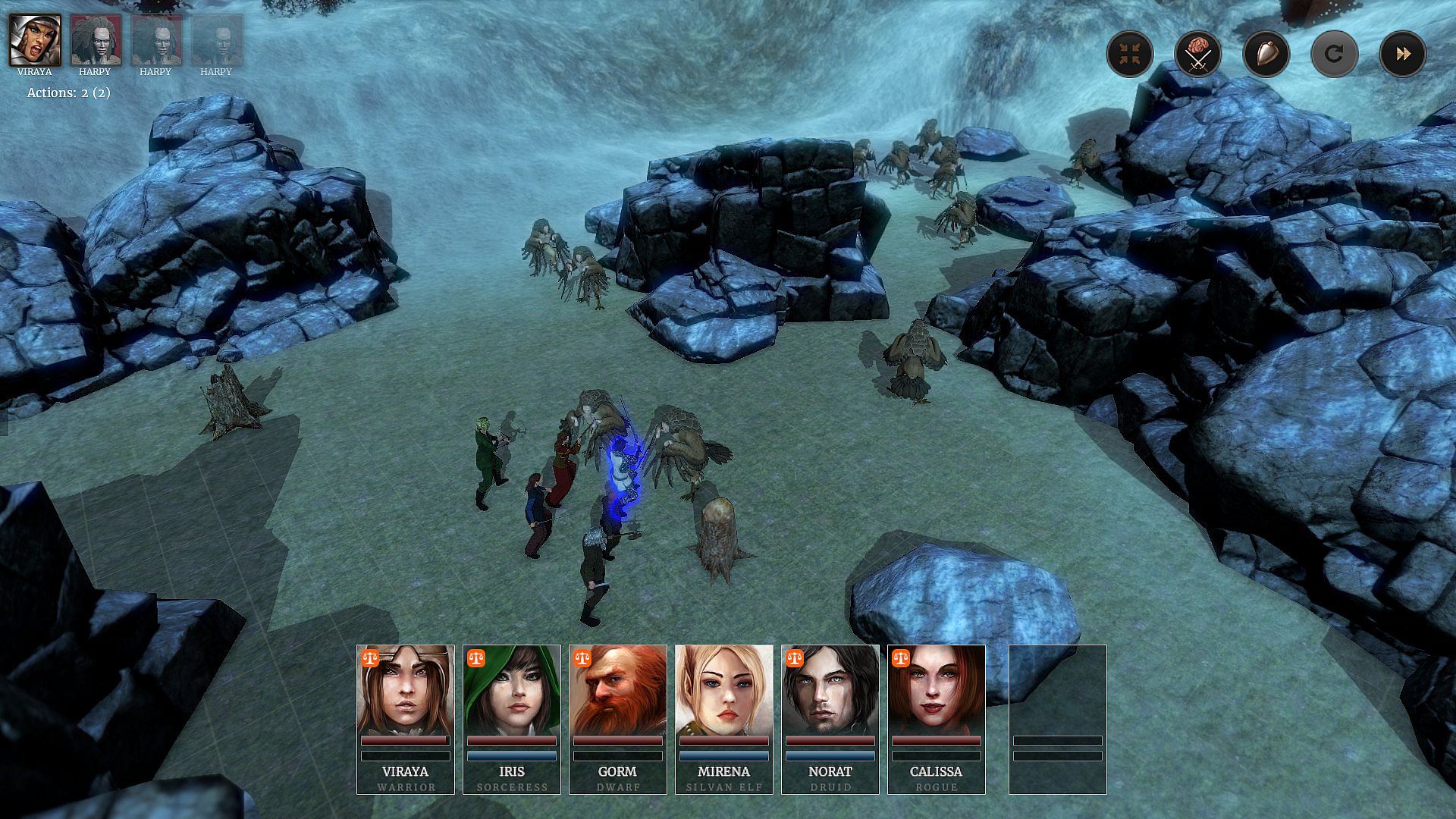
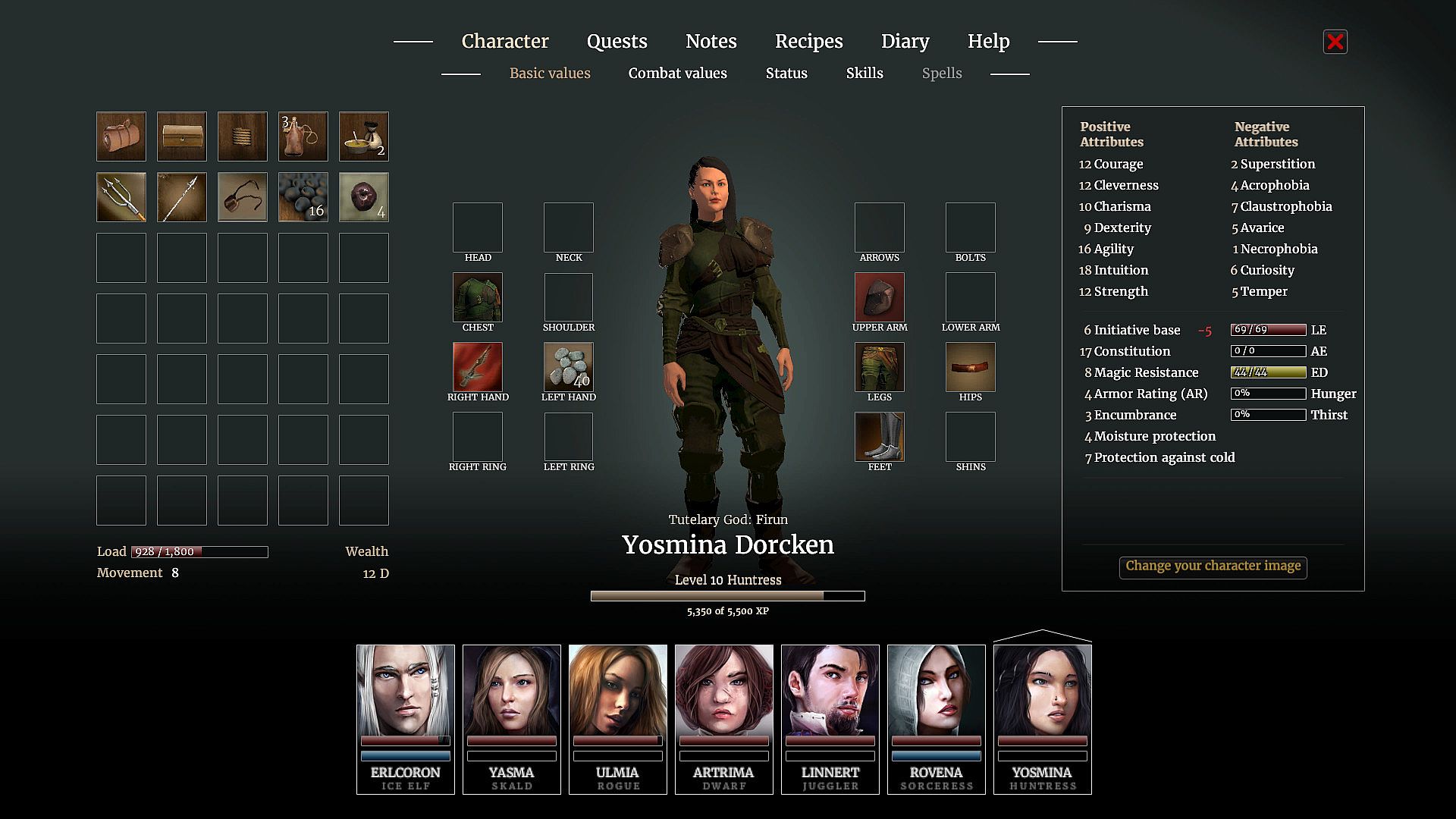
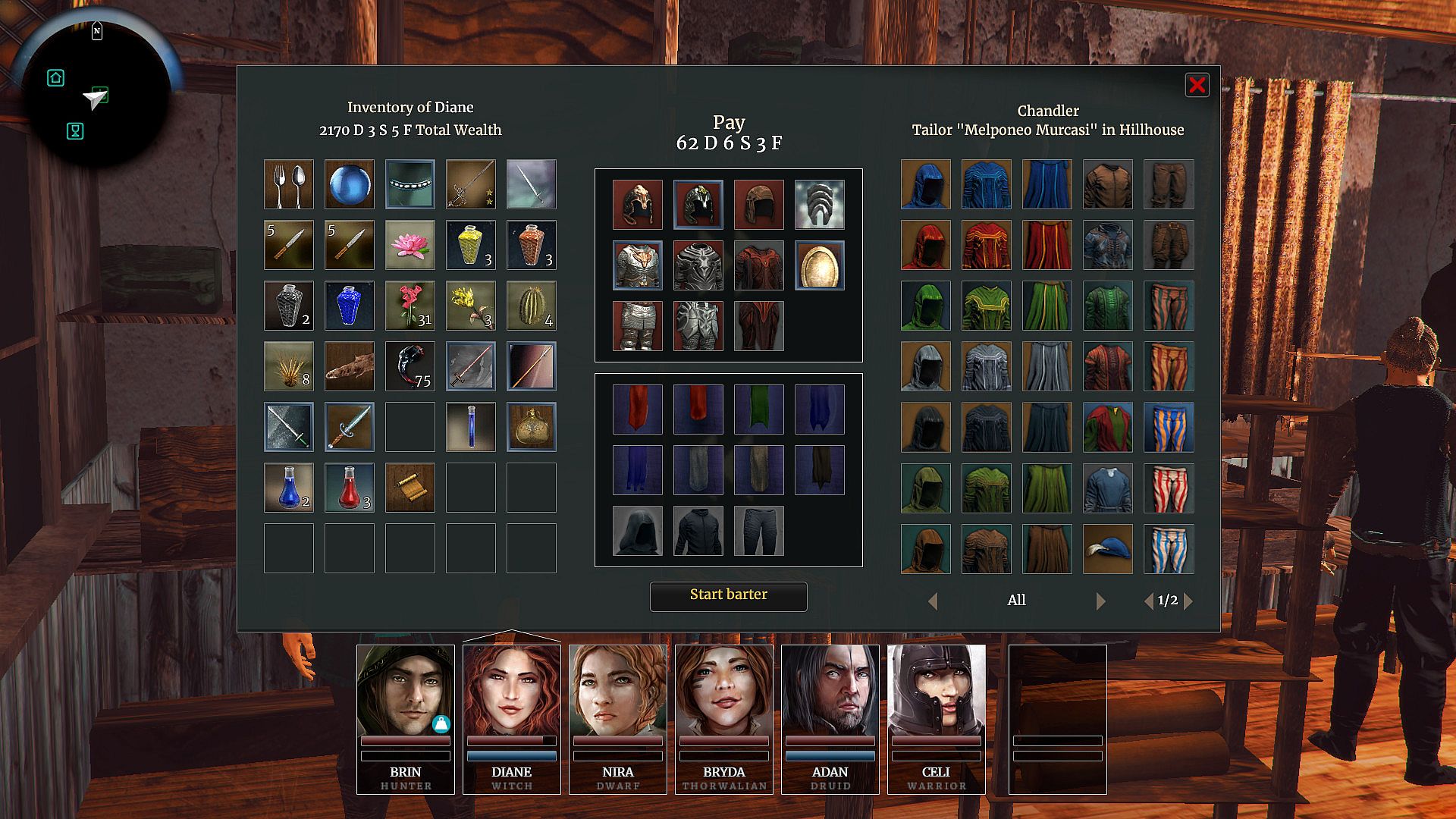
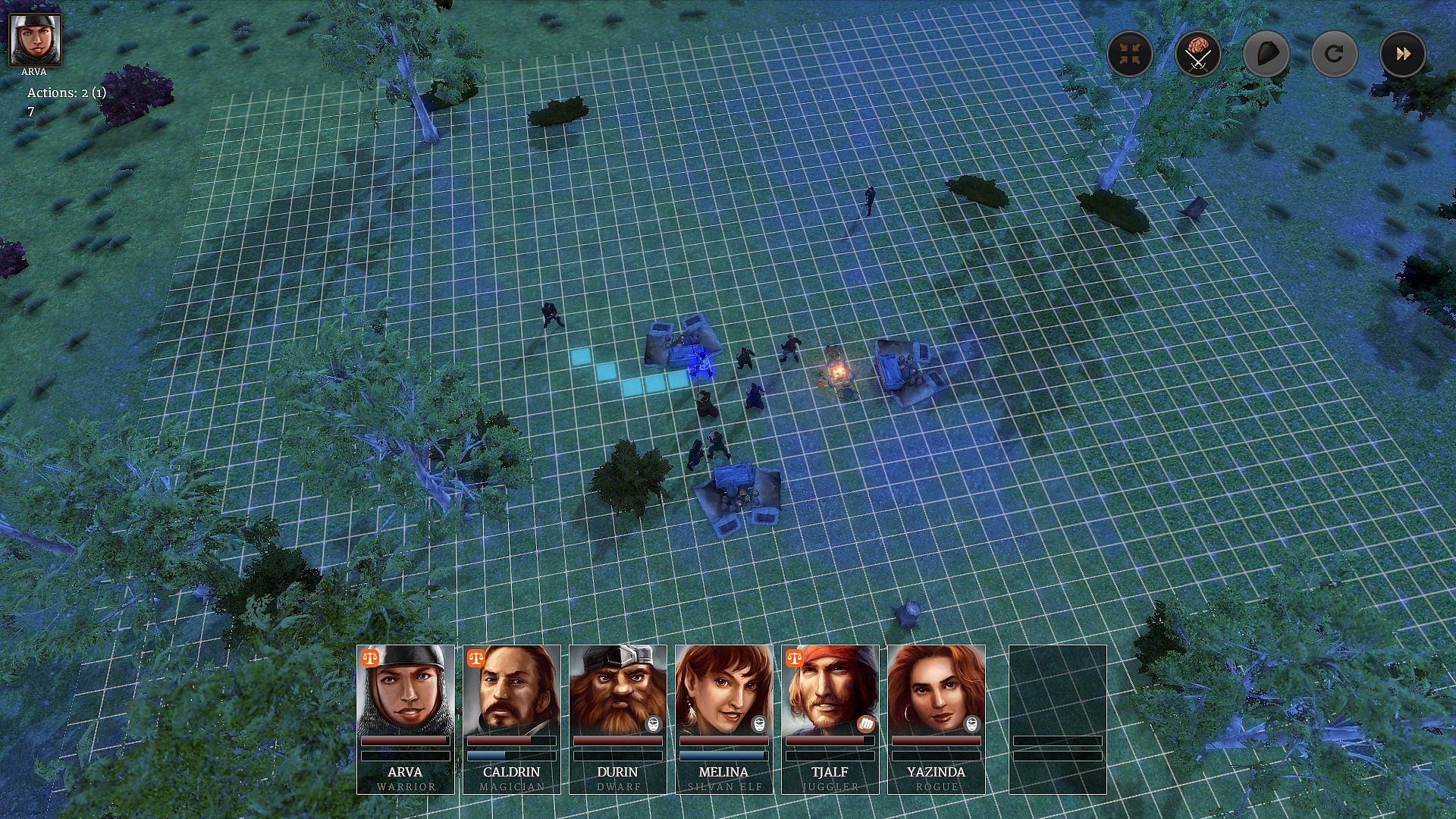
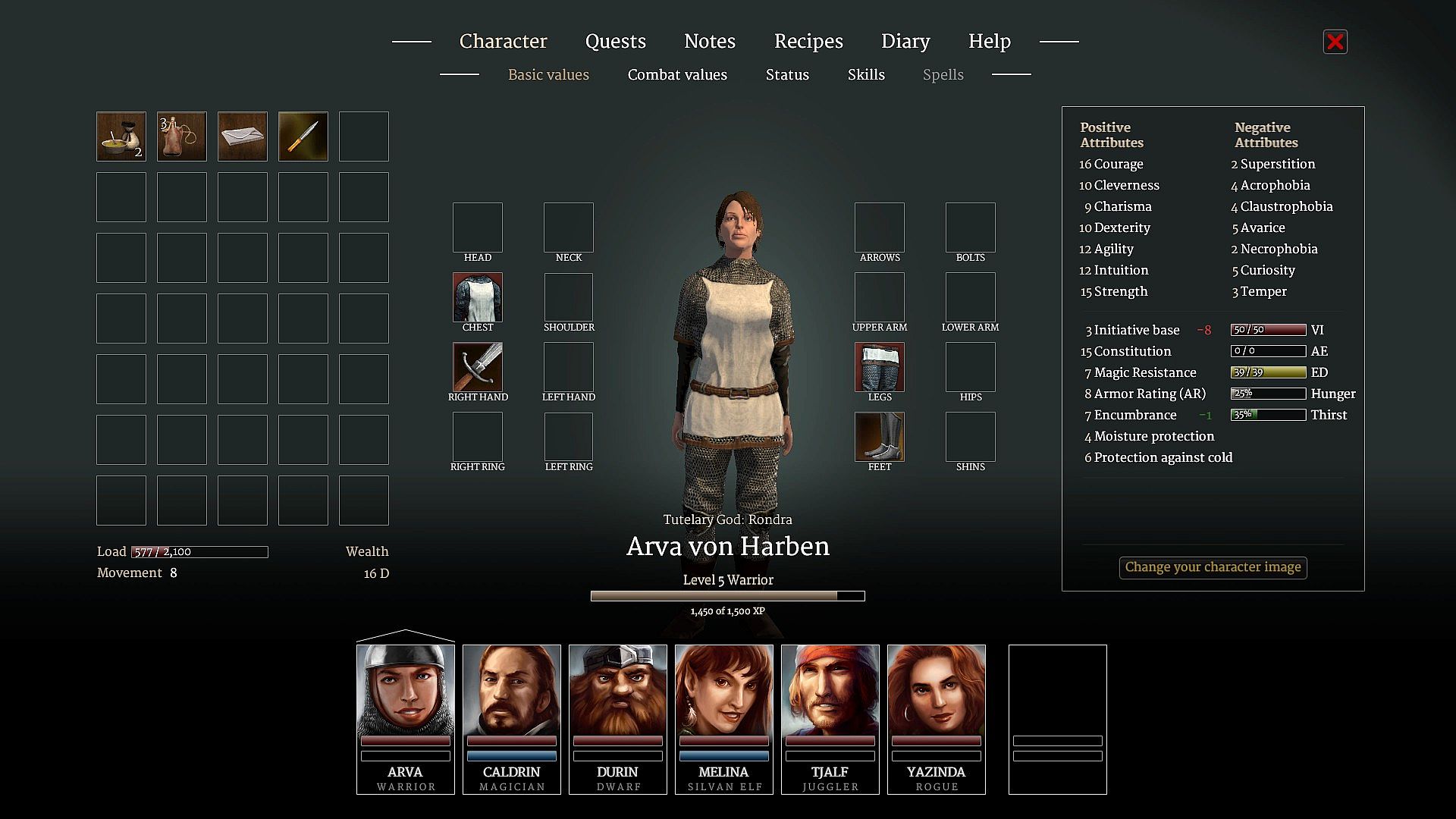
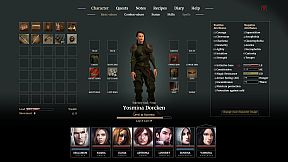
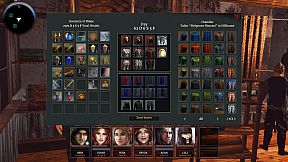
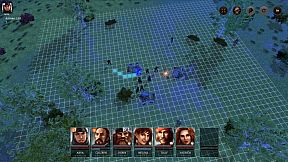
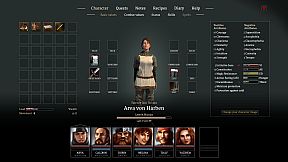
Combat shifts to an isometric grid where each party member receives action points for movement, attacks, spells, or defensive stances. Ranged weapons and magic benefit from line-of-fire rules, while melee options remain restricted to adjacent positions. Dozens of talents cover fighting styles, magic, and social interactions, with outcomes often resolved through hidden rolls based on character attributes. Party creation allows selection of races and classes, followed by ongoing management of equipment, leveling, and inventory logistics that affect long journeys.
Game Modes
The experience centers on a single-player campaign with no multiplayer components. Players progress through narrative-driven exploration, overworld travel segments, and separate tactical combat encounters. These phases alternate naturally as the story unfolds, with first-person sections handling story and investigation while the grid-based battles demand positioning and resource allocation. An automap and diary support navigation and record-keeping during extended play sessions.
Story and Setting
Following events from the prior game, orc tribes regroup after an initial defeat and strike vulnerable regions, occupying Lowangen and burning parts of the Svellt Valley. An elf ambassador recruits the party in Kvirasim to recover the Salamander Stone from an abandoned dwarven mine. Tensions rise when unknown forces oppose cooperation between elves and dwarves, adding layers of intrigue to the quest. The setting draws from a detailed fantasy realm with distinct settlements and ruins that players visit in sequence.
Is It Worth Playing?
Steam user reviews stand at mixed with 69 percent positive from 169 ratings, reflecting appreciation for the depth of character systems and tactical combat alongside criticism of interface demands and travel pacing. The remake remains available as a complete single-player title with updates extending into 2021. It suits players who enjoy methodical party management, frequent skill applications, and turn-based grid combat rooted in older RPG traditions. Those seeking streamlined modern experiences may find the complexity and deliberate pace less appealing, while fans of rules-heavy adventures will find substantial systems to master through repeated play.