


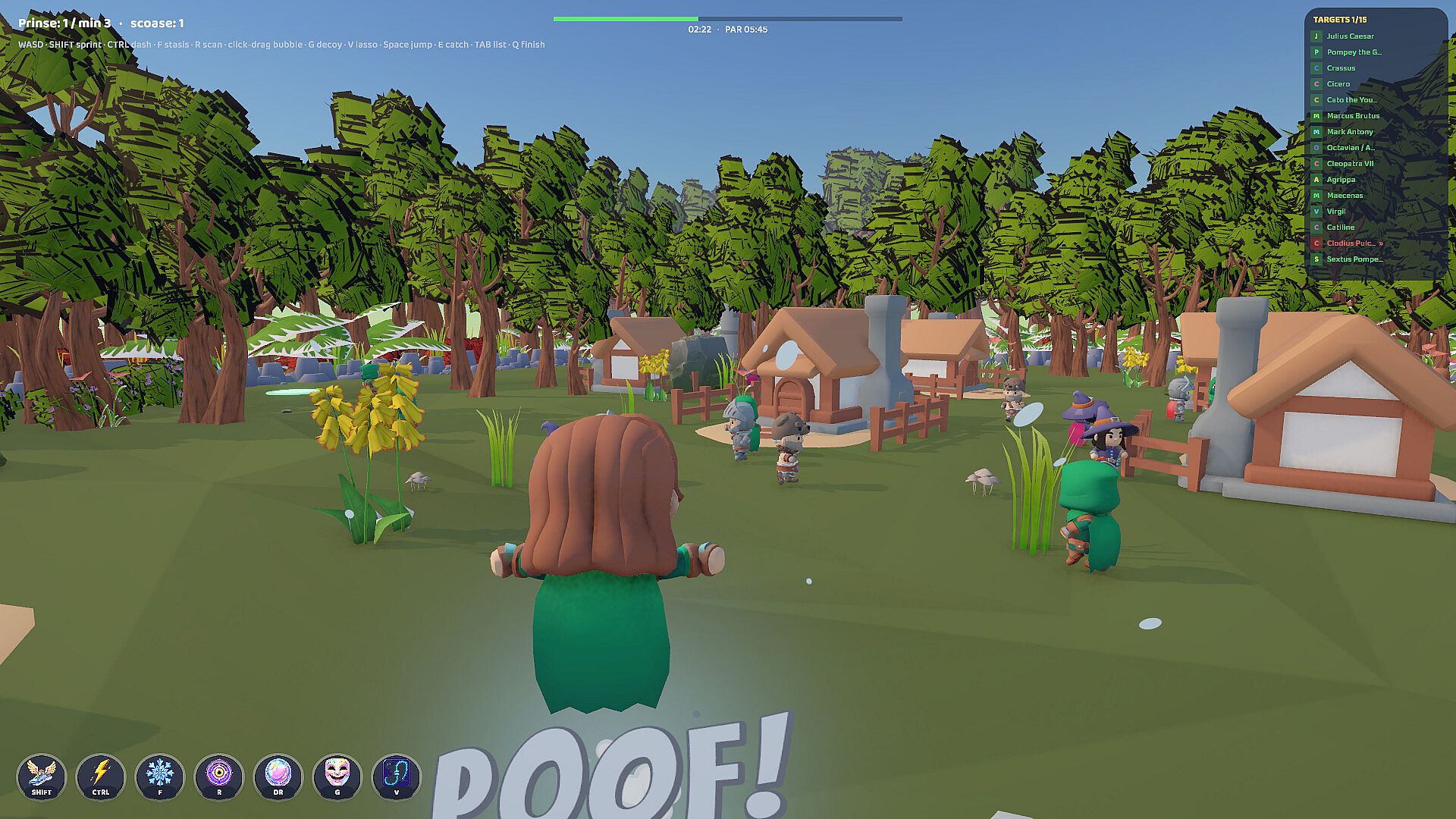





Rewritten: Chasing History is a singleplayer strategy and simulation game that blends chase mechanics with historical decision making. Set in 2050, players take on the role of a teenager struggling in history and physical education classes. The teacher places them inside an AI simulation of past eras where success depends on identifying, pursuing, and judging key figures who shaped events.
Gameplay
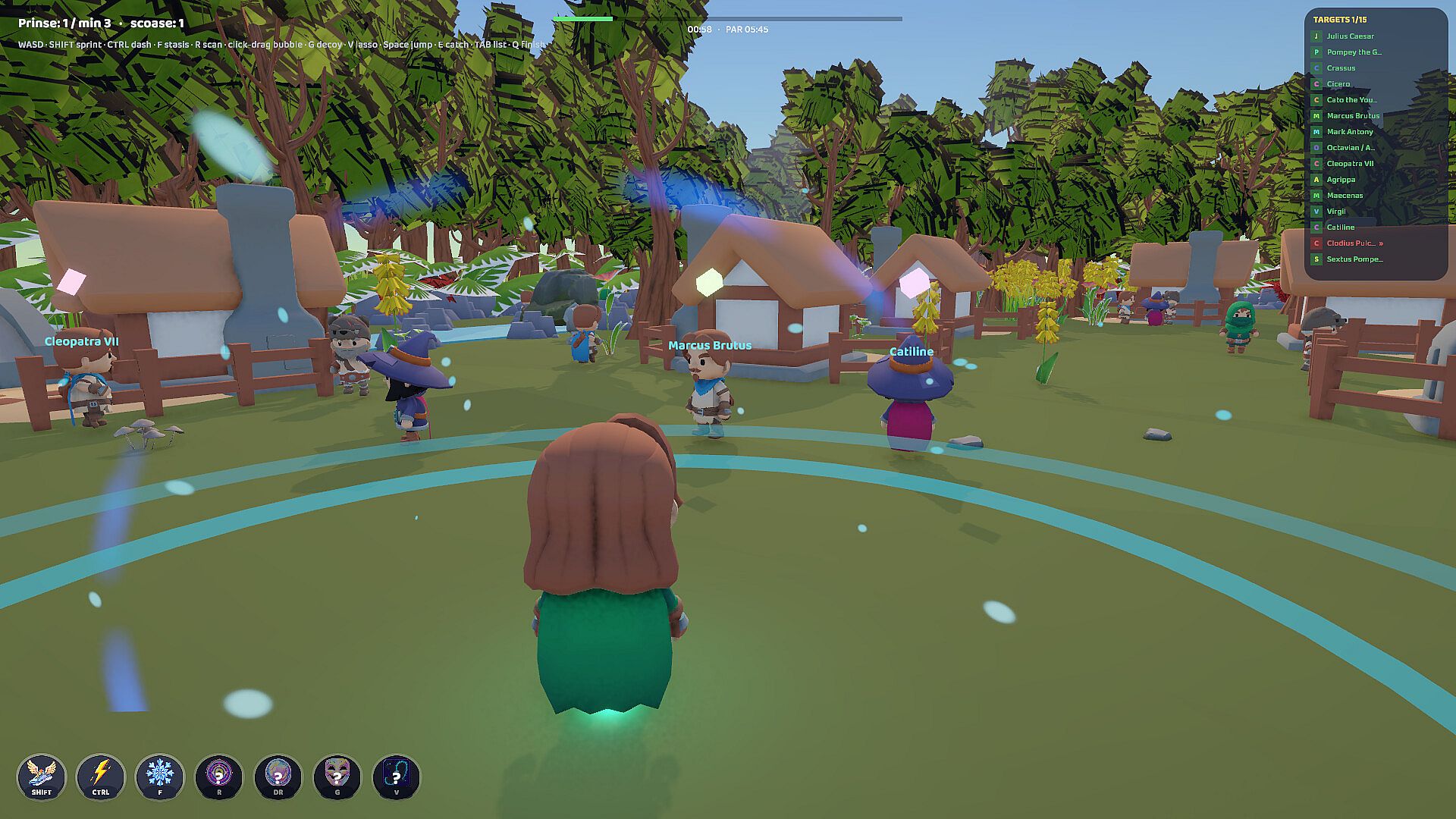
The core loop centers on movement and selection across detailed maps representing periods such as ancient Rome and classical Athens. Players earn grades in two areas simultaneously. Physical education performance tracks how many marked targets are caught through direct pursuit. History performance evaluates whether the correct figures are removed, because each choice alters a network of cause and effect. Removing a disruptive individual can stabilize the simulated timeline, while eliminating a foundational one can trigger widespread collapse.
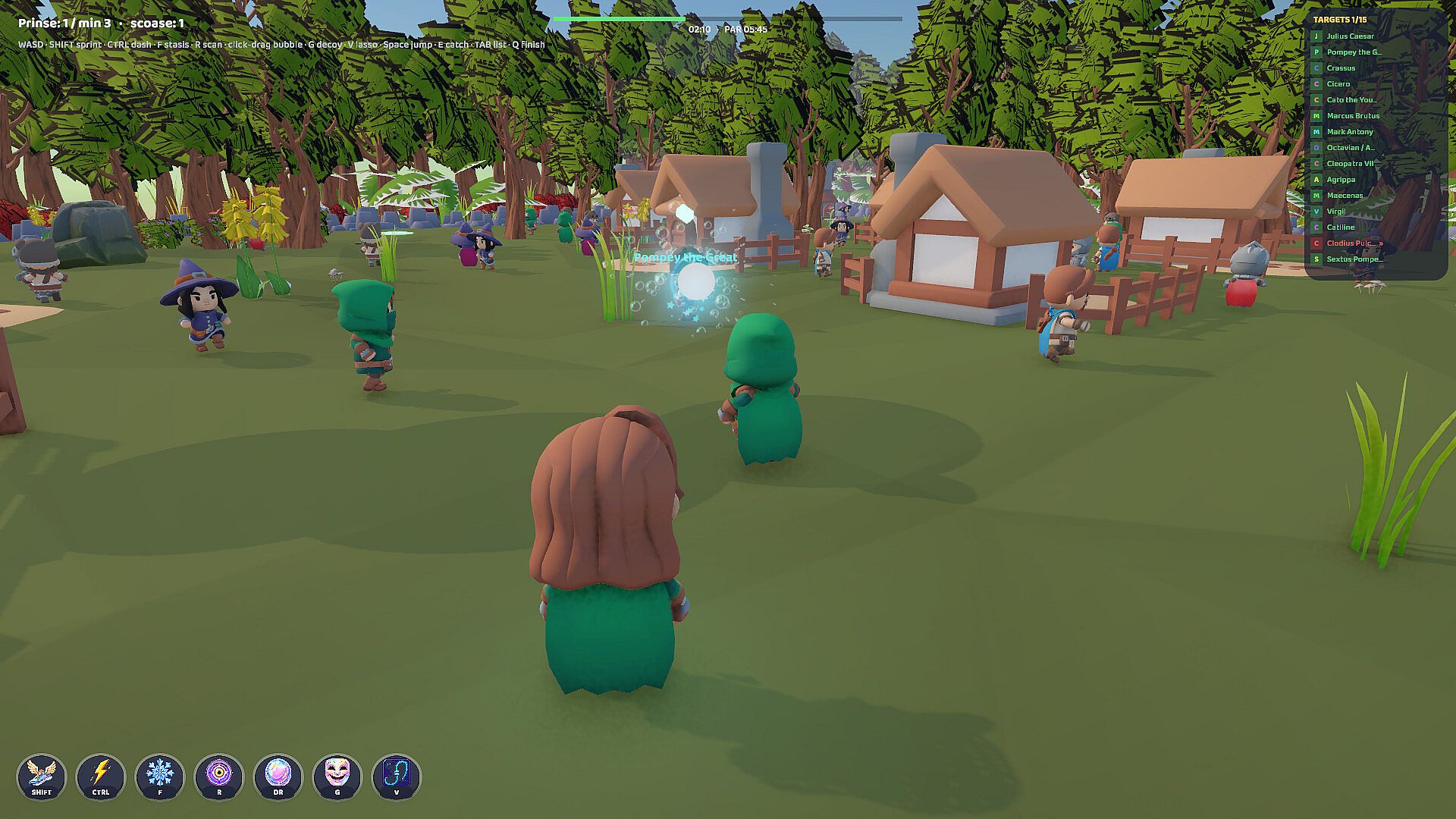
Figures encountered include well documented individuals such as Caesar, Cleopatra, Cicero, Socrates, and Pericles. Their interactions form an interconnected web where one removal influences others. The simulation provides no clear heroes or villains. Every action carries trade offs, and excessive intervention produces consequences comparable to inaction. Gadgets scattered through each environment allow players to alter movement and capture methods. Available tools include dashes for speed, time freezes, wall scans, bubble traps, decoys, and lassos. These abilities appear in fixed locations similar to power up placement in older arena style games.
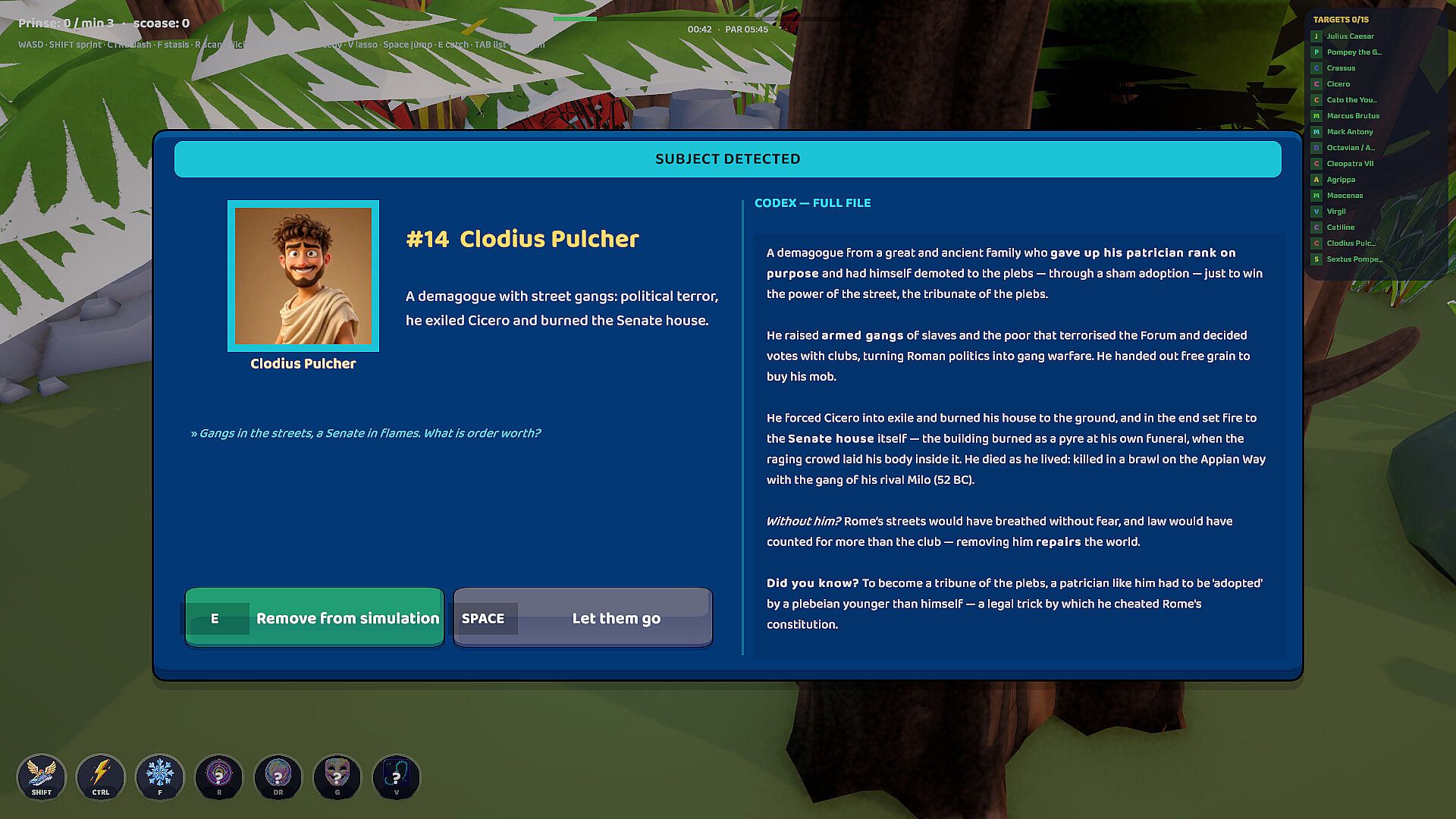
An in game codex supplies illustrated biographies for every figure. Reading these entries supplies context before any judgment is made. The presentation uses bright, approachable visuals that suit younger players while the underlying questions about historical impact remain open ended.
Game Modes
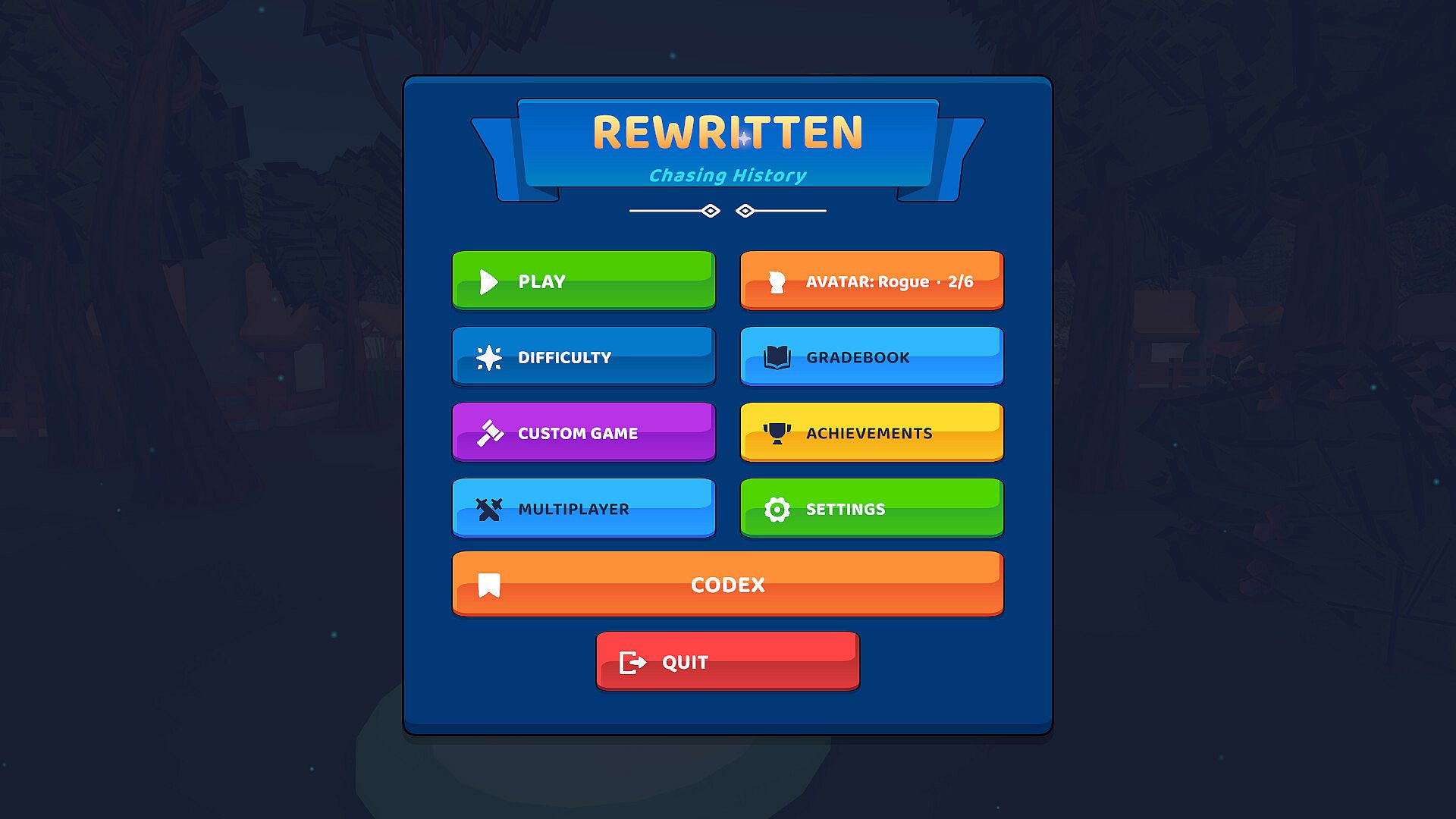
Four difficulty settings adjust the challenge level. The lowest setting functions as a relaxed sandbox where players can experiment without strict time pressure. Higher settings increase the speed of targets, tighten the grading requirements, and reduce available recovery options. The most demanding mode demands precise timing and thorough knowledge of each figure's role.
Custom Game mode lets players construct their own maps. This option supports creation of new layouts, placement of figures, and adjustment of gadget locations. The mode extends replay value by allowing tailored scenarios that test different combinations of historical figures and environmental challenges.
Historical Systems and Choices
Each map operates as a living counterfactual environment. Actions taken in one era can produce ripple effects that appear in later maps once additional eras become available. The grading system weighs both the quantity of catches and their qualitative impact on the timeline. Players must weigh immediate capture success against long term stability when deciding which targets to pursue.
The codex serves as an integrated reference that encourages informed decisions. Entries detail the documented contributions and relationships of each figure without directing the player toward any single outcome. This structure rewards repeated playthroughs as different removal combinations produce distinct timeline results.
Is It Worth Playing?
Rewritten: Chasing History suits players who enjoy strategy titles that combine physical pursuit with thoughtful selection. The dual grading system creates consistent tension between speed and accuracy. Those interested in historical cause and effect will find the counterfactual mechanics rewarding, while the gadget based movement keeps sessions active and varied.
The four difficulty options and custom map tools provide clear progression and longevity for singleplayer sessions. The bright art style lowers the barrier for casual play, yet the ethical questions embedded in each choice maintain depth. Players who prefer games that reward preparation through the codex and experimentation through map building will find the experience engaging. The current demo version already demonstrates the core systems, allowing direct assessment of whether the chase and judgment loop matches personal preferences before any full release.