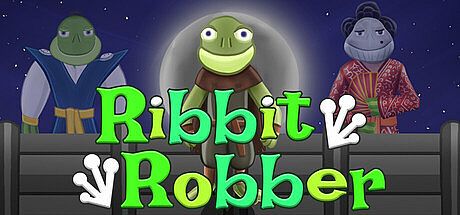


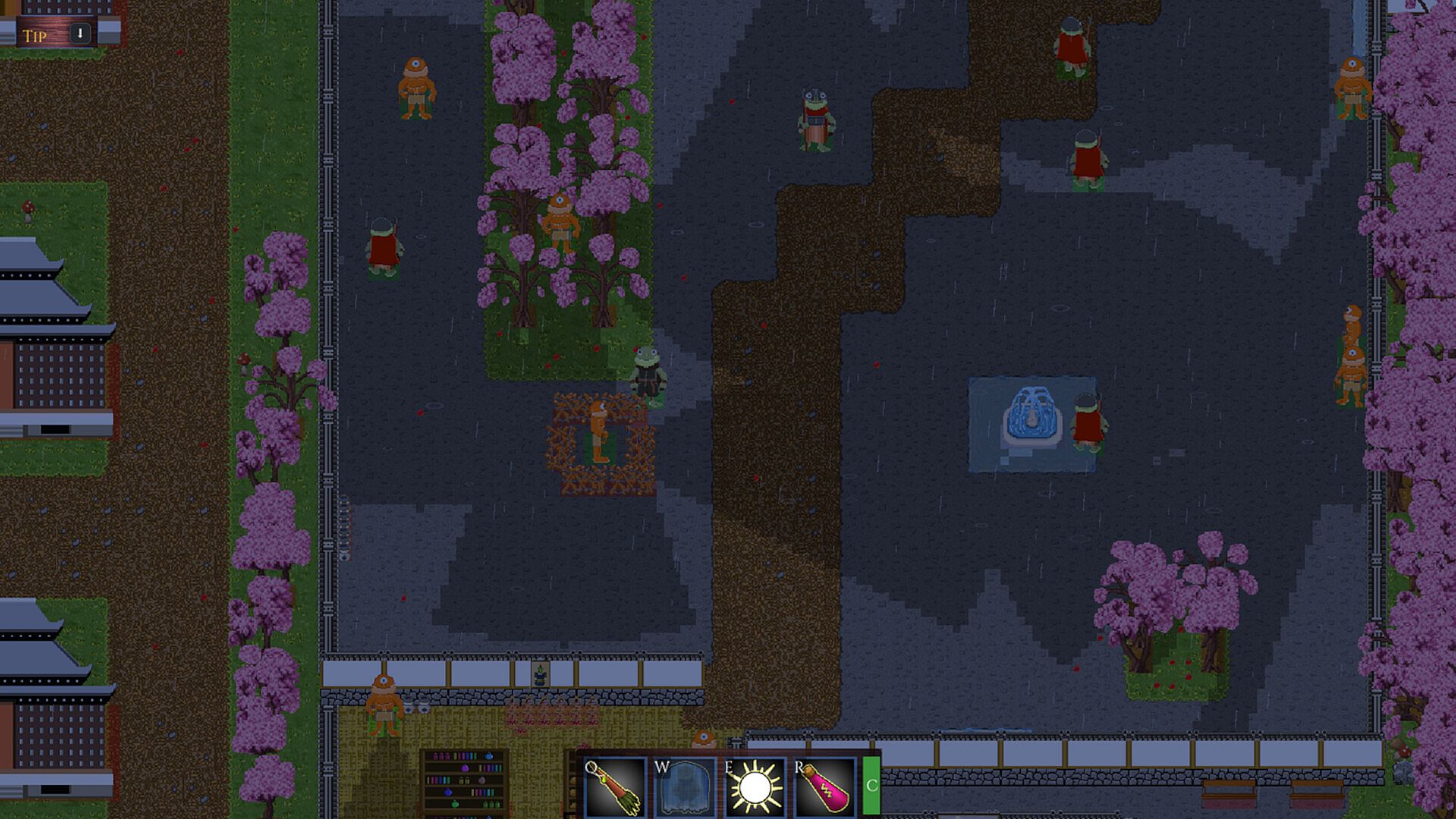
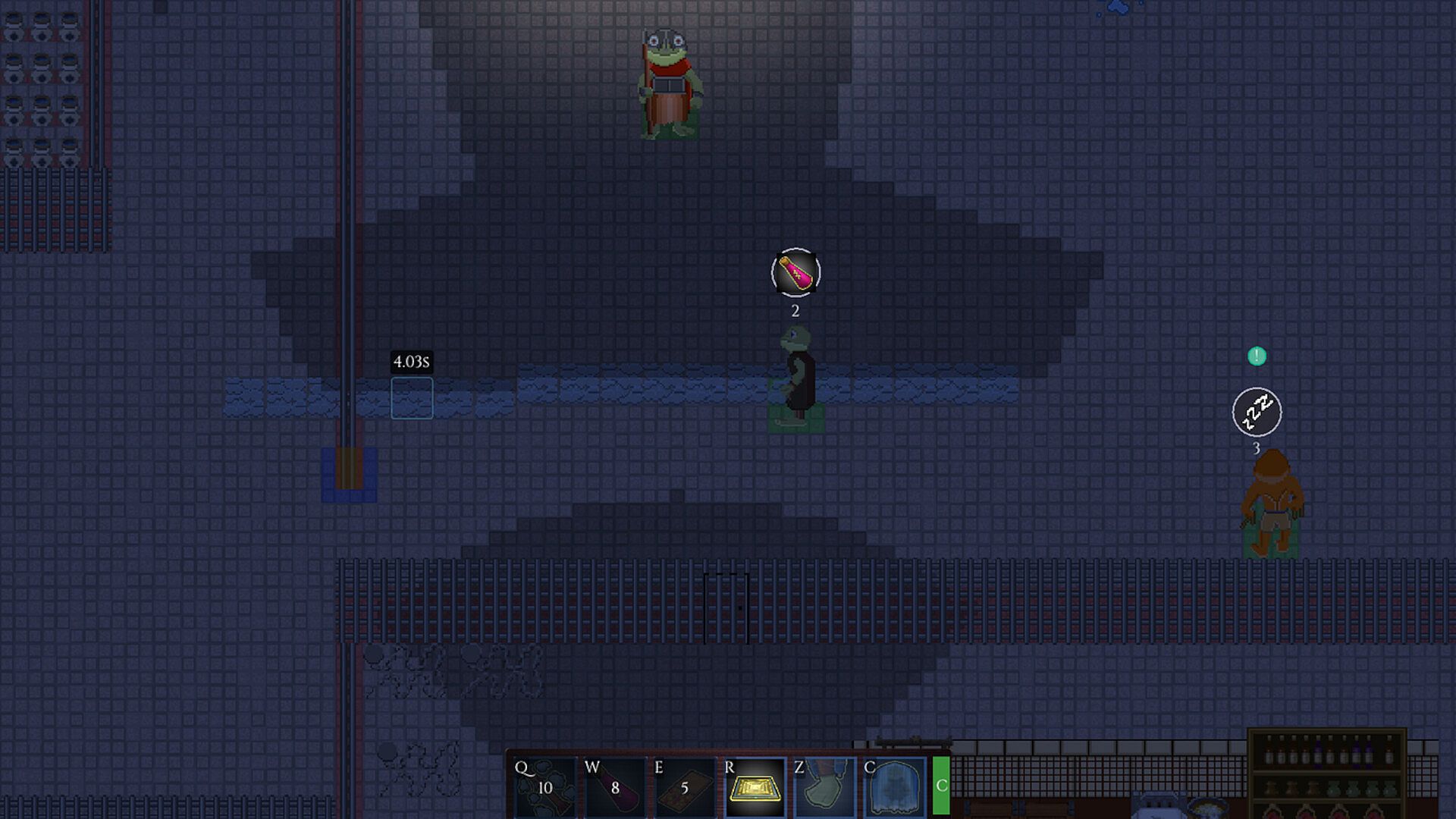
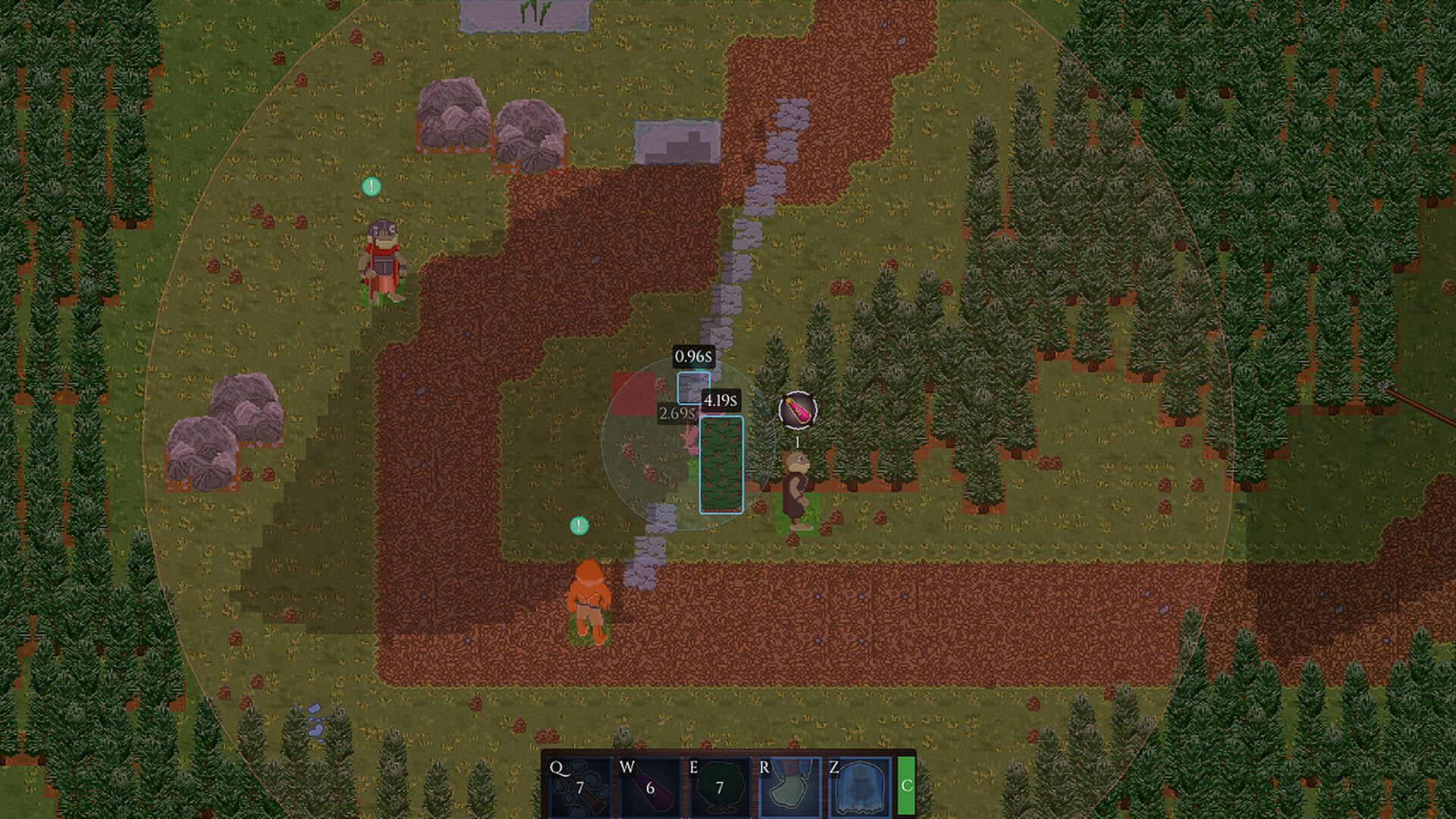
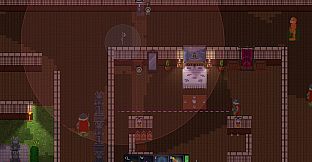
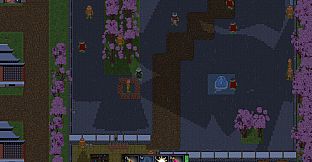
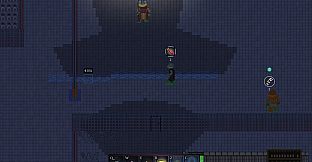
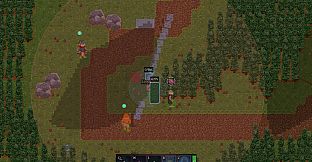
Ribbit Robber is a strategy indie stealth game for PC that places players in control of Jaiju, a thief navigating a fantasy medieval land populated by frog people. The experience centers on survival amid poverty and danger, where every decision carries weight in a world filled with uncertainty. Stealth forms the core loop, demanding observation of guard patterns, precise timing for movements, and inventive application of abilities to progress through increasingly complex situations.
Gameplay
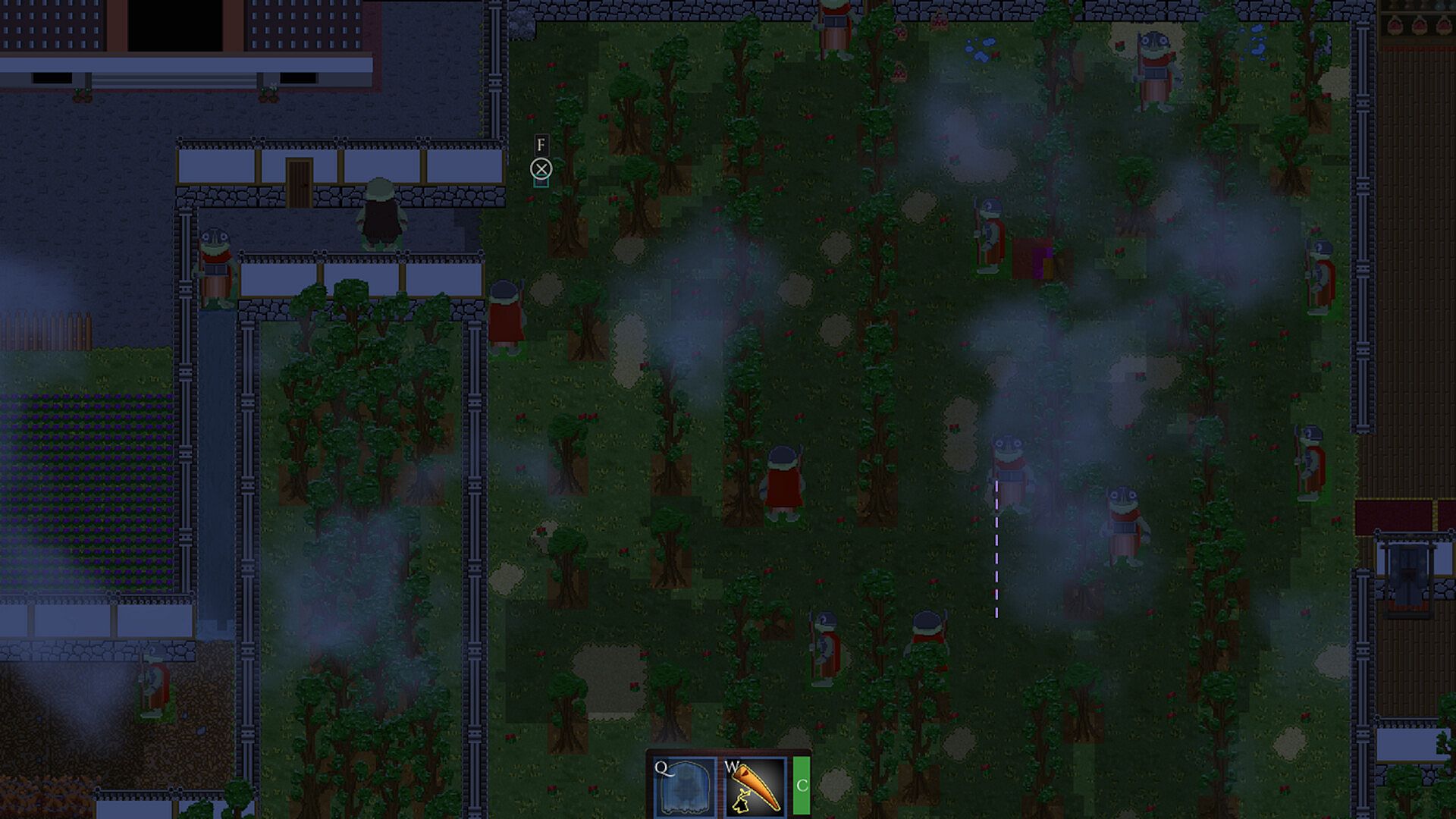
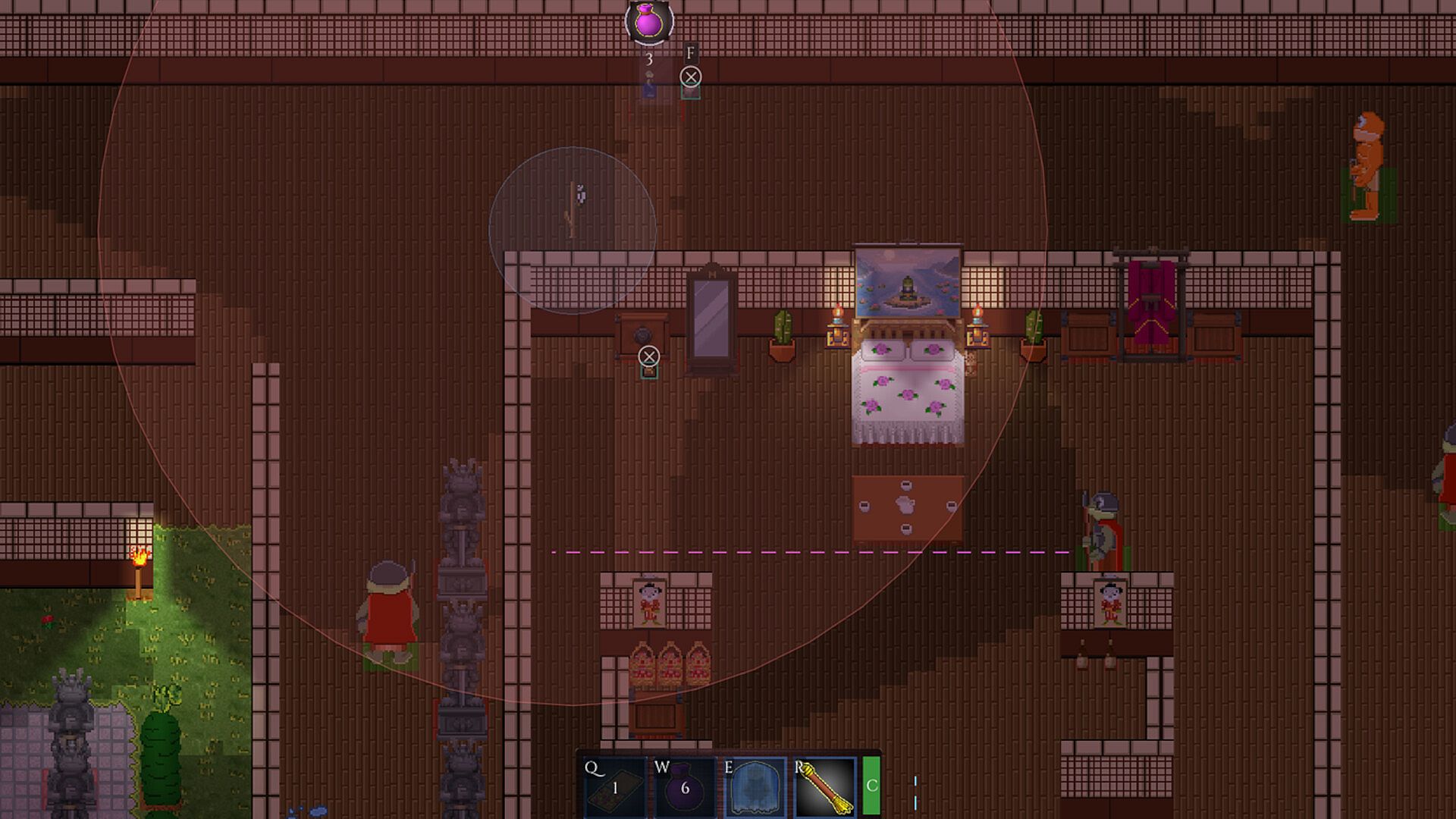
Success in Ribbit Robber hinges on careful planning rather than direct confrontation. Players must study enemy positions, anticipate patrol routes, and select the optimal moment to advance or intervene. The game supports both veterans seeking intricate puzzles and newcomers through an optional tip system that provides guidance on tough sections without forcing its use. This system can be toggled on or off at any time to match individual preferences for assistance or unassisted challenge.
Abilities expand the tactical options across levels. Invisibility offers straightforward evasion in open areas, while tools like a boomerang enable strikes from unexpected directions and a locator facilitates instant repositioning. Combining these elements creates layered solutions to each encounter, encouraging experimentation with positioning and skill timing. Quick saves let players record progress instantly and reload after detection or to test alternative paths, removing the frustration of repeated failures during strategy refinement.
Levels introduce fresh mechanics progressively, altering how players approach threats and objectives. The emphasis remains on creative problem-solving within a single-player framework, where environmental awareness and ability synergy determine outcomes more than raw speed or aggression.
Game Modes
The main campaign follows Jaiju's personal arc from a desperate survivor to a figure whose choices reshape his circumstances. Small decisions accumulate to influence available paths and the overall narrative direction, giving the story replay value through different approaches to the same challenges.
A built-in level editor serves as a dedicated creation mode. Players access the same tools used for official levels to design, test, and share custom stealth puzzles. This feature extends the game's longevity by allowing community-driven content that mirrors the core mechanics of observation, timing, and ability use.
Story and Progression
Jaiju begins as a thief focused on immediate survival in a harsh environment. As the campaign advances, the scope widens to include larger consequences tied to player actions. The narrative integrates directly with gameplay, where stealth successes or creative solutions can open new story branches without relying on traditional dialogue trees or separate choice menus.
Progression feels organic because new abilities and level designs build on prior lessons. Each stage tests mastery of previous tools while introducing variables that require adaptation, maintaining a steady increase in complexity suitable for both short sessions and extended playthroughs.
Is It Worth Playing?
Ribbit Robber suits players who enjoy deliberate, puzzle-oriented stealth experiences over fast-paced action. The combination of a responsive save system, adjustable assistance, and a versatile level editor supports repeated attempts and personal creativity without artificial barriers. Those who appreciate single-player campaigns with meaningful choices and the freedom to craft original challenges will find consistent engagement across the campaign and editor tools. The game rewards patience and experimentation, making it a strong fit for strategy fans seeking depth in an indie package rather than broad accessibility features or multiplayer elements.