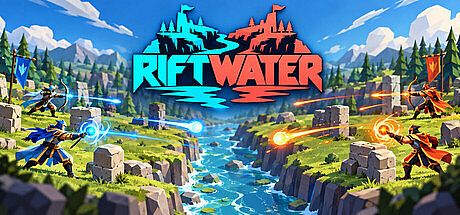


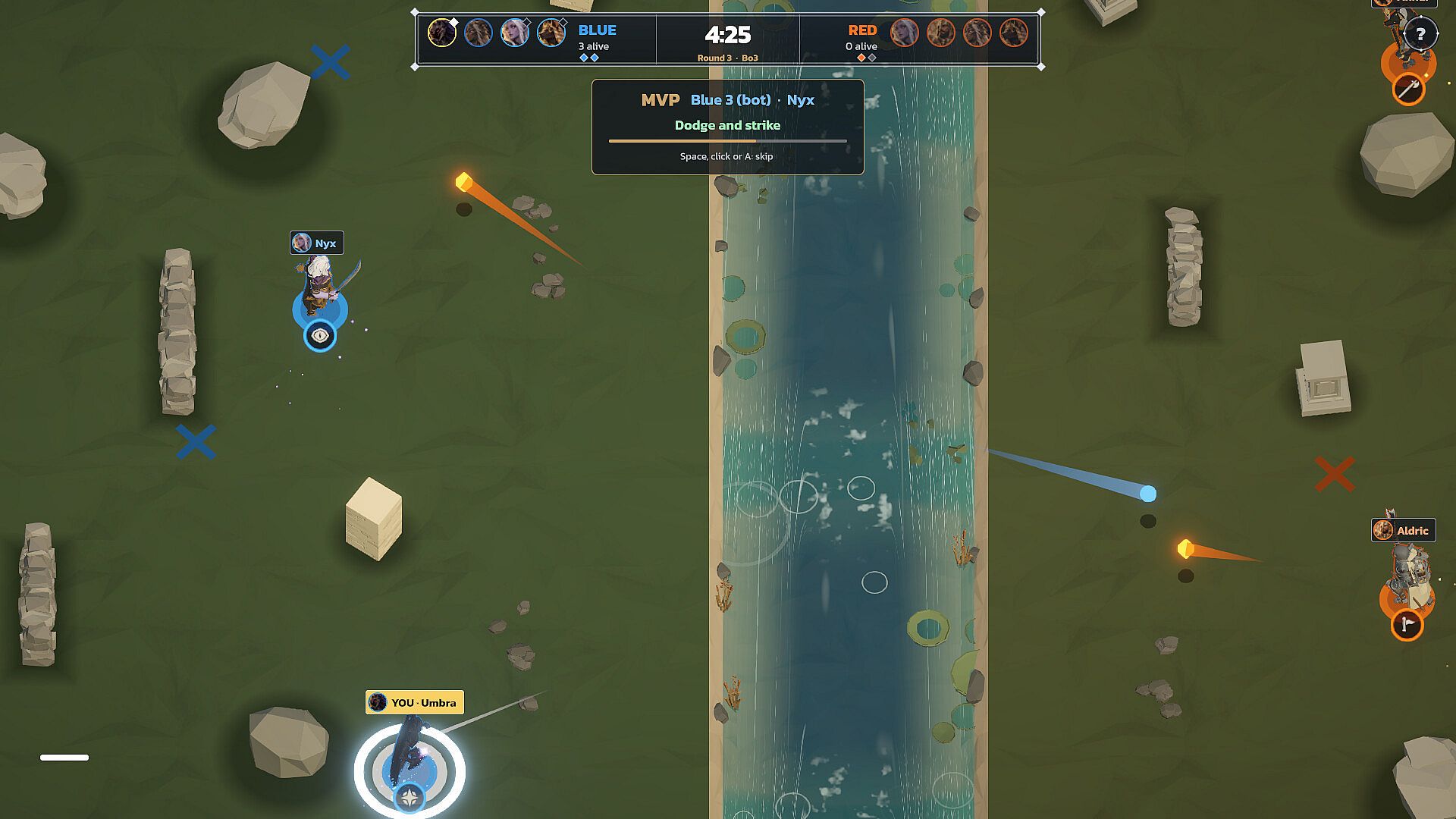
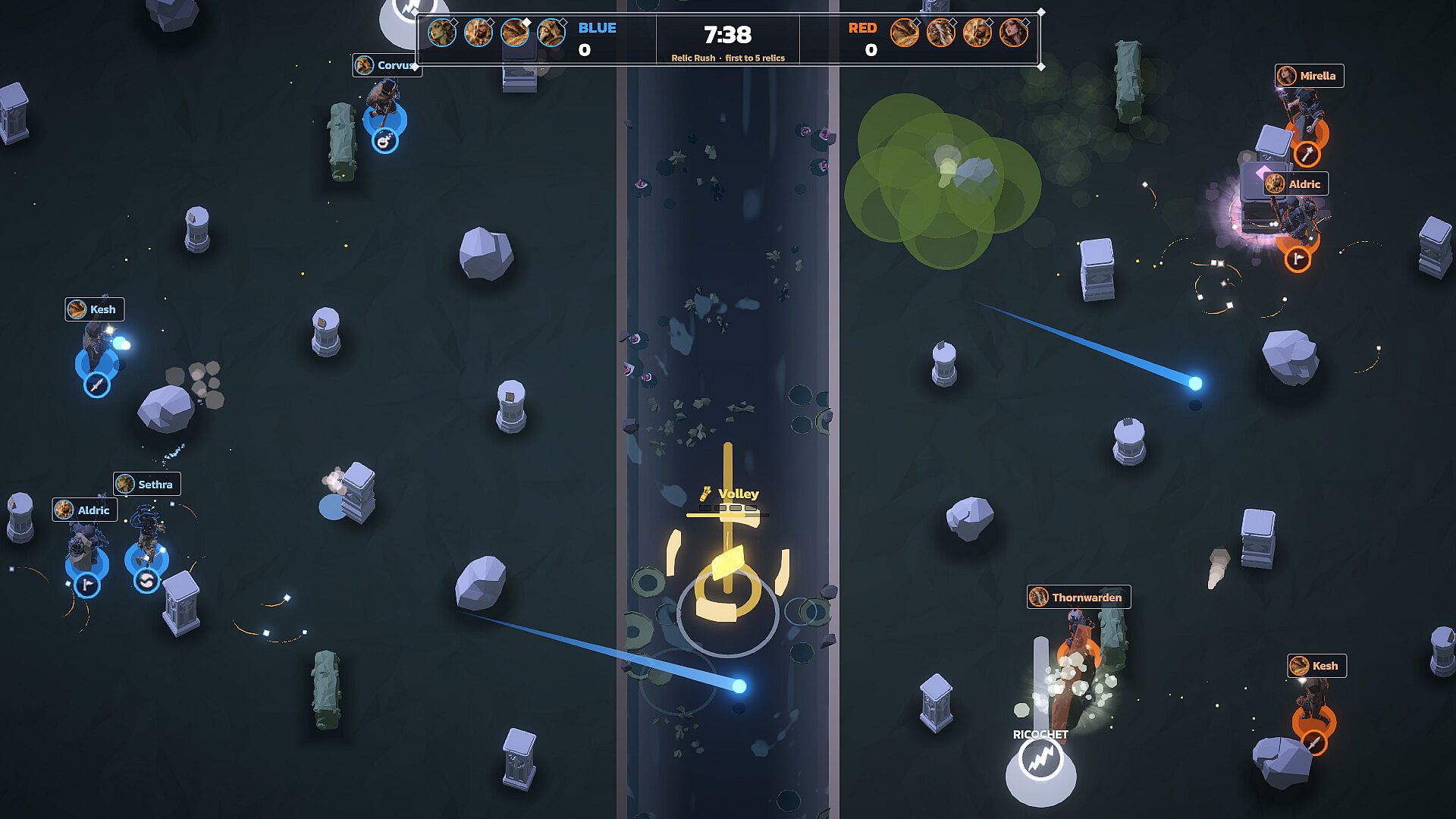
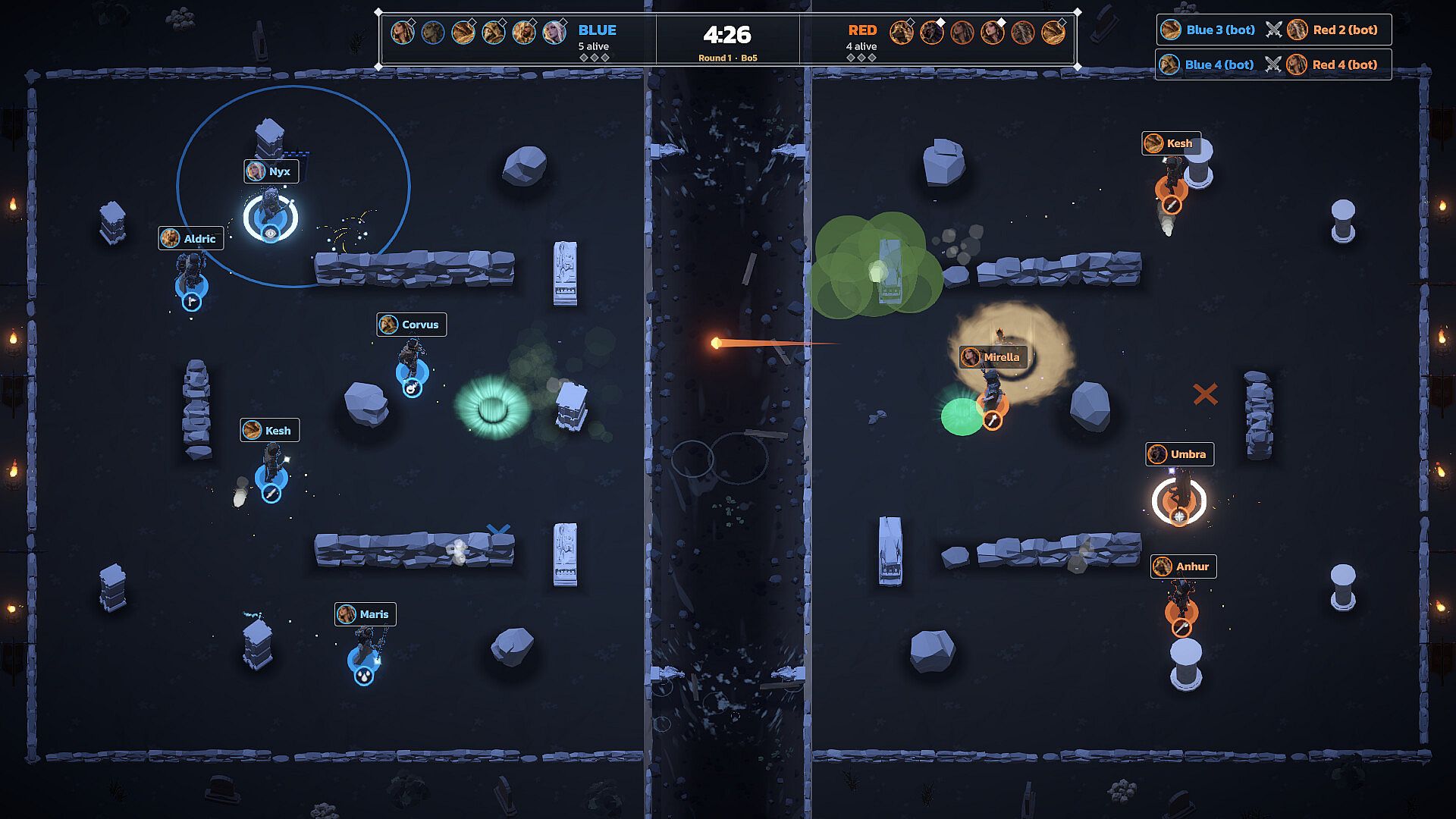

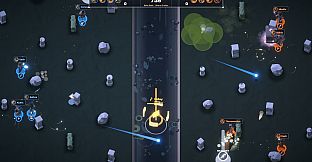
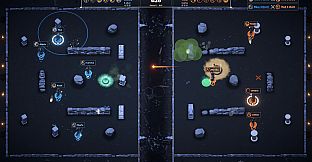
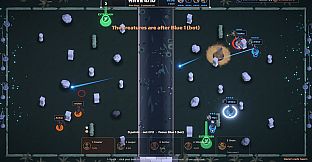
Riftwater is a top-down team shooter set in a simulation genre experience on PC. A river divides the battlefield, preventing any crossing and forcing every encounter to rely on precise aim, timing, and anticipation across the divide. Projectiles travel visibly with flight times up to two seconds, eliminating hitscan mechanics and giving players clear opportunities to dodge incoming fire.
Gameplay
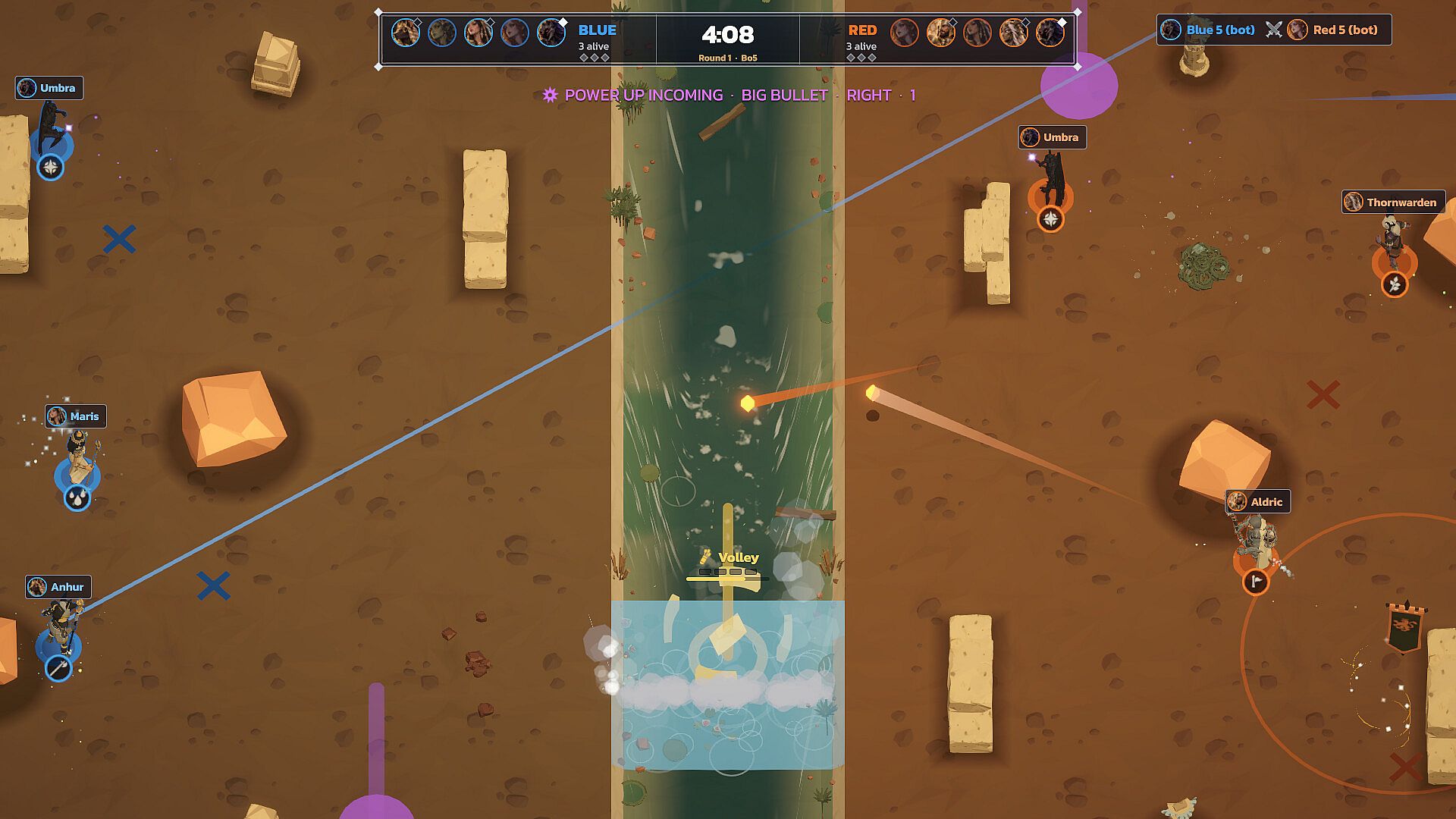
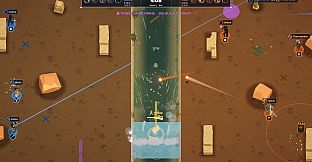
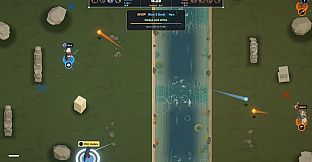
The core loop centers on reading enemy intentions and positioning along opposite riverbanks. Shots arc visibly, allowing reactions that reward observation over raw speed. Charging a shot increases its velocity for quicker impact, while ricochets off walls create banking opportunities. Dashes provide last-second evasion from volleys. Environmental elements add pressure as cover degrades under sustained fire and banks narrow with the round timer. Late rounds unlock fords that alter movement options. Relics drift along the current, prompting team tug-of-war contests for temporary powers that benefit the entire side.
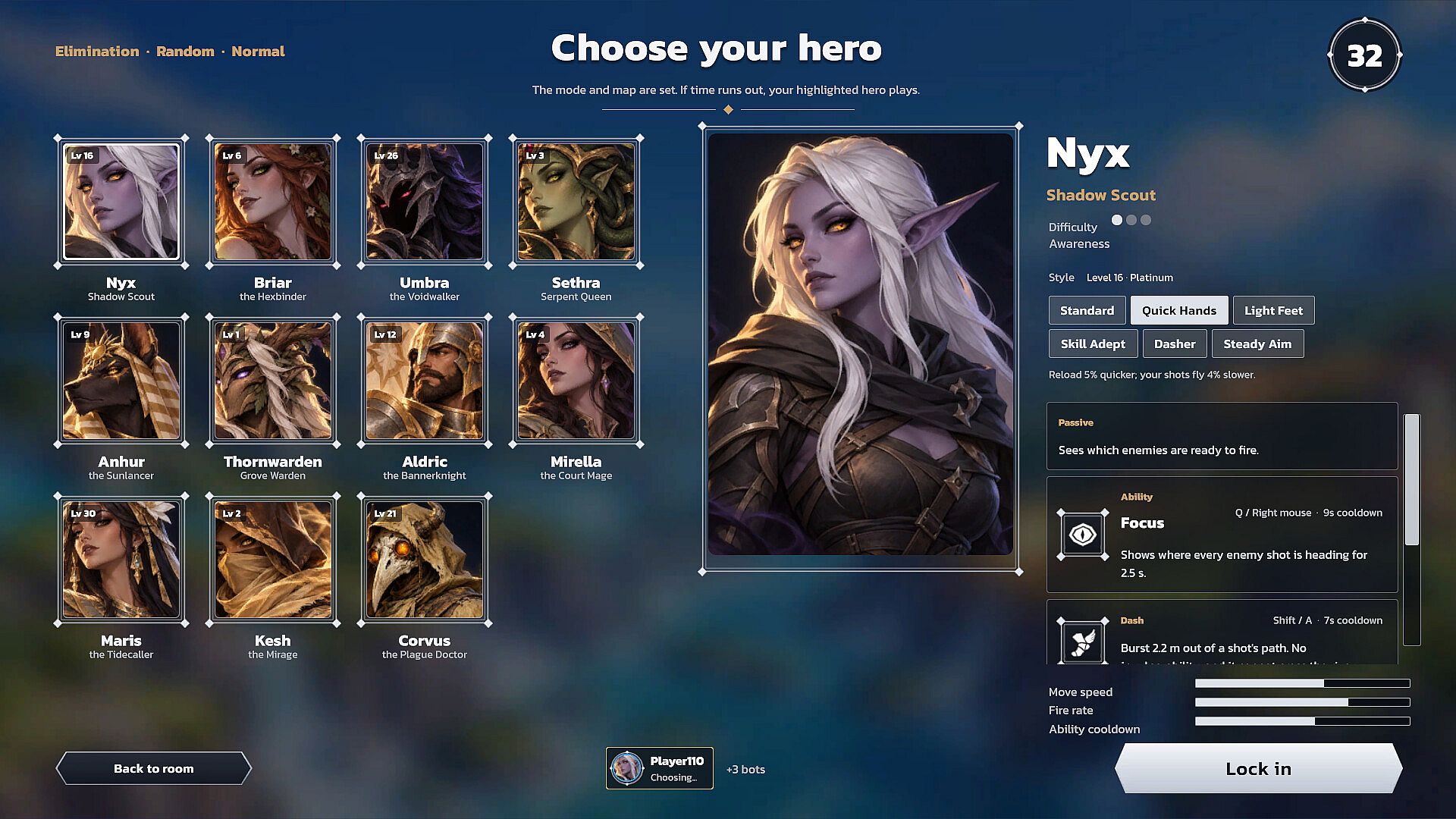
Eleven heroes each bring a single ability that reshapes river combat. Nyx reveals enemy firing readiness and shot trajectories. Thornwarden deploys a living barrier. Maris summons a water wall spanning the river. Kesh deploys a decoy. Corvus releases a miasma cloud for concealment. These tools encourage varied team compositions and adaptive strategies without overwhelming complexity.
Game Modes
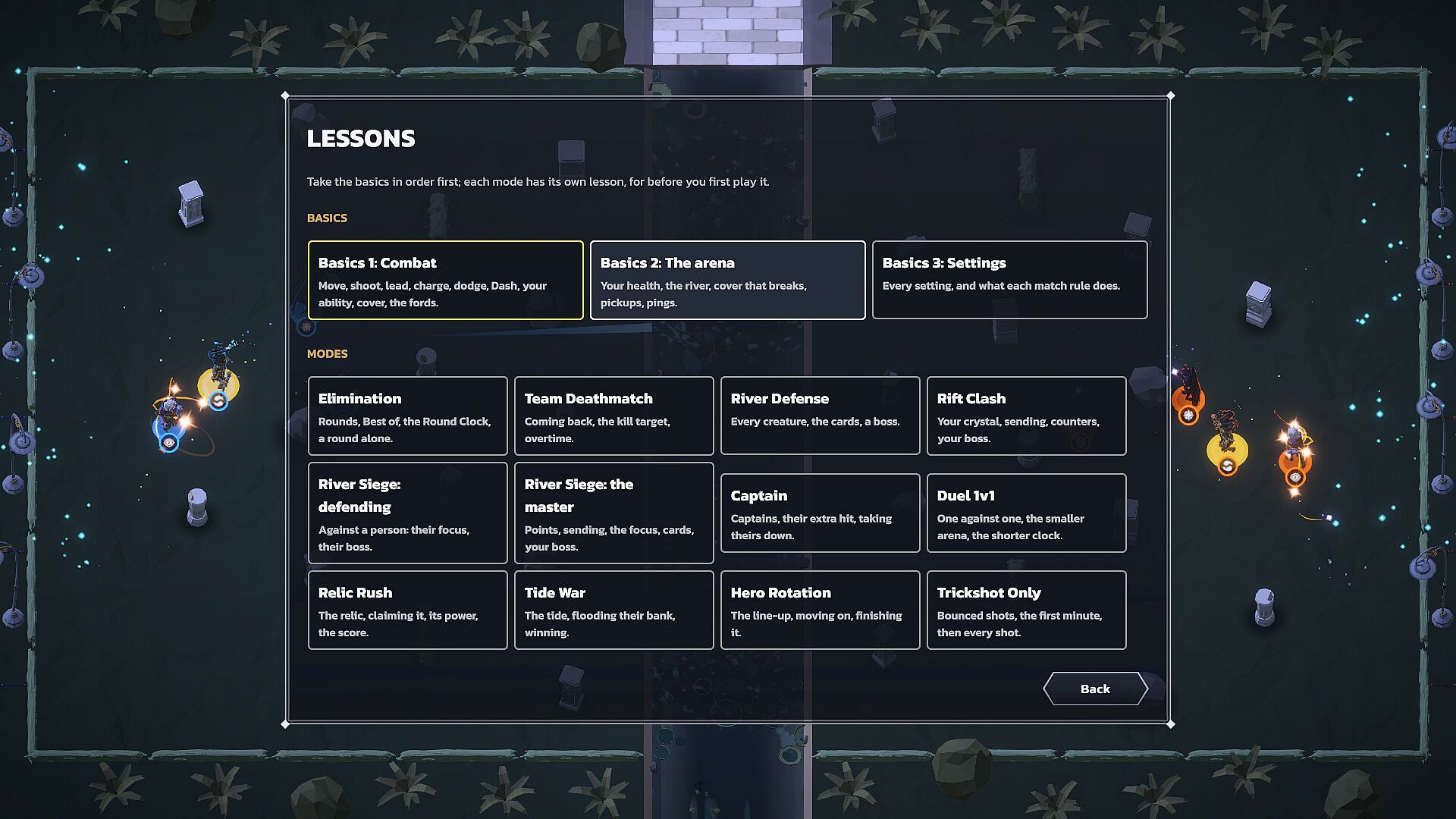
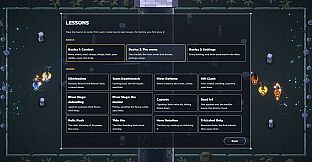
Twelve modes span player-versus-player and cooperative challenges across six maps: Kingdom Meadow, Sunscorched Oasis, Moonlit Grove, Night Bastion, Sun Arena, and Kingdom Riverlands. Player modes include Elimination, Captain, Duel 1v1, Team Deathmatch, Relic Rush, Tide War, Hero Rotation, Trickshot Only, and Draft Battle. Cooperative options feature River Defense, River Siege, and Rift Clash against monster waves and bosses.
Draft Battle lets each participant select five cards across rounds from categories like keystone, shot, spell, step, and ward. Thirty cards fall into archetypes such as Charge, Bounce, Bulwark, River, and Tempo, supporting builds from wall-bouncing trickshooters to river-manipulating mages. Matches continue until one team leads by two rounds. Revives require standing on a fallen ally's mark. Trailing teams receive comeback advantages like extra dashes or starting wards. Round cards provide persistent small upgrades that carry forward.
Cooperative Experiences
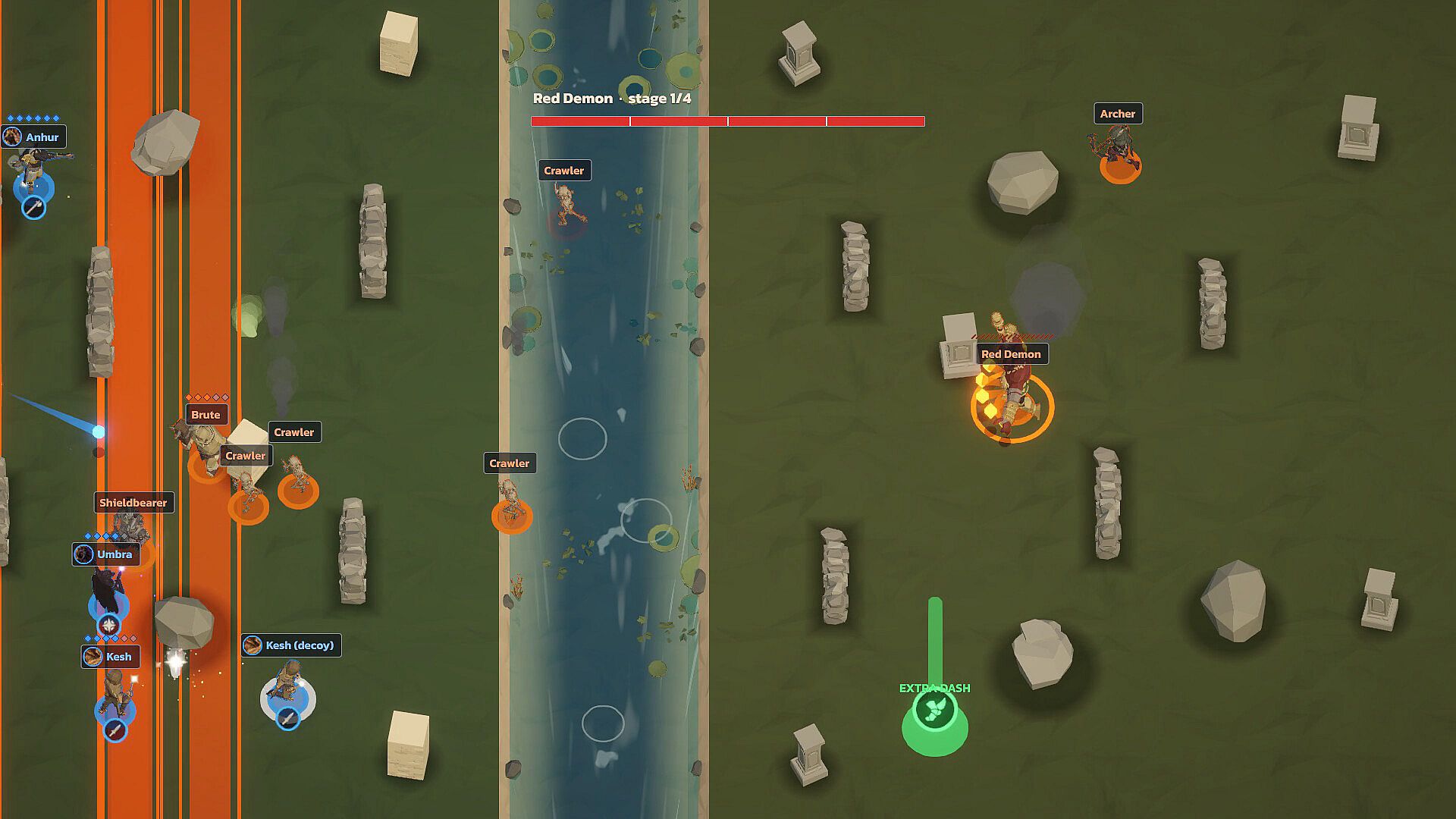
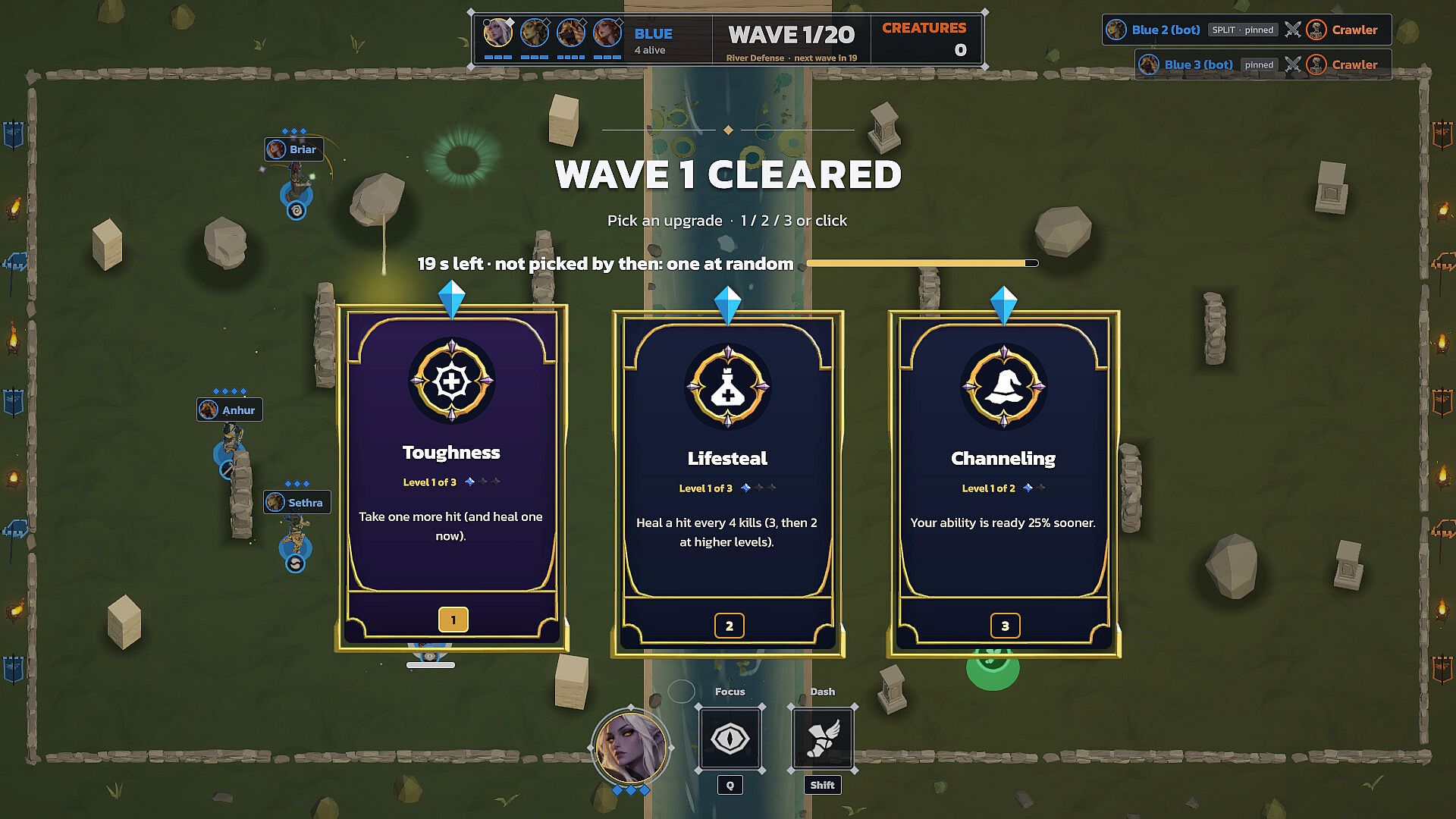
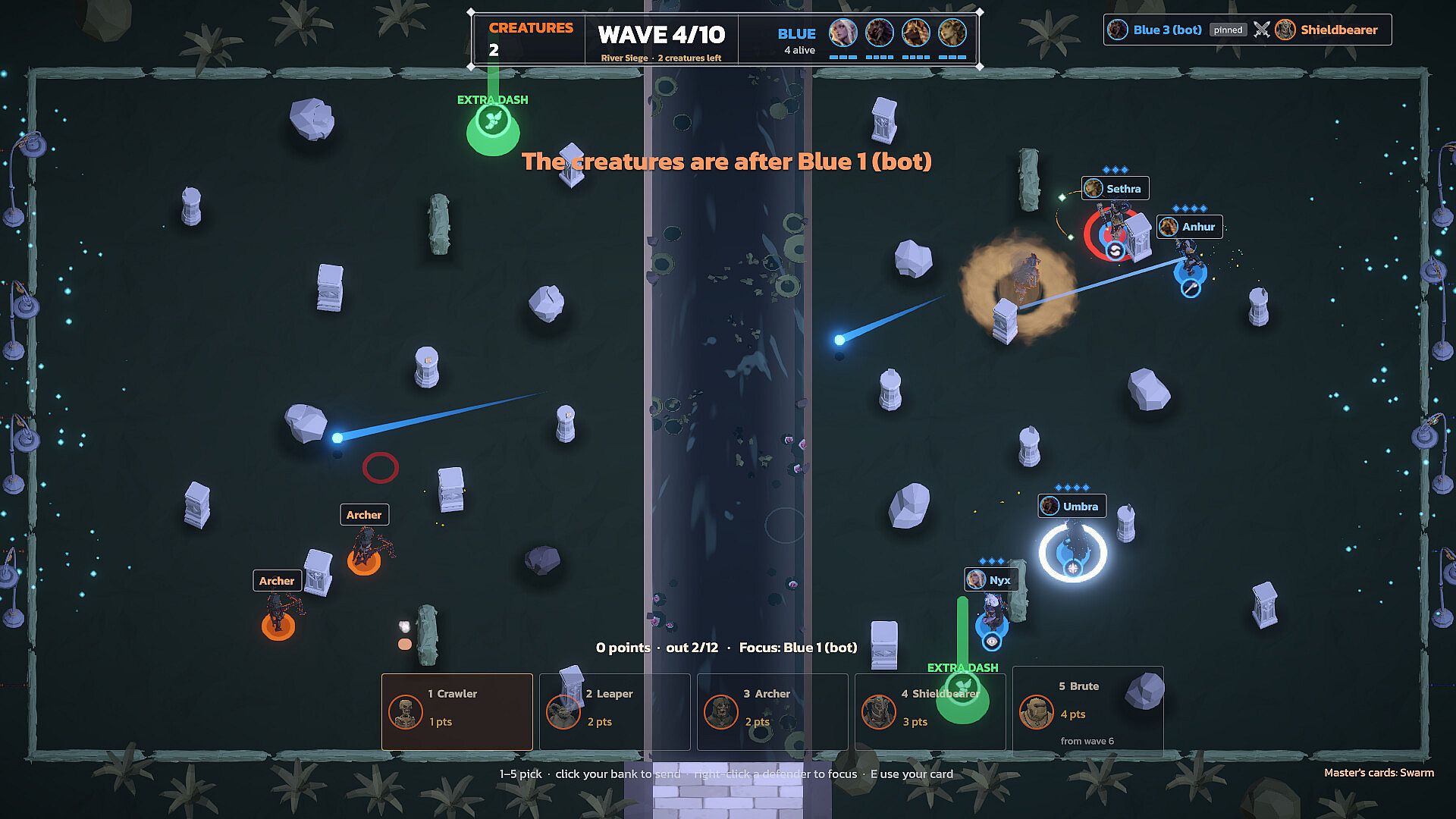
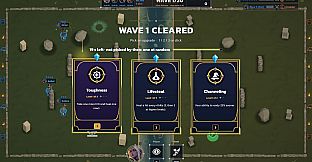
River Defense supports one to four players defending a bank against waves of crawlers, leapers, archers, shieldbearers, and brutes. Bosses appear every fifth wave, with twelve total across four tiers featuring distinct attacks and summons. Elite monsters telegraph abilities, such as a charger stamping before rushing or a sniper locking its aim line. Upgrades follow each wave, with an endless option to test endurance limits.
River Siege places one player as Monster Master against four defenders, allocating points to spawn creatures, position elites, and control bosses directly. Rift Clash pits two monster masters against each other, each directing forces toward the opponent's crystal.
Customization and Accessibility
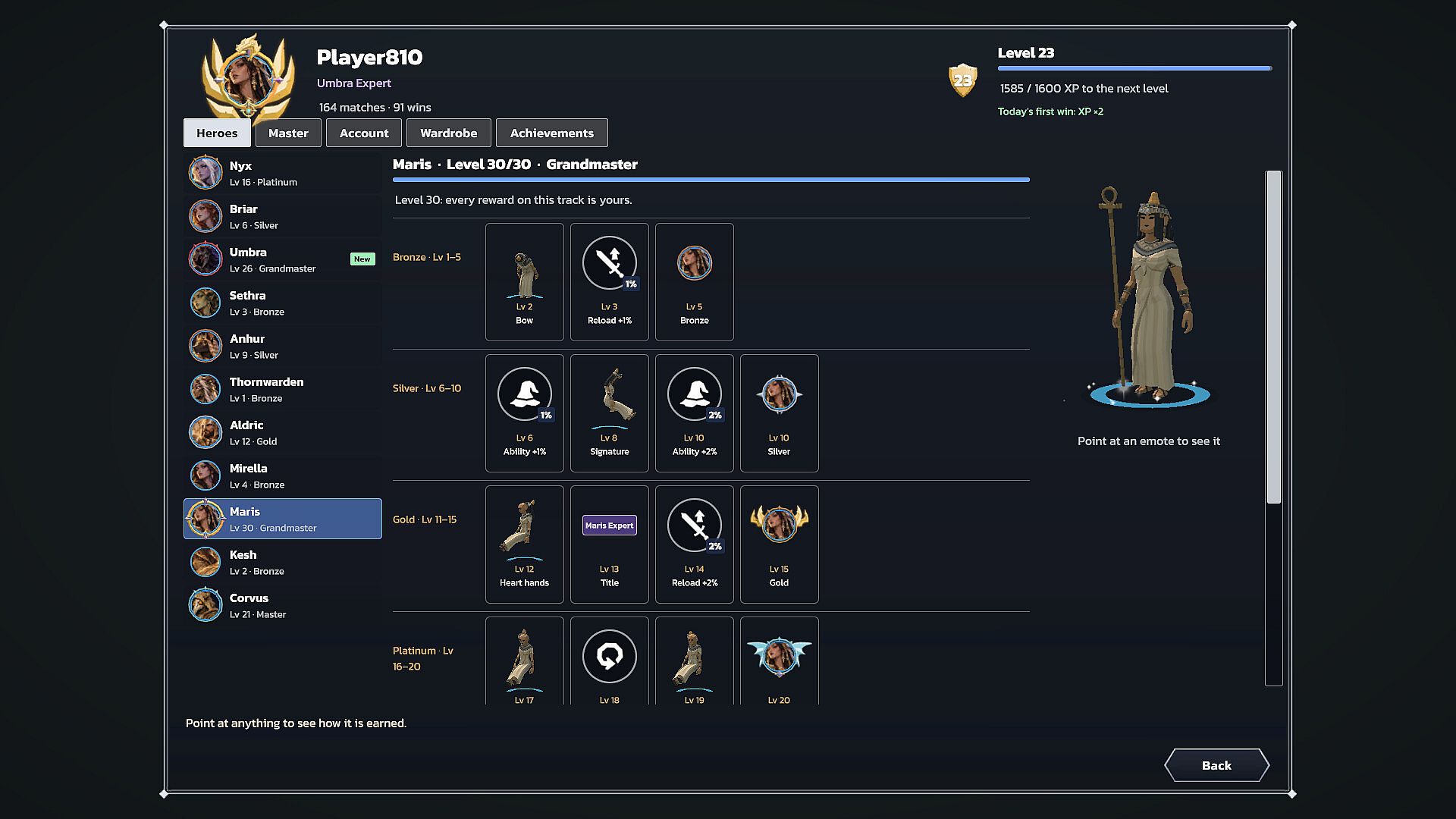
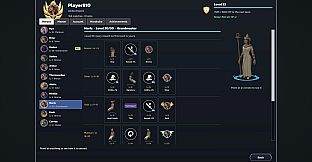
Matches support online play up to 8v8 with room options or quick matchmaking. LAN and bot support at adjustable difficulties allow practice or team filling. Rules can be adjusted for match length, elimination hits, ricochets, fog of war, revives, comeback mechanics, and round cards. Lessons cover basics and each mode. Features include quick chat, emotes, slow-motion replays of decisive shots, and post-match MVP highlights. Account and hero progression unlocks styles, frames, emotes, and titles alongside twenty achievements. Controls work with keyboard and mouse or controller without aim assist, and keys remain fully rebindable. Streamer mode integrates Twitch chat voting on upgrades. The interface supports multiple languages.
Is It Worth Playing?
Riftwater suits players who value deliberate, readable combat over instant feedback in a multiplayer simulation setting. The emphasis on projectile visibility, ability-driven hero roles, and river-specific tactics creates tense, skill-based exchanges that reward coordination and adaptation. Modes range from quick duels to extended cooperative defenses, with draft systems adding build variety for repeated sessions. Rule toggles and bot support lower barriers for newcomers while preserving depth for dedicated groups. Those drawn to asymmetric team shooters with clear mechanical distinctions and progression layers will find consistent engagement through its focused systems and map variety.