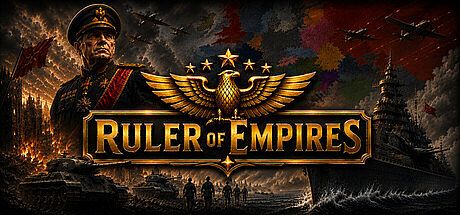


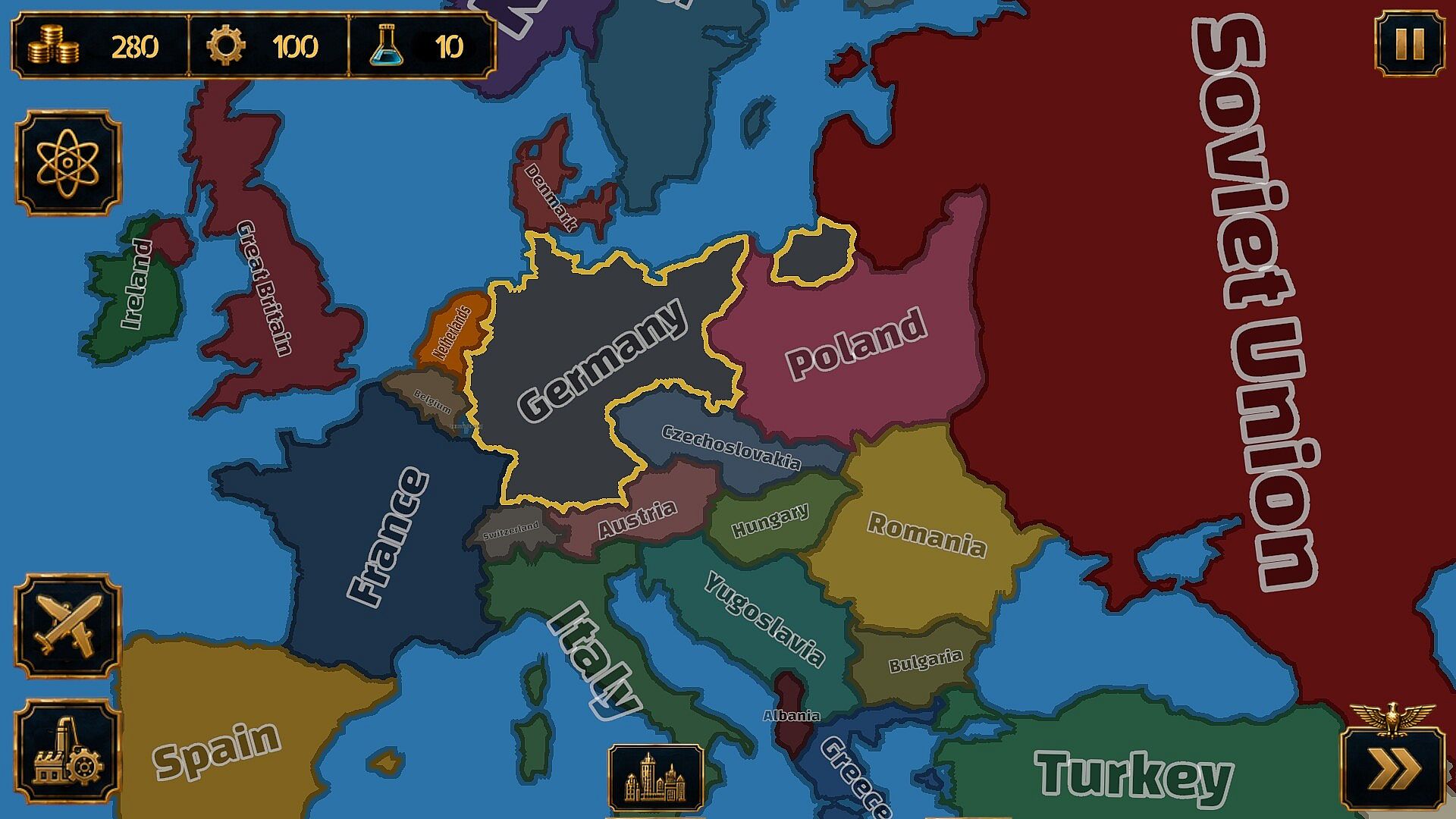
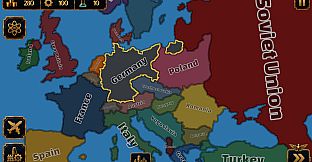
Ruler of Empires is a turn-based grand strategy game set on PC that places players in command of nations during an era of shifting power. The old empires are cracking, and the century offers opportunities to hold together a faltering state or carve out a fresh order. Players manage provinces on a hand-crafted world map, direct combined-arms forces, and pursue long-term progress through research and societal development while facing AI opponents that pursue their own goals.
Gameplay
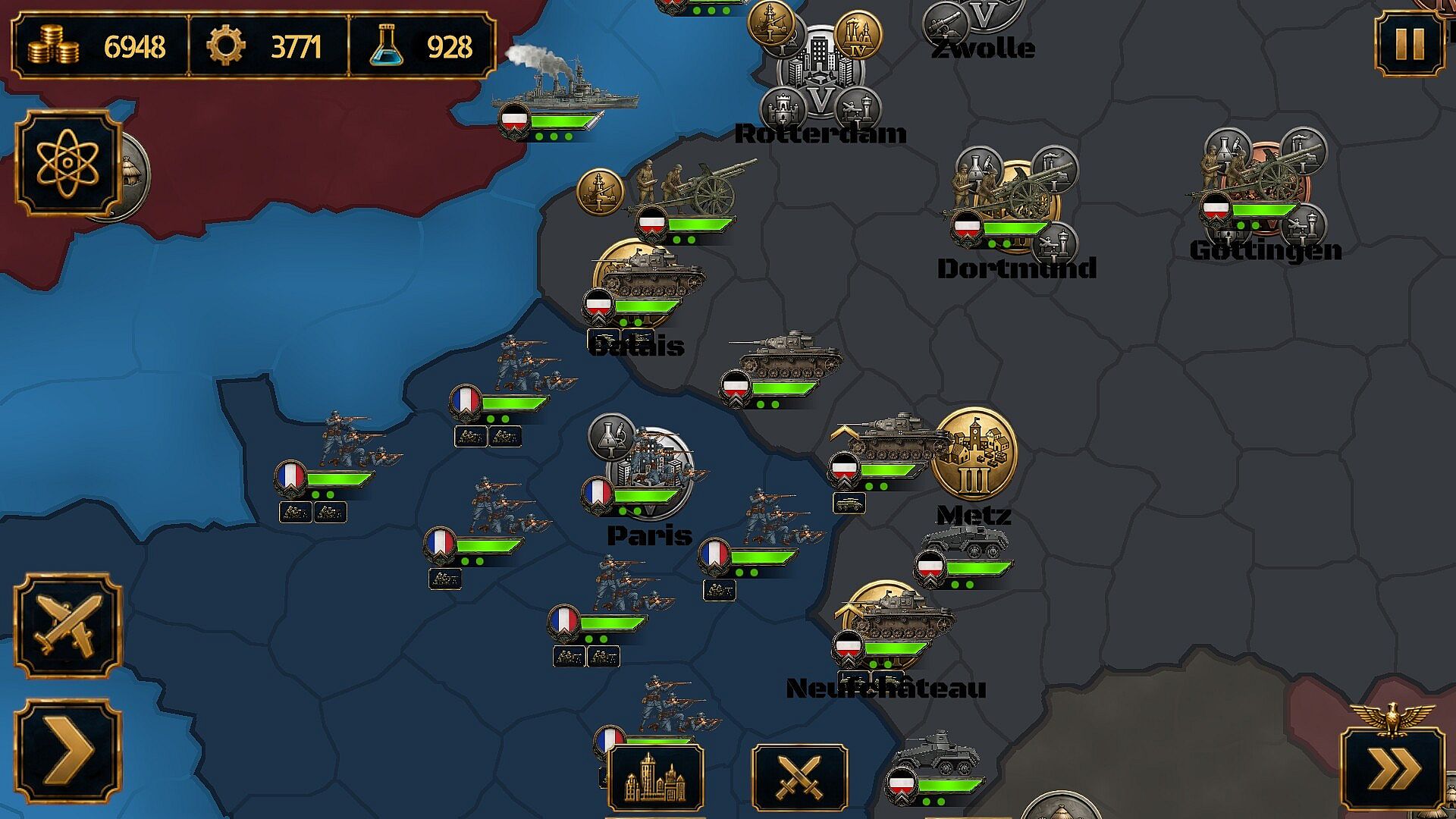
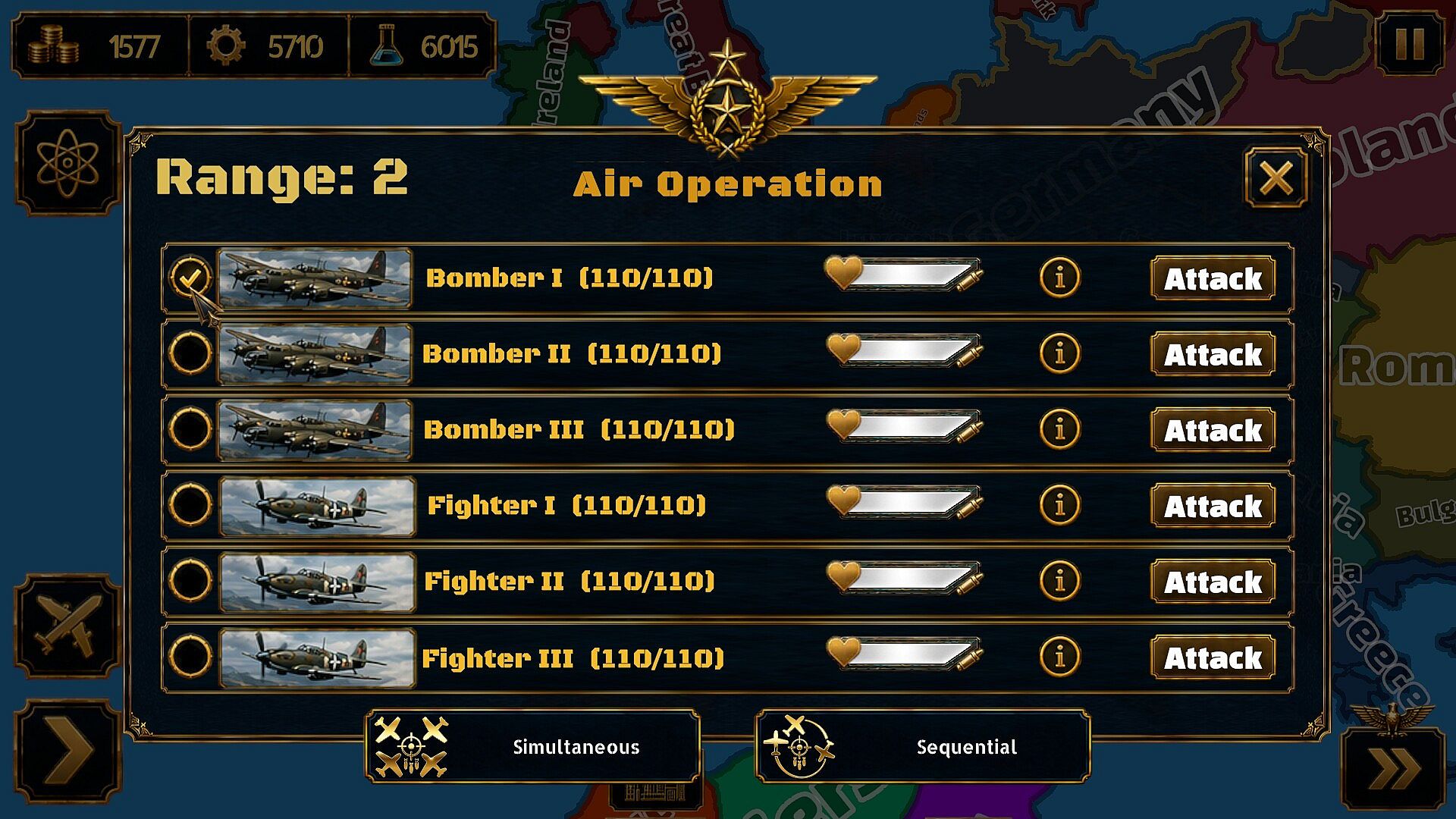
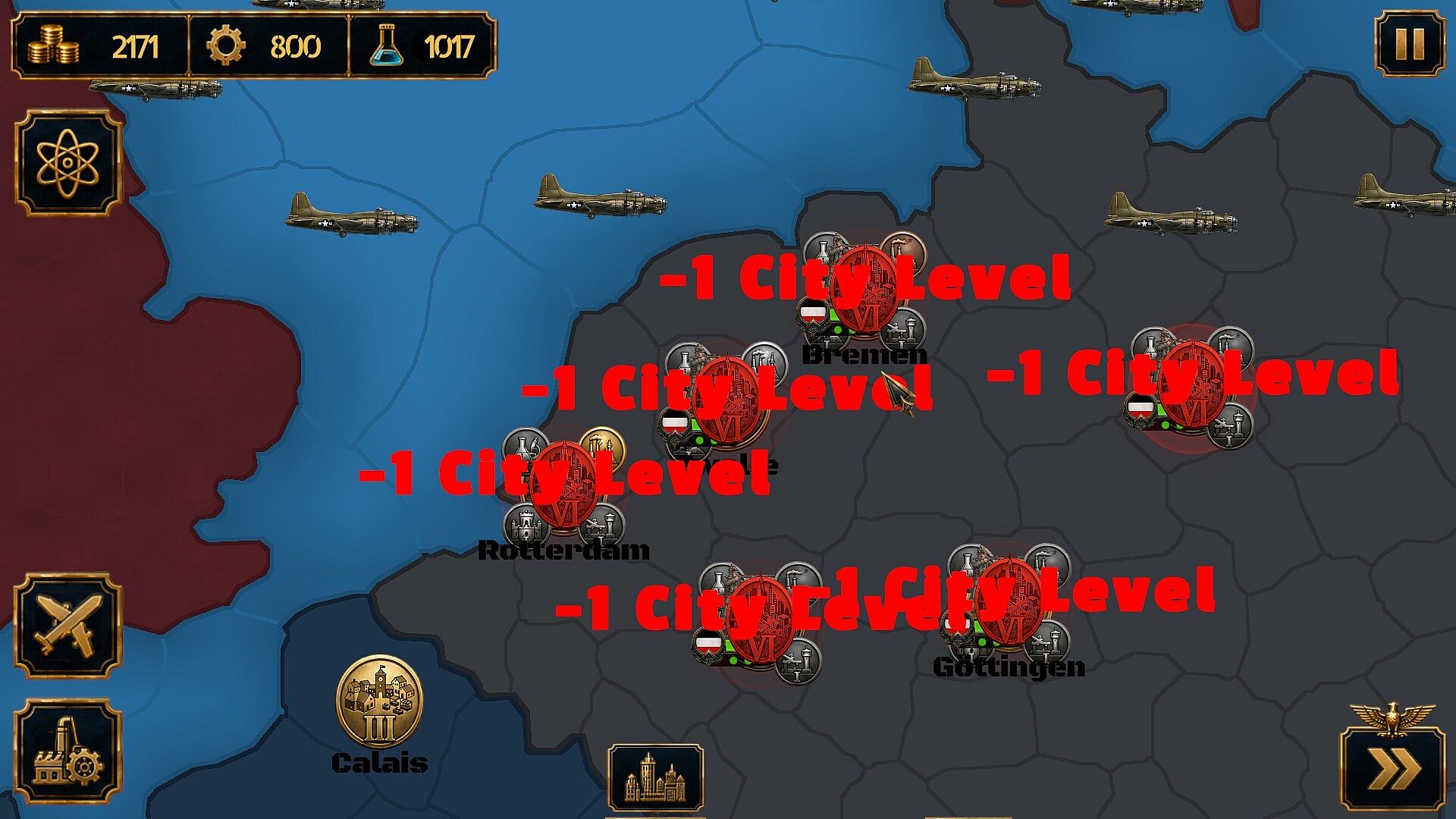
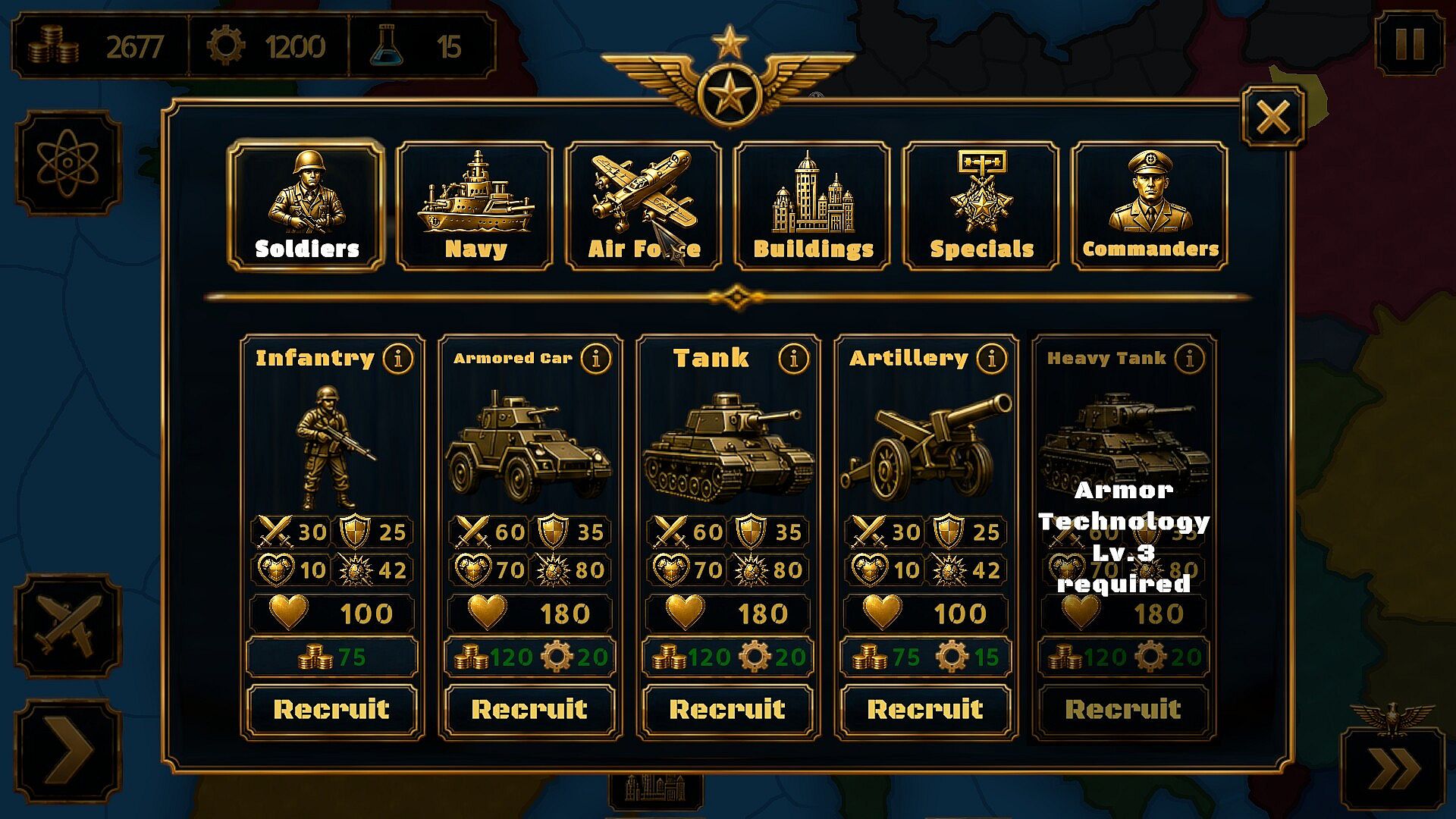
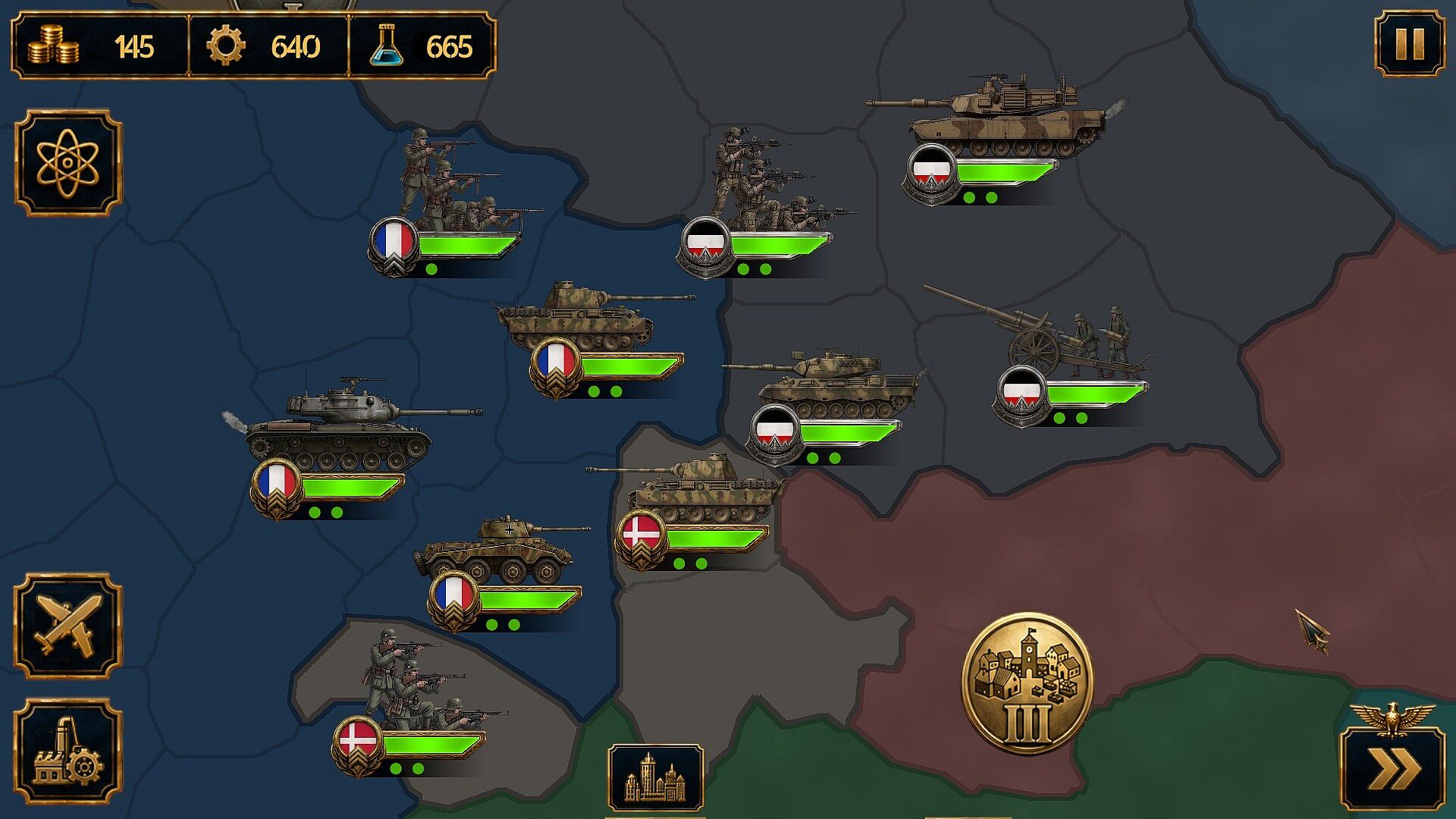
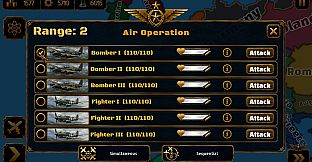
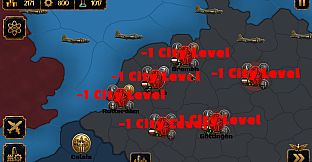
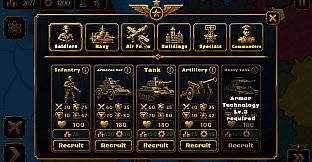
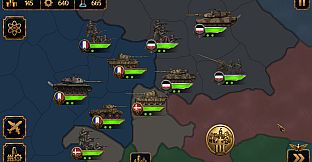
The core loop centers on conquering a living map of provinces defined by real borders, coastlines, and terrain. Armies advance front lines, capture chokepoints, and spread national control one territory at a time. Warfare spans three domains at once. Land forces include infantry, armored cars, tanks, and artillery. Naval units range from destroyers and cruisers to battleships. Air power features fighters, bombers, and carriers. Every unit type improves through research, turning early recruits into more capable formations over time.
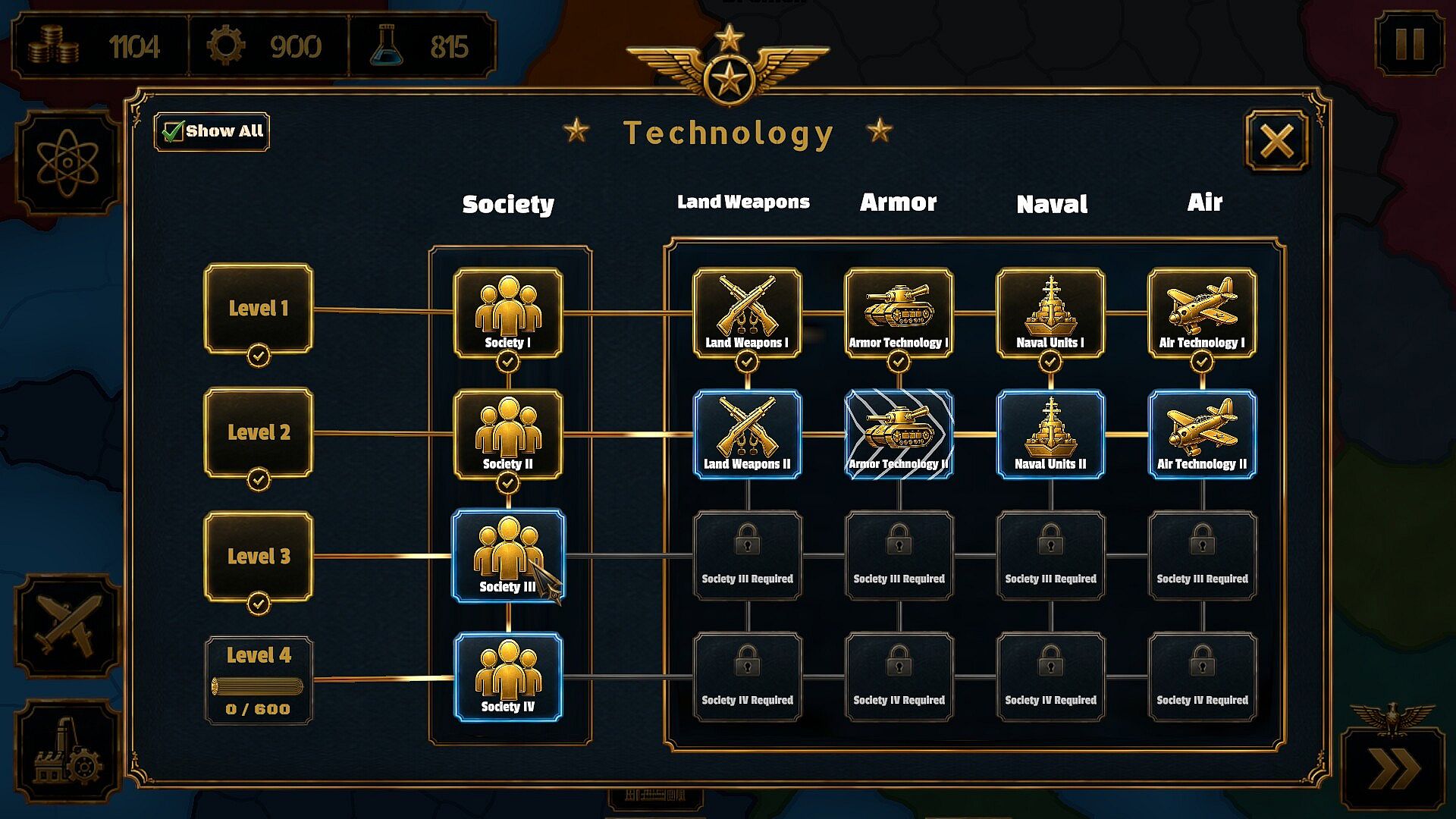
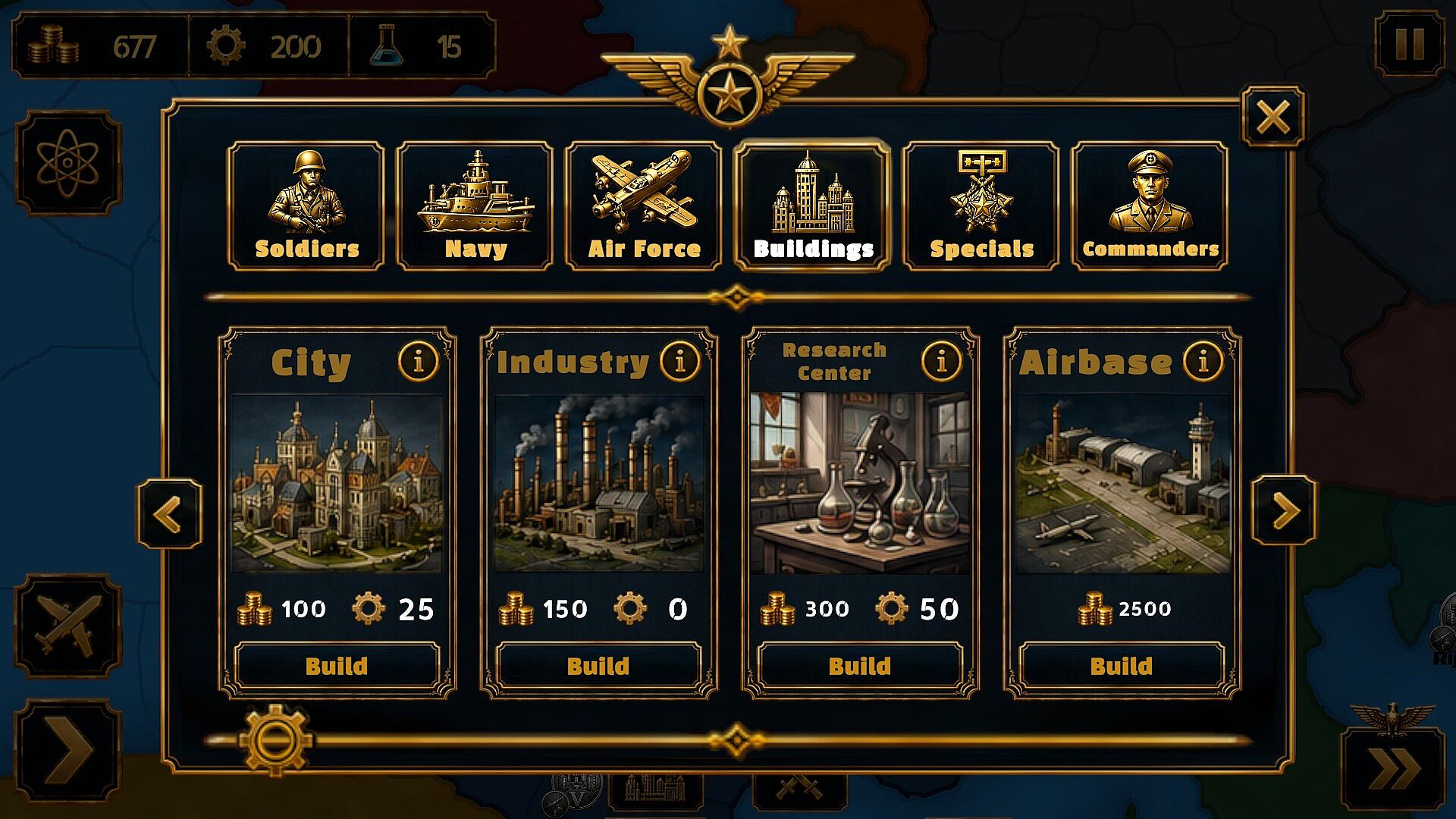
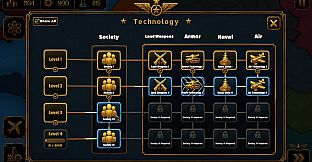
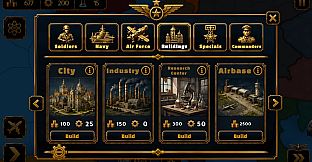
Progression splits between a branching tech tree covering land, naval, and air doctrines and a separate Society tree that gates access to advanced tiers. Firepower alone proves insufficient without broader societal advances that unlock deeper capabilities. Economy management requires balancing money, industrial output, and research points across cities, factories, research centers, air bases, forts, and anti-air installations in each province. Commanders can be assigned to armies for targeted buffs, while medals earned in battle strengthen the officer corps for future operations.
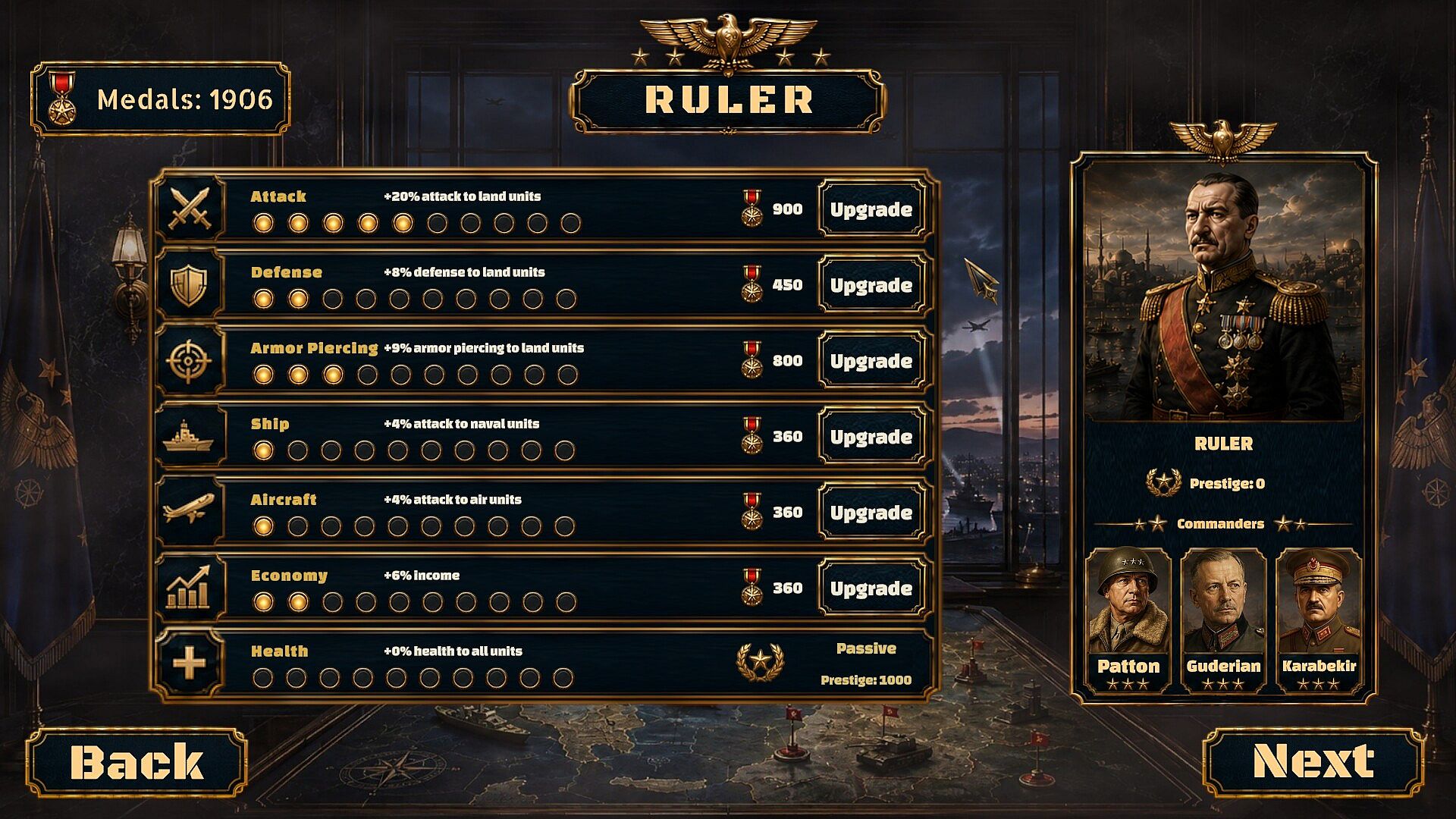
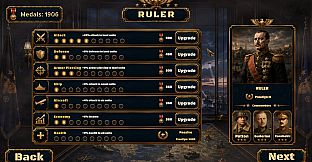
Meta-progression adds lasting value. Prestige and medals collected during campaigns unlock permanent upgrades in the Ruler's menu. These improvements affect army strength, economic efficiency, and defensive capabilities across every new start. Nations begin with unique flags, colors, and positions, each offering distinct starting conditions for campaigns.
Game Modes
The primary experience is campaign mode. Players select from available nations and pursue personal ambitions that lead toward several victory paths. Regional dominance serves as one route, while total world conquest represents the most ambitious target. AI opponents operate with their own strategies and compete directly for objectives. Every campaign functions as an alternate-history scenario where outcomes depend on player decisions rather than fixed historical events.
No additional named modes appear in available information. The focus remains on single-player campaigns against AI, with the option to restart or continue building on prior achievements through the persistent Ruler upgrades.
Research and Societal Advancement
Tech development follows separate paths for each combat domain, yet the Society tree acts as a gatekeeper for the most powerful options. A nation focused solely on military hardware risks falling behind one that invests in broader progress. This dual system encourages balanced planning across military, economic, and technological fronts.
Provinces serve as the foundation for long-term growth. Choices about building types directly influence resource generation and defensive posture. Players must weigh immediate military needs against investments that pay off over multiple turns.
Is It Worth Playing?
Ruler of Empires suits players who enjoy turn-based grand strategy with layered systems for warfare, research, and economy. The combination of a province-based map, three-domain combat, and meta-progression through the Ruler's menu provides clear long-term goals. Campaigns reward careful planning and adaptation against competent AI opponents.
Those seeking quick matches or heavy multiplayer elements may find the structure less appealing, as the design emphasizes deliberate turns and campaign-length progression. The permanent upgrades create a sense of ongoing development across multiple playthroughs. Availability on PC makes it accessible for strategy fans interested in alternate-history scenarios and combined-arms management.