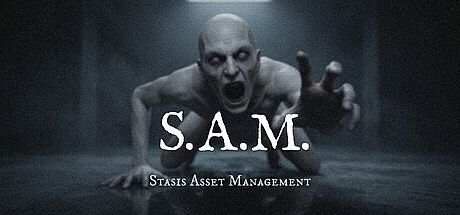



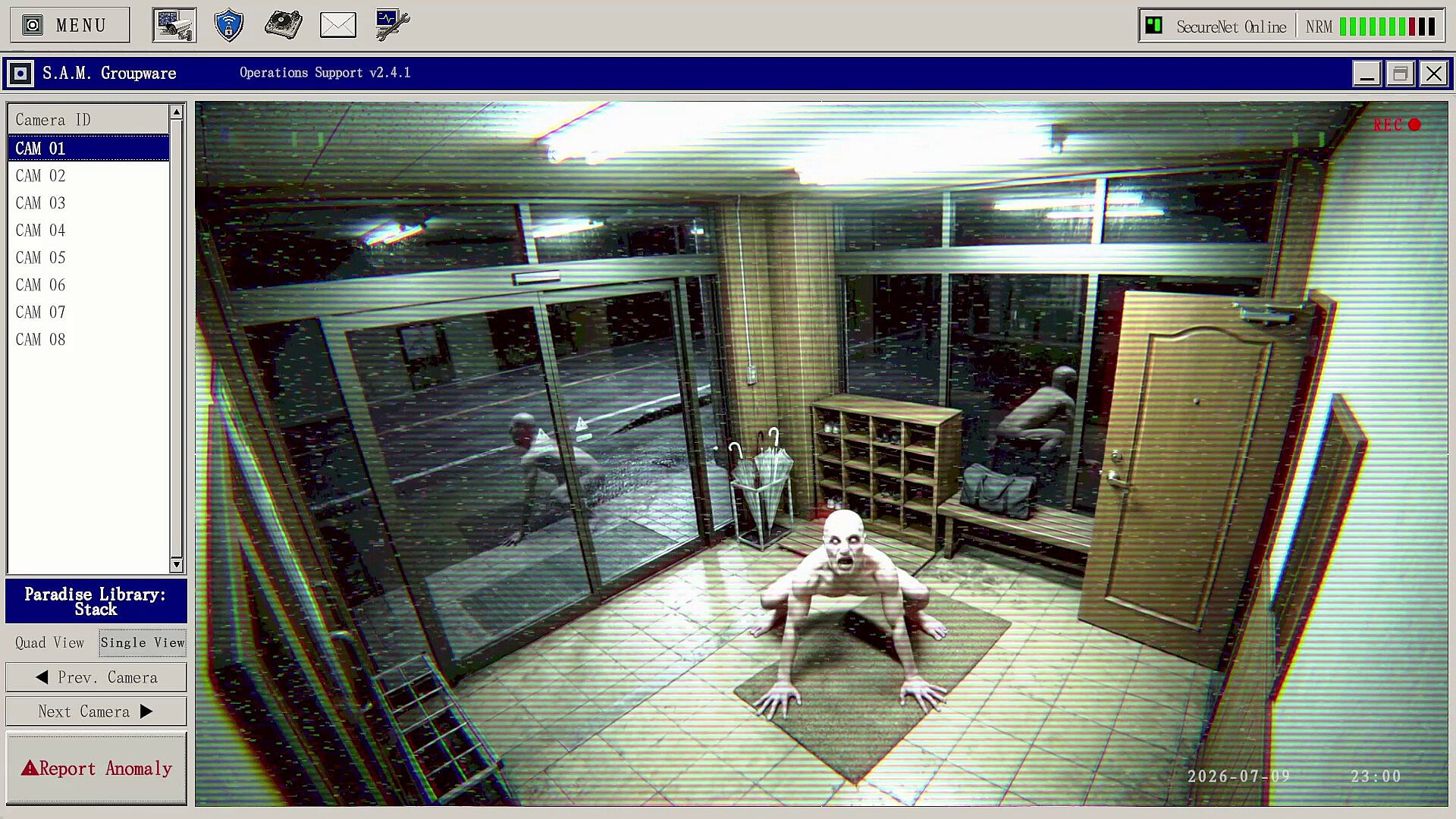
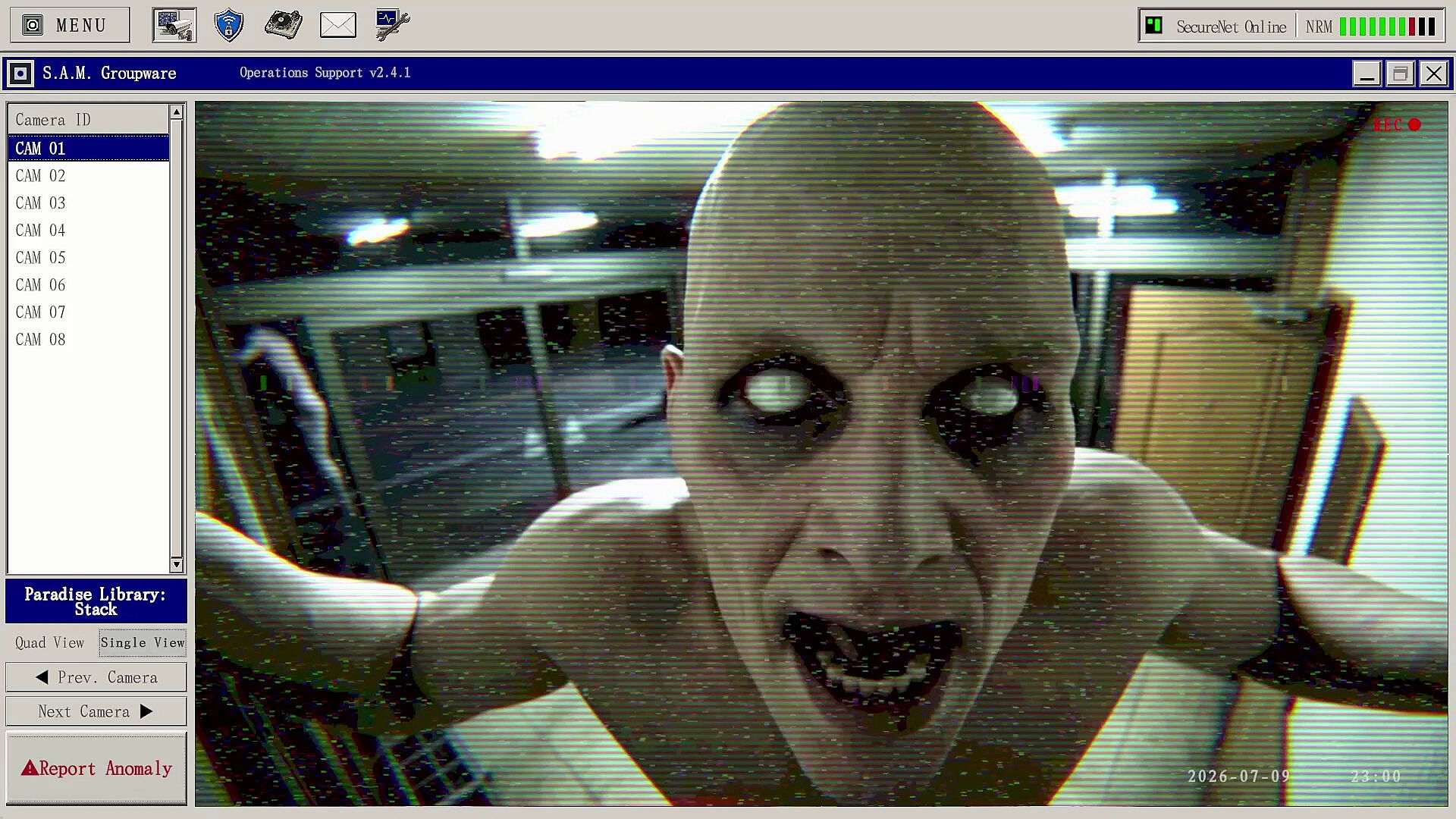
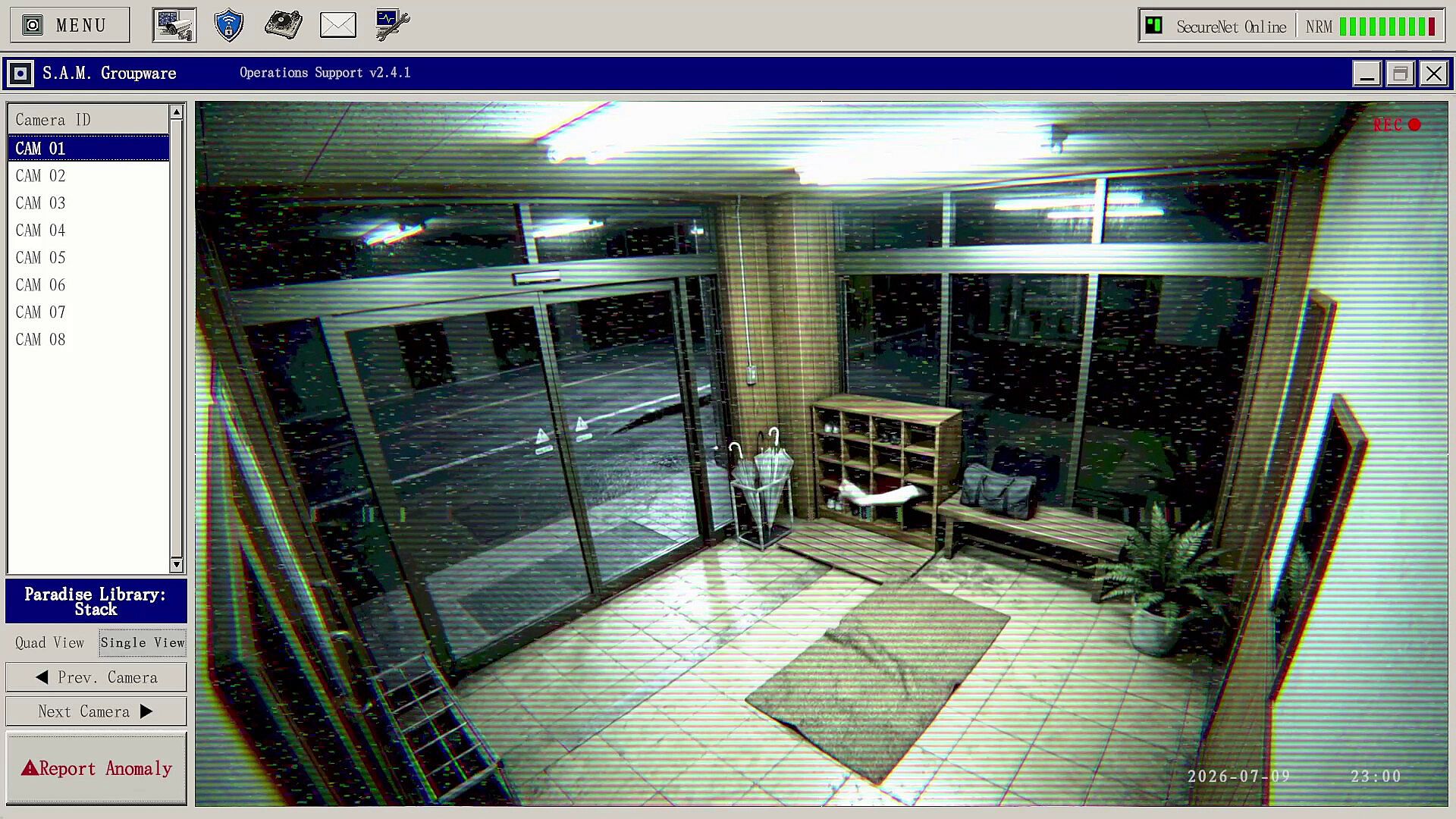
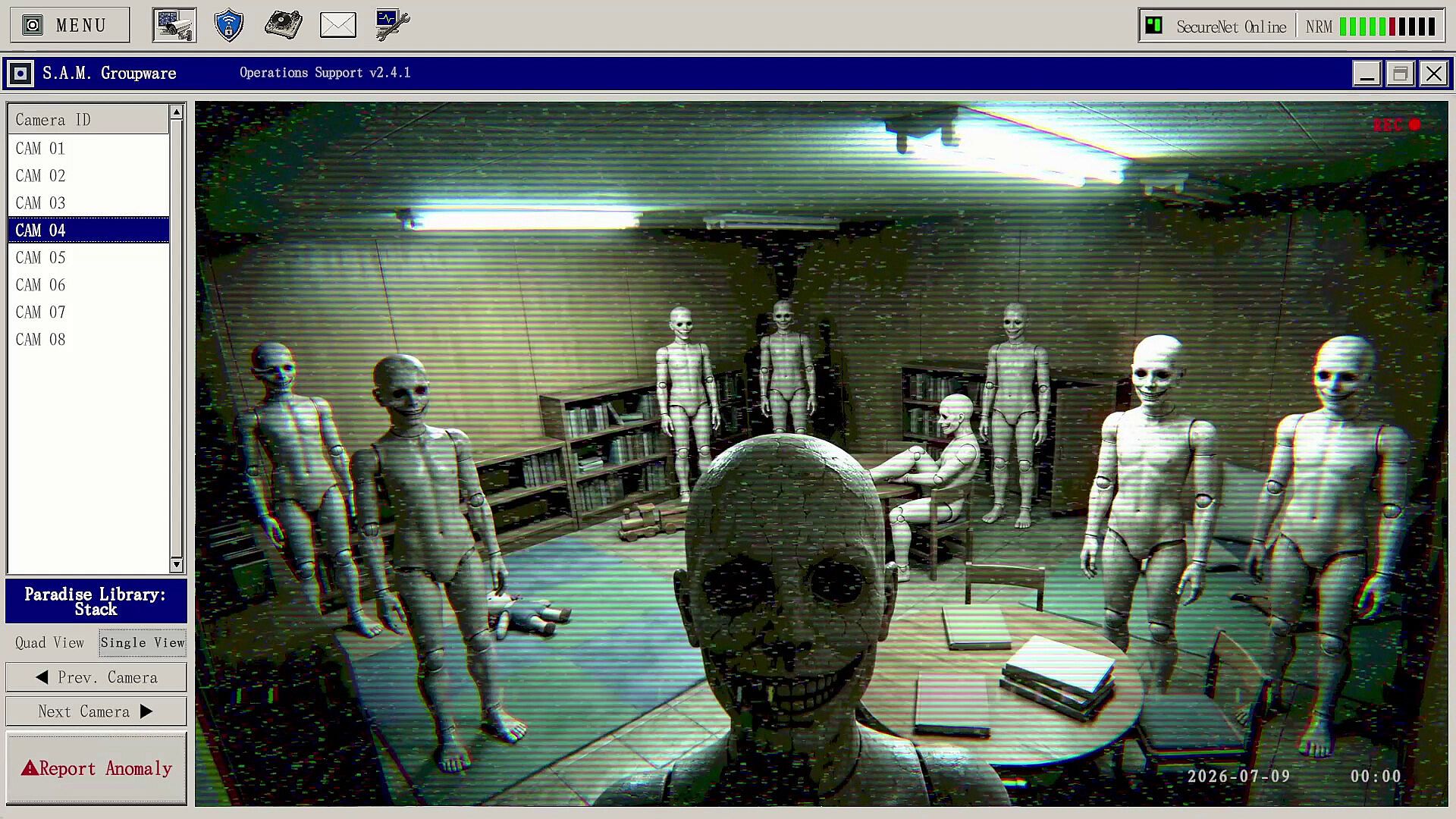
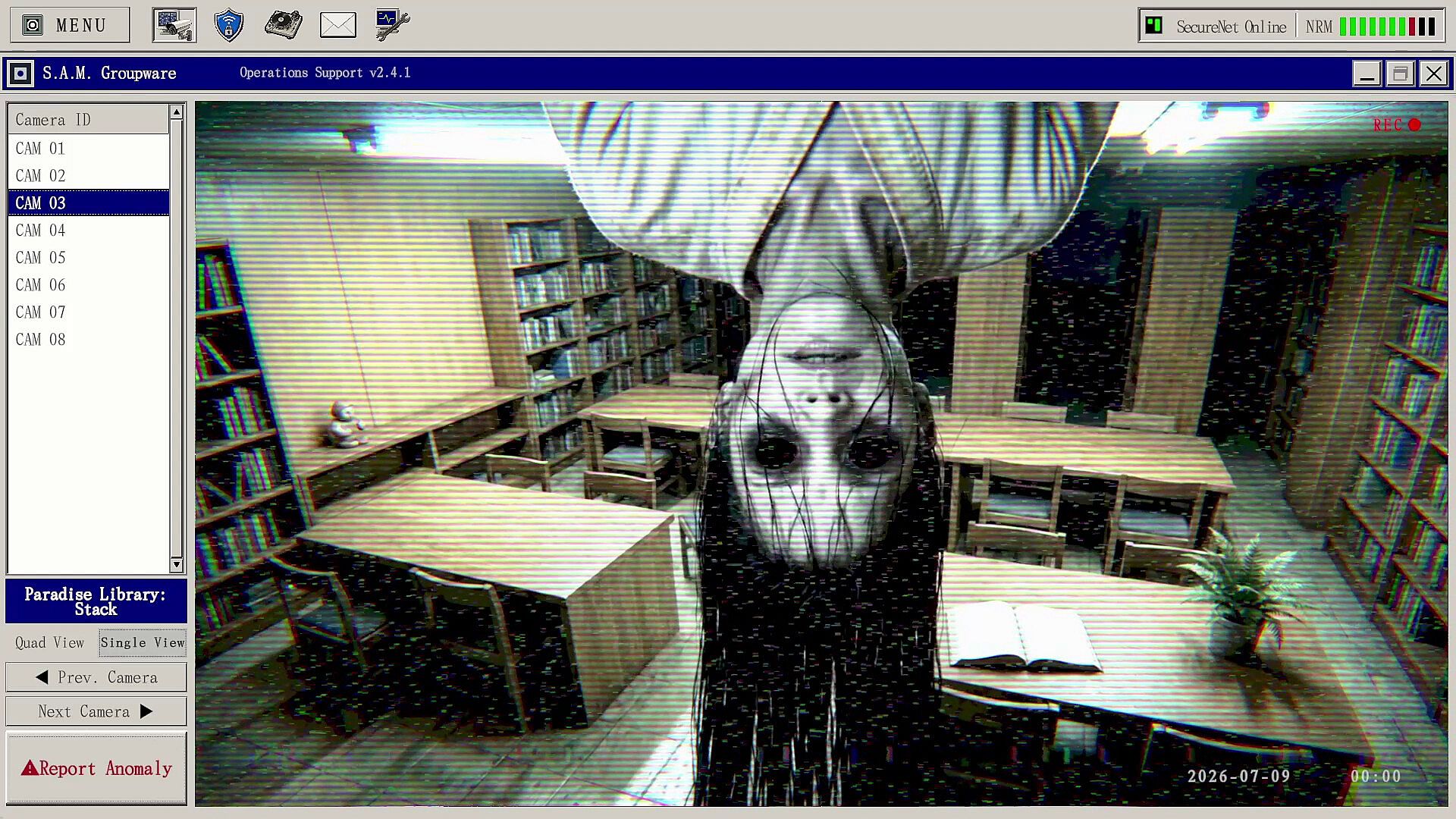
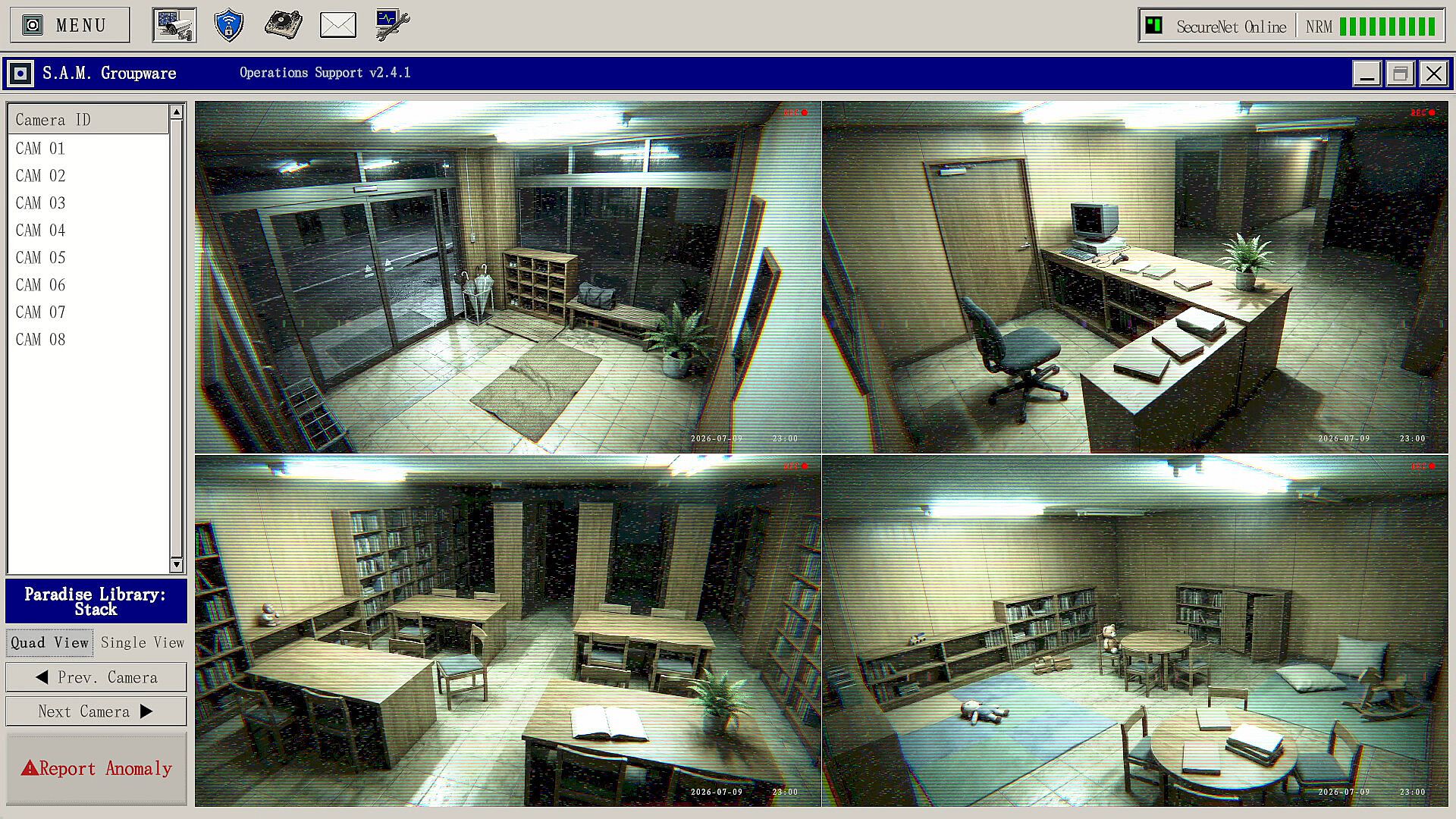
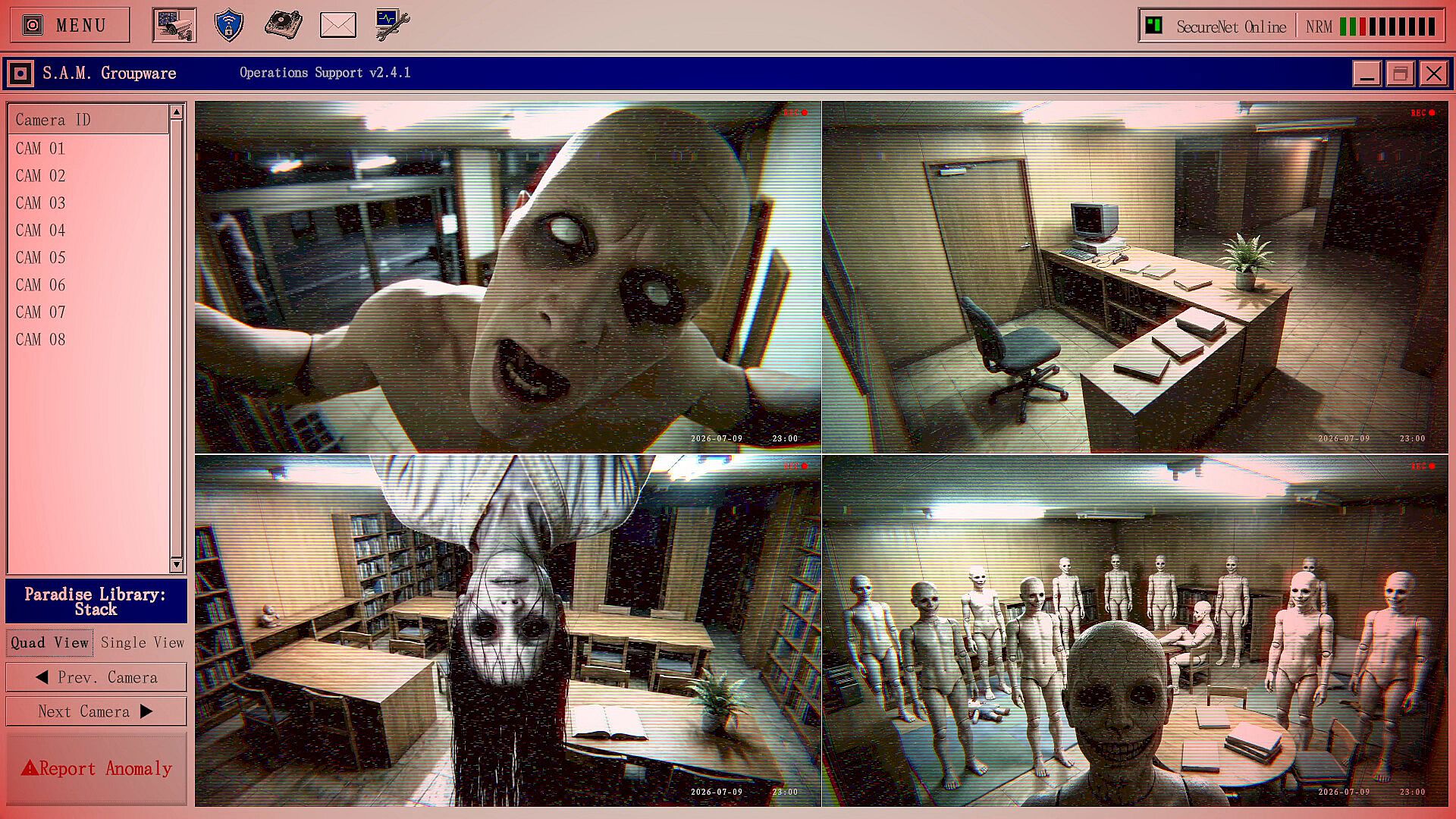
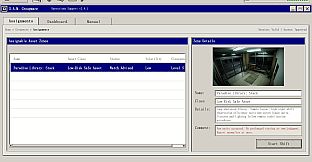
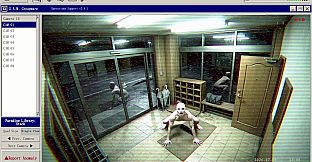
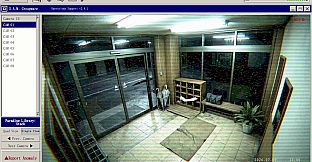
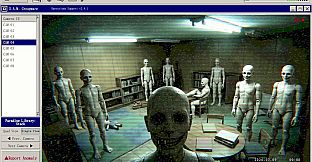
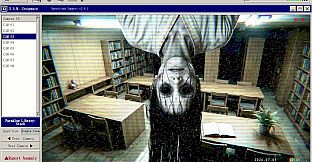
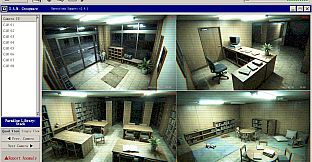
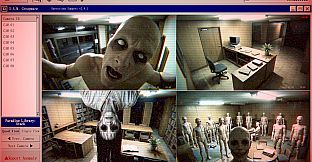
S.A.M. Stasis Asset Management is an indie simulation adventure game built around the quiet tension of a solitary night shift. Players take the role of a temporary observer hired to watch multiple CCTV feeds across secured facilities. The core loop centers on careful monitoring, spotting subtle deviations from the expected patterns, and filing reports according to strict protocols while the shift runs from night until dawn.
Gameplay
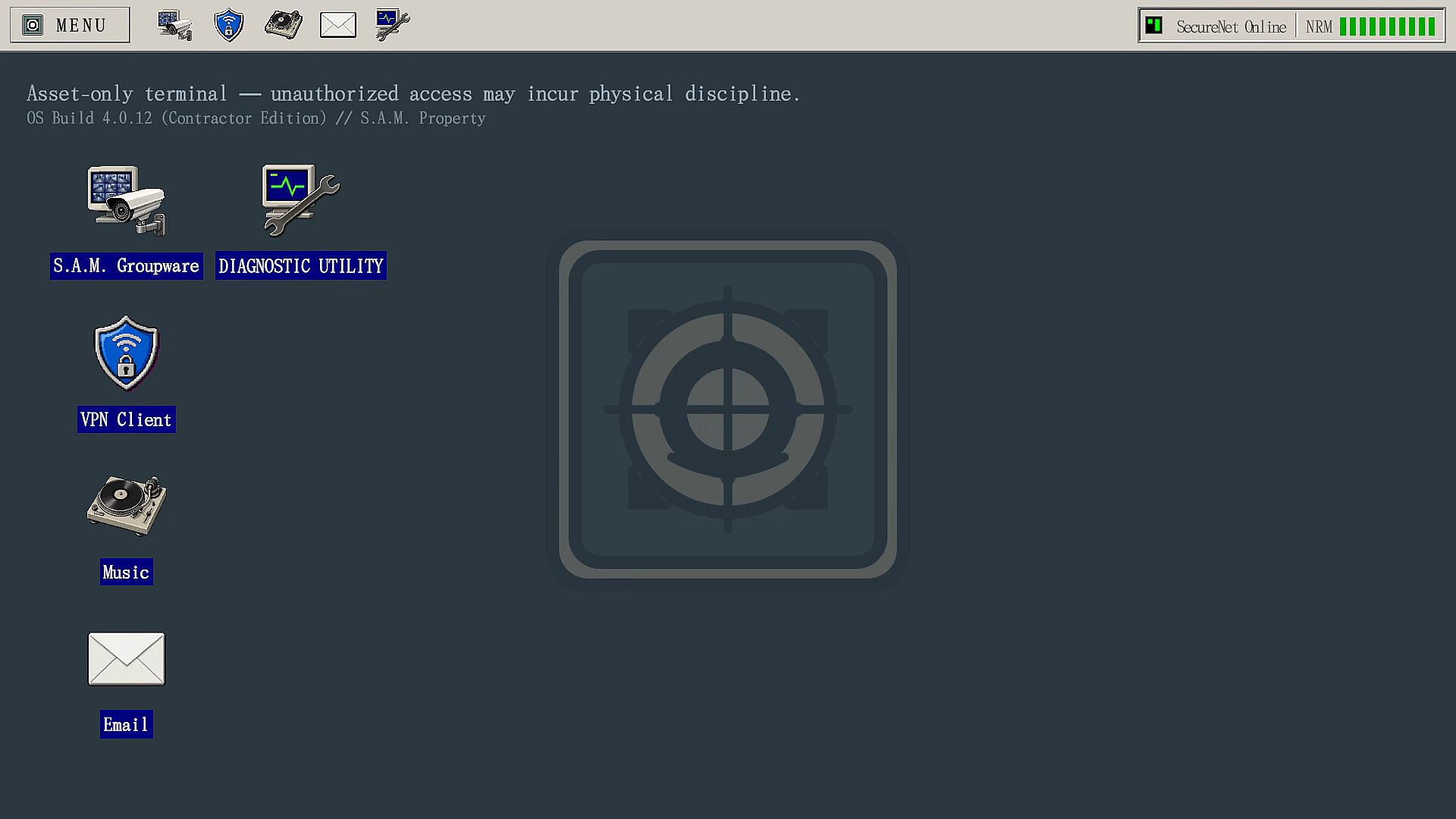
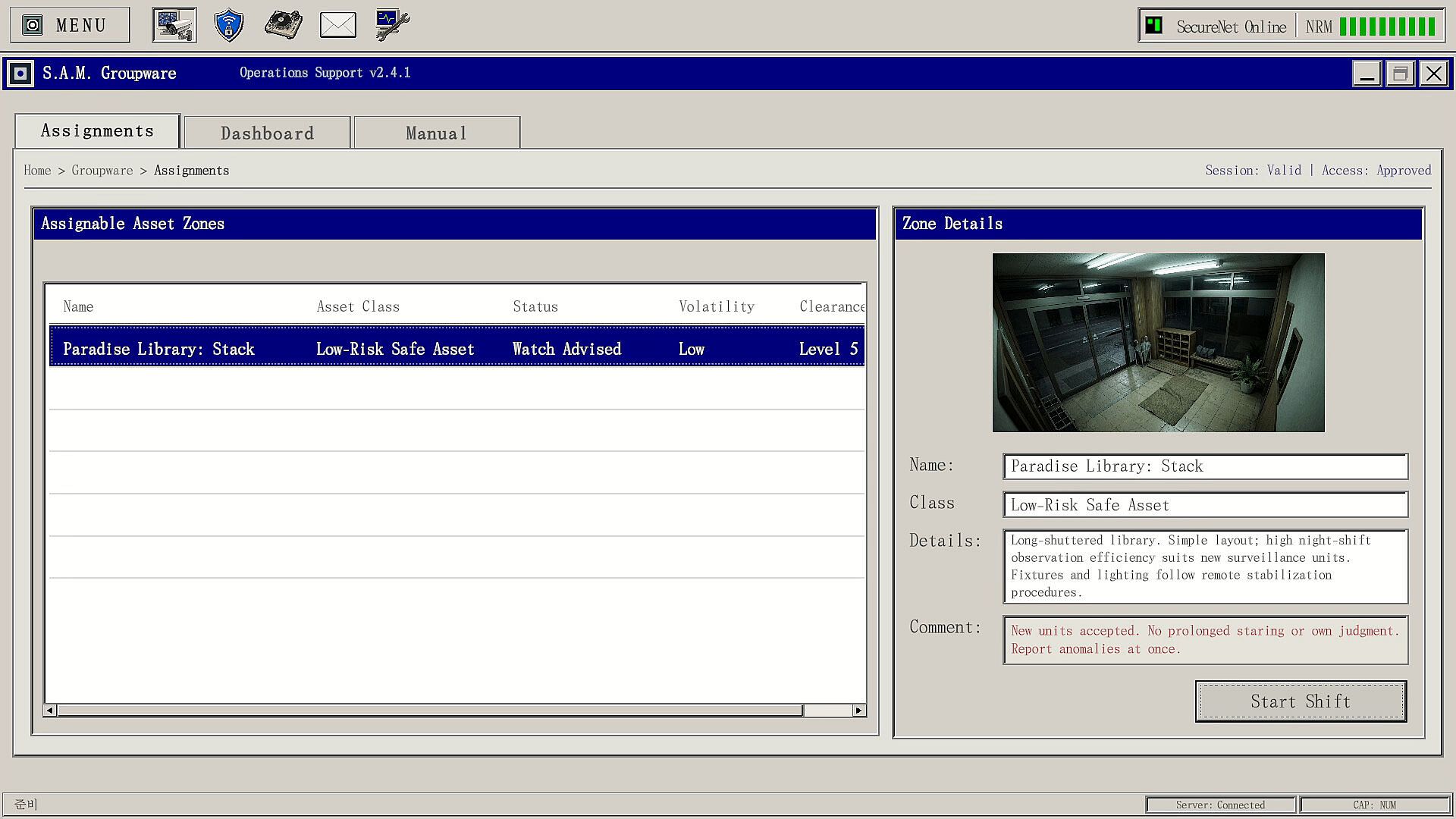
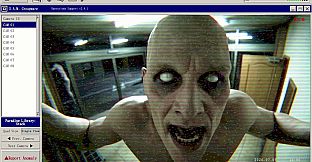
The experience unfolds in real time as the player switches between camera views using the terminal interface. Attention stays fixed on the screens for extended periods, with the goal of identifying anything that appears out of place. Small visual changes, unexpected movements, or irregularities in the feeds trigger immediate reporting through the provided tools. The terminal itself requires occasional maintenance when it malfunctions, adding a layer of routine upkeep to the shift.
Rules govern behavior during the hours on duty. Observers must remain at their post even when something on screen appears to look back. The time displayed on the monitors takes precedence over personal watches. Music plays through an in-terminal app, though headphones keep the audio from interfering with other staff. At the end of each shift the company arranges safe transport home. These constraints shape a deliberate pace where patience and precision matter more than speed or reflexes.
Orientation covers the basics of the monitoring station and the reporting system. Snacks and personal items can be brought along since meals remain flexible. The position emphasizes staying calm regardless of what appears on the feeds and avoiding speculation about prior shifts. Confidentiality forms part of the contract, reinforcing the isolated nature of the work.
Game Modes
The game operates as a single continuous shift experience with no separate competitive or cooperative modes. Each session follows the same structure of camera surveillance and anomaly detection from start to finish at dawn. Progress depends on consistent reporting and terminal upkeep rather than branching objectives or team-based elements. The design keeps the focus narrow on one observer handling multiple feeds alone throughout the night.
Core Mechanics and Atmosphere
Camera switching forms the primary interaction, allowing free selection among assigned feeds. Detection relies on visual comparison against the baseline of normal activity. When discrepancies appear, the player logs them immediately to maintain performance records. Terminal repairs occur as needed, using supplied tools to restore function without leaving the station. These systems combine to create a loop of sustained observation punctuated by brief corrective actions.
The setting draws from asset management facilities under constant watch. Lighting and interface design keep the environment functional and contained, with the terminal serving as the central hub for all tasks. Sound design supports the solitary shift through ambient facility noise and the optional music tracks. The overall tone stays procedural, highlighting the repetitive yet demanding nature of the job rather than dramatic events.
Is It Worth Playing?
This title suits players who enjoy methodical, low-action simulation experiences centered on attention and routine. The singleplayer focus and shift-based structure deliver a contained session that rewards careful observation without requiring prior knowledge of similar games. Early access status means the core loop is available now, with the listed mechanics already in place for those drawn to quiet, screen-focused gameplay. Anyone comfortable with extended periods of visual monitoring and simple maintenance tasks will find the position matches the described duties closely. Those seeking faster pacing or varied objectives may prefer other genres, while fans of deliberate indie simulations can begin a shift immediately upon release.