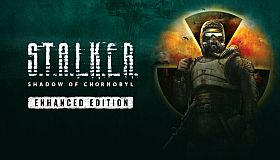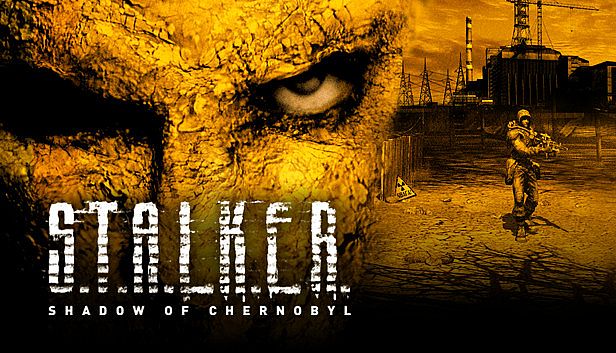












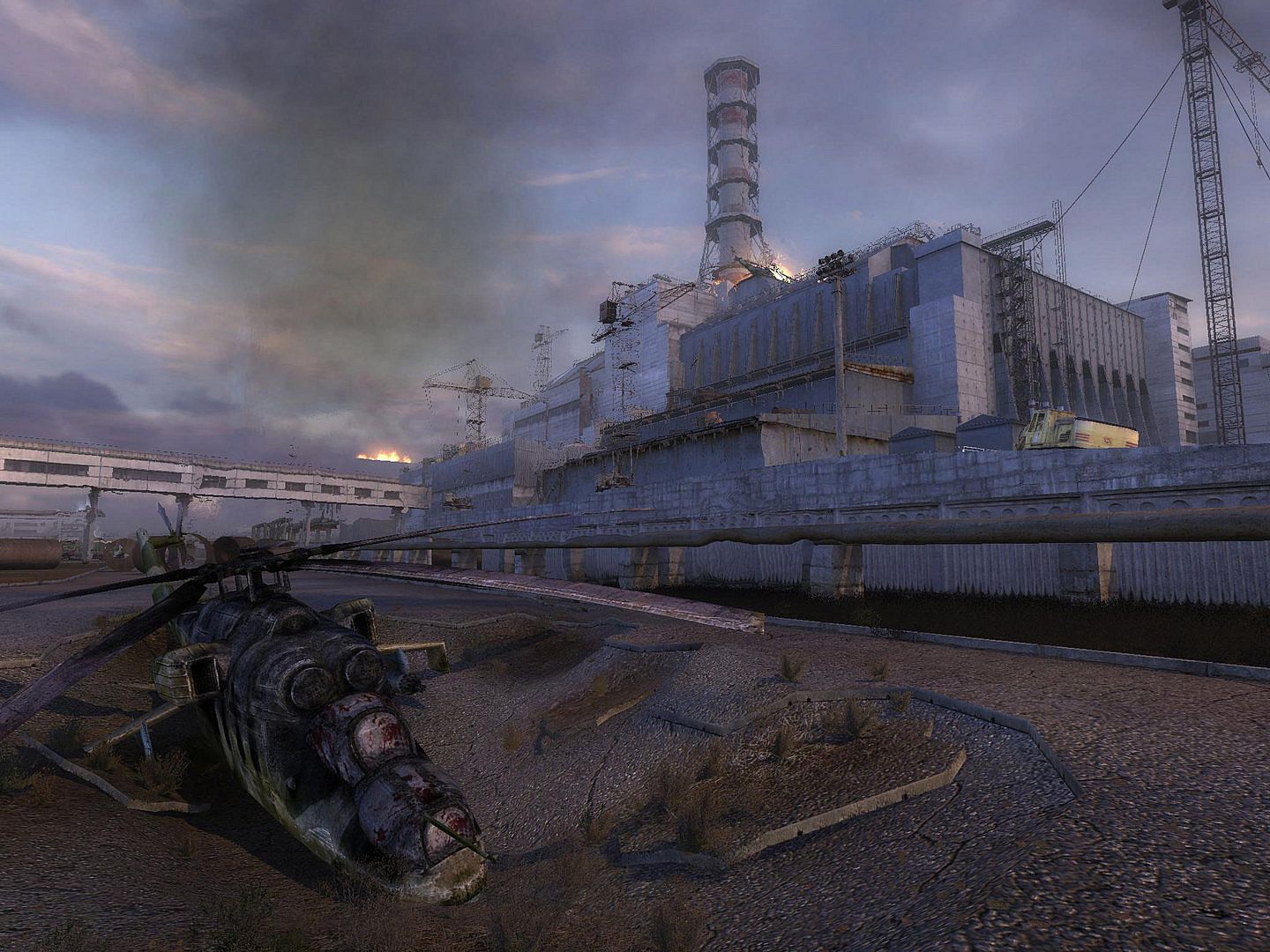
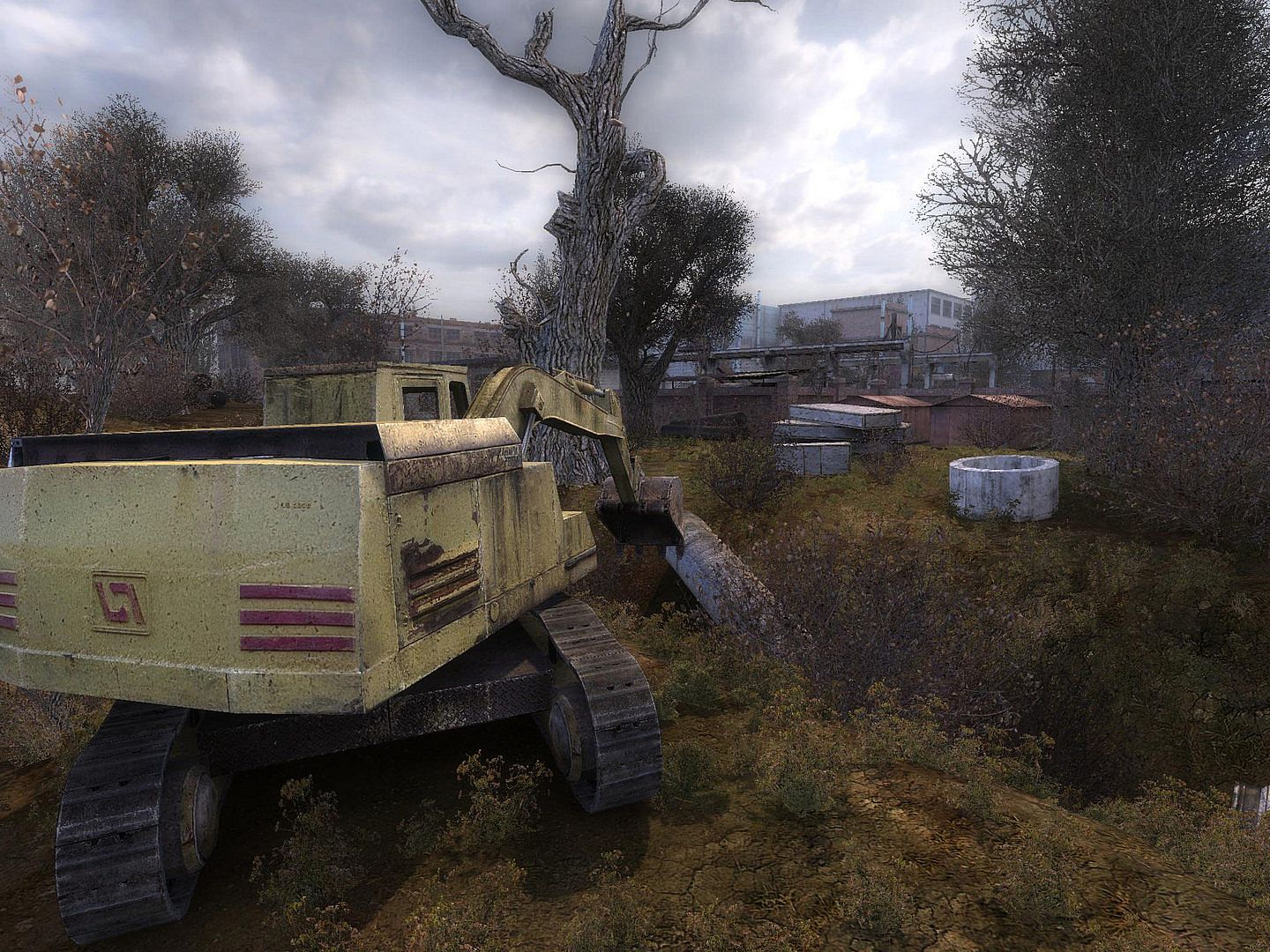
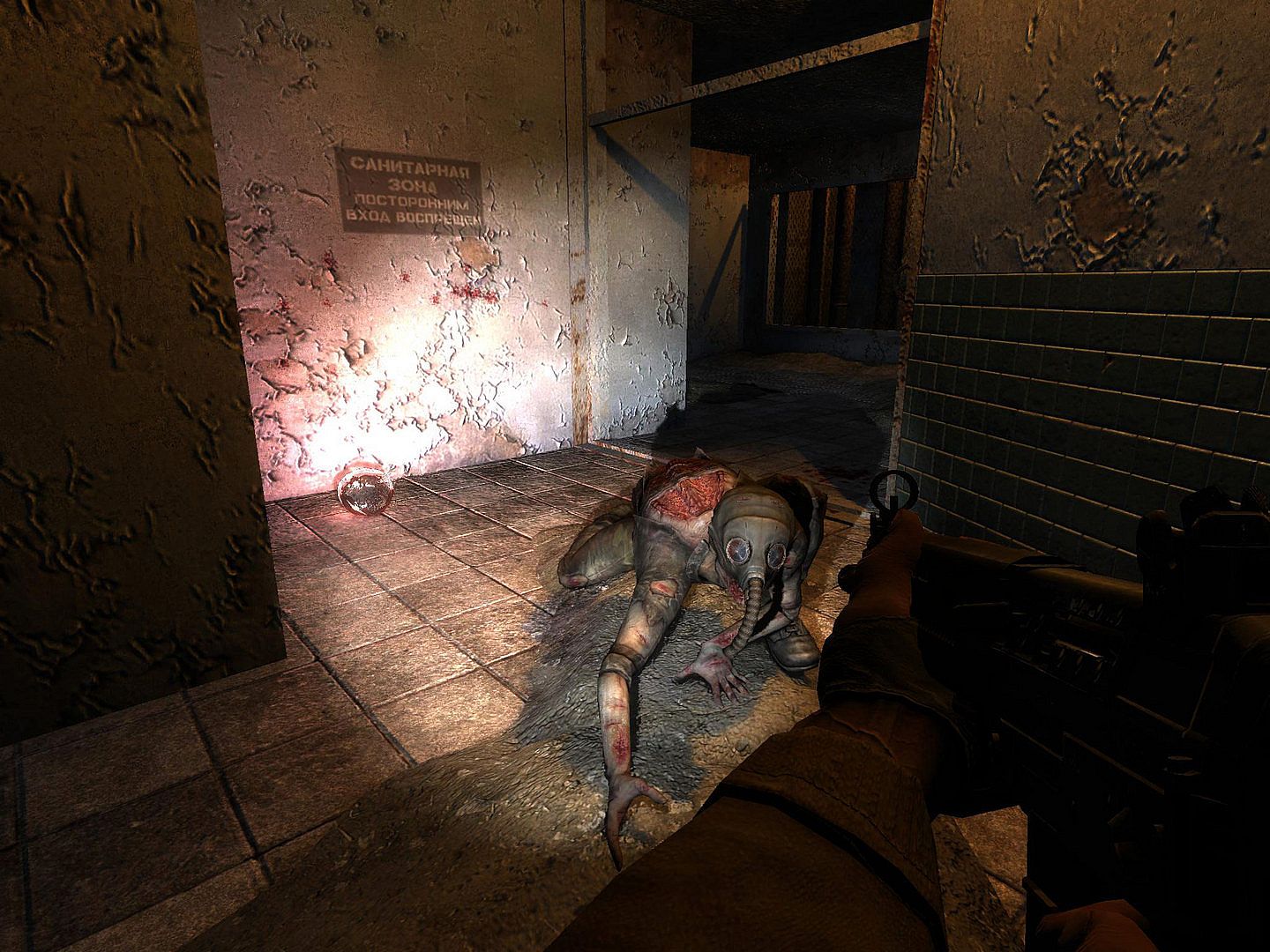
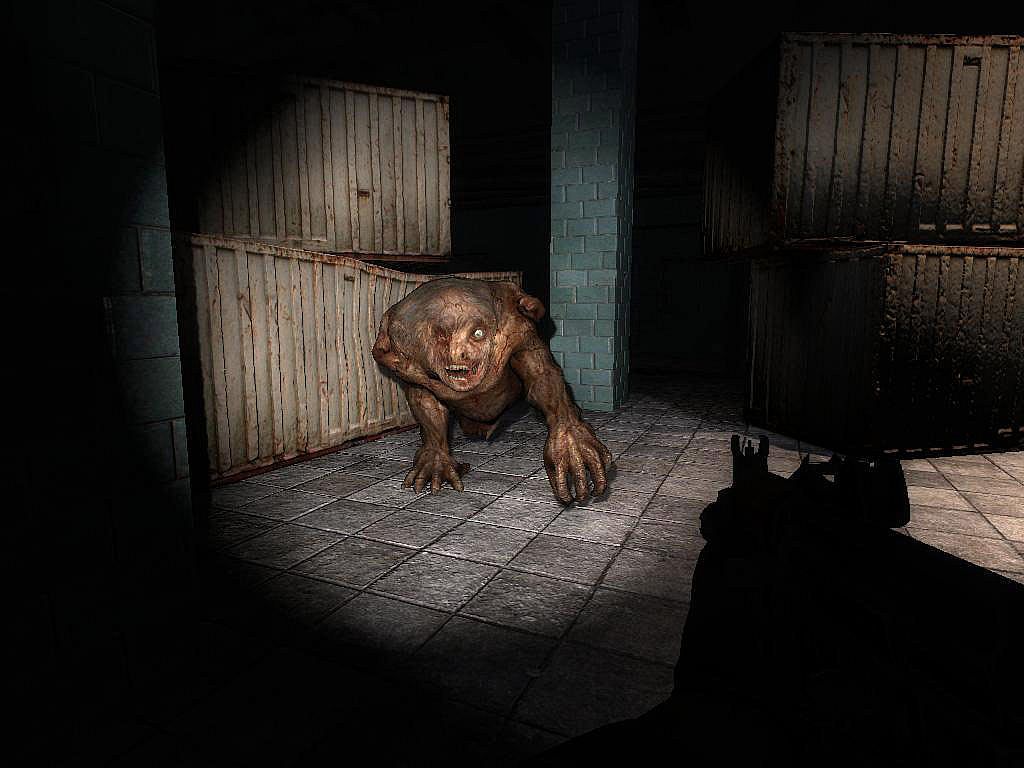
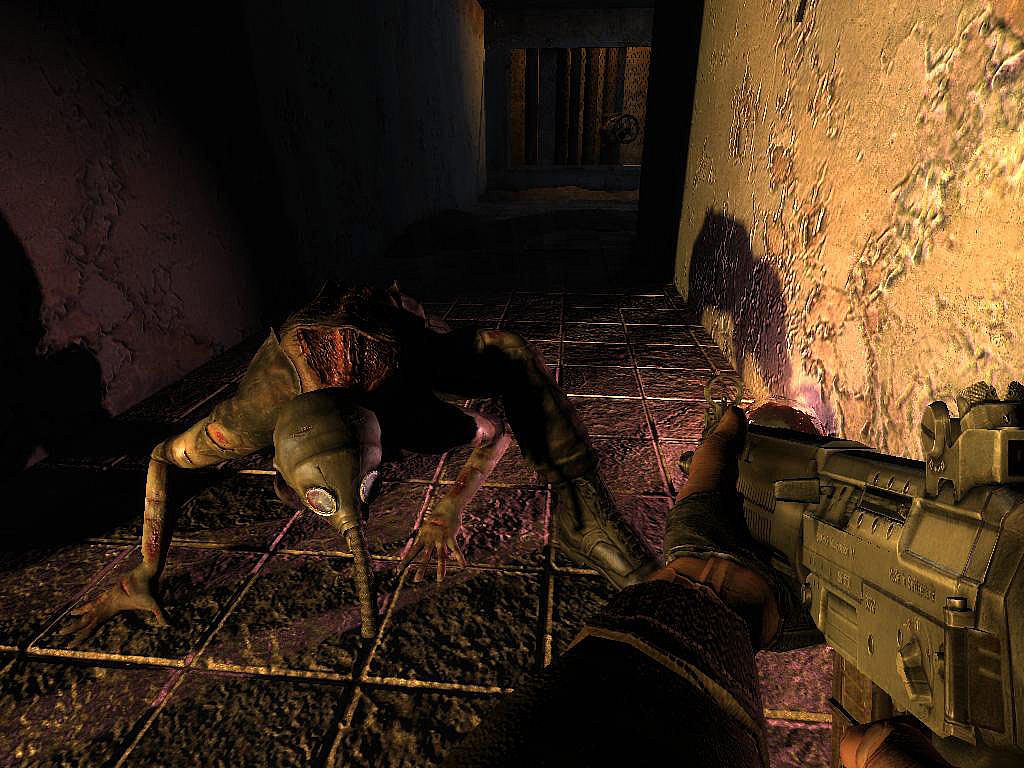
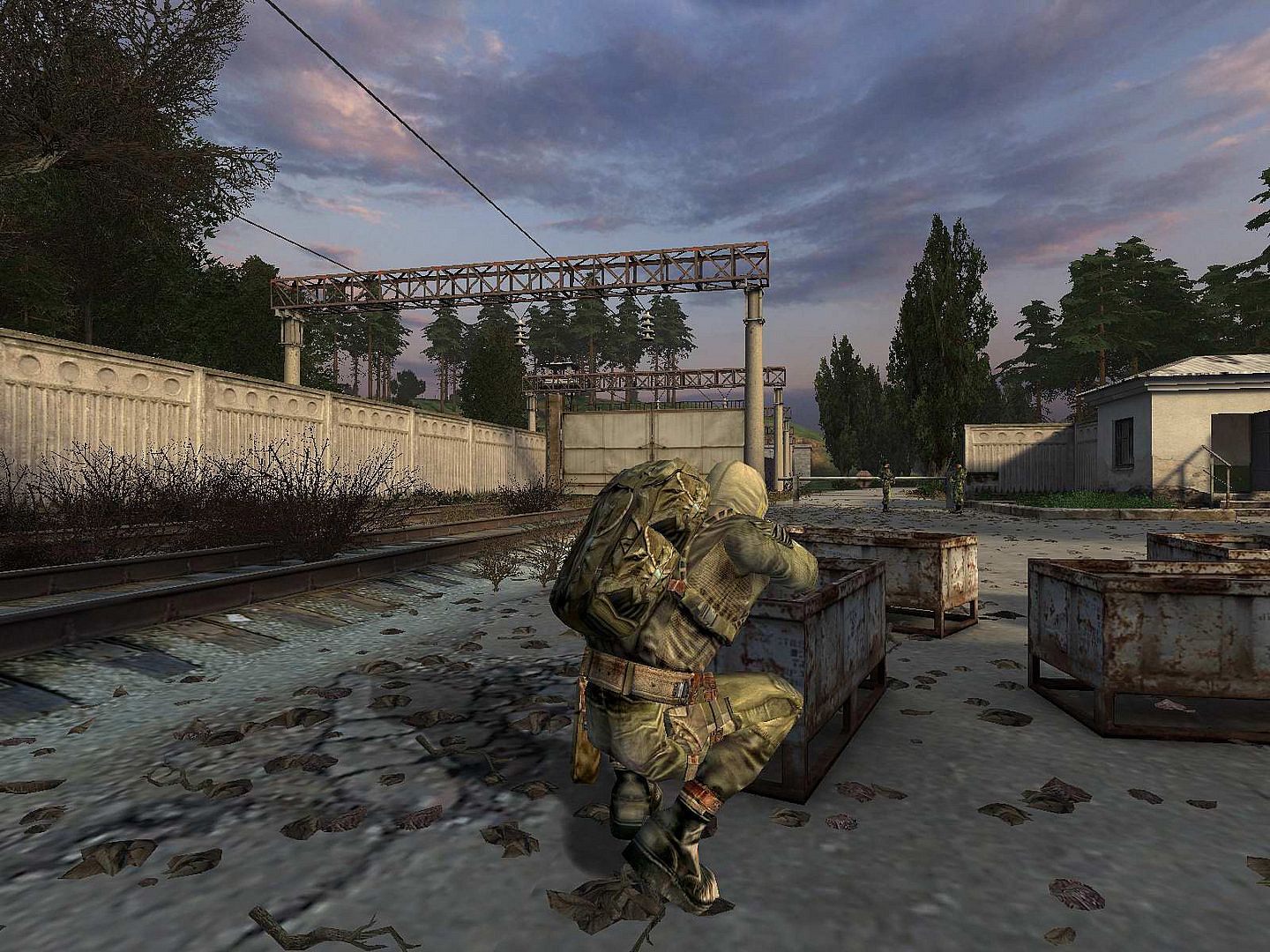
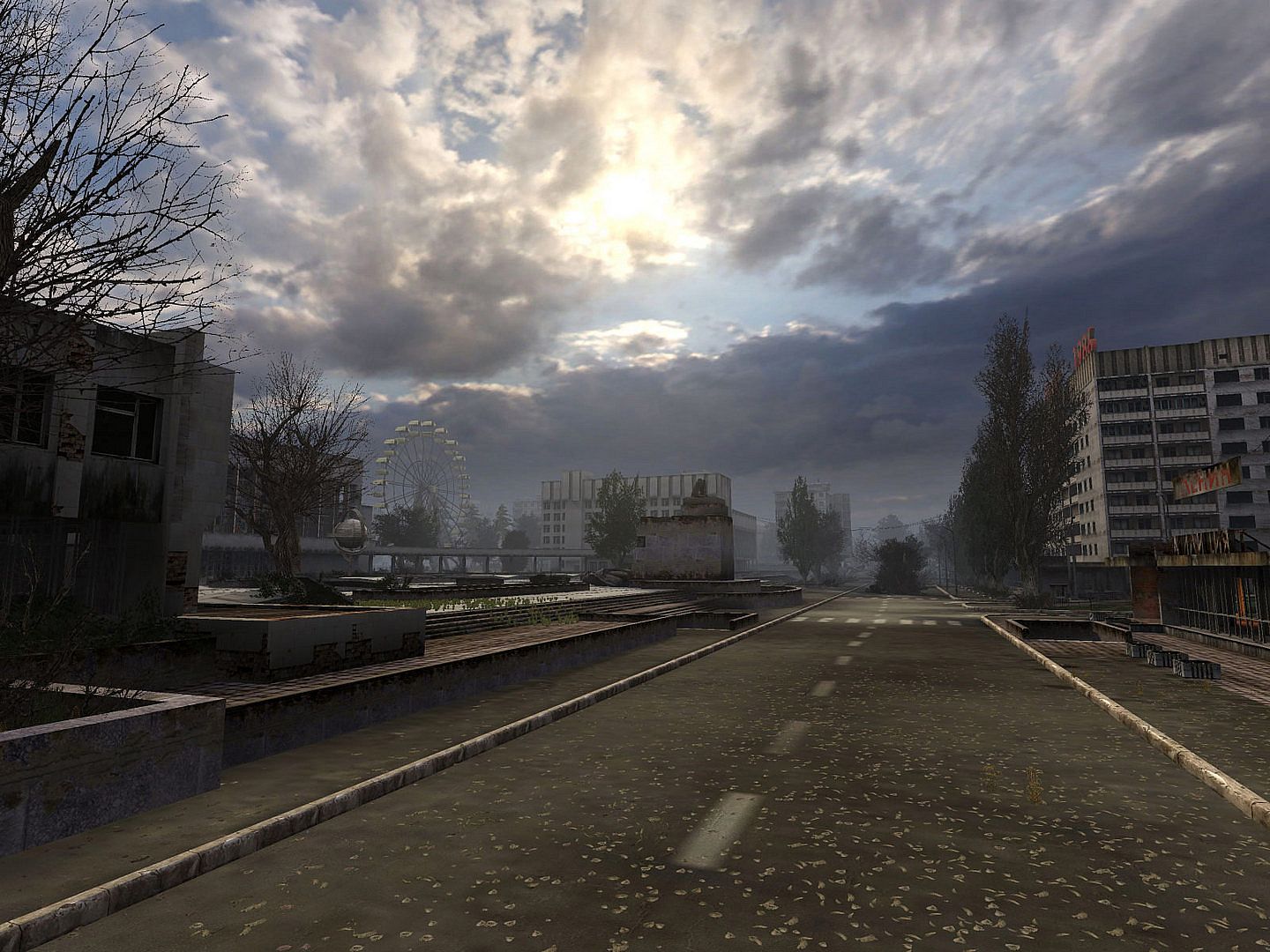
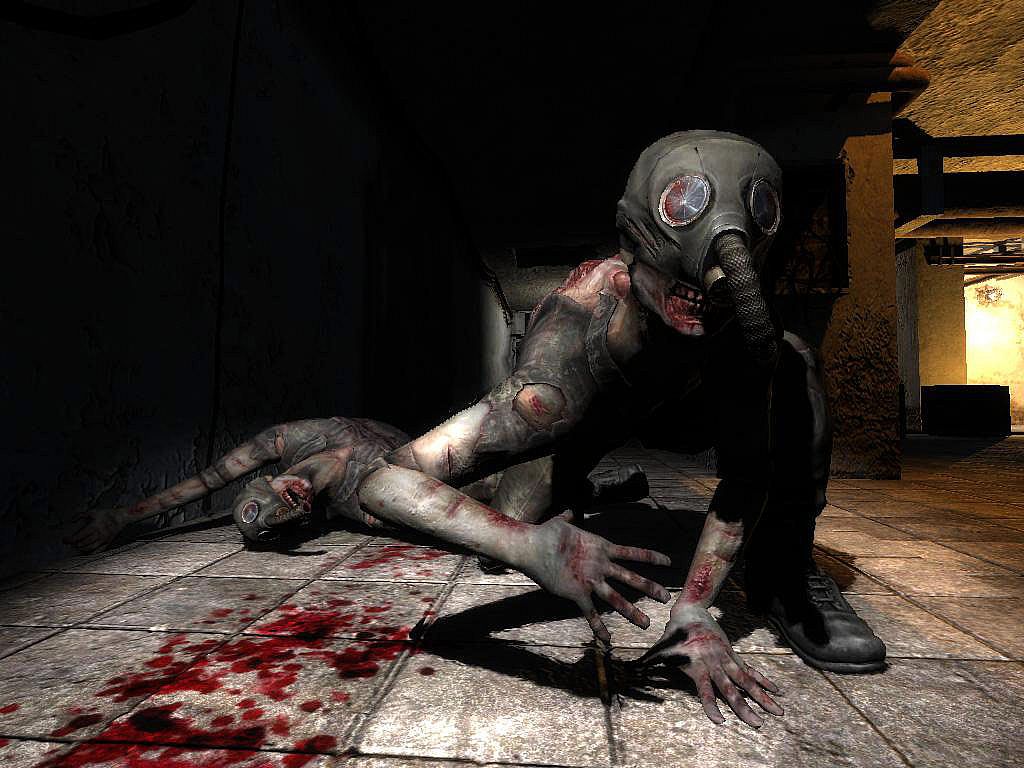
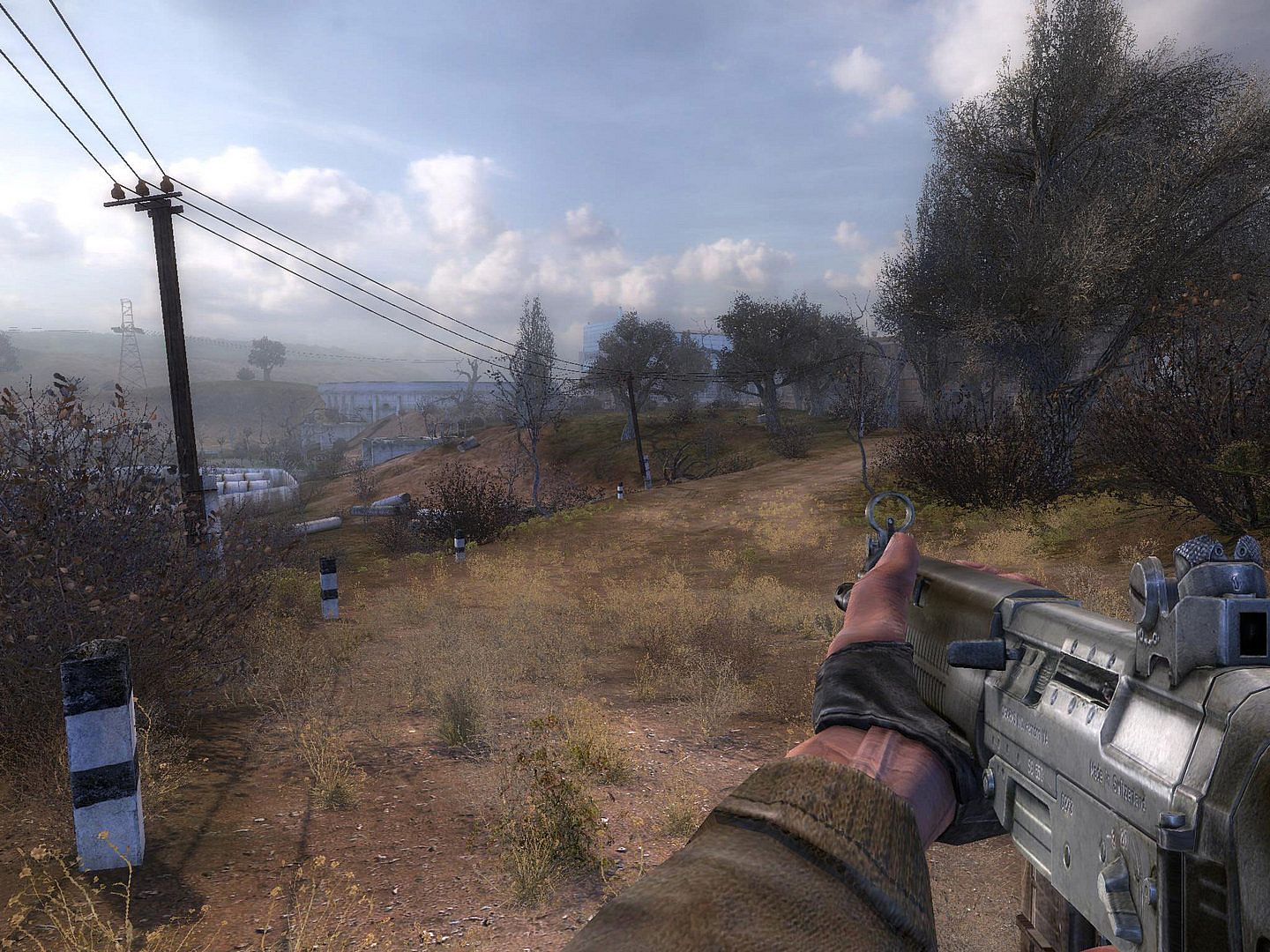
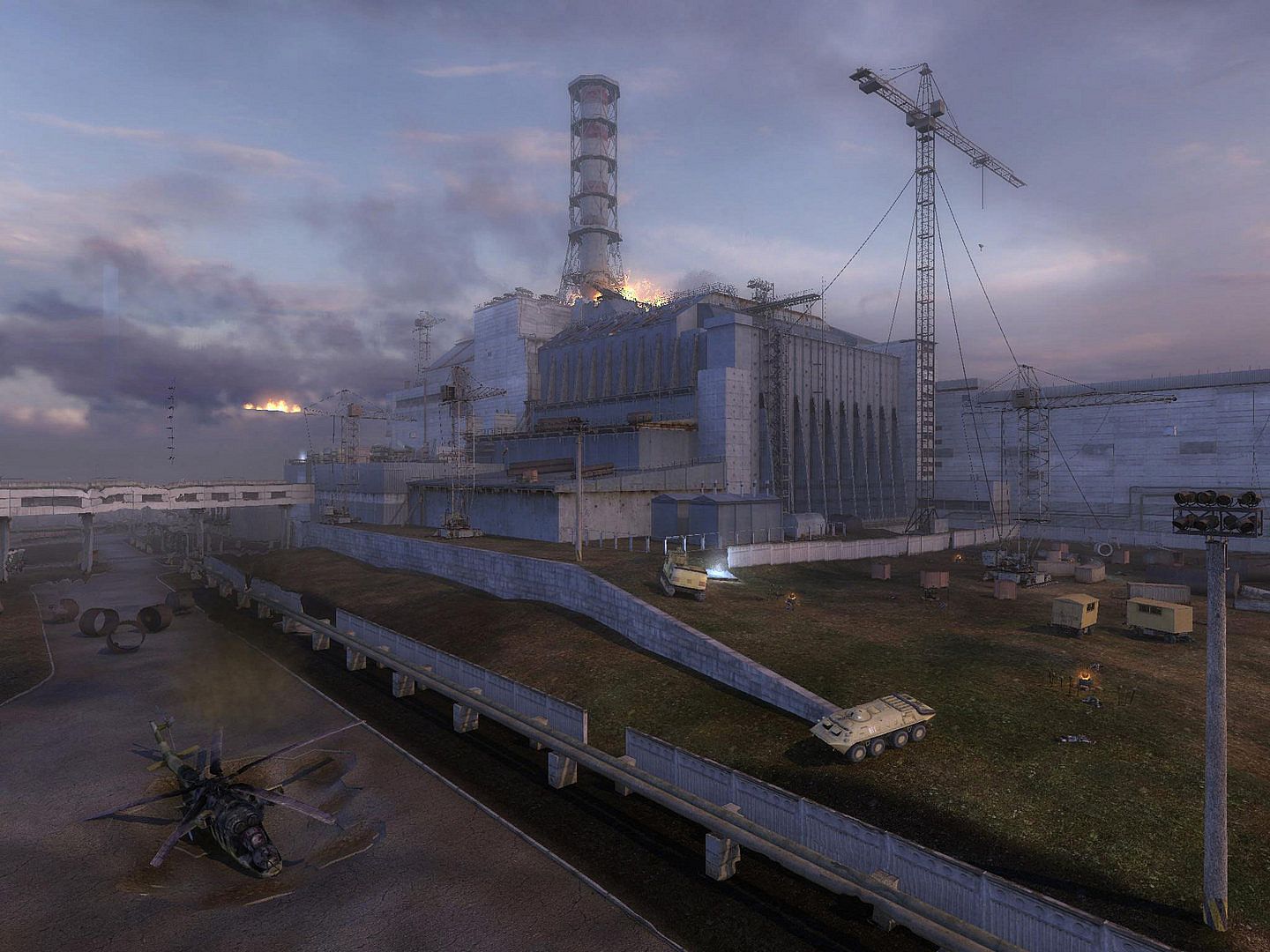
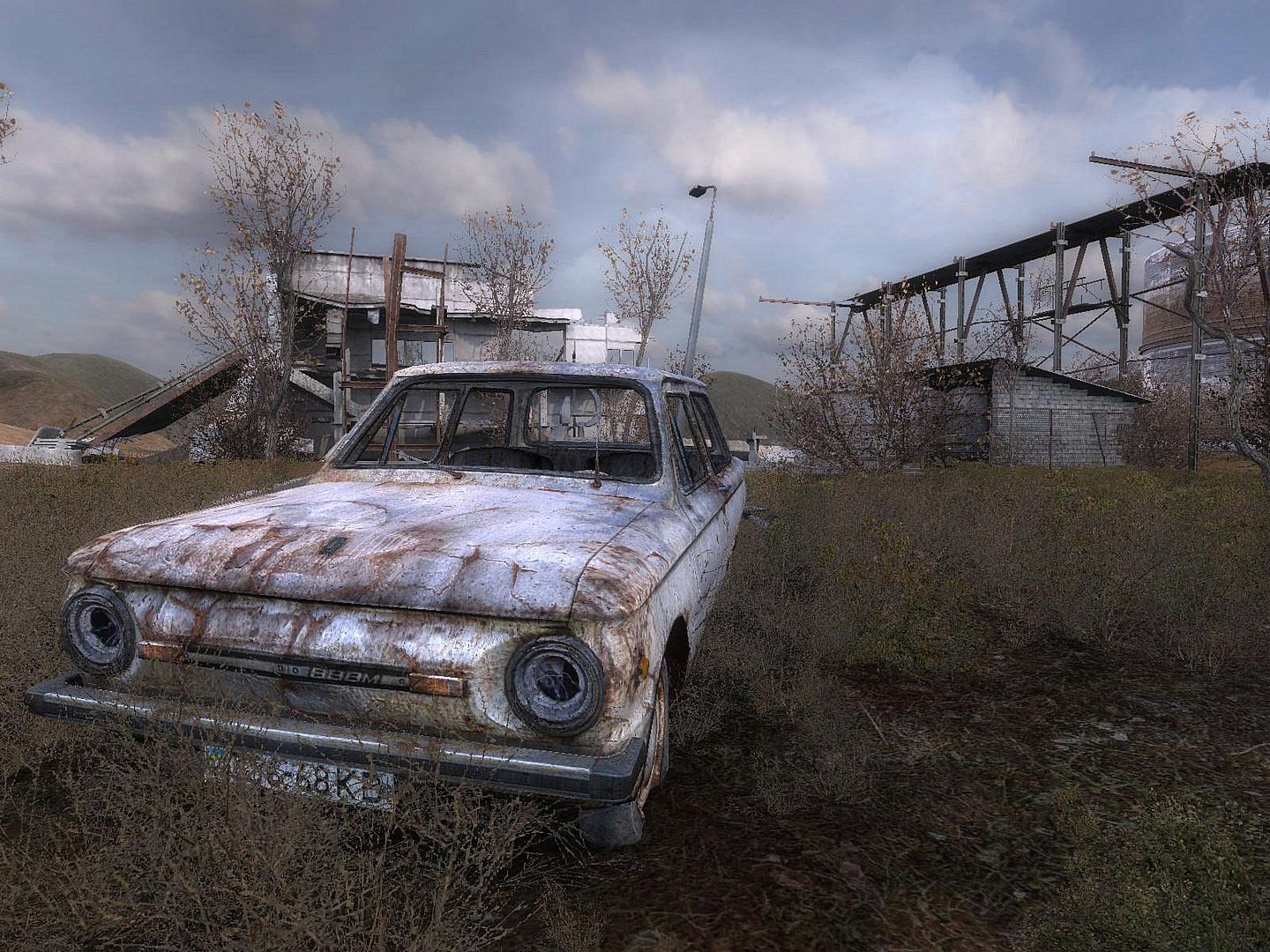
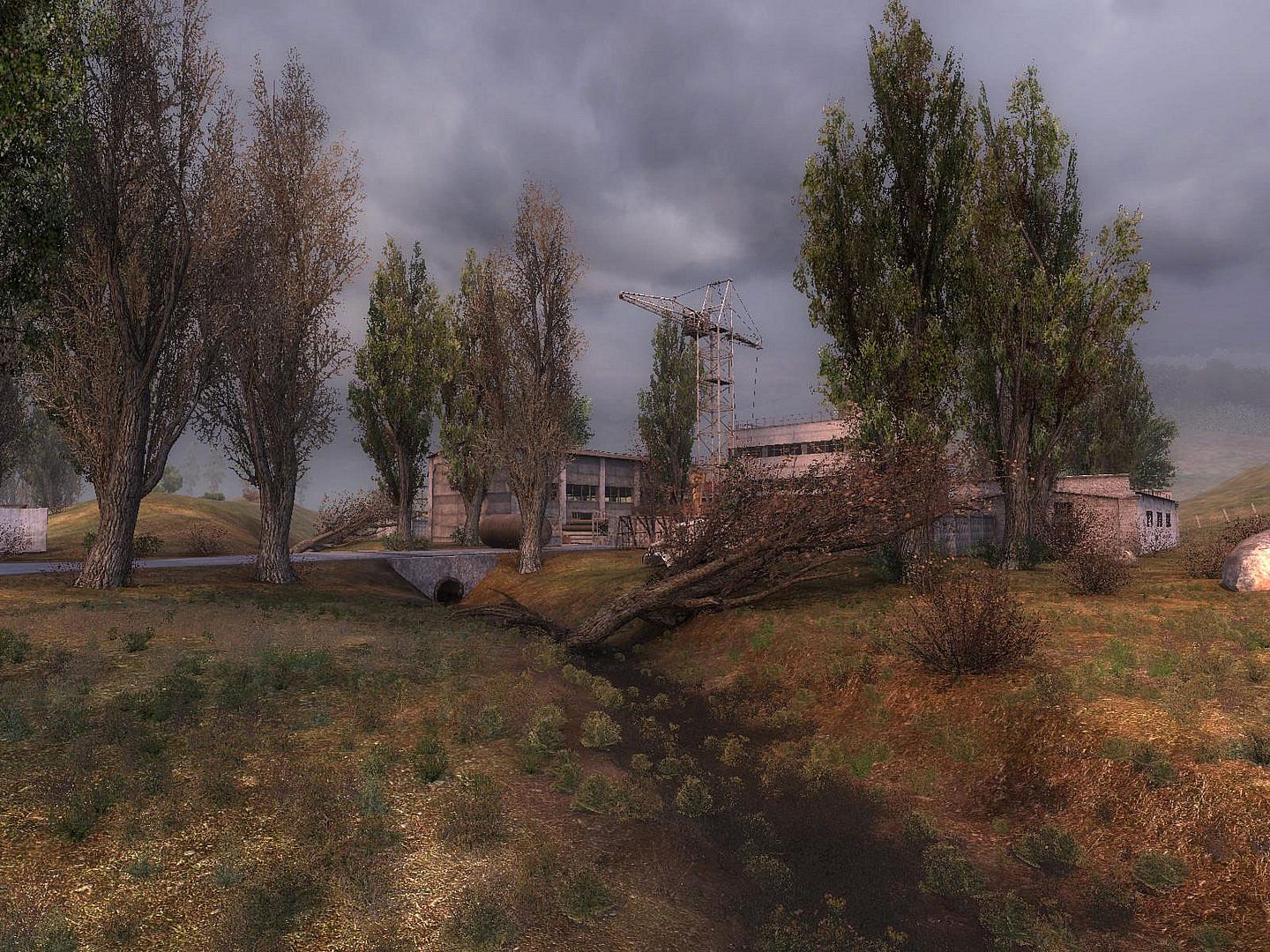
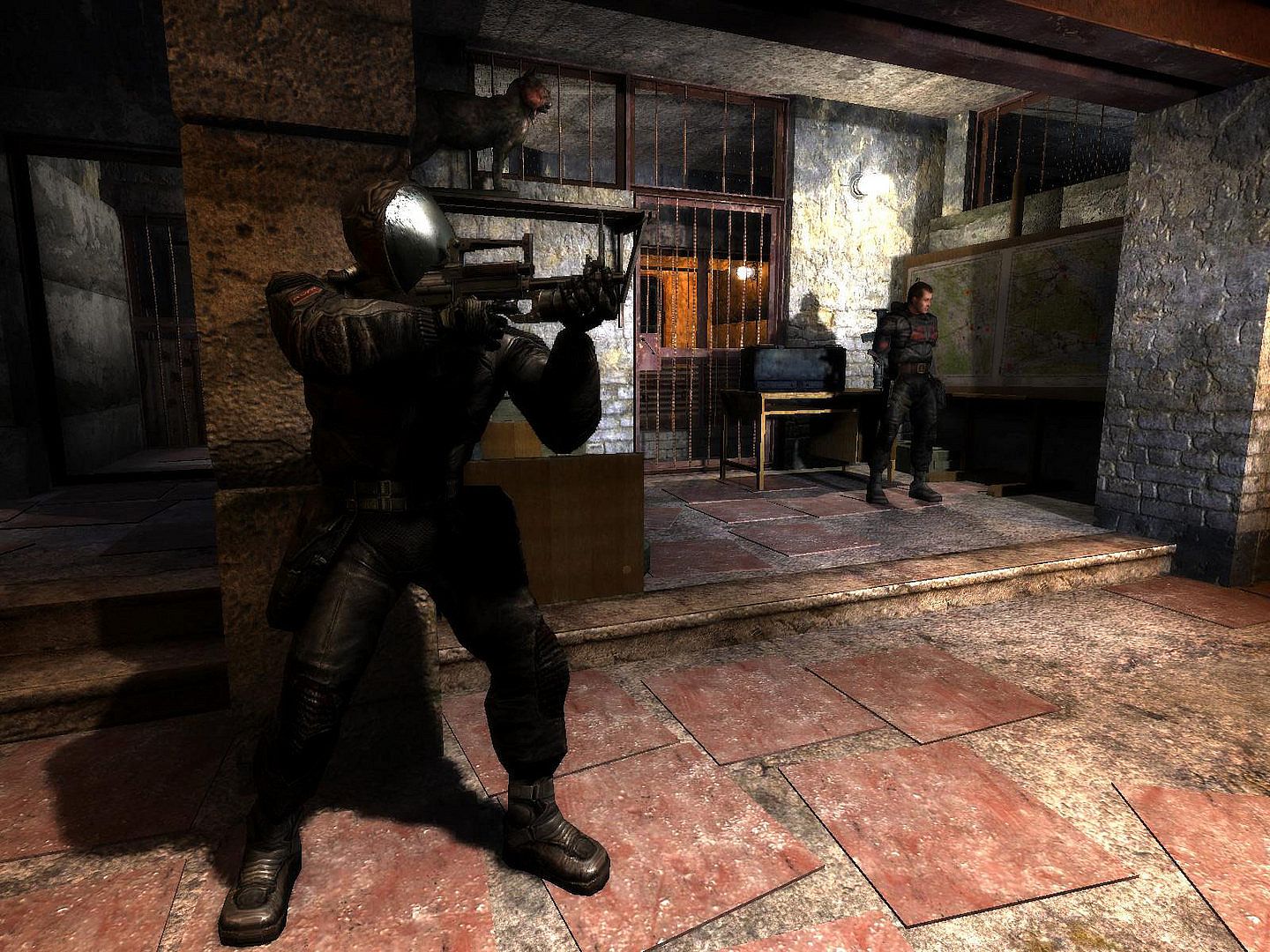
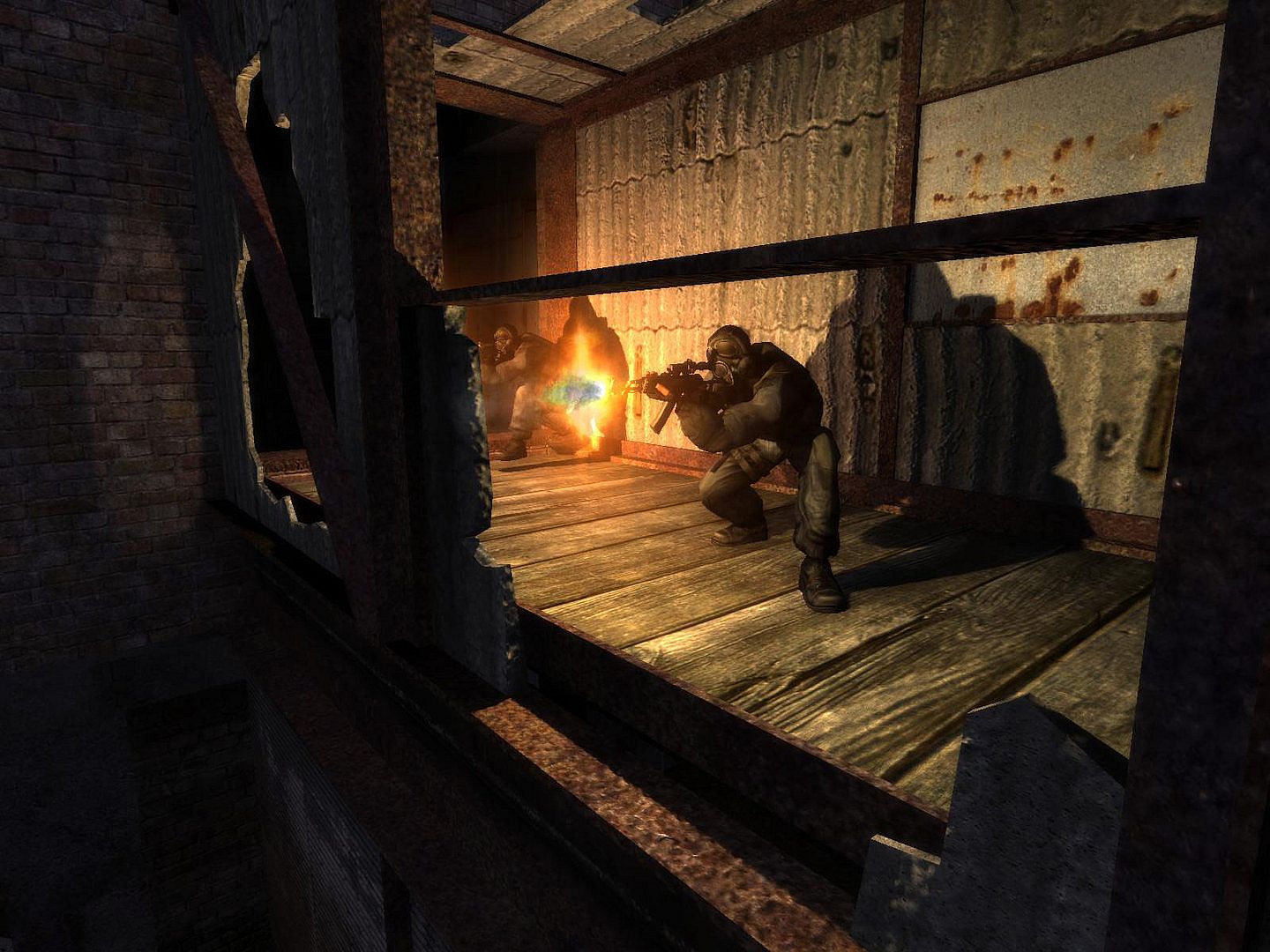
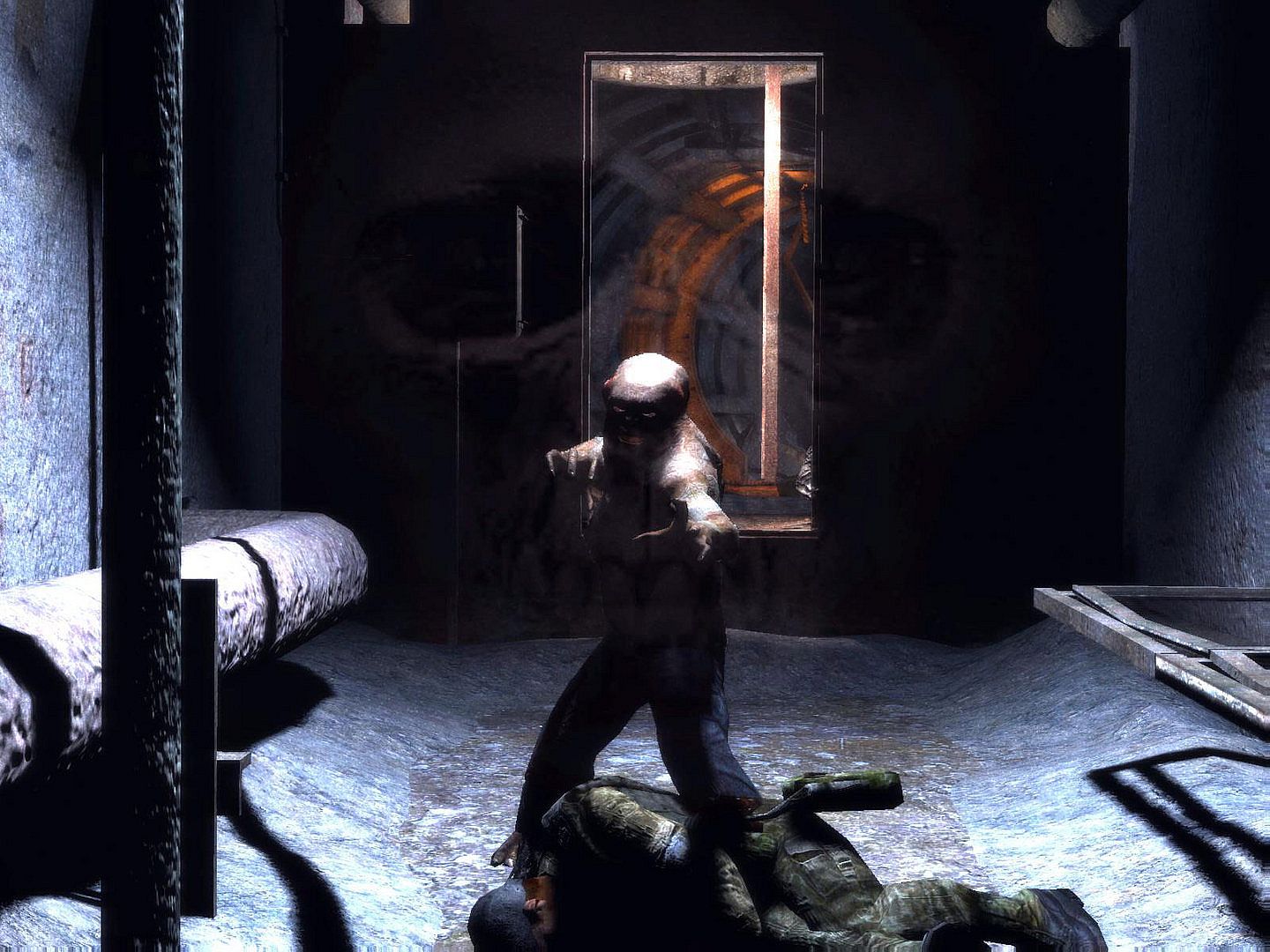
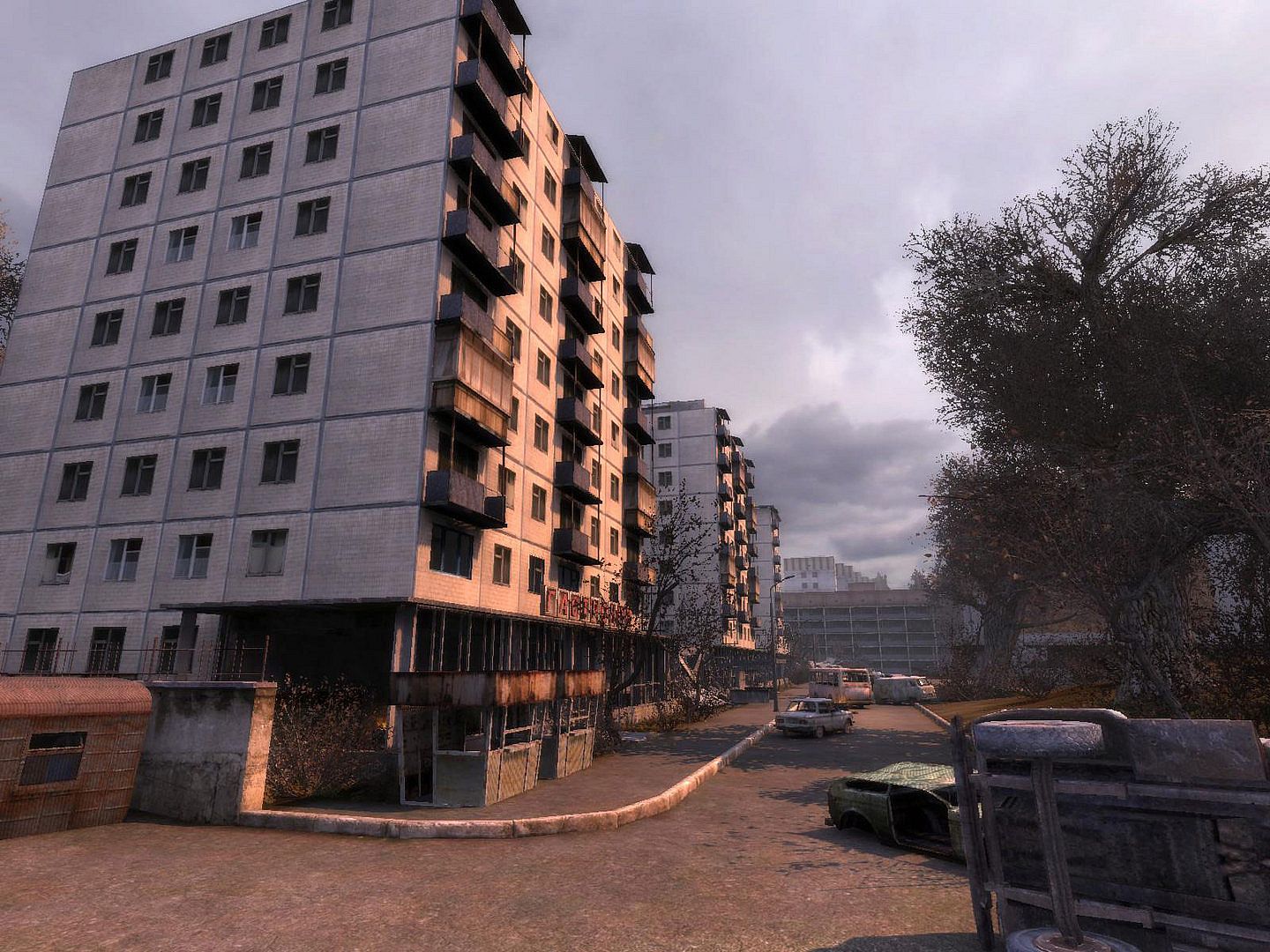
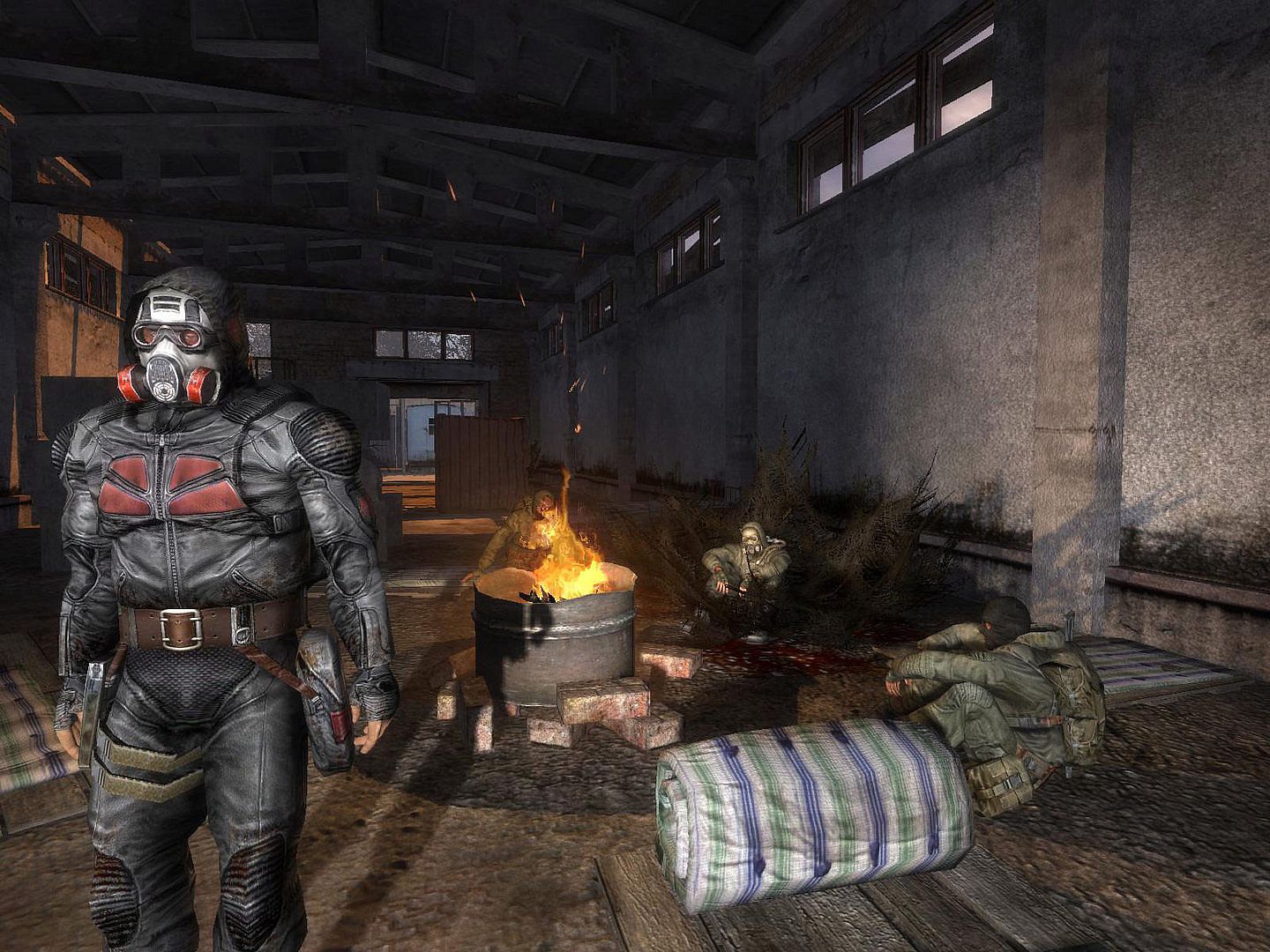
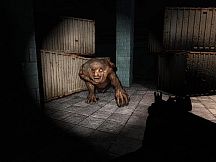
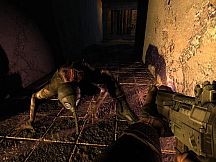
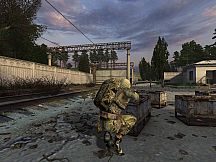
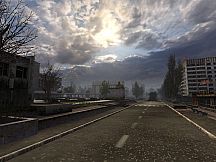
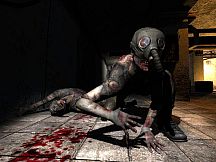
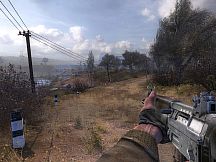
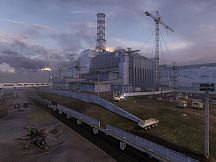
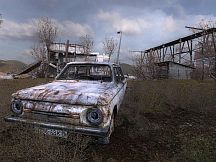
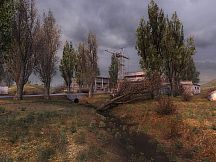
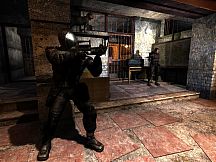
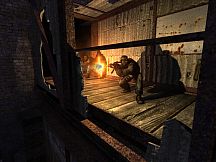
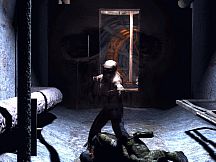
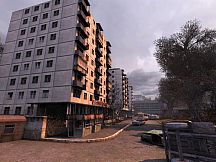
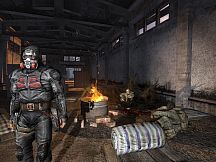
S.T.A.L.K.E.R.: Shadow of Chernobyl stands out as a survival-horror first-person shooter blended with RPG elements, set in a haunting alternate version of the Chernobyl Exclusion Zone. Released in 2007 for PC, this action RPG drops players into a desolate world where radiation, anomalies, and mutated creatures create constant peril. As a stalker navigating this treacherous landscape, you scavenge for artifacts, battle threats, and uncover mysteries tied to a catastrophic event in 2006. The game's non-linear structure lets choices shape the story, leading to multiple endings, while its atmospheric design draws from real locations like Pripyat and the Chernobyl Nuclear Power Plant.
Gameplay
In S.T.A.L.K.E.R.: Shadow of Chernobyl, the core loop revolves around exploration, survival, and combat in an open yet segmented world divided into 18 distinct areas, such as the Cordon, Garbage, and Pripyat. Players manage inventory carefully, salvaging weapons, armor, ammo, and supplies from stashes or fallen enemies, with a strict 50kg weight limit affecting movement and stamina. Artifacts found near anomalies provide benefits like increased resistance to hazards but often come with drawbacks, such as heightened radiation exposure. Combat feels realistic, with bullet ballistics influenced by gravity and weapon condition-guns degrade over time, leading to jams if not maintained.
The A-Life AI system brings the Zone to life, as NPCs and mutants follow non-scripted behaviors, including hunting, resting, and migrating in packs. Weather and day-night cycles impact visibility and tactics, forcing adaptations like avoiding storms that alter enemy patterns. RPG aspects shine through equipment customization, trading with NPCs, and faction interactions, where aligning or clashing with groups like Duty or Freedom affects quests and alliances. Radiation mechanics require monitoring with a Geiger counter, treated via anti-radiation drugs or specific artifacts, adding layers of strategy to every outing.
Game Modes
The primary mode is singleplayer, featuring a non-linear storyline where players complete quests ranging from artifact hunts to rescues and document retrievals. These missions unfold across the Zone's maps, with no free-play option after the main story concludes, emphasizing replayability through different choices and endings. Multiplayer supports up to 32 players on a single map, allowing competitive sessions, though it lacks the depth of the singleplayer campaign and focuses more on direct confrontations.
Factions and Mechanics
Factions play a crucial role in the game's dynamics, each with distinct agendas and territories. Loners operate as neutral scavengers, while Duty maintains order in areas like Rostok, often clashing with mutants and bandits. Freedom advocates for unrestricted access to the Zone, leading to conflicts in places like Pripyat, and the fanatical Monolith faction guards the Chernobyl plant under the influence of mysterious psi emissions. Mercenaries and bandits add hostility, with groups like those led by Borov holding hostages and ambushing travelers.
Mechanics emphasize survival, such as bleeding that requires bandages to stop, or anomalies that demand detection tools like bolts to navigate safely. The physics engine handles ragdoll effects and destructible environments, enhancing firefights where positioning and cover matter. Smart AI means enemies plan attacks and react to changes, making solo ventures feel isolated and tense, true to the game's theme of desolation.
Is It Worth Playing?
With a Metacritic score of 82/100 based on 44 reviews and a Game Rankings average of 83% from 51 reviews, S.T.A.L.K.E.R.: Shadow of Chernobyl has earned praise for its immersive atmosphere and depth, though some critiques highlight bugs and story inconsistencies. The game remains available on PC, with patches like version 1.0003 improving technical aspects such as widescreen support. No ongoing updates or seasons exist, but community mods extend its life, addressing issues and adding features.
This title suits players who enjoy challenging survival shooters with horror elements and meaningful choices, especially those drawn to post-apocalyptic settings. If you prefer straightforward action without heavy management, it might feel demanding, but for fans of tactical exploration and replayable narratives, it holds strong value even today.