

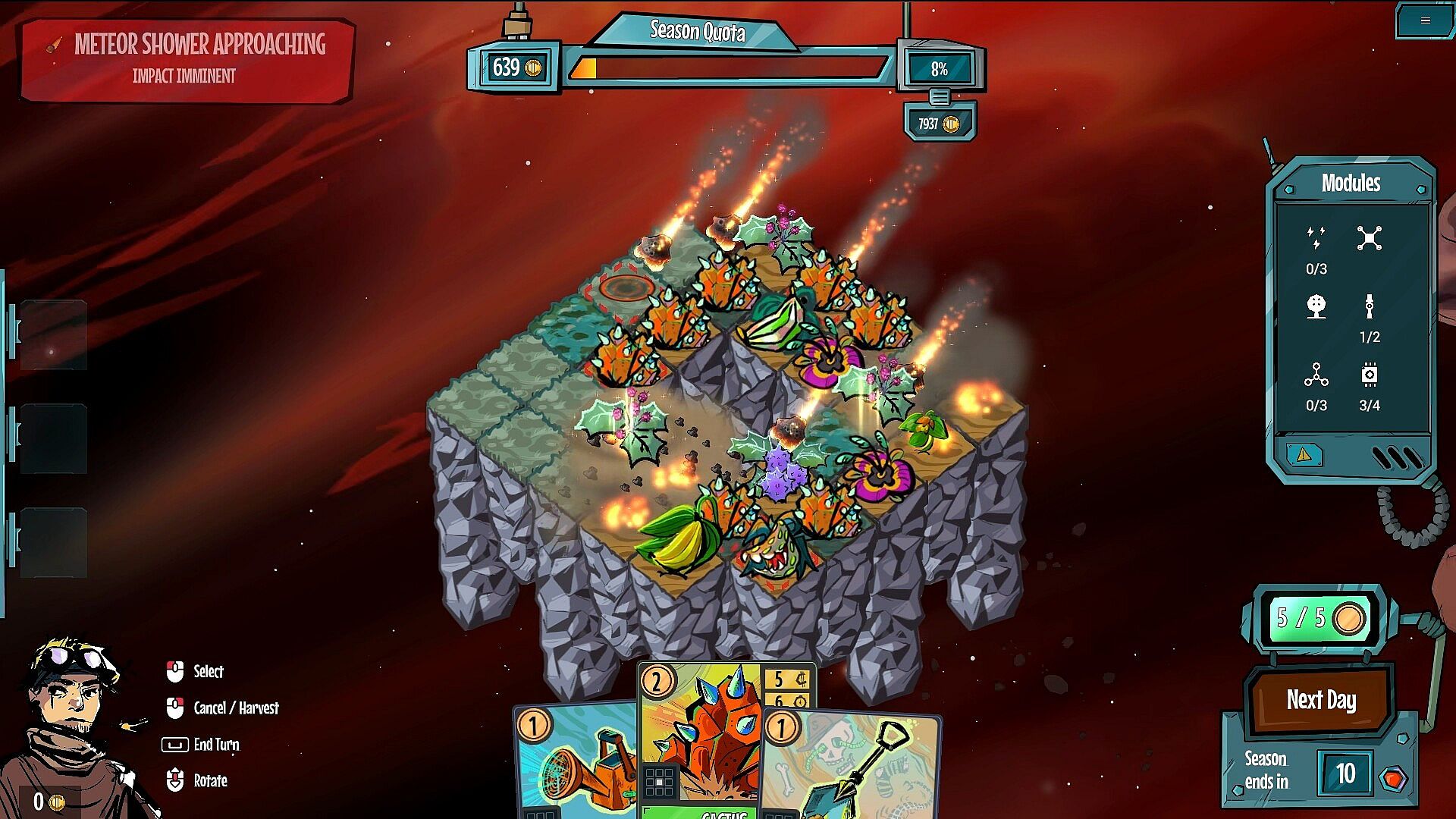
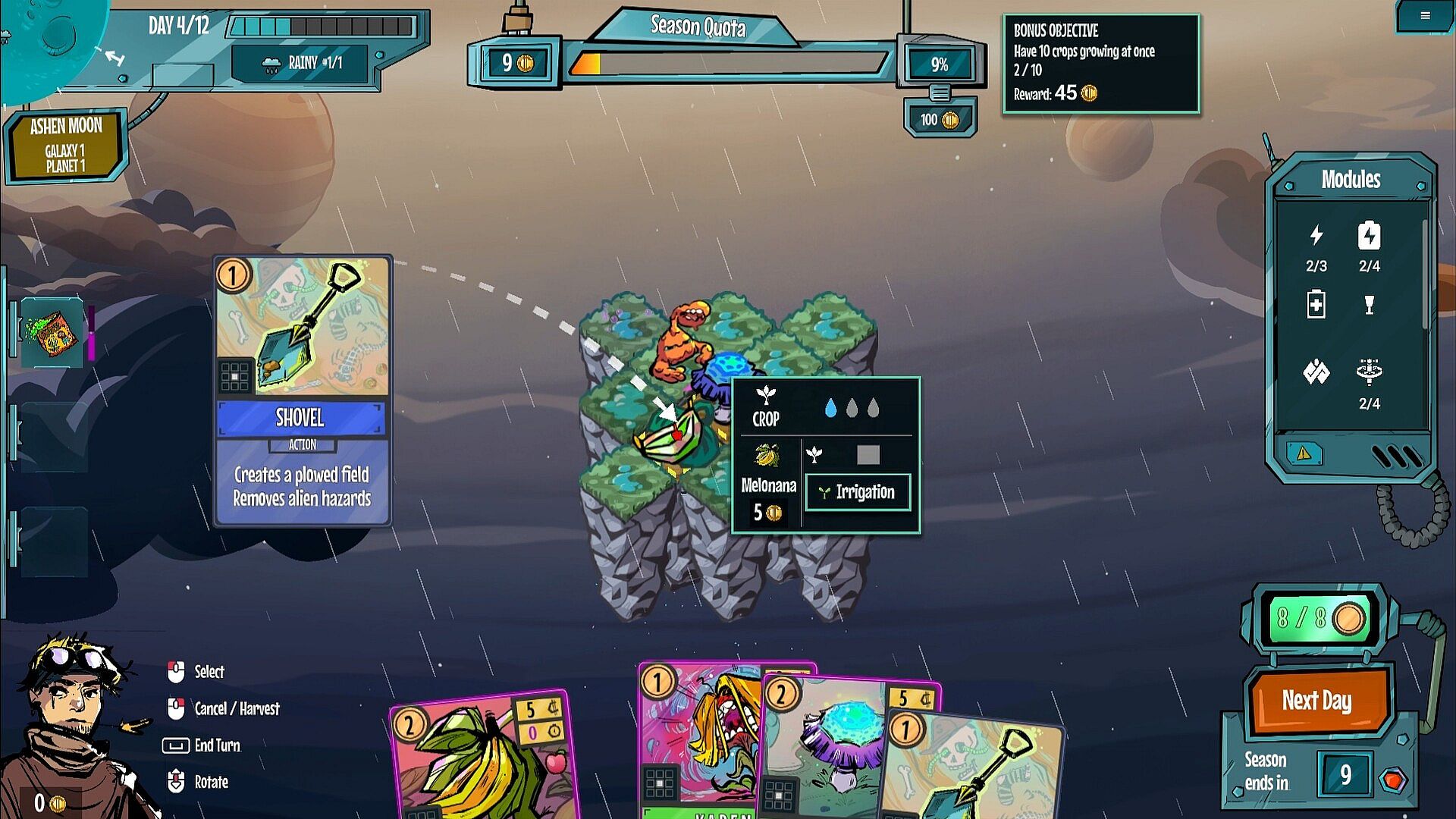
S.T.A.R.V.E.: Farming Roguelike Deckbuilder is a single-player strategy title that blends card-driven farming with roguelike progression on PC. Players manage alien crop fields through a deck of plants and tools, all while racing against rising production targets set by a demanding corporation.
Gameplay
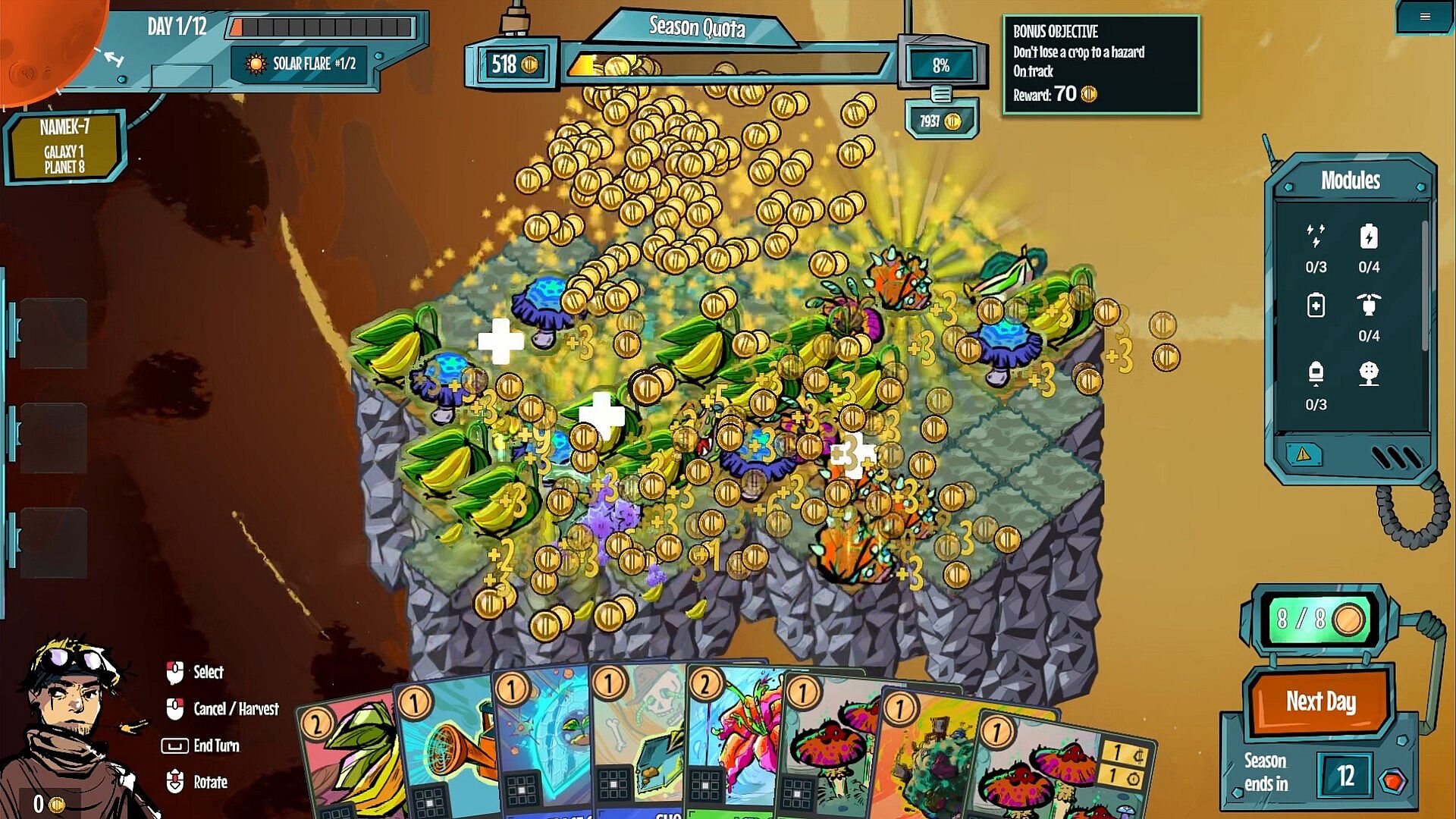
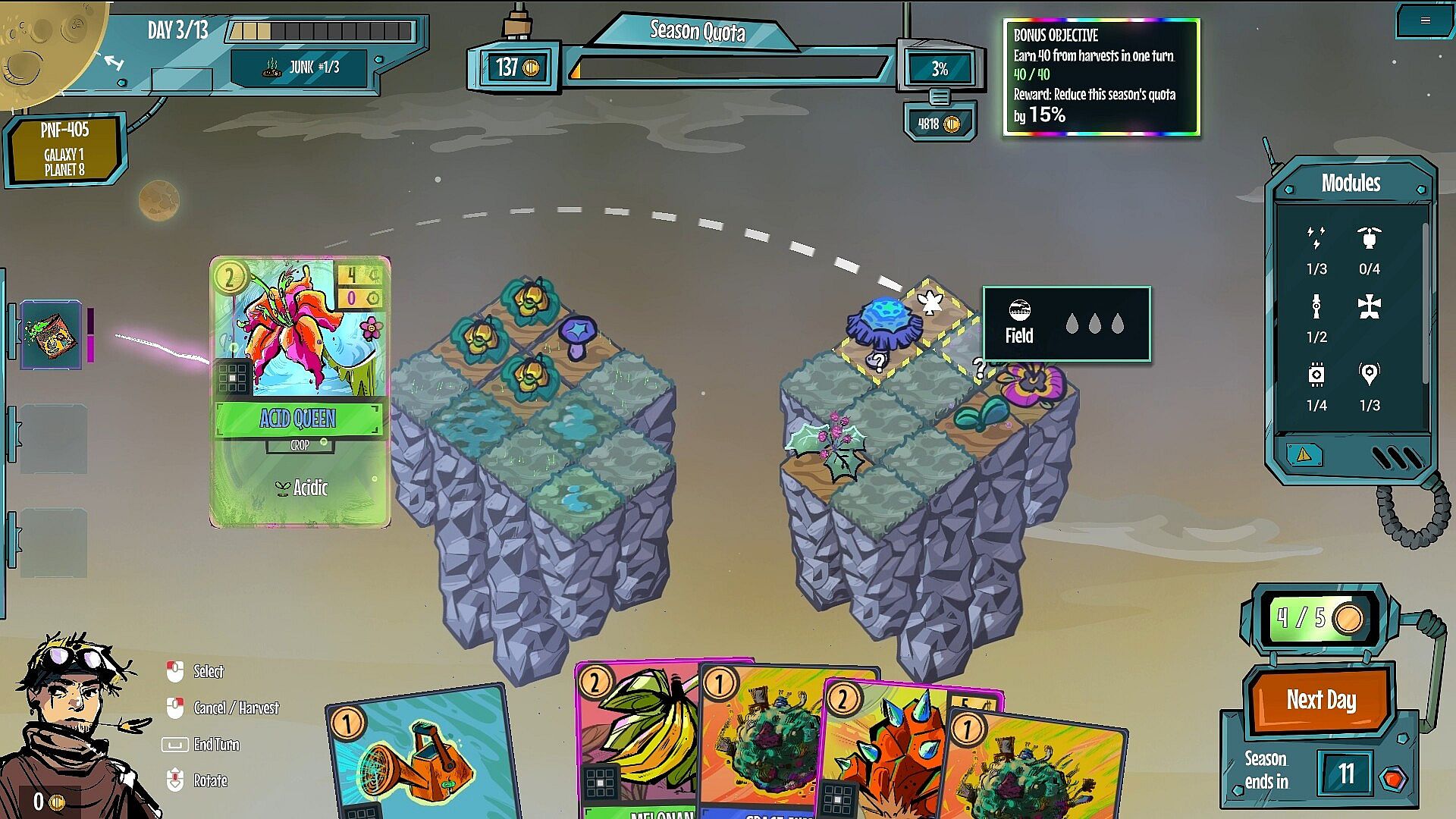
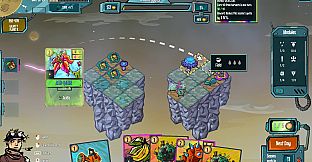
The central loop revolves around planting cards on a grid to generate resources and meet seasonal quotas. Each crop and tool activates at specific moments: immediately upon placement, during growth phases across turns, or at the point of harvest. Effects can be aimed in rotatable patterns to influence adjacent tiles, allowing careful positioning to chain bonuses and multiply yields.
Hazards constantly threaten progress. Alien creatures consume plants, while meteors, earthquakes, and poor soil conditions damage fields. The deck serves as the primary defense, with cards deployed to counter these threats before they destroy the harvest. Success depends on timing triggers and adapting the build to survive escalating dangers.
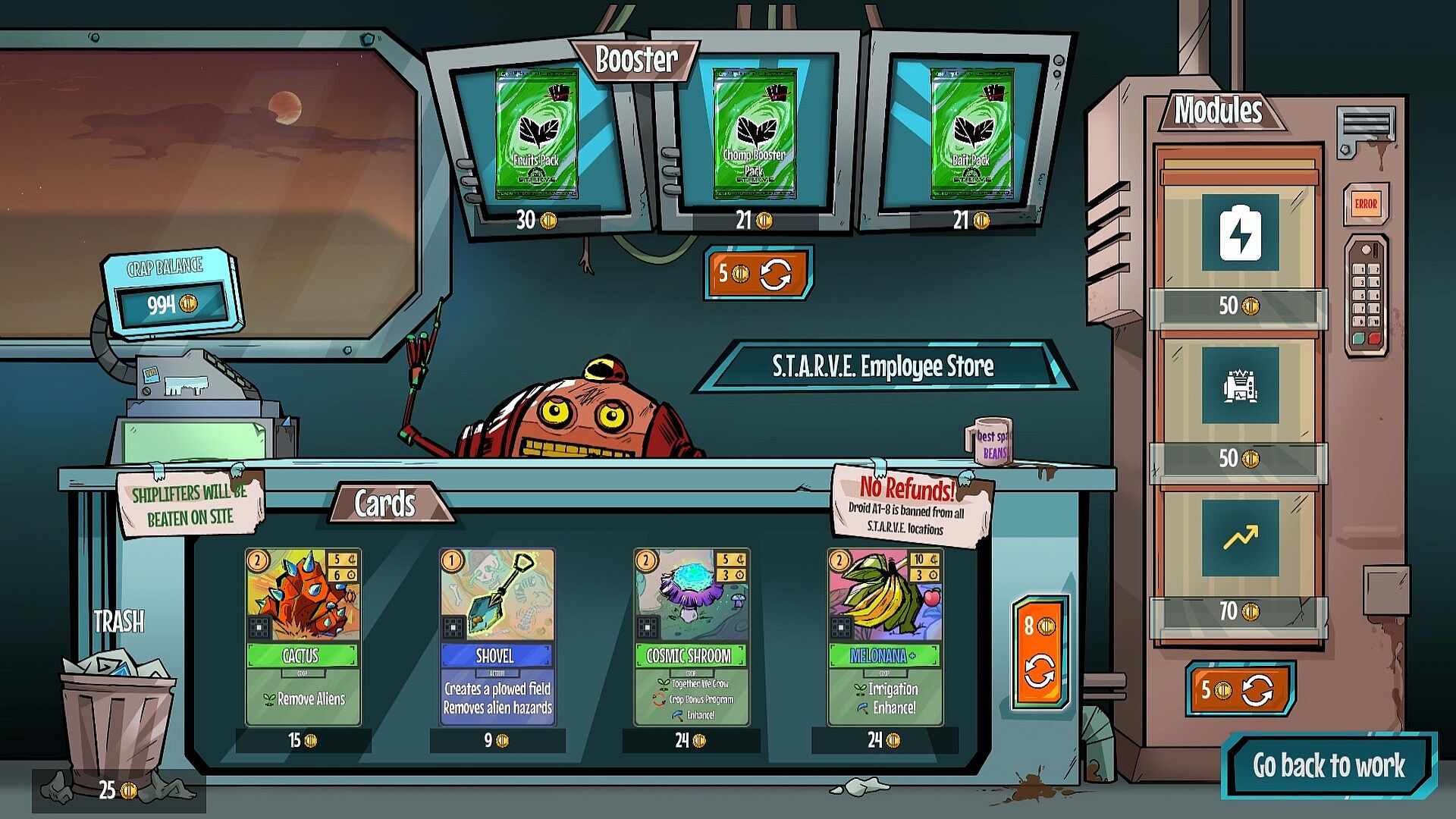
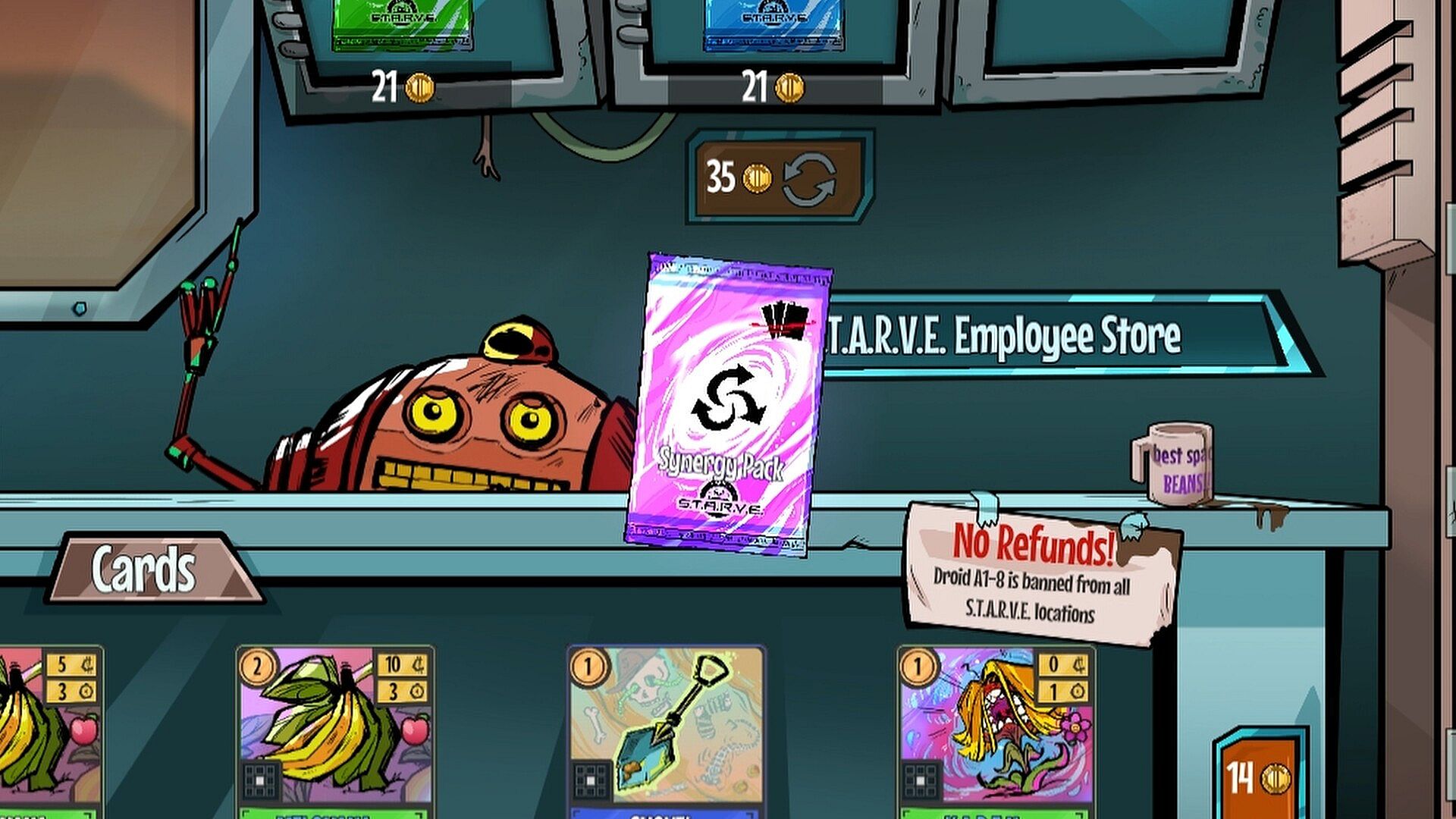
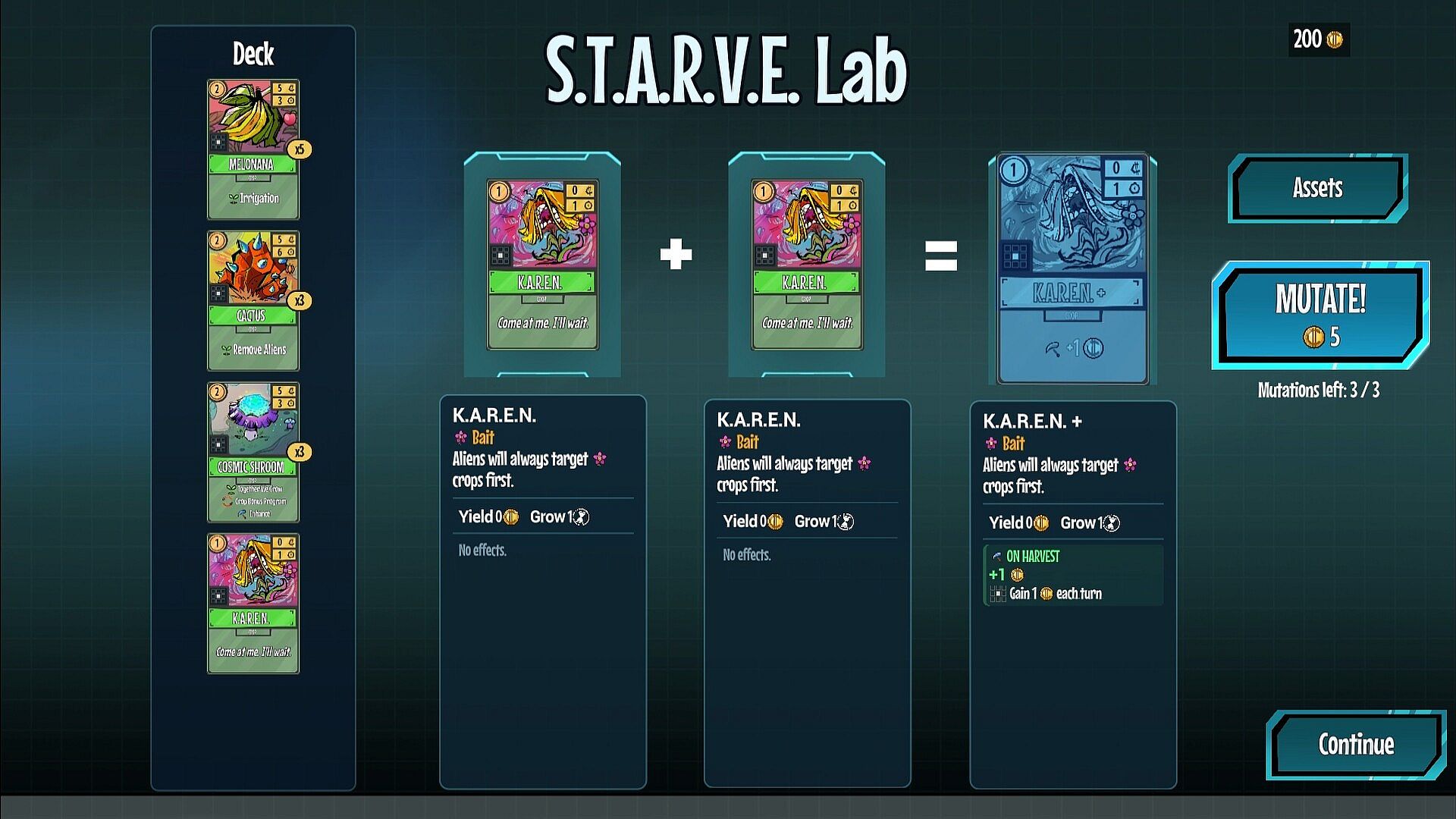
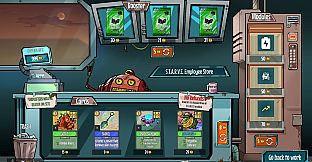
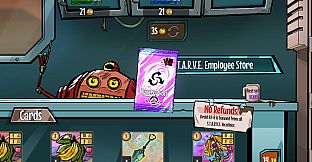
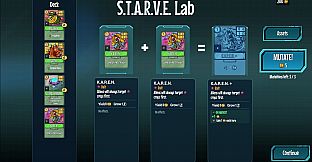
Between runs, players visit an employee store for booster packs that add new crops and tools. A laboratory allows mutation of cards into permanent evolutions that carry forward across attempts. These systems encourage experimentation with different combinations to create efficient engines that scale production rapidly.
Game Modes
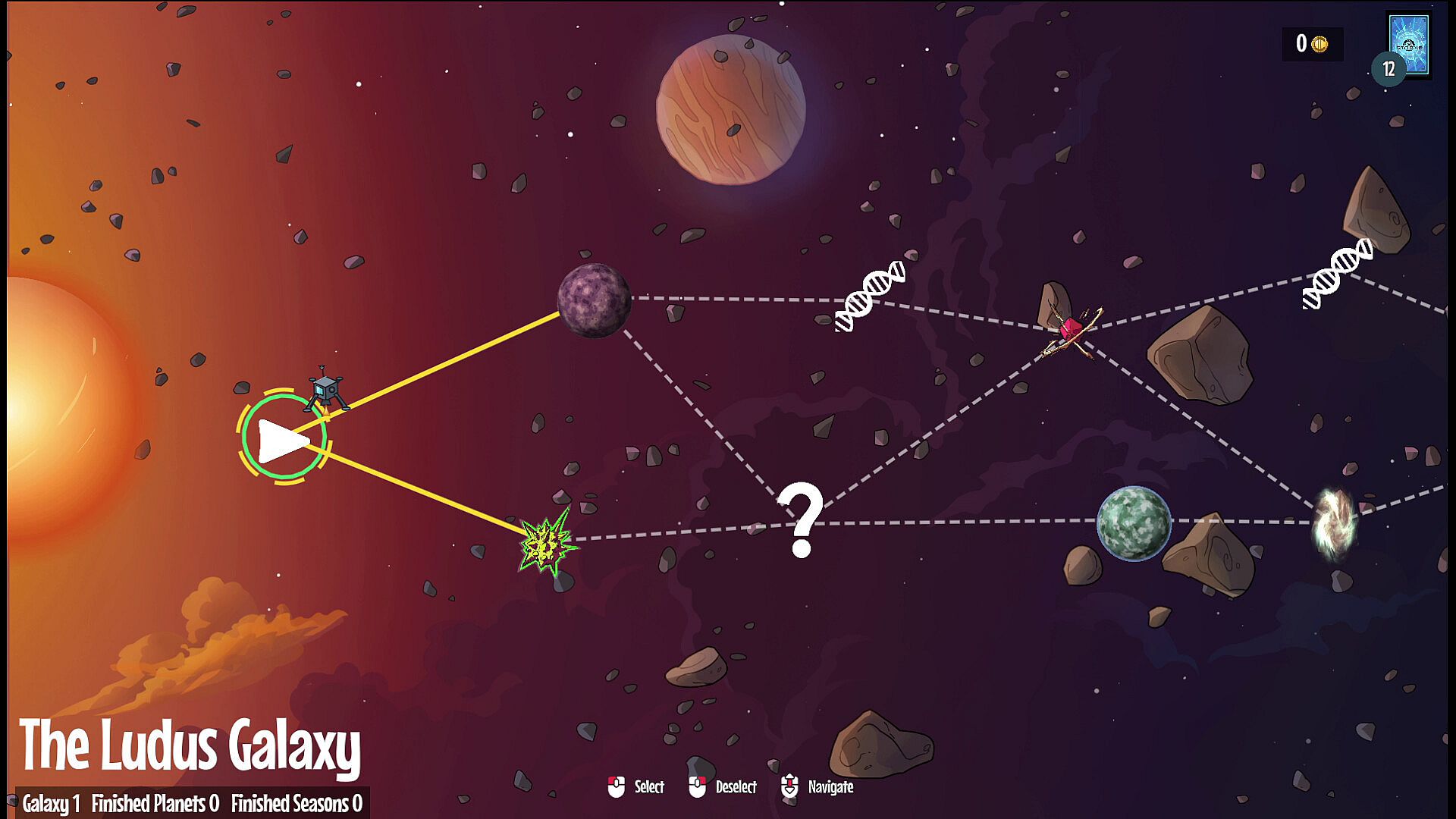
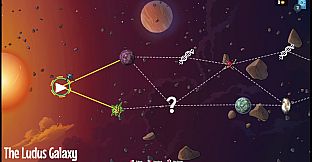
Core play consists of roguelike runs across a procedurally generated star map. Each expedition involves selecting planets that offer shops, labs, or random events alongside farming challenges. Quotas increase steadily, culminating in a high-pressure finale where failure ends the attempt.
Bonus objectives appear during runs to provide extra rewards and influence build choices. No two paths through the galaxy repeat exactly, thanks to the map generation and card mutations that alter available options. The focus remains on single-run optimization rather than persistent worlds or competitive elements.
Core Mechanics and Progression
Deck construction forms the heart of strategy. Cards represent both production assets and defensive measures, all operating within the same grid-based system. Rotatable effect shapes add a spatial layer, requiring players to plan layouts that maximize coverage while minimizing exposure to hazards.
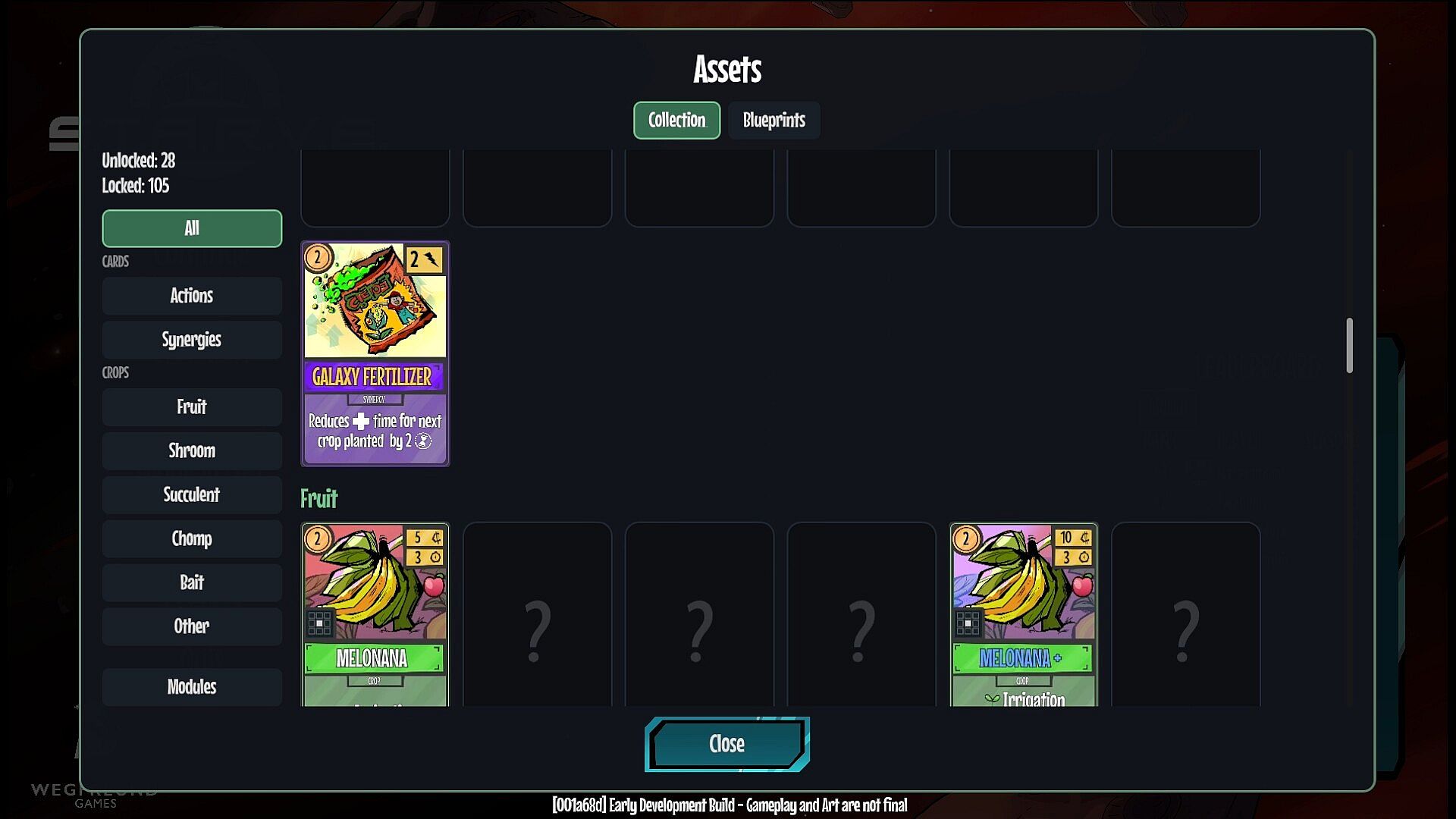
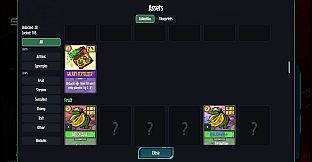
Permanent unlocks expand the collection over time. Discoveries from successful or failed runs add new cards and mutations to the pool, allowing later attempts to access stronger starting options. This meta-progression rewards consistent play without altering the roguelike nature of individual expeditions.
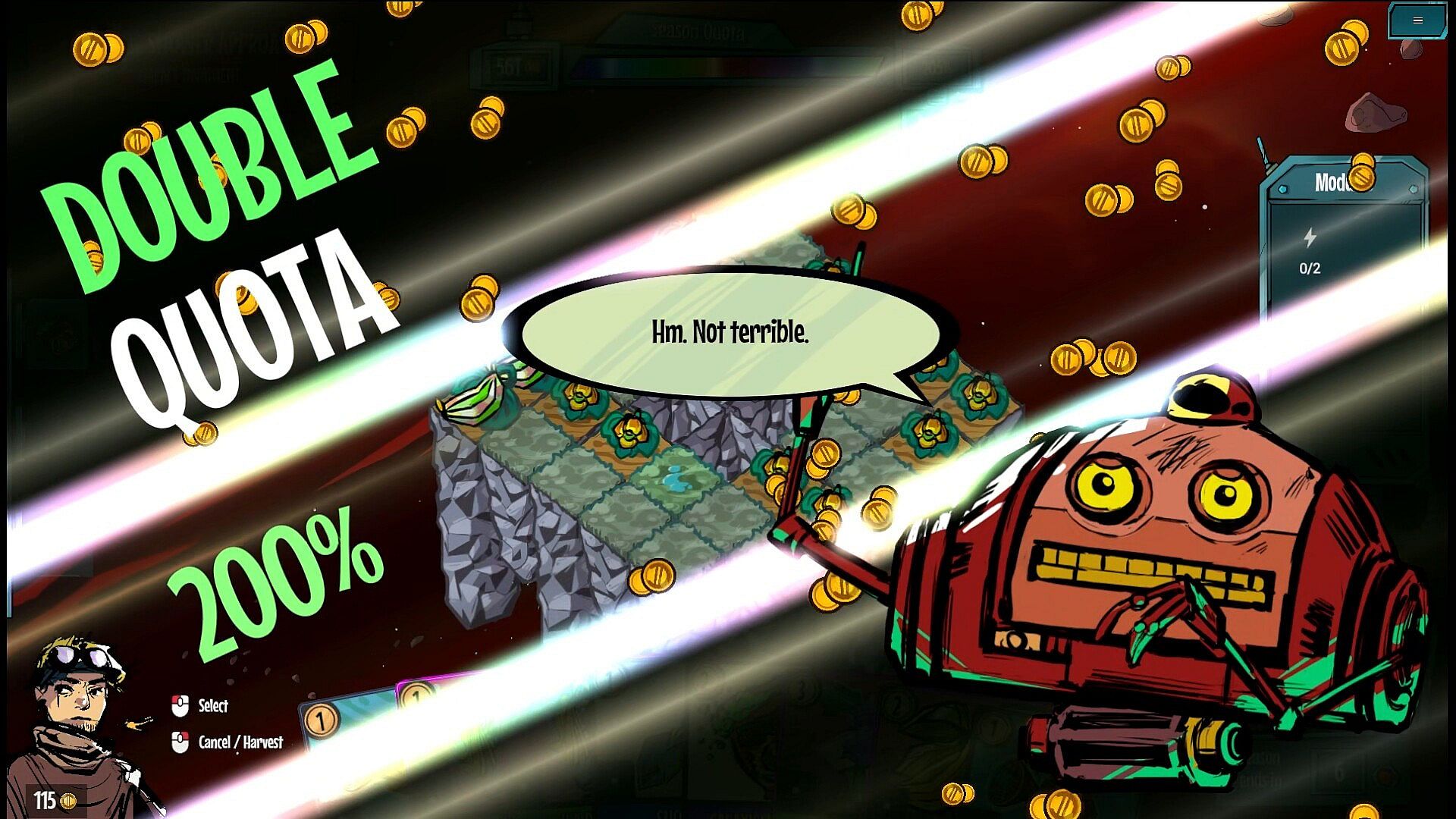
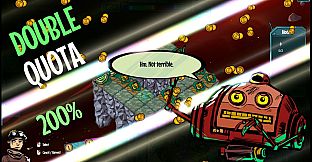
Resource management ties directly to quota performance. Harvests convert into funds for mid-run purchases, while missed targets abruptly conclude the session. The design emphasizes efficiency and foresight over long-term empire building.
Is It Worth Playing?
The game suits players who enjoy deckbuilders combined with roguelike structure and light resource management. Its single-player focus and procedural variety support repeated attempts without requiring multiplayer coordination. With no user reviews available yet and a release date still to be announced, the title remains in development, but the described systems align with established mechanics in the genre. Those interested in tactical grid play and quota-driven tension may find value once it launches.