

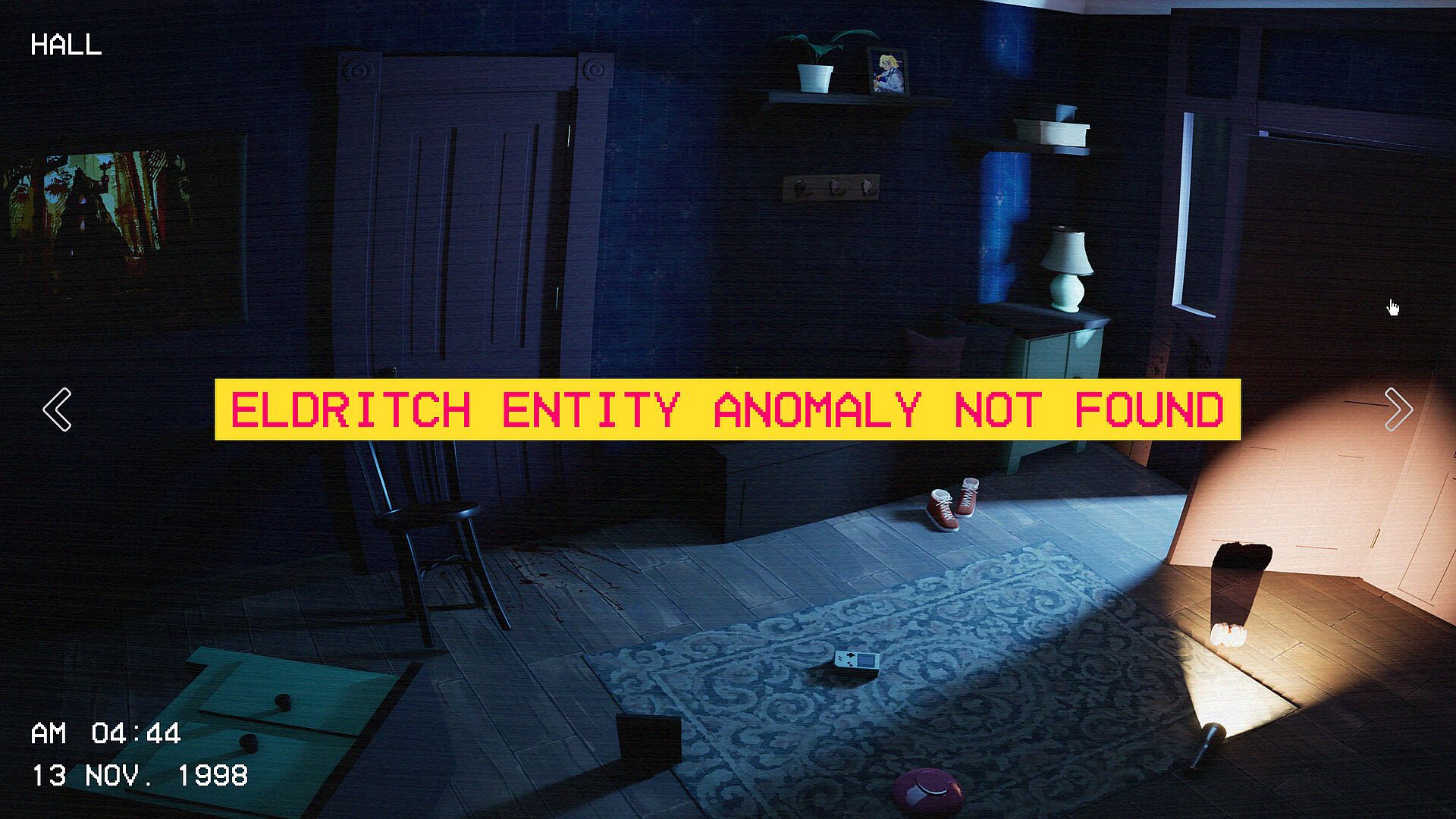



Safe at Dawn is a horror surveillance simulator set on PC where players watch over multiple rooms as supernatural events unfold overnight. The core challenge involves spotting and identifying anomalies before they lead to fatal consequences, with support for both solo play and group sessions. Indie and casual in tone, the experience emphasizes careful observation and quick decision making under pressure rather than fast action or combat.
Gameplay
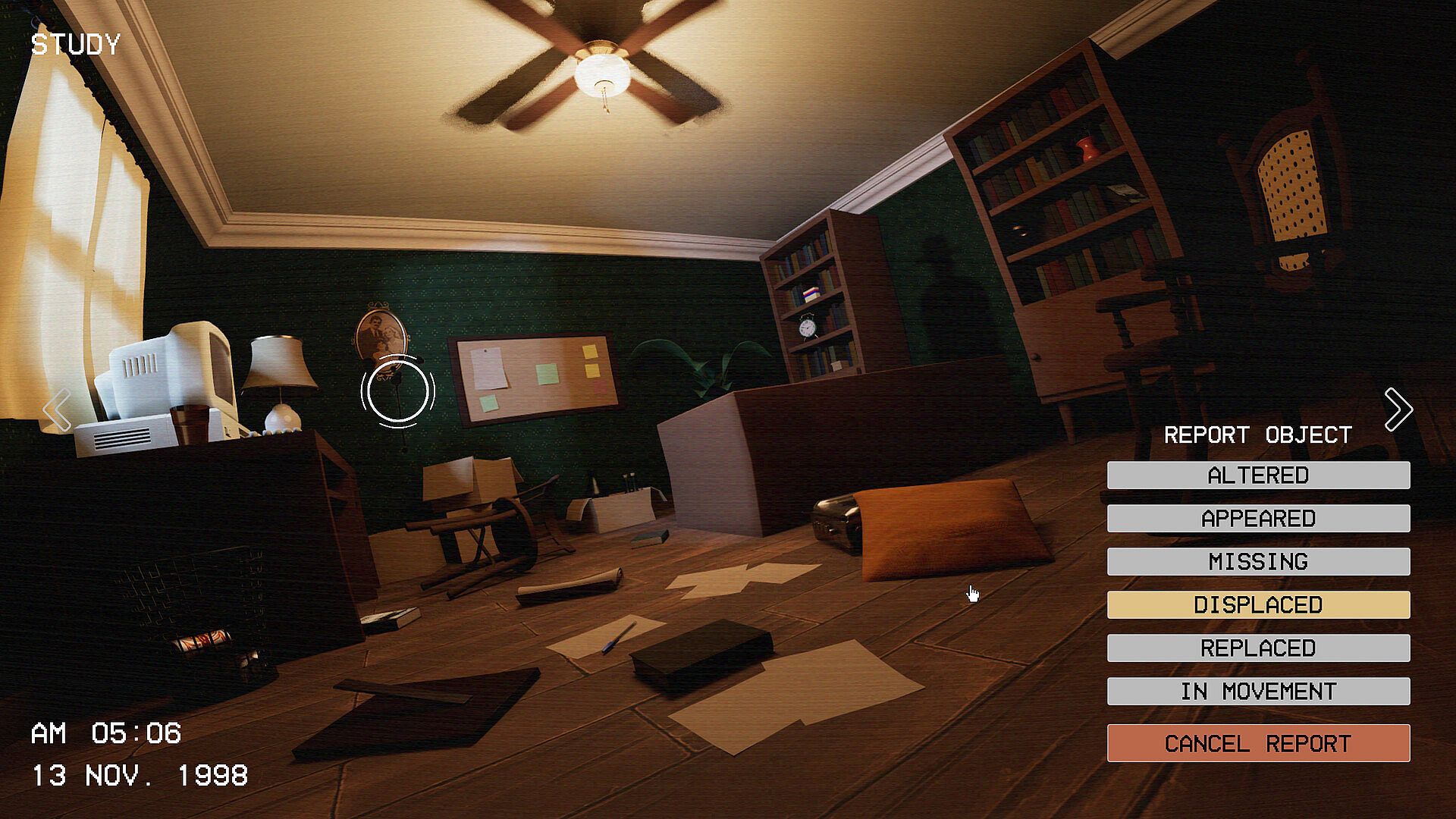
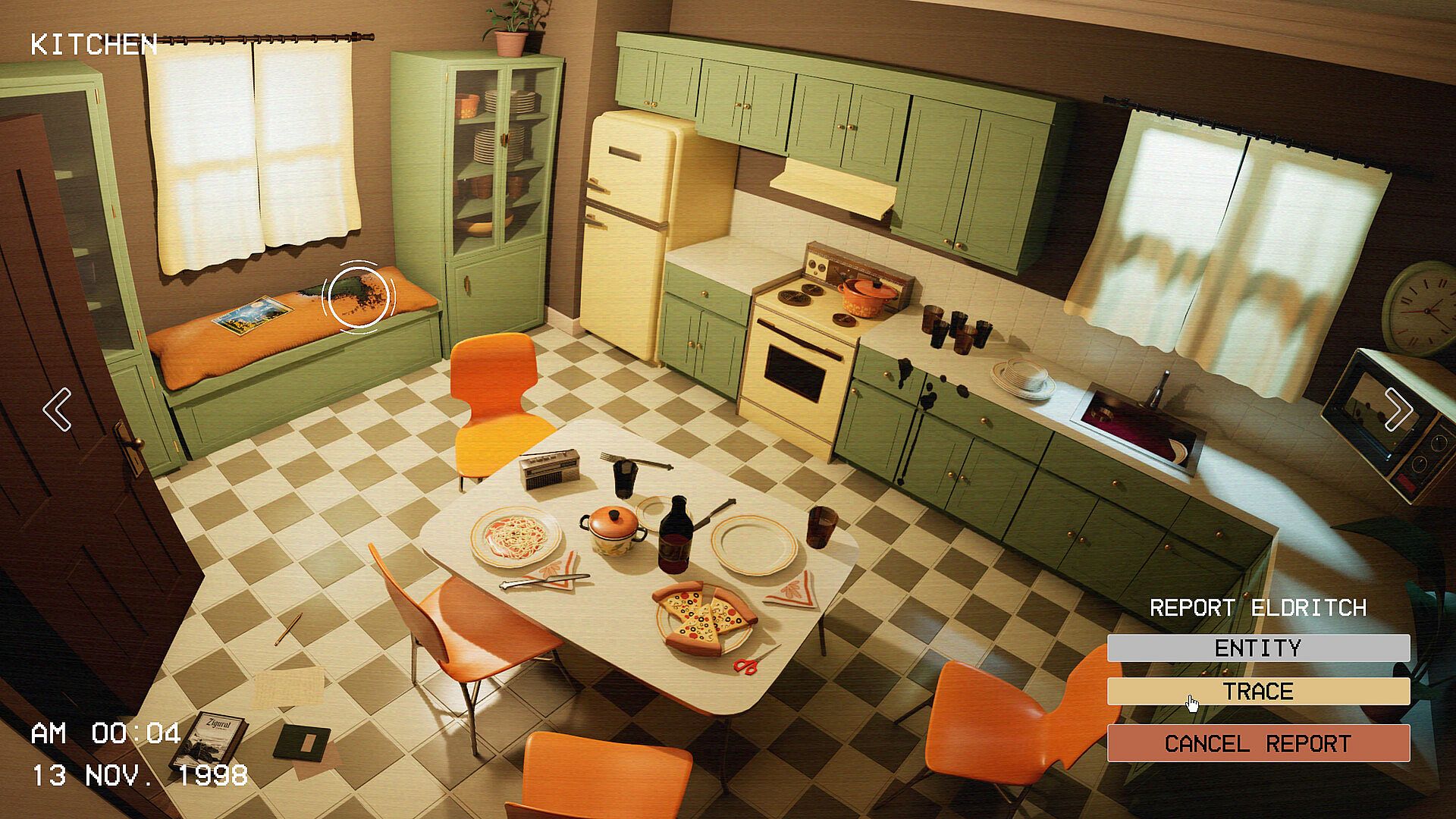
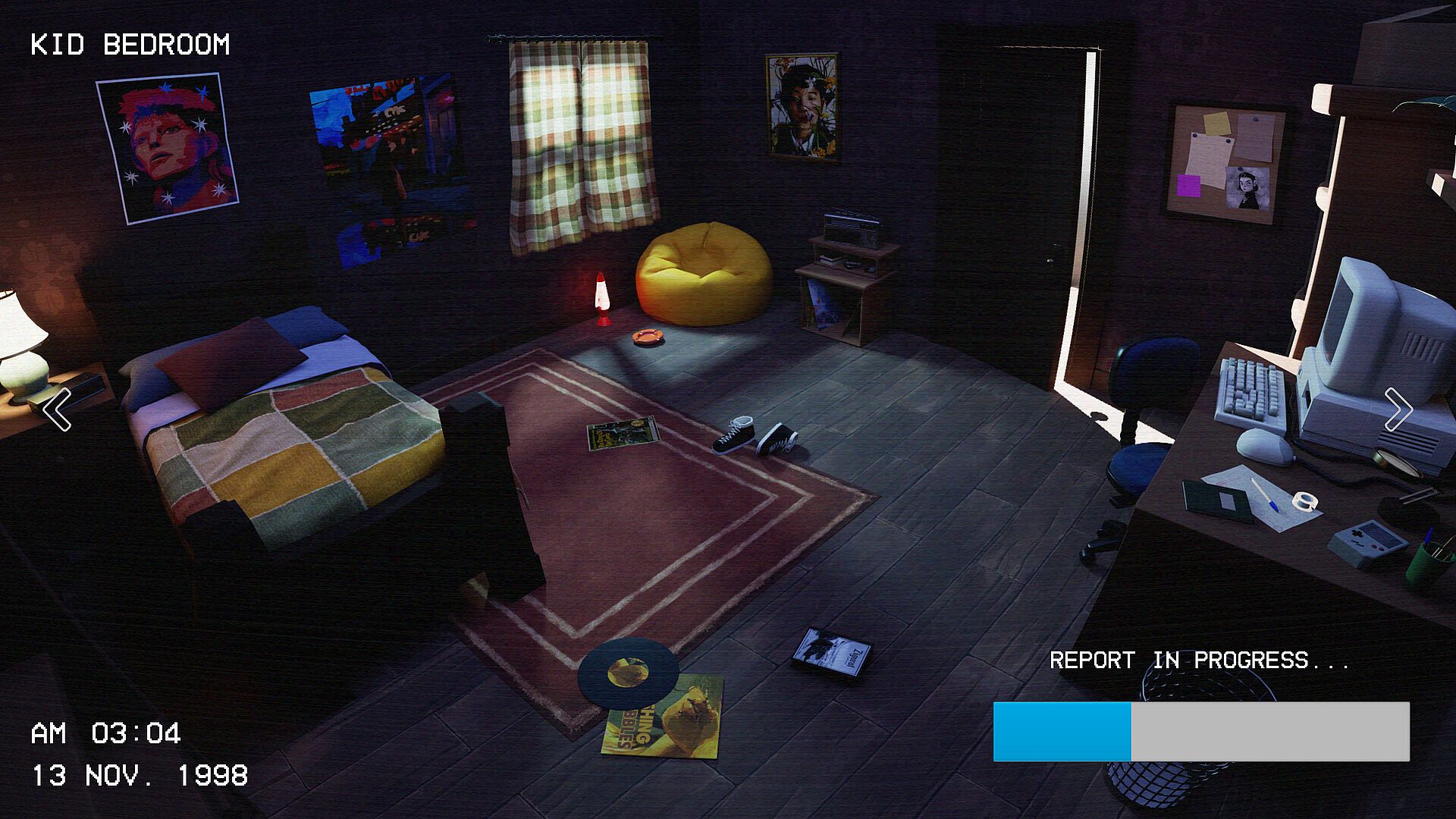
The central loop requires monitoring up to seven rooms at once while tracking subtle changes across the environment. More than 200 distinct anomalies can appear, and players must determine which ones are active in each space to prevent deadly outcomes. Attention to small visual or environmental details becomes essential, as missing a single sign can end a run. The setup creates sustained tension through constant vigilance, with supernatural threats building gradually through the night.
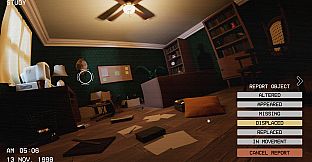
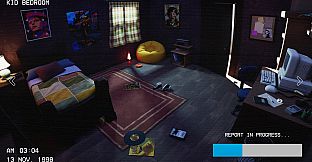
Controls focus on camera switching and anomaly logging rather than movement or direct confrontation. Players scan feeds for irregularities that match known patterns or new variations, building an understanding of how different anomalies interact with the rooms. This observation-based system rewards patience and pattern recognition, suiting those who prefer methodical problem solving over reflexes.
Game Modes
Players can tackle the night alone in a single-player session that tests individual focus and anomaly identification skills. Alternatively, up to eight participants can join in a cooperative team to divide monitoring duties and improve survival chances through shared awareness. The cooperative approach allows roles to emerge naturally, with some members specializing in certain rooms or anomaly types.
A competitive option lets participants face off against one another to record the highest number of correctly identified anomalies while still aiming to reach dawn. This variant introduces direct comparison of observation accuracy and endurance, turning the shared challenge into a contest of precision and staying power.
Key Mechanics
The anomaly system forms the backbone of progression, with each night presenting a fresh combination of the 200-plus possibilities. Success depends on correctly categorizing threats in real time across multiple camera feeds. Room layouts and event timing add layers of complexity, forcing players to prioritize which areas need the most attention as the night advances.
Multiplayer integration supports both collaboration and rivalry without altering the core surveillance focus. Team sessions benefit from communication about observed changes, while competitive rounds highlight individual performance metrics like anomaly counts and survival duration. The design keeps the emphasis on information gathering and threat assessment in all formats.
Is It Worth Playing?
Safe at Dawn targets fans of deliberate, tension-driven horror experiences that center on observation and deduction. Those who enjoy games built around monitoring systems and identifying irregularities will find a focused match in its mechanics. The option for solo play or up to eight-player groups broadens appeal to both independent players and those seeking coordinated or competitive sessions.
As an upcoming title planned for 2026 release, it currently offers no completed player reviews or post-launch updates. Availability centers on the PC platform with features including online co-op, online PvP, achievements, and family sharing. The game suits individuals drawn to casual indie horror that prioritizes sustained attention and anomaly detection over action sequences or narrative depth. Prospective players can follow its development through official channels to assess fit once more details emerge.