












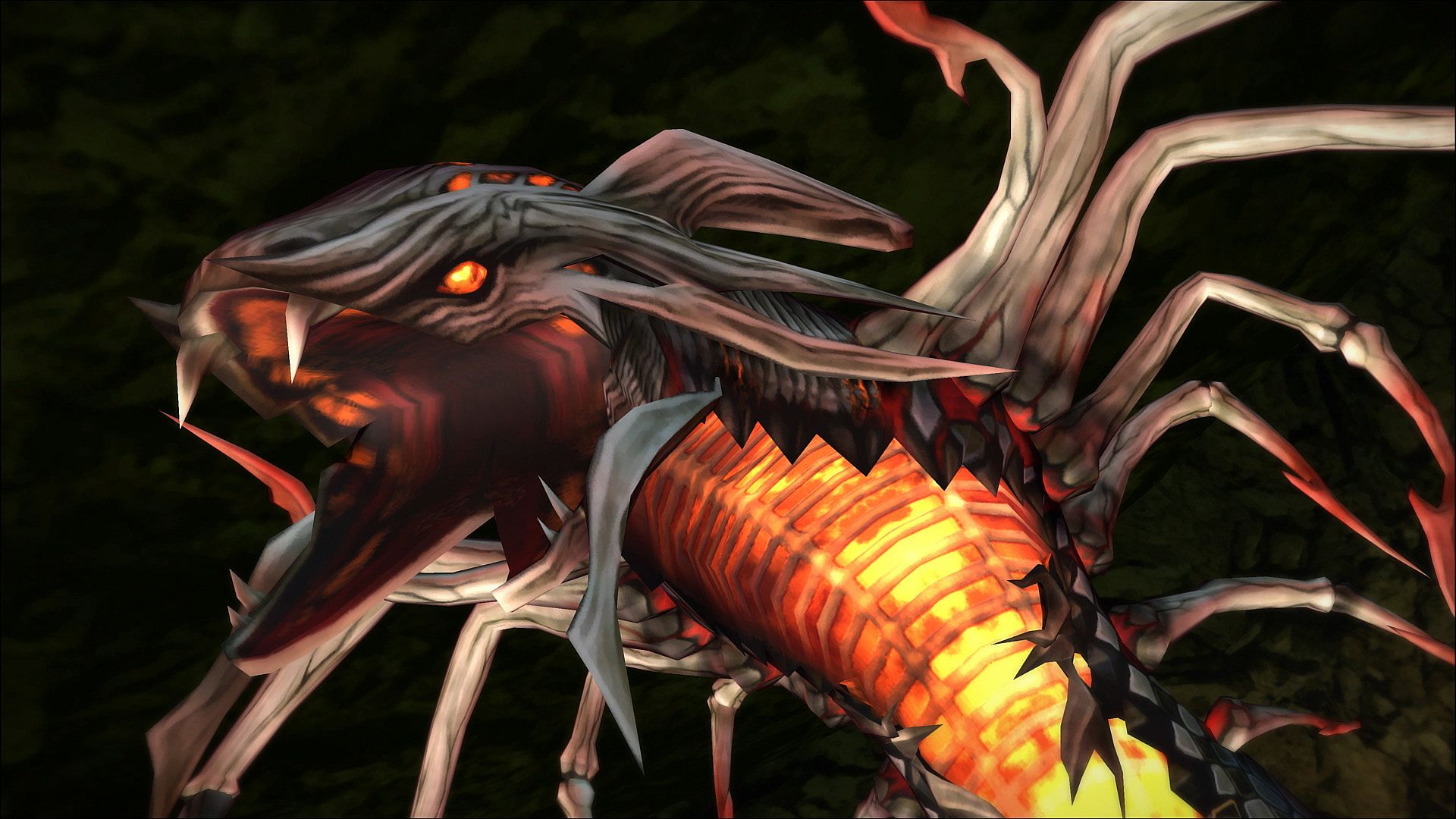
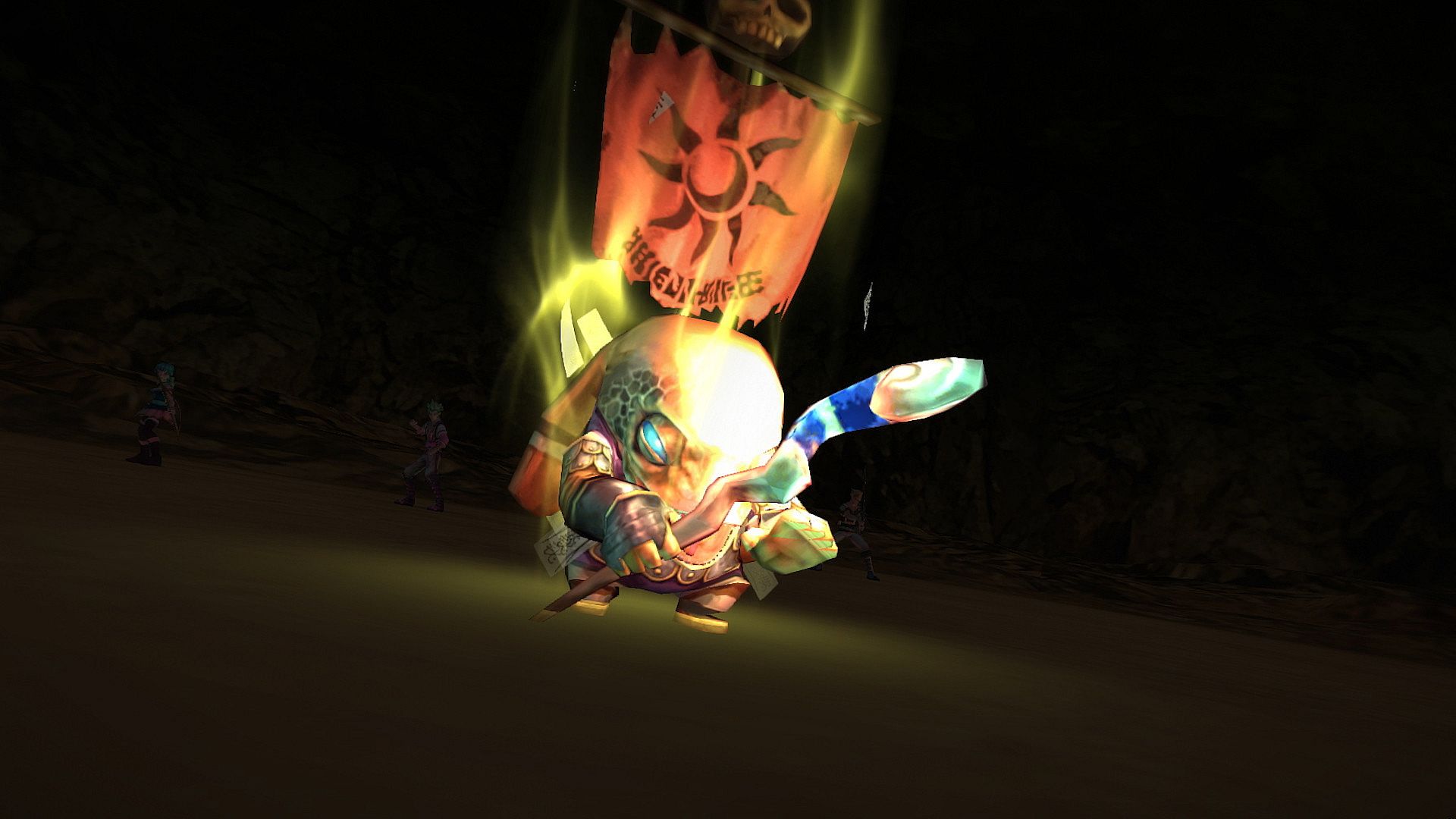
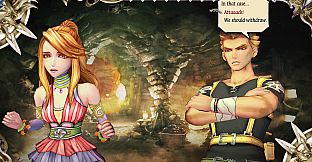
SaGa SCARLET GRACE: AMBITIONS is a single-player RPG set in a world recovering from the defeat of the Firebringer, a fallen god whose long conflict with humanity left an empire without direction and sparked widespread rebellion. Players follow one of four protagonists Urpina, Taria, Balmaint, or Leonard as they navigate the aftermath and pursue their own paths forward. The game emphasizes freedom through a nonlinear structure where events on the world map can be approached in any sequence or bypassed altogether, with completed events shaping subsequent developments and the overall narrative direction.
Gameplay
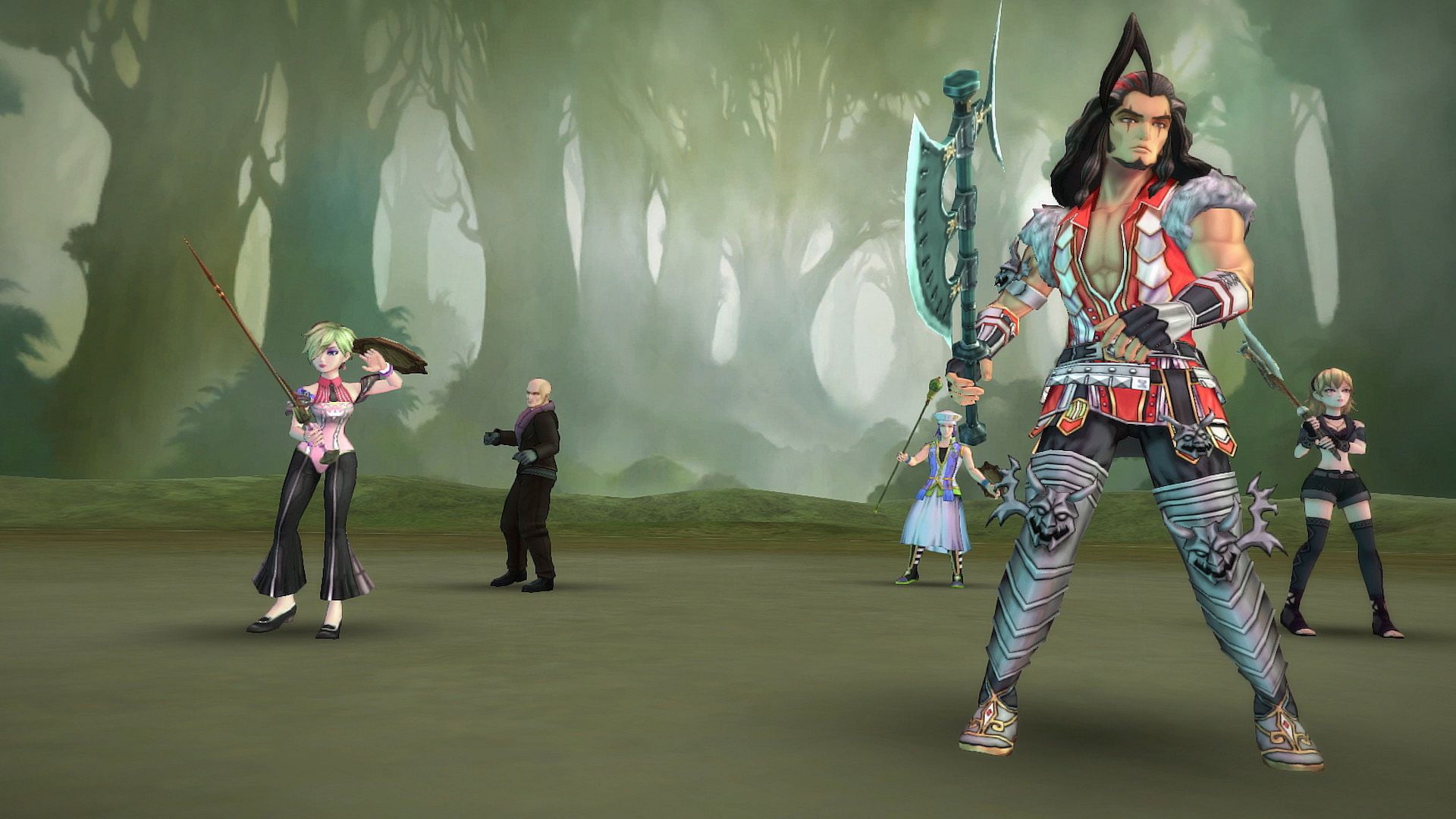
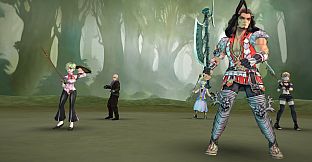
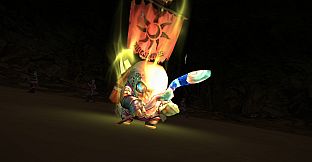
Core gameplay revolves around exploration of a world map filled with events that range from story encounters to combat encounters. Decisions about which events to pursue directly influence character development and story branches. Party building forms a central pillar, with players assembling a group of up to five fighters whose composition determines available abilities and tactical options in battle. Nine weapon varieties provide distinct attributes that influence attack effectiveness against different enemy types and alter how characters perform in combat.
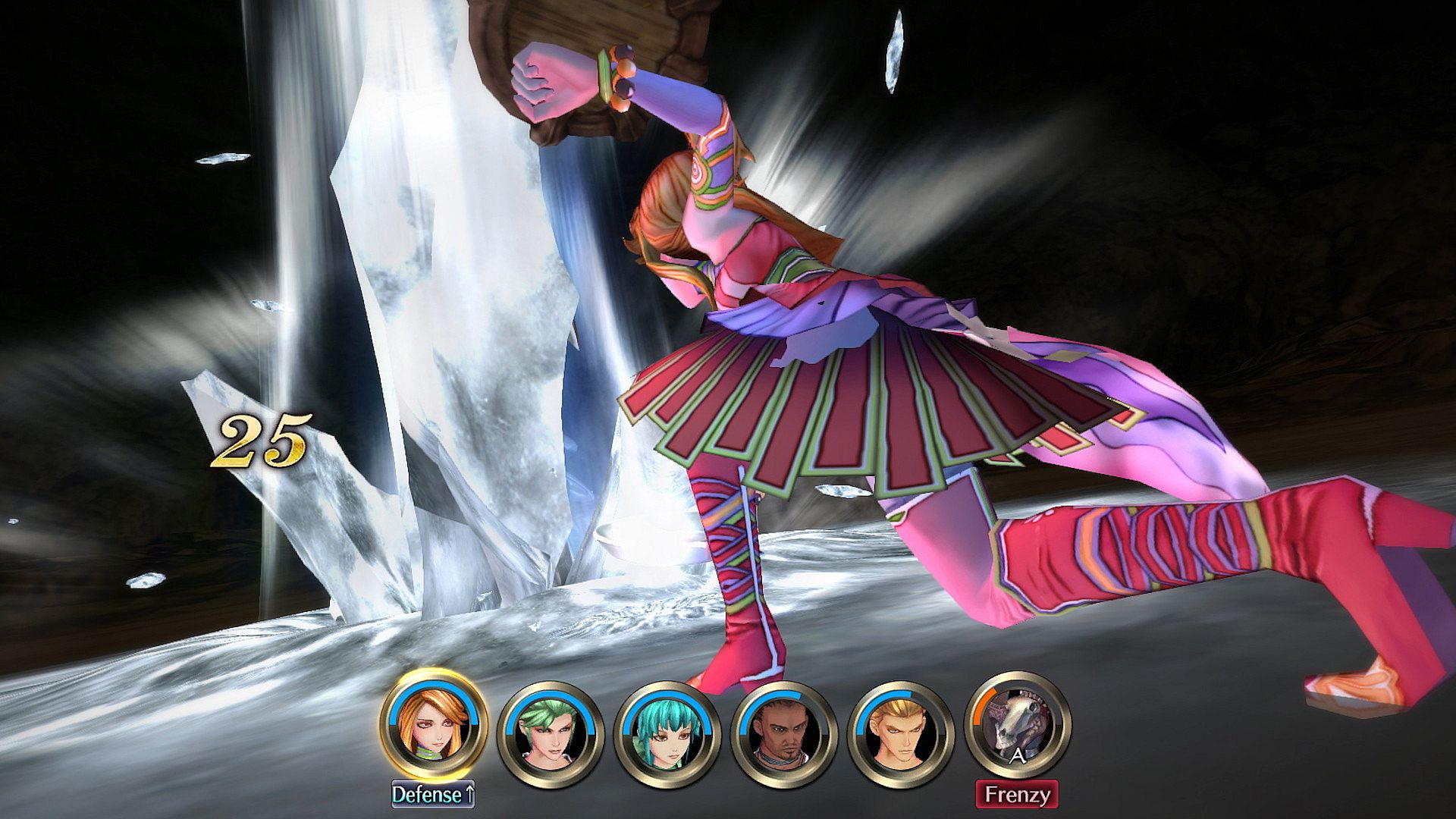
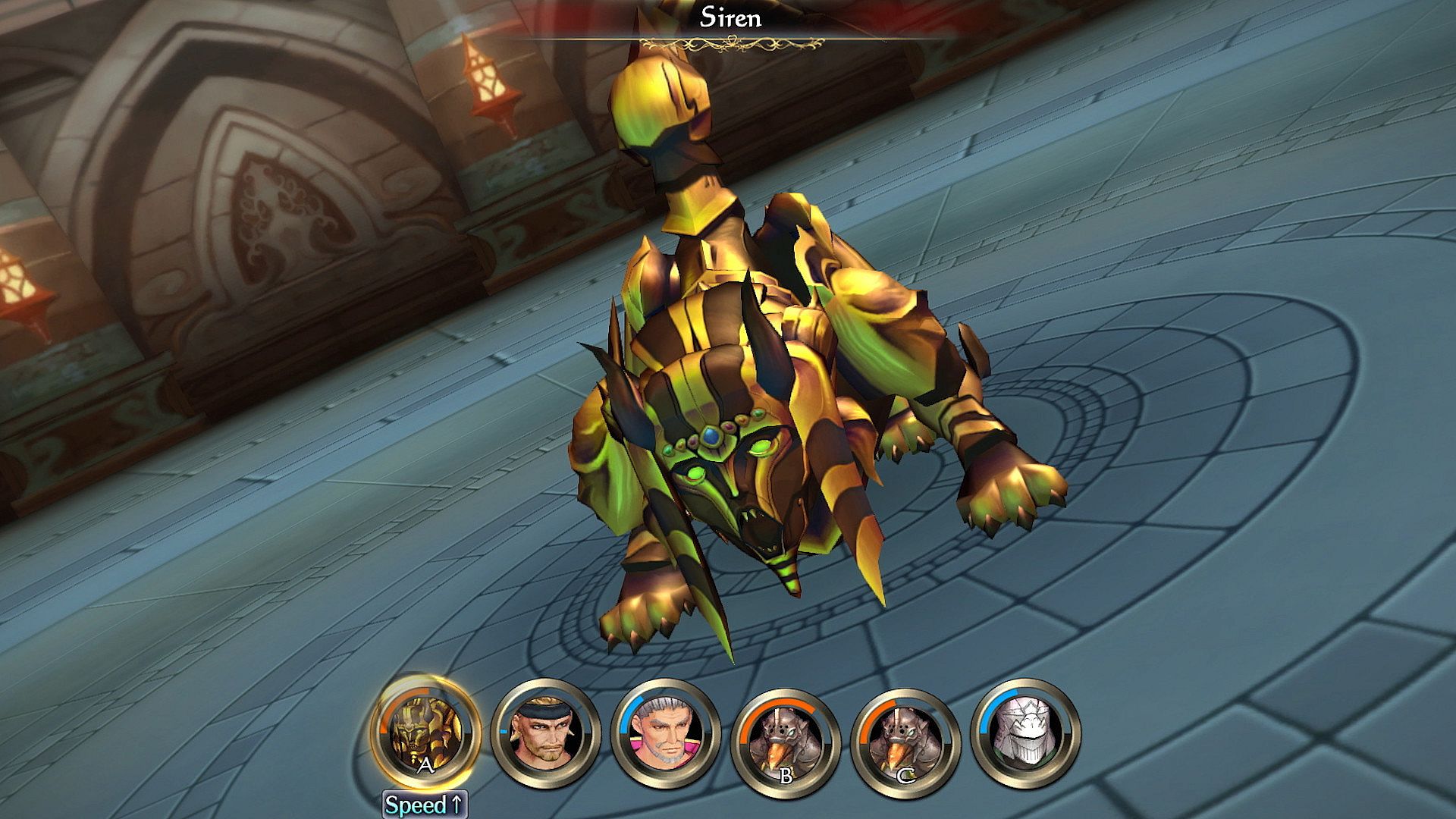
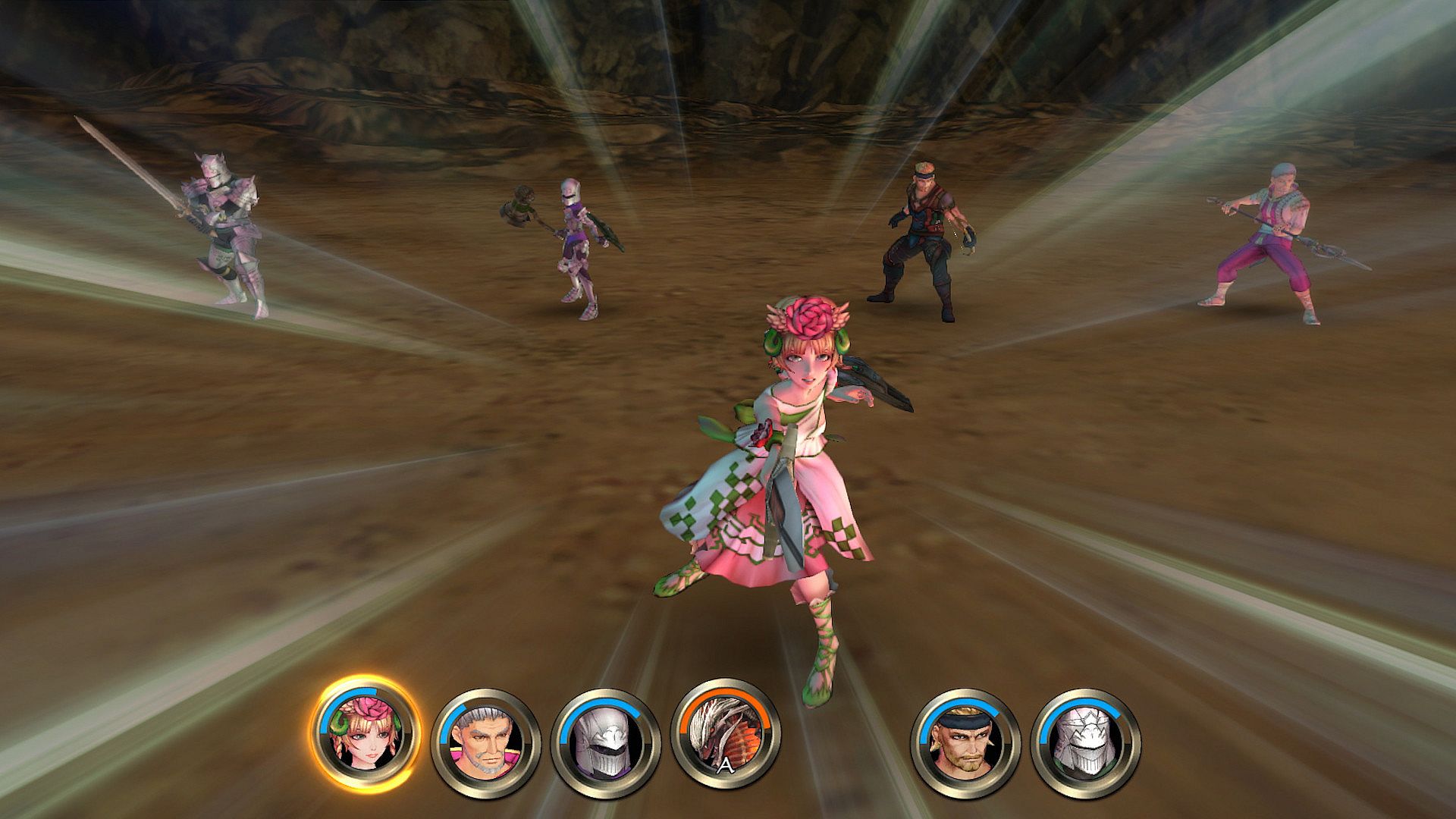
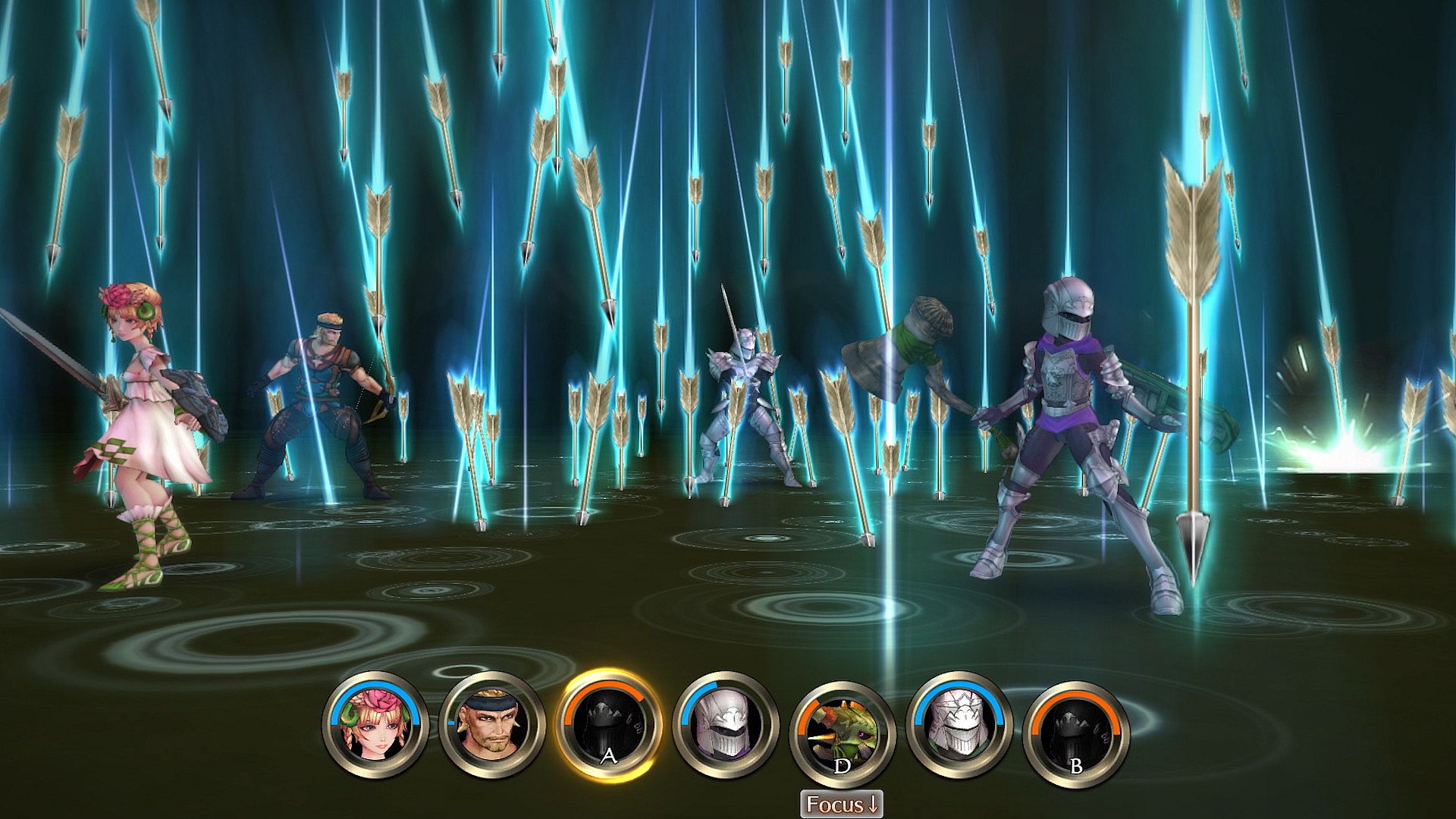
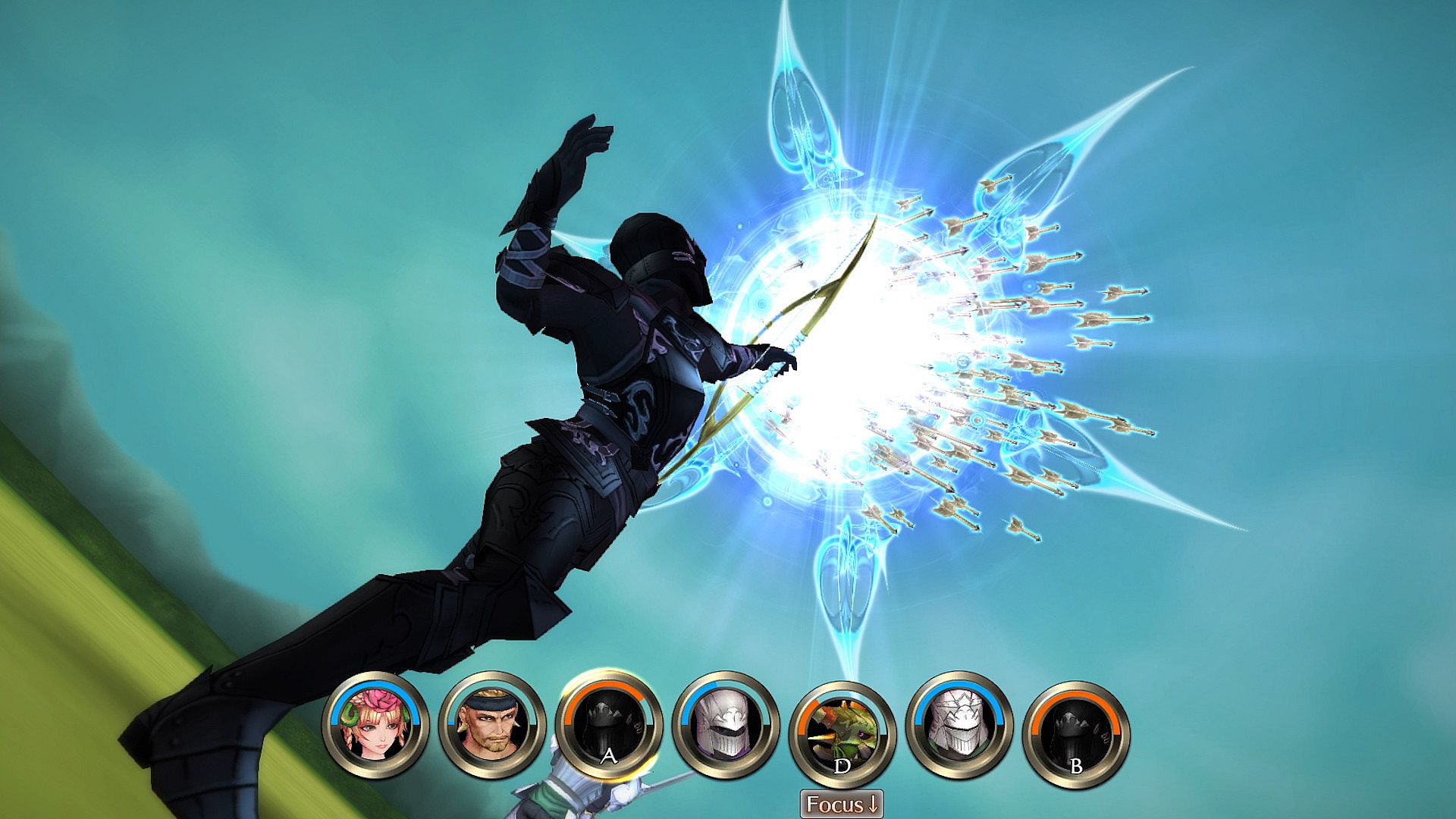
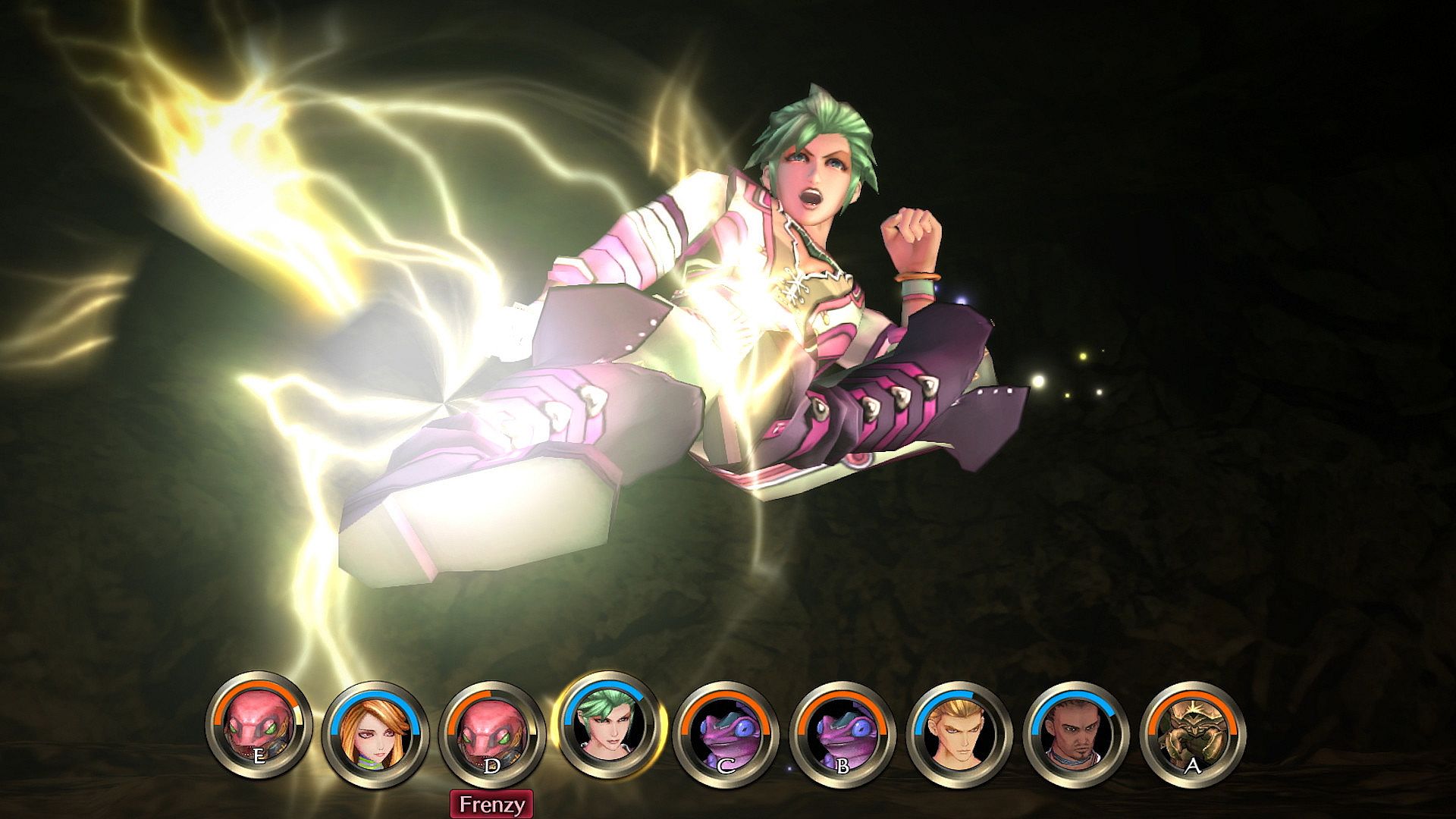
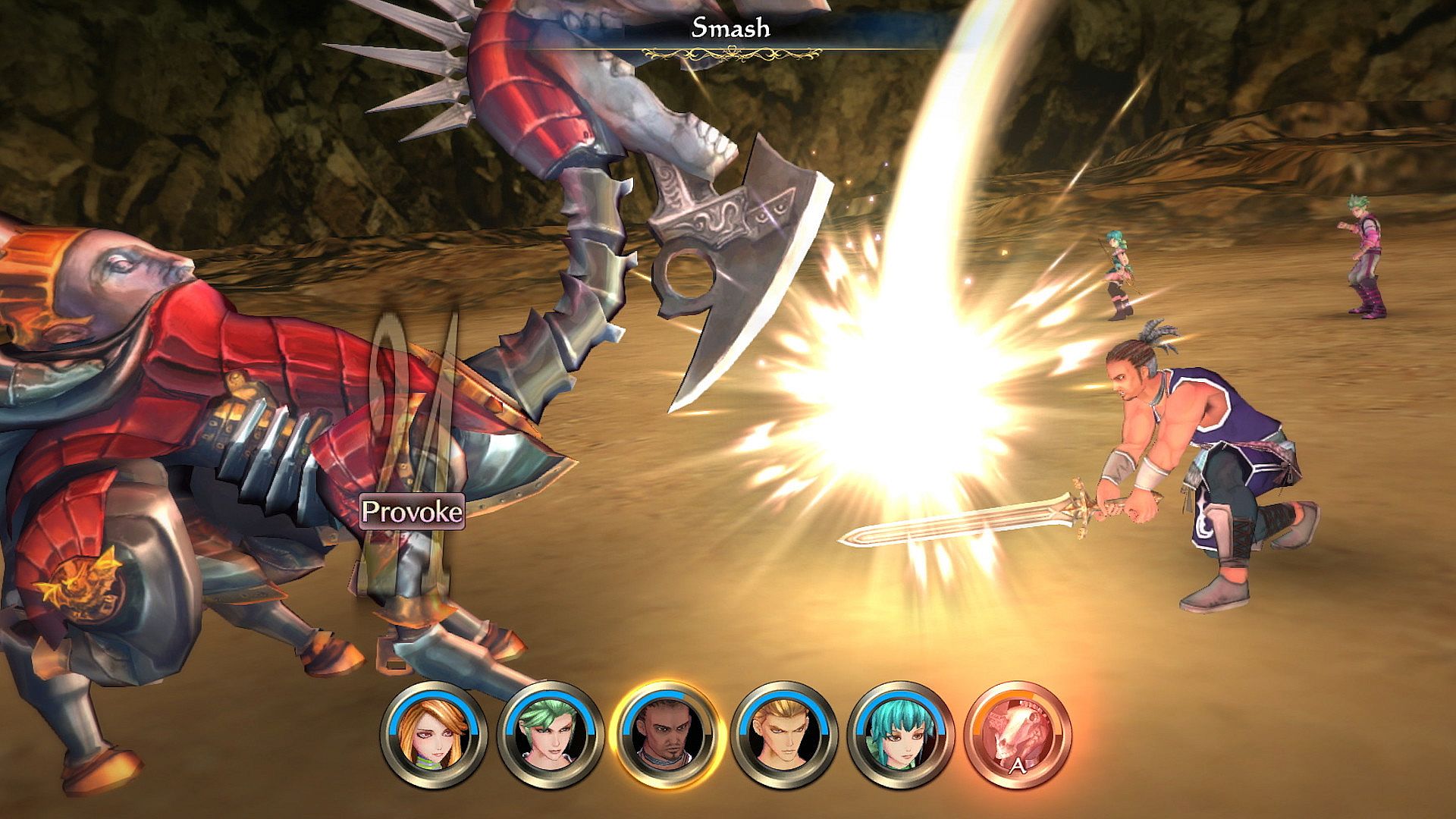
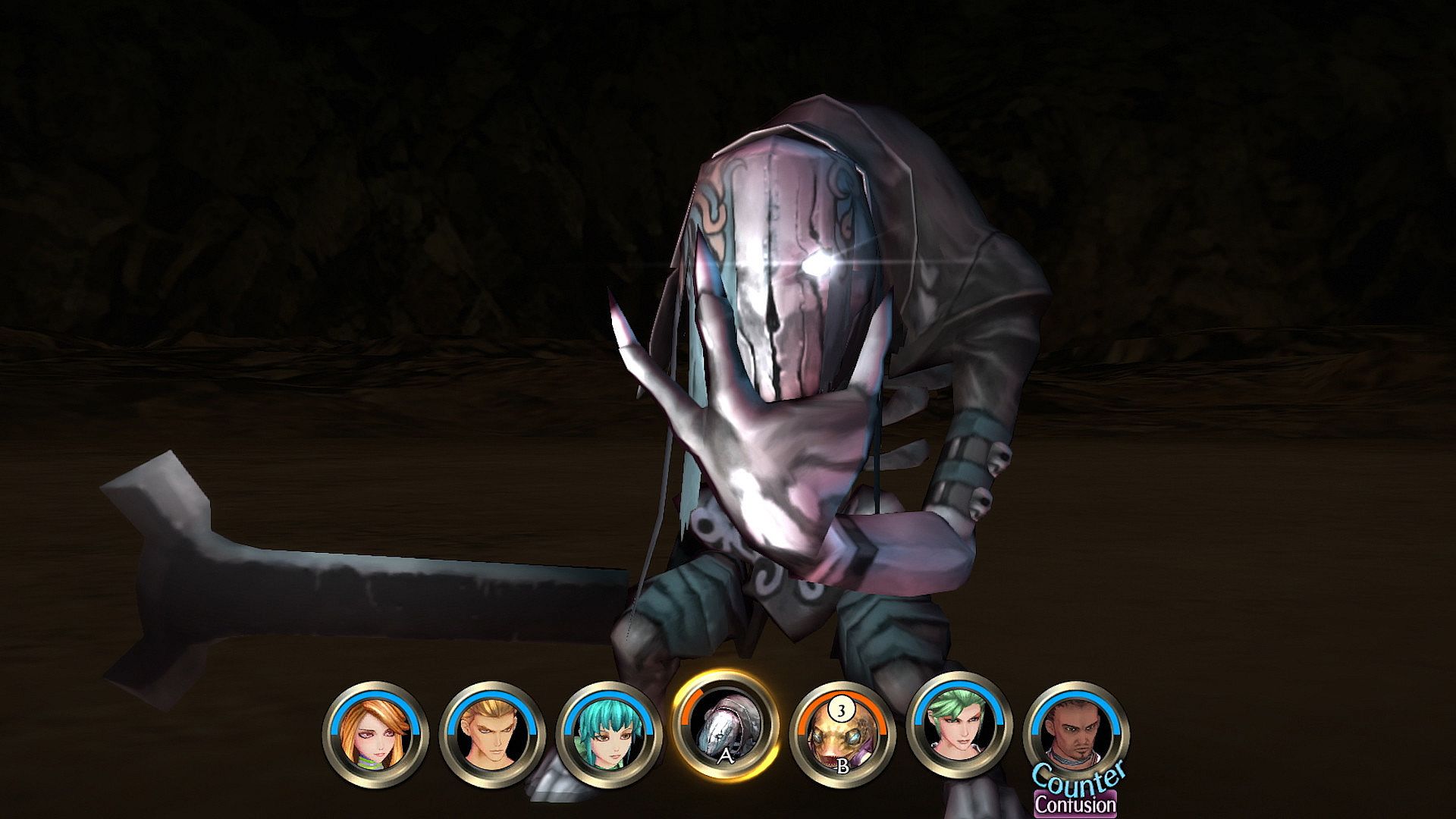
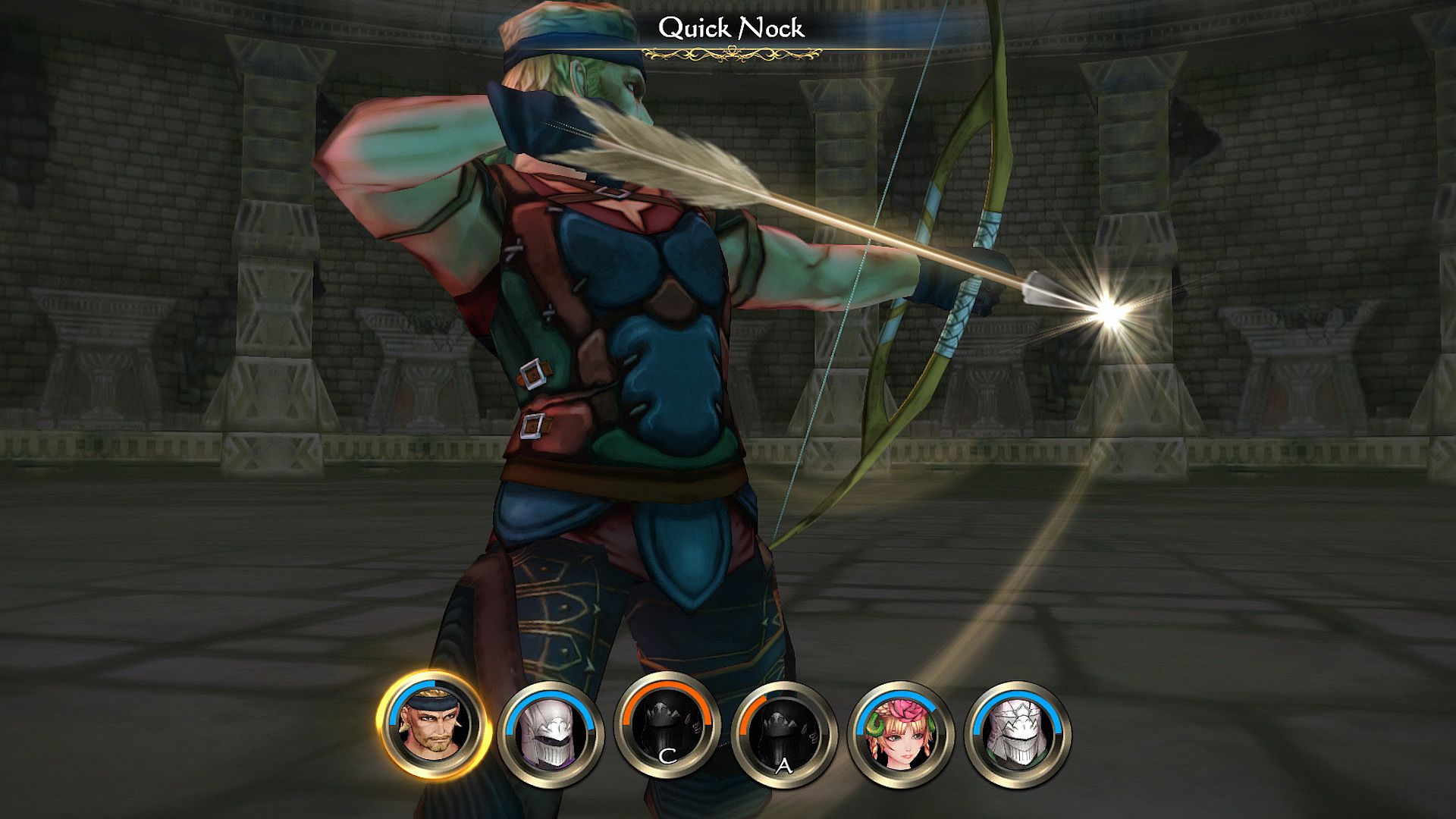
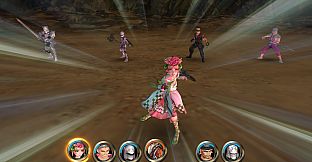
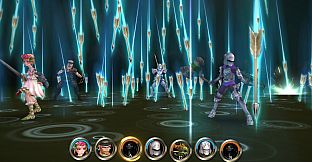
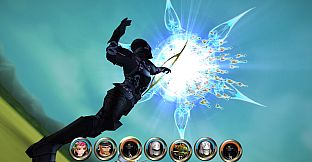
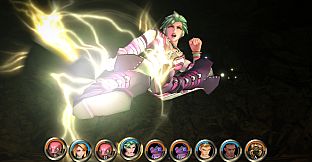
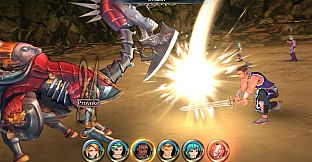
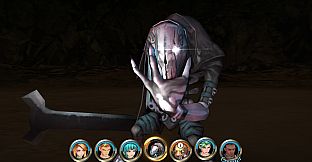
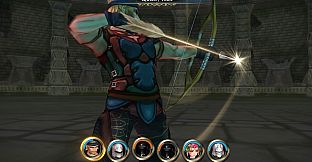
Combat follows a turn-based system that incorporates Battle Points displayed as stars. The number of available points limits or expands the actions a character can take each turn, and unused characters may skip their opportunity. Formations further modify party performance by affecting positioning and ability access. Skill progression ties directly to actions selected during fights, encouraging experimentation with different weapons and strategies to build specialized fighters. This setup rewards careful planning around party synergy and resource management rather than straightforward leveling.
Game Modes
The game structures its content around four distinct scenarios, each centered on one of the main protagonists. These scenarios function as separate entry points into the shared world, allowing players to experience different perspectives on the empire's collapse and the Firebringer's legacy. Within each scenario, the nonlinear event system serves as the primary mode of progression, where players decide the order and selection of map events. Skipping events or completing them in varied sequences alters available story threads and character interactions without locking players into a single linear path.
No additional multiplayer or alternate modes exist. All content remains single-player focused, with the emphasis placed on replaying through different protagonist choices to uncover varied narrative outcomes and party configurations.
Story and Player Choices
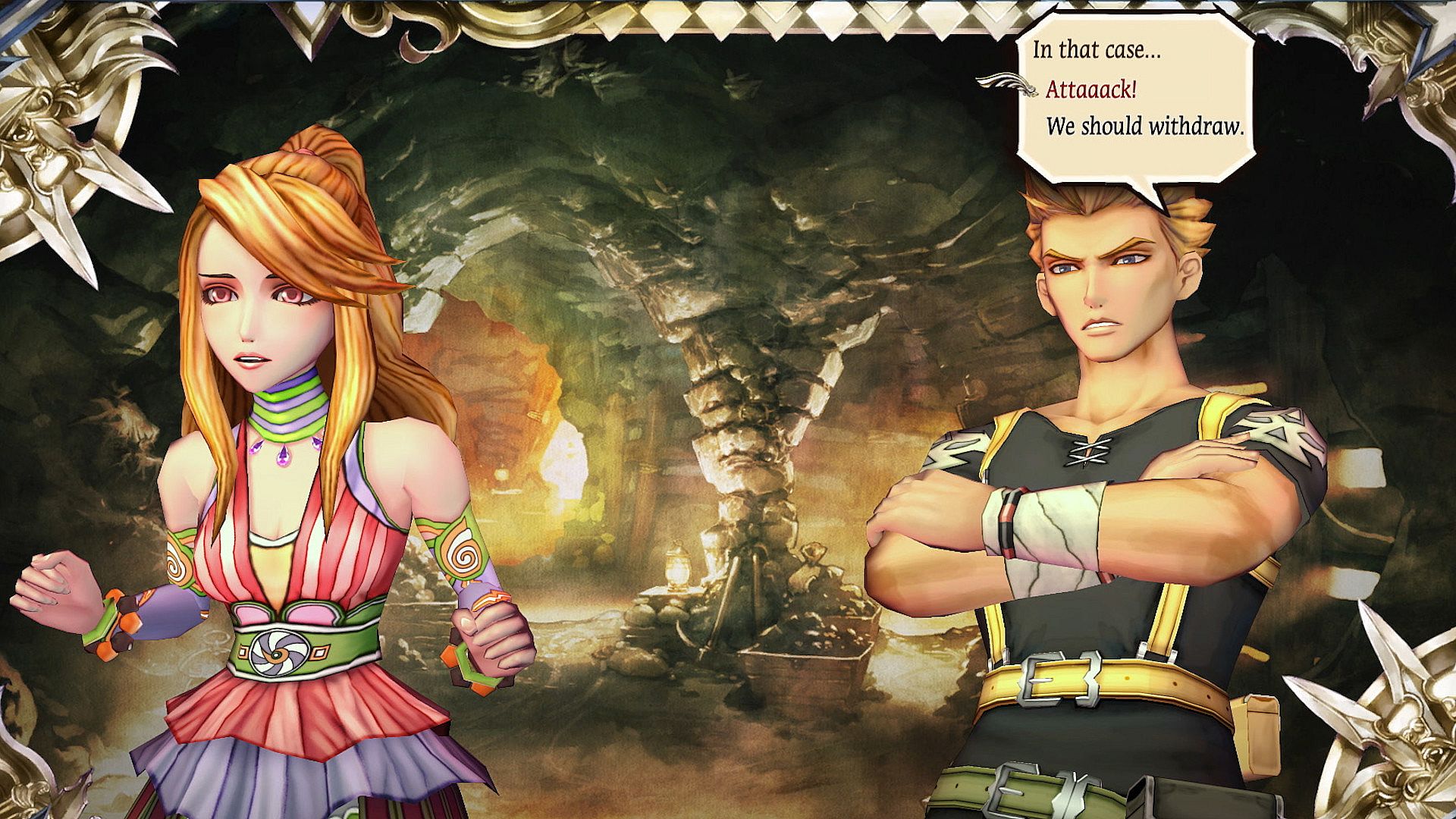
The background centers on the Firebringer's exile and eventual defeat after a thousand years of conflict that defined the empire's existence. Once victory arrives, the empire fragments into rebellion as its unifying purpose vanishes. Each protagonist brings a unique motivation to this setting, and player decisions about event participation determine how these motivations intersect with the broader world state. The system avoids traditional quest markers in favor of free-form selection, making the story emerge from accumulated choices rather than a fixed sequence.
Is It Worth Playing?
Steam user reviews rate the game Mostly Positive, with 77 percent of 272 reviews favorable. Players frequently highlight the strategic depth of the turn-based combat system and the satisfaction of shaping a personal narrative through event selection. The experience suits those who prefer deliberate party customization, formation tactics, and replaying scenarios to explore different outcomes over guided storytelling or open-ended grinding.
Those drawn to conventional RPG structures with clear quest logs or extensive side content may find the event-driven approach less immediately accessible. The title remains a complete, self-contained release without ongoing seasonal updates or additional content cycles. It delivers its strongest value to players comfortable with its emphasis on combat mastery and branching choices within a compact single-player framework.