


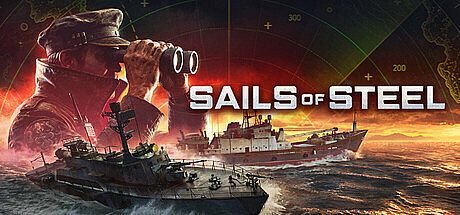



Sails of Steel is a single-player tactical naval action game that blends strategy, simulation, and adventure elements on PC. Set in a fractured near-future Southeast Asia, players take on the role of an independent captain commanding a refitted Cold War-era vessel through contested waters where magnetic instability disrupts navigation and shifting alliances create constant opportunities and risks.
Gameplay
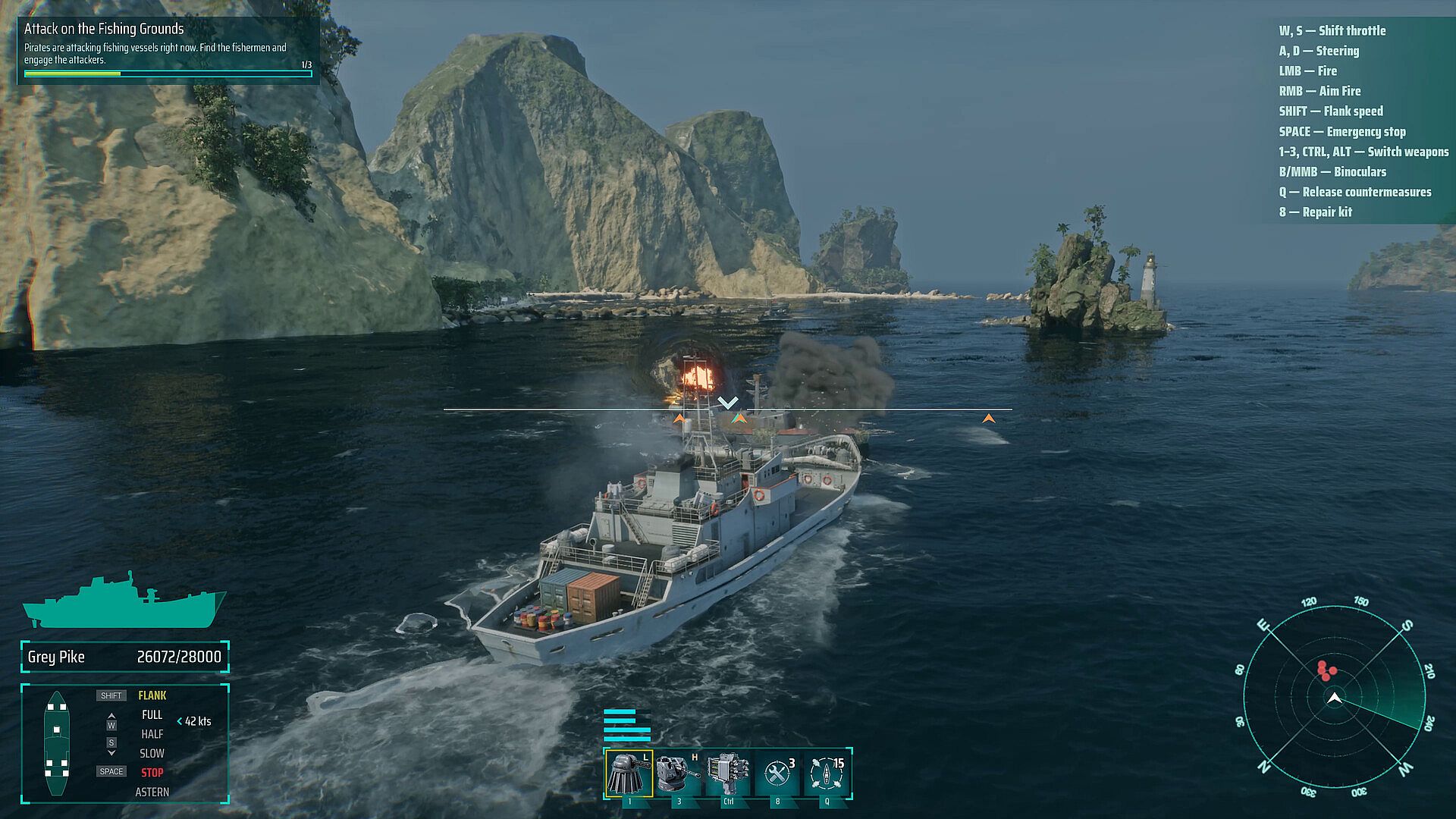
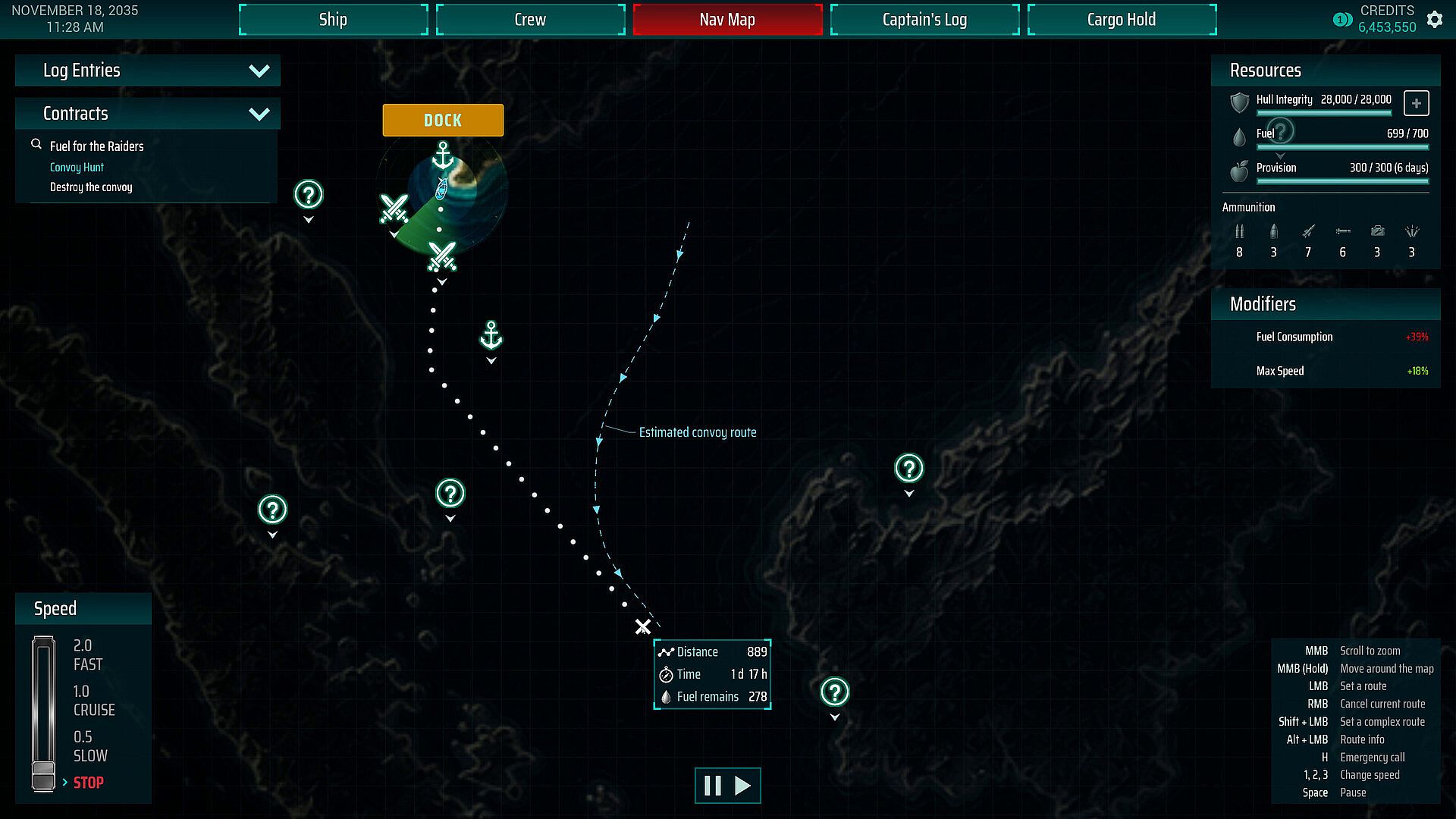
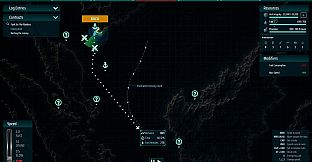
The core loop centers on tracking targets across a partially known map, planning intercepts, and engaging in direct ship control during combat. Radar contacts highlight convoys, patrols, and hazards while fuel and supplies constrain exploration range. Success hinges on route selection, timing, and preparation as much as firepower.
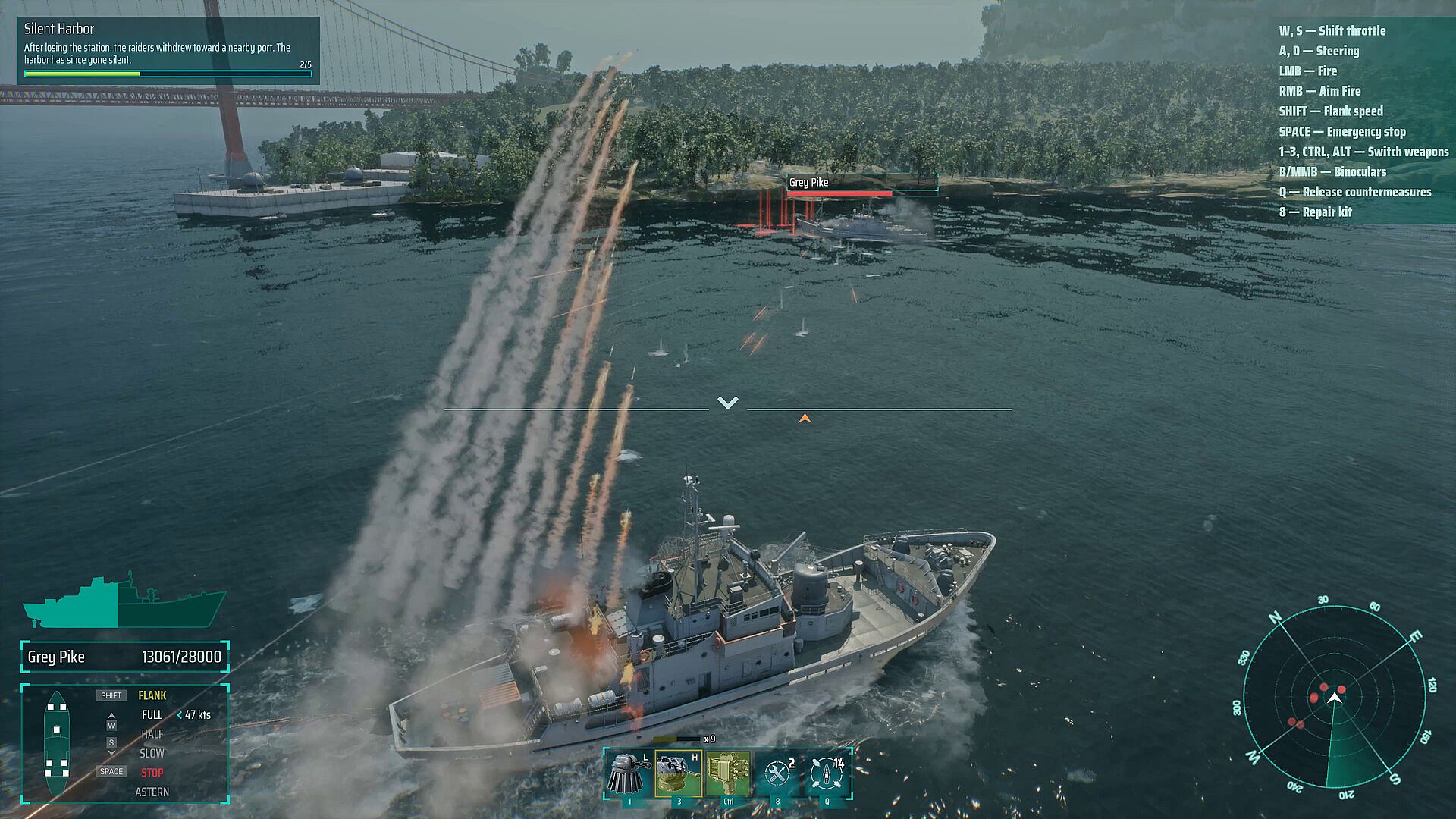
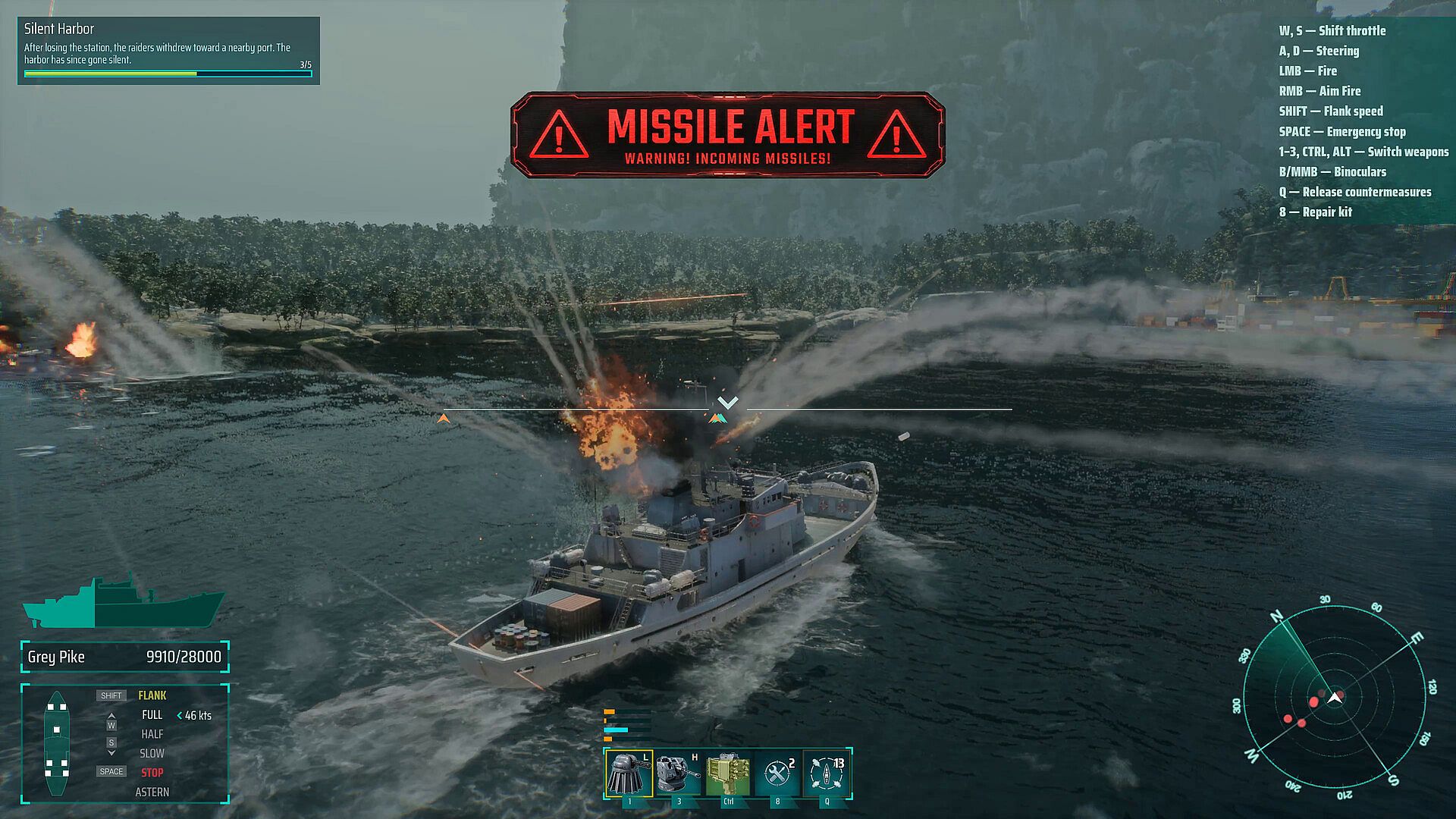
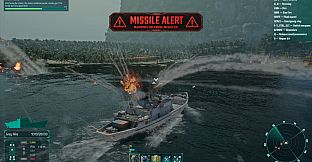
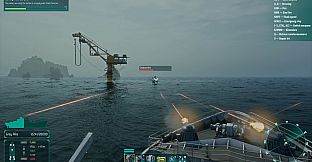
Combat emphasizes maneuver and positioning over raw power. Players adjust speed and heading to align artillery, autocannons, missiles, and torpedoes, each serving a specialized tactical purpose. Countermeasures and threat assessment determine survival in fast-paced exchanges.
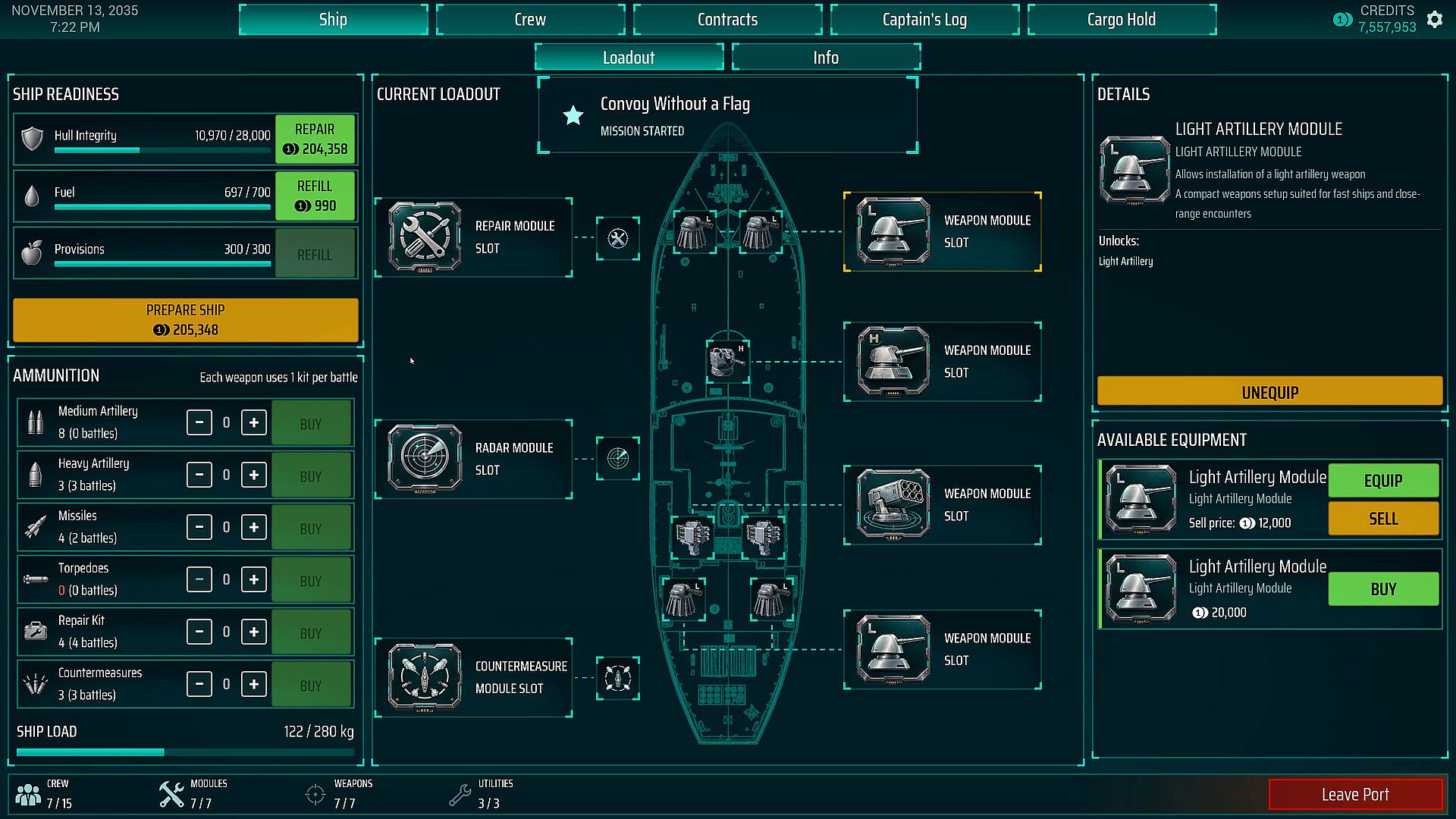
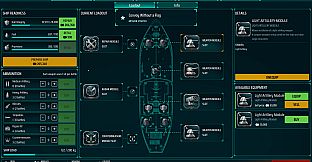
Crew composition directly shapes capabilities. Officers provide expertise that unlocks modules, which in turn dictate available weapons and systems. Swapping personnel alters the ship's strengths without requiring full refits.
Post-battle management adds weight to every decision. Hull repairs, ammunition replenishment, crew injuries, and ongoing costs must be addressed in port through recruitment, trading, and upgrades. A tactically sound engagement can still leave the vessel and finances strained for the next assignment.
Game Modes
Sails of Steel operates entirely as a single-player experience with no multiplayer components. Contracts form the primary structure, ranging from convoy hunts and escorts to deniable operations sponsored by governments, corporations, or syndicates. Faction standing evolves based on choices made, opening or closing future opportunities in contested regions.
Exploration and interception tasks unfold across tropical archipelagos, industrial ports, and storm-affected lanes. Resource limits and dynamic hazards force adaptive planning within each assignment rather than fixed level structures.
Setting and Factions
The world reflects a near-future Southeast Asia where old alliances have fractured and regional powers struggle to maintain sea control. Independent captains operate in the grey zone, accepting work that sponsors prefer to keep unofficial. Standing with competing groups influences available jobs and port access, creating meaningful consequences without a single correct path.
Refitted hulls carry modern systems suited to deniable operations. Reputation built through consistent performance affects the quality and frequency of contracts encountered.
Is It Worth Playing?
Sails of Steel suits players who enjoy deliberate tactical naval combat combined with crew and resource management in a single-player format. The emphasis on positioning, weapon roles, and post-mission sustainability rewards careful planning and adaptation over arcade-style action.
Those drawn to strategy and simulation layers within an adventure framework will find depth in how crew changes and contract outcomes shape long-term progression. The absence of multiplayer keeps focus on solo decision-making and reputation building.
Development remains in pre-production, so the full scope of systems and content will clarify closer to release. Players seeking a grounded naval experience with meaningful choices should monitor updates for confirmation of scope and polish.











