




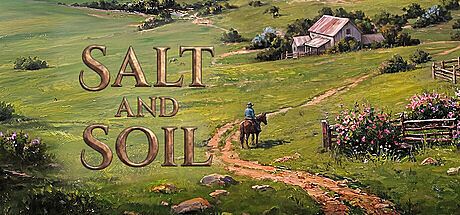


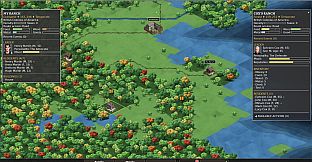
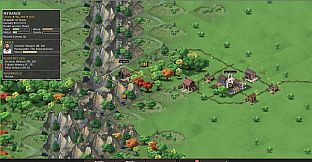
Salt and Soil is a strategy RPG simulation game set on the American frontier between 1609 and 1900. Players guide one family across generations as they establish a homestead, manage limited resources, and navigate the pressures of survival and expansion. The experience centers on turning a basic plot of land into a lasting ranch while tracking how individual family members evolve through births, marriages, conflicts, and deaths.
Gameplay
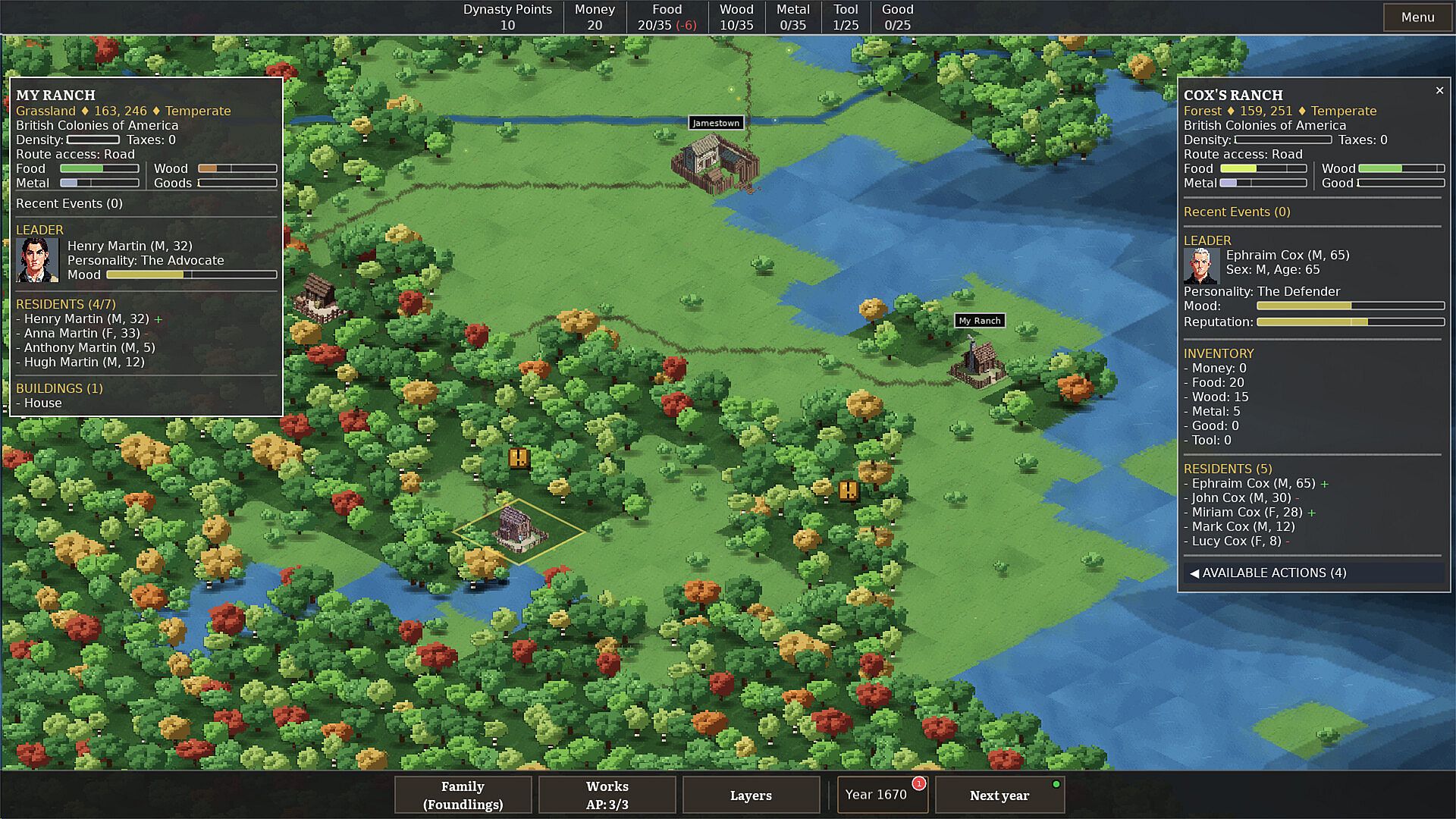
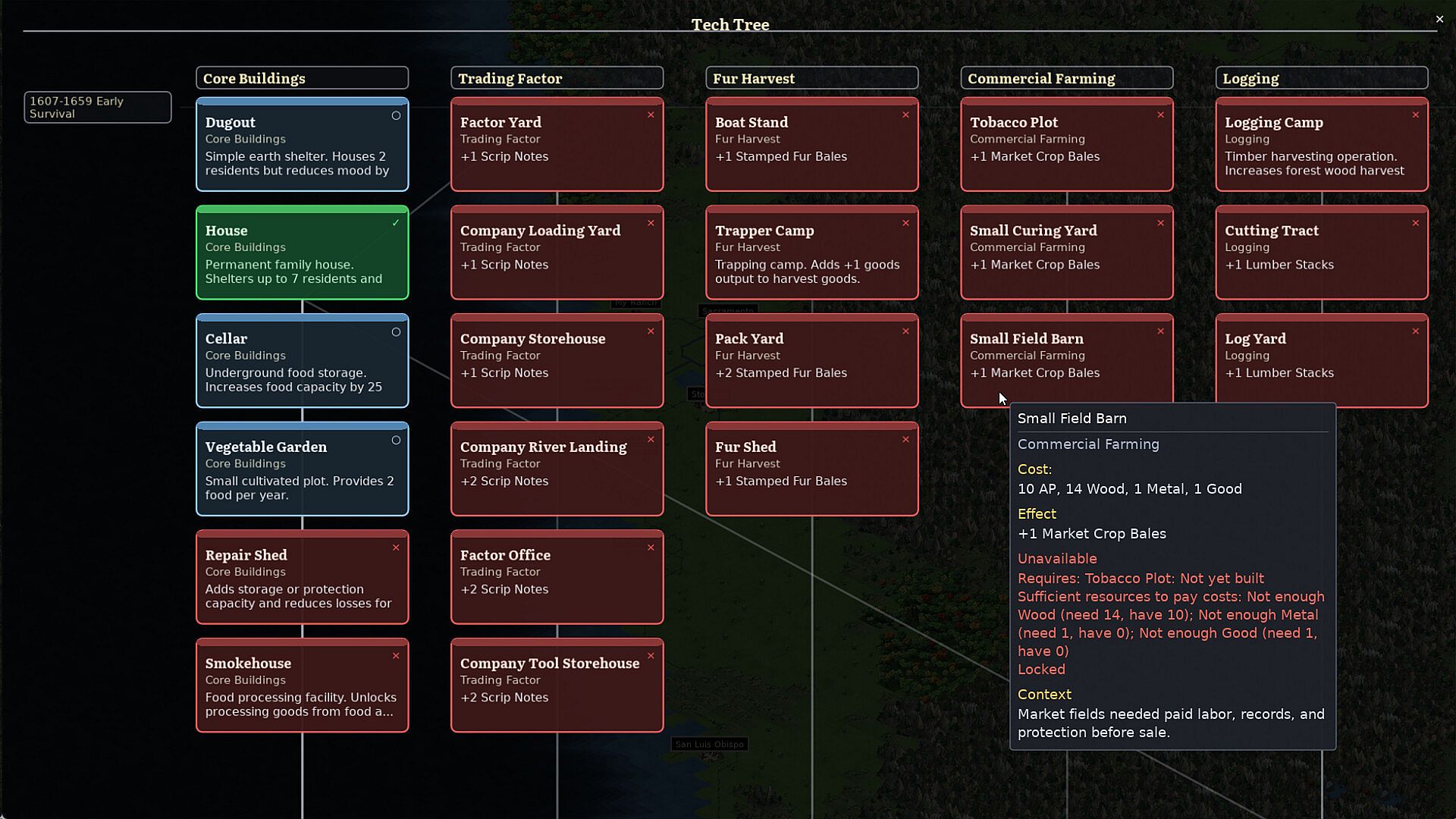
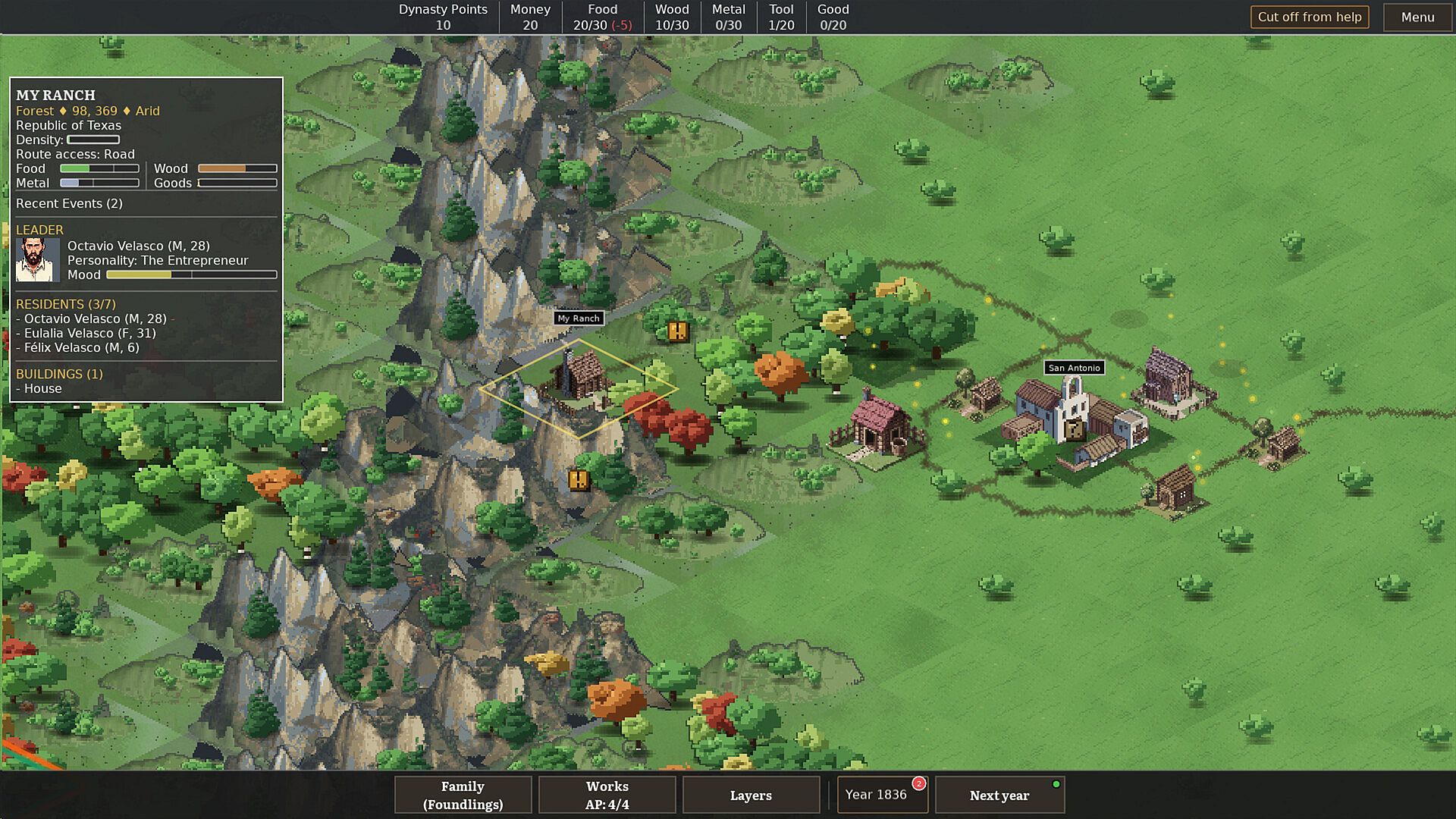
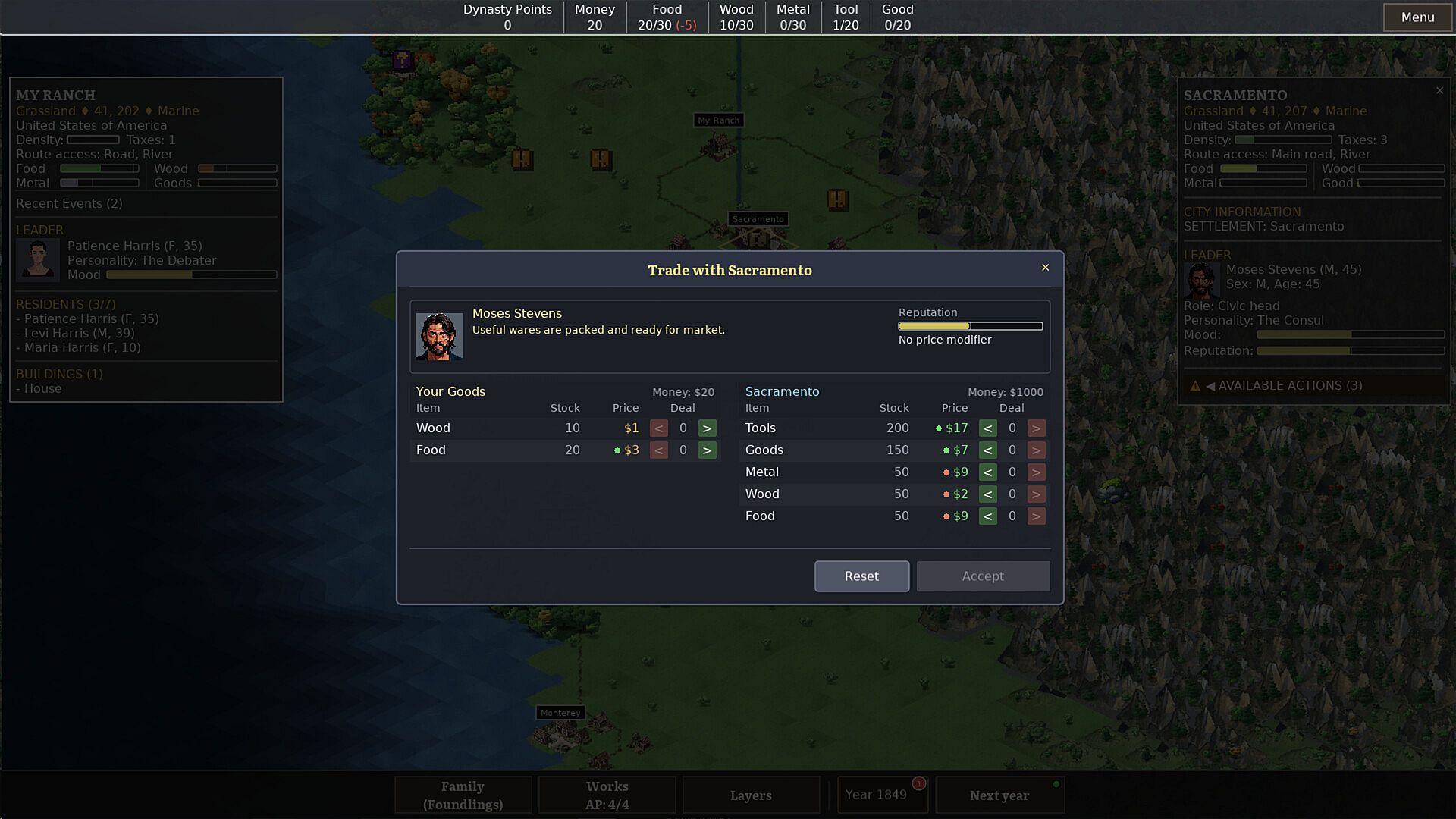
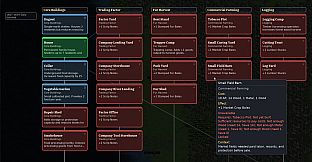
Core play revolves around yearly cycles of planning and execution. Each season requires balancing food production, livestock care, building construction, tool maintenance, and trade opportunities against available labor and supplies. Decisions about what to grow, sell, or expand carry forward, sometimes forcing tough choices such as selling animals or sending a child away during lean periods. The roguelite structure means every attempt starts fresh, yet consequences from prior runs shape the next family line through inherited traits and lingering grudges.
Family members function as distinct individuals rather than interchangeable units. They develop moods, ambitions, and relationships that influence how effectively they contribute to the homestead. Marriages, rivalries, and generational handovers add layers of strategy, as the next head of household inherits both assets and unresolved tensions. External events like market fluctuations, migrations, or shifting borders periodically affect the ranch, requiring adaptation in production and diplomacy.
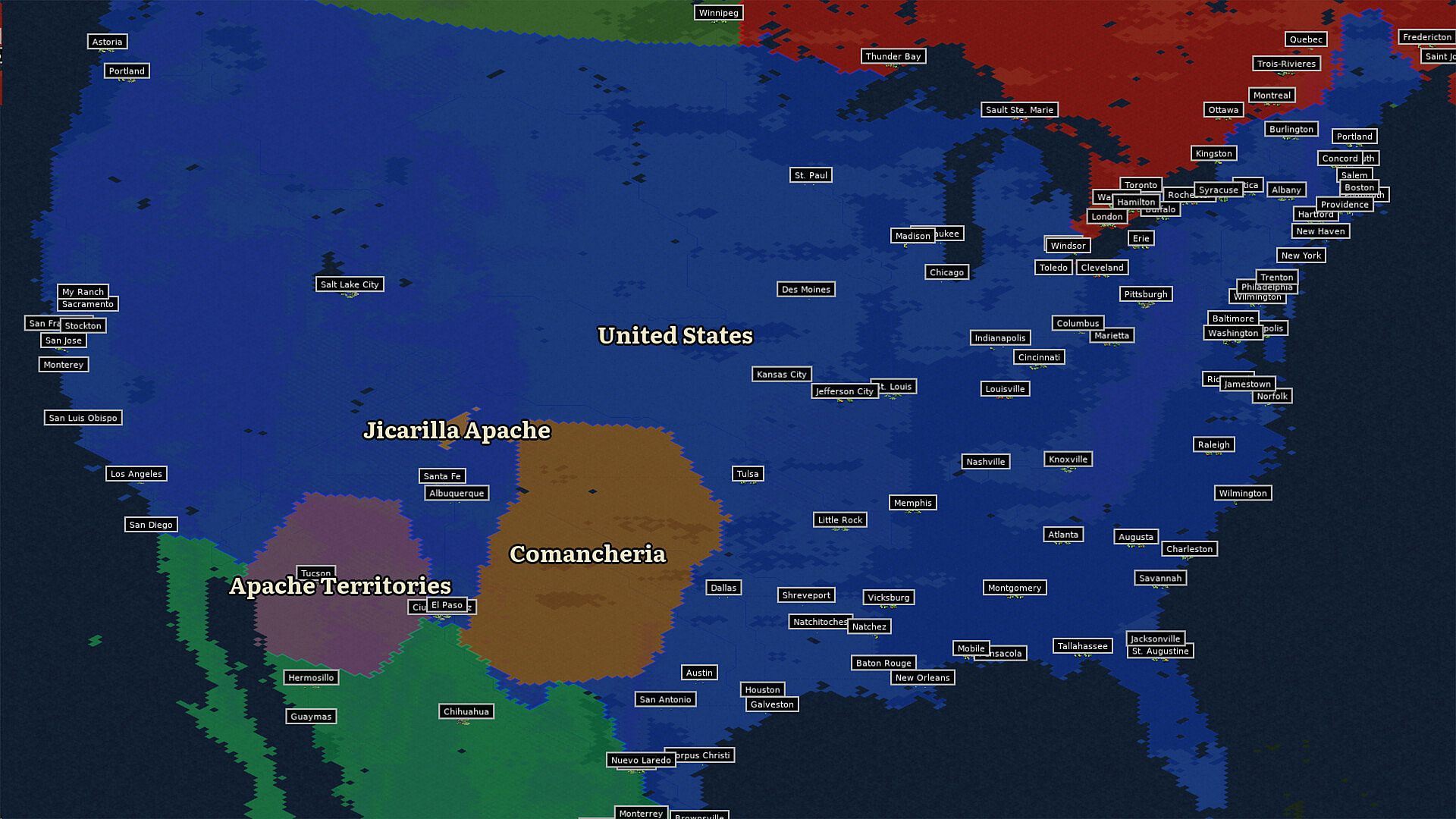
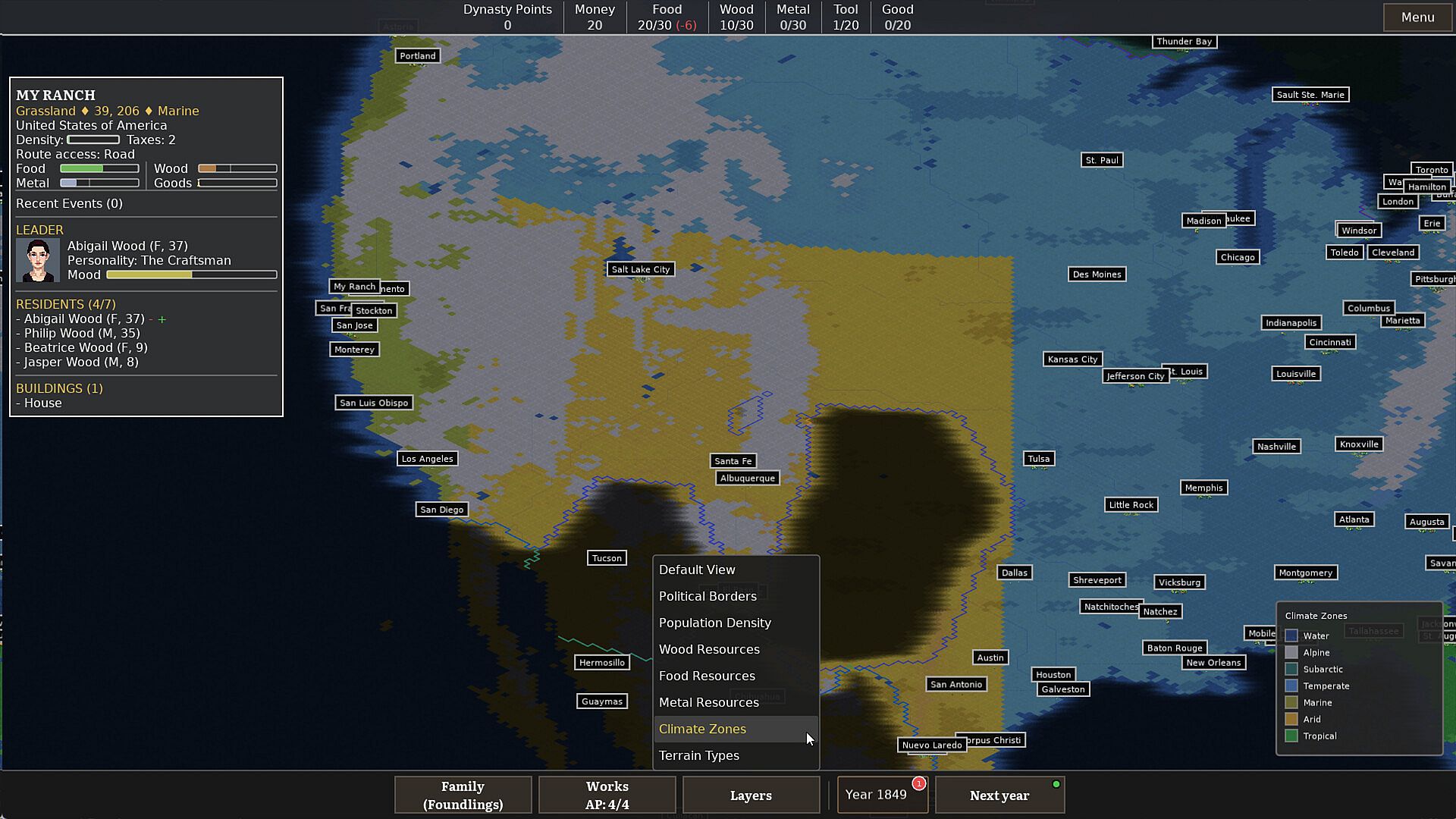
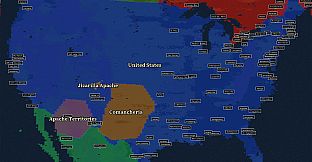
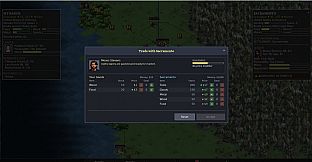
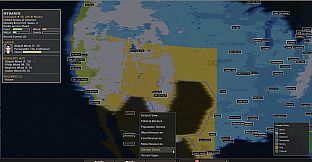
Interactions with neighboring groups form another key layer. Trade and cooperation can secure needed goods, while diplomacy helps manage tensions. When those options fail, direct conflict becomes possible, though it risks long-term damage to reputation and safety. The map itself evolves over the centuries, altering available resources and neighbors with each passing decade.
Game Modes
The game operates entirely in single-player mode with no multiplayer components. Each session functions as a self-contained campaign that spans multiple generations within one family. Replayability comes from the roguelite design, where different starting conditions, random events, and player choices produce unique family chronicles every time. There are no separate named modes such as endless survival or competitive scenarios; the focus remains on guiding successive generations through the full historical span.
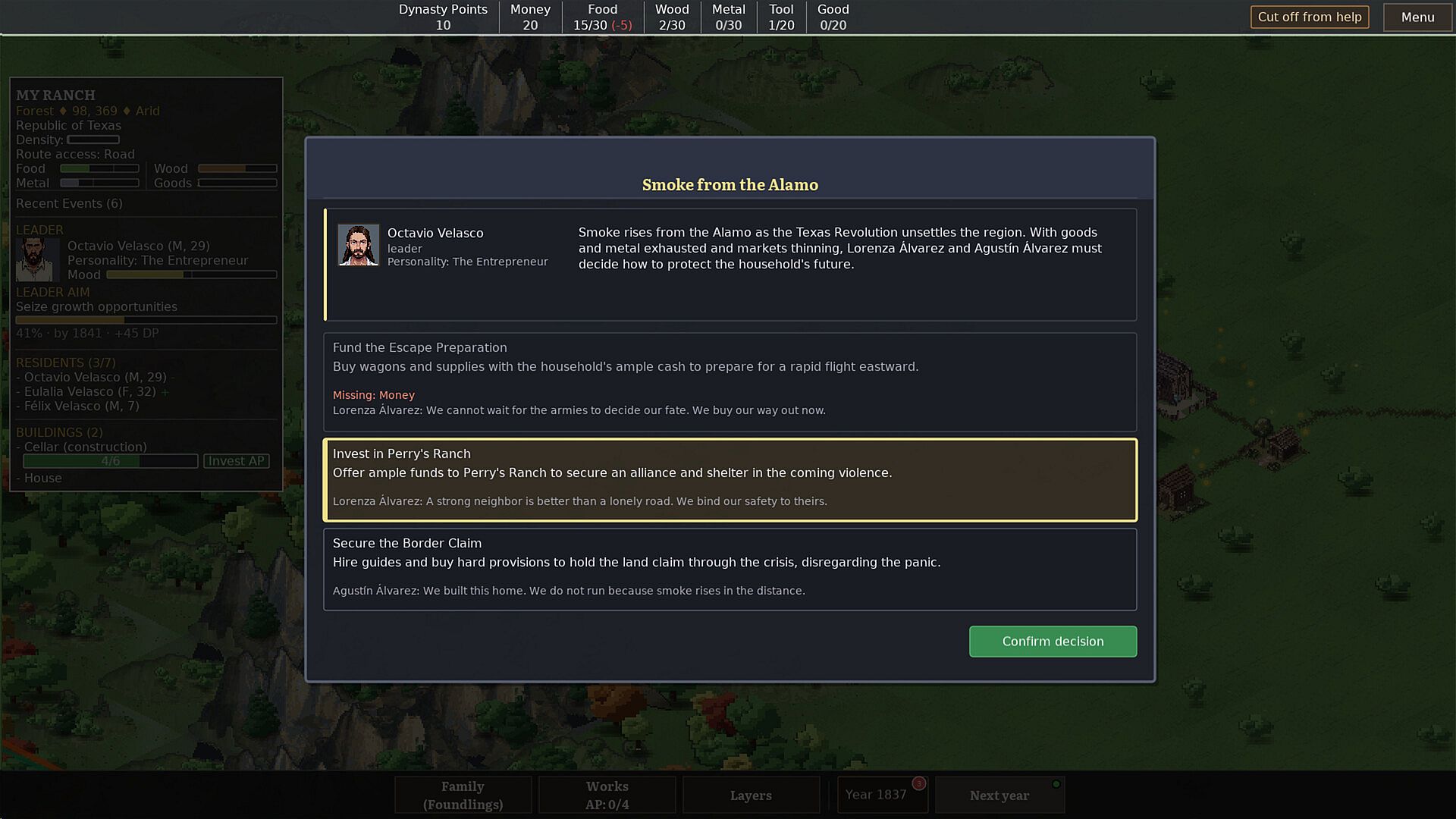
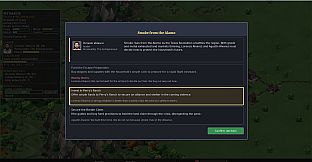
Annual family councils serve as the primary decision checkpoint. These gatherings draw directly from events that occurred during the year, presenting dilemmas rooted in actual gameplay outcomes like surpluses, debts, or personal disputes. Choices made here determine inheritance, family memory, and the traits passed to the next generation, reinforcing the simulation's emphasis on legacy over individual heroics.
Historical Context and Family Dynamics
The timeframe covers the period leading up to and following the Declaration of Independence, though the narrative stays grounded in the daily realities of one household rather than major political events. Resource management must account for changing economies, new settlements, and occasional local conflicts that reach the homestead. This creates a living record of how ordinary families adapted to broader historical shifts through practical decisions about land use, trade partners, and internal relations.
Traits and relationships evolve organically. A child born during a prosperous year might develop different ambitions than one raised amid hardship, and these differences affect future productivity and loyalty. When leadership passes, the new head carries forward skills, debts, and social standing, ensuring that earlier mistakes or successes continue to influence the ranch long after the original founder is gone.
Is It Worth Playing?
Salt and Soil targets players who enjoy detailed colony management combined with generational storytelling. The single-player roguelite format rewards careful long-term planning and acceptance of imperfect outcomes, as family members can refuse plans or create lasting complications. Those interested in historical simulation without scripted storylines will find the emphasis on emergent family narratives compelling.
The game remains in development and is scheduled for release on PC. It includes single-player support along with Steam Achievements and cloud saves. Because no player reviews or completed campaigns exist yet, expectations should center on the described systems of resource balancing, family trait tracking, and yearly councils. Fans of minimalist strategy titles that prioritize consequence and legacy over action will likely find the approach distinctive once it launches.











