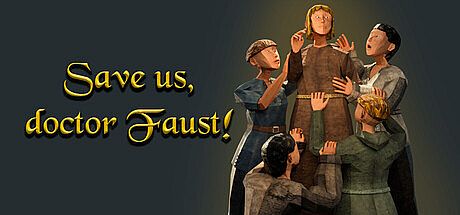




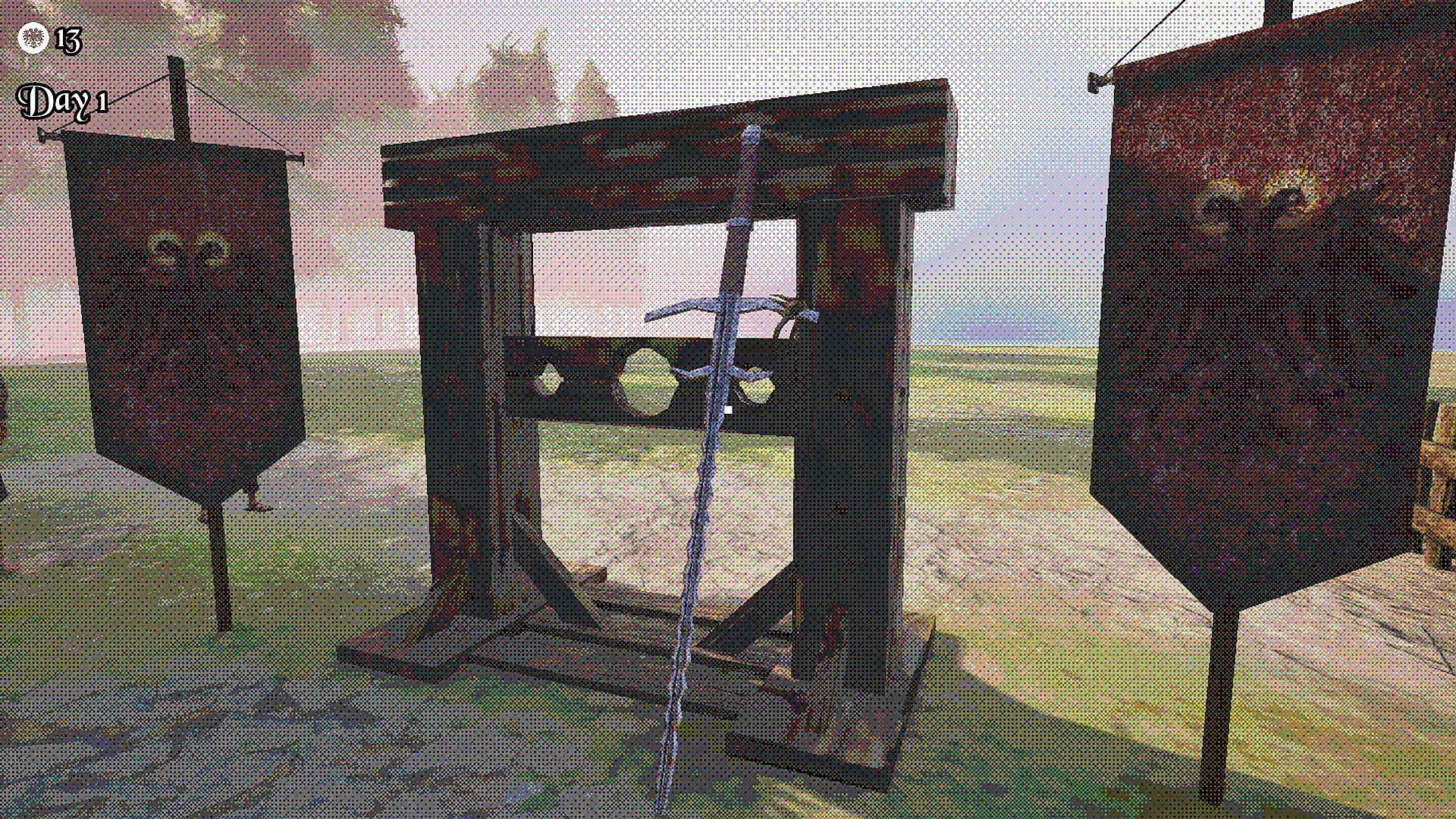



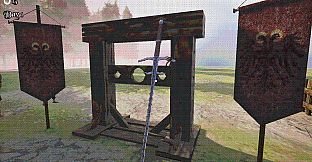

Save Us, Doctor Faust! is an indie RPG simulation adventure game set in a medieval city under siege. Players take on the role of a doctor who must diagnose illnesses, craft treatments from raw materials, and navigate moral choices amid limited resources. The experience emphasizes personal study and experimentation rather than guided objectives or instant solutions.
Gameplay
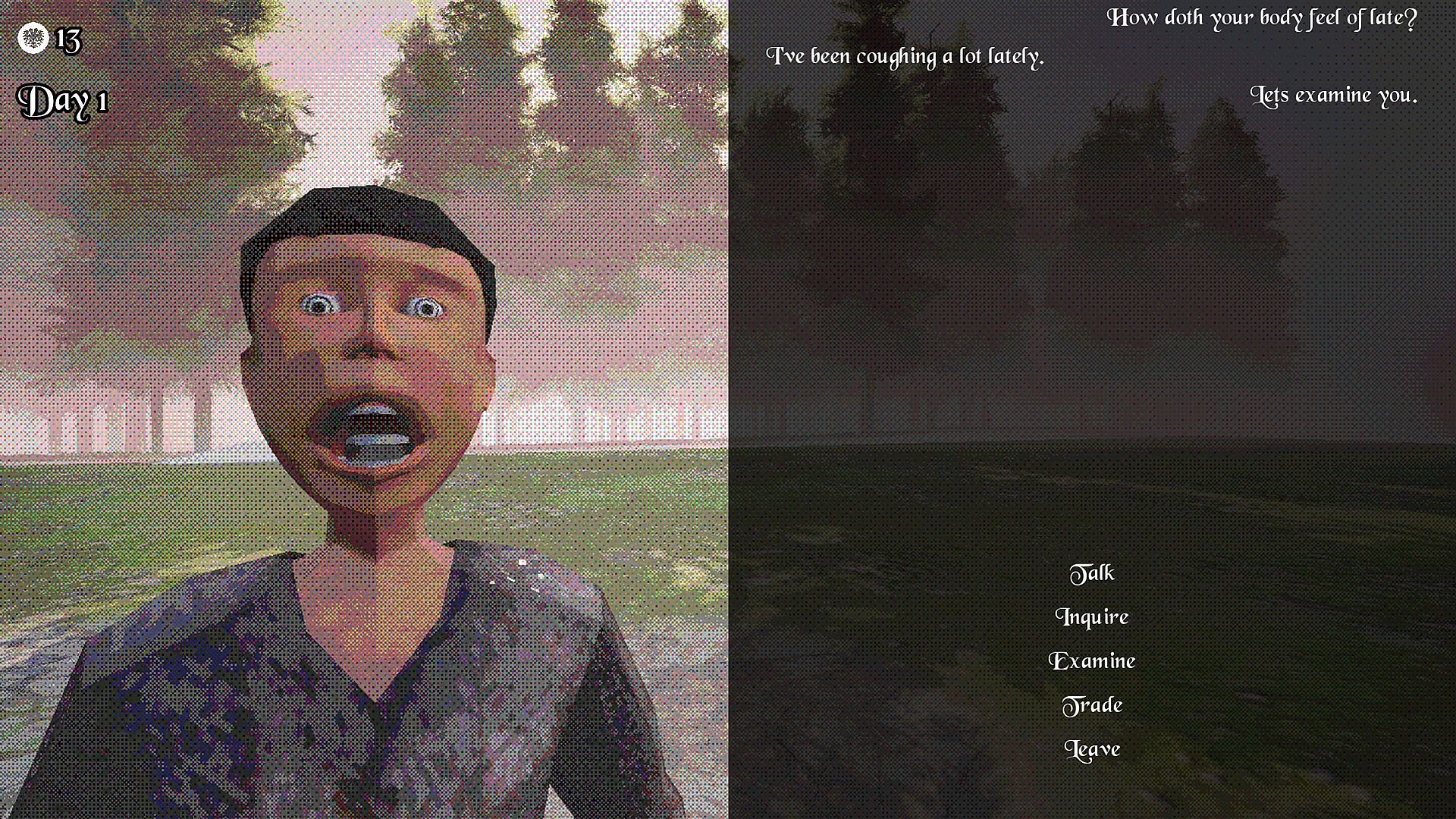
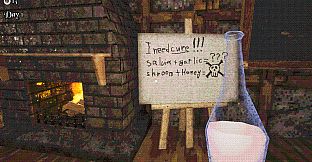
The core loop centers on building medical knowledge through a personal textbook. Players read about diseases, symptoms, and ingredients, then record observations and combinations directly on its pages. This information becomes essential for real patient encounters, where interviews reveal complaints that may mislead or clarify the situation. Physical examinations follow, requiring players to spot visible signs and cross-reference them against studied material to reach a diagnosis without any automated assistance.
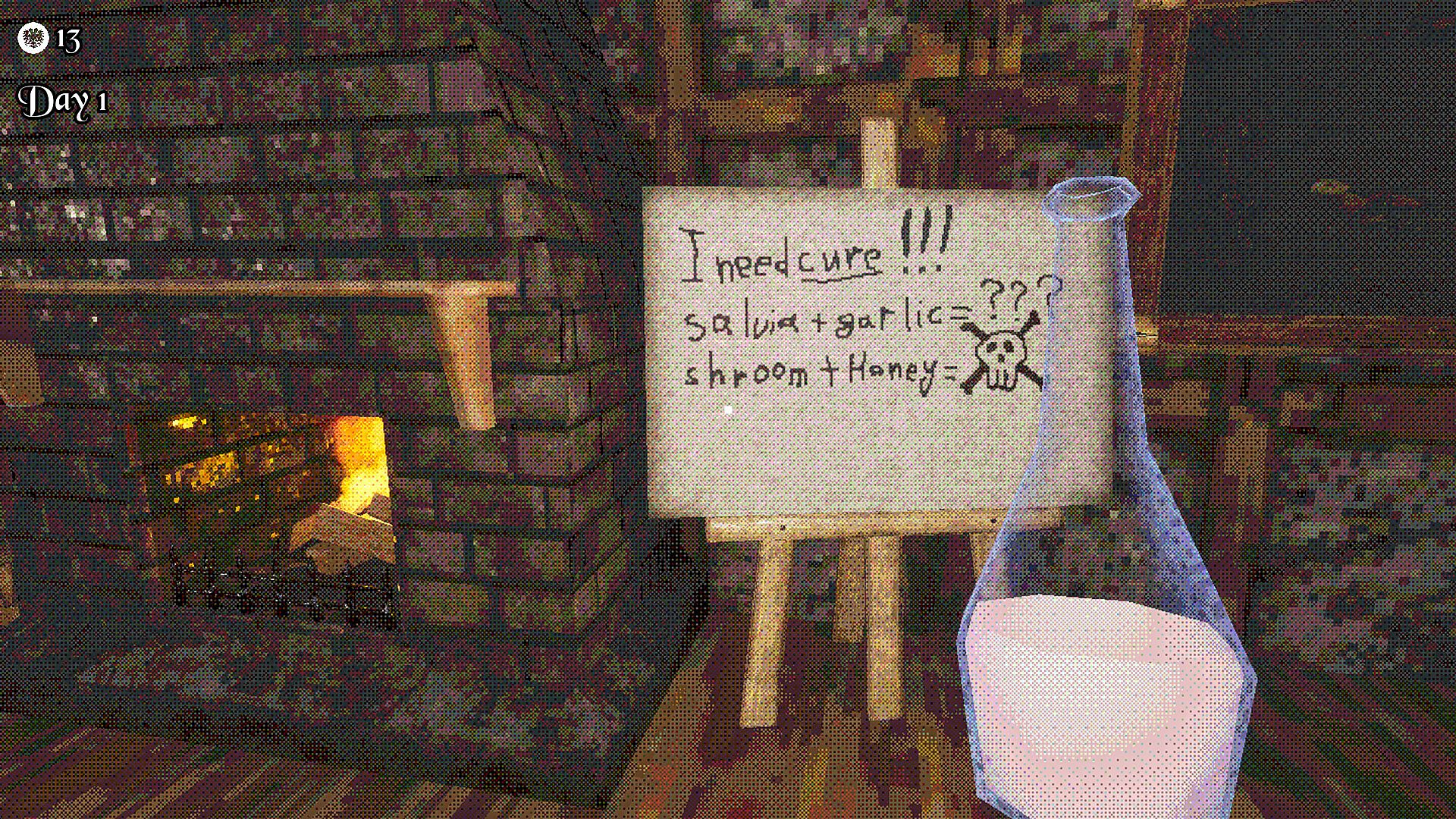
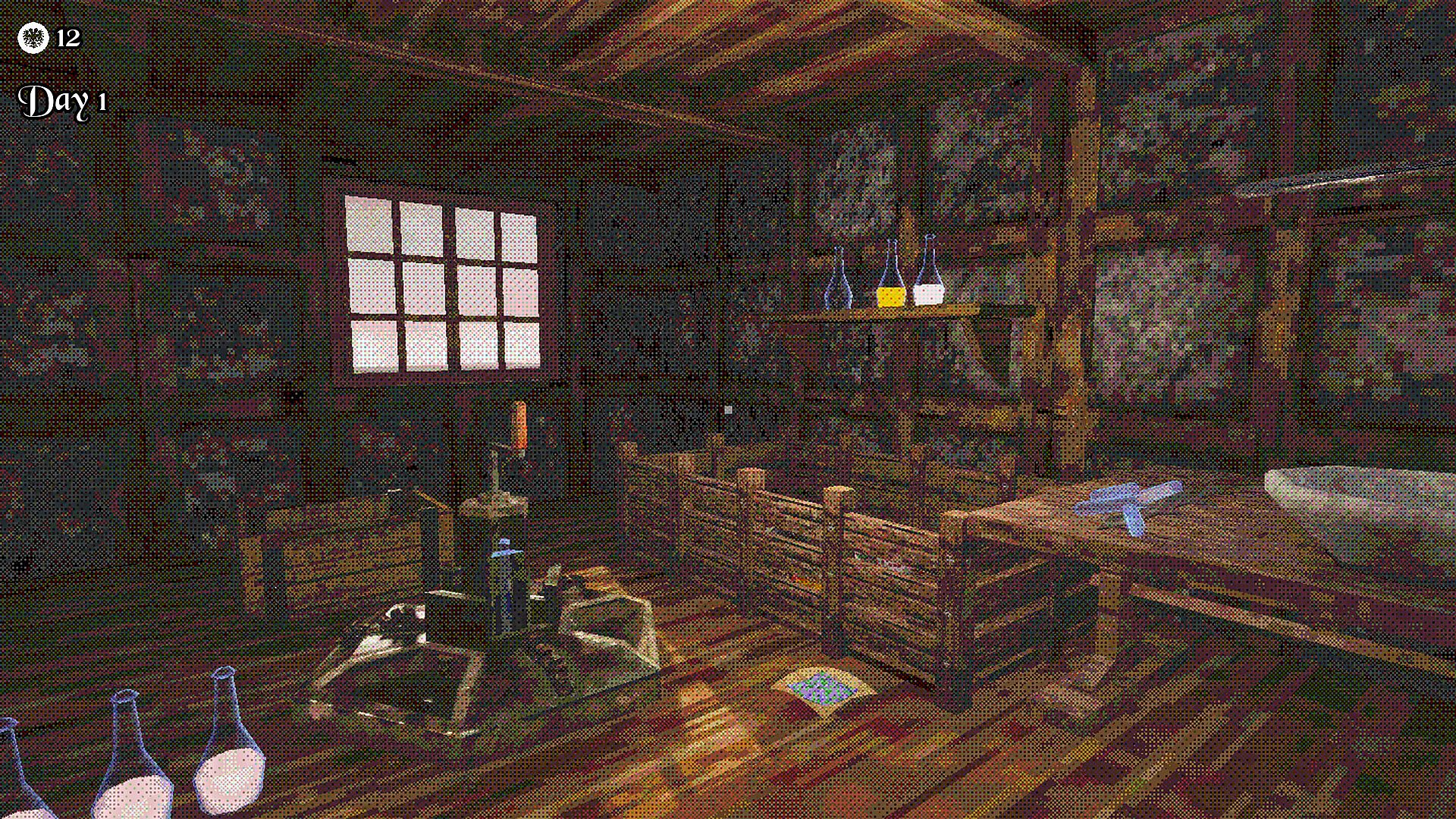
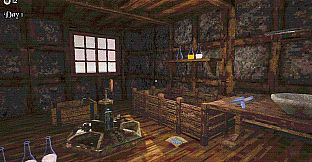
Medicine preparation demands hands-on work at multiple stations. Raw substances go through grinding in a mortar and pestle to create usable components. A still handles distillation of alcohol and emulsions, while a centrifuge allows precise mixing by manual operation. Each step affects the final remedy, and errors can produce harmful results instead of cures. Resource scarcity adds pressure, as ingredients must be purchased, cultivated in limited garden space, or carefully allocated across multiple patients.
Consequences extend beyond individual treatments. Decisions about who receives care influence the broader city, potentially shifting power dynamics during the ongoing war outside the walls. Money management and ingredient planning force trade-offs, such as prioritizing a paying noble over an impoverished child or conserving supplies for several future cases.
Game Modes
The game operates as a single-player simulation without separate modes or multiplayer elements. Progression unfolds through repeated patient interactions and laboratory work, with outcomes determined by accumulated knowledge and resource choices. Different approaches emerge naturally from player priorities, whether focusing on thorough study before any treatment, testing experimental combinations in the lab, or balancing clinic finances through selective care.
City events respond to these patterns over time. Consistent treatment of certain groups or successful management of outbreaks can alter local conditions and the larger conflict. The absence of quest markers or objective lists keeps every session centered on observation, note-taking, and deliberate experimentation rather than following a fixed path.
Resource Management and City Impact
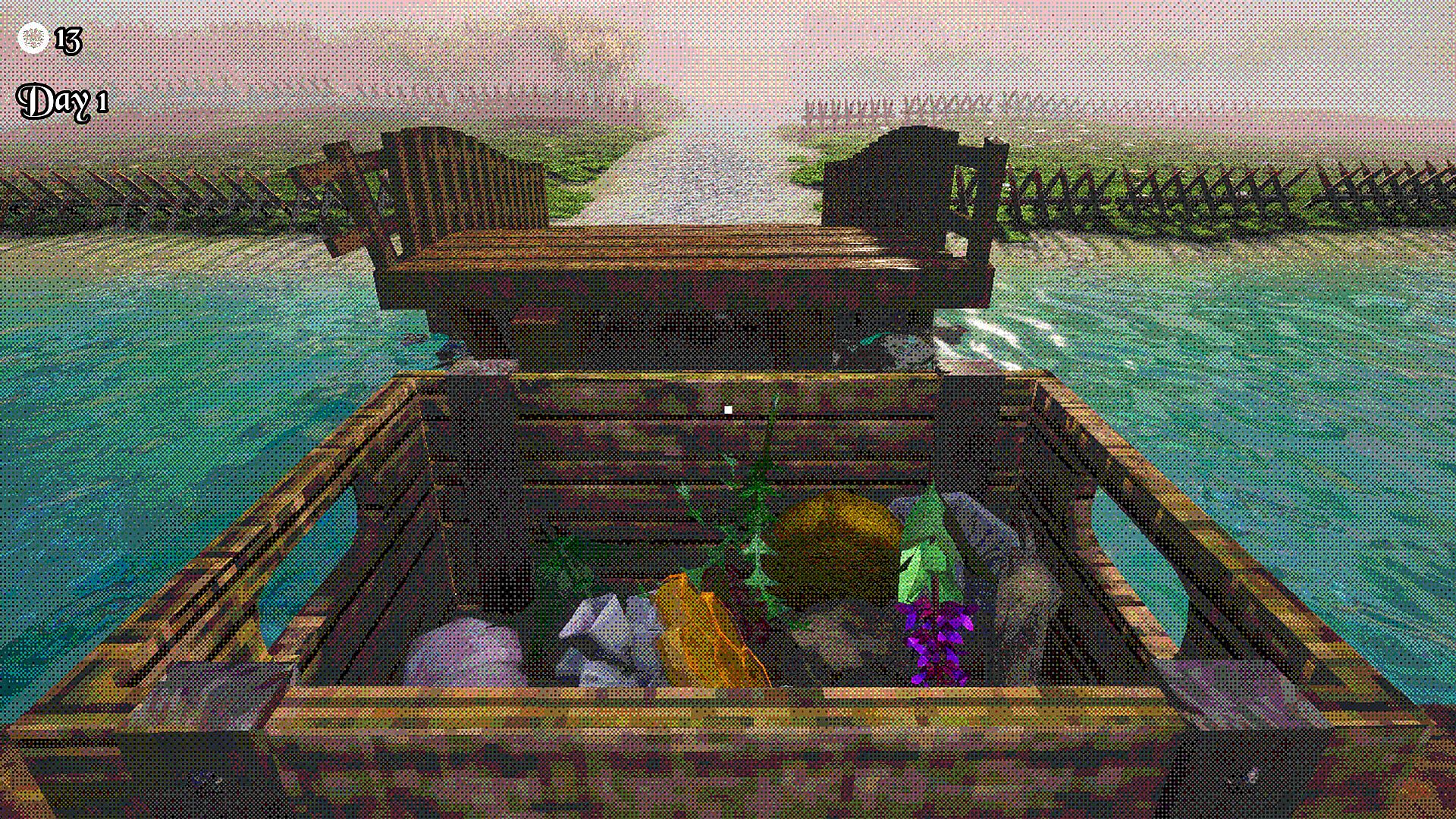
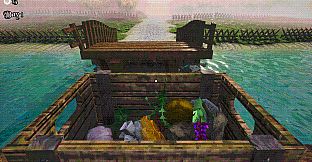
Scarcity defines daily operations. Players buy supplies, grow medicinal plants where space allows, and decide which remedies justify the cost in time and materials. Overextending on one case risks shortages later, while hoarding can leave vulnerable residents untreated. These constraints create ongoing tension between immediate needs and long-term sustainability of the clinic.
Player actions feed into the city's memory of events. Treating influential figures or addressing widespread disease can tip balances in the war effort, while neglect or poor choices may accelerate decline. The simulation rewards foresight in both medical preparation and social decisions without providing explicit feedback until consequences appear.
Is It Worth Playing?
Save Us, Doctor Faust! suits players who enjoy detailed simulation mechanics focused on diagnosis, crafting, and ethical resource allocation in a single-player setting. The emphasis on manual processes and independent learning appeals to those interested in medical systems and consequence-driven narratives. As an unreleased title scheduled for Q4 2026 with no reviews available yet, its value depends on tolerance for deliberate pacing and the absence of hand-holding. Those drawn to indie RPG and simulation experiences that reward study and experimentation will find the described systems align closely with that preference.