


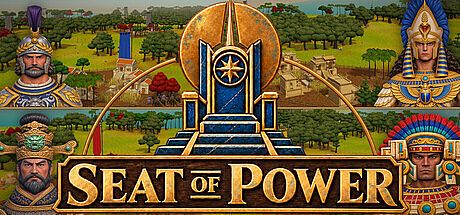


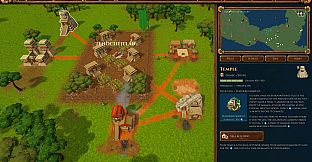
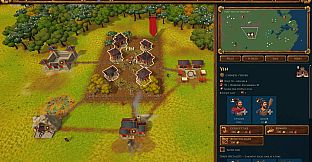
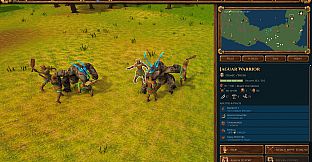
Seat of Power is a real-time strategy game set in the ancient world where players build and sustain kingdoms through careful management of resources, populations, and military forces. Developed for PC, it combines city-building elements with tactical combat and diplomatic maneuvering across four distinct cultures plus a dedicated Atlantis campaign. The core experience centers on establishing towns, developing production chains, and protecting holdings while expanding influence through trade, alliances, or conquest.
Gameplay
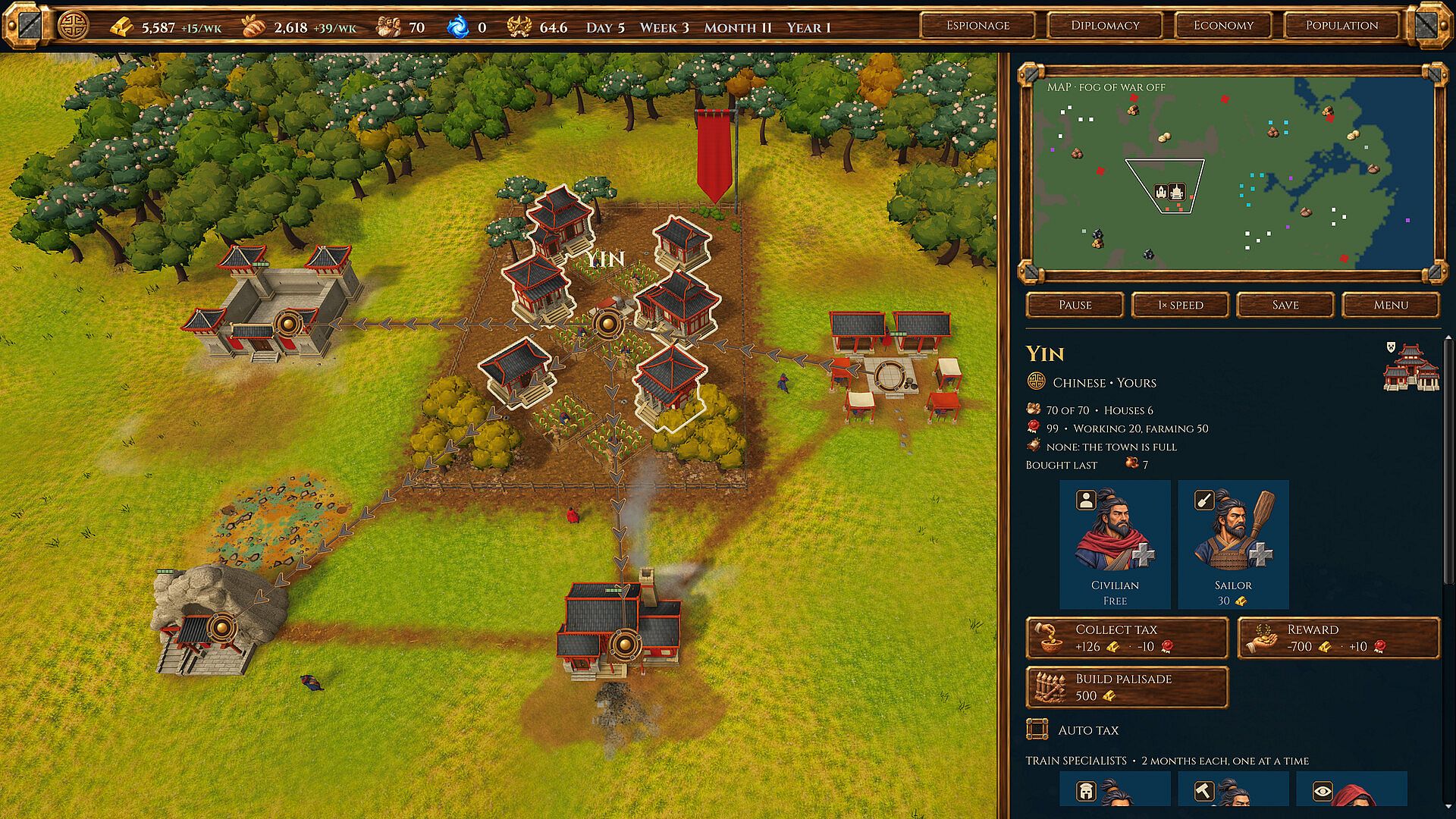
Players start by founding towns that expand based on food production and trade networks. Townspeople work farms or staff buildings, while mines extract copper and clay, logging camps harvest timber, and workshops convert raw materials into marketable goods. Each of the four cultures brings a unique resource such as silk, linen, olive oil, or obsidian tools that fuels specialized trade routes via caravans and ships. Taxation generates gold but reduces loyalty, risking towns breaking away if discontent grows too high.
Independent towns can be won over through forts, trade deals, bribes, or direct force. City-states offer favor in exchange for commerce and completed quests. Mercenaries, spies, and officers provide additional options for influence. Treaties, tribute demands, and declarations of war shape relations, while spies in enemy colors enable sabotage, bribery, or assassinations. Armies recruit at forts under the command of a general or the king, with light, ranged, shock, and heavy units following classic counter relationships. Veterans progress from recruit to elite status, and research improves weapons, armor, farms, and workshops. Naval combat uses warships, and a fallen king can be replaced at the cost of reputation.
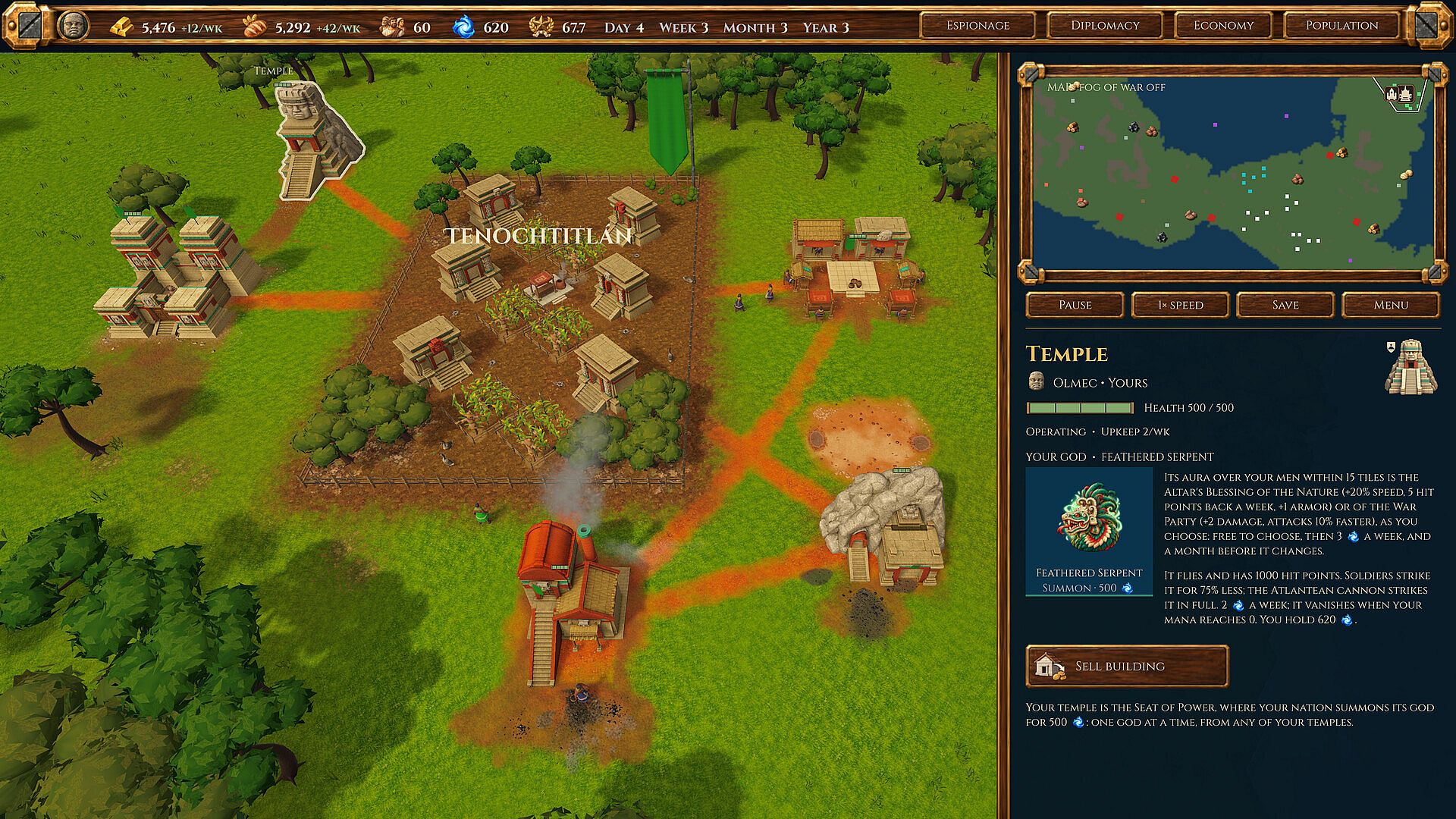
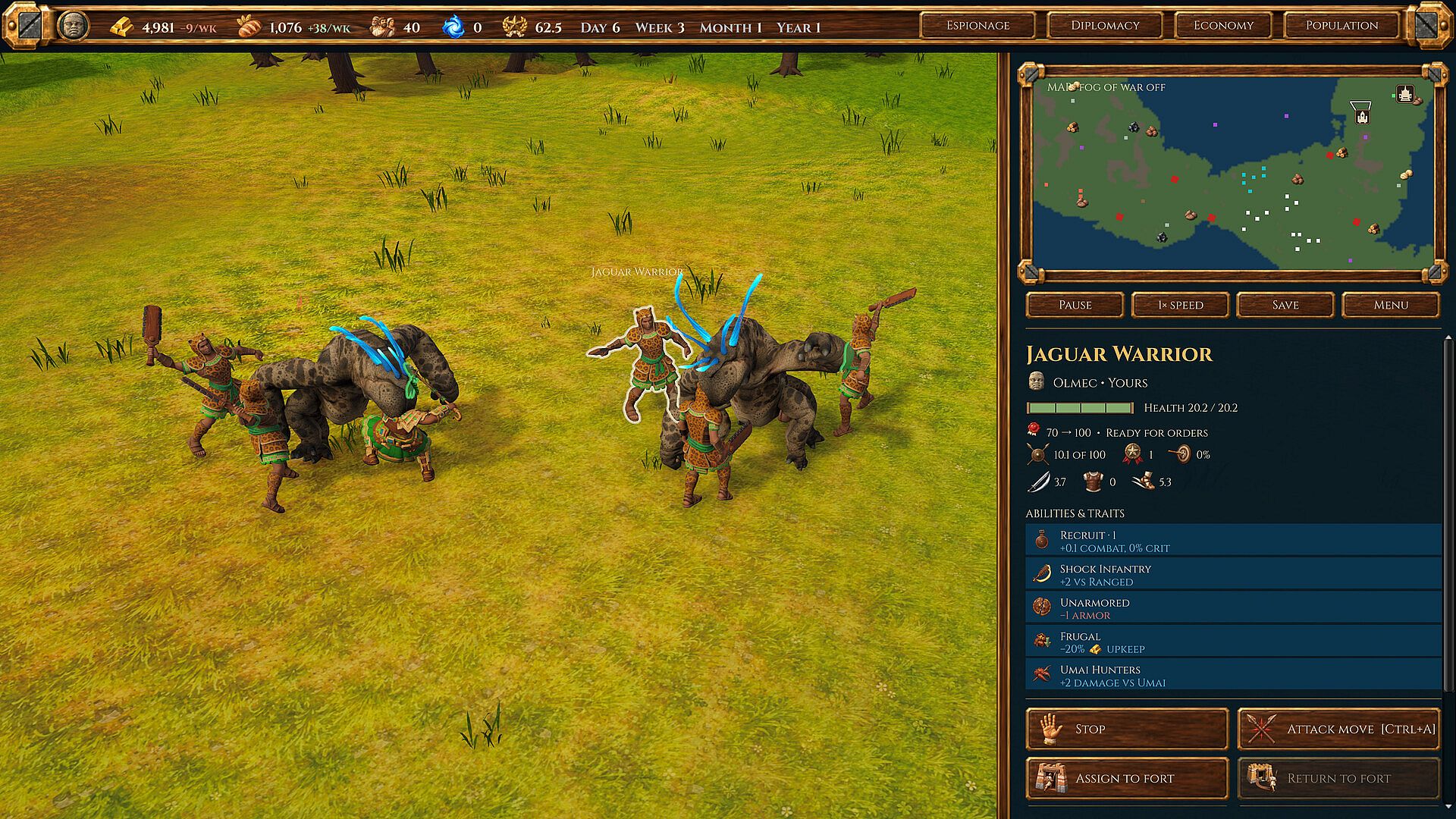
Temples serve as the Seat of Power, allowing mana expenditure to summon gods including Ra, Shangdi, Poseidon, or the Feathered Serpent for battlefield-altering abilities. The Umai monsters inhabit lairs across the map and respond aggressively once provoked, yielding rewards like gold, mana, veterancy, and favor when destroyed before a shrine is raised on the site.
Game Modes
Seat of Power supports skirmish matches against AI opponents or online play with two to eight nations. Eleven battlefields span locations from the Fertile Crescent and Memphis to Knossos and Tenochtitlan, available in four map sizes. Fog of war limits visibility, and a full diplomacy system governs interactions. A dedicated campaign follows King Ozer of Atlantis as he establishes a coastal holdout, shelters refugees, mines iron, and prepares steam galley fleets while racing against Restorationists to repair an ancient Arch through expeditions to the wider world.
Cultures and Unique Mechanics
The Chinese excel at population growth and industry with larger, faster-expanding towns, bigger work crews and garrisons, and low-cost spearmen. Ge Infantry wound surrounding enemies, Chu-Ko-Nu crossbowmen fire rapidly, the Palace issues edicts, and even unoccupied forts erode nearby towns over time. Lower taxes help maintain loyalty, though spearmen reach their peak strength earlier than other options.
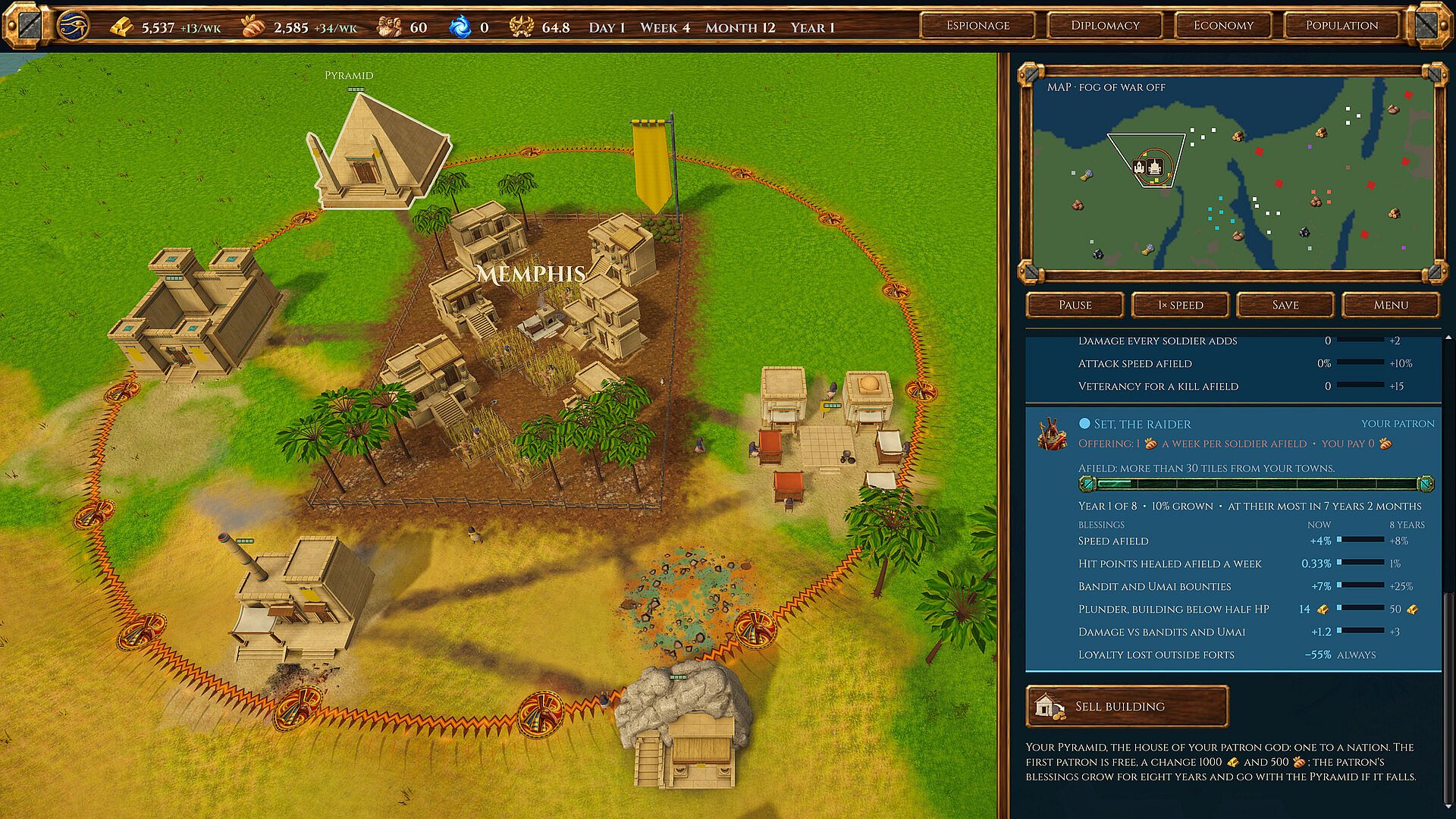
Egyptians focus on trade with the highest tax rates, bonuses on foreign sales, and enhanced caravans. Khopesh Infantry bypass most armor, supported by Medjay Archers. The Pyramid channels blessings from patrons like Hathor, Osiris, Horus, or Set that strengthen yearly, while Ra requires half the usual mana to sustain.
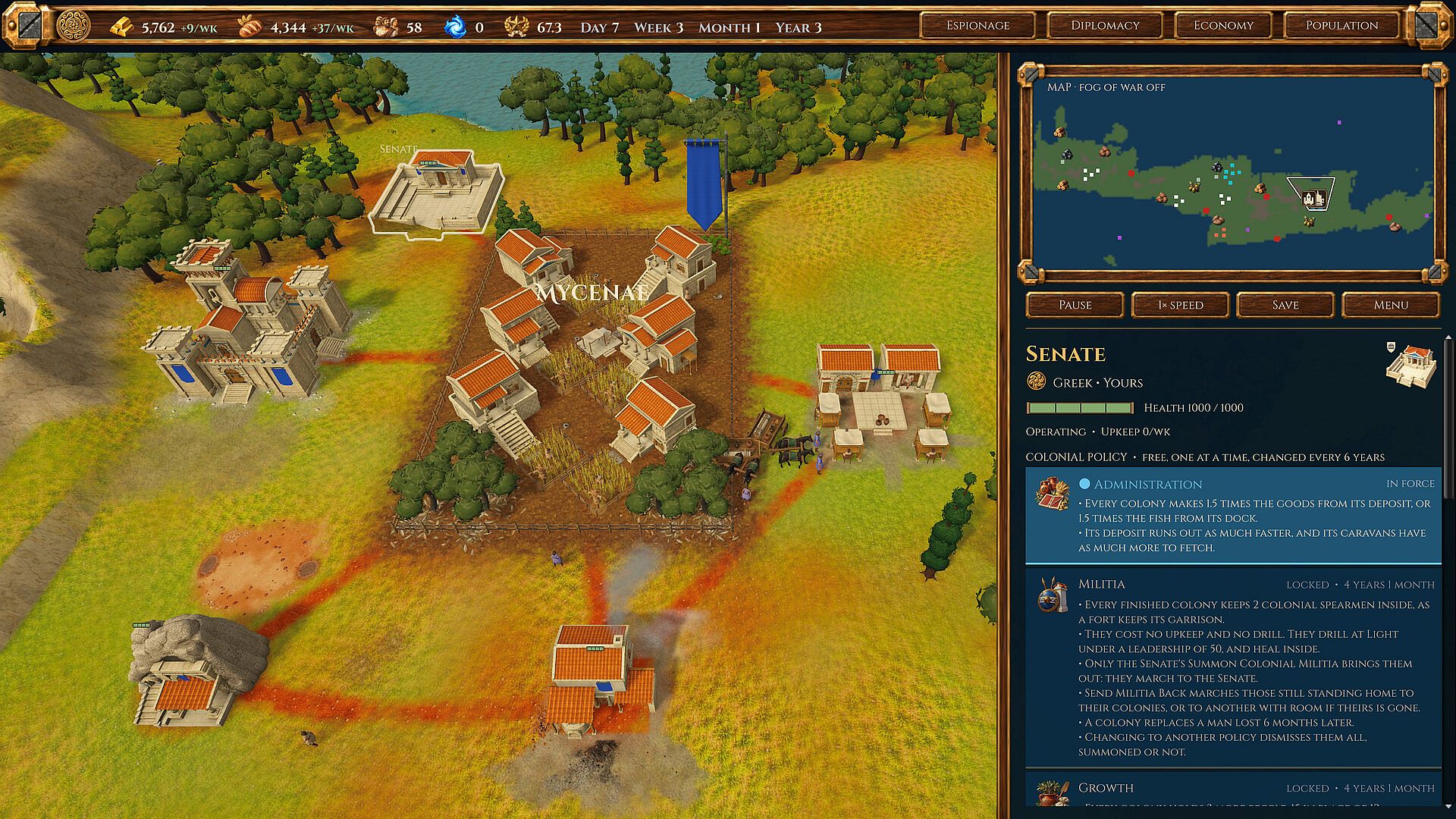
Greeks emphasize elite troops and diplomacy. Soldiers gain extra armor and health and train fifty percent faster, though upkeep costs double. Tower Shield Infantry anchor defenses and Peltasts harass with javelins. Colonists establish new settlements, the Senate shapes policies, city-states grant greater favor, and spies operate with improved effectiveness. Towns remain smaller overall.
Olmecs leverage numbers and monster hunting. Soldiers are fragile yet inexpensive, farms yield more food, and Atlatl Throwers available immediately slow targets. Jaguar Warriors target archers effectively. They deal increased damage to Umai and extract more mana from them, the Altar strengthens war parties, and harbors produce twice the canoes.
Is It Worth Playing?
Seat of Power suits players who enjoy real-time strategy games that blend economic simulation, army progression, and diplomatic depth without relying on fast-paced action. The living economy requires ongoing attention to supply chains and loyalty, while army management rewards tactical unit composition and research investment. The campaign provides a structured single-player narrative focused on rebuilding Atlantis, and skirmish or online modes allow flexible nation counts and map variety. Those drawn to games with distinct faction asymmetries, monster threats, and god-summoning mechanics will find consistent systems to explore across multiple sessions. Availability on PC supports both solo campaigns and competitive matches, making it a solid choice for strategy enthusiasts seeking layered kingdom management rather than simplified controls.












