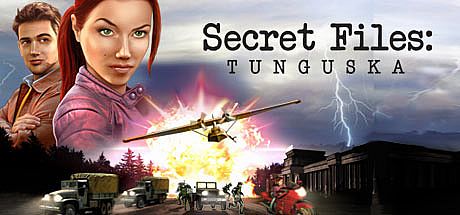













Secret Files: Tunguska stands as a classic point-and-click adventure game centered on the unexplained 1908 explosion in Central Siberia. Players step into the role of a determined investigator drawn into a web of international intrigue that spans multiple continents and decades. The title blends historical events with fictional conspiracy elements, challenging participants to piece together clues through careful observation and logical deduction across a linear narrative.
Gameplay
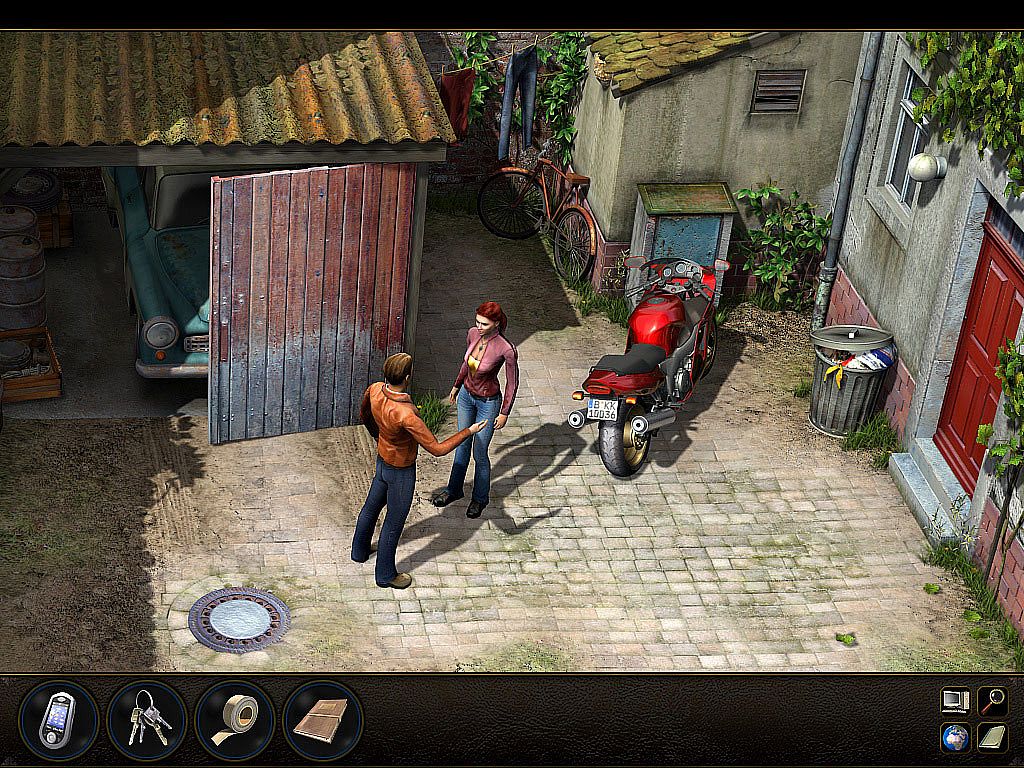
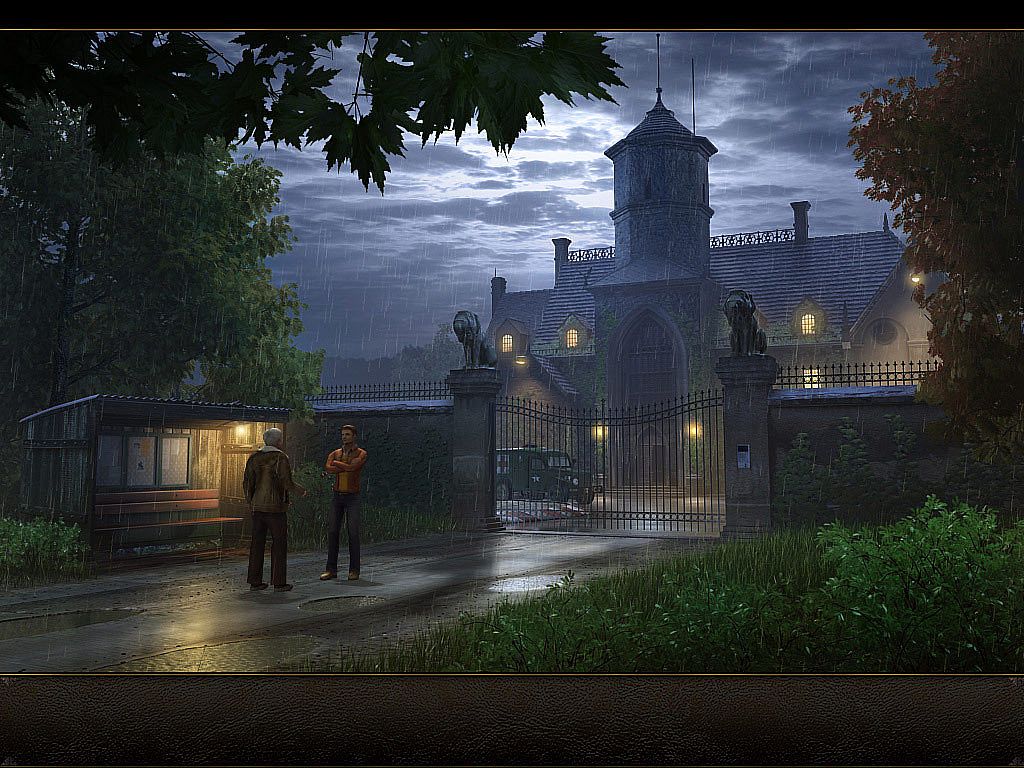
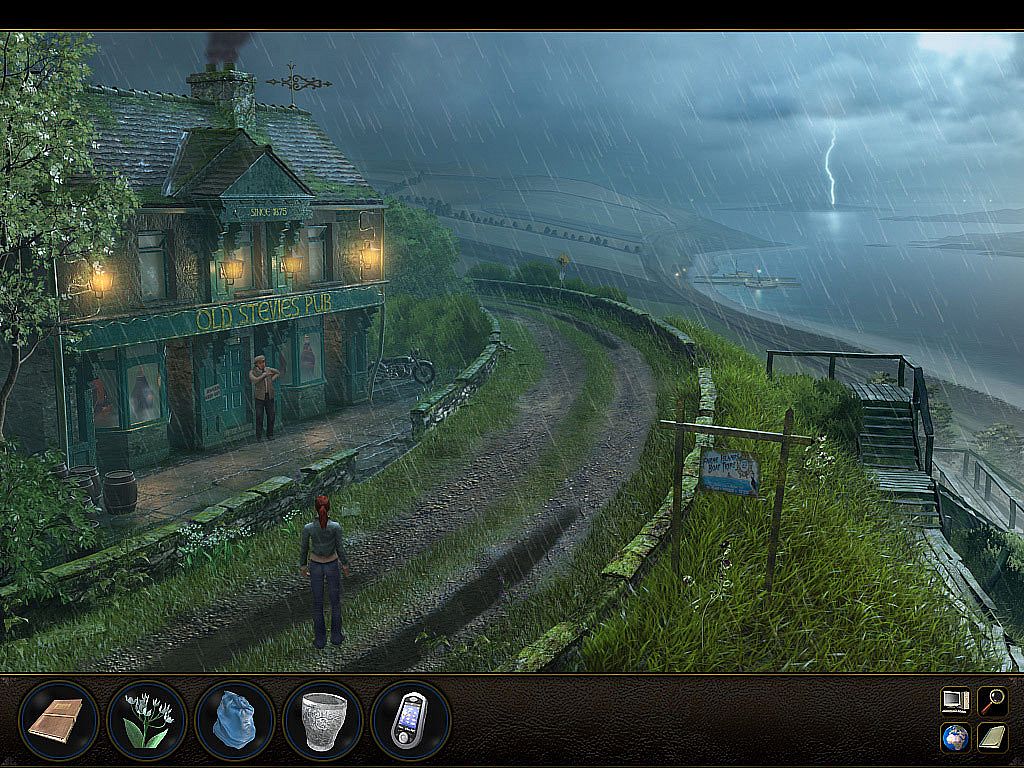
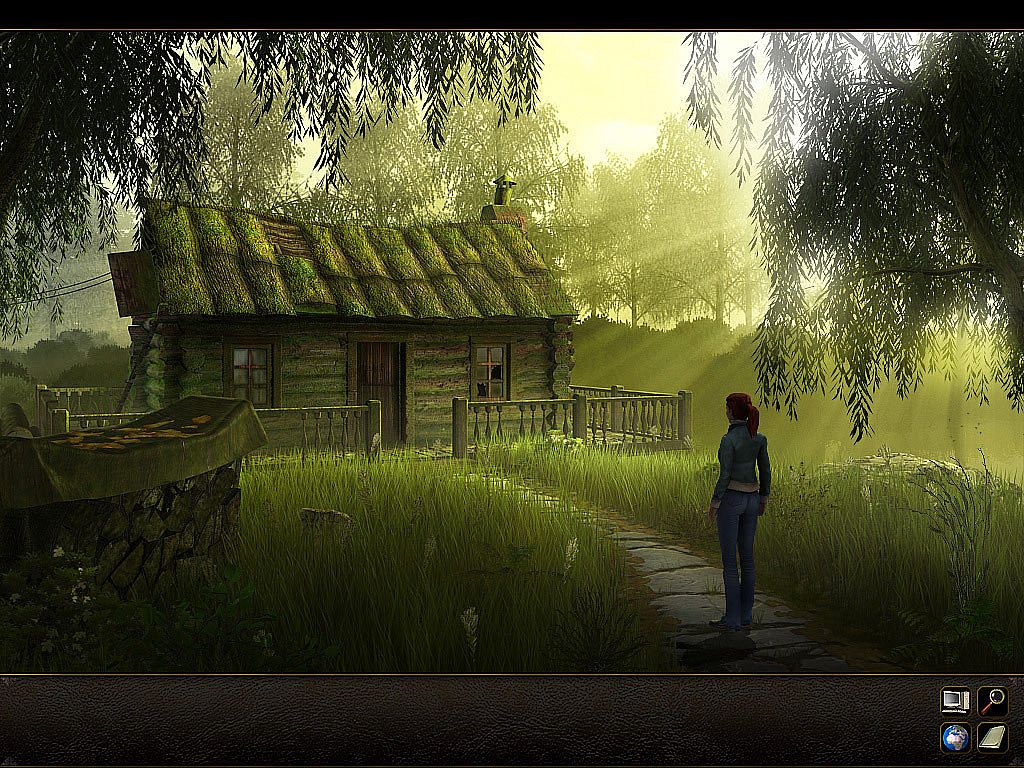
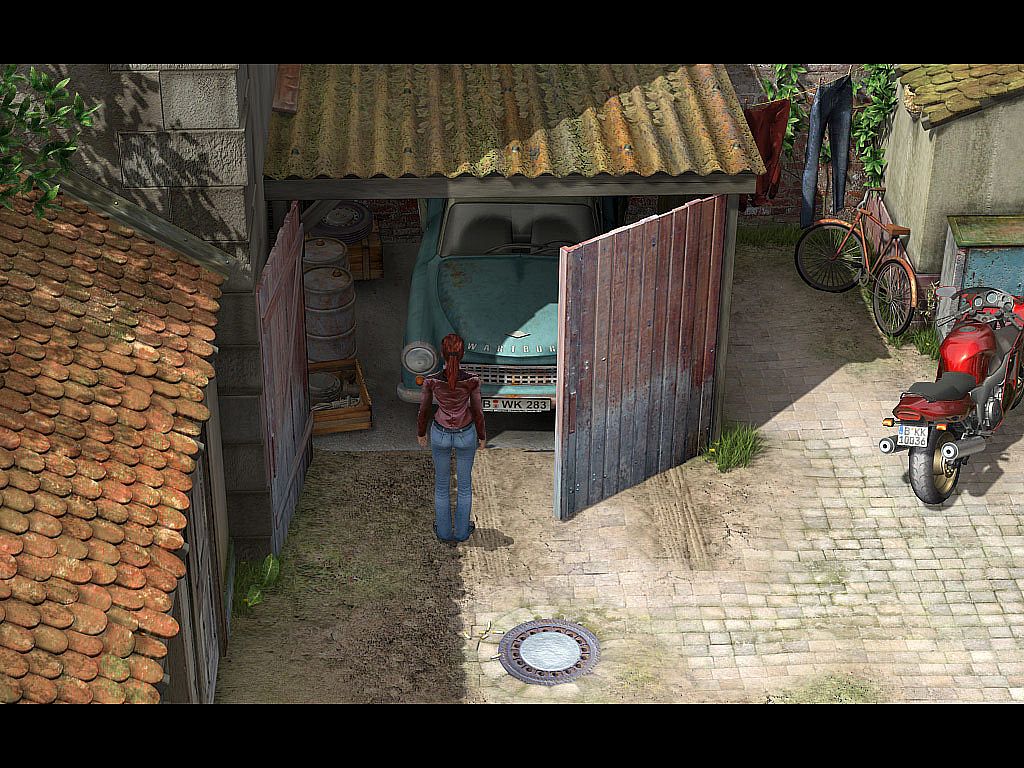
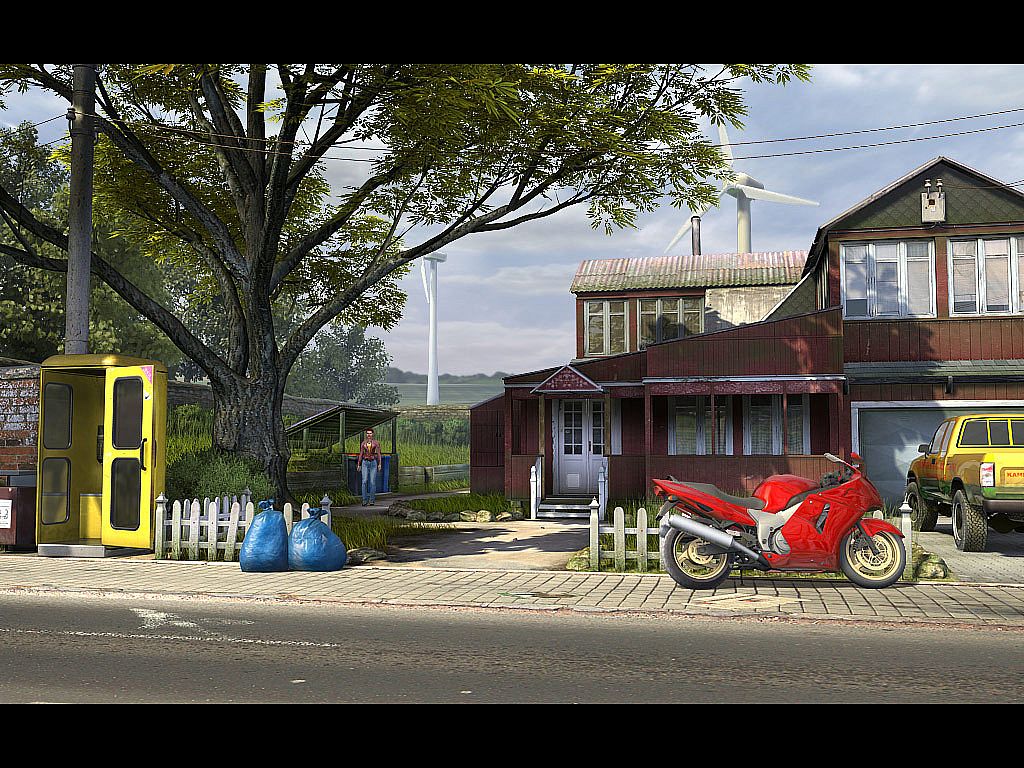
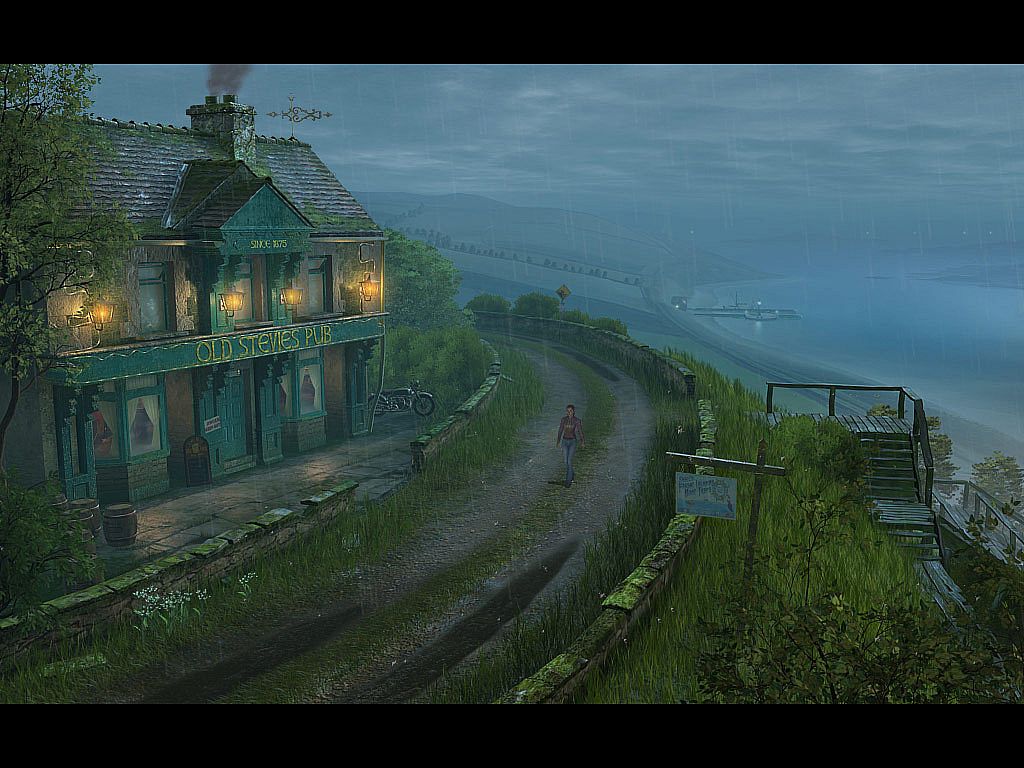
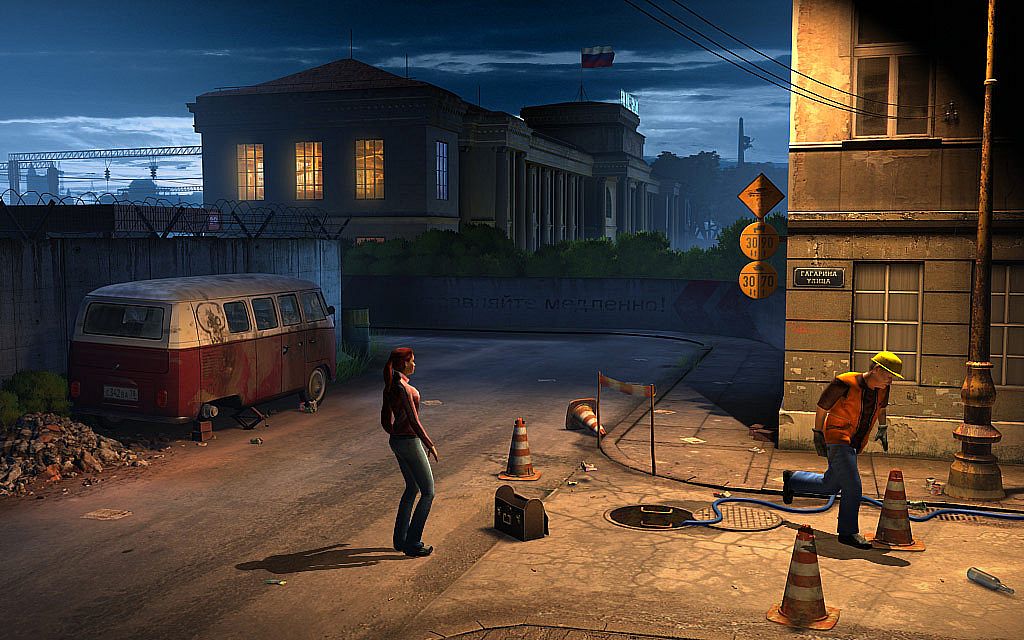
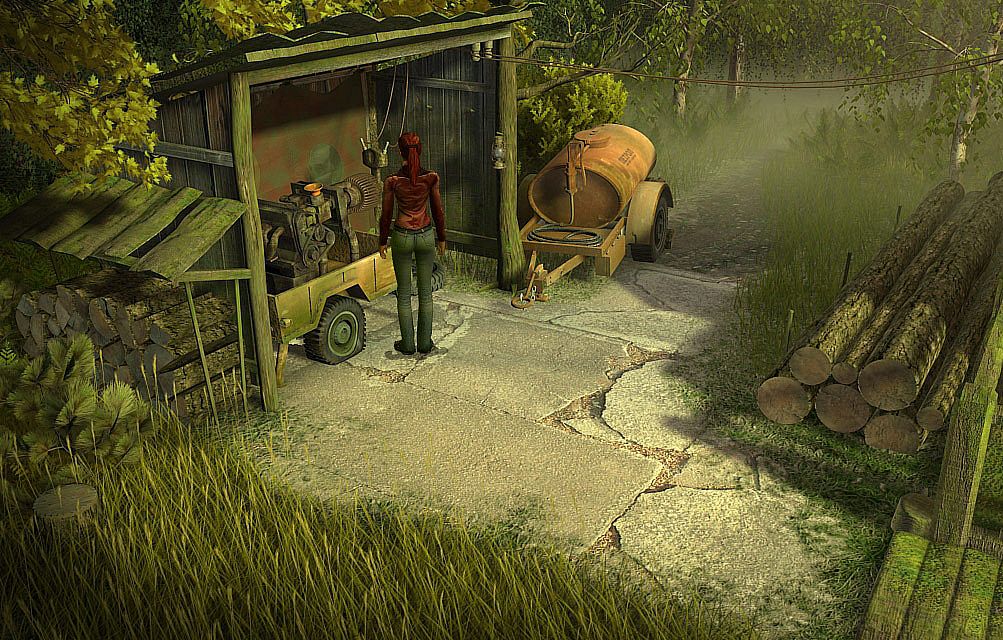
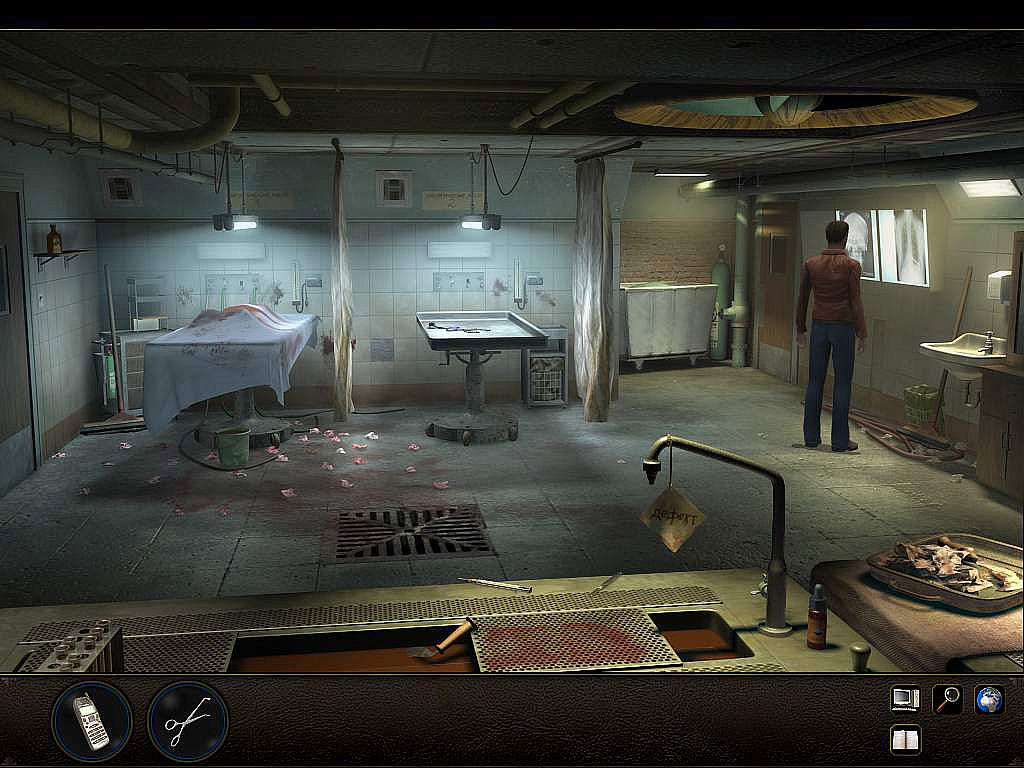
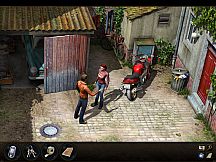
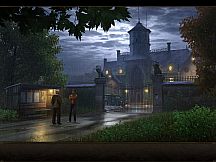
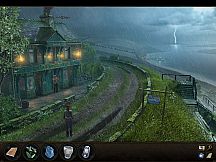
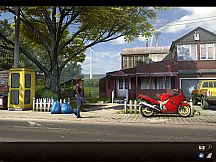
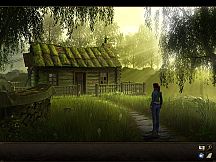
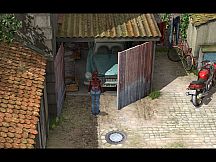
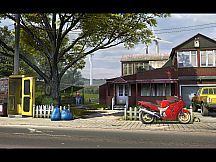
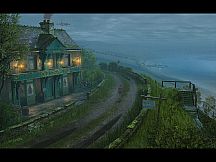
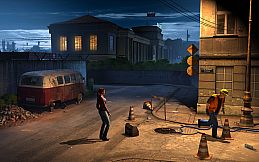
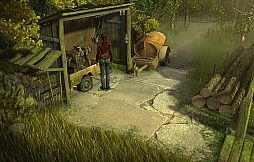
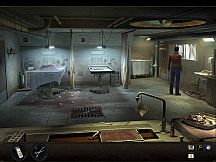
The core loop revolves around exploring detailed environments, examining objects, and conversing with non-player characters to advance the investigation. Pre-rendered backgrounds create atmospheric settings that shift with weather conditions such as rain and snow, adding visual variety to each location. Interaction occurs through a standard point-and-click interface where players select hotspots to gather items, trigger dialogue, or solve environmental puzzles tied to the unfolding mystery.
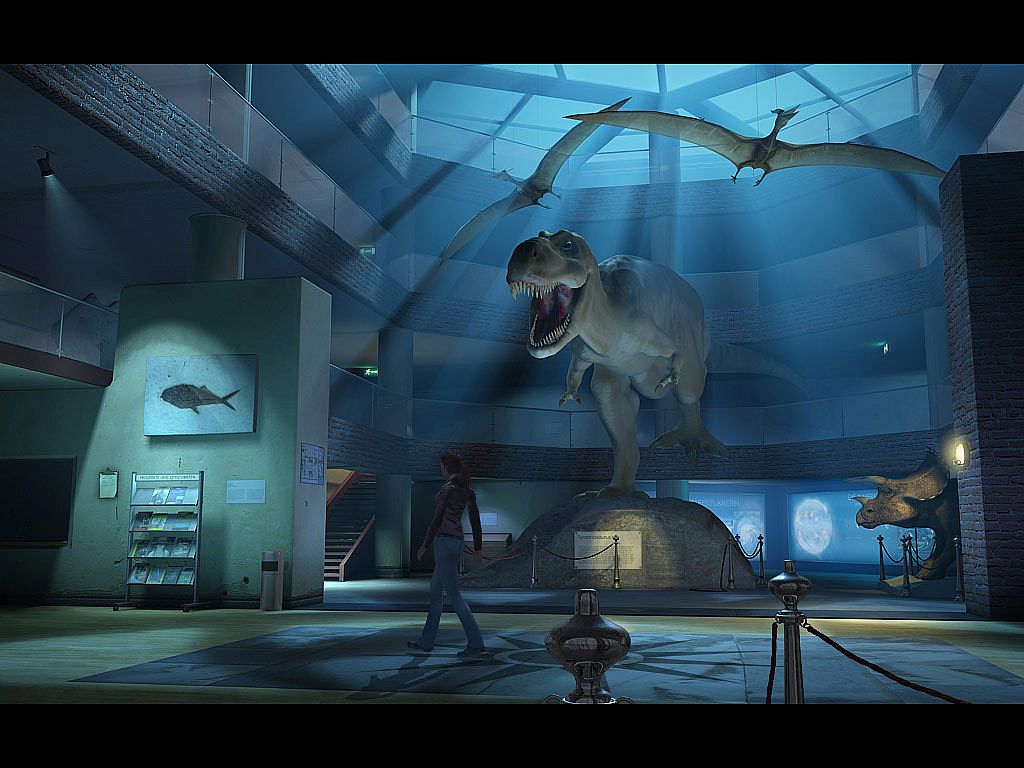
Cinematic sequences punctuate key moments with full-screen videos that introduce major plot developments and character encounters. Twenty-five rendered 3D models represent the cast, allowing for direct conversations that reveal backstory and advance objectives. The design emphasizes detective work, requiring players to connect disparate pieces of evidence without relying on action sequences or timed challenges.
Game Modes
Secret Files: Tunguska operates exclusively as a single-player experience. There are no separate competitive or cooperative modes, as the focus remains on progressing through the main story campaign from start to finish. Players follow a structured sequence of locations and events, with dialogue choices and item usage influencing the pace of revelations but not branching into alternate endings or parallel paths.
The Tunguska Mystery and Global Conspiracy
The narrative draws directly from the real 1908 event, where a massive blast equivalent to thousands of atomic bombs flattened vast areas of forest and produced unusual atmospheric effects visible across Europe. In the game, this historical incident serves as the catalyst for a broader plot involving hidden organizations and suppressed information. Investigation leads from Siberian wilderness to urban centers worldwide, with each new site introducing fresh leads and obstacles that test observational skills.
Atmospheric details such as shifting weather and lighting reinforce the sense of uncovering long-buried secrets. The story maintains a steady pace through a combination of exploration, character interactions, and puzzle resolution, keeping the emphasis on narrative discovery rather than mechanical complexity.
Visuals and Atmosphere
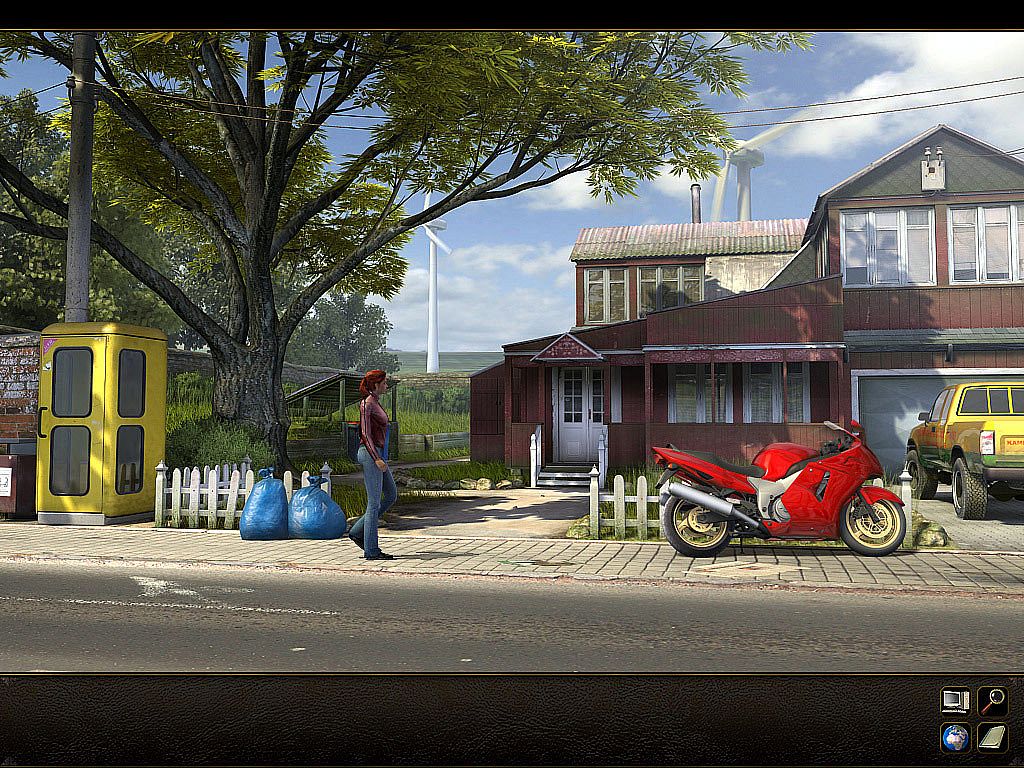
Eighty pre-rendered backgrounds form the backbone of the presentation, delivering consistent detail across indoor and outdoor scenes. These static images support dynamic overlays for effects like precipitation, enhancing immersion without requiring real-time rendering. Cutscenes employ full-motion video to deliver exposition and emotional beats, while character models facilitate close-up dialogue exchanges.
The overall style prioritizes mood and realism suited to a mystery thriller. Limited animation on backgrounds keeps the focus on static environmental storytelling, a hallmark of mid-2000s adventure titles that rewards patient examination of every visible element.
Is It Worth Playing?
Secret Files: Tunguska appeals to players who enjoy methodical, story-driven adventures where progress depends on gathering information and making connections. Those interested in historical mysteries or conspiracy themes will find the premise engaging, particularly if they appreciate classic point-and-click mechanics over modern action elements. The game runs on standard PC hardware and remains available for those seeking a self-contained narrative experience without ongoing updates or additional content layers.
Its strengths lie in the atmospheric presentation and the way it ties real events to fictional intrigue, making it suitable for solo play sessions focused on puzzle-solving and plot progression. Individuals who prefer fast-paced gameplay or multiplayer features may find the deliberate pace less appealing, while fans of the genre often value the detailed character interactions and environmental clues that drive the investigation forward.