





























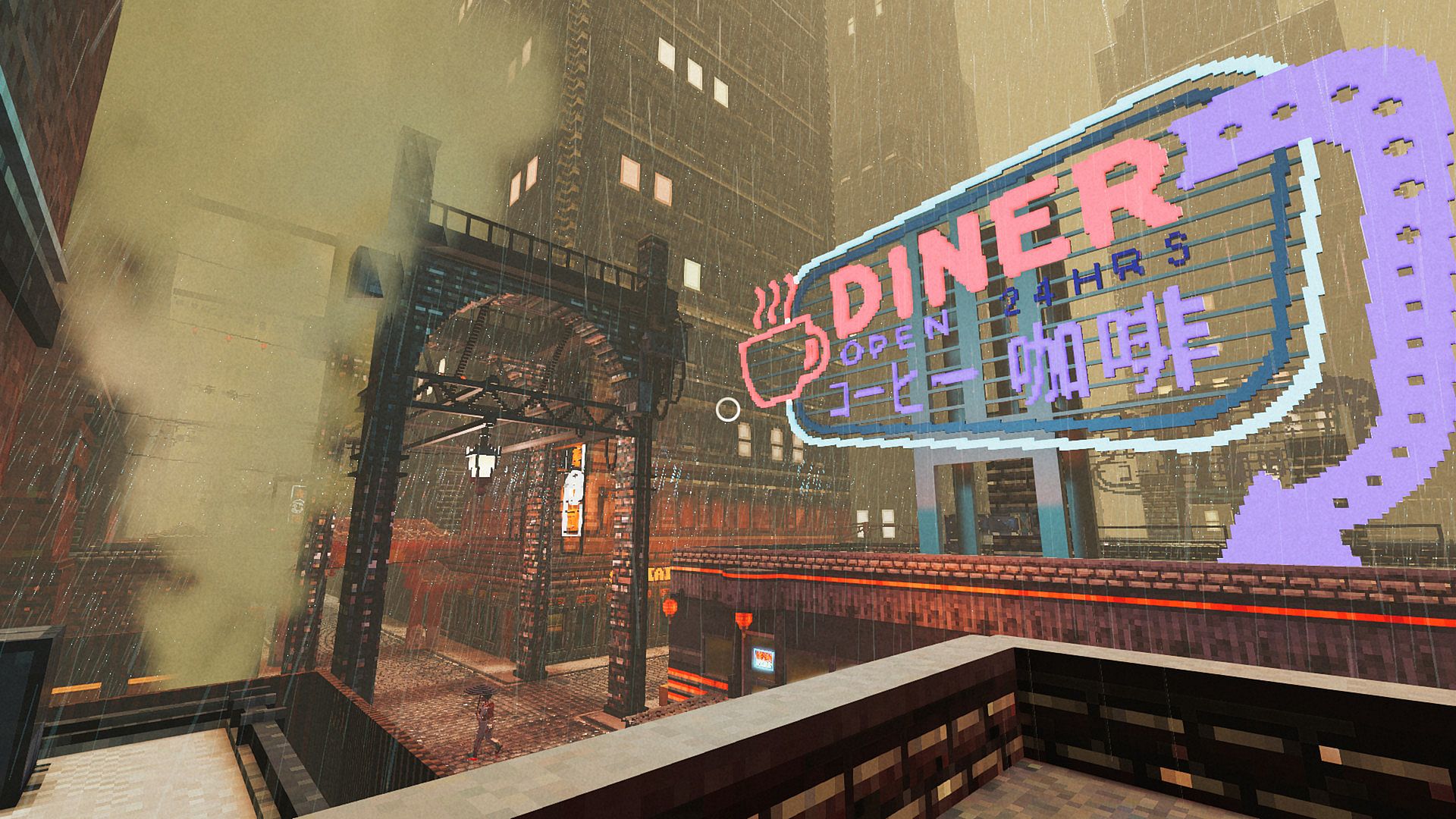
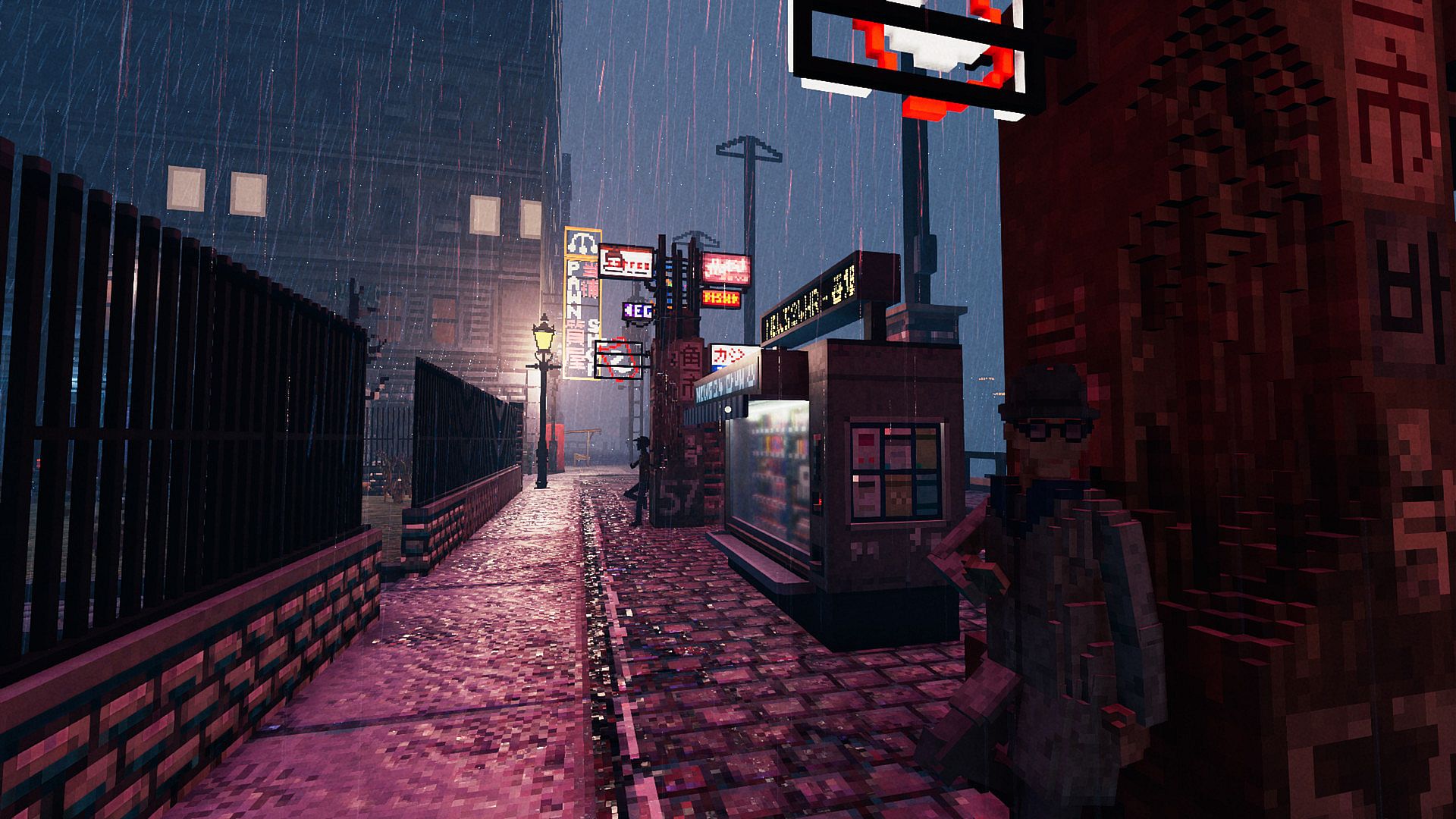
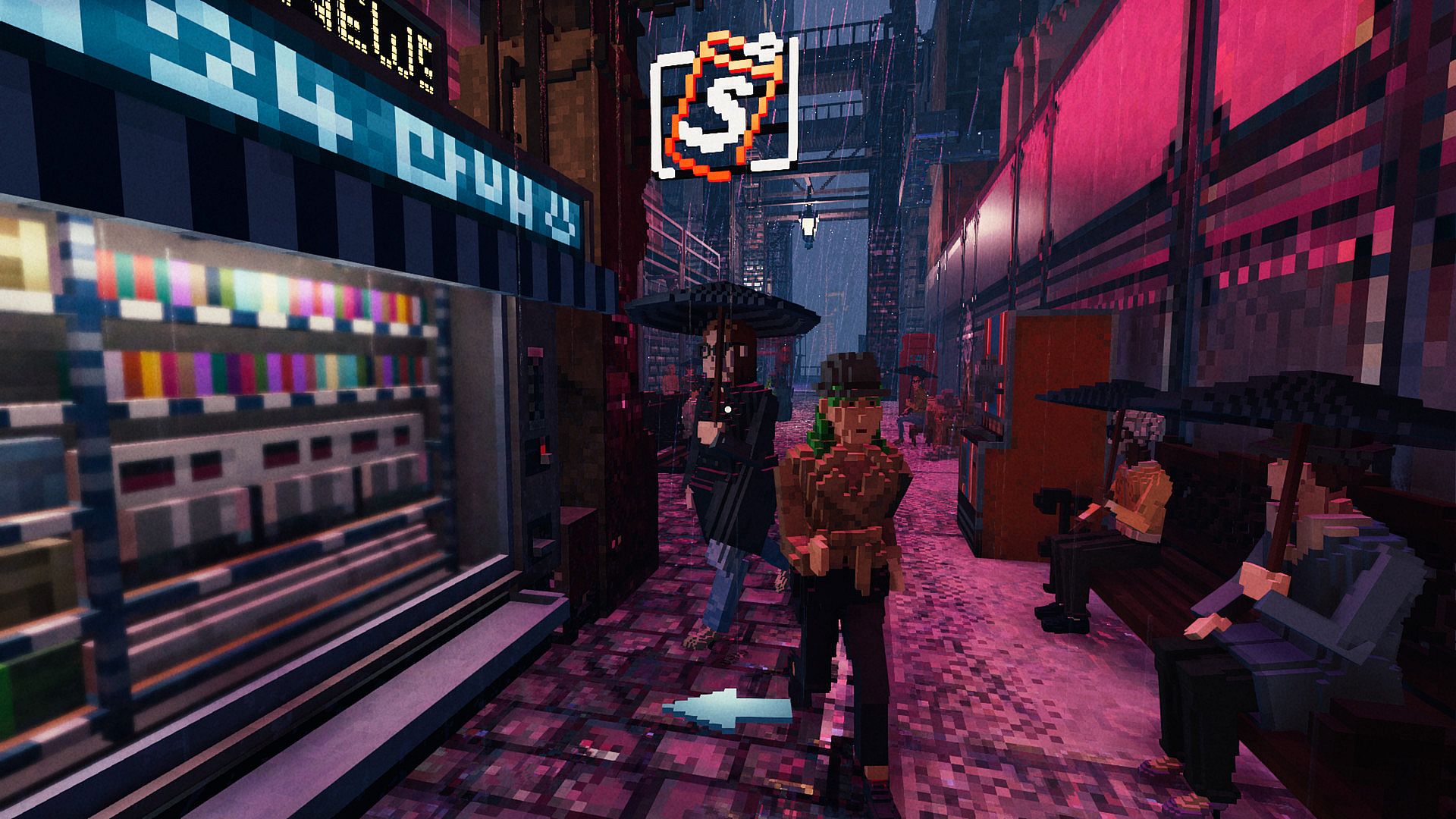
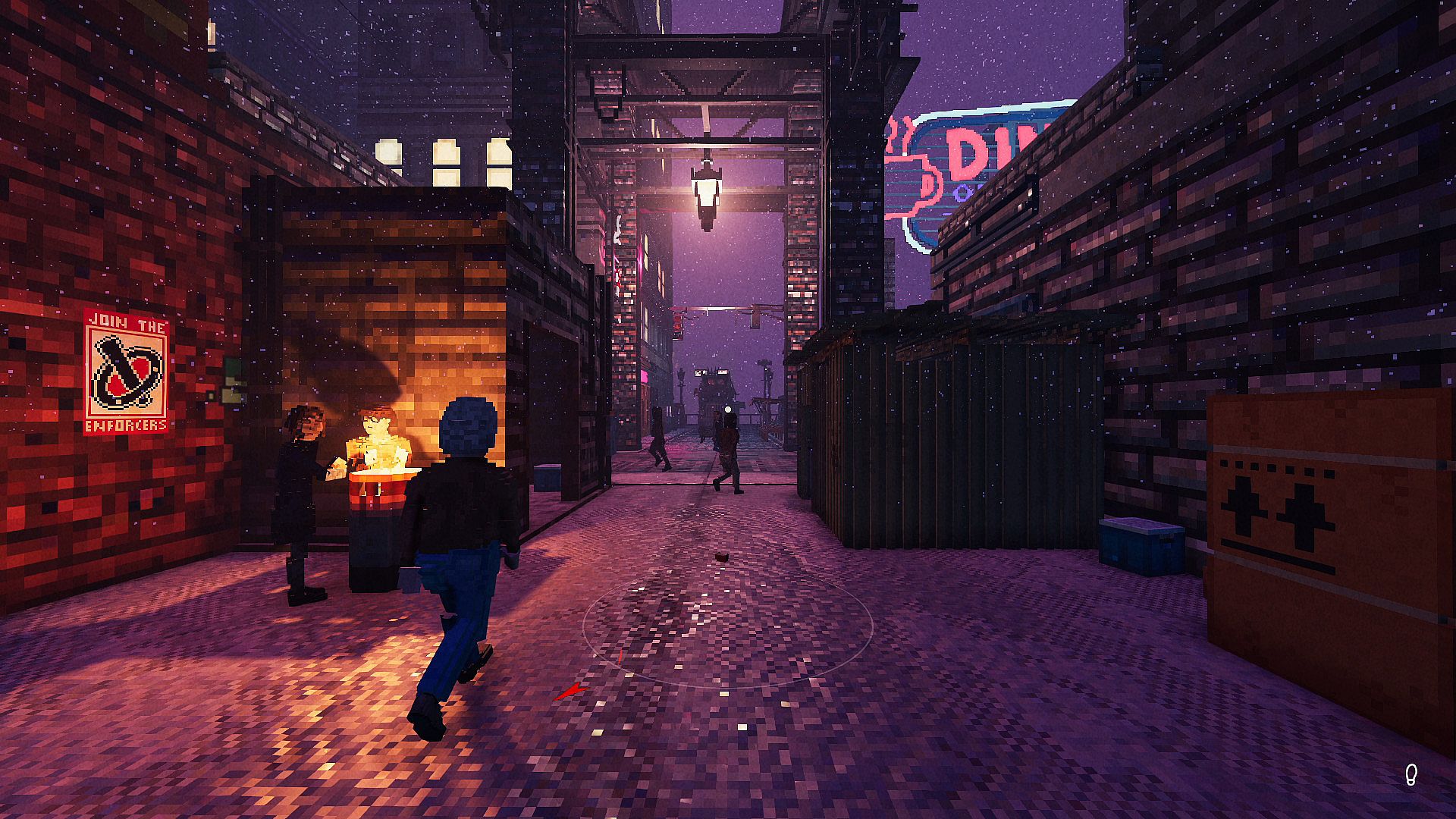
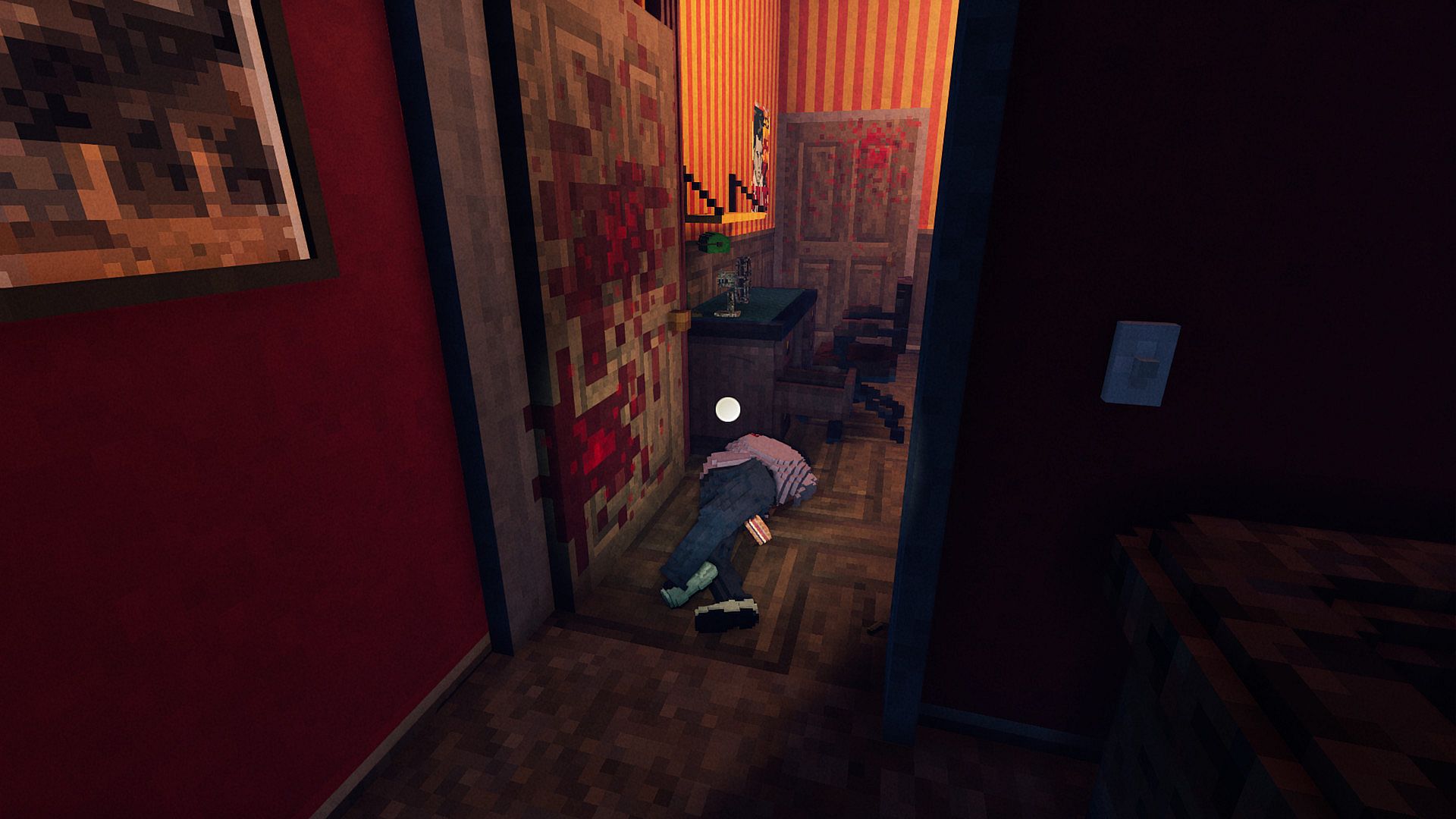
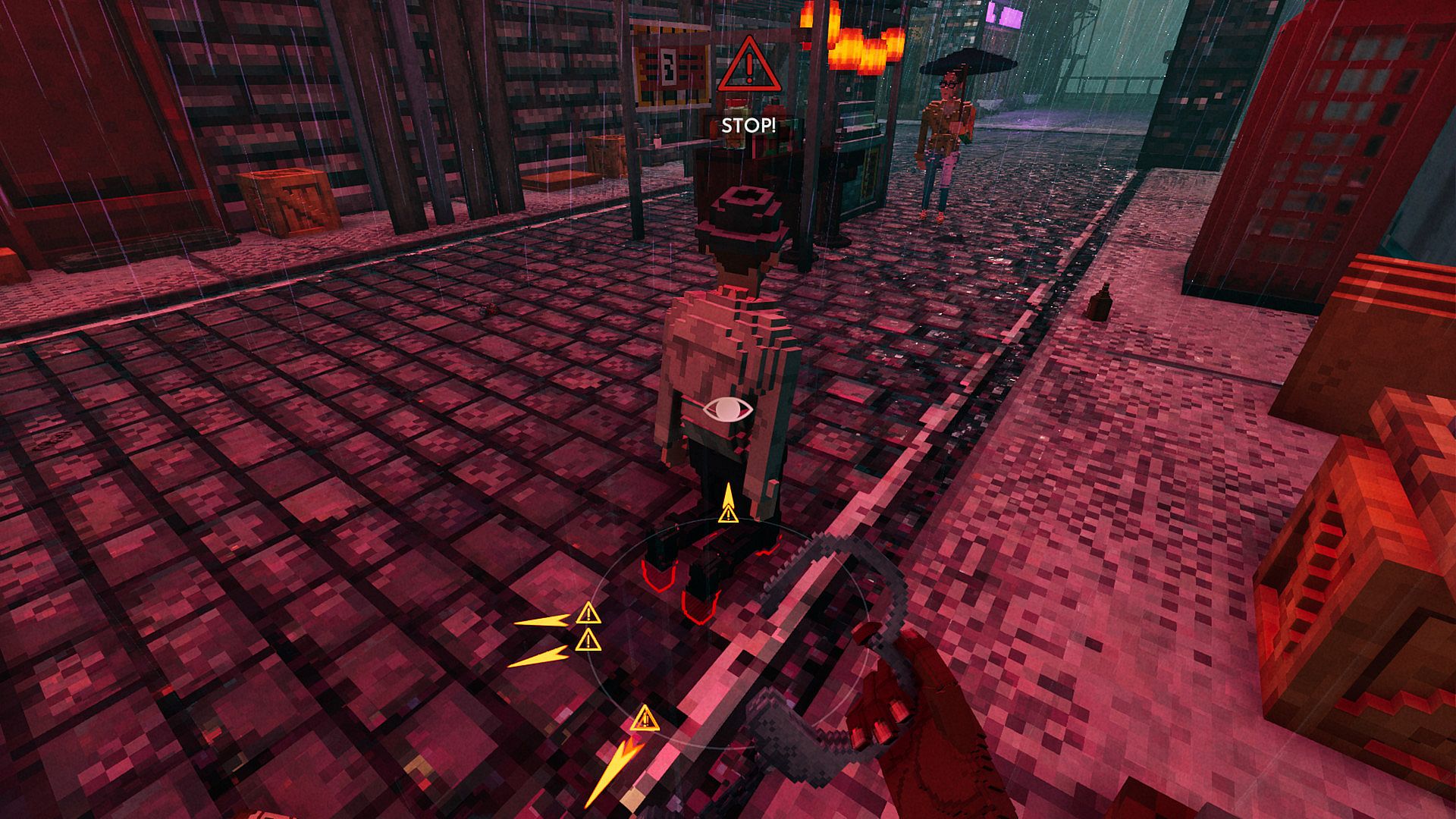



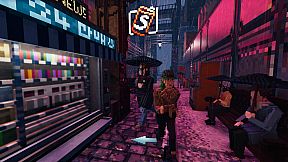

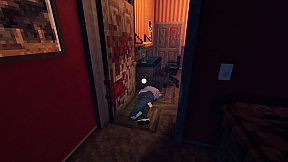
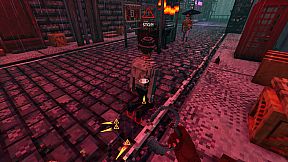
Shadows of Doubt stands out as a detective simulation game blending stealth, investigation, and procedural generation in a dystopian sci-fi setting. Released for PC, this title puts you in the shoes of a private investigator navigating a fully simulated city teeming with secrets and suspects. With elements of action, indie creativity, RPG decision-making, simulation depth, and adventure exploration, it challenges you to solve crimes through clever deduction and gadget use in an alternate 1980s world dominated by hyper-industrialization.
Gameplay
In Shadows of Doubt, the core loop revolves around taking on cases as a private investigator, primarily focused on tracking down serial killers or solving murders in a procedurally generated city. You gather evidence by exploring buildings, breaking into apartments, scanning fingerprints, checking call histories, reading private emails, and reviewing CCTV footage. The game emphasizes thinking like a detective, using gadgets to aid investigations, such as lockpicks for entry or hacking tools for security systems.
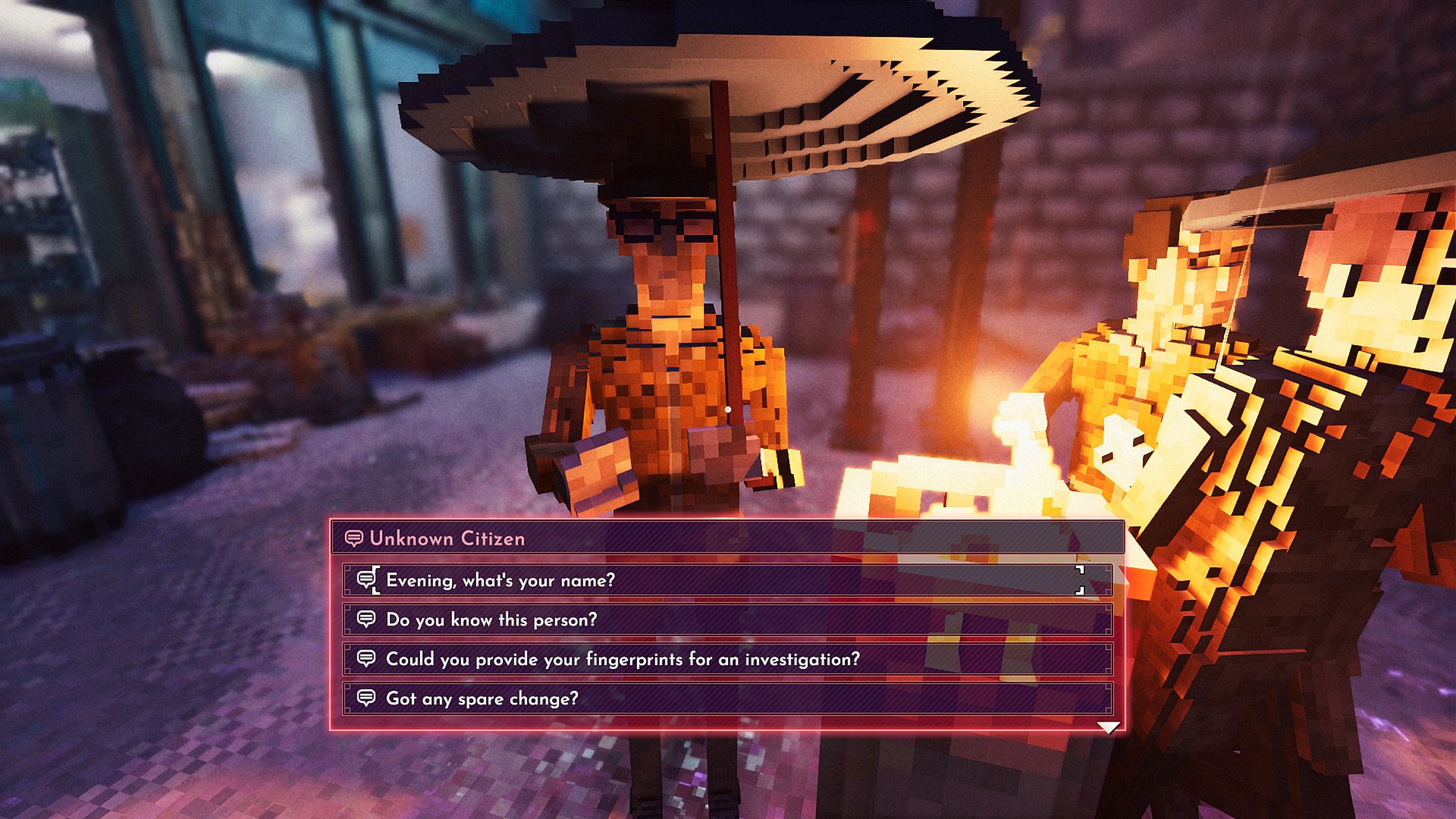
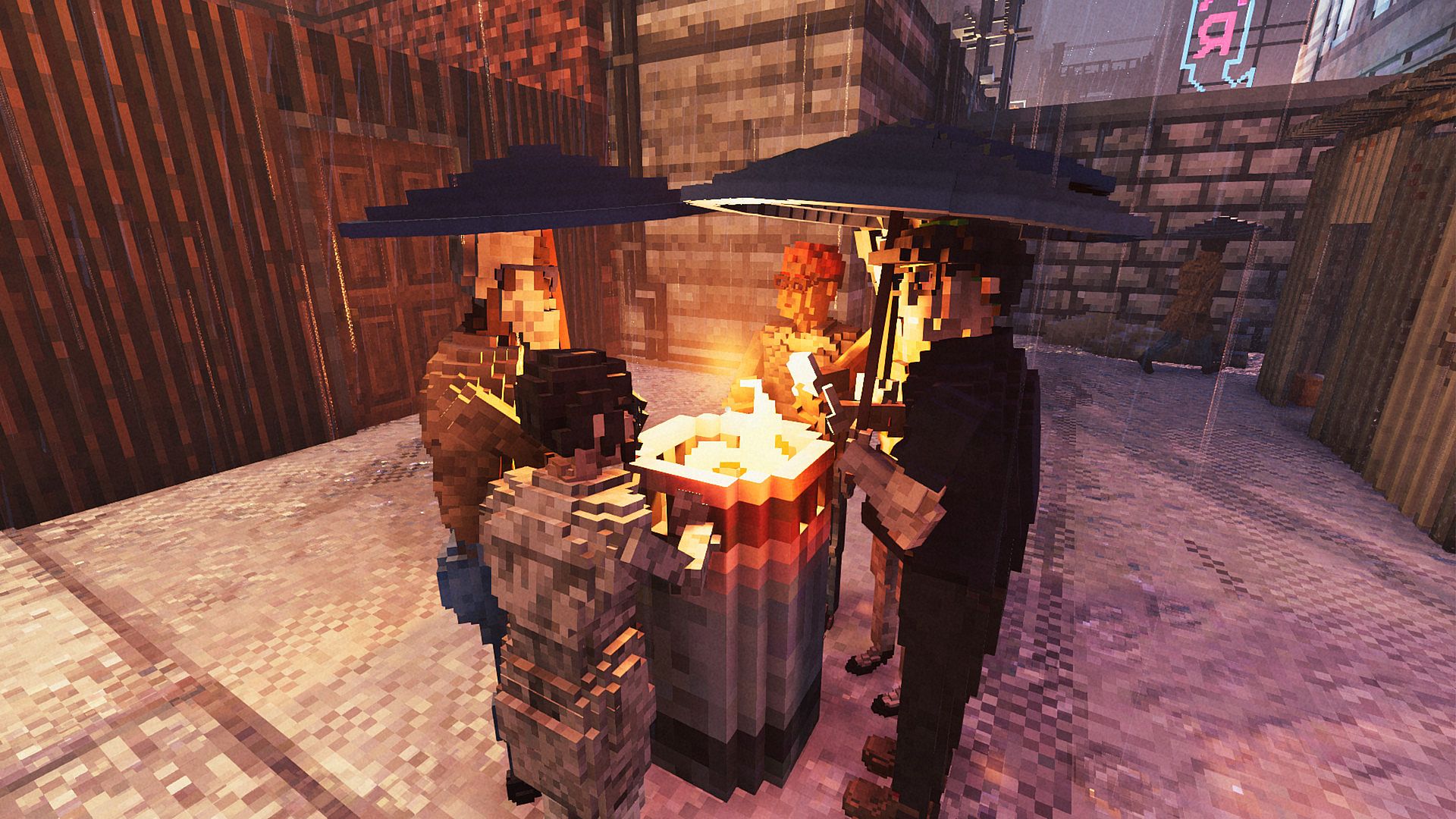
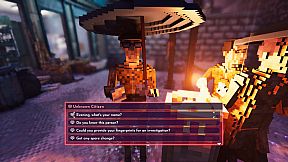
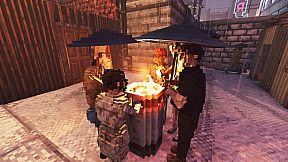
Every citizen in the city has a unique name, job, apartment, and daily routine, all simulated independently. This creates opportunities to tail suspects, bribe for information, or sabotage systems to uncover clues. The world persists even without your input, meaning time-sensitive elements like routines and interactions add urgency to your actions. You can approach tasks legally or through stealthy, rule-breaking methods, allowing for multiple paths to solve each case.
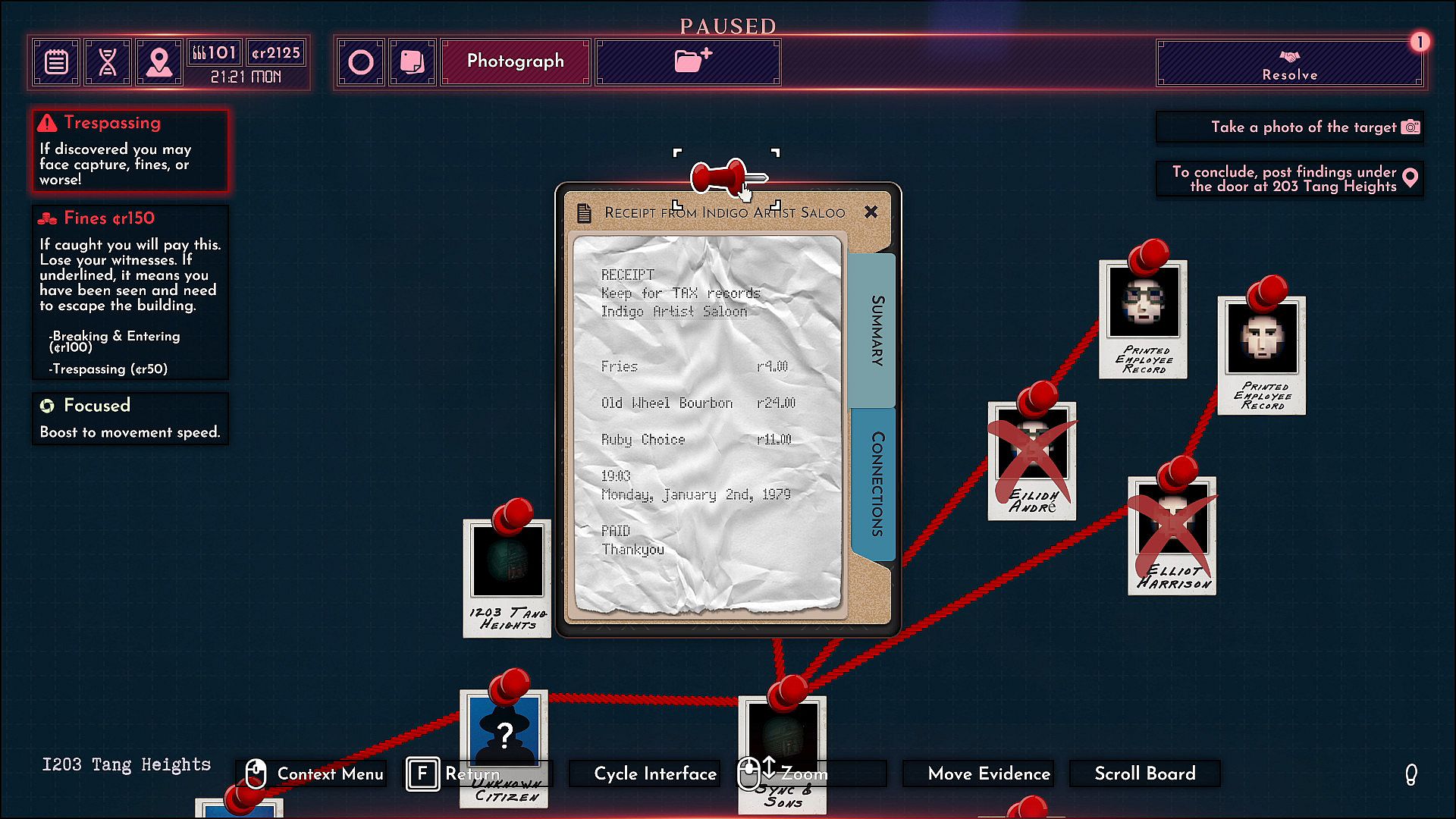
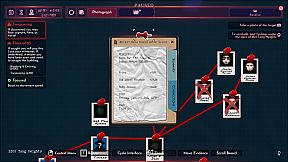
Evidence collection ties into an investigation board where you link clues to build a case, ultimately leading to accusing a suspect. Procedural generation ensures each city and case feels distinct, with clues like discarded receipts potentially tracing back to individuals via timestamps and footage matching.
Game Modes
The game operates in a sandbox mode where you freely explore the city and accept various cases, including murders and kidnappings, all procedurally generated for replayability. There are no fixed multiplayer components; it's designed as a single-player experience centered on individual detective work.
Cases vary in complexity, requiring you to piece together information from diverse sources within the simulated environment. This mode supports customization, such as purchasing new equipment or upgrading your apartment, which enhances your ability to tackle investigations.
Current State and Updates
As of early 2026, Shadows of Doubt continues to receive bug fixes to address issues like performance glitches and gameplay inconsistencies that have persisted since its full release. The development focus has shifted toward polishing the experience, improving stability for smoother playthroughs.
These updates aim to refine the procedural systems and NPC behaviors, making the city feel more alive and responsive. Players can expect ongoing support to iron out remaining rough edges, enhancing the overall immersion in this detective simulator.
Is It Worth Playing?
Shadows of Doubt appeals to those who enjoy deep investigative gameplay and don't mind occasional bugs in exchange for a unique simulation. Player reception highlights its innovative procedural generation and freedom in solving cases, though some report frustrations with clunkiness and unplayable elements in certain scenarios.
If you prefer games that reward patience and deduction over fast-paced action, this title offers substantial value through its replayable cities and emergent stories. It's particularly suited for solo players seeking a fresh take on stealth and mystery, with the understanding that ongoing fixes are addressing known issues to improve accessibility.