






















Sherlock Holmes: The Mystery of the Persian Carpet is a casual adventure game set on PC in which players step into the shoes of the iconic detective to solve a murder case from 1896. A young painter lies dead, wrapped inside an ornate Persian carpet, prompting Scotland Yard to summon Holmes and his companion Watson for assistance. The experience centers on methodical investigation across several crime scene locations, where observation and logical deduction drive progress toward identifying the culprit and understanding the carpet's role in the crime.
Gameplay
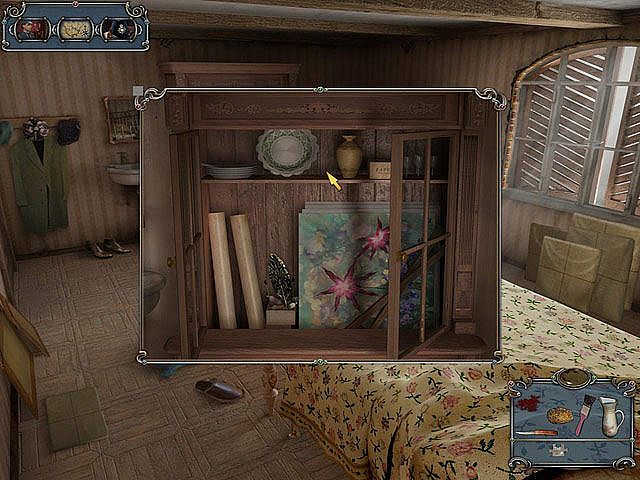
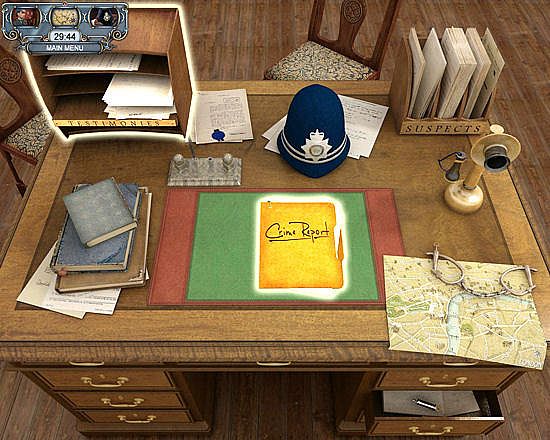
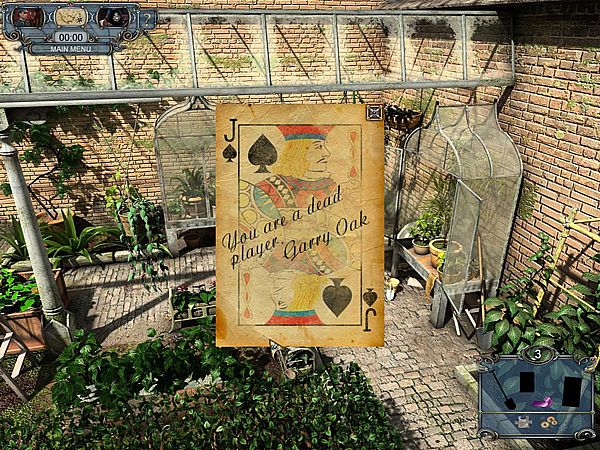
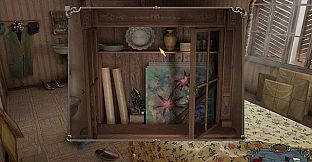
The core loop involves traveling between key sites in London to gather evidence. Players examine detailed environments for concealed items that advance the case, then cross-reference findings with official police documents and statements from those connected to the victim. Suspects receive direct questioning, and responses help narrow possibilities while revealing inconsistencies in their accounts.
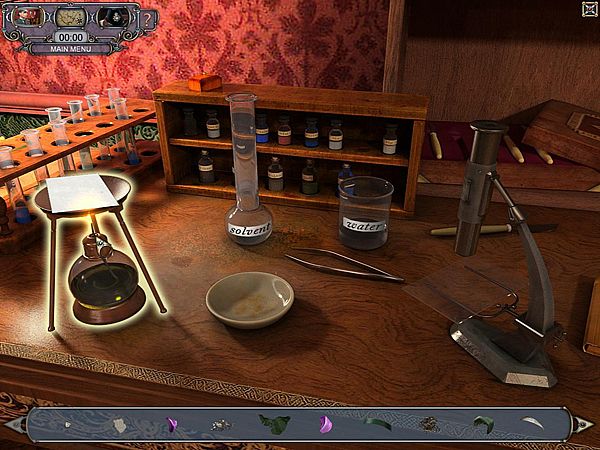
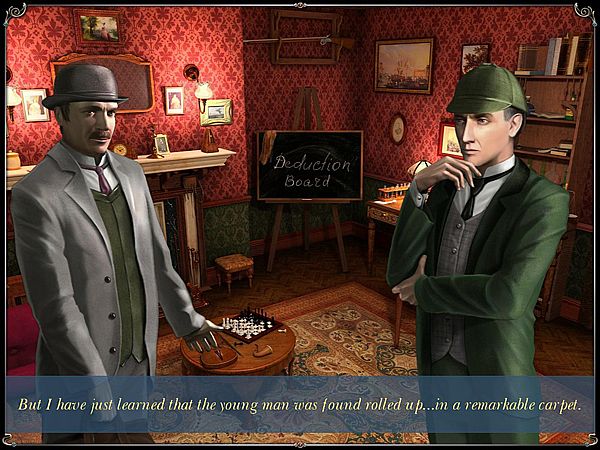
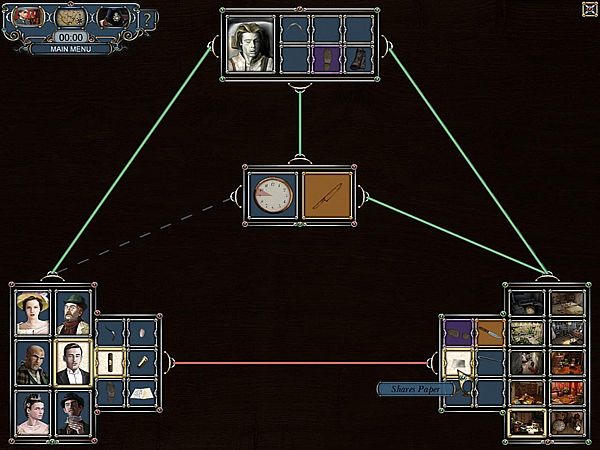
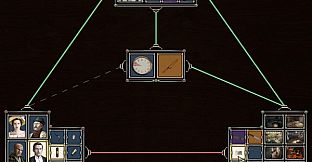
Progress tracking happens through a dedicated deduction board that organizes collected information and highlights connections between clues. This system encourages careful review of all gathered material before drawing conclusions. Additional activities include short puzzle sequences that break up the main investigation and provide variety without shifting focus away from the central mystery.
Scenes feature three-dimensional models rendered with period-appropriate detail, allowing close inspection of rooms, objects, and documents. Background audio consists of music styled after the late nineteenth century, supporting the atmosphere without overpowering the investigative tasks. All actions remain interactive, requiring players to select examination points and choose dialogue options during interviews.
Game Modes
The title operates as a single continuous campaign that blends hidden object searches with clue analysis and suspect interviews. No separate competitive or cooperative options exist, so the entire experience unfolds as one uninterrupted narrative thread. Within this structure, players move freely between exploration phases, evidence review, and deduction exercises at their own pace.
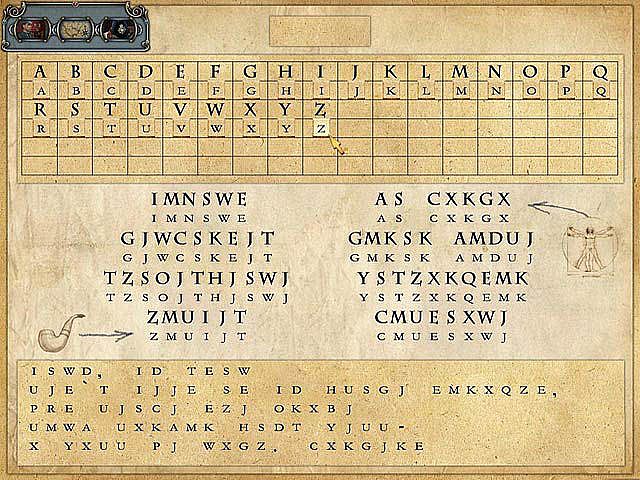
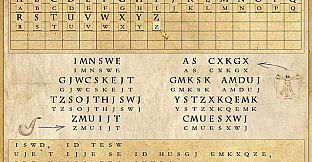
Bonus mini-puzzle games appear at intervals to test different skills, such as pattern matching or logical sequencing, while remaining tied to the overall case. These elements integrate directly into the main flow rather than functioning as optional side content, ensuring consistent forward momentum toward the resolution of the Persian carpet mystery.
Story and Setting
The narrative opens at 221B Baker Street in 1896, where Holmes receives the urgent request from Scotland Yard. The victim, a painter, was discovered rolled inside the distinctive carpet, creating an unusual crime scene that demands attention to both forensic details and artistic context. Watson assists throughout, providing practical support during examinations and discussions.
Locations span multiple London sites connected to the case, each presented with accurate historical touches that reflect the era's architecture and daily life. Suspects range from individuals in the art world to those with personal ties to the deceased, and their statements form a web of potential motives and alibis that players must untangle through repeated visits and comparisons.
Is It Worth Playing?
This game suits players who prefer deliberate, observation-based gameplay over fast action or complex resource management. The combination of hidden object searches, clue analysis, and suspect interviews creates a focused mystery that rewards patience and attention to detail. Those familiar with classic detective stories will recognize the emphasis on logical connections and careful evidence handling.
Because the title remains available on PC through standard digital storefronts, it offers an accessible entry point for anyone interested in older adventure titles with straightforward mechanics. The deduction board and integrated mini-puzzles add structure without overwhelming newcomers, while the atmospheric presentation helps maintain engagement across the full case. Players who enjoy methodical single-player experiences centered on investigation rather than combat or exploration for its own sake will find a self-contained story that concludes once the mystery is resolved.