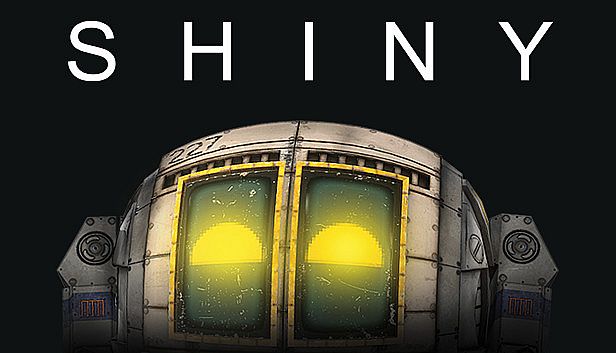




















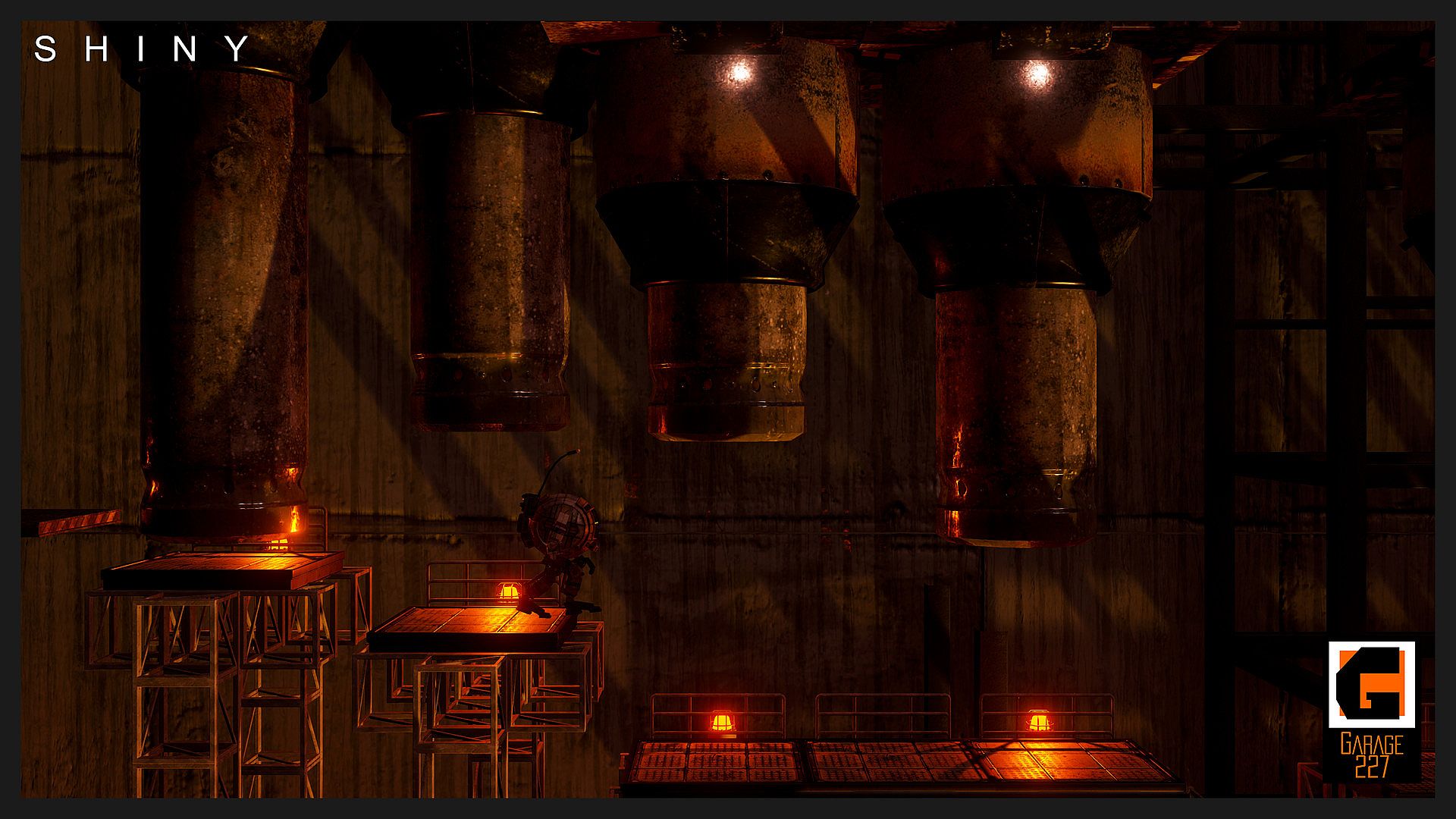
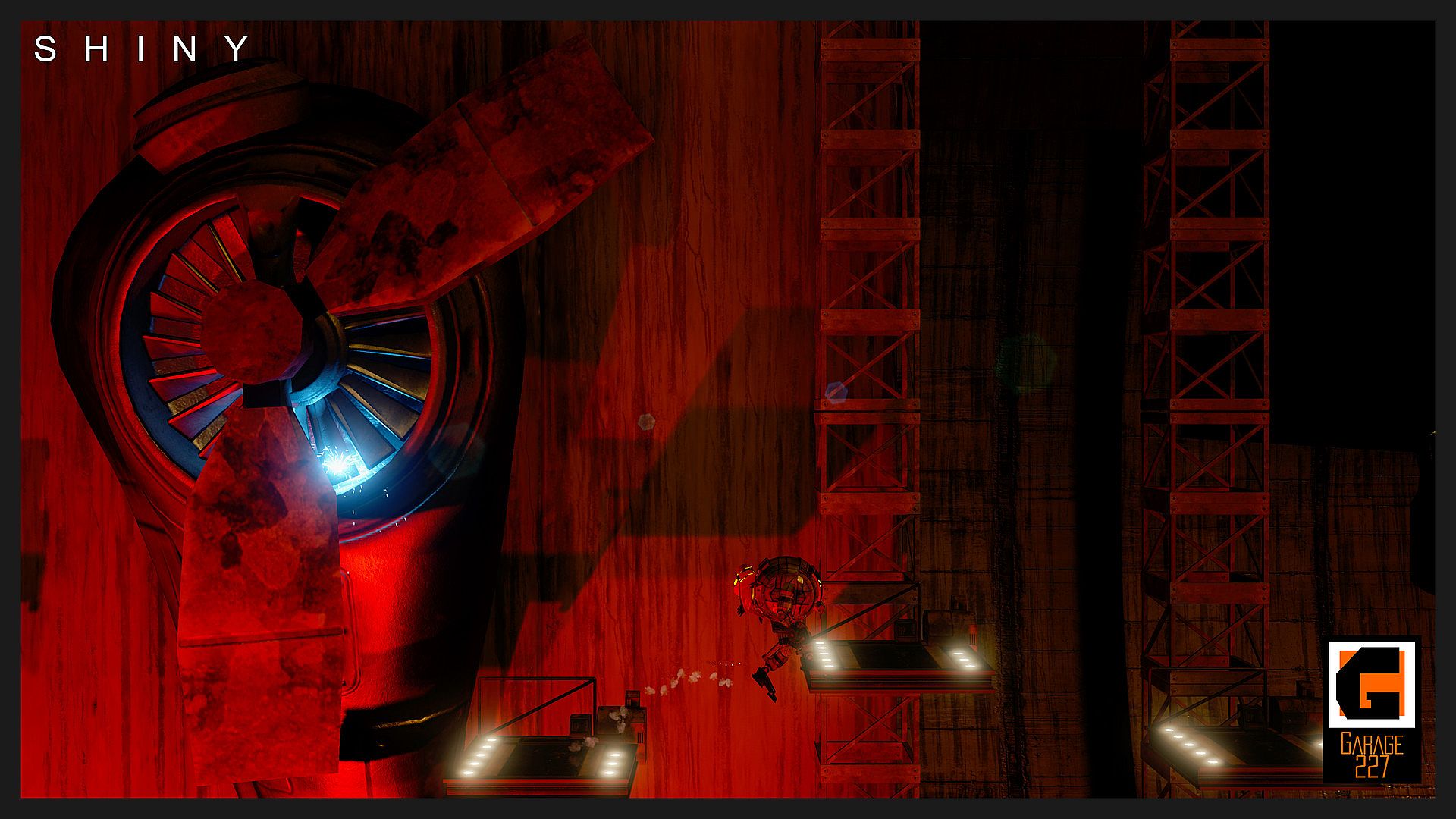
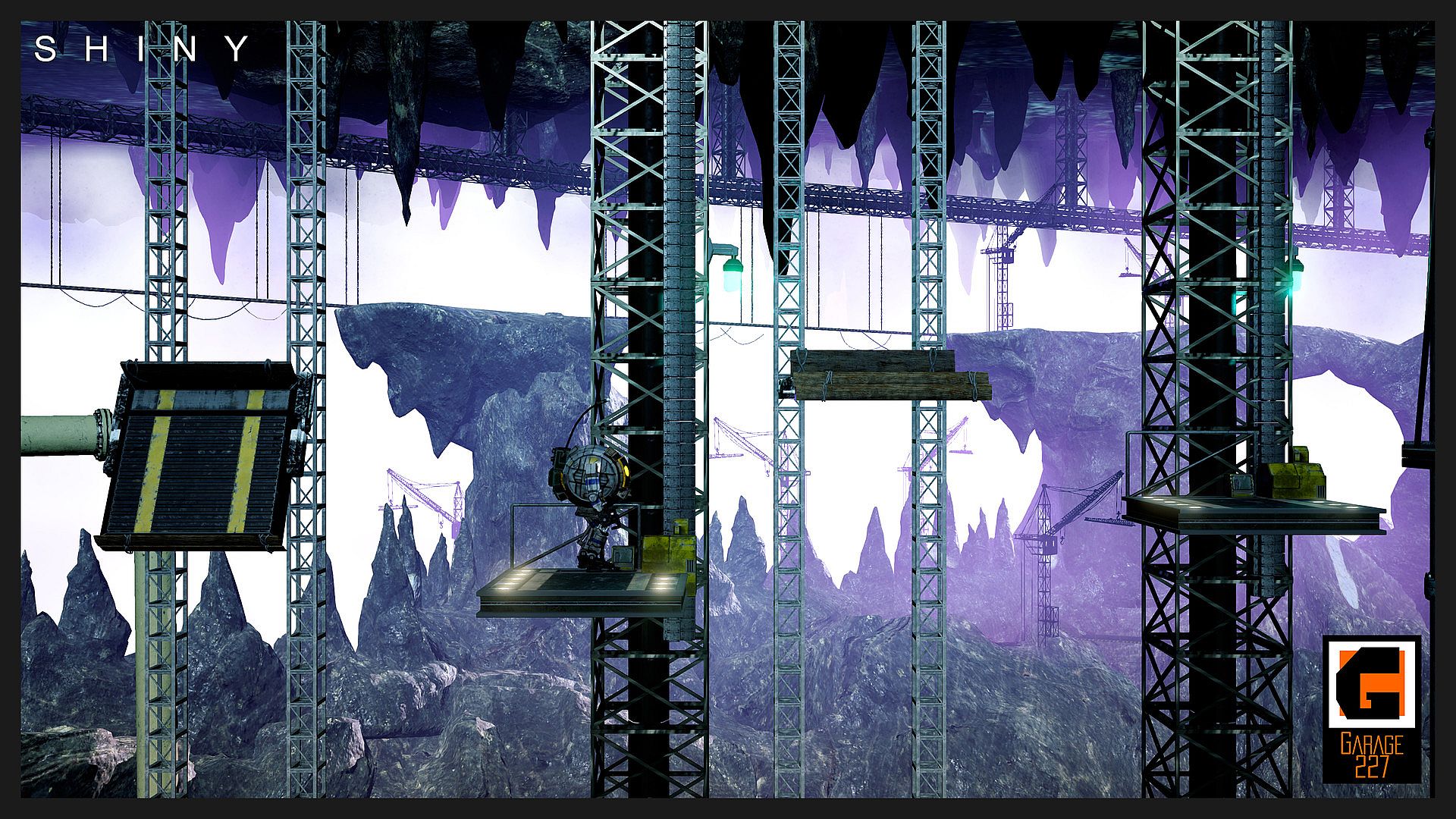
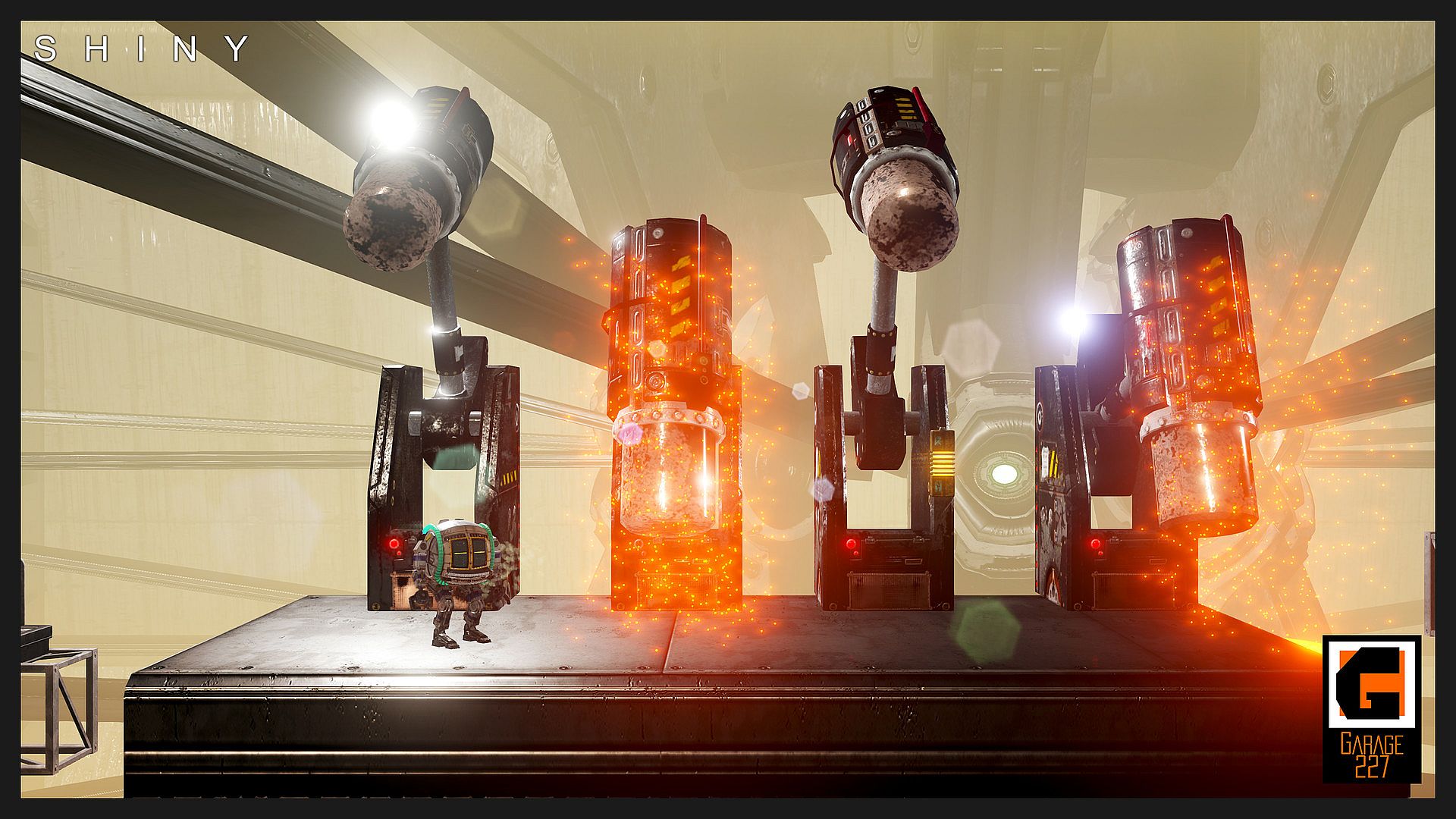
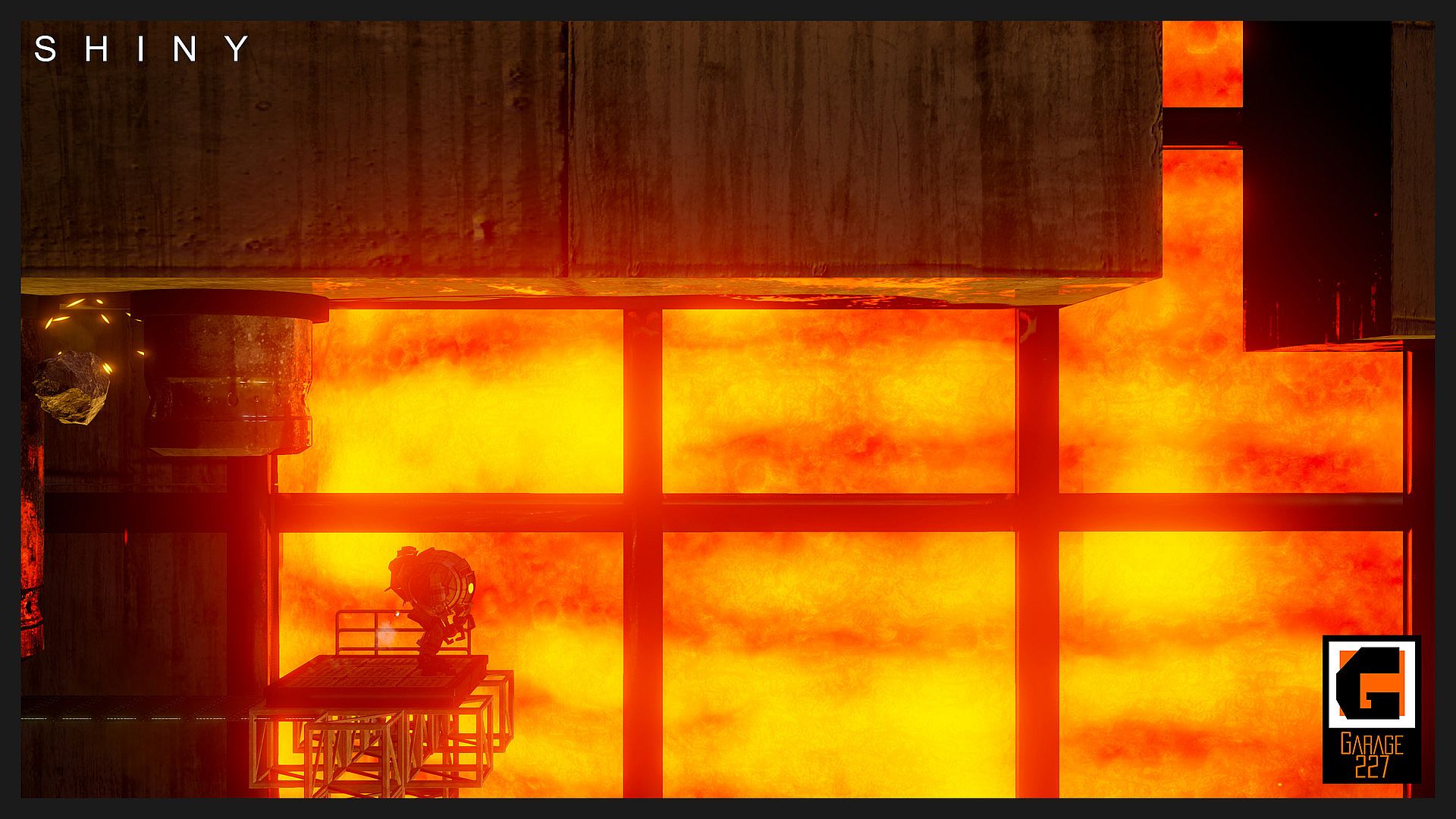
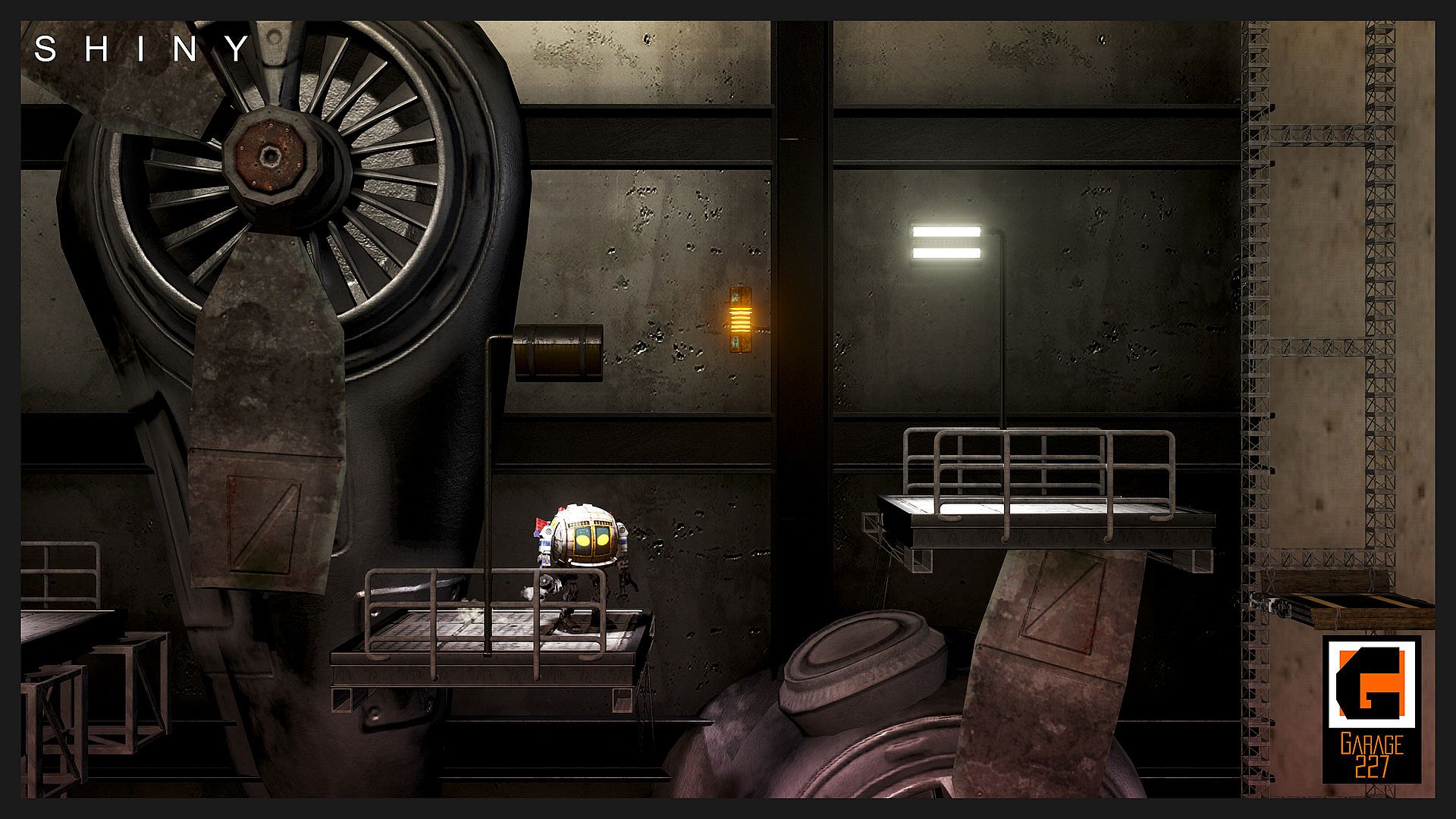
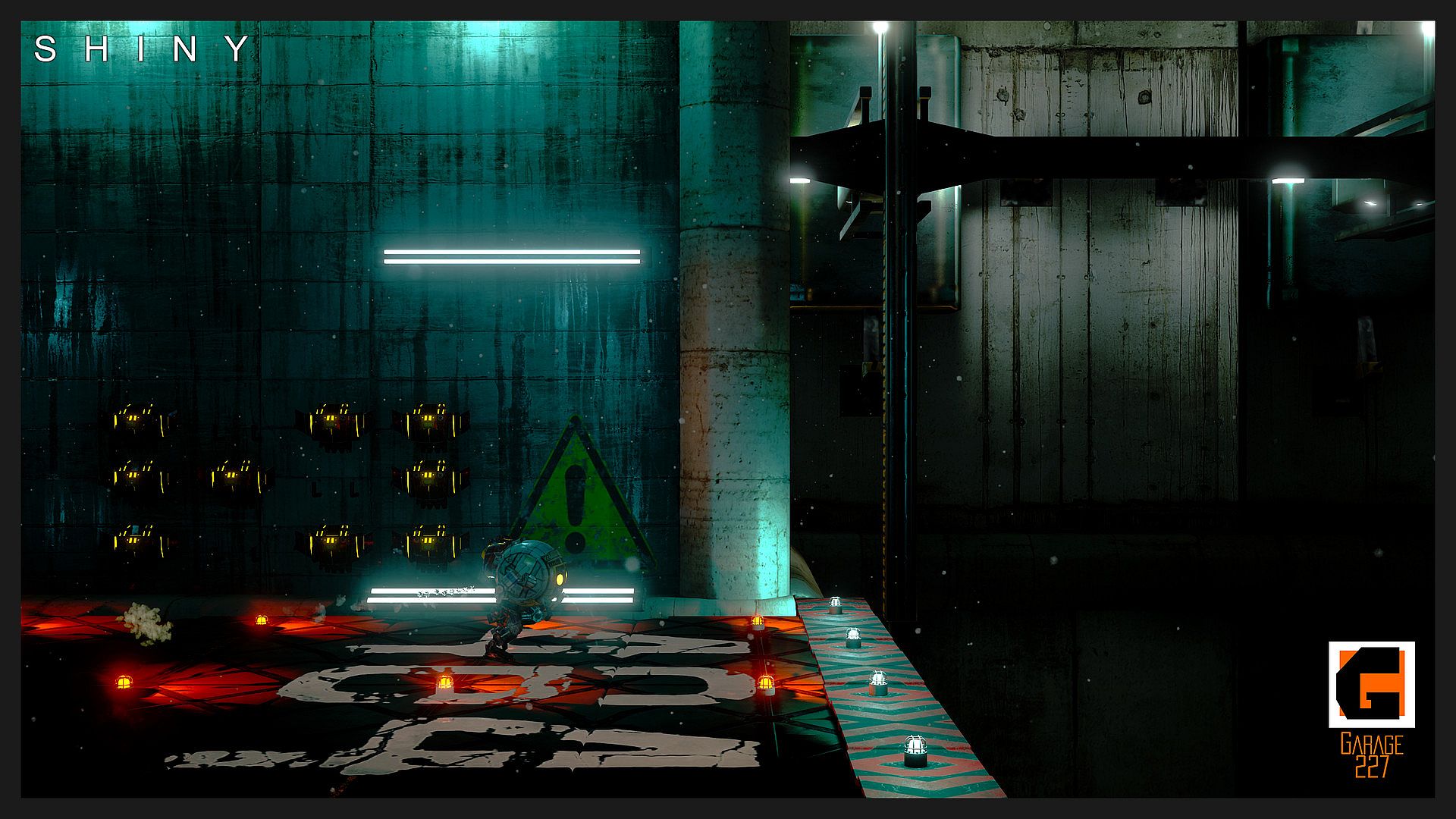
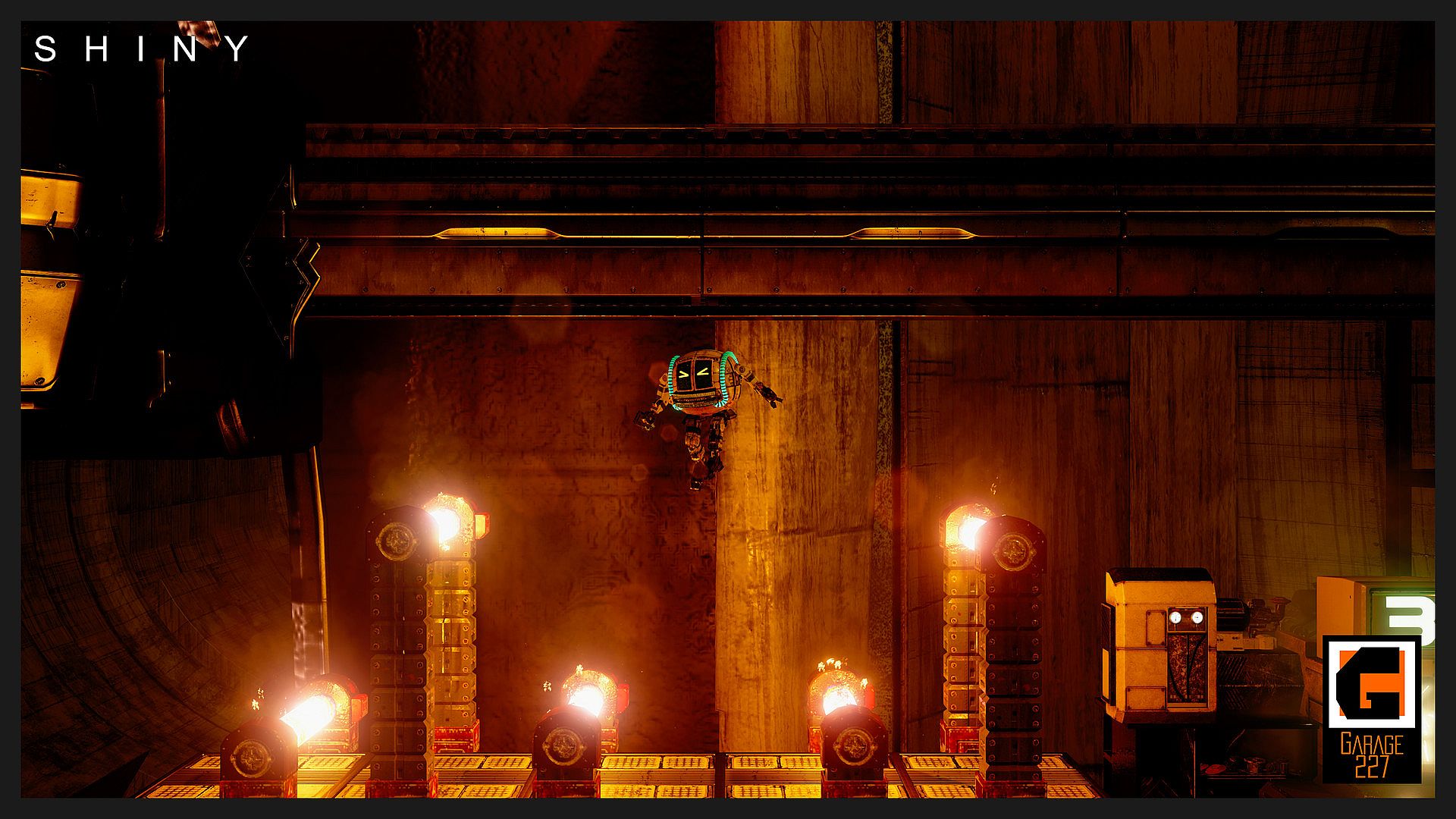
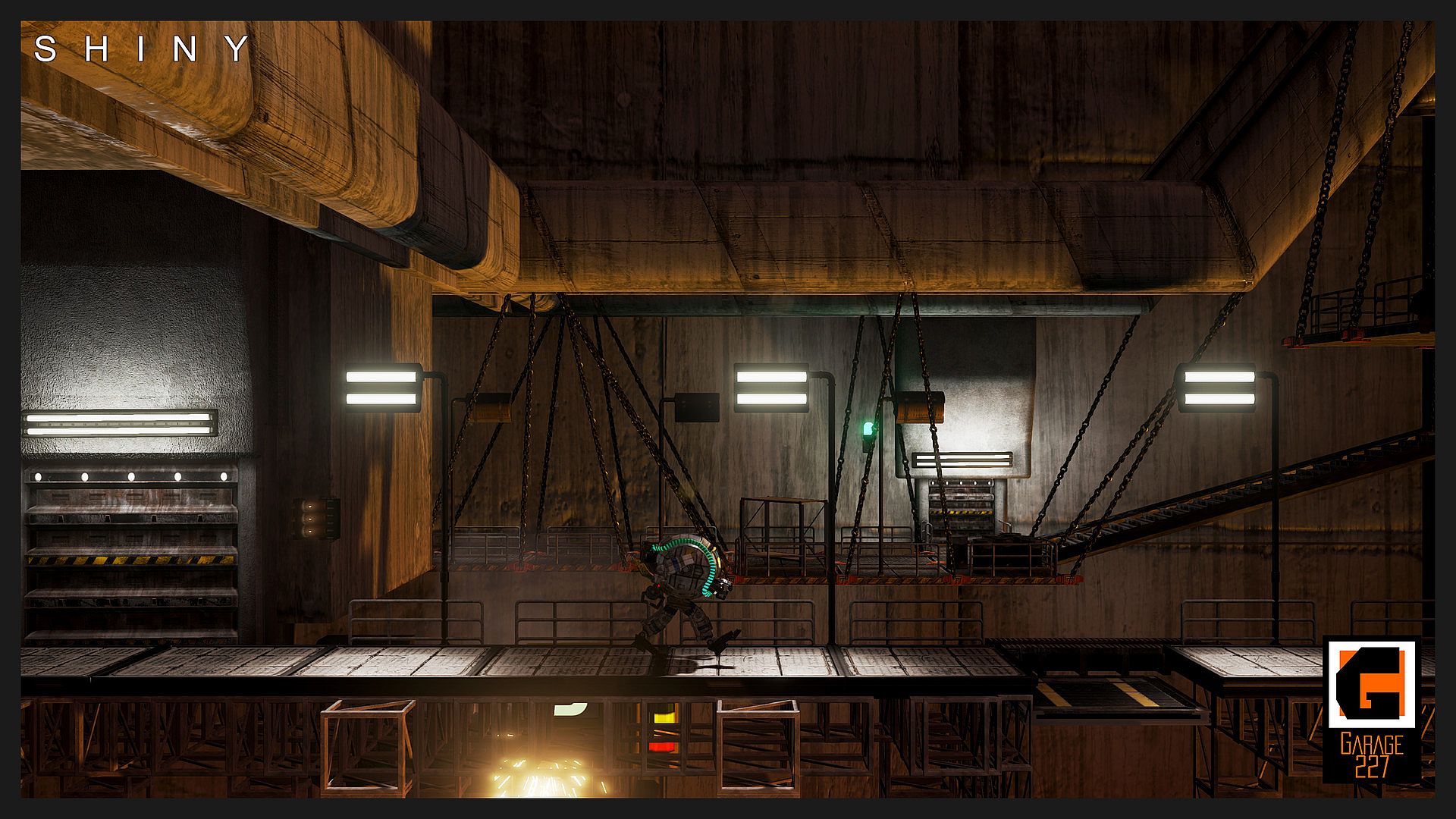
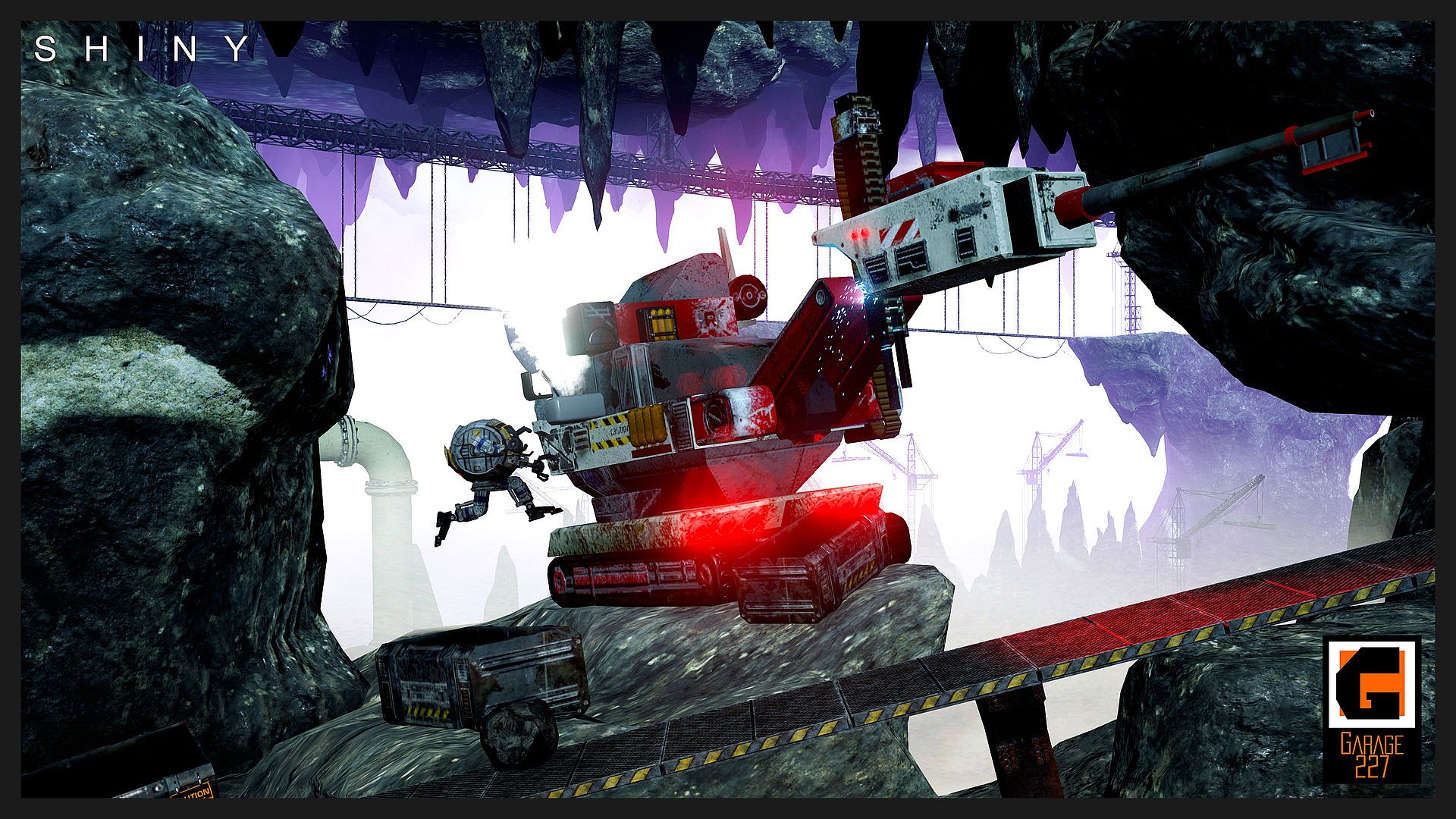
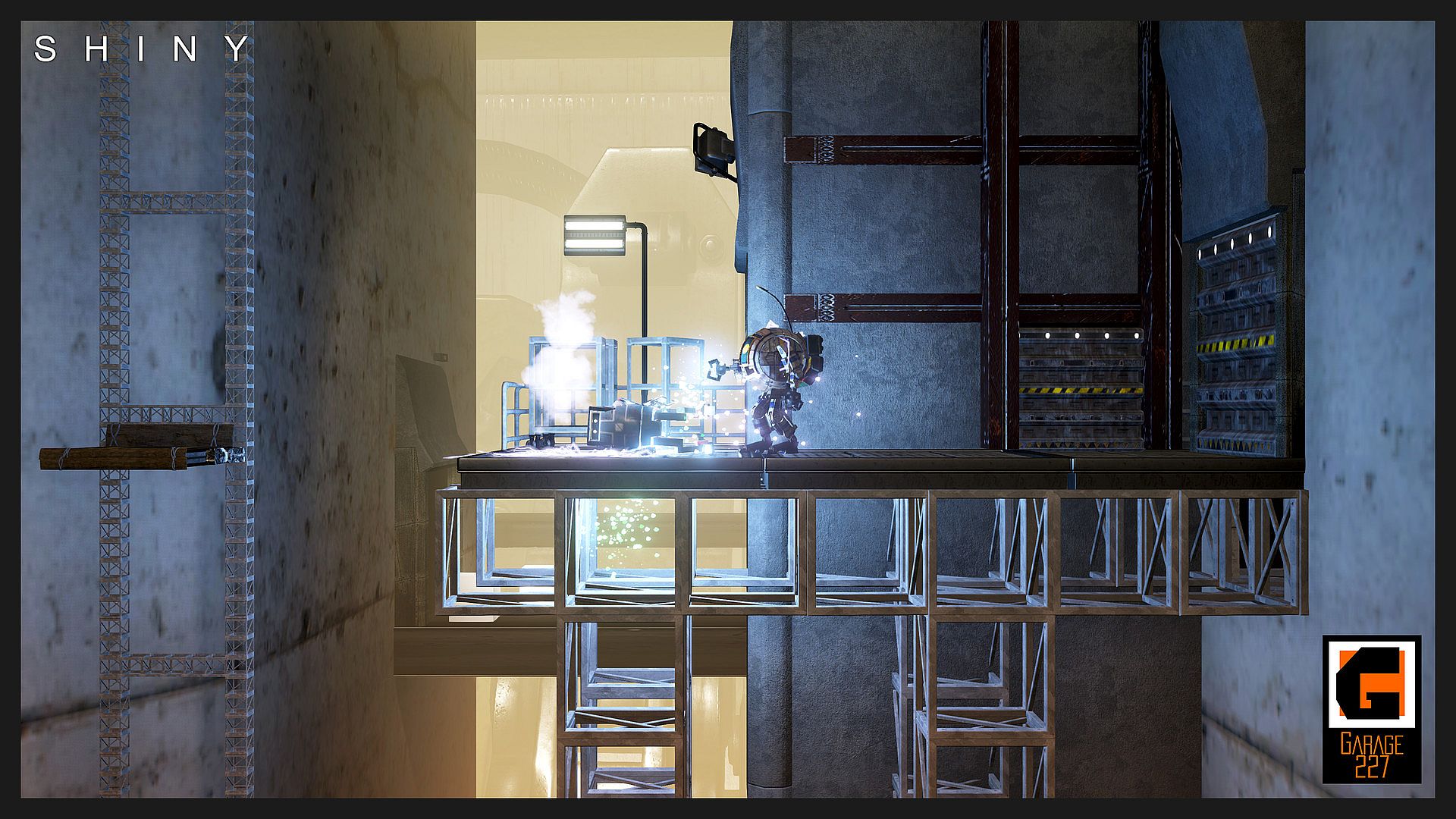
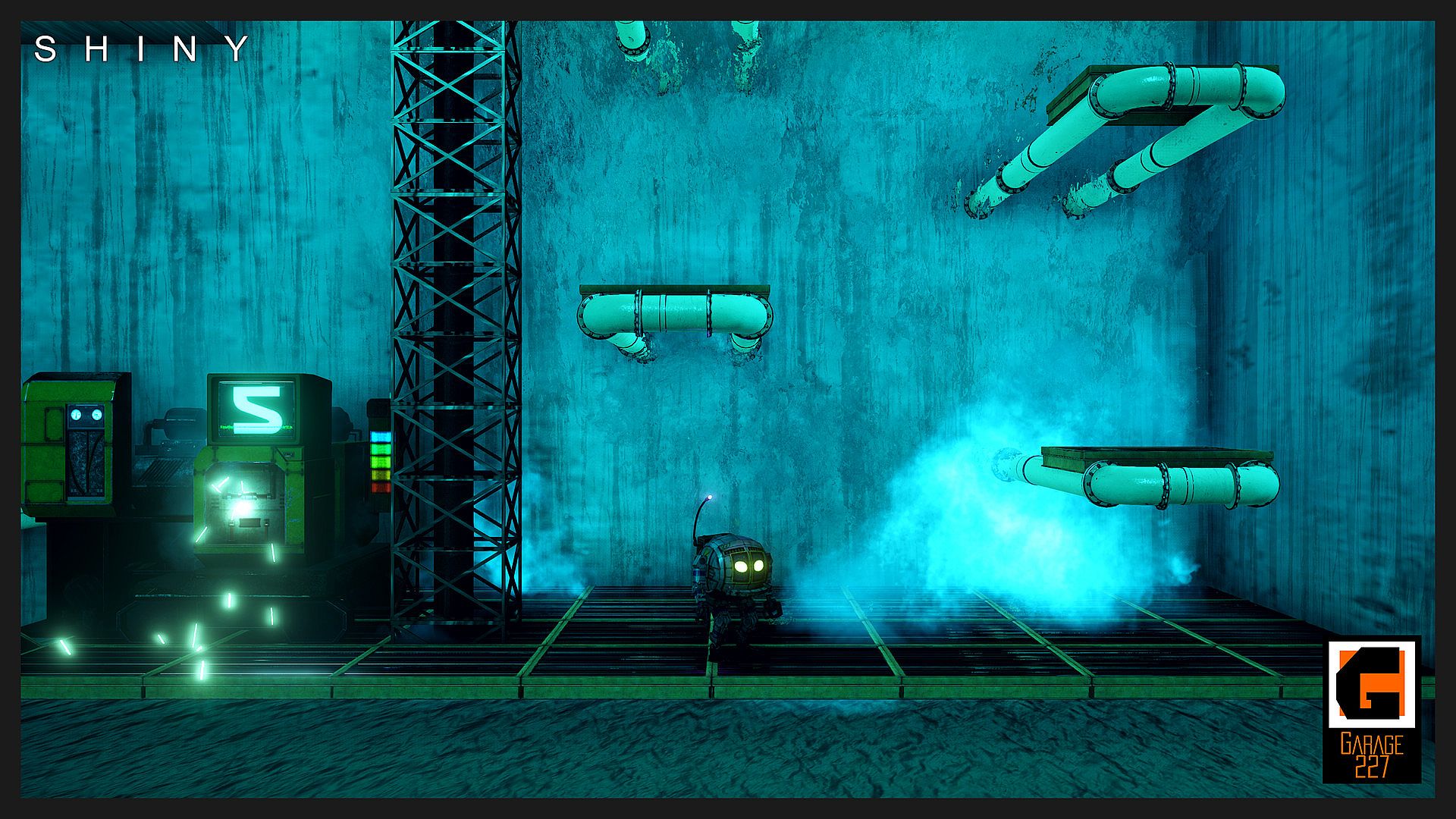
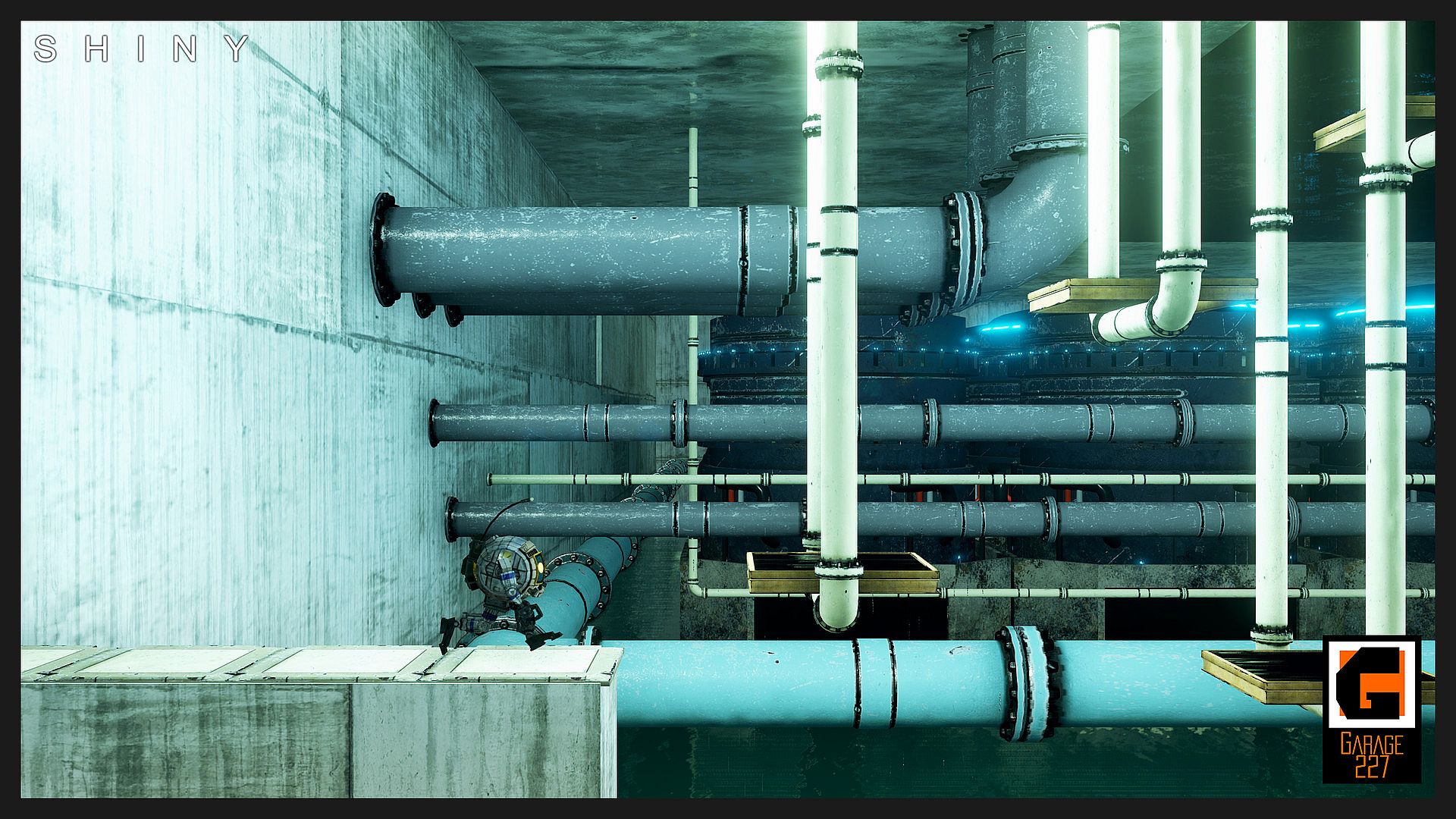
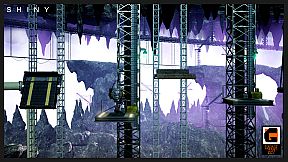
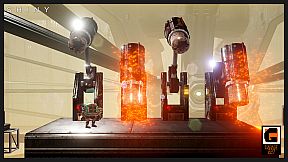
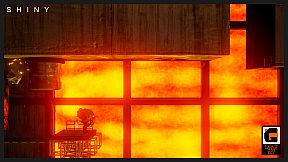
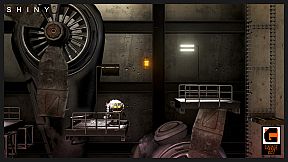
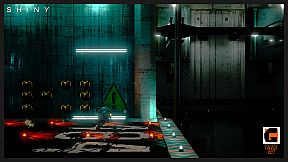
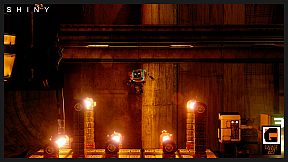
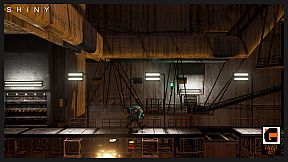
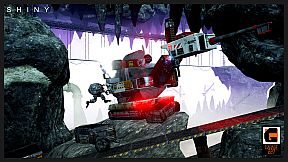
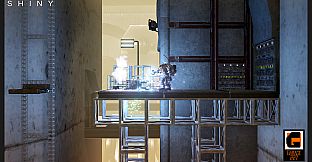
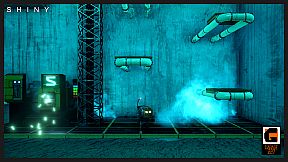
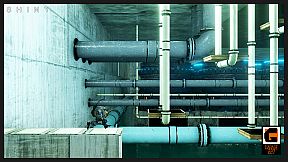
Shiny is a 2D action platformer in the indie genre for PC. Players take control of robot Kramer 227 on the planet Aurora, where the core loop revolves around careful movement across platforms while balancing a constantly depleting energy supply.
Gameplay
The central mechanic requires constant attention to energy levels. Every jump, movement, or interaction drains power, forcing players to plan routes and locate recharge points. Batteries scattered through levels provide quick top-ups, while generators at checkpoints offer more reliable restoration. Running out of energy ends the attempt, so conservation becomes as important as navigation.
Platforming forms the foundation, with Kramer traversing varied terrain in each of the 20 levels. Exploration rewards thorough searching, as hidden paths and elevated platforms often conceal rescued robots or extra batteries. The absence of combat shifts focus entirely to timing, positioning, and environmental interaction.
Power-ups appear at key moments to alter movement options. Jetpacks enable extended aerial travel, energy spheres grant temporary boosts, and temperature regulators protect against hazardous zones. These items integrate directly into level design, opening new routes or easing difficult sections without replacing the need for precise control.
Sharing energy with other robots adds a layer of decision-making. Kramer can transfer power to free trapped allies, which sometimes requires backtracking or sacrificing personal reserves. This system ties progression to both individual survival and collective rescue goals.
Game Modes
Shiny offers only a single-player campaign. The experience consists of progressing sequentially through 20 levels, each designed around the energy management and platforming systems described above. No separate difficulty settings, challenge modes, or multiplayer options exist.
Progression remains linear, with each level building on prior mechanics through new obstacles and power-up placements. Players must locate every robot within the level boundaries to advance, encouraging full exploration rather than speed runs or alternative paths.
Story and Atmosphere
The narrative unfolds without dialogue or cutscenes. Kramer 227 awakens on a planet abandoned by its creators, with Aurora hurtling toward its sun. The robot's mission centers on locating and evacuating fellow machines before the inevitable collision. Environmental storytelling through level design and loading screen text conveys the urgency and isolation of the setting.
Visuals emphasize metallic structures and industrial decay, creating a calm yet tense backdrop. Sound design supports the non-violent tone, focusing on mechanical sounds and ambient tones rather than action cues. The overall presentation reinforces the theme of preservation over destruction.
Is It Worth Playing?
Player reception stands at mostly positive based on available reviews. The game appeals to those seeking deliberate platforming that emphasizes resource management over reflexes or combat. Its short length and focused design suit sessions where careful planning takes precedence.
Those who enjoy non-violent indie platformers with clear objectives will find the energy system and rescue mechanics engaging. The 20 levels provide consistent challenge without overwhelming complexity, though some sections demand patience with precise jumps and recharge timing.
Availability on PC makes it accessible for fans of classic side-scrolling adventures updated with a survival twist. The lack of ongoing updates means the experience remains exactly as released, delivering a complete, self-contained story through gameplay alone.