




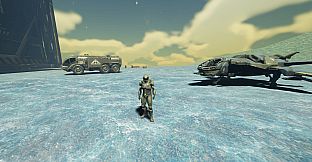
Sidera Caeli is a first-person multiplayer space simulator set in a persistent universe where players handle every step of a sortie themselves. The experience centers on physical actions and systems that connect seamlessly across stations, ships, orbits, and planetary surfaces without loading screens or separate instances.
Gameplay
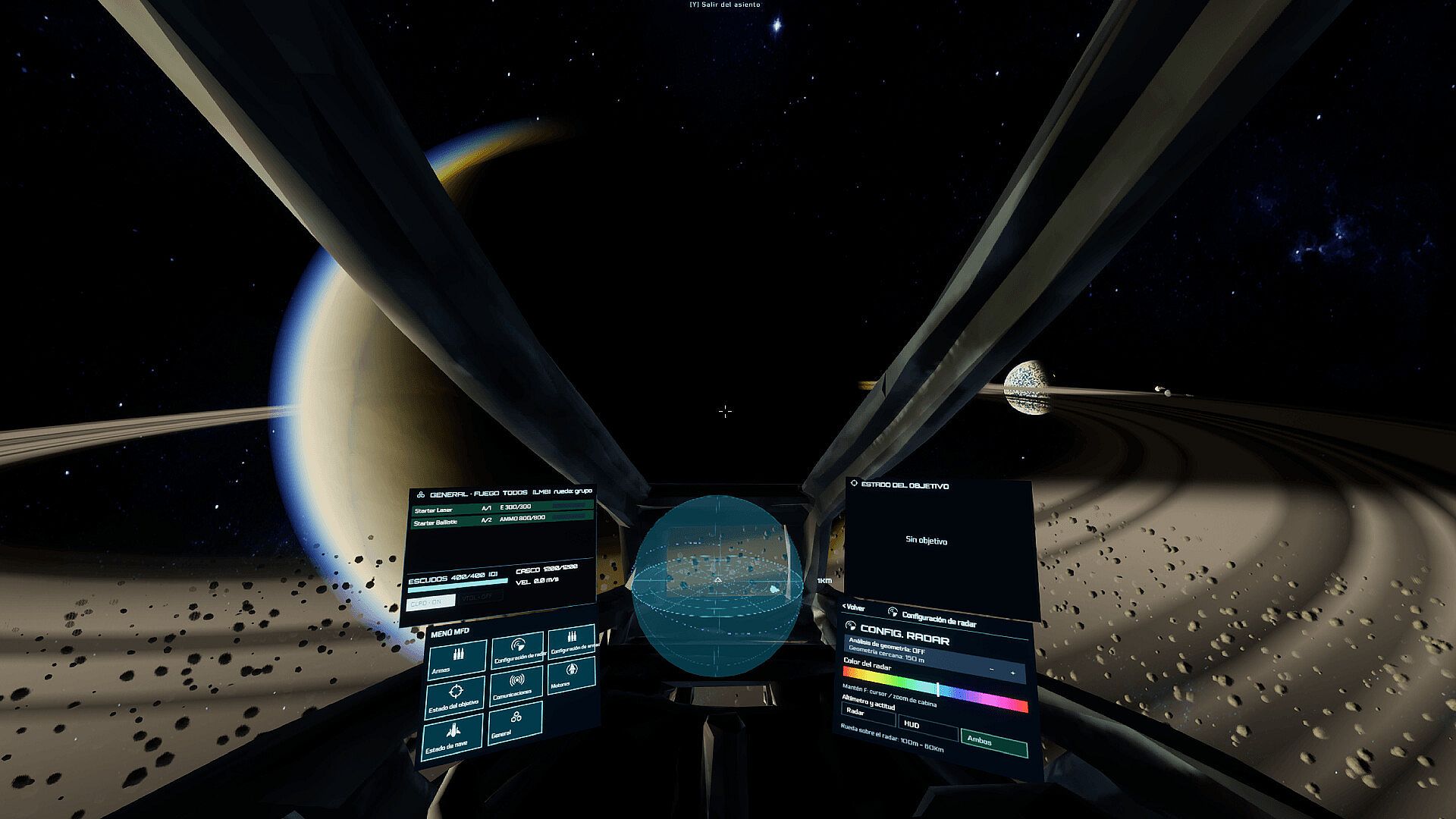
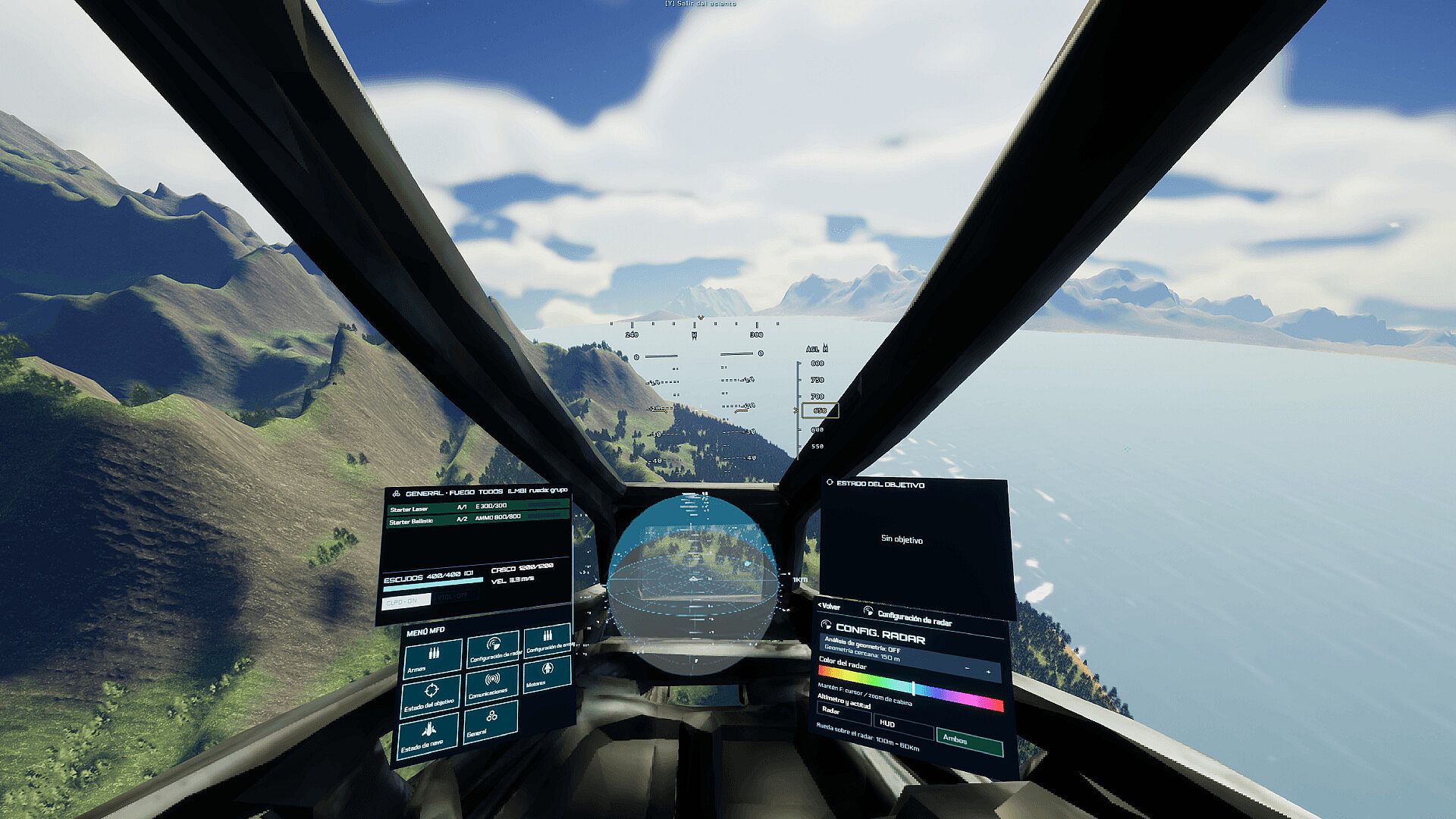
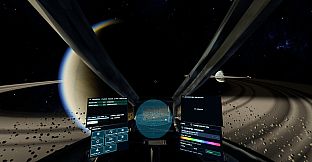
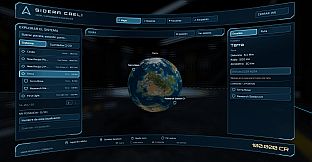
Players begin by walking through a station hangar, boarding a ship via its ramp, and powering up systems one by one from the cockpit. Flight uses full six degrees of freedom with thrust, inertia, heat management, and the choice between coupled or decoupled modes. Navigation includes plotting routes for quantum travel, aligning the ship manually, and correcting drift during jumps. Cockpit instruments feature interactive screens and a volumetric spherical radar that tracks up to 128 contacts.
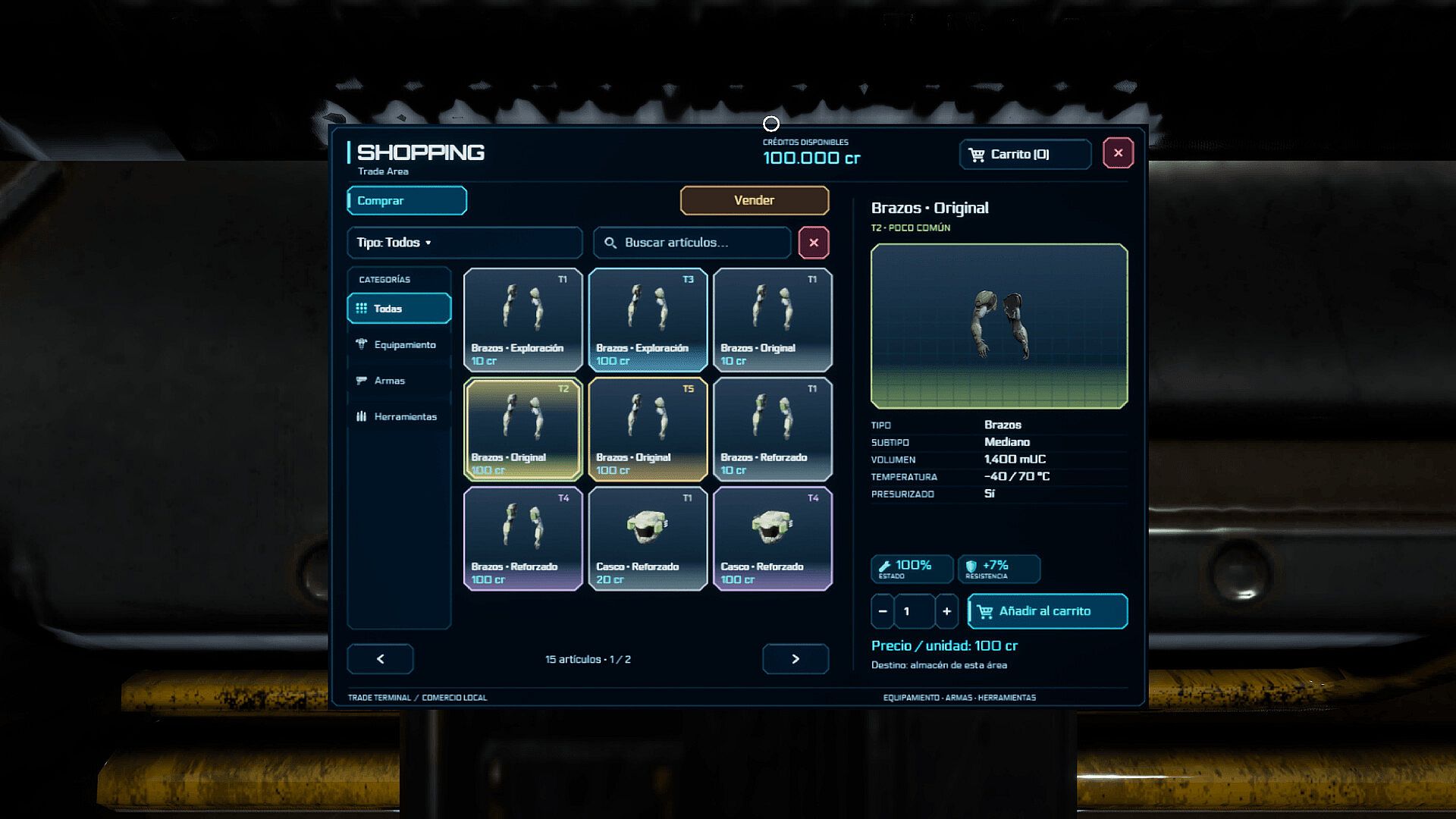
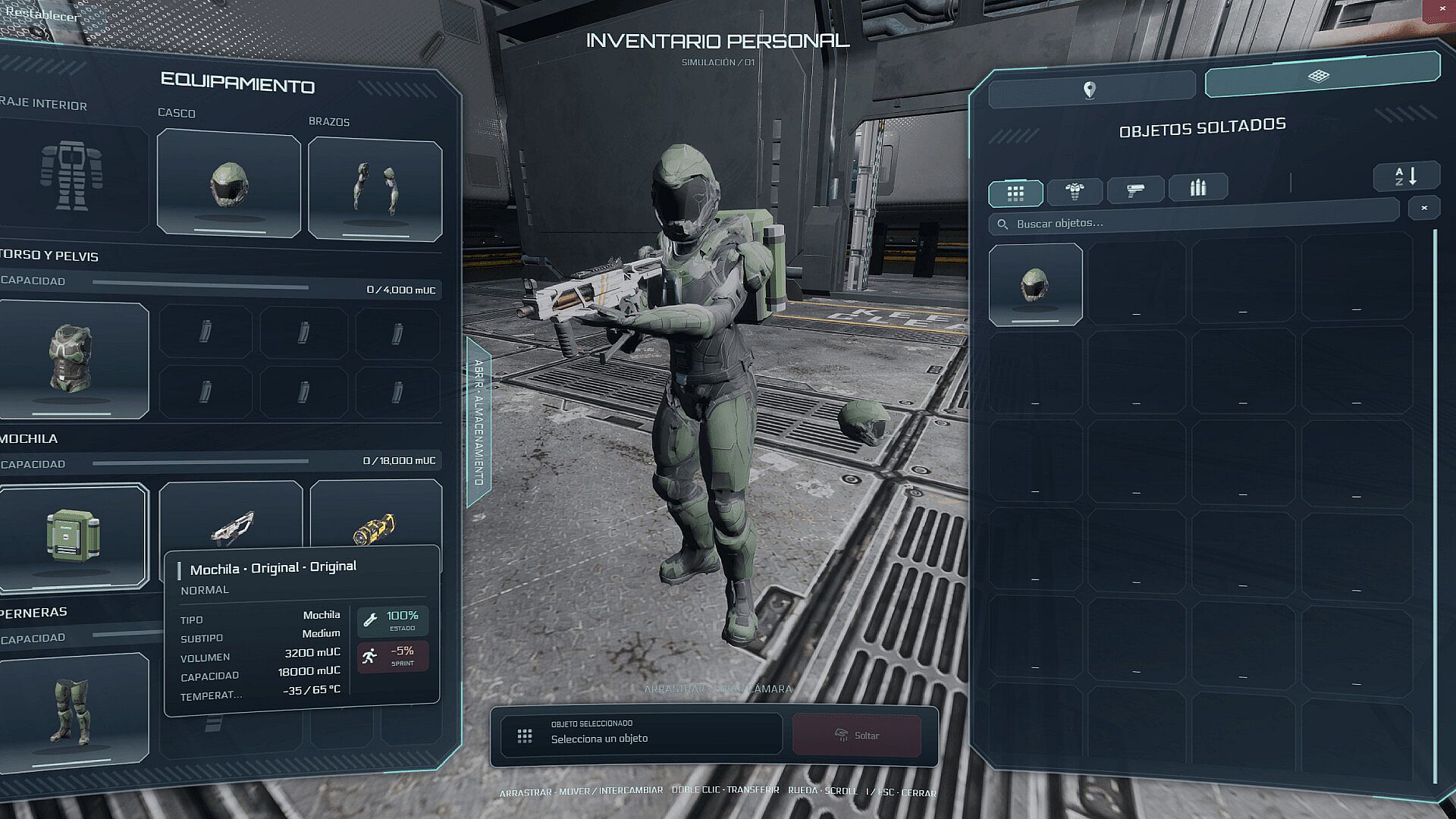
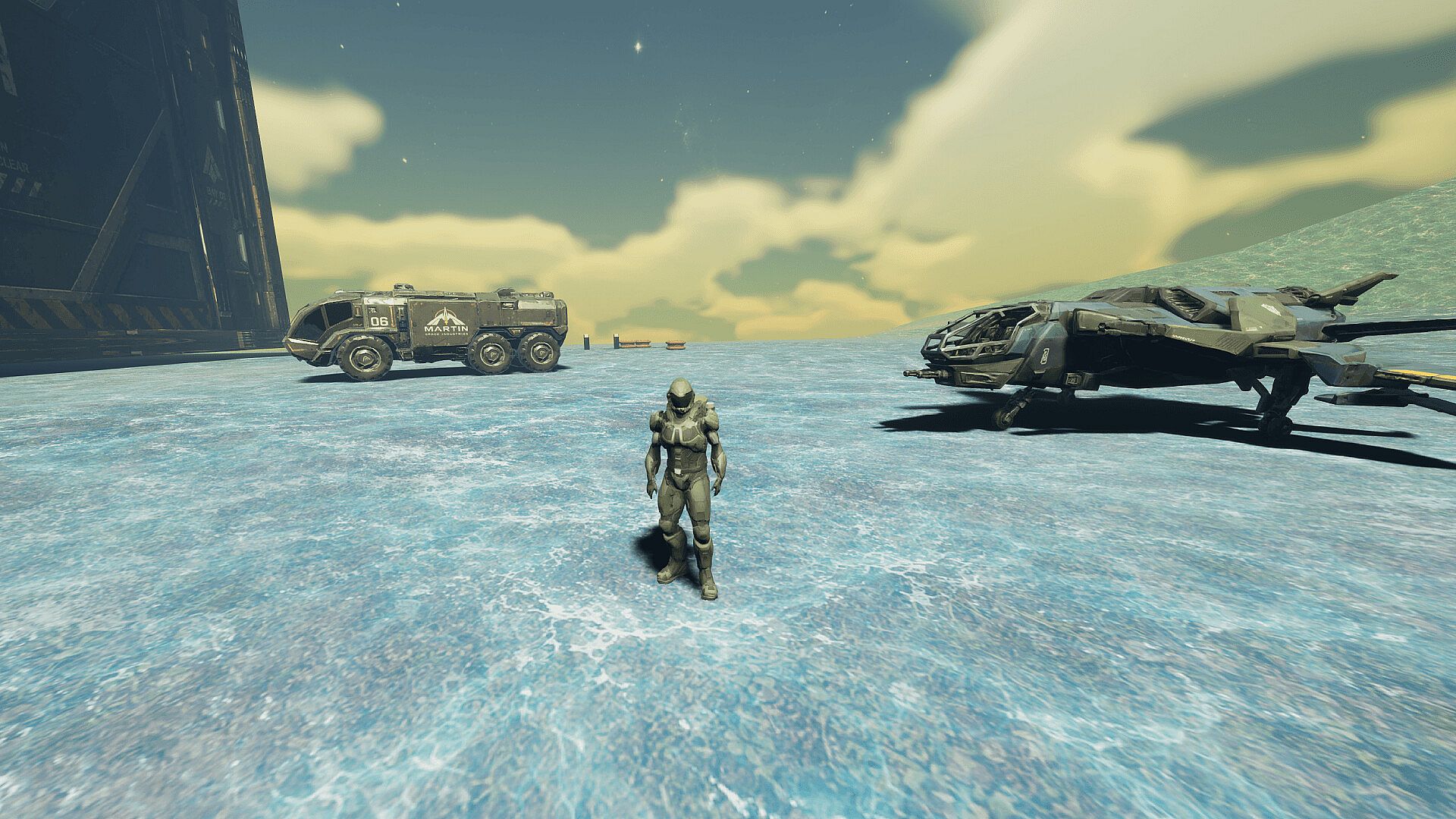
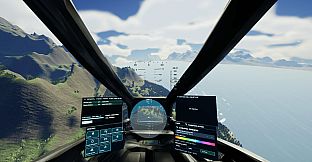
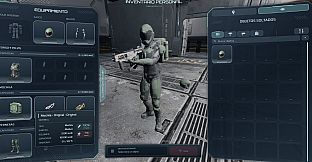
Planetary approaches allow entry into atmospheres, orbital flight, and landing on surfaces that include seas, clouds, and varied biomes. Exploration happens on foot, in rovers, or by swimming, with each world presenting distinct weather, terrain, and native creatures. Gear consists of modular helmet, suit, backpack, and weapon pieces that determine oxygen supply, temperature tolerance, and carrying capacity. Cargo moves via tractor beam, and loot from encounters returns to the station for payout.
Multiplayer elements include shared sessions where other pilots appear in real time. Squads form for coordinated work, with the server handling positions, seating, contracts, and inventory so all participants see consistent results. EVA movement uses magnetic boots for zero-gravity sections, and ships support crewed turrets.
Game Modes
The core loop revolves around sorties in a running universe rather than menu-selected missions. Players enter an active session and choose activities based on available contracts such as escort, defense, investigation, or hauling. These can be completed alone or with a squad of up to eight.
Combat occurs in space, on foot, or from the air against waves of threats, followed by looting and return to a station for rewards. Traffic control manages hangar access and reservations, while quantum travel and planetary landings form part of every extended outing. The structure emphasizes emergent decisions over structured queues or lobbies.
World and Systems
Stations, ships, orbits, and surfaces exist in one continuous world within the same session. Planets receive hand-tuned details including terrain per tile, weather effects, and fauna tied to specific biomes. Asteroid rings require careful radar threading, and some surfaces hide movement under sand or other environmental hazards.
Development uses custom tools for placing and tuning planets, sectors, maps, ships, and missions by hand. The game runs in a browser with no separate launcher required, supporting persistent play across multiple players simultaneously.
Current State and Development
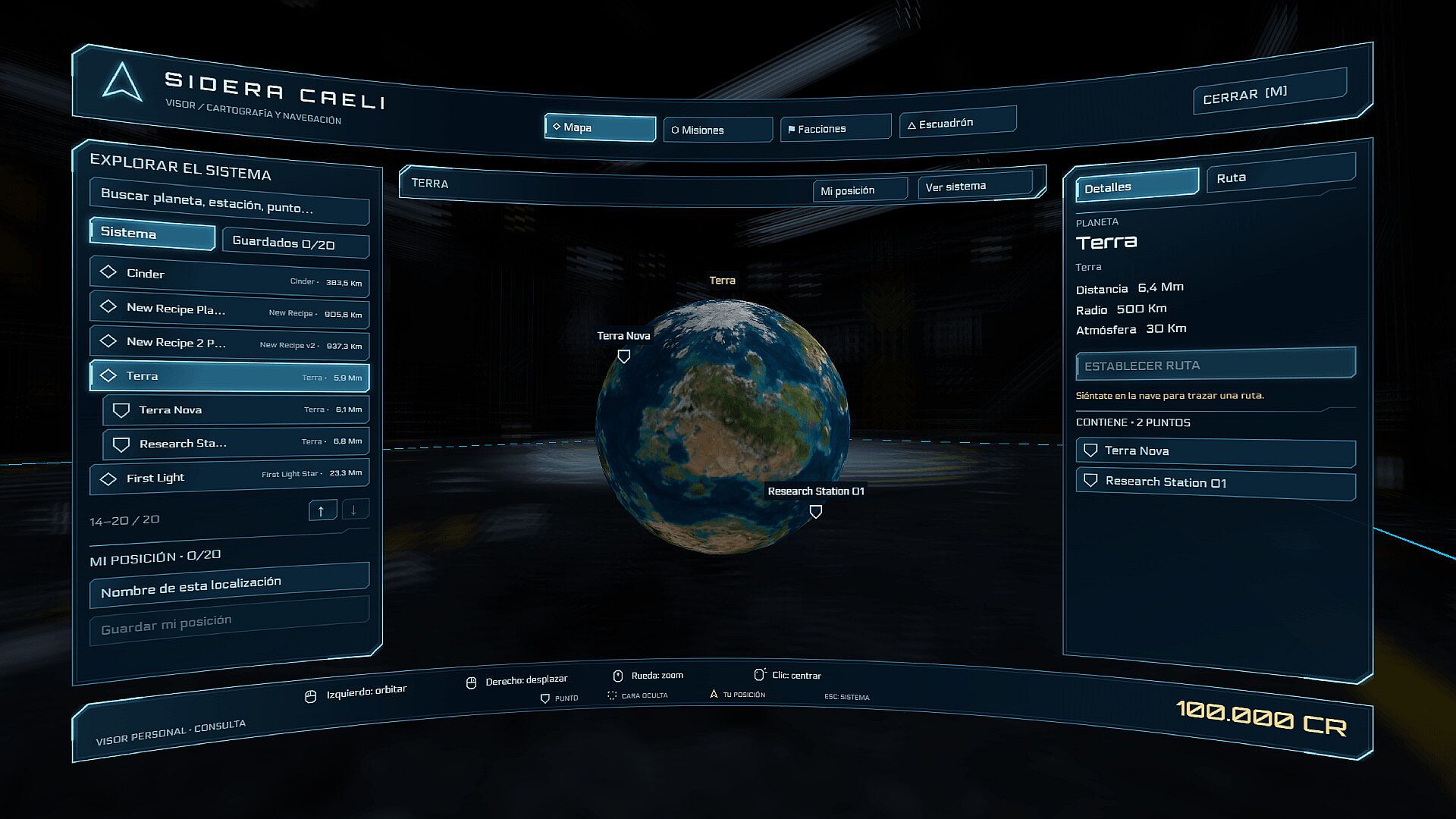
Sidera Caeli remains in open development, with new systems added once they function inside the live environment. Playable elements already include presence and boarding for multiple players, six-axis flight with component-derived performance, interactive cockpit displays, hangar operations with ATC, and basic planetary environments. Additional features such as star maps, squads, cargo physics, and transit networks continue to integrate through regular updates.
Is It Worth Playing?
The game suits players who enjoy detailed space simulation with hands-on ship operation, seamless travel between environments, and multiplayer coordination in a shared persistent world. Its browser-based test environment allows direct access to working systems without additional setup, and ongoing development adds verified mechanics as they stabilize. Those seeking a focused alternative to larger titles will find value in the chained physical actions and emergent sorties, though the experience stays in active refinement with no fixed release timeline beyond continued integration of roadmap items.












