




Sidera Imperii is a single-player space 4X strategy and simulation game set on PC in which players build and manage interstellar empires through detailed colony construction and supply networks. The core loop revolves around laying out settlements on planetary surfaces while maintaining fleets and infrastructure through civilian freighters that transport ore, manufactured goods, deuterium, and settlers between worlds. No planet produces everything required, so the empire's strength depends on keeping these routes secure and efficient.
Gameplay
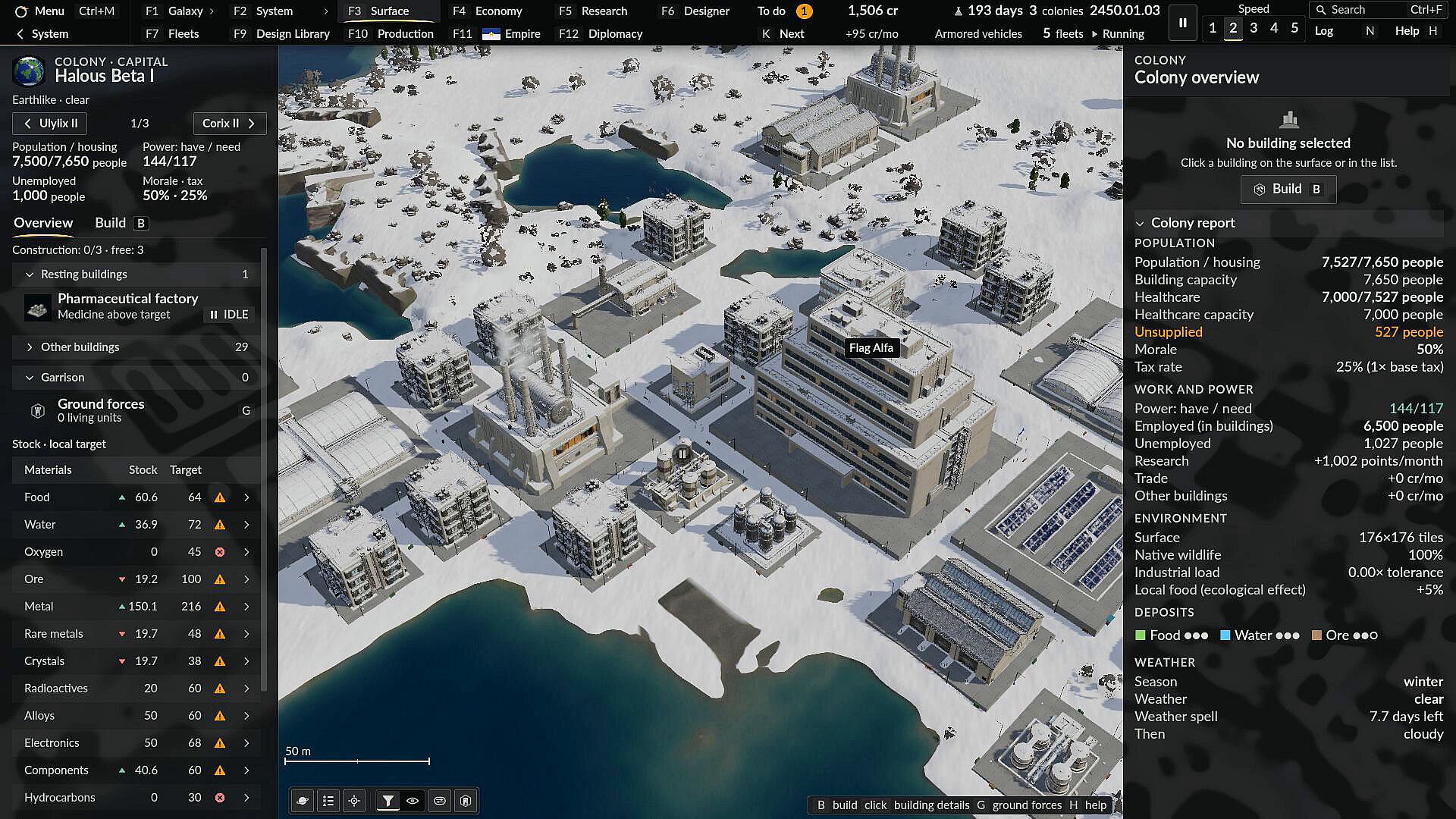
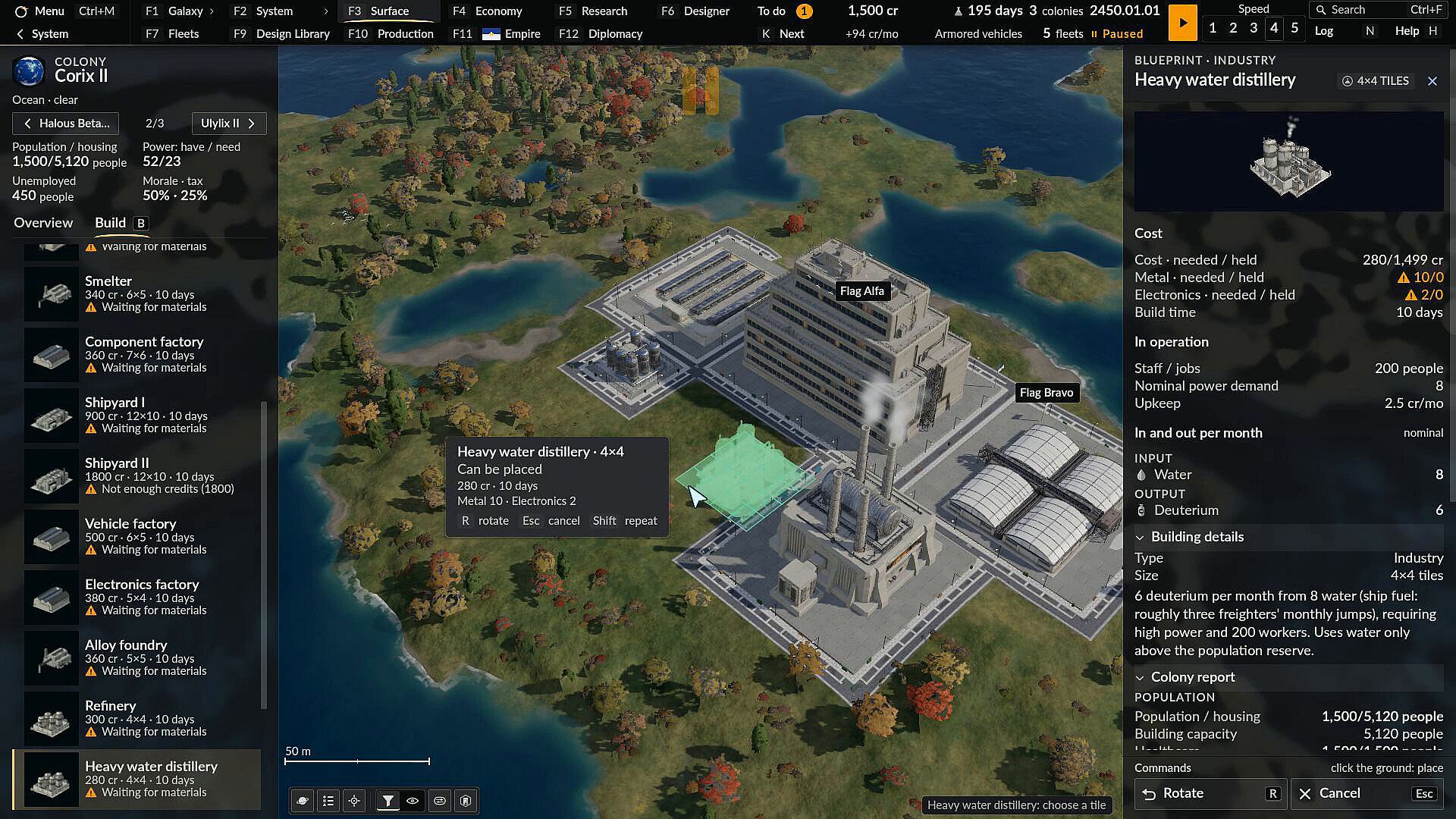
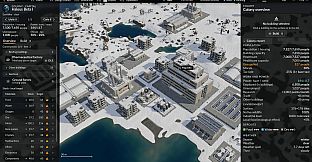
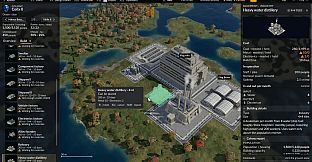
Players begin by selecting Human or Vyr as their species, then customize their leader, empire name, colors, and flag before generating a galaxy with adjustable size, spiral arms, star lane density, and number of rival empires. Star systems carry unique descriptions and anomalies for survey. From the galaxy map, players zoom into individual systems to manage colonies directly on the planet surface. Extractors go on resource deposits, factories process materials, and housing, power, food, water, and air support the workforce. Construction draws on credits and local supplies, with work halting until the next freighter delivery arrives.
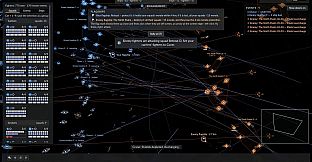
Supply routes form automatically when shortages occur, and players can track each colored line on the galaxy map. Deuterium serves as the key fuel, produced at refineries from hydrocarbons, heavy water distilleries from water, or gas collectors on gas giants. Fleets draw from colony stores or accompanying tankers. A fleet that runs dry continues at reduced speed and combat effectiveness until refueled. Blockading an enemy world by silencing its defenses halts all freighter activity there, starving the colony of imports and eventually shrinking its population.
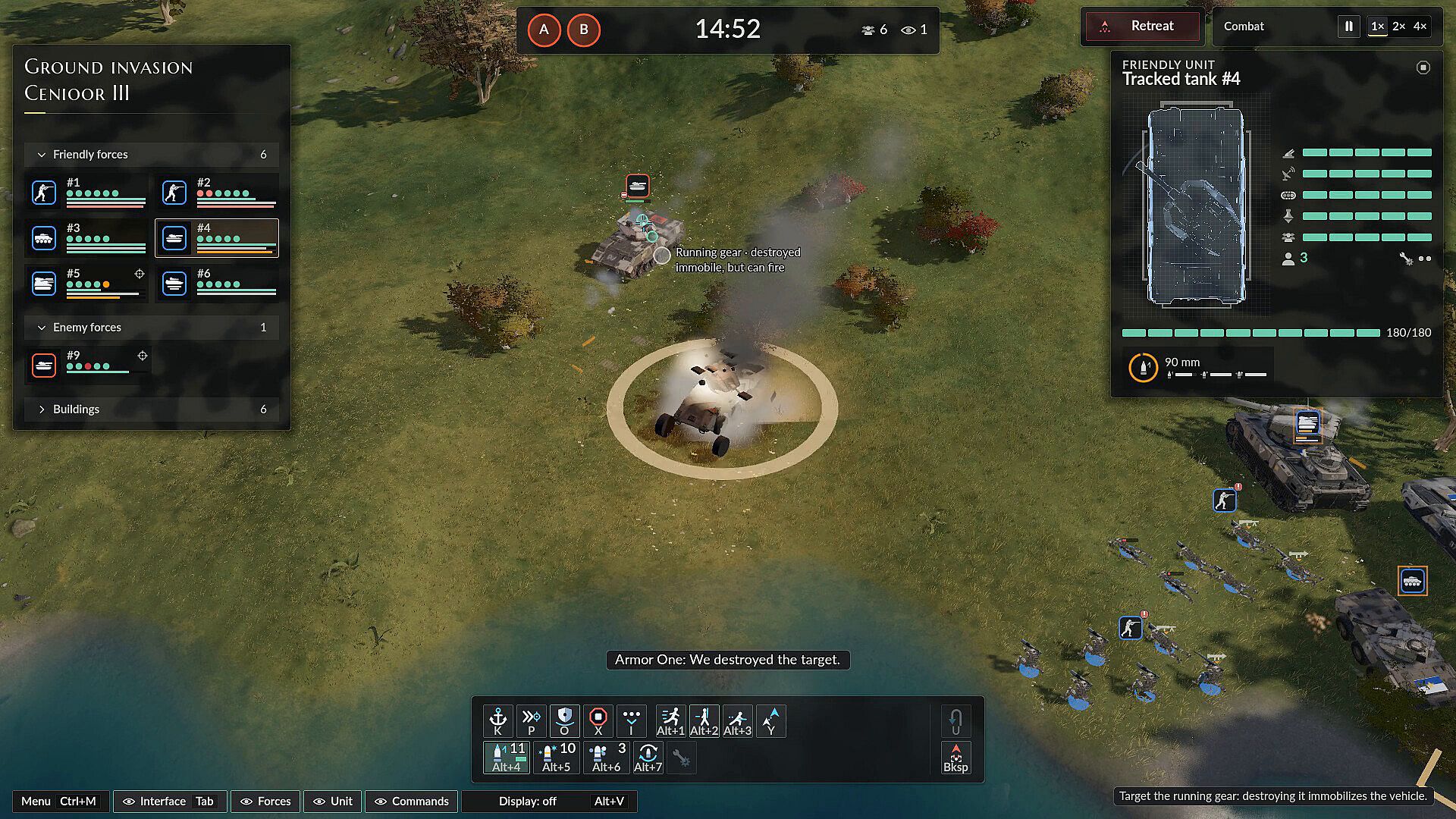
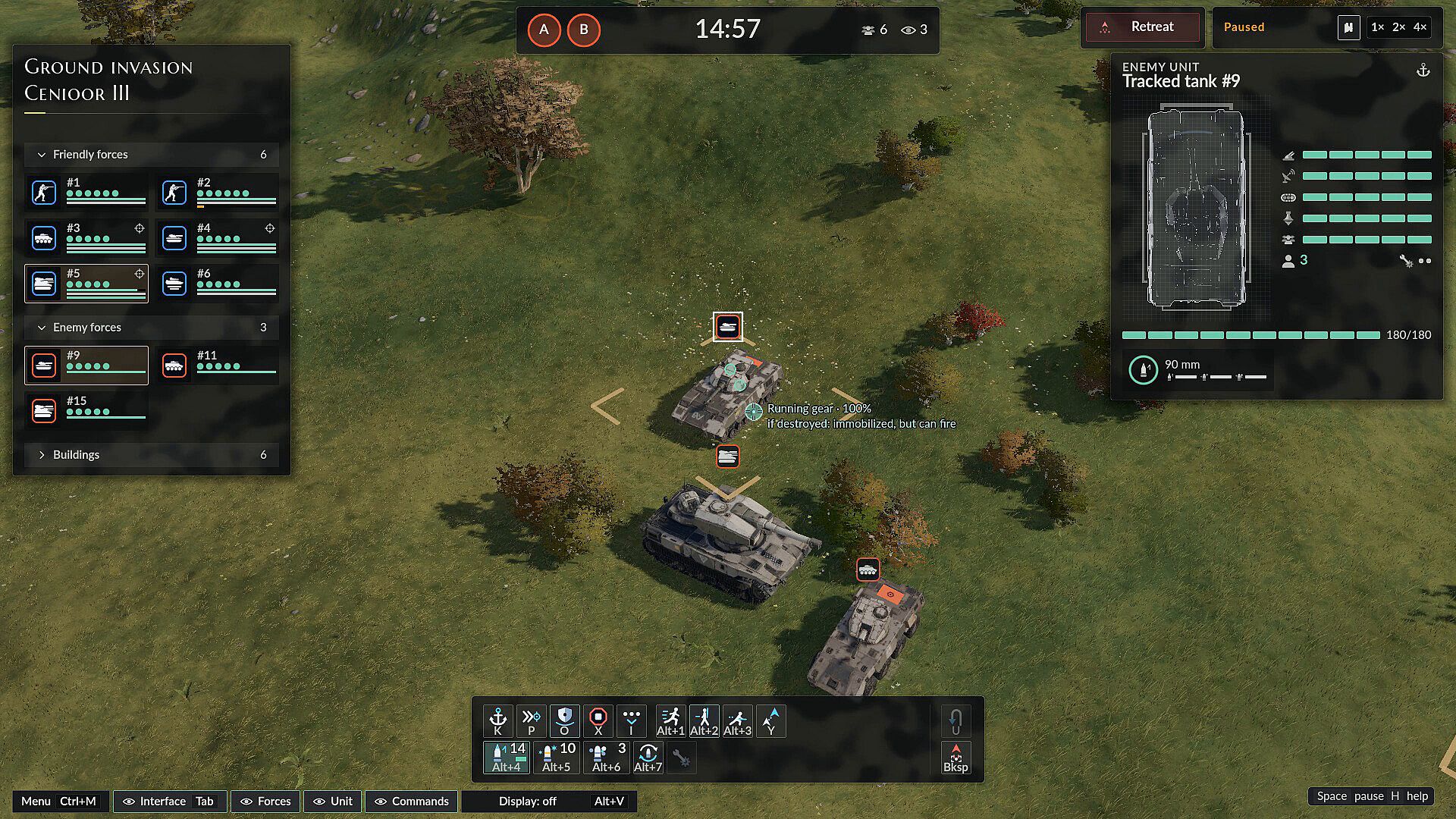
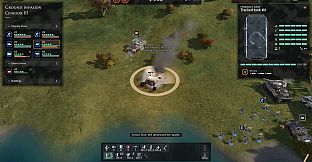
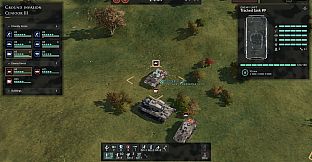
Ground combat occurs after orbital victory, with players choosing landing zones for troops. Weather on temperate worlds changes with seasons, affecting visibility, vehicle mobility, and weapon performance. Rain and dust reduce sensor range and blunt energy weapons, while mud slows wheeled units more than tracked ones. Infantry and specialized squads use cover from buildings, wrecks, or trees, and only infantry can capture flag points to take control of a colony. Ground vehicles are designed by selecting from four hull classes and matching guns, with armor facing and targeted shots mattering in fights.
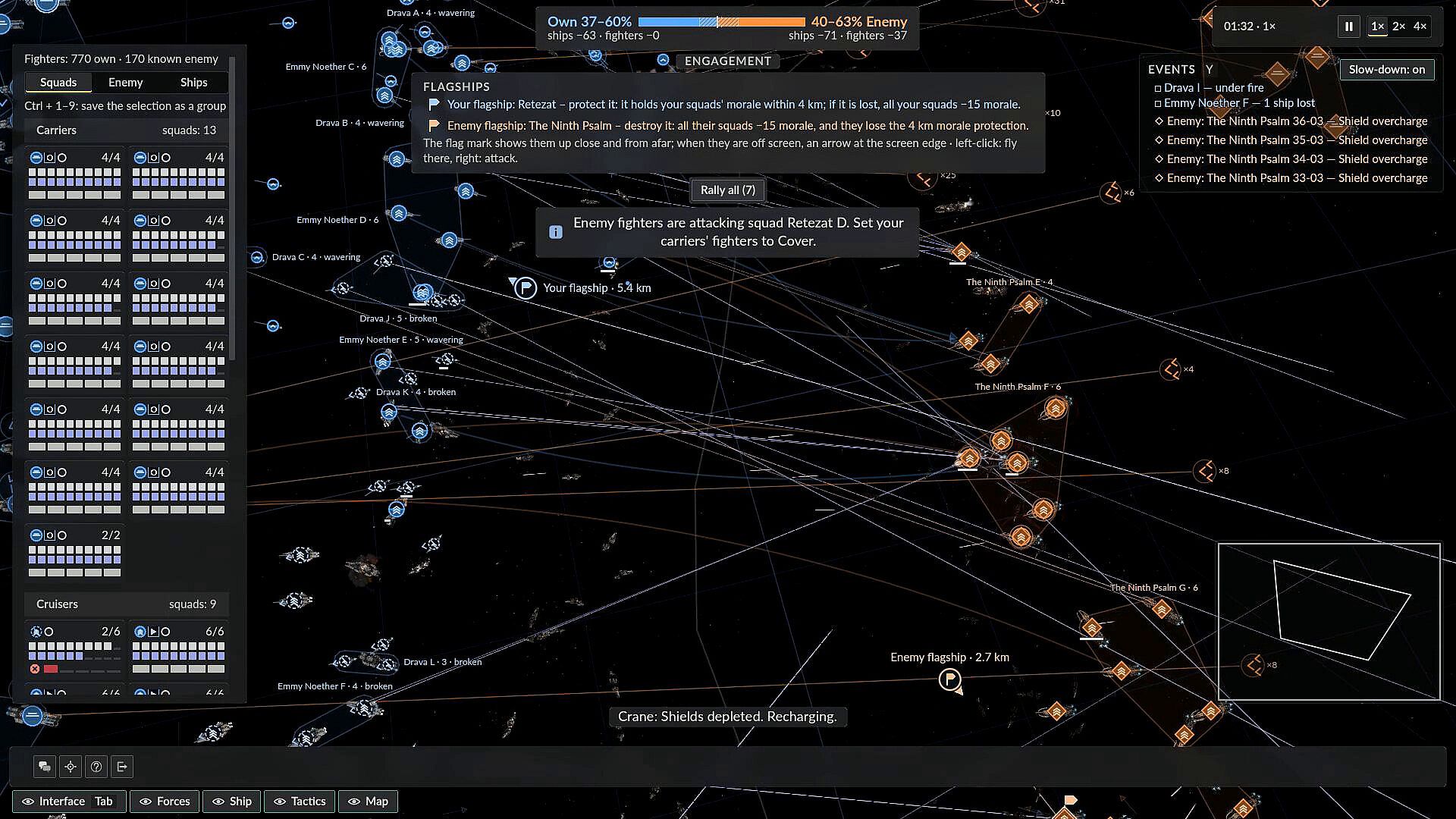
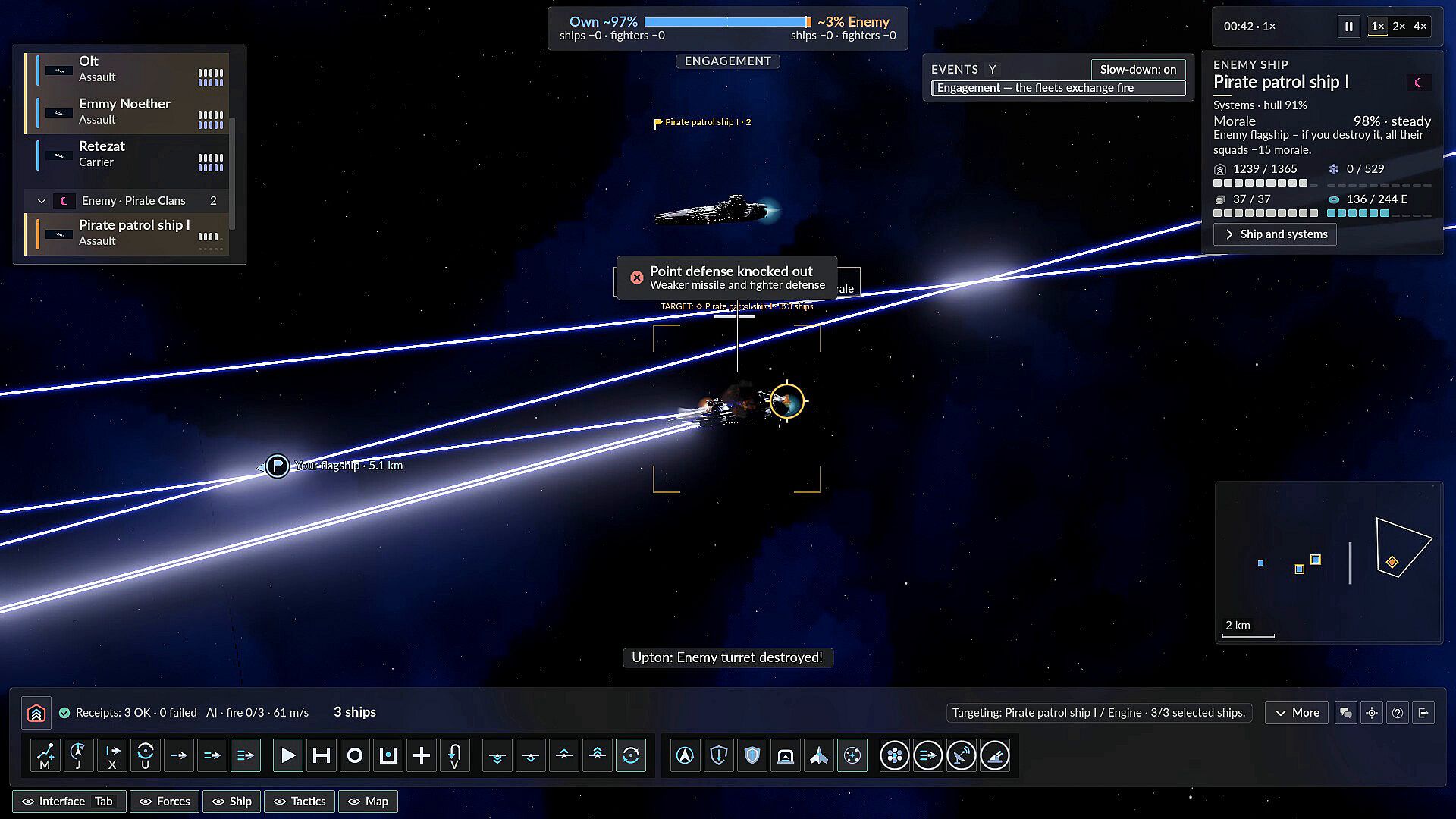
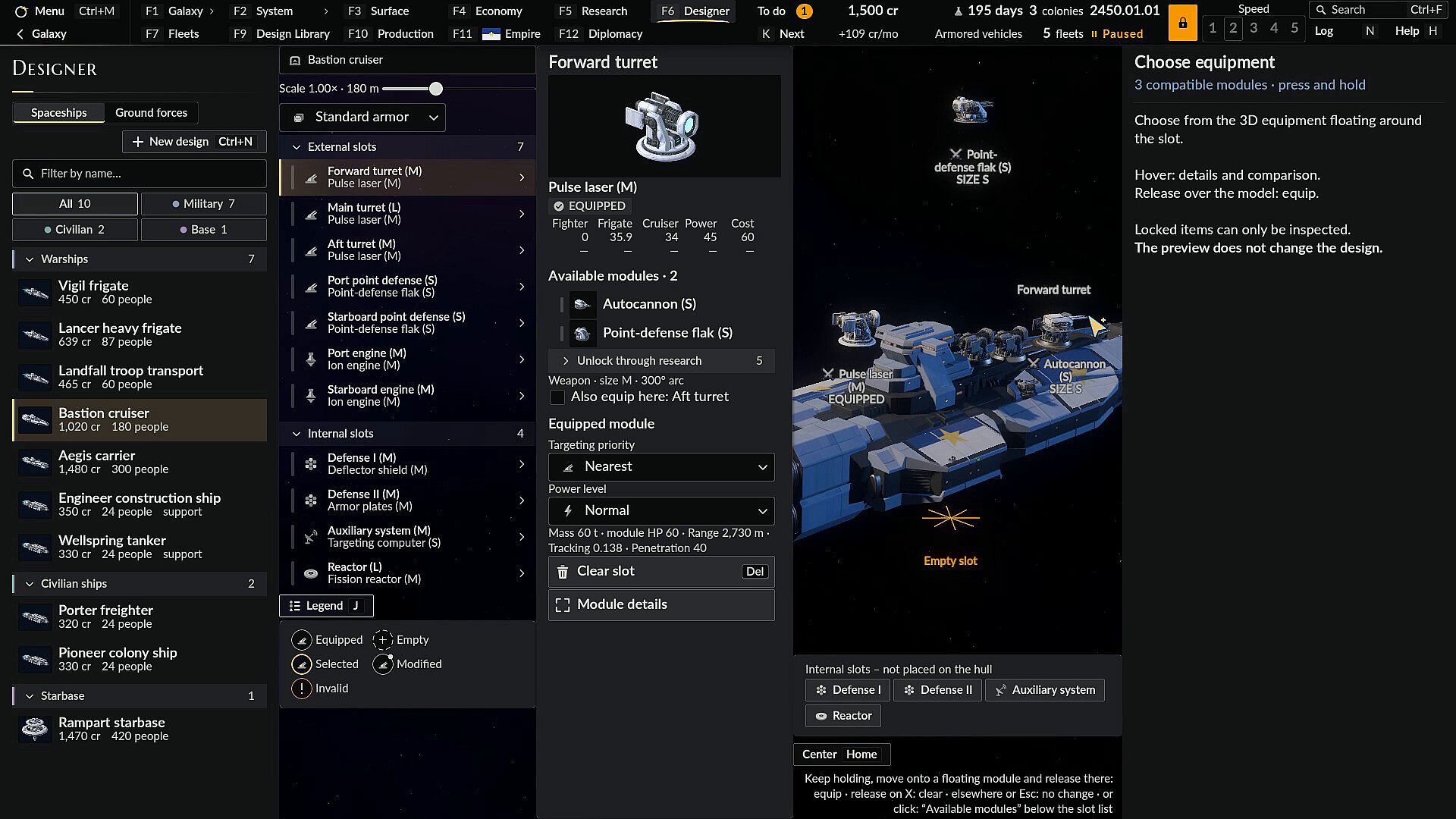
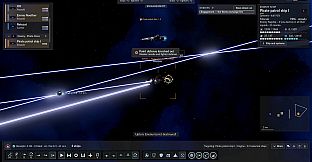
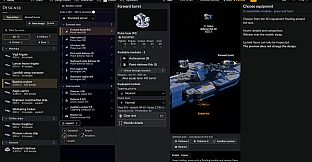
Ship design happens module by module in laboratories, with research improving options. Shipyards assemble designs from delivered materials. In space battles, time pauses for players to choose between manual control or simulation. Manual fights allow squadron placement, stance selection such as holding the line or hunting carriers, ability activation, and targeting specific ship sections. Damage persists after battle, requiring repairs at colonies. Morale mechanics cause squadrons to waver, break, and flee, with nearby flagships providing stability. Captains deliver radio reports during combat, and captured ships can result from ultimatums against outmatched foes.
Game Modes
The game centers on single-player campaigns in player-generated galaxies. Setup options include galaxy scale, connectivity, rival count, and difficulty, which strengthens enemy economies without granting map vision. Chokepoints appear on the map where single lanes connect larger regions. Players expand by founding colonies on varied world types including temperate, ice, desert, and volcanic planets, then defend or expand through orbital and ground combat. Pirates target unescorted freighters, requiring dedicated fleets to clear their bases. The experience supports modding from the start, allowing community changes to species, mechanics, or content.
Empire Management and Combat Depth
Logistics form the backbone of long-term success. A well-run refinery world can sustain fleets multiple jumps away, while disruptions ripple across dependent systems. Fog of war limits rival knowledge to sensor data, forcing repeated scouting to maintain accurate intelligence. Research advances ship modules and capabilities, while test battles let players evaluate new designs before full production. Orbital shields and planetary batteries protect colonies until silenced, after which ground forces decide control through sustained flag point occupation or elimination of defenders. The persistent damage model means every engagement carries lasting consequences for both sides.
Is It Worth Playing?
Sidera Imperii appeals to players who enjoy intricate supply chain management, surface-level colony planning, and combined arms combat in a 4X framework. The emphasis on deuterium logistics and automatic freighter routes creates meaningful strategic decisions around protection and interdiction rather than pure fleet size. Ground battles incorporate weather and terrain effects that alter tactics on the fly, adding variety to invasions. With two playable species at launch and full mod support, the game offers replayability through different starting conditions and community content. As it enters Early Access, expect ongoing balance adjustments based on player feedback. Those drawn to detailed simulation of empire logistics and tactical flexibility in both space and on planets will find substantial depth here, while those seeking simpler empire builders may prefer titles with less emphasis on persistent supply vulnerabilities.












