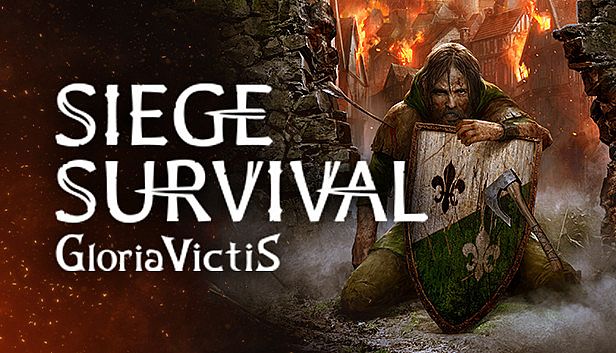



















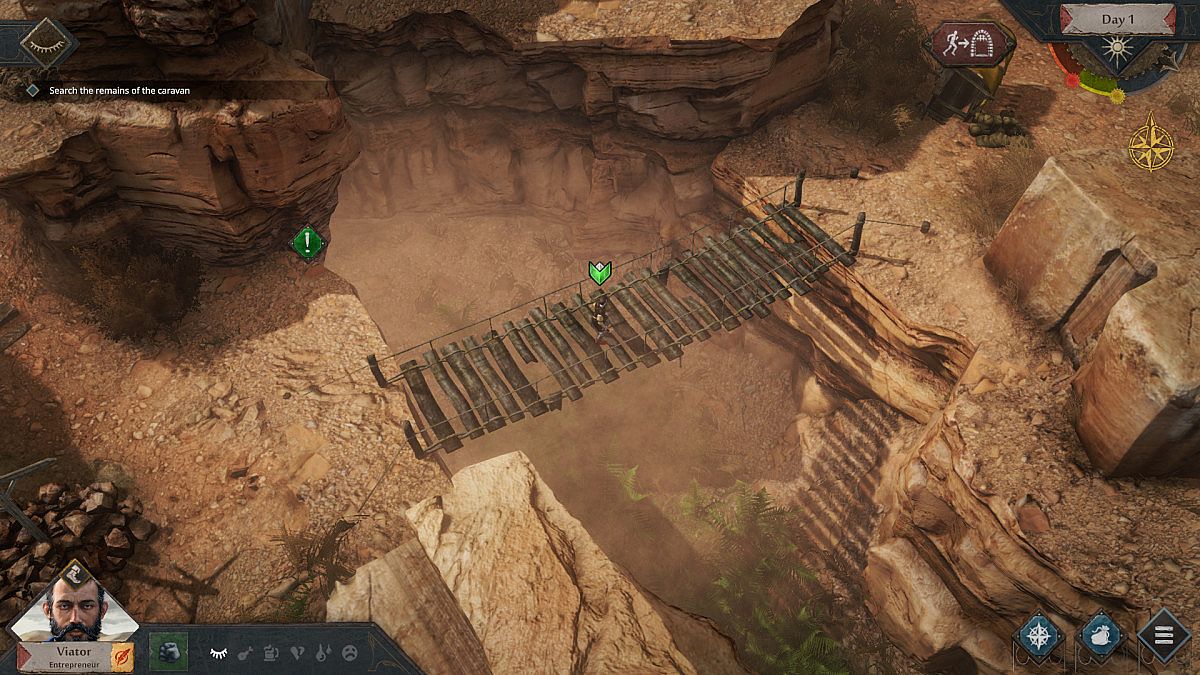
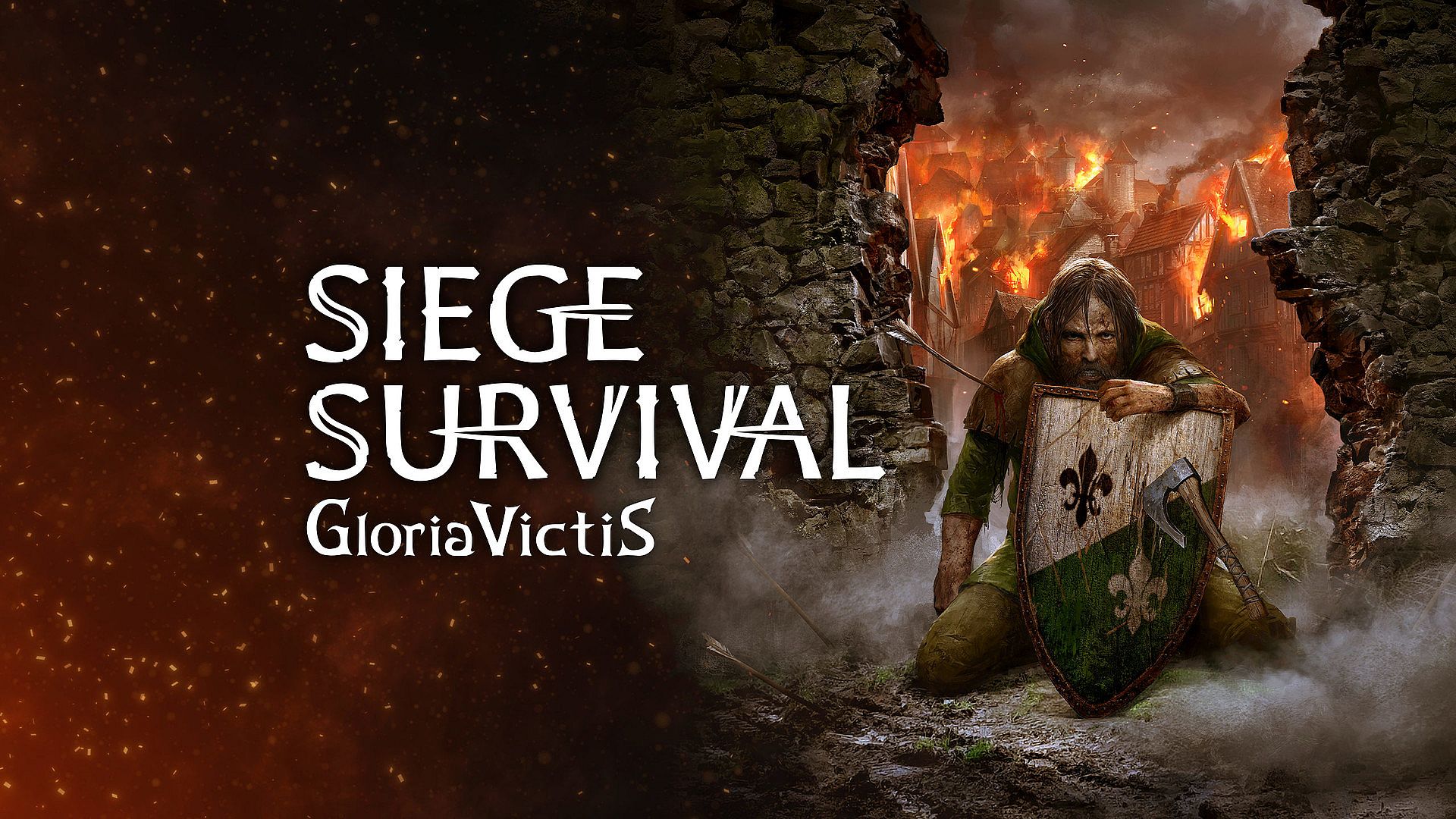
Siege Survival: Gloria Victis is a single-player strategy survival game that blends resource management, crafting, and stealth scavenging in a medieval setting. Players take control of civilians trapped inside the last stronghold during a brutal siege, where the goal centers on sustaining a small group of defenders until reinforcements arrive weeks later.
Gameplay
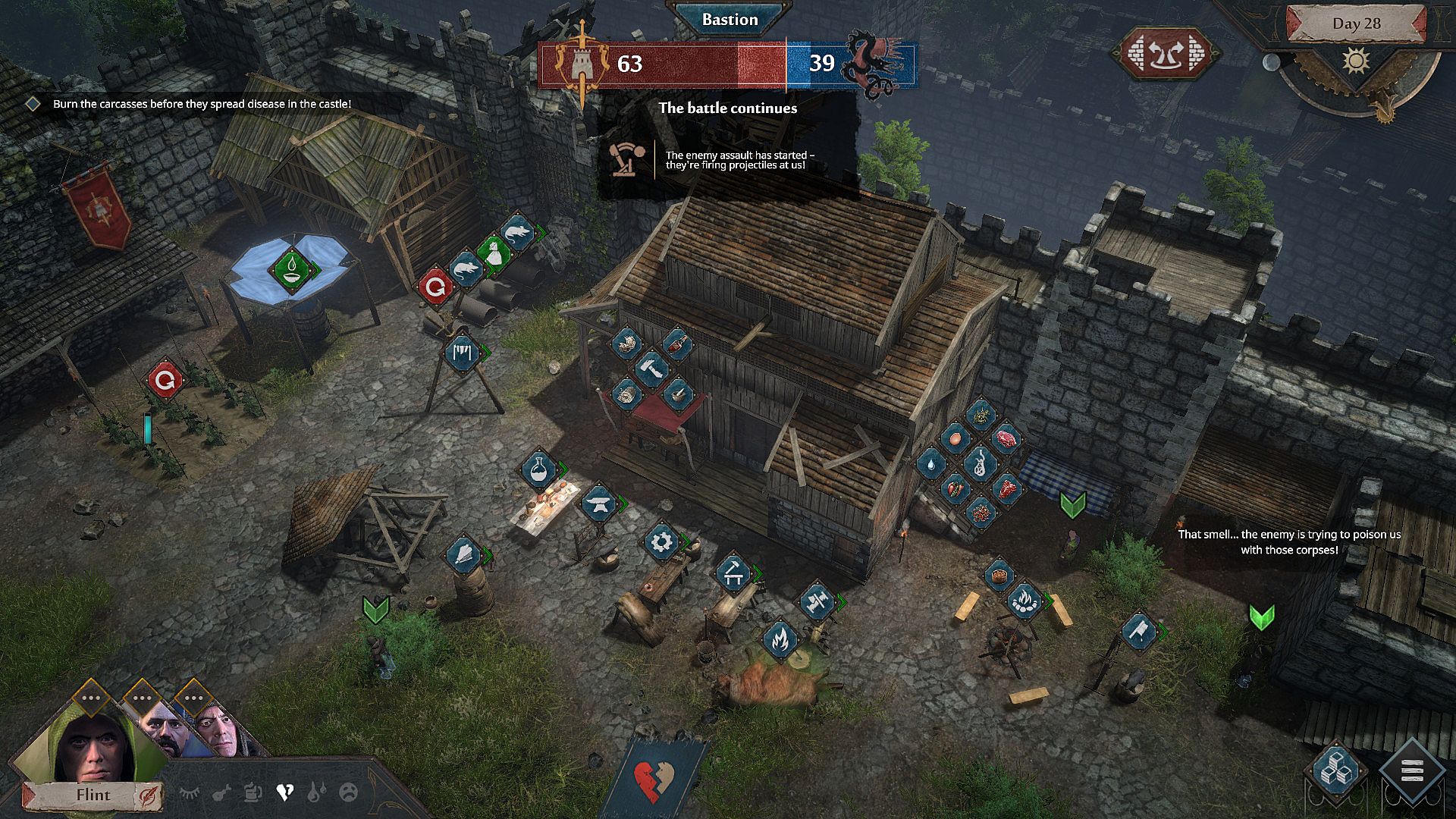
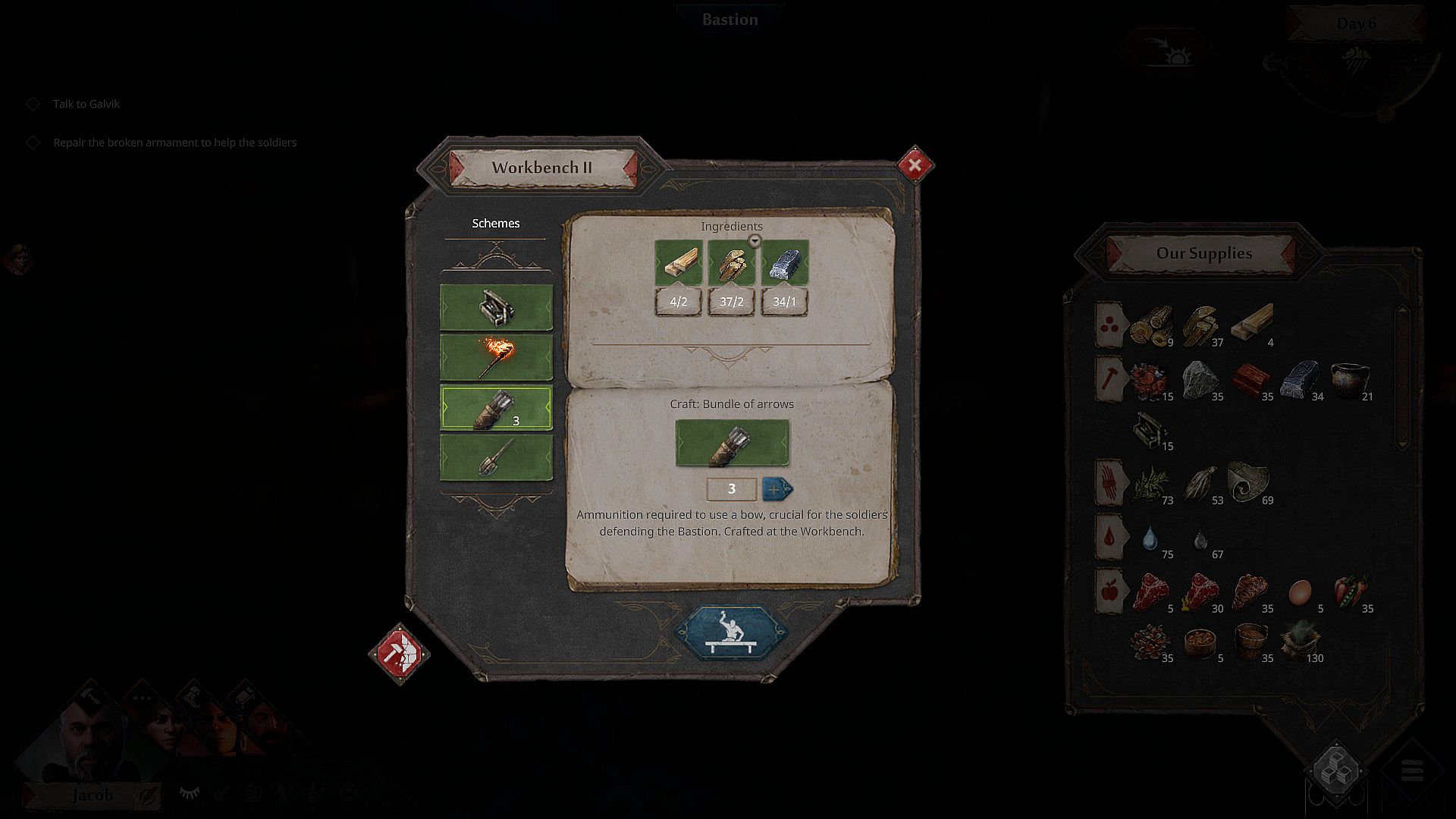
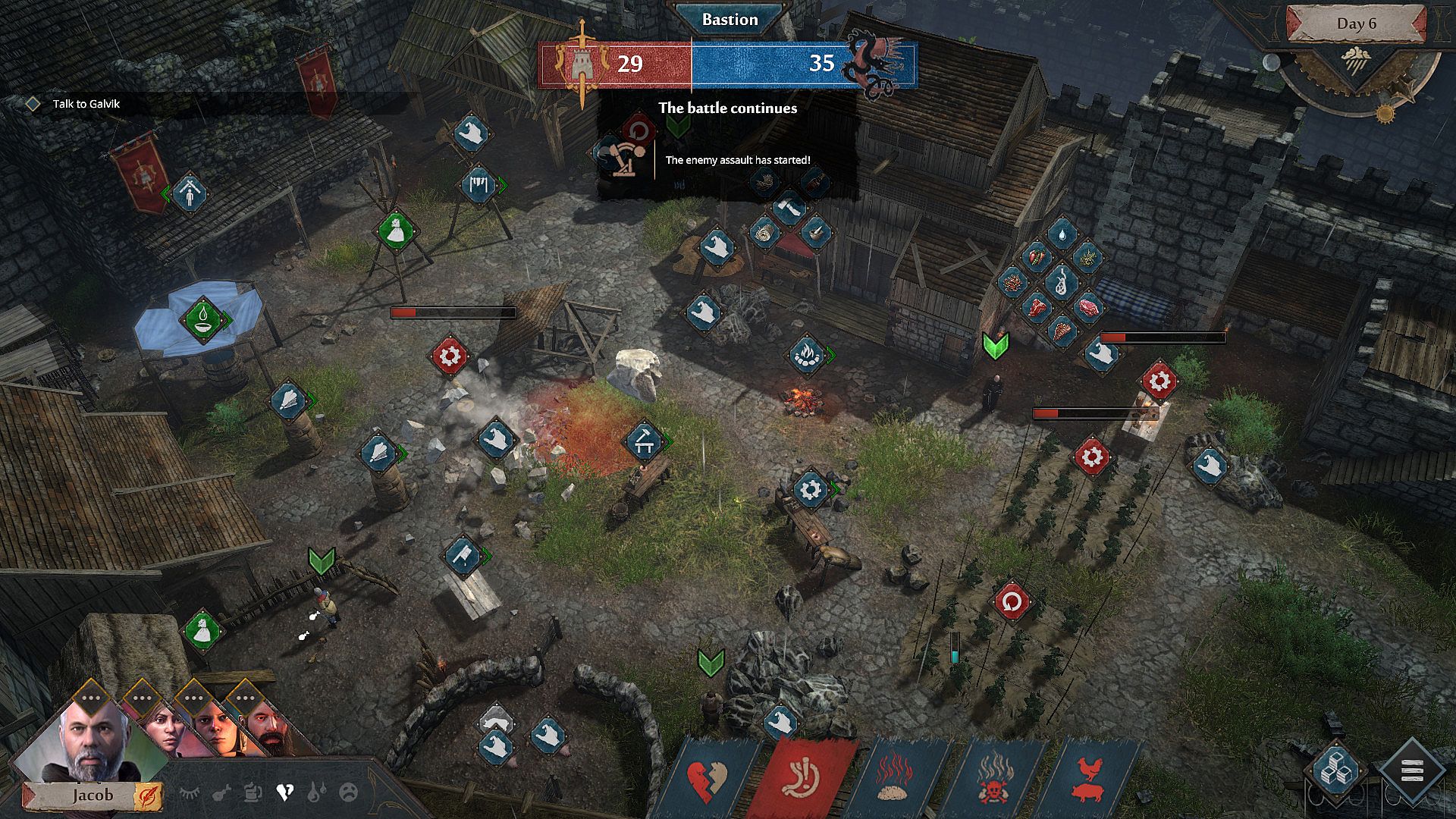
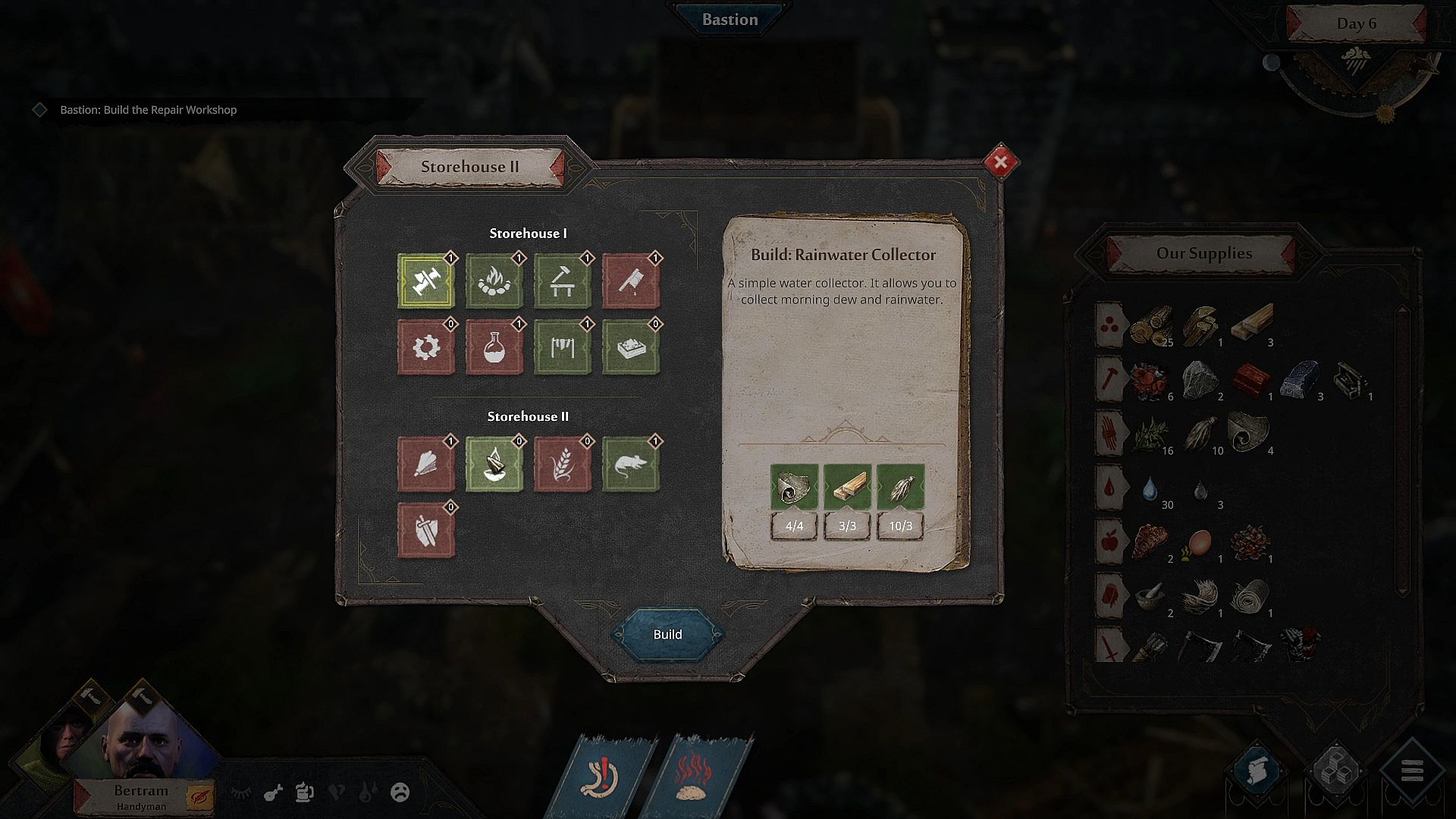
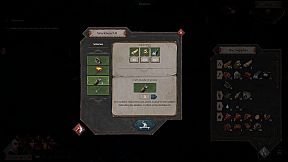
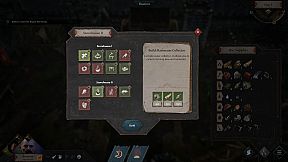
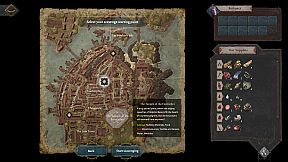
The core loop divides each day into distinct phases. During daylight hours, players focus on camp construction, resource allocation, and item crafting to meet the needs of both civilians and soldiers. Limited supplies force careful decisions about food preservation, infrastructure upgrades, and production efficiency to stretch what is available.
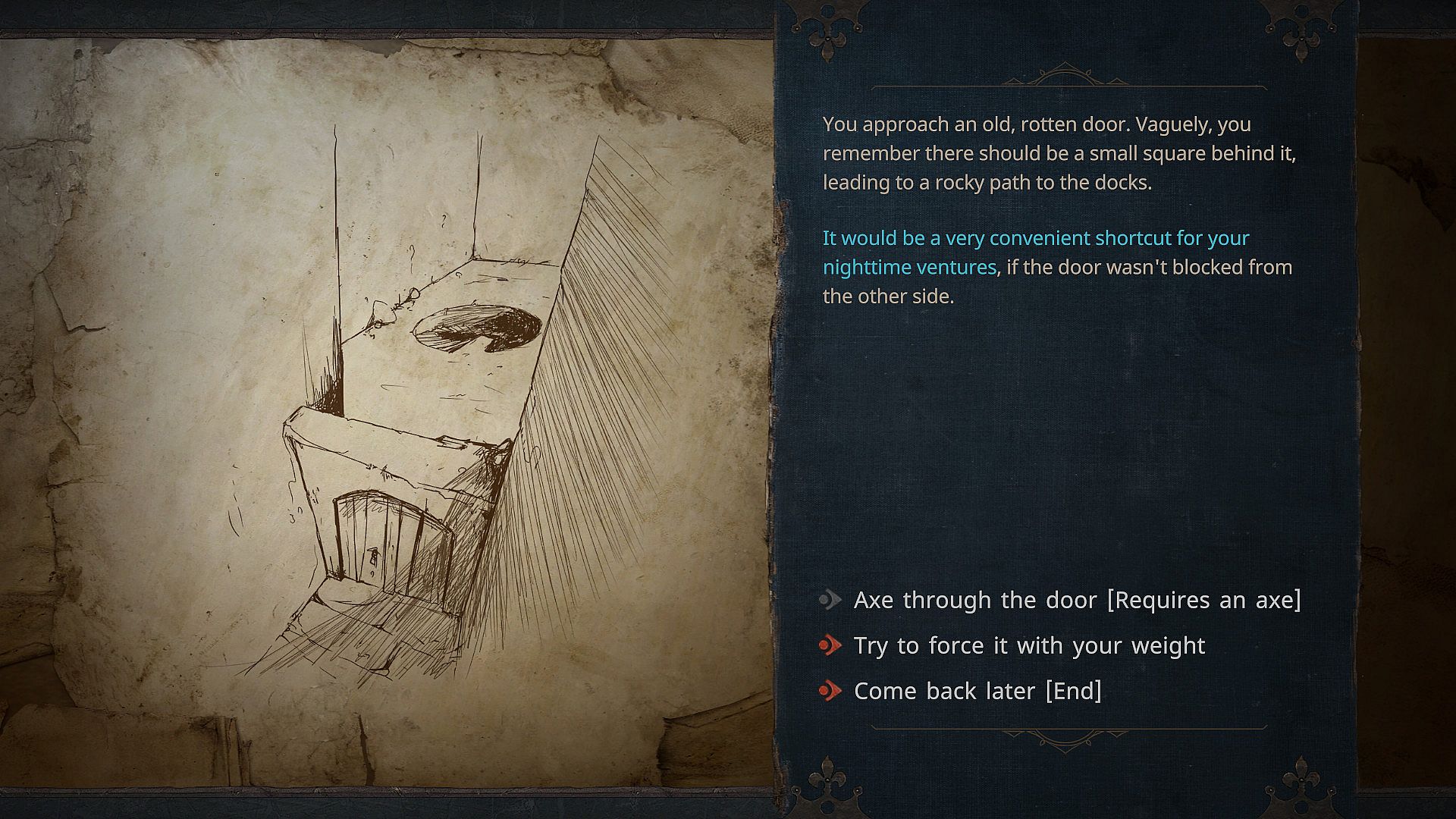
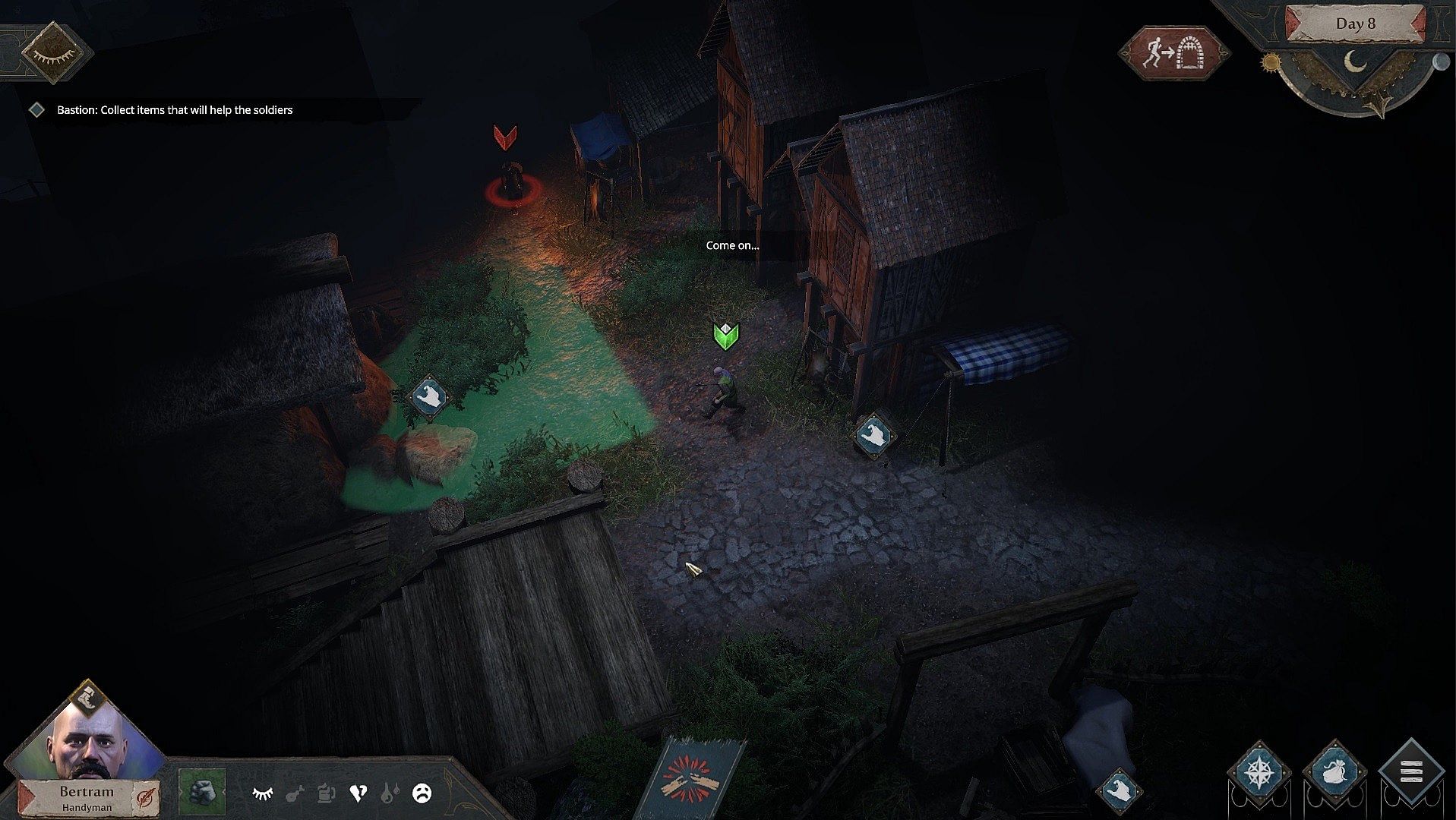
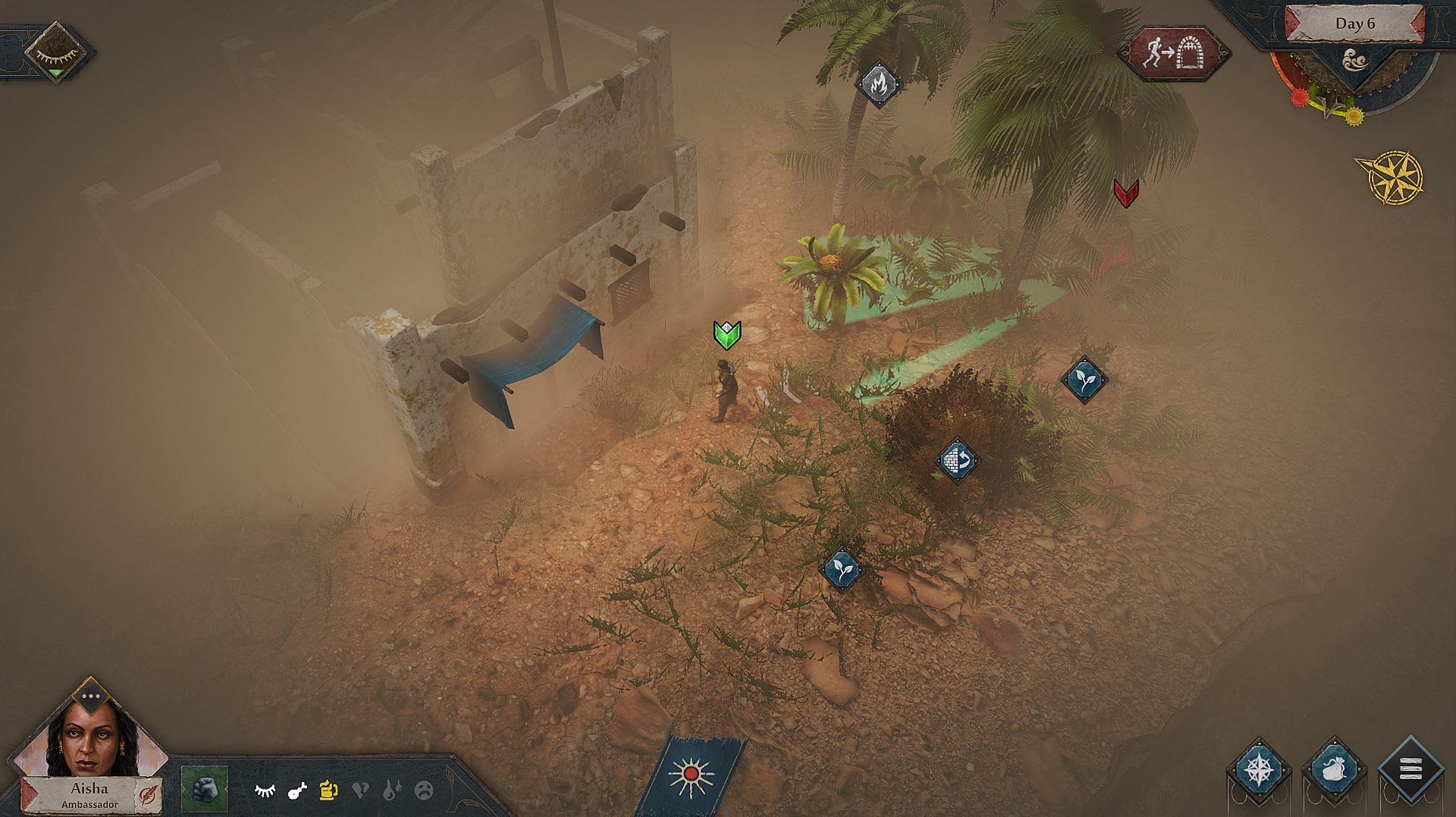
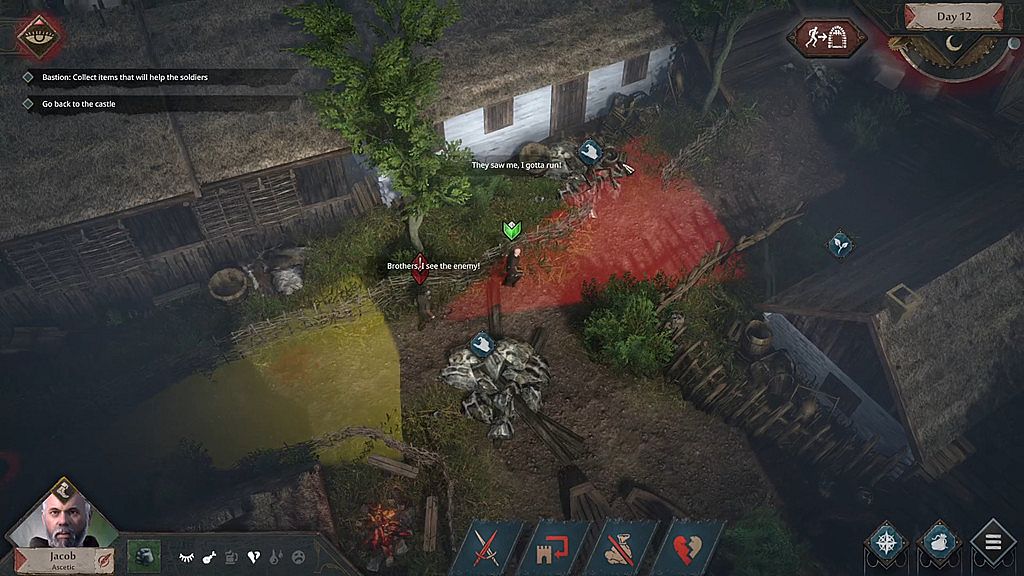
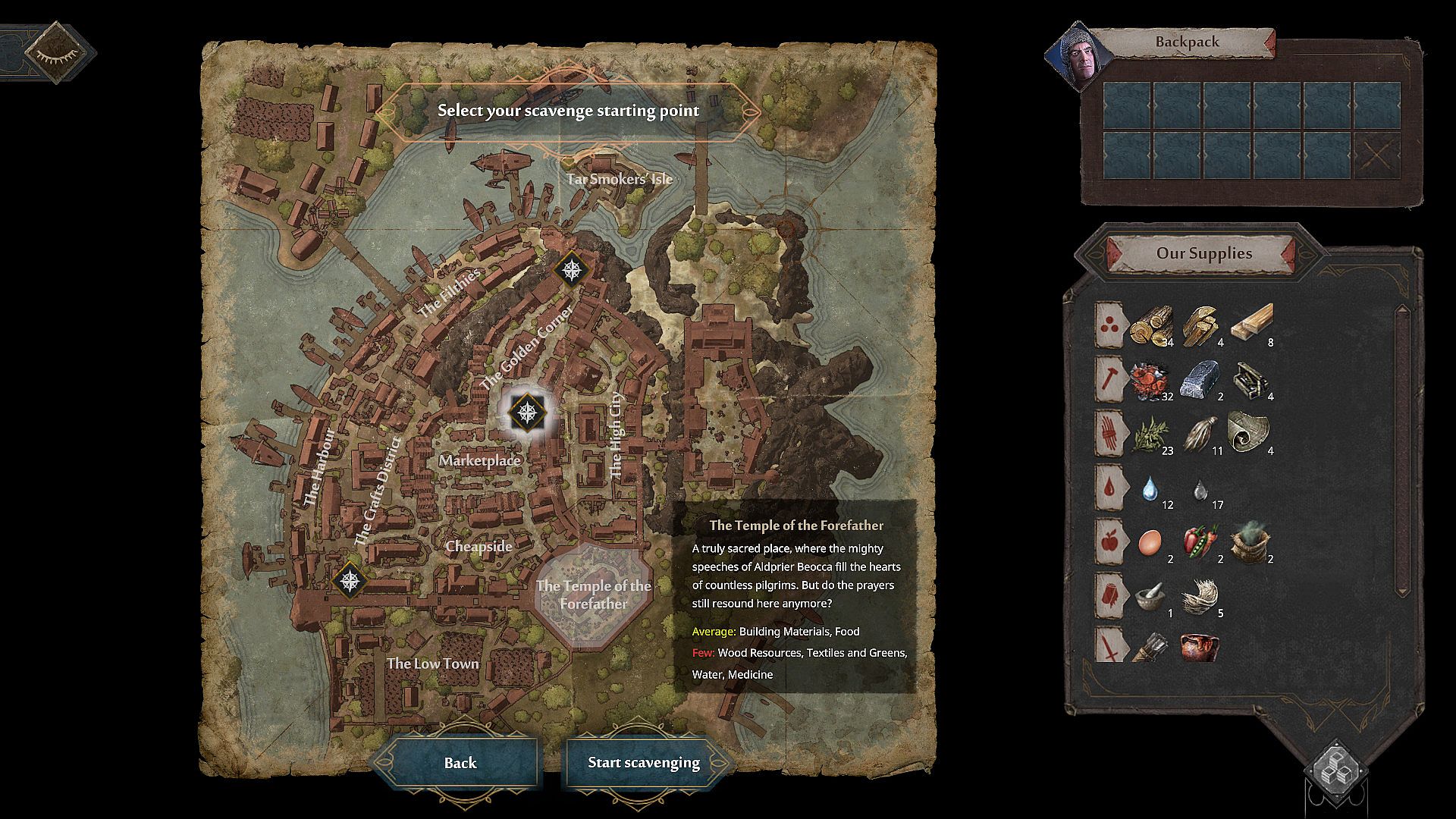
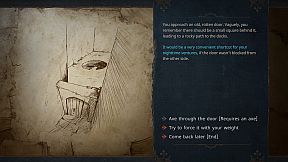
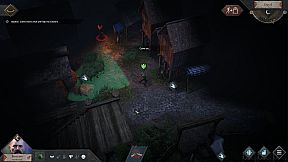
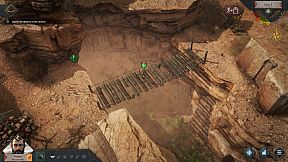
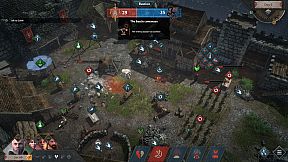
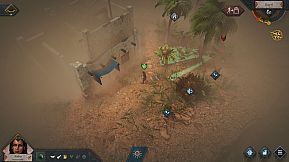
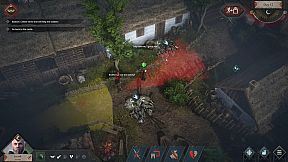
At night, small teams venture into the ransacked city districts to gather materials and locate additional survivors who can join the effort. Stealth becomes essential because enemy patrols roam the streets, and detection risks failure or loss of characters. Routes to new areas open gradually as progress continues, expanding access to fresh resources and potential recruits.
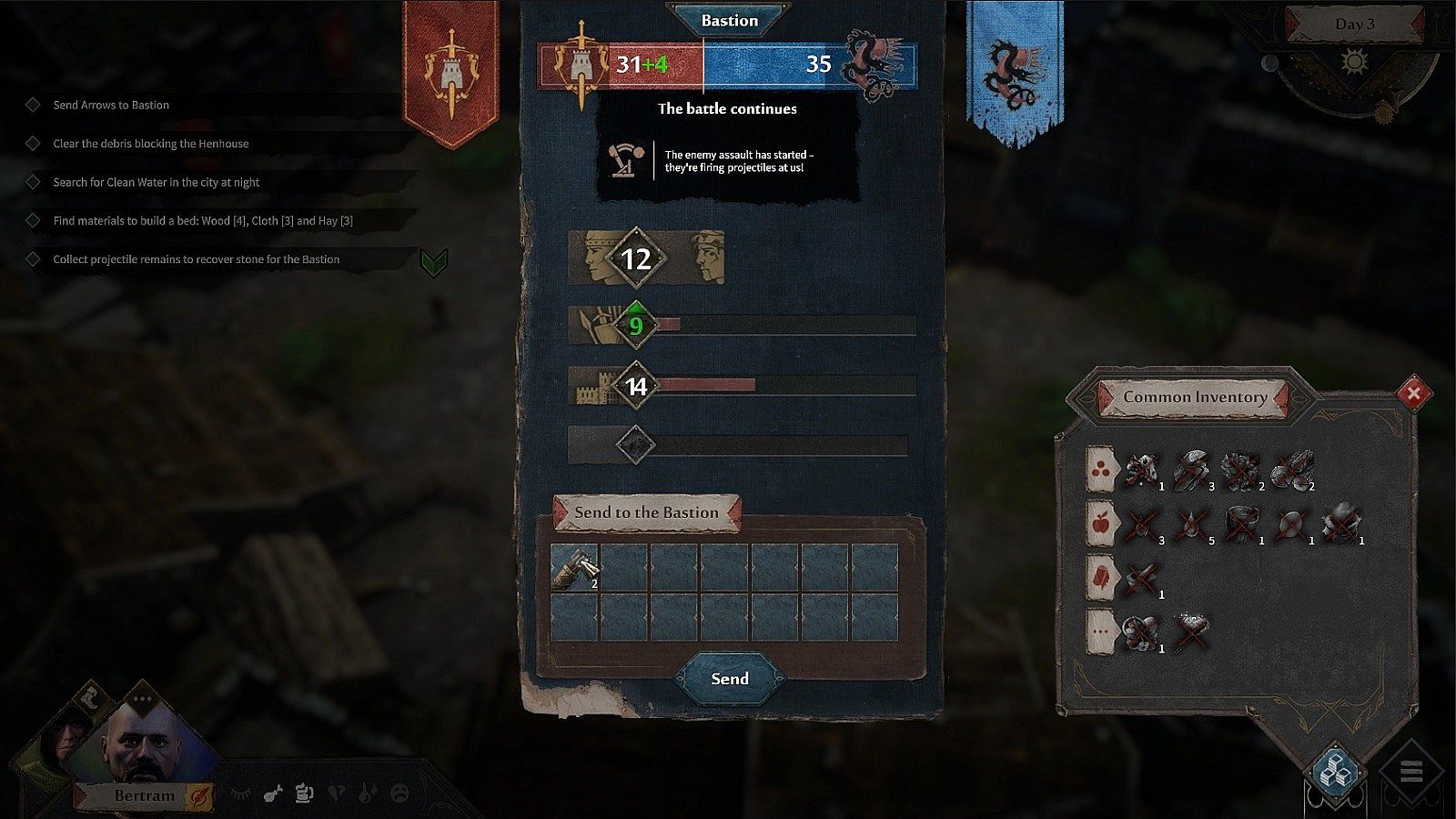
Defensive elements add pressure throughout. The camp faces periodic assaults involving flaming arrows and large projectiles that can damage structures and require repairs. Soldiers in the bastion require steady deliveries of weapons, armor, arrows, and medical supplies ahead of their engagements, or the enemy forces will eventually breach the defenses. Character traits influence task efficiency, such as improved building speed or combat effectiveness during scavenging runs.
Game Modes
The experience centers on a single-player campaign set within the Gloria Victis universe. No separate competitive or cooperative modes exist. Instead, the game emphasizes one continuous survival scenario where players manage escalating demands over multiple days and nights.
Modding tools ship with the game, enabling community members to create and share custom scenarios. These additions expand the base experience by introducing new maps, objectives, or story elements built from the same core systems of resource management and scavenging.
Resource Management and Moral Choices
Scarcity drives every decision. Players must balance feeding and equipping soldiers against the needs of the civilian group, all while contending with risks of hunger, injury, illness, and low morale. Tensions can rise between the two groups when supplies run thin, leading to branching outcomes based on priorities chosen during play.
Scavenging runs introduce further layers through optional interactions with remaining residents. Choices range from cooperative recruitment to more self-serving actions, each carrying consequences for long-term camp stability and character relationships. Infrastructure improvements, such as better cooking facilities or storage solutions, help mitigate some pressures but require ongoing investment of time and materials.
Is It Worth Playing?
This title suits players who enjoy deliberate resource management and survival challenges similar to other civilian-focused wartime games. The day-night cycle and dual responsibilities of camp upkeep plus external scavenging create a steady rhythm that rewards planning and adaptation.
Reception highlights the unique premise of supporting frontline troops from behind the lines, though some note the repetitive nature of certain tasks and the strict time constraints. The included modding support provides longevity for those interested in community content. Availability remains limited to the original PC release with no additional seasons or major expansions confirmed in recent years.
Overall, it appeals most to fans of indie strategy simulations who appreciate tough moral trade-offs and methodical gameplay over fast-paced action. Those seeking lighter experiences may find the constant pressure and limited recovery options demanding.