











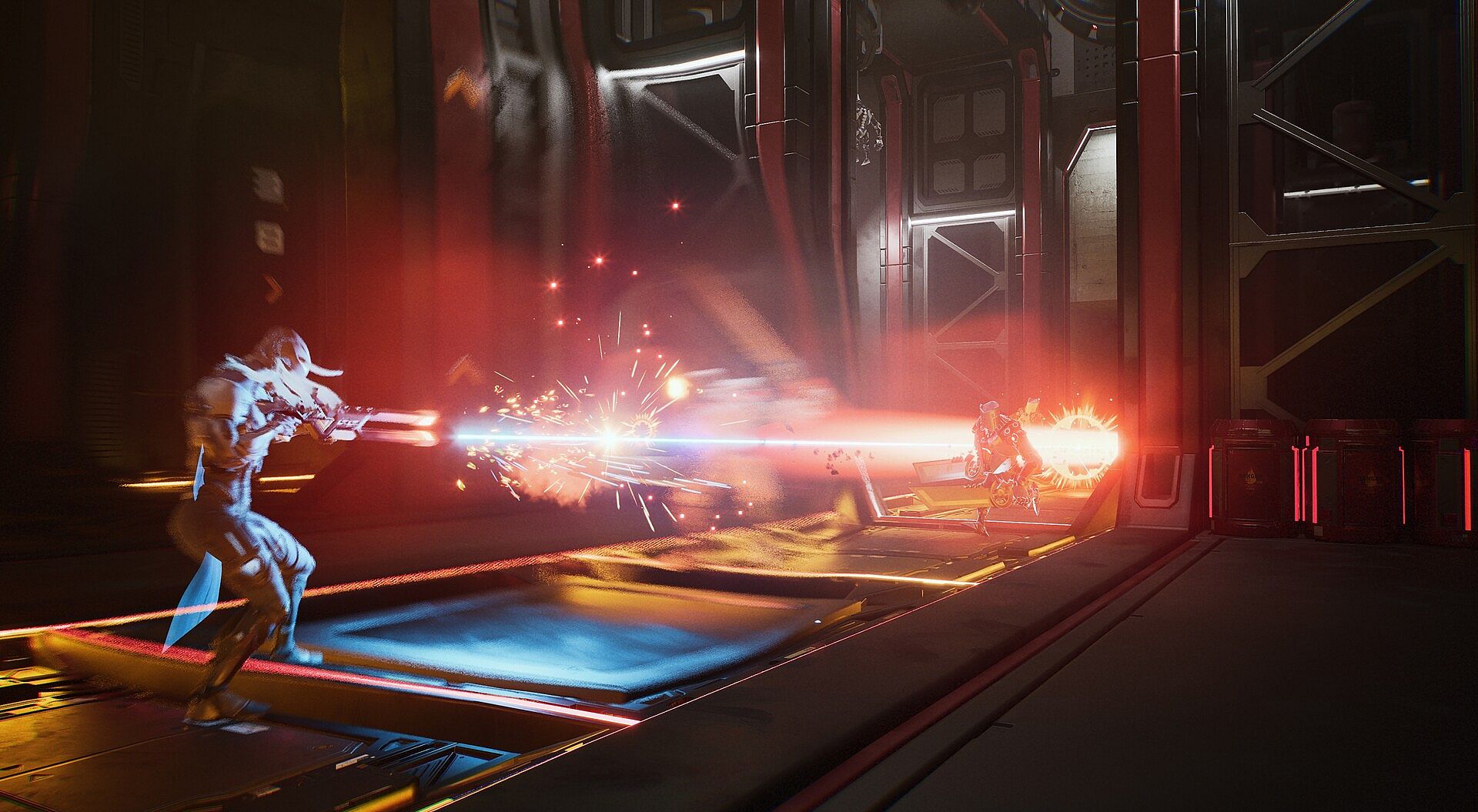
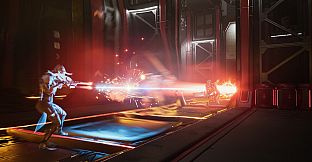
Simulakros stands as a third-person action shooter built around rogue-lite runs on PC. Players step into a conflict against the CORP, a powerful entity developing advanced combat androids known as Simulakros units. The core loop involves controlling one of these units to infiltrate and sabotage corporate facilities while a mysterious hacker provides support from the outside.
Gameplay
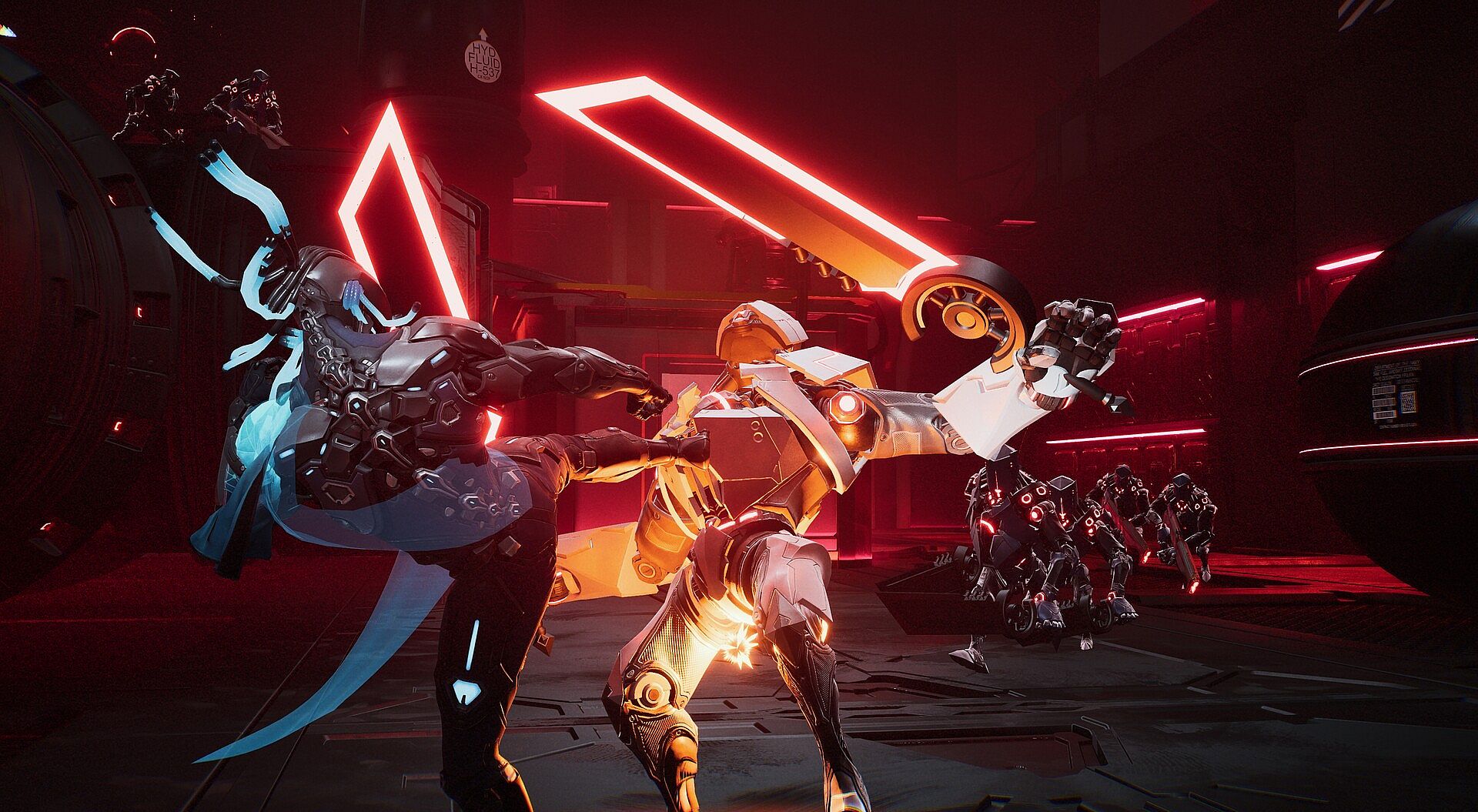
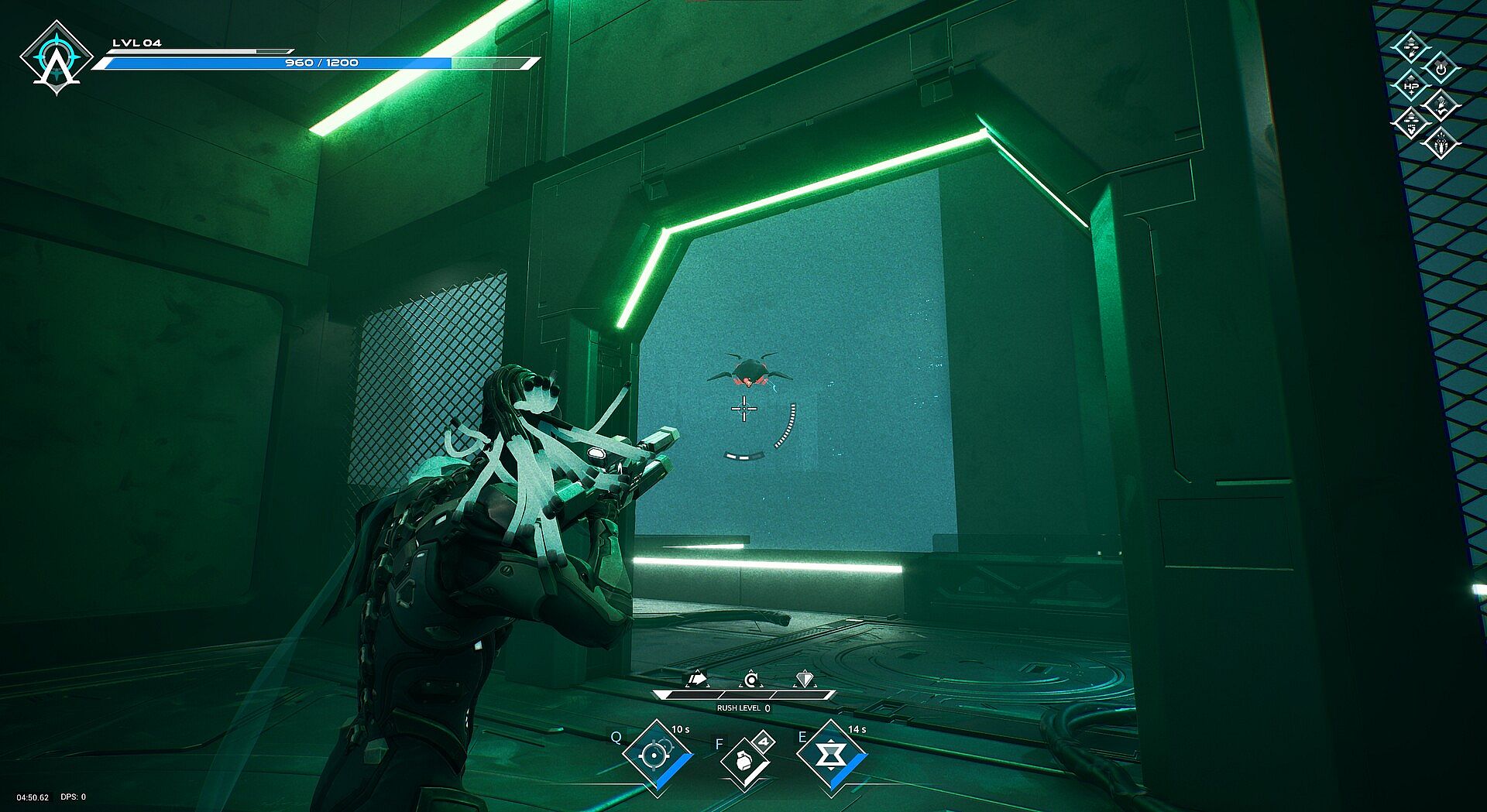
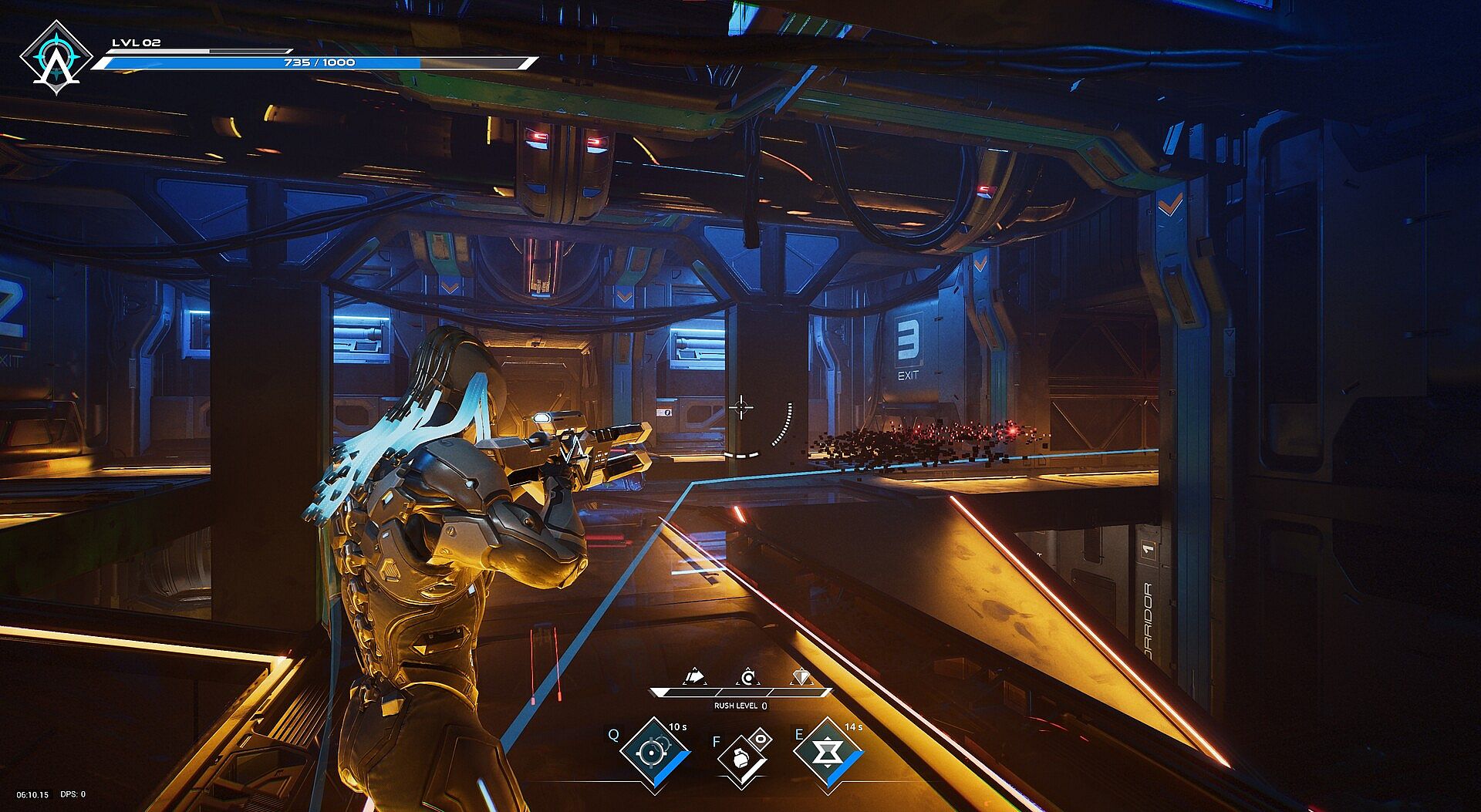
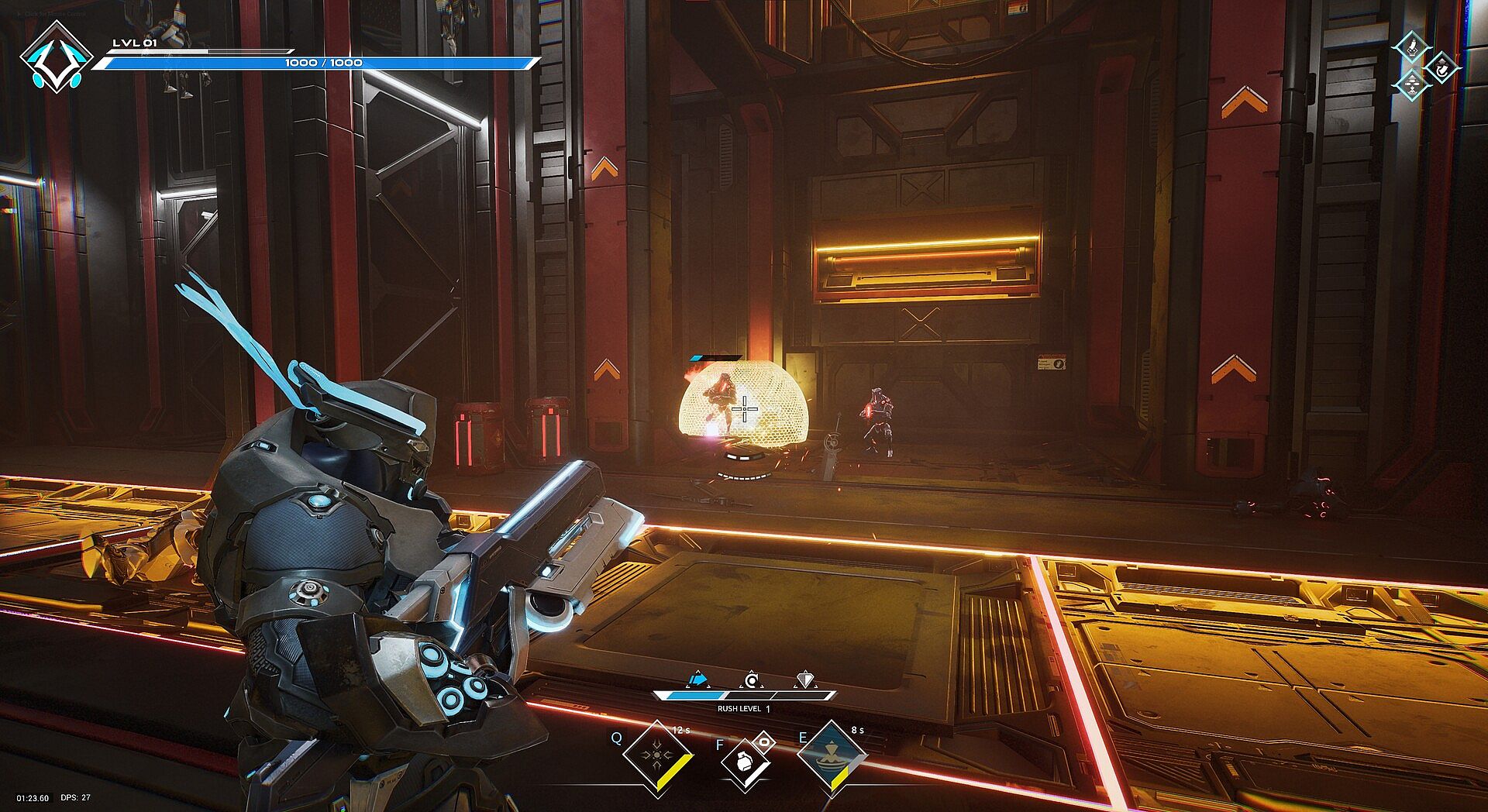
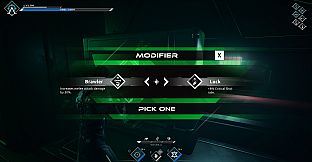
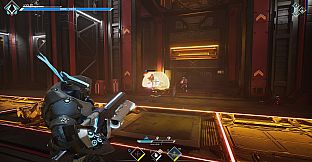
The action unfolds in fast-paced third-person perspective where movement, aiming, and ability use blend together in short, intense encounters. Combat emphasizes positioning and timing rather than cover-based shooting. Each Simulakros unit carries distinct weapons and skills that shape how fights unfold. Power-ups collected during a run alter damage output, mobility, or defensive options, creating different approaches to the same enemies.
Levels combine handcrafted segments into new layouts on every attempt. This structure keeps environments recognizable while ensuring no two runs follow identical paths. Enemies range from standard security forces to heavier robotic threats that require specific tactics to handle efficiently. The loop focuses on reaching deeper into facilities before a run ends, with upgrades carrying forward only through permanent progression systems.
Game Modes
Simulakros centers on a single core structure of repeated runs through corporate facilities. Each attempt starts fresh with randomized combinations of pre-designed areas, forcing adaptation to new layouts and enemy placements. Success depends on surviving waves of resistance while gathering resources that improve the current unit's capabilities before the run concludes.
Progression between runs comes from chips found inside facilities. These provide lasting upgrades that expand options across future attempts. The experience system tracks overall advancement, gradually allowing more chips to be equipped at once. No separate modes exist beyond this run-based format, keeping focus on refining strategies through repeated facility incursions.
Playable Characters
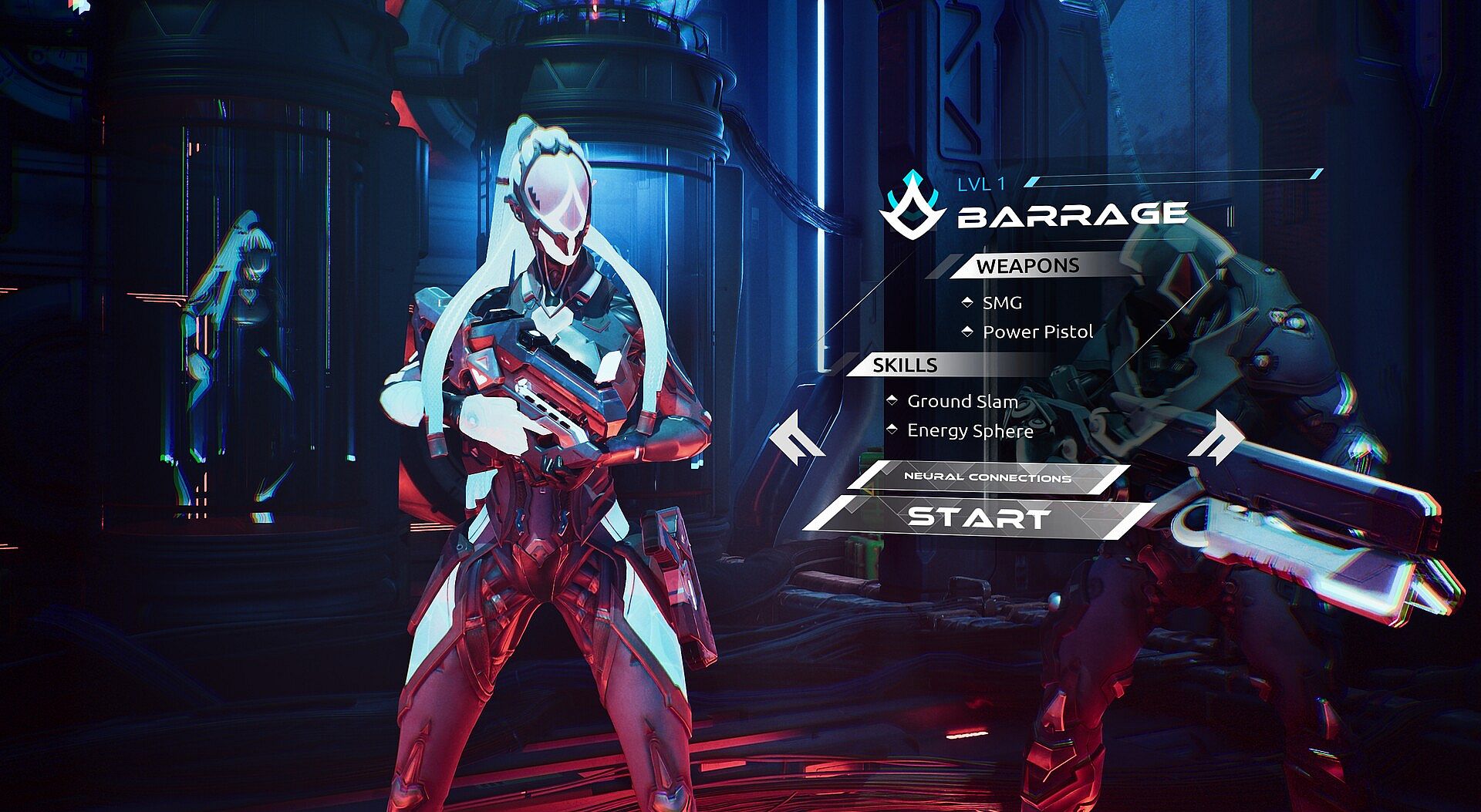
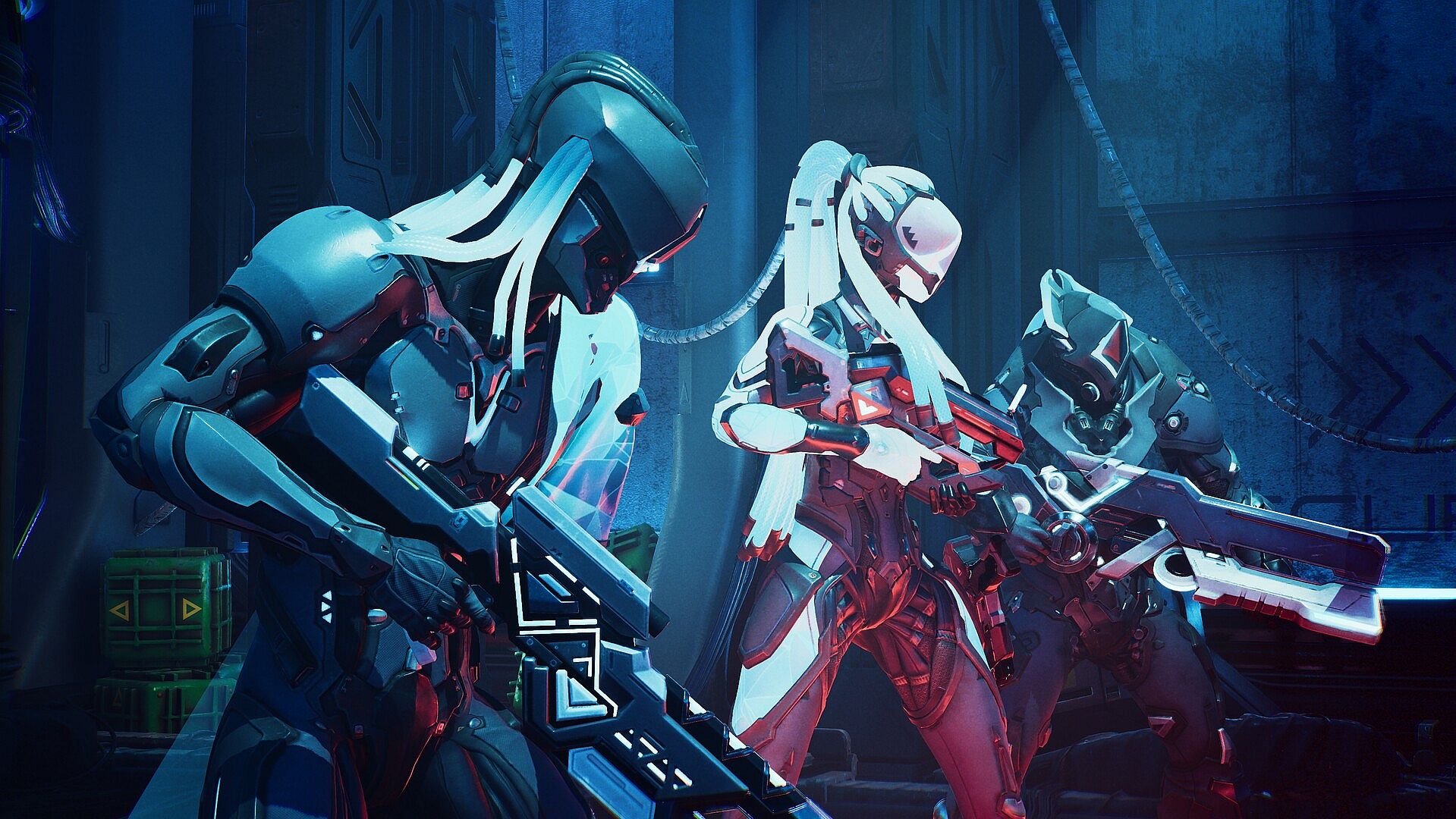
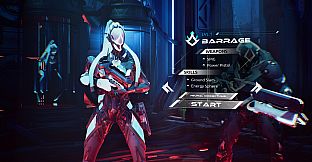
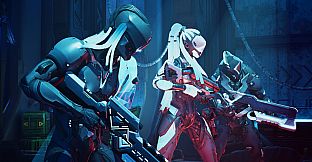
Three distinct Simulakros units offer different combat styles. The Sharpshooter operates at range with precision rifles that charge for stronger shots and includes abilities tied to time manipulation. Barrage favors quicker engagements, pairing a short-range SMG with a long-range pistol and explosive energy abilities. Rupture pushes aggressive close-quarters play using a shotgun and grenades while featuring teleportation to reposition behind threats.
Switching between units changes the feel of each run significantly. Weapon handling, skill cooldowns, and optimal power-up choices vary, encouraging players to experiment across multiple attempts rather than settling on one preferred loadout.
Customization and Progression
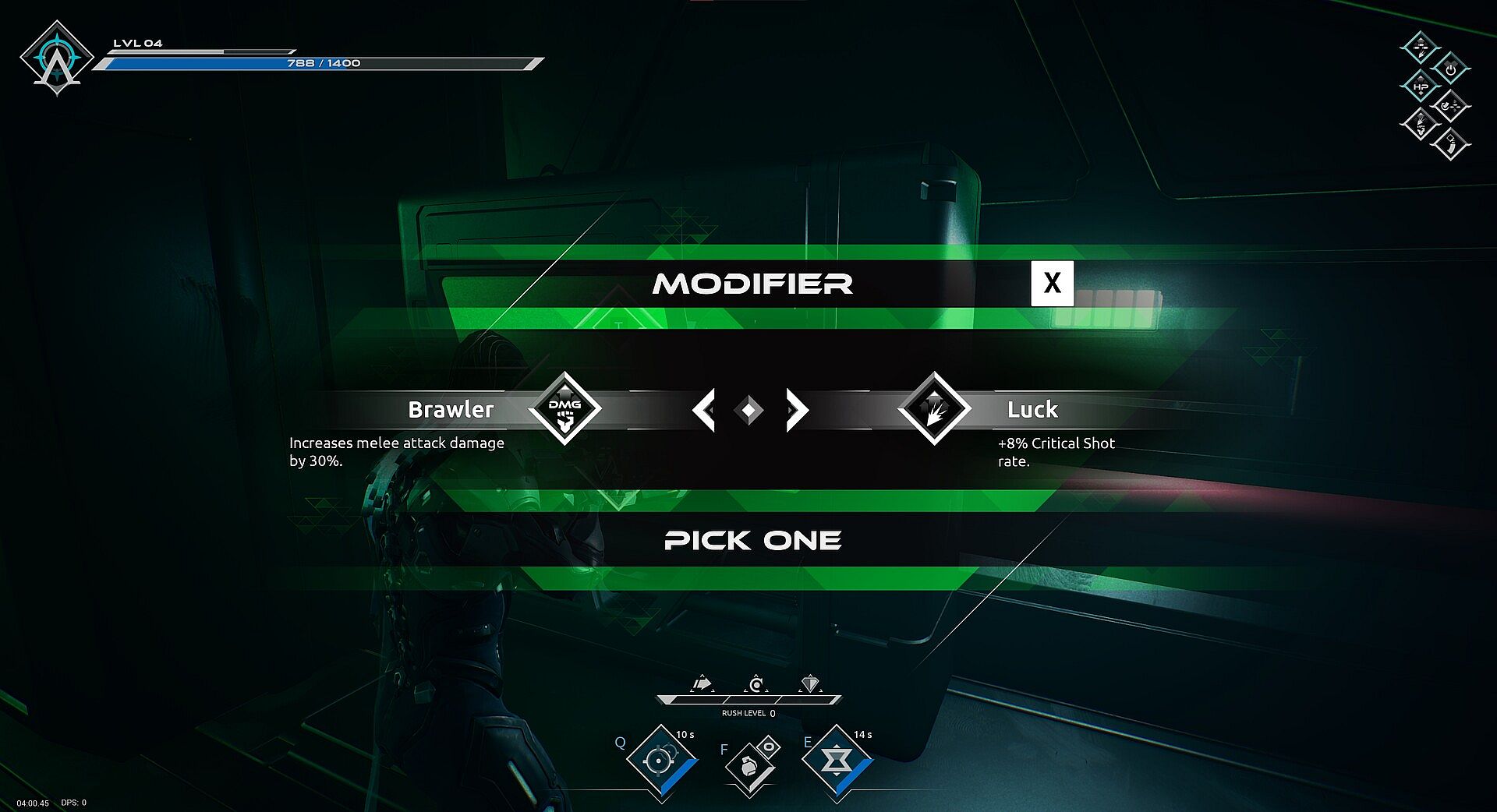
Random power-ups and upgrades appear during runs and modify how abilities function or scale damage and survivability. These temporary changes stack in ways that can shift a unit from ranged control to high-mobility aggression within a single attempt. Permanent chips collected across runs expand the baseline capabilities available at the start of future attempts.
Experience earned from each run contributes to unlocking additional chip slots. This horizontal system rewards consistent play without resetting progress on failure. The combination of temporary and permanent upgrades creates variety while building long-term investment in controlling the Simulakros units more effectively.
Is It Worth Playing?
Simulakros released on October 10, 2024, and has received mostly positive feedback on Steam from a modest number of reviews. Players highlight the responsive combat and the way character differences influence strategy. Performance improvements noted after launch have addressed some early technical concerns.
The game suits those who enjoy rogue-lite structure paired with direct third-person shooting. Its emphasis on short, repeatable runs and permanent upgrades provides clear goals without requiring long sessions. Those seeking varied character options and facility infiltration against robotic forces will find the systems align with that preference. Limited review volume means individual experiences may vary, but the core mechanics deliver consistent action for the target audience.