


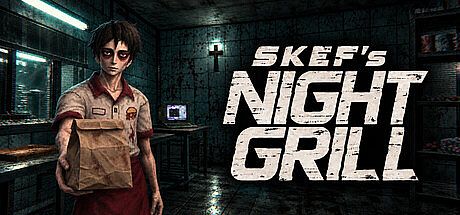


SKEFs Night Grill is a first-person indie simulation game that blends cooking management with horror tension. Players take on the role of a night-shift worker at a burger joint located in a rough urban area, handling orders while dealing with threats that go beyond typical customer complaints. The core experience centers on preparing food under pressure, spotting threats disguised as patrons, and making split-second decisions that affect survival through the shift.
Gameplay
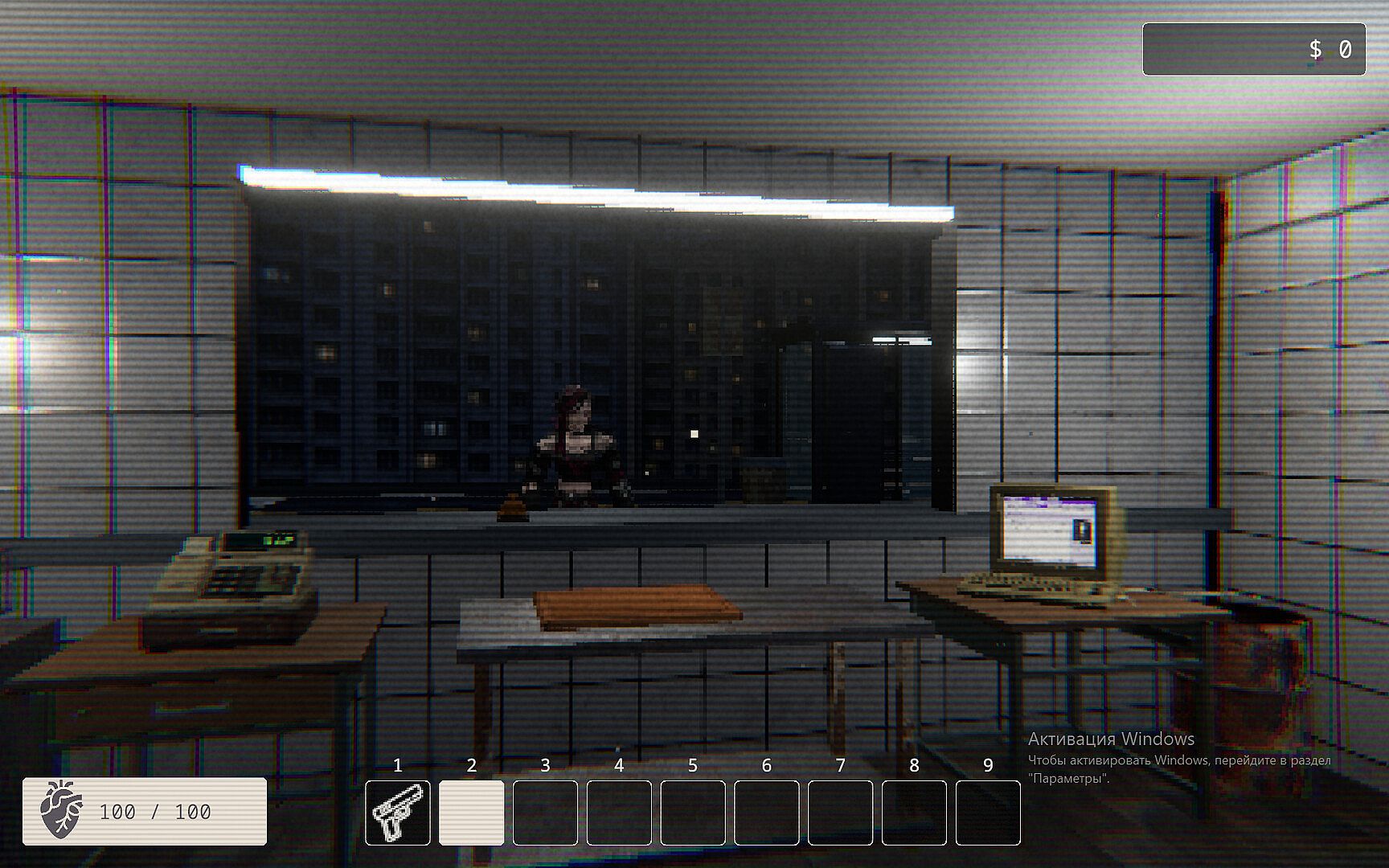
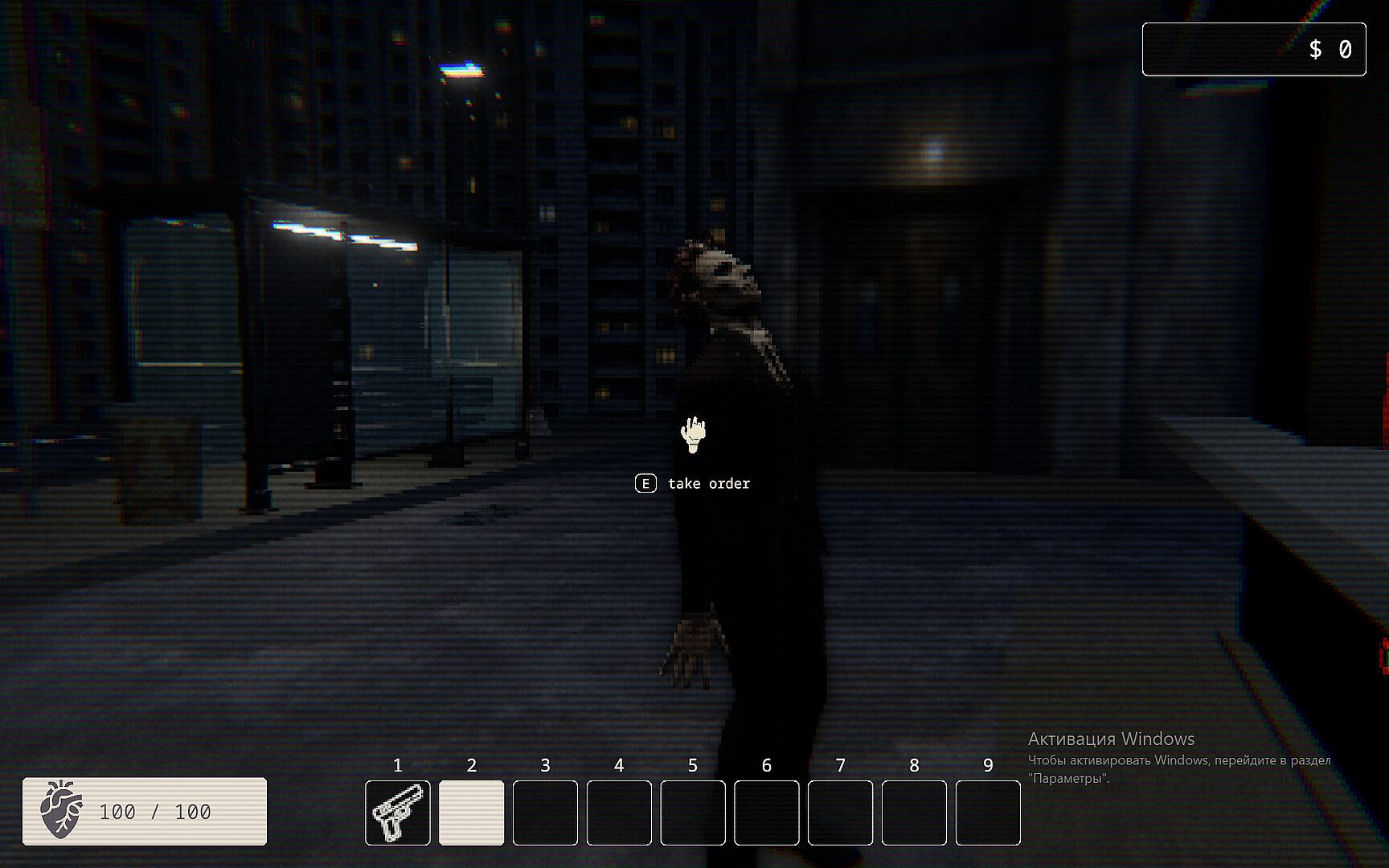
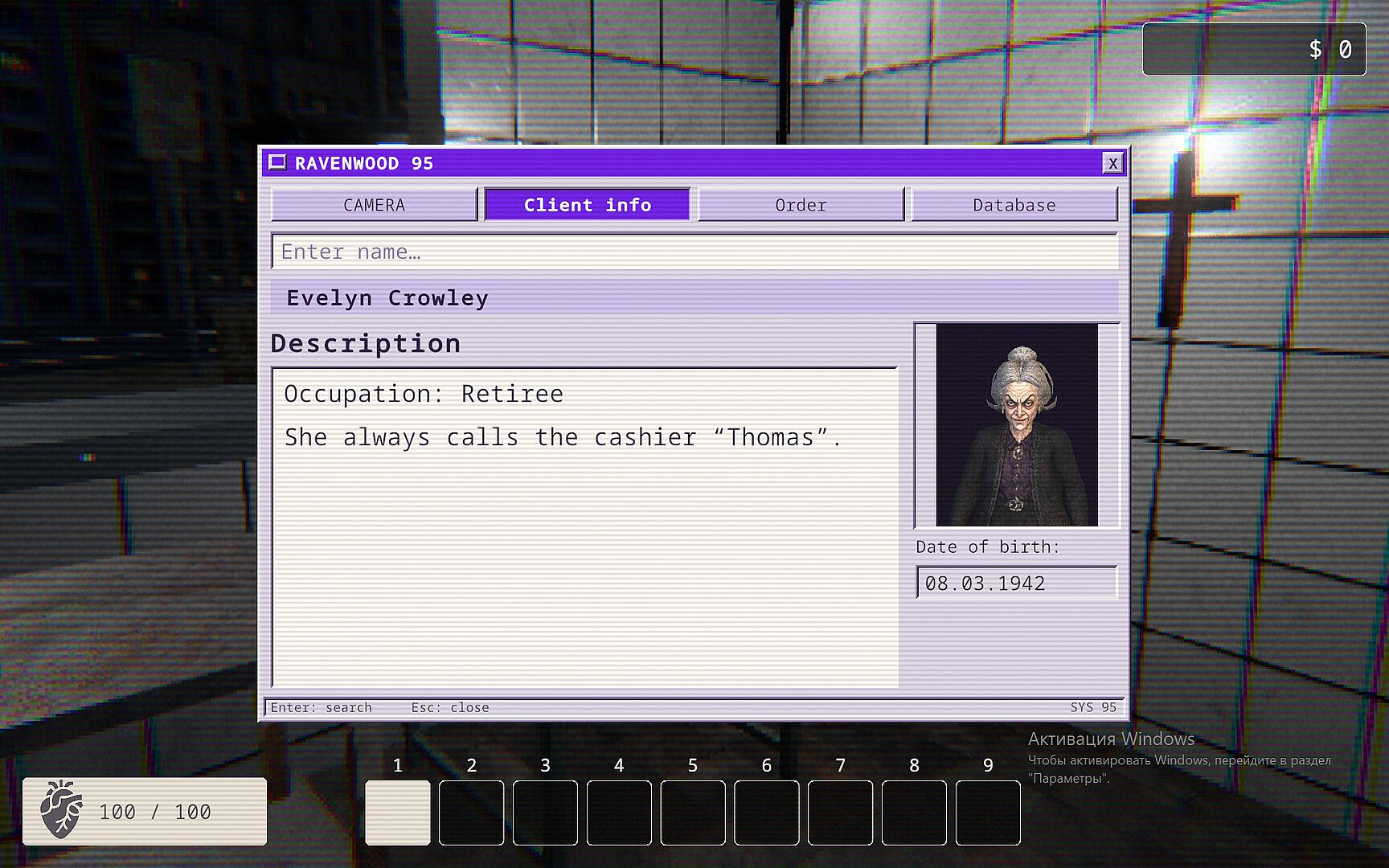
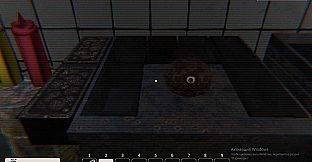
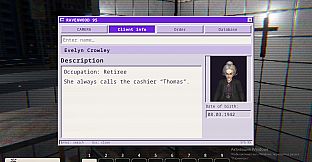
The gameplay loop revolves around the service window at the burger joint. Orders arrive from customers who approach the counter, requiring players to take requests, grill burgers and hot dogs on the available equipment, and deliver the finished items promptly. Attention to detail matters because the environment includes a database for verifying customer information against provided details such as names or descriptions. Inconsistencies in appearance, behavior, or records signal potential doppelgangers that must be handled differently from regular patrons.
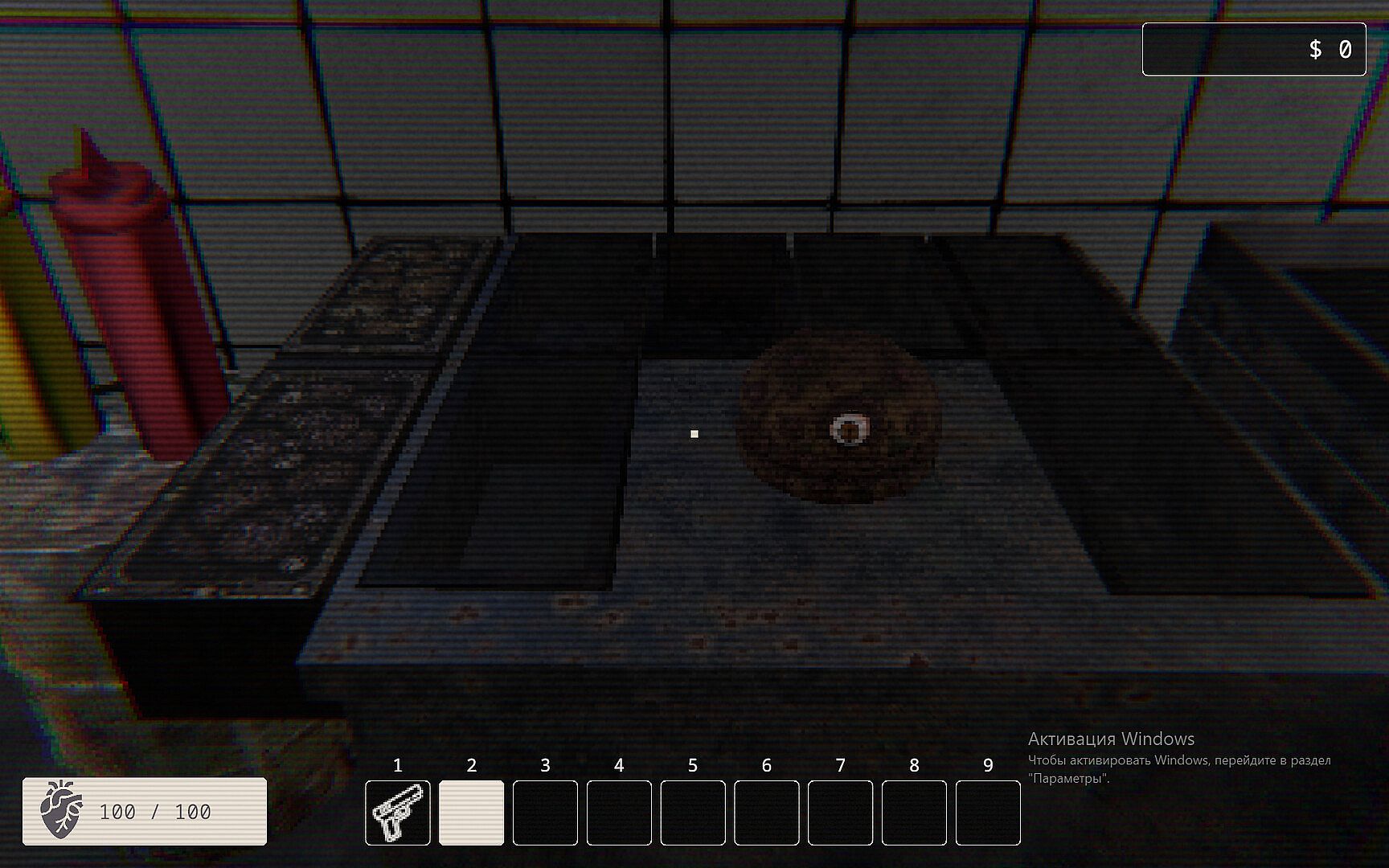
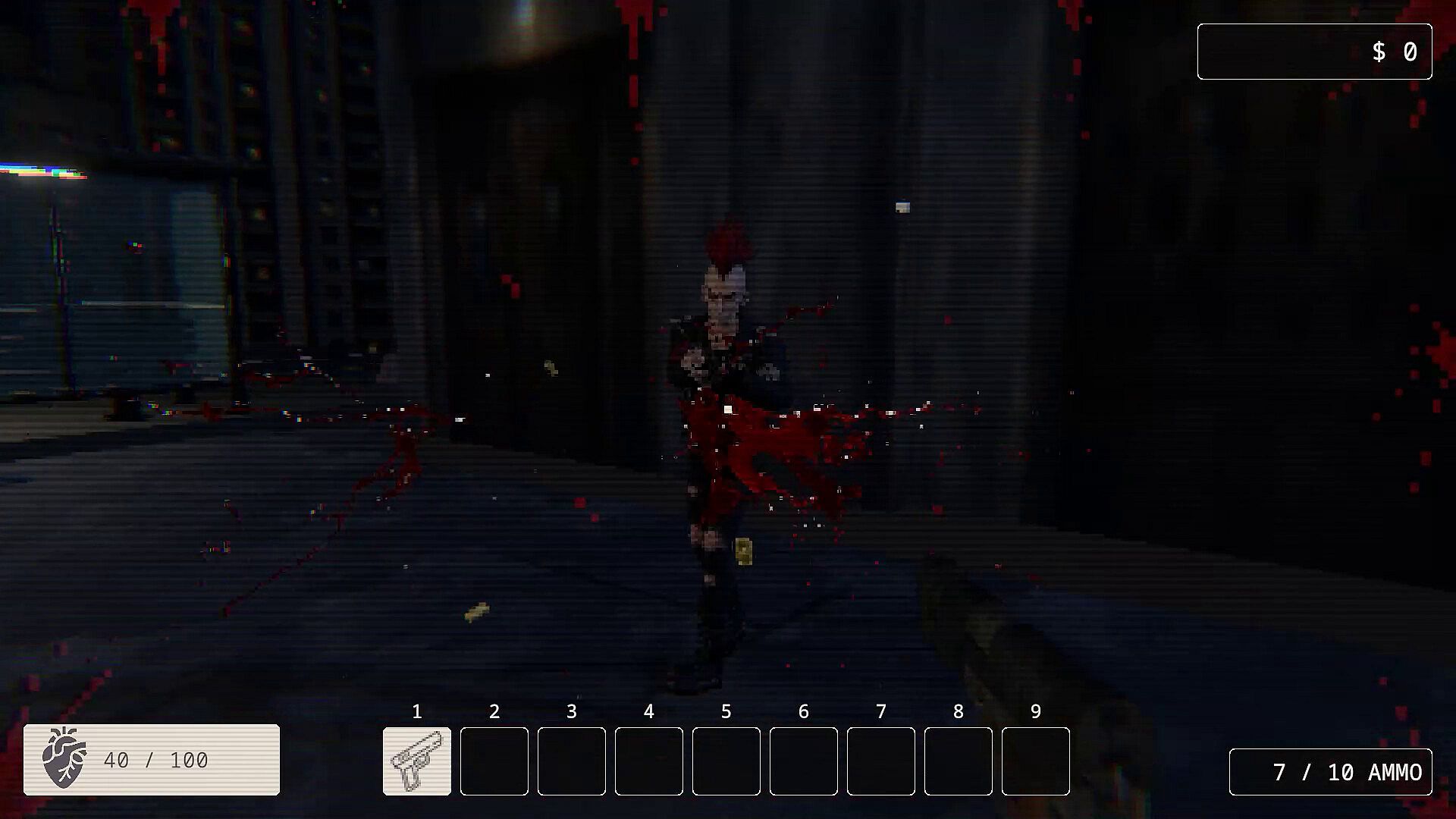
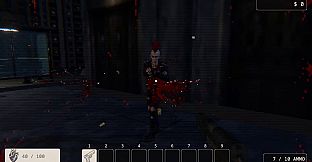
Food preparation forms the backbone of each interaction. Players manage the grill to cook items correctly while staying alert to the surroundings. The neighborhood setting introduces risks where some encounters can escalate into violence, forcing defensive actions with a weapon when necessary. Every choice about who receives standard meals versus spoiled or incorrect food carries direct consequences for the ongoing shift, building a sense of constant vigilance alongside the routine tasks of service.
Survival elements integrate with the simulation mechanics. The night progresses with increasing activity at the window, and decisions accumulate to influence the level of danger present. Players must balance efficient service with careful examination of each customer to avoid errors that draw additional trouble or trigger hostile responses.
Game Modes
The experience operates as a continuous single-player shift focused on completing the night without succumbing to the threats. No separate multiplayer components or distinct named modes appear in the available information about the title. The structure emphasizes one core scenario where the player works through customer waves, verification checks, and defensive situations in sequence until the shift ends or survival fails.
Progression ties directly to performance during the night. Successful identification and correct service keep the situation manageable, while mistakes compound the challenges. This unified approach keeps the focus on the integrated systems of cooking, observation, and response rather than branching into varied formats.
Core Mechanics and Atmosphere
Mechanics emphasize observation and quick judgment alongside the hands-on cooking. Examining customers involves comparing visual cues and responses against stored records to detect fakes. Once identified, the choice to serve proper food or rotten alternatives determines the outcome of that interaction and shapes the broader night ahead. The crime-ridden setting adds layers where external violence can interrupt service, requiring players to switch between preparation tasks and active defense.
The first-person perspective places the player directly behind the counter, handling tools and the database interface in real time. Sound and visual details of the grill operations contribute to the grounded feel of the job, while the unpredictable nature of arrivals maintains pressure. This combination creates a simulation where routine tasks intersect with horror elements without relying on external story exposition beyond the immediate shift.
Is It Worth Playing?
SKEFs Night Grill targets players who enjoy simulation games that incorporate tension and decision-making under constraints. The blend of food service management with identification challenges and occasional combat offers a focused loop suited to those interested in short-to-medium sessions centered on one intense night. Because the title remains in the announcement stage with a planned release on PC, interested players can follow updates from the developer for any changes to the feature set before launch.
The verified systems provide clear appeal for fans of indie horror simulations that prioritize mechanics over expansive narratives. Those who appreciate careful customer interactions mixed with survival pressure will find the described gameplay loop engaging, while players seeking large-scale multiplayer or multiple distinct modes may want to evaluate the final product upon release. The current information supports a recommendation for anyone drawn to the specific mix of grilling, verification, and nighttime defense in a single-player format.












