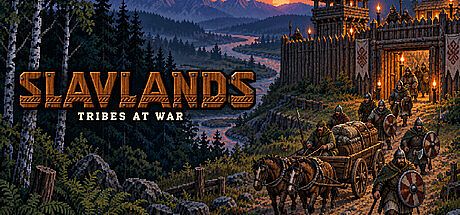


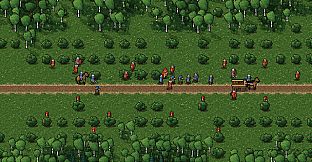
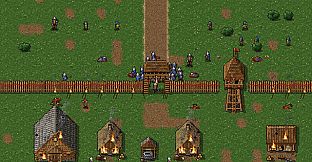
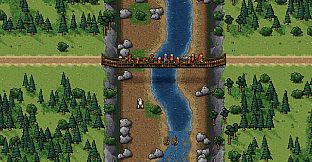
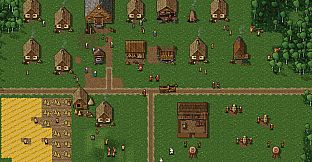
Slavlands: Tribes at War is a real-time strategy game set in the forests, rivers, and marshes of 10th-century Slavic lands. Players manage a living settlement while preparing warbands for conflict on terrain that shapes every engagement.
Gameplay
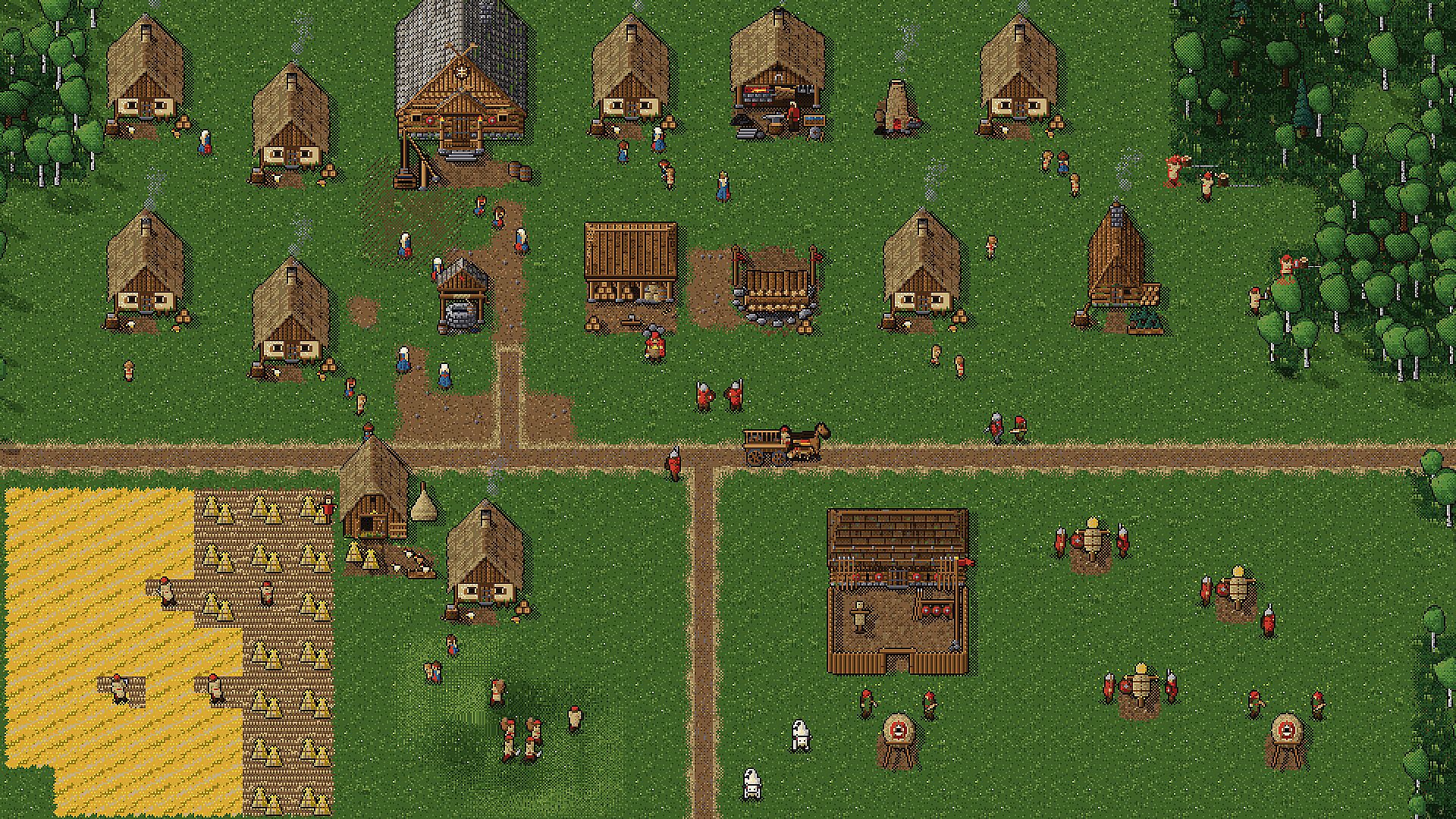
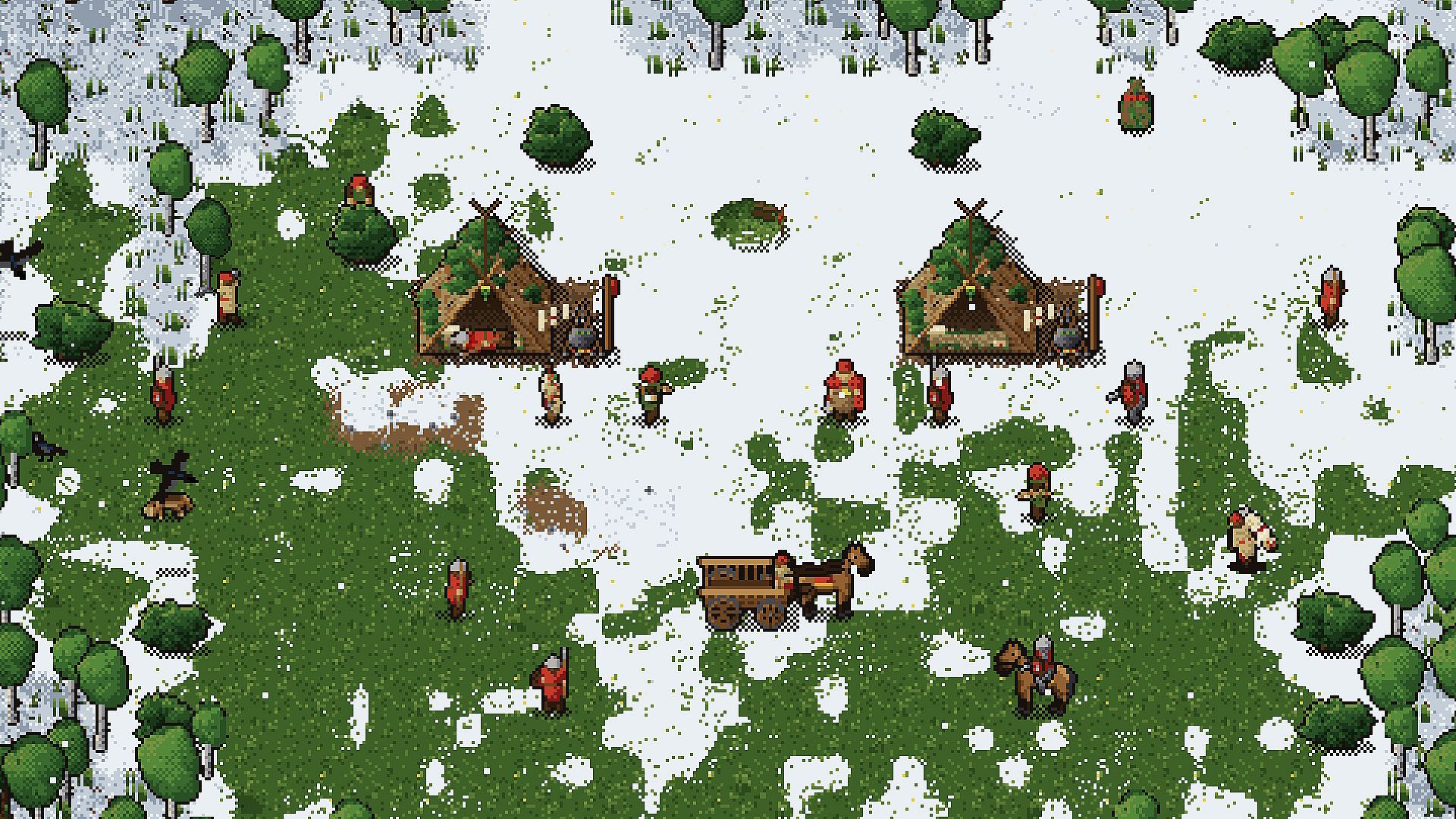
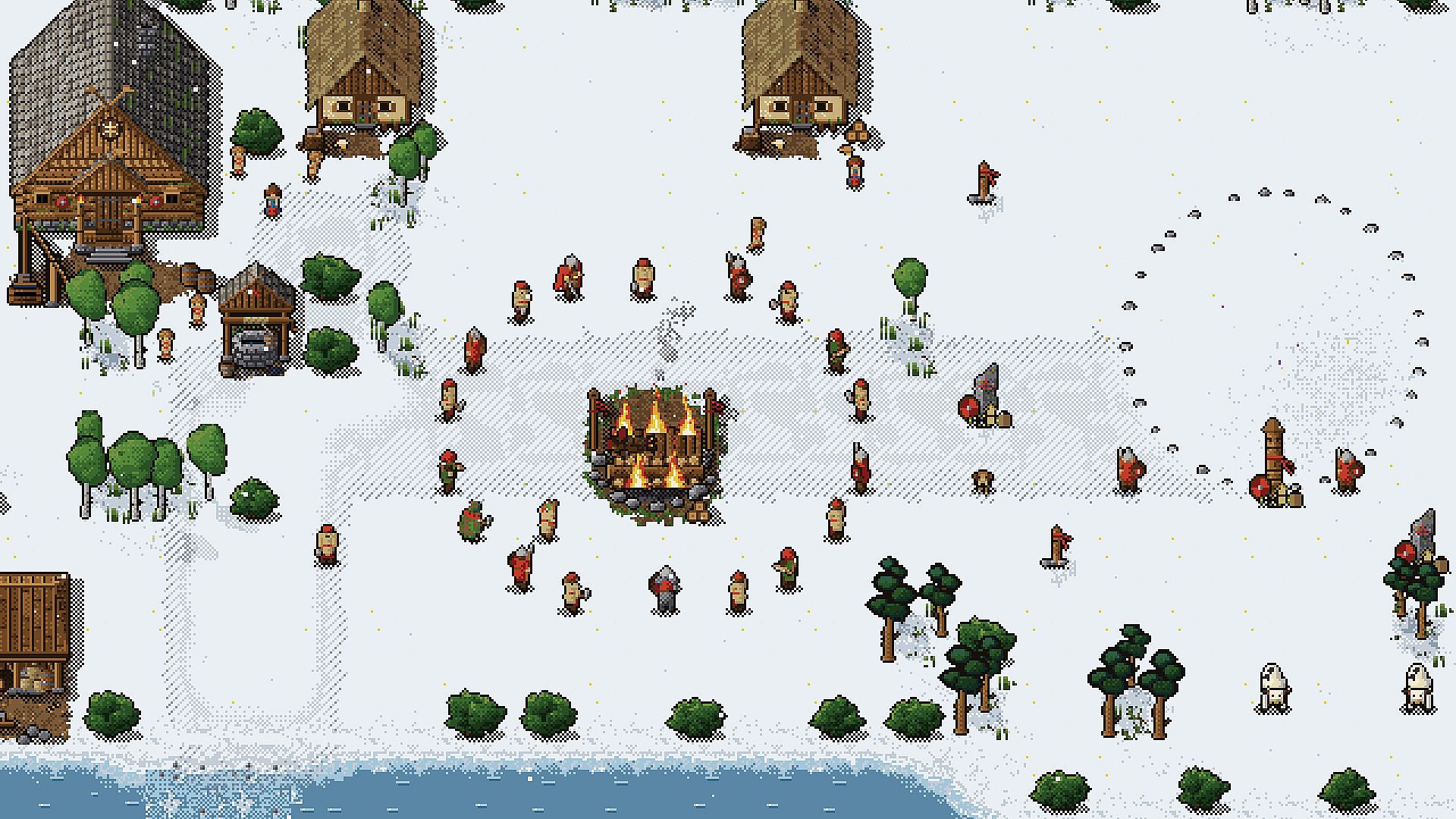
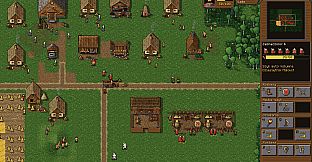
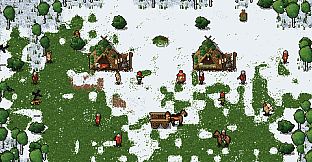
The core loop centers on building and sustaining a fortified settlement amid changing seasons. Villagers take on roles such as woodcutters, farmers, hunters, fishermen, herders, bowyers, carpenters, and smelters who process bog iron. Families occupy houses and require steady supplies of food, water, firewood, and shelter. Fields are sown and harvested strip by strip, while felled forests regenerate over time. Day and night cycles, along with winter snow and frozen rivers, alter movement paths and economic demands.
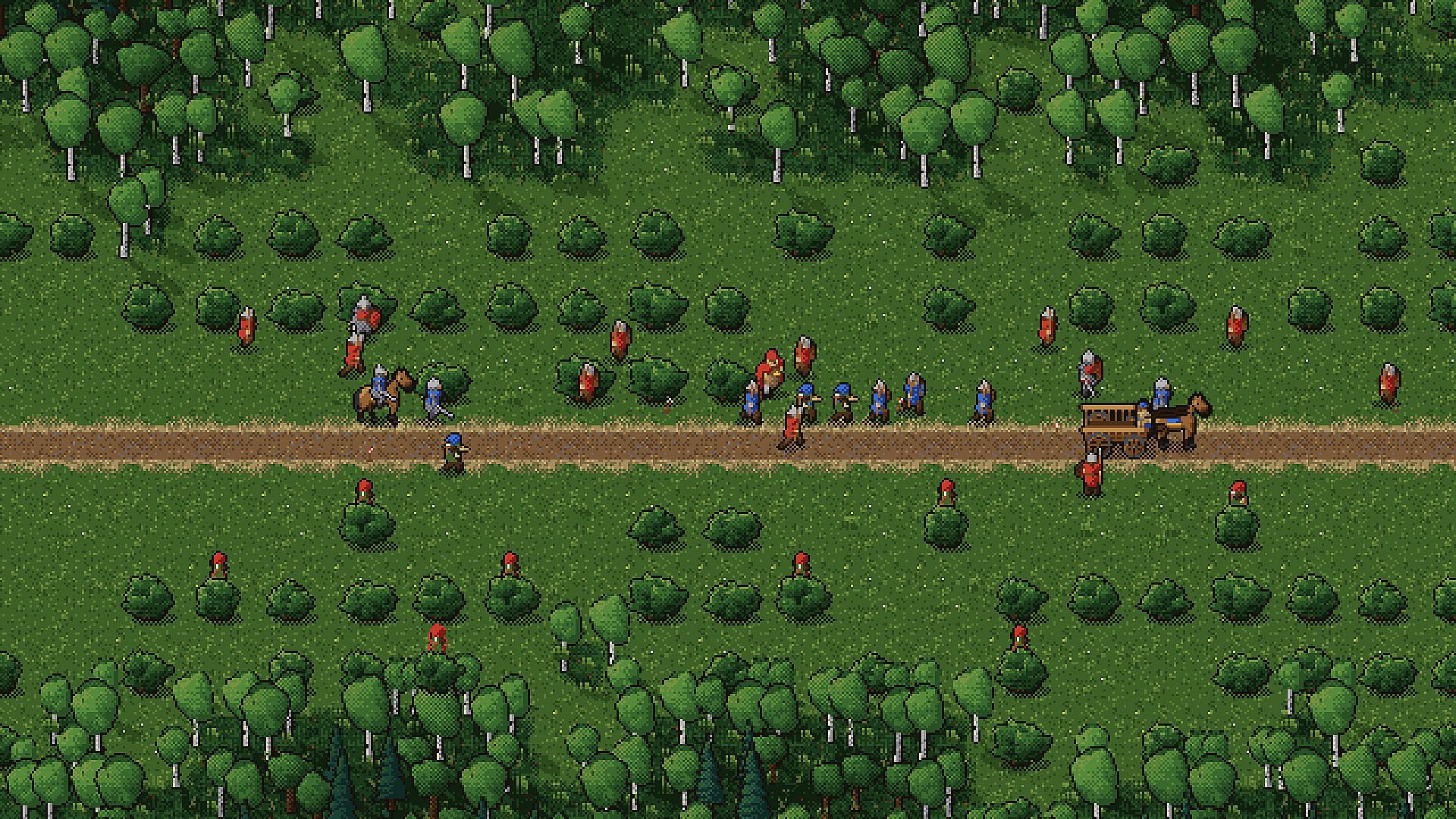
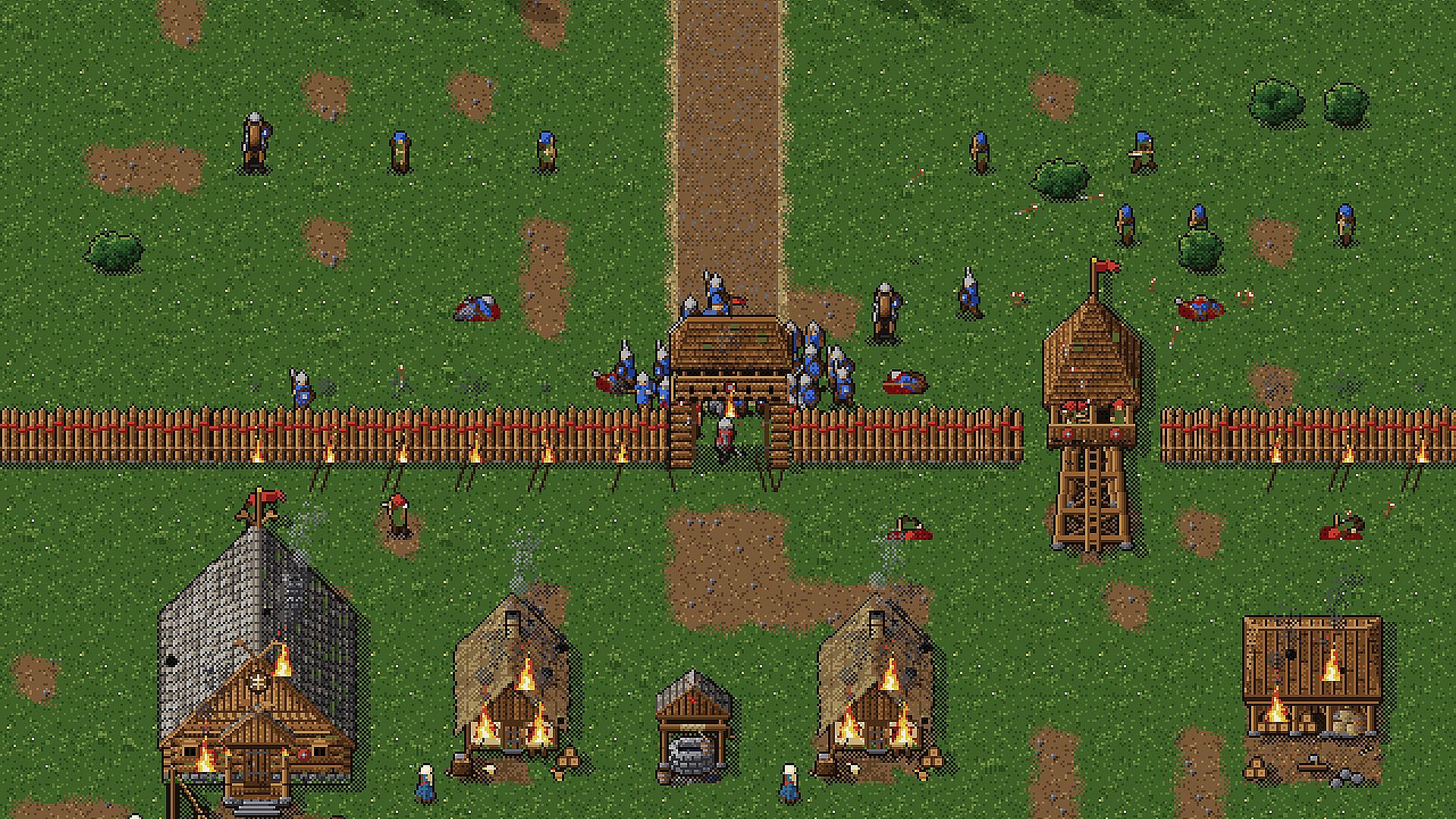
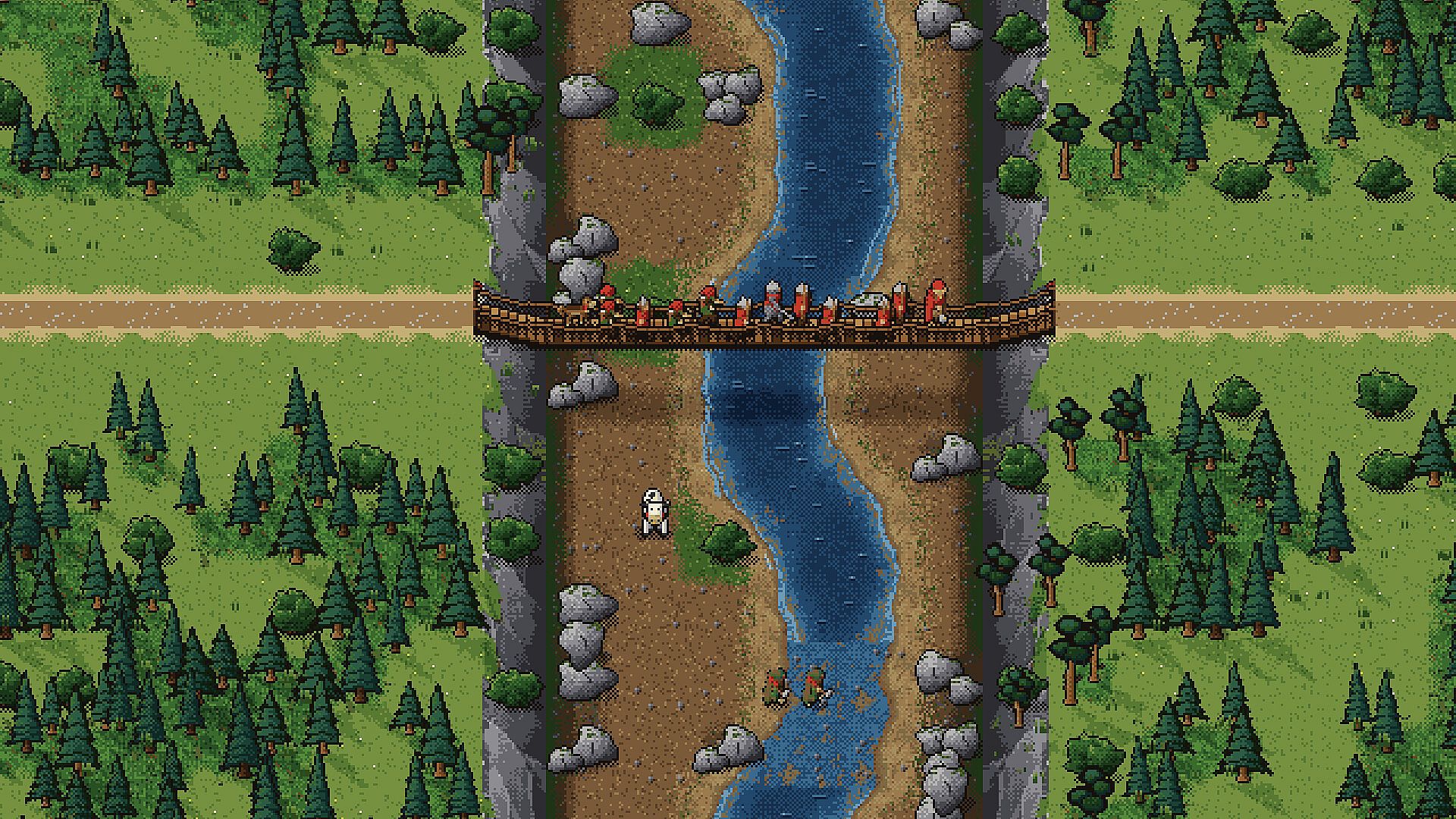
Terrain functions as a tactical asset. Warriors can hide in thickets or deep forest to ambush strung-out enemy columns. Defenders hold fords, footbridges, and narrow passes where superior numbers lose their edge. Players raise palisades and gates, station troops in watchtowers, dig ditches, and construct earthworks. Supply lines operate without abstract stockpiles. Every log, grain sack, and bundle of arrows sits in a physical building and must be transported by porters or carts that follow player-set priorities. Archers carry limited ammunition and draw resupply from towers, carts, or hidden caches. Spent arrows can be recovered from the battlefield. Food deliveries prevent hunger from sparking disobedience or desertion. Wool sweaters must be knitted ahead of winter campaigns, and supply caches hidden along routes to deny them to the enemy.
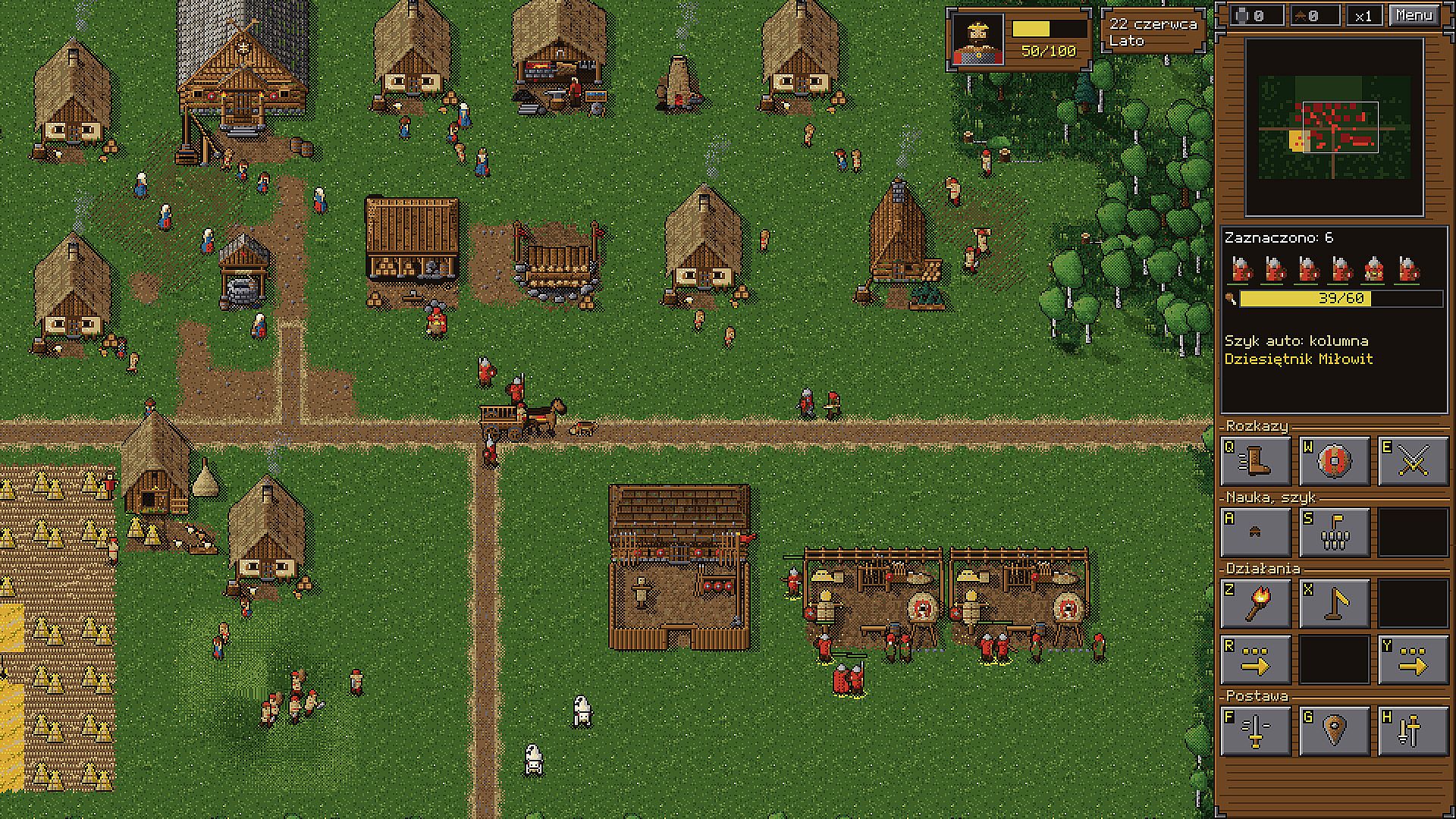
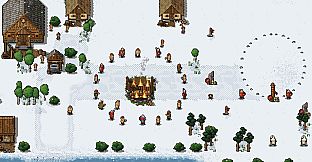
Warriors carry individual identities. Each earns experience and unlocks abilities including charges, shield walls, and arrow volleys. Training grounds and smithies prepare them for battle. A prince leads from the front; his survival steadies the ranks, while his loss ripples through the entire stronghold. After fights, the wounded require transport to the herbalist. Unburied dead risk spreading plague, so bodies must be buried or burned on pyres. Fire spreads between roofs and across bridges, turning village raids into dangerous gambles for both sides.
Game Modes
Skirmishes form the main activity. An AI opponent constructs its own stronghold and dispatches raiders while players expand and defend theirs. Maps draw from the landscapes of southern Poland. Victory comes through several paths: eliminating the rival settlement, slaying its leader, or seizing sacred groves and shrines. No additional modes appear in available information.
Visual Style and Simulation
The presentation deliberately recalls late-1990s PC strategy titles through hand-crafted pixel art, a restricted color palette, crisp silhouettes, and chunky wooden interface elements. Beneath this retro surface runs a modern simulation that tracks individual needs, supply routes, seasonal shifts, and battlefield consequences at native resolution with smooth zoom.
Is It Worth Playing?
Slavlands: Tribes at War appeals to players who enjoy detailed real-time strategy with strong emphasis on logistics, terrain use, and settlement management. The combination of named warriors, physical supply chains, and environmental hazards creates a grounded experience distinct from more abstract titles. Those drawn to indie strategy games with historical settings and simulation depth will find the systems rewarding. The pixel-art presentation and focus on singleplayer skirmishes against a capable AI suit fans of classic RTS design updated with contemporary mechanics. Availability remains limited to PC at this stage, with no confirmed updates or additional content beyond the core description.