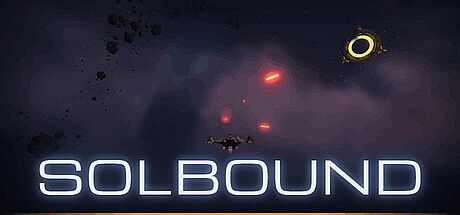


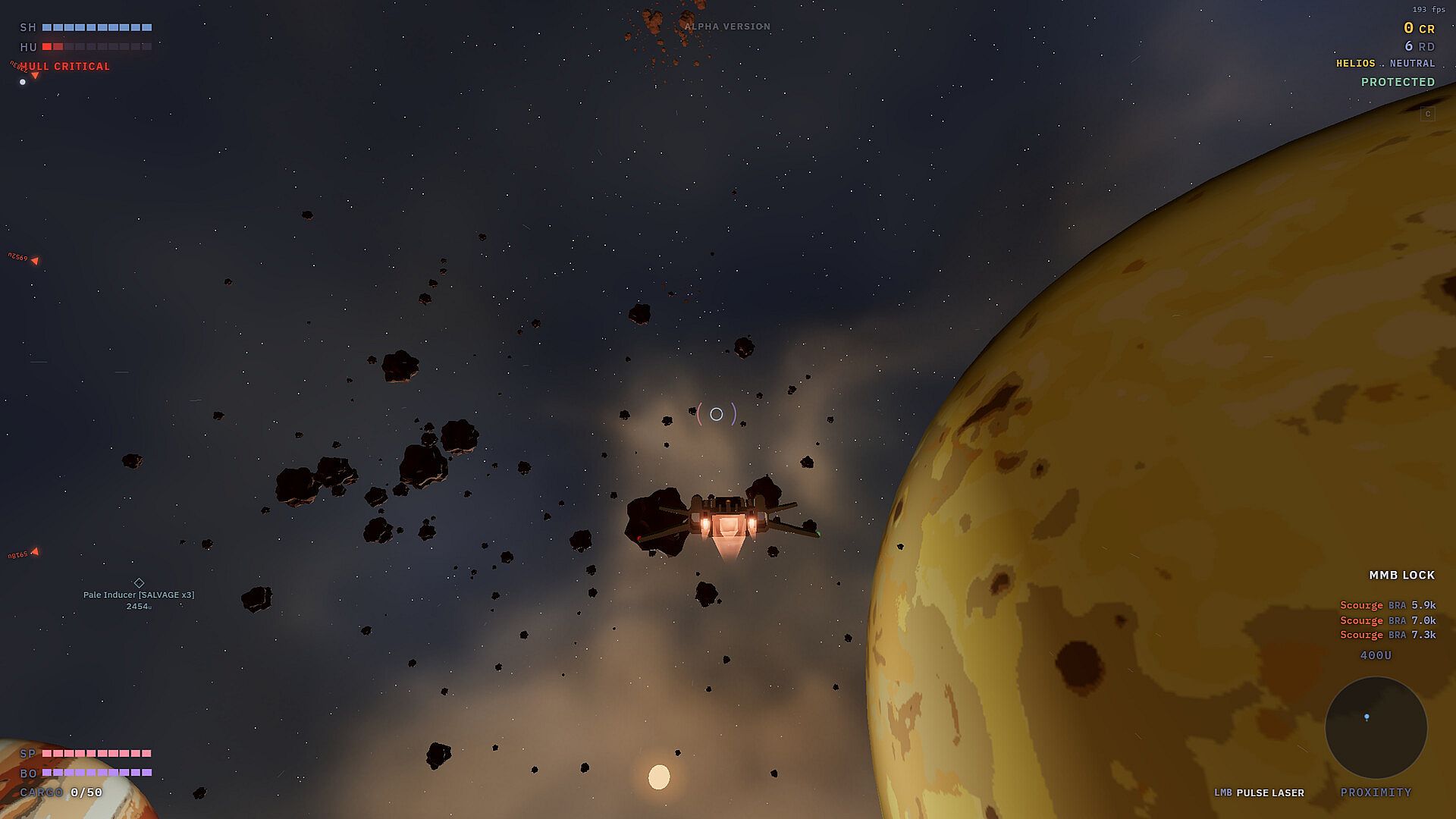
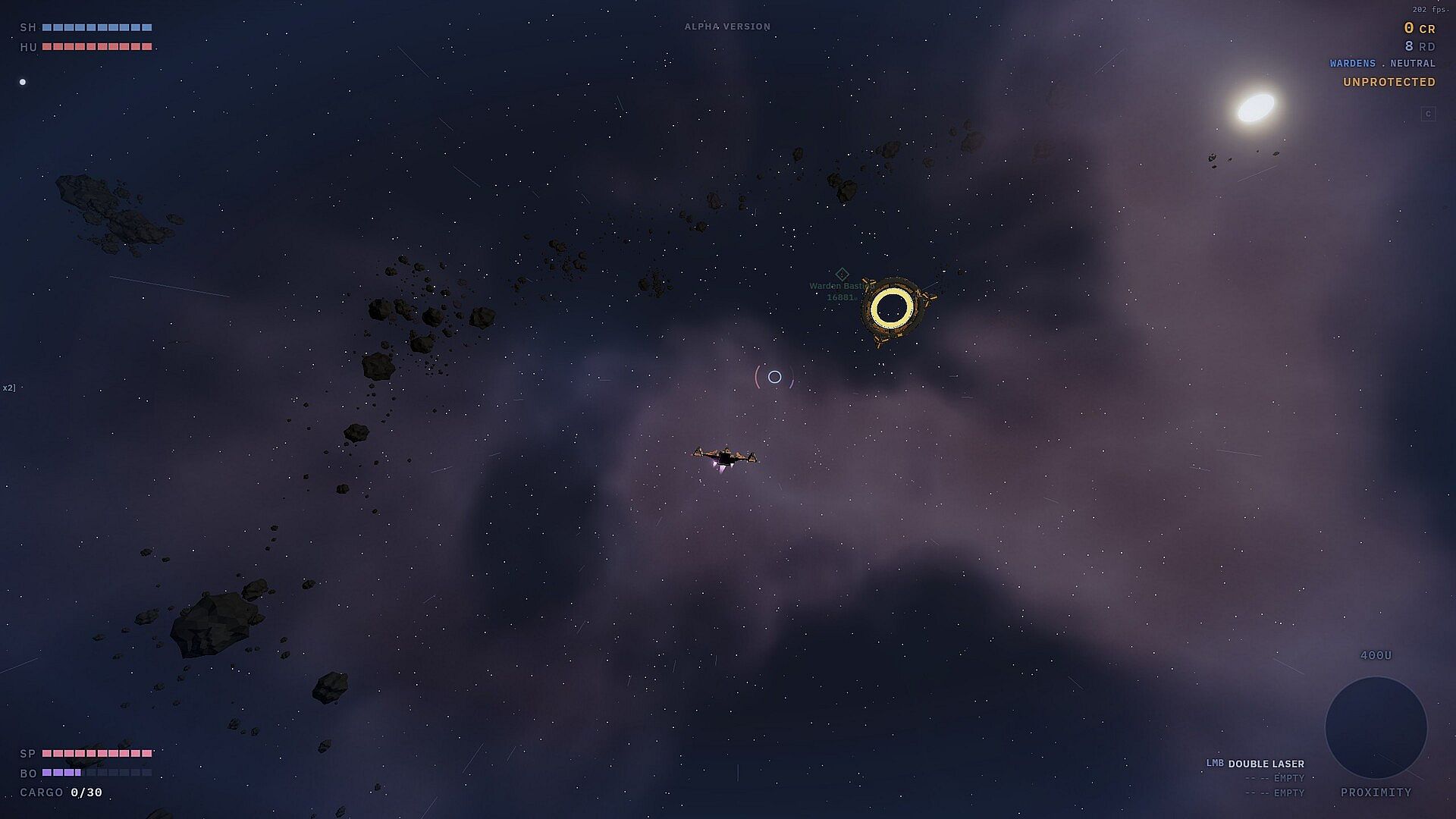
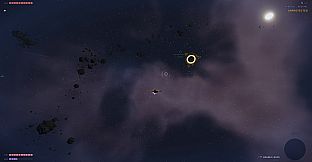
Solbound is a space simulation game on PC where players navigate a solar system abandoned by humanity. Set among the moons of Jupiter and beyond, the experience centers on managing a salvaged ship through combat, resource gathering, and careful investigation of derelict sites. The title opens with Act 1 focused on four hand-crafted regions orbiting Jupiter, with plans to expand across the full system including Saturn and the asteroid belt.
Gameplay
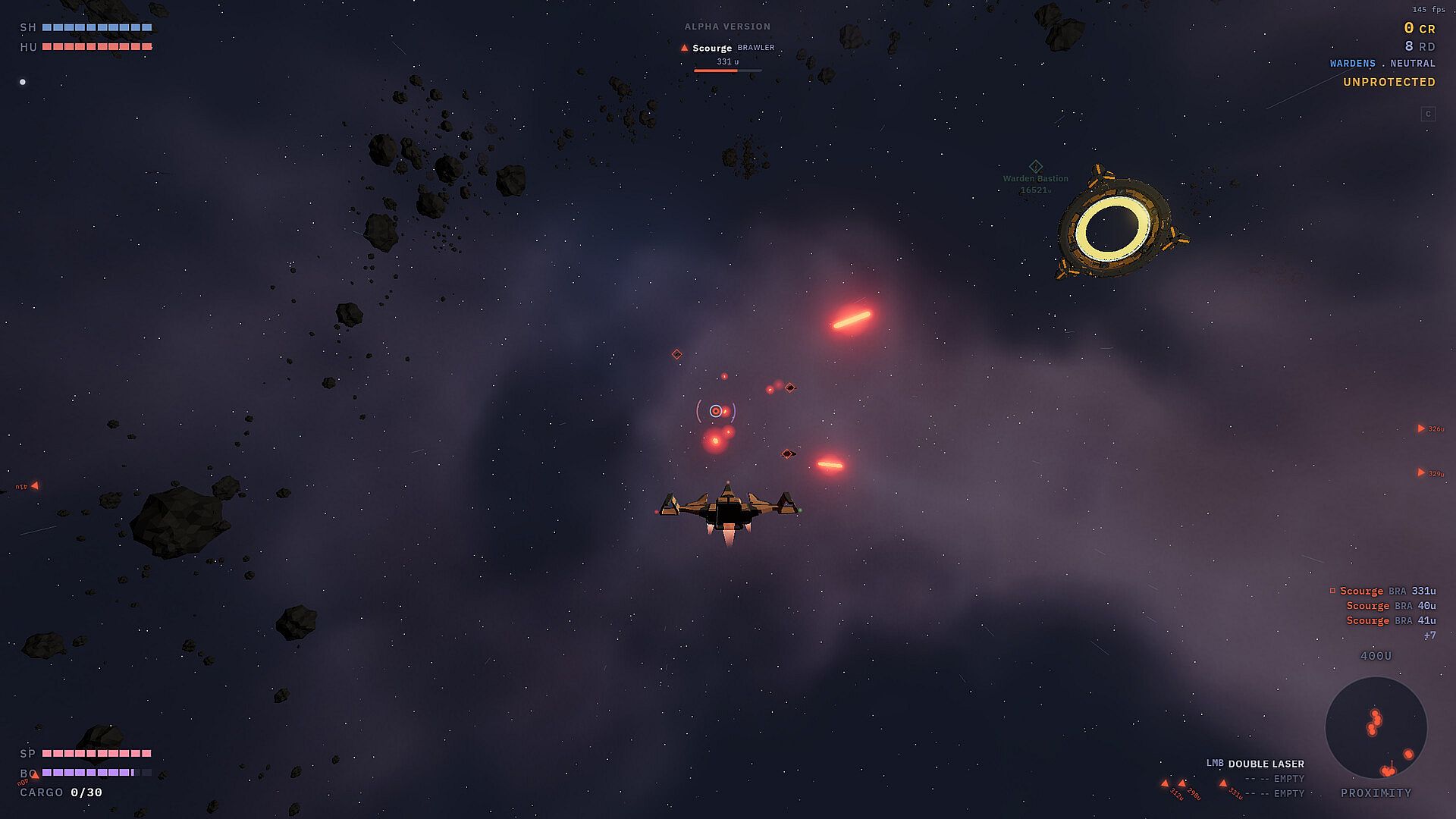
Flight in Solbound uses low-inertia controls that respond instantly to mouse or gamepad input. Players position their ship among asteroid fields and debris to gain advantages in encounters. Combat involves lasers, plasma weapons, and missiles against varied enemy types, each with distinct attack patterns and behaviors. Success depends on reading the environment and choosing when to engage or withdraw.
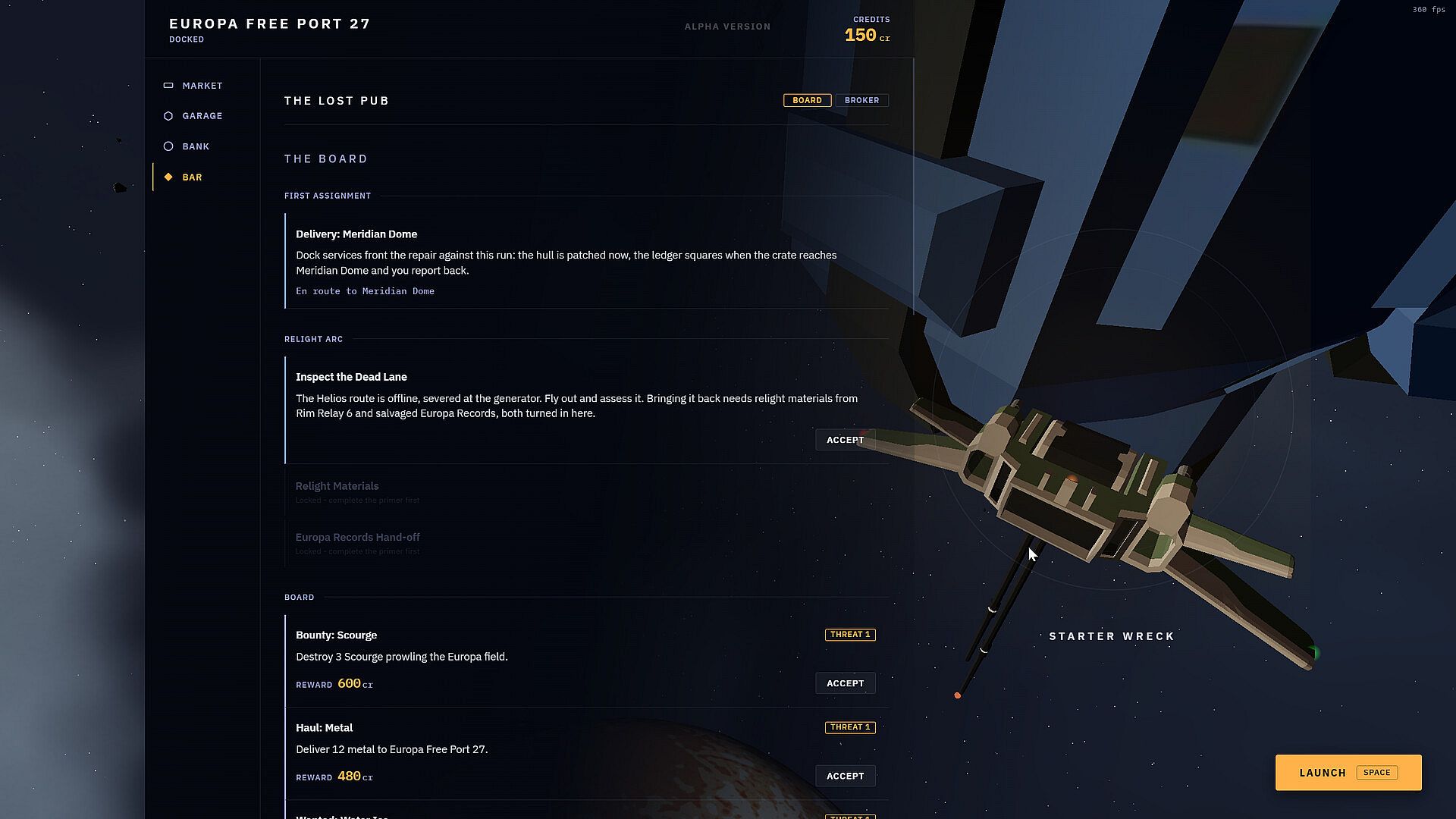
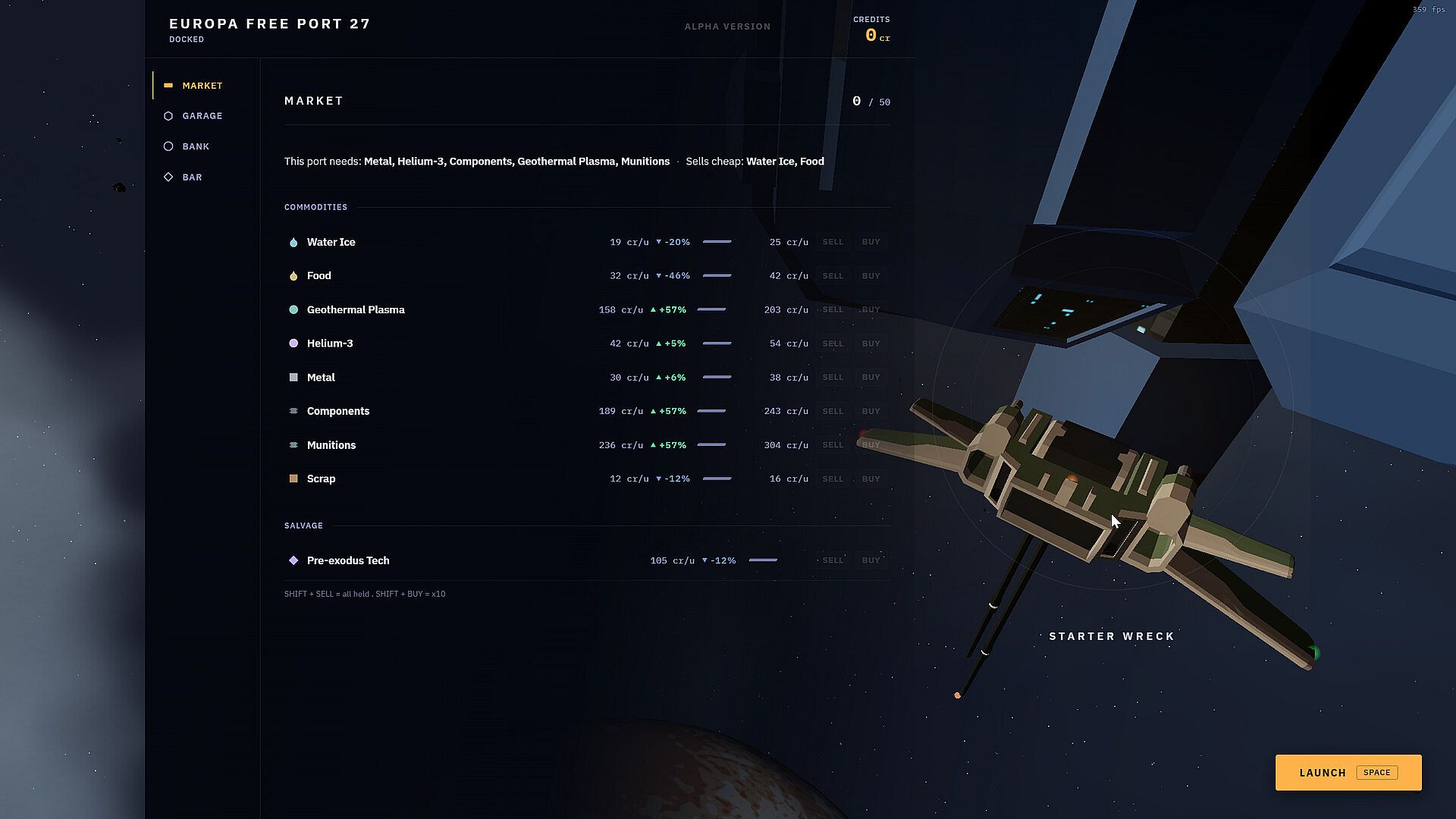
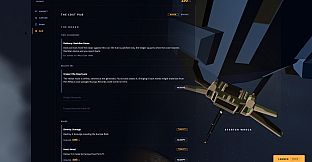
Outside of fights, the loop shifts to practical survival tasks. Players strip useful parts from wrecks, haul cargo between locations, mine resources on different moons, accept contracts or bounties, and occasionally move contraband past patrols. Fines or chases follow detection, adding risk to certain runs. Reputation built through these actions unlocks new opportunities that pure credits cannot buy.
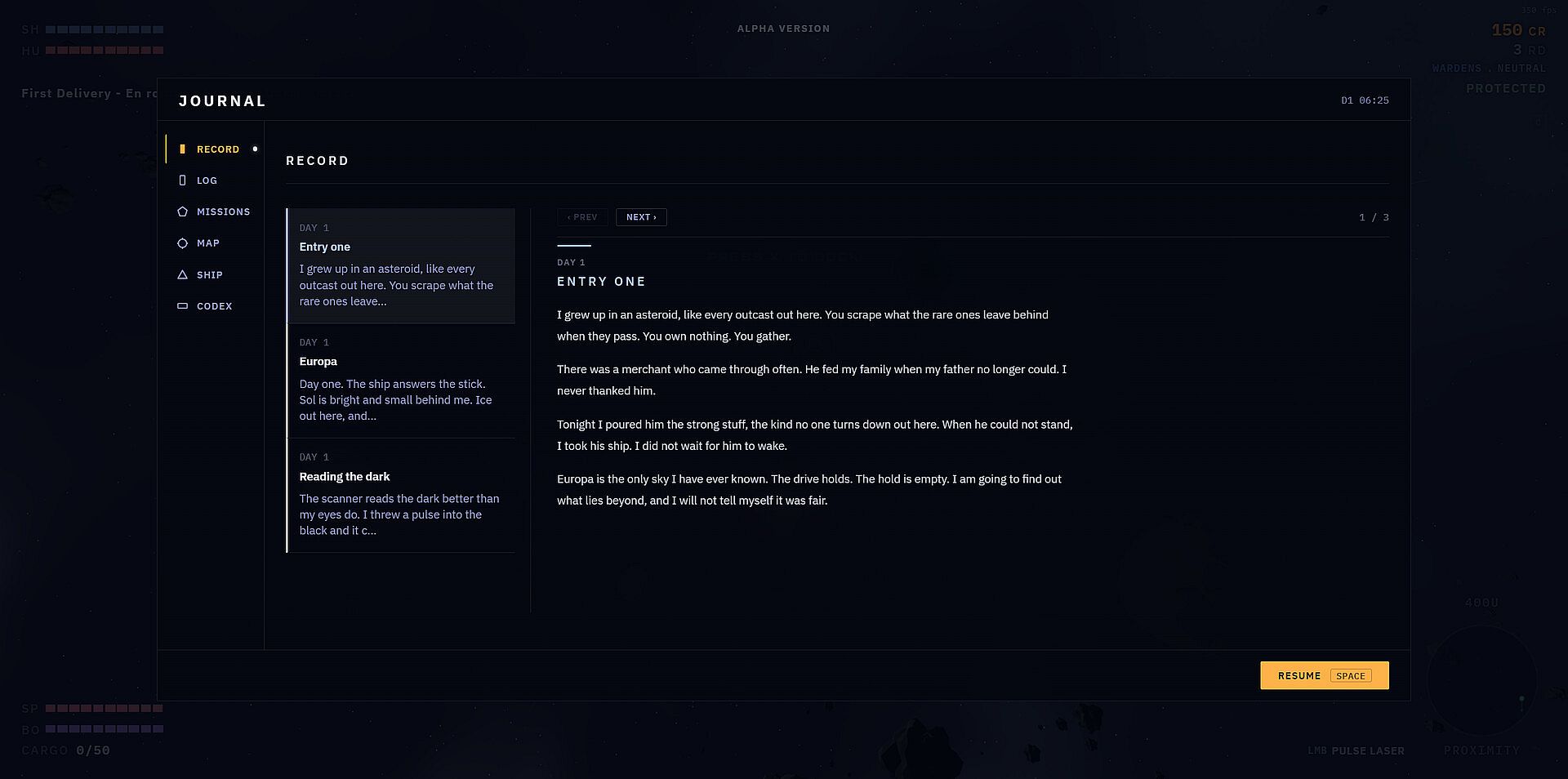
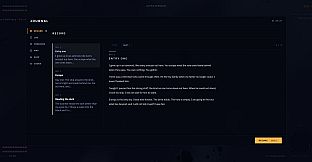
Investigation forms another core pillar. Many sealed hatches require codes or glyph sequences found in scattered logs and terminals. An upgradeable ship terminal reveals additional pages in previously visited wrecks, encouraging return trips. Clues often point to unmarked locations, and old maps lose accuracy over time, rewarding direct observation of the environment.
Game Modes
Solbound operates as a single-player experience without separate multiplayer modes or competitive matchmaking. All activities unfold in the same persistent solar system regions, where players freely combine combat, trading, mining, smuggling, and exploration on each run. The structure supports different personal approaches: some focus on efficient salvage routes, others pursue rare hull upgrades or hidden trails of clues. Gates between the four Jupiter regions allow ambushes, keeping travel dynamic even on repeated journeys.
Progression and Ship Customization
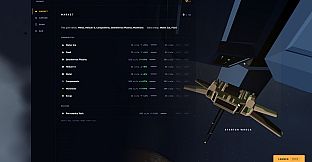
Every successful outing yields credits and rare loot that improve the ship. Five distinct hull classes exist, each suited to a primary role such as salvage, trade, combat, or exploration. These upgrades represent meaningful shifts in capability rather than simple stat increases. The closed economy means prices and availability vary by location and player actions, so choices in what to sell or keep carry lasting weight. Death carries a cost, pushing players to weigh risk against reward on every outing.
Reputation tracks player standing with various groups, opening or closing paths through the system. This system integrates with the reading mechanics, as knowledge gathered from wrecks can substitute for credits or standing in certain situations. Most locks accept multiple solutions, allowing flexible problem-solving based on what the player has already discovered.
World and Atmosphere
Four dense regions make up the initial Jupiter content, each featuring unique skies and original music. No cutscenes or voiced narration guide the story. Instead, events and history appear through the wrecks themselves. Players piece together what occurred or simply fly past, choosing how much attention to give the clues. When ready, retirement offers one of several possible endings based on accumulated progress and choices.
Controls remain fully rebindable, and the flight model prioritizes responsive feel over realistic physics simulation. The terminal upgrade system ensures earlier locations retain value as the player advances, creating natural reasons to revisit areas with new capabilities.
Is It Worth Playing?
Solbound remains in early alpha with a planned full release in Q4 2026. The current build demonstrates the core flight model, salvage loop, and reading-based progression on the Jupiter moons. It suits players who enjoy deliberate space simulations that reward observation, careful resource management, and non-linear discovery over fast-paced action or guided quests. Those drawn to games with upgradeable ships, reputation systems, and multiple solutions to obstacles will find the systems align closely with that preference. Limited content exists at this stage, so interest in following development through future updates determines whether the alpha build provides enough to justify time spent now. The title targets a niche audience comfortable with open-ended survival and exploration in a contained solar system setting.