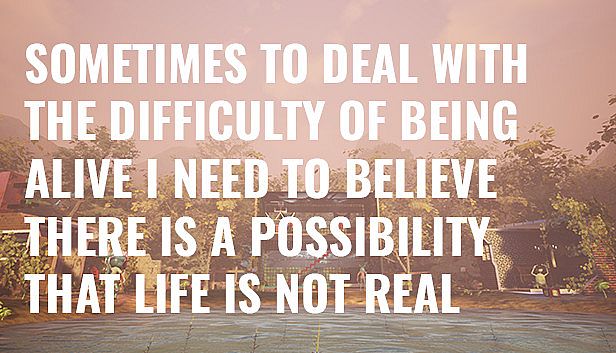













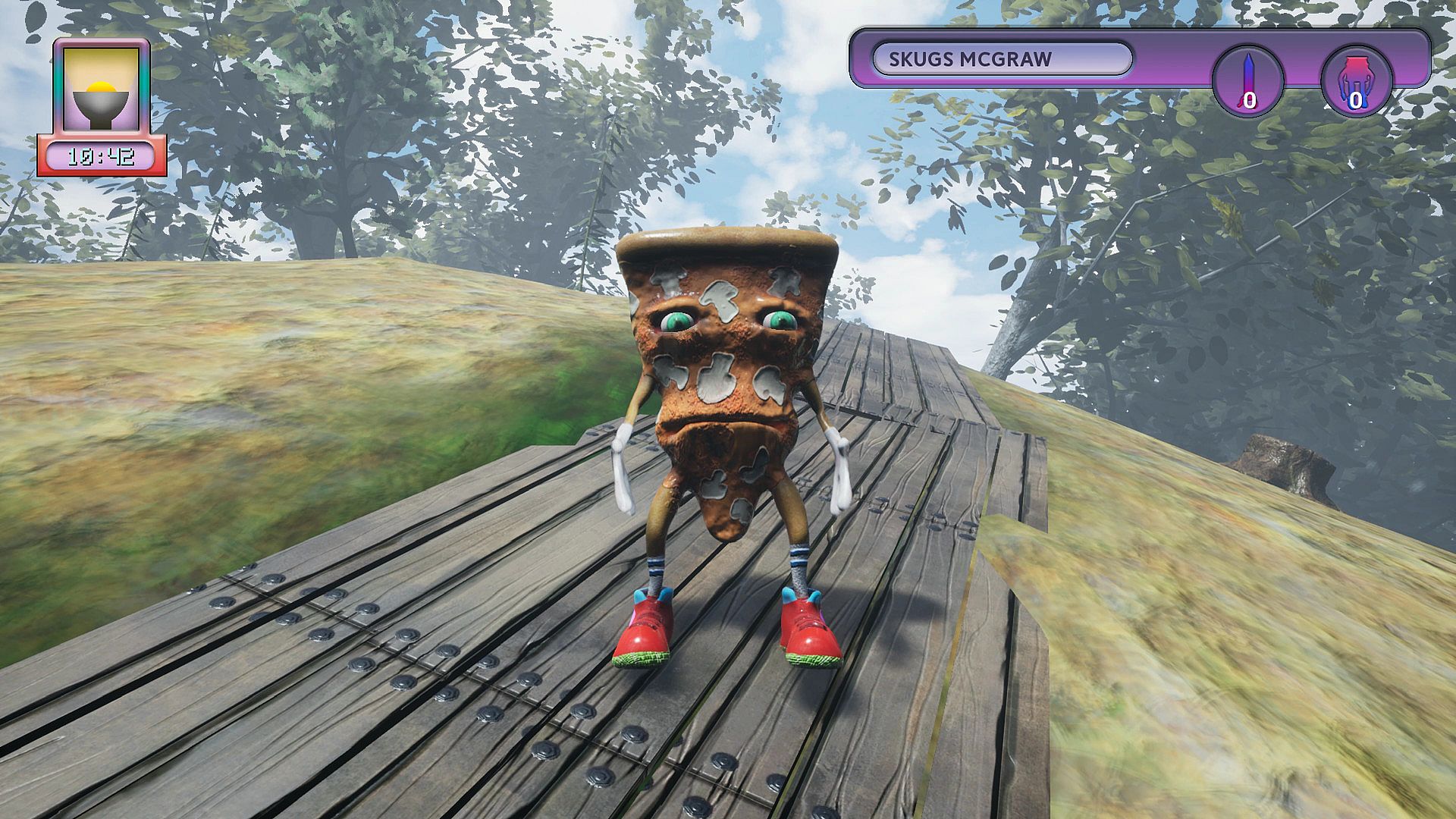
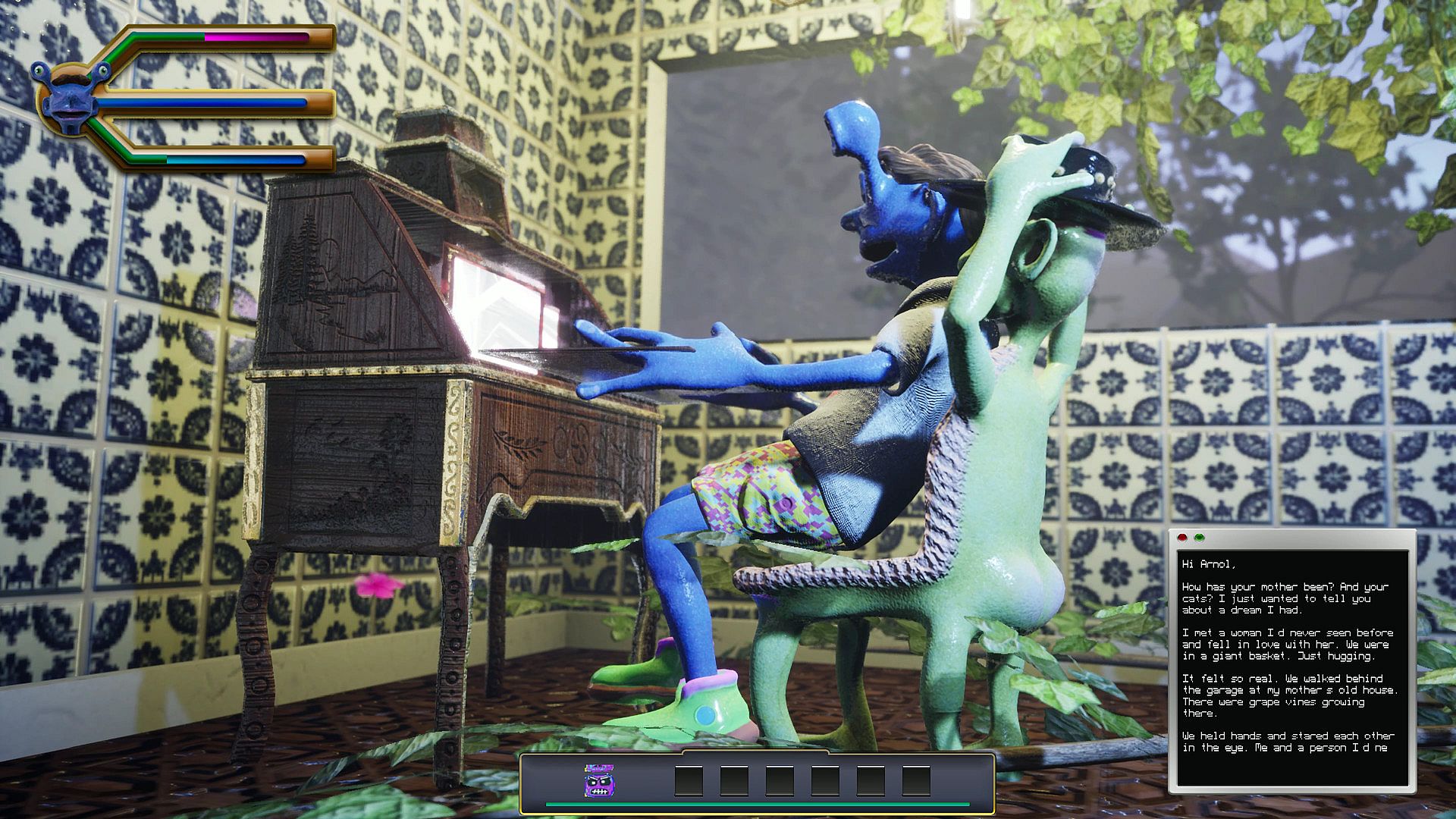
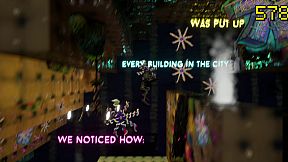
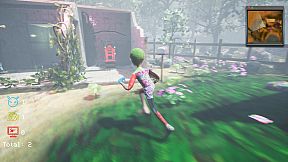
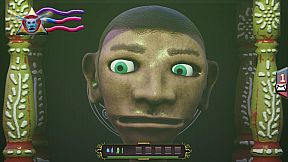
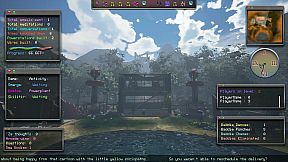
This simulation game invites players into an ever-changing digital space where observation and presence shape the experience. Titled Sometimes to Deal with the Difficulty of Being Alive, I Need to Believe There Is a Possibility That Life Is Not Real, the title captures its core as a reflective simulation rather than a goal-driven adventure. Released for PC in 2019, it blends elements of art installation and interactive software, encouraging users to wander, pause, or engage without prescribed tasks. The world responds dynamically to movement and stillness, creating loops of absurdity and introspection that mirror the challenges of daily existence.
Gameplay
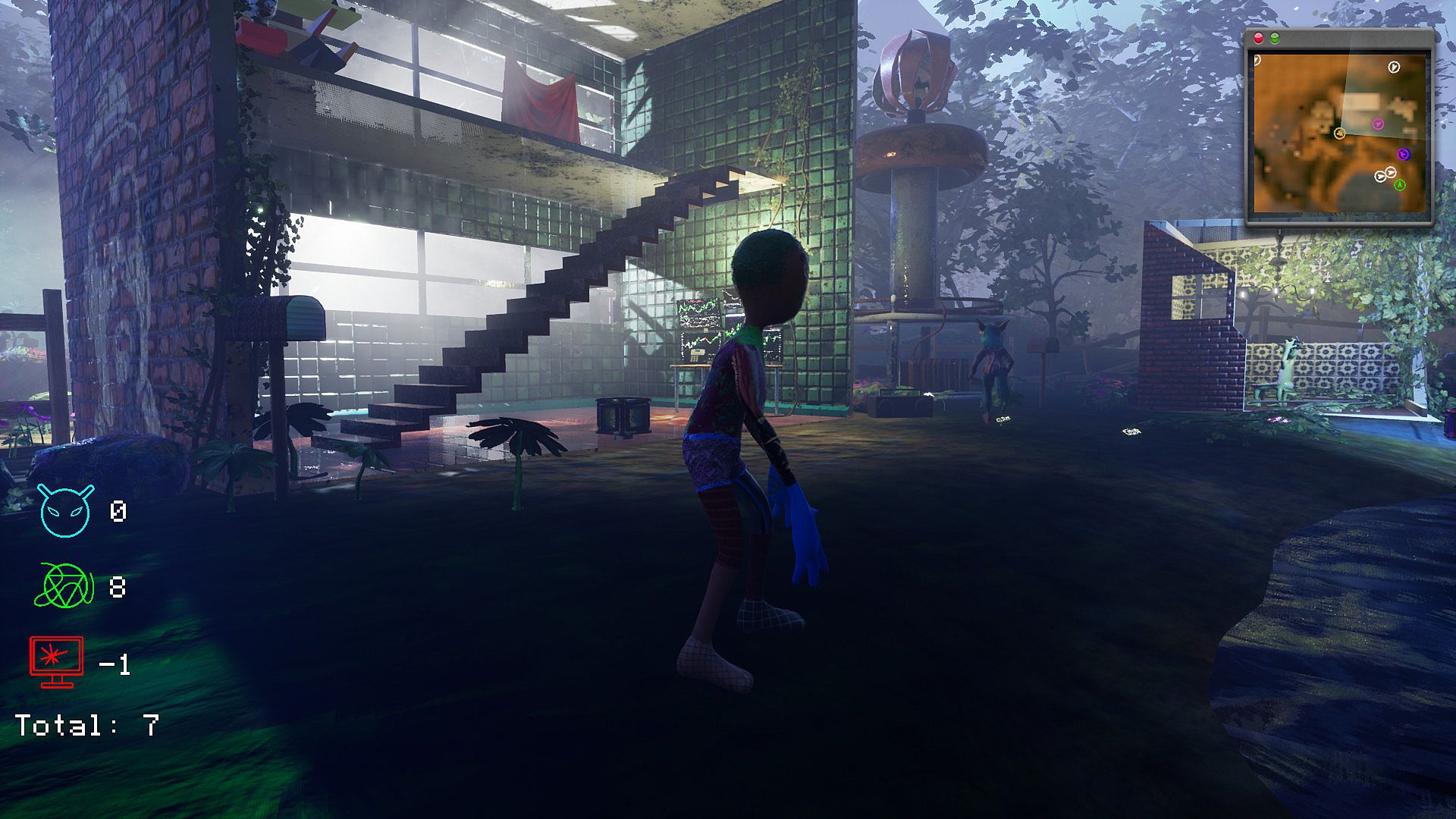
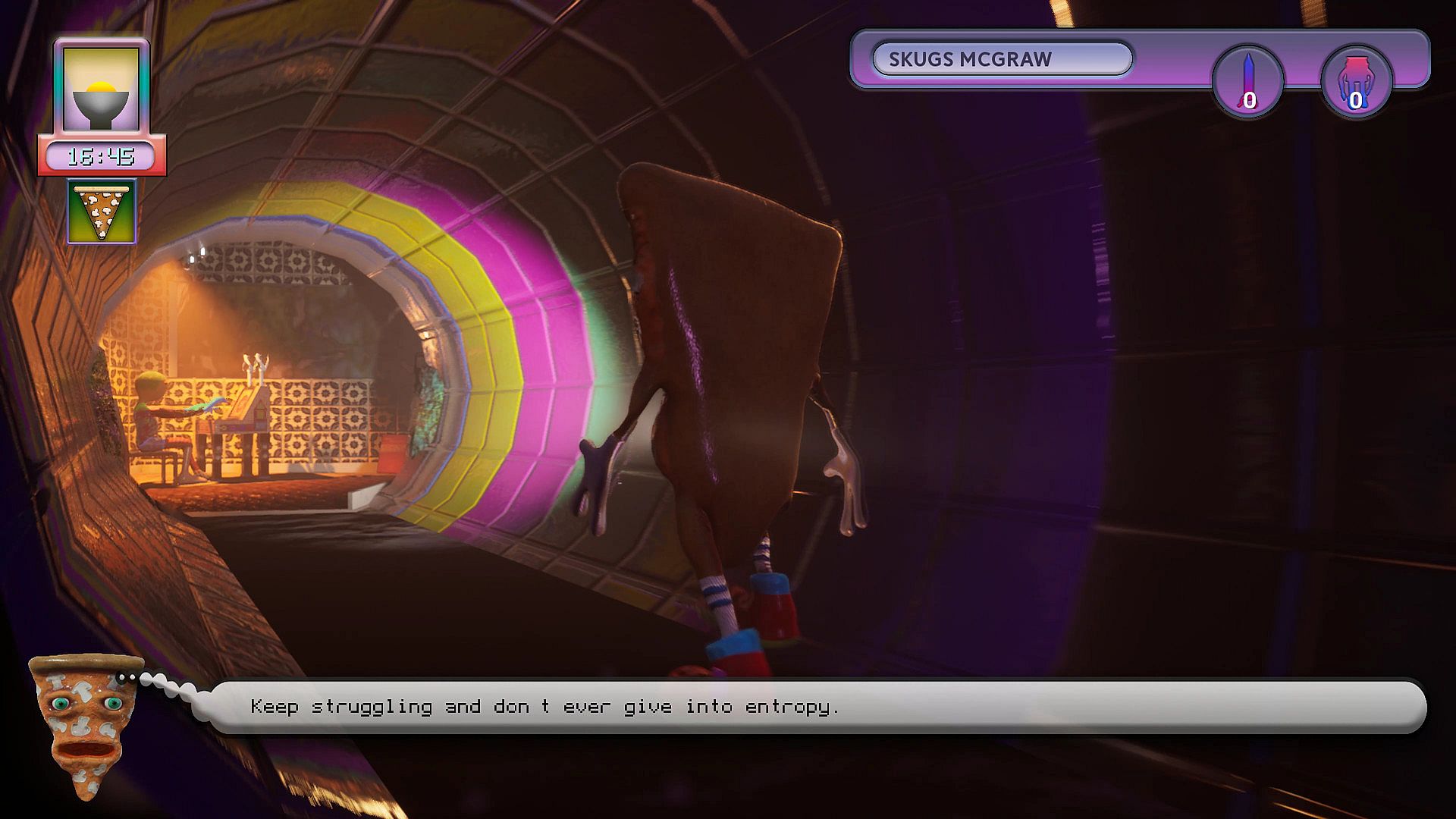
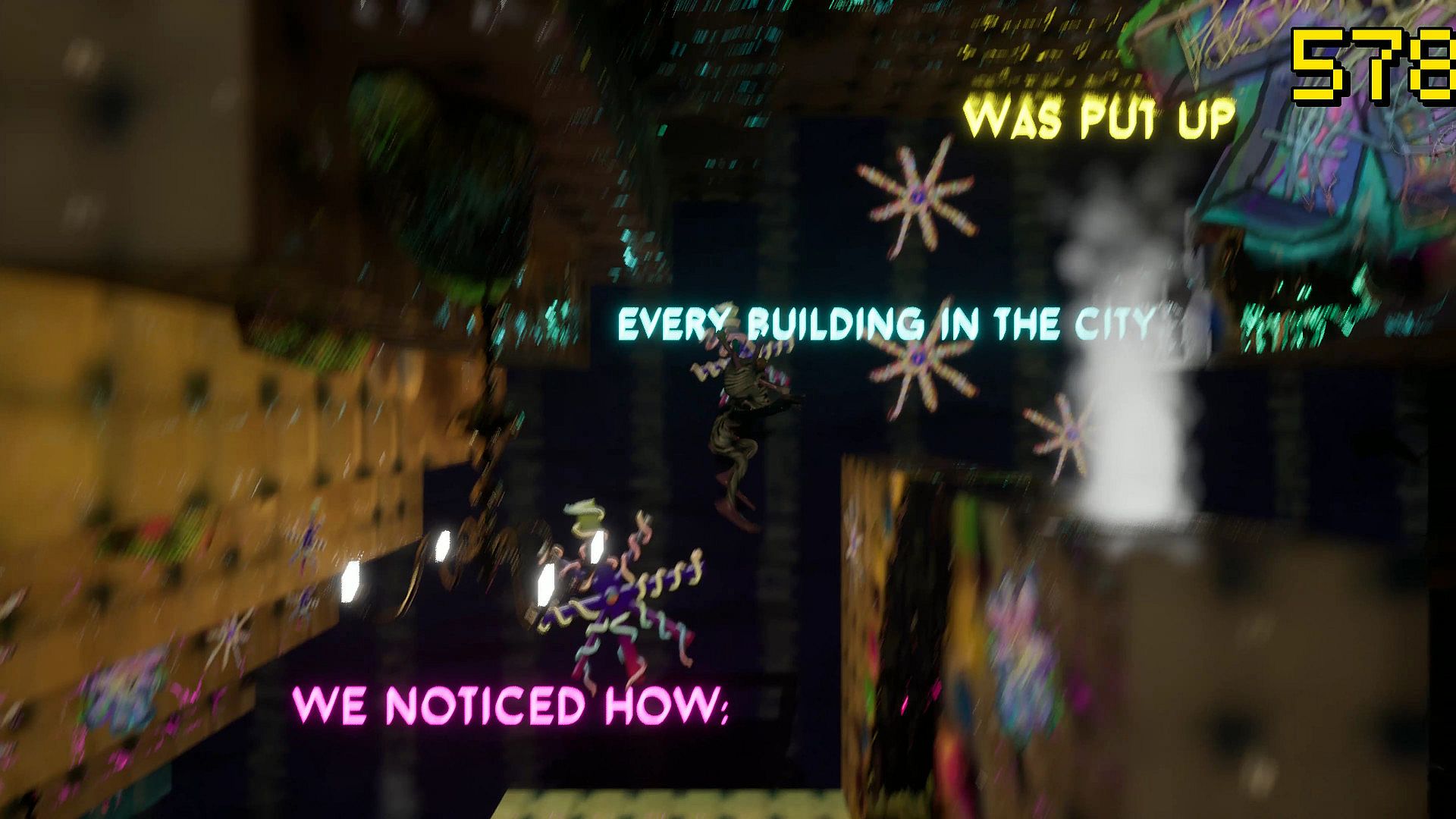
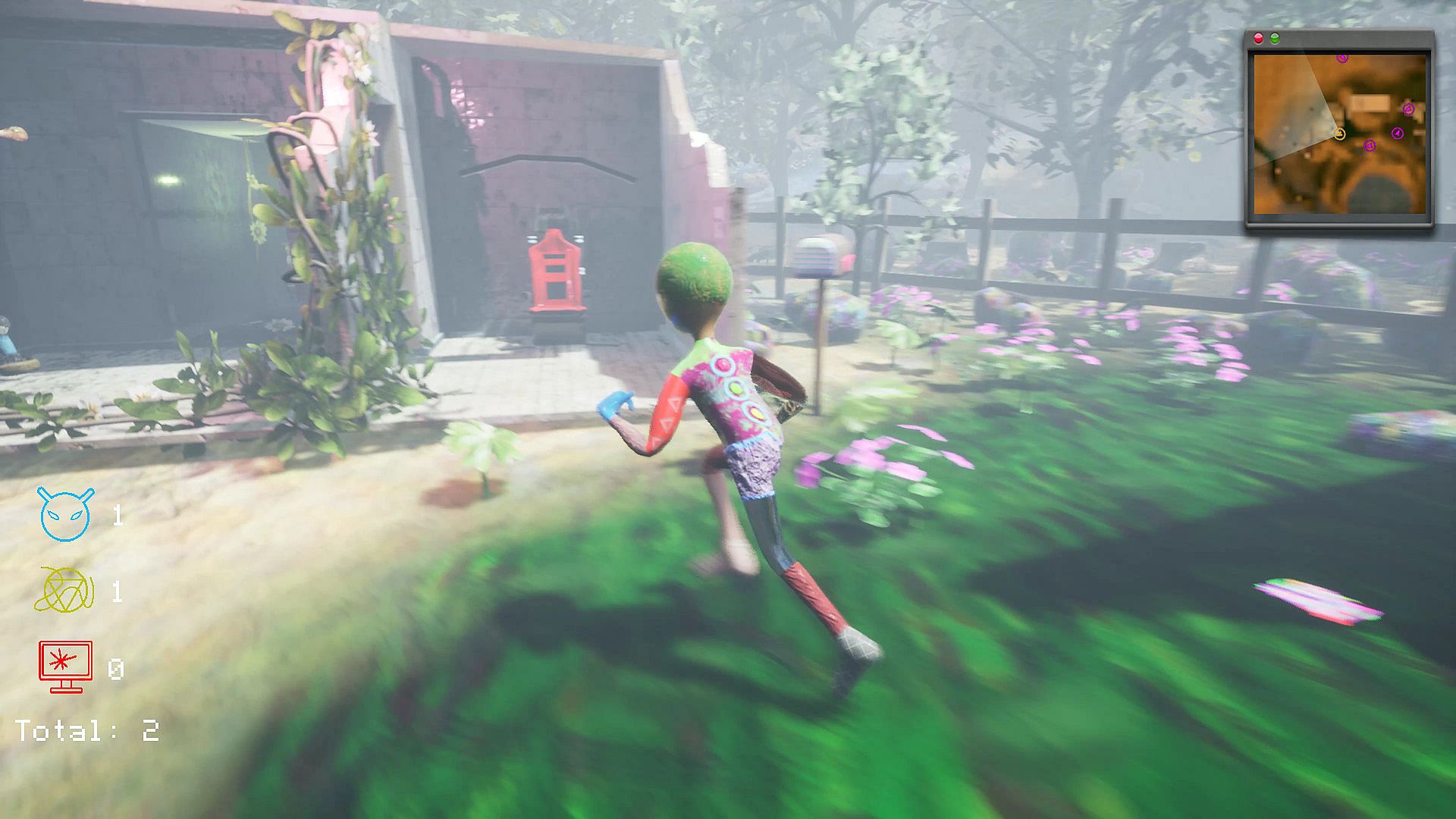
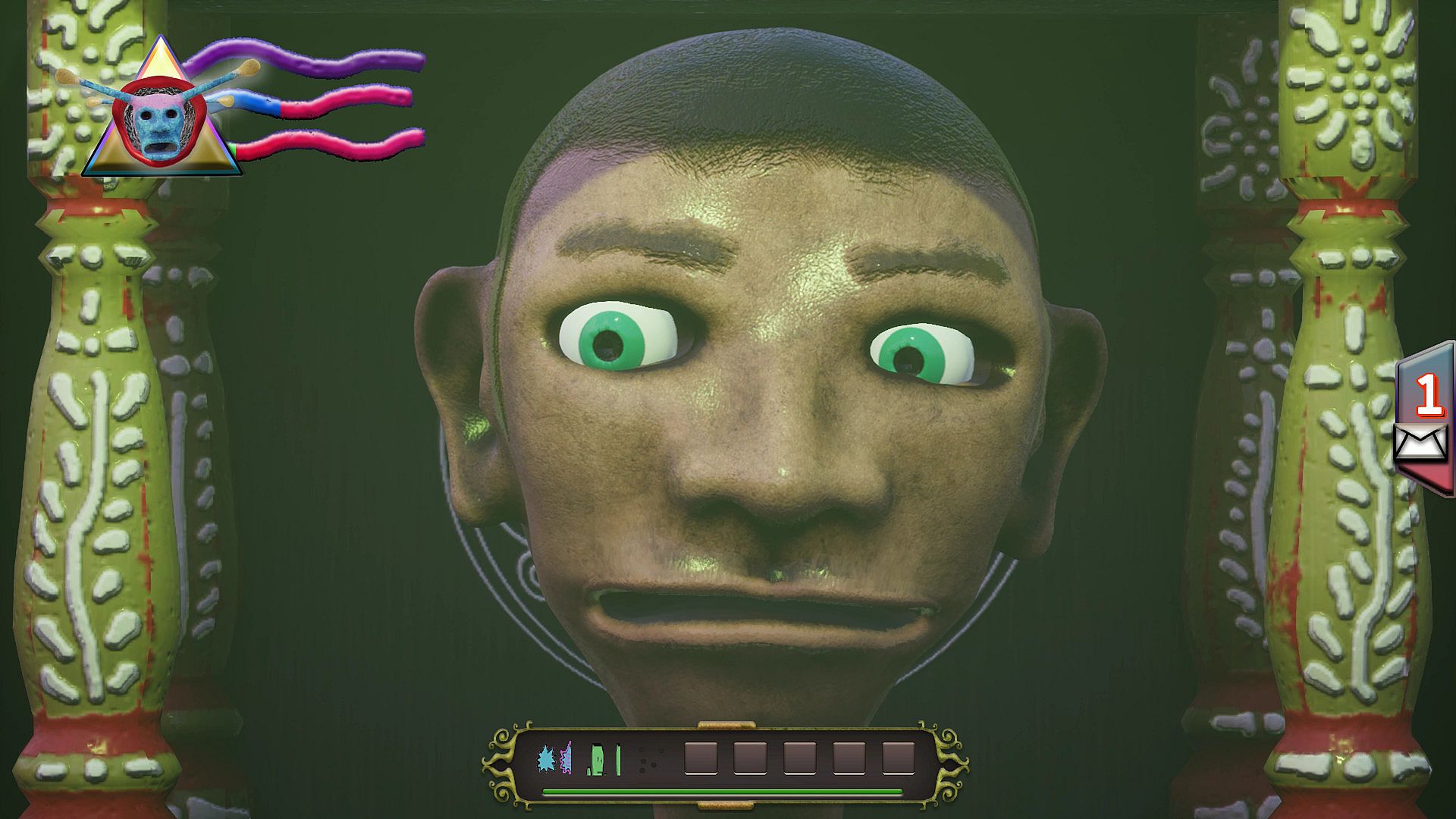
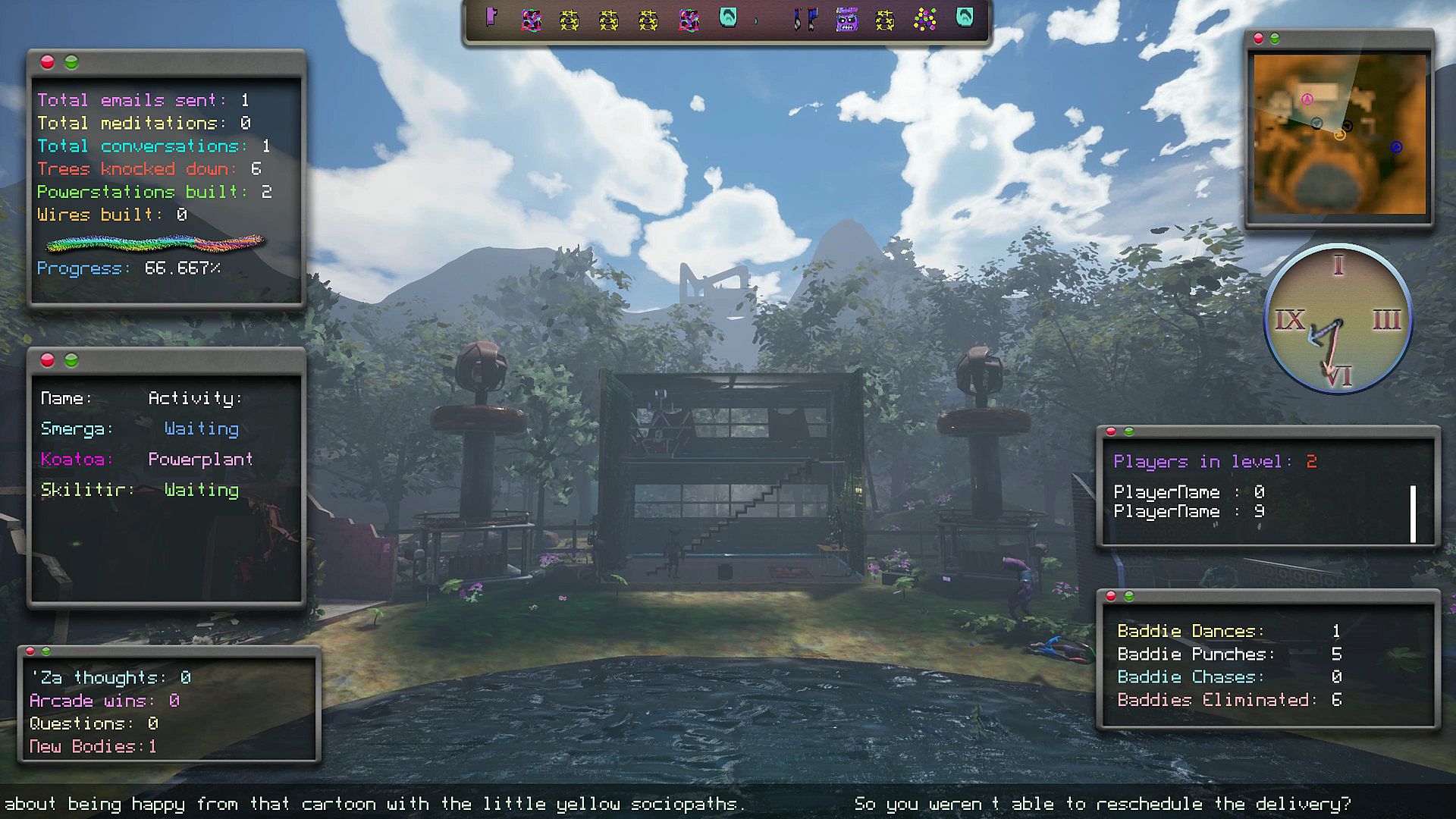
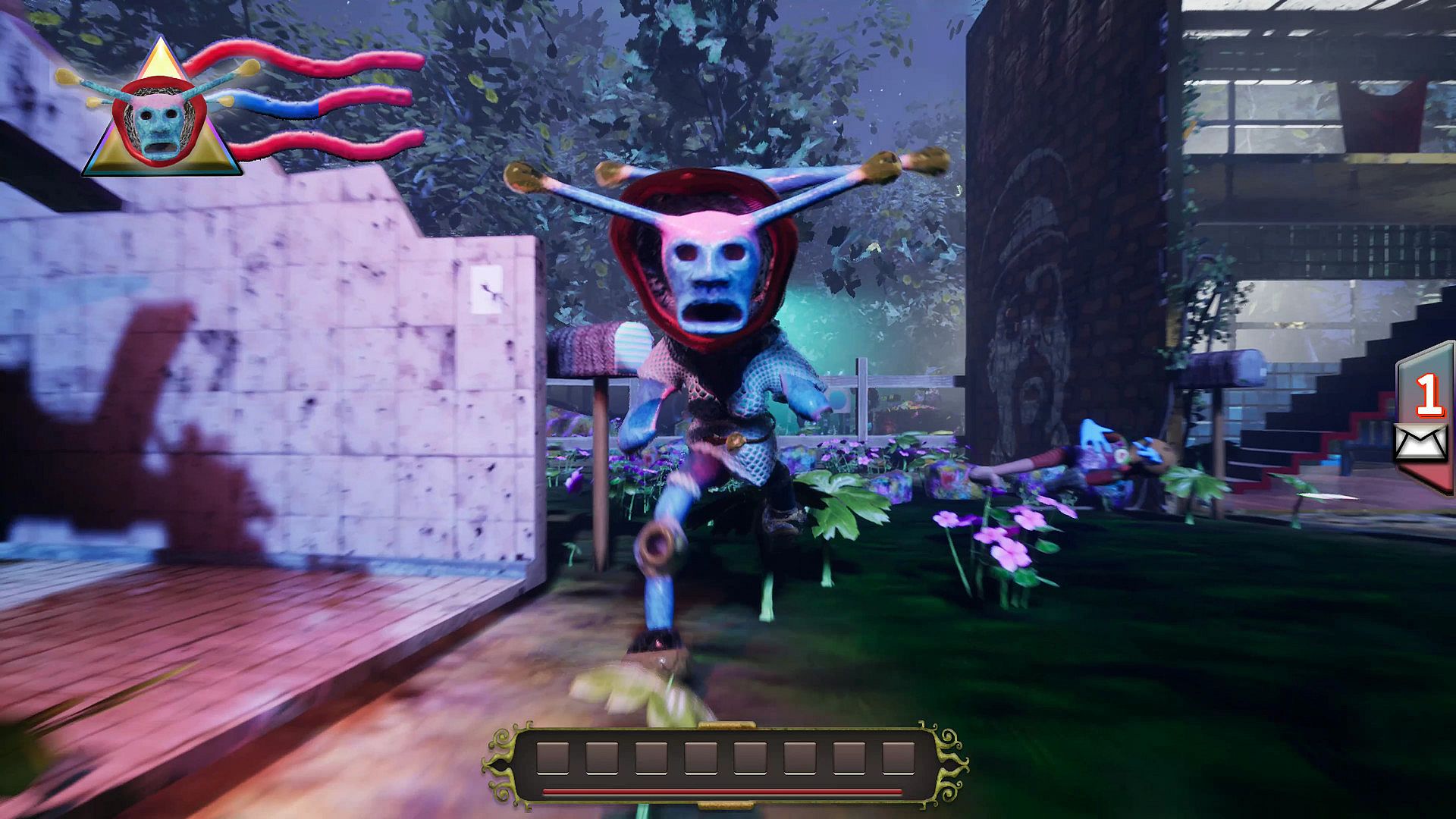
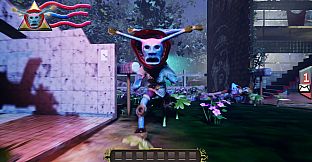
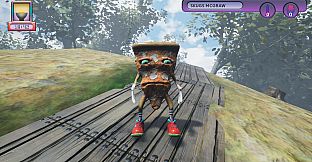
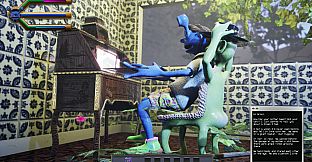
Core gameplay centers on freeform exploration within a responsive environment. Players move through shifting scenes where colors, sounds, and structures evolve based on proximity and interaction. NPCs appear in unexpected contexts, delivering glitch-infused performances or fragmented dialogues that touch on themes of loss and connection. Battlefields transform into spaces for quiet reflection, while palettes adjust subtly to reflect an implied emotional state. There are no health systems, inventories, or progression tracks. Instead, the loop relies on curiosity-driven discovery, where standing still can trigger new configurations as readily as active engagement. The experience emphasizes resonance over resolution, allowing sessions to unfold at any pace from brief visits to extended stays.
Game Modes
Available options include single-player mode for solitary wandering and server-based play that supports joining or hosting sessions. LAN connectivity functions through direct executable access in some setups. These modes maintain the same core mechanics across contexts, with multiplayer elements enabling shared observation rather than competitive or cooperative objectives. No distinct variants such as timed challenges or team-based scenarios exist. The structure keeps focus on individual or collective presence within the simulation, preserving the meditative quality regardless of participant count.
Atmosphere and Design
Visuals feature fluid transitions between environments that mix tragic undertones with humorous glitches. Color shifts occur in response to player state, creating an overstimulated yet cathartic palette. Audio layers include vocal harmonies from NPCs that blend heartbreak with digital distortion, alongside contributions from artists such as Glamour Lakes, X-Coast, and RipCD. The overall presentation avoids traditional interfaces, favoring an open space that feels alive and reactive. This design choice reinforces the sense of a living installation where despair and delight occupy the same textures.
Player Reception and Current State
Feedback highlights the title's appeal for those seeking non-traditional experiences. Reviews describe it as a space for coping and reflection, with many noting its ability to evoke both laughter and contemplation through absurd details. The game has maintained availability since its 2019 launch with consistent positive sentiment from users who value its experimental approach. No major seasonal updates or expansions have altered the foundational loop, keeping the original vision intact for new and returning visitors.
Is It Worth Playing?
This simulation suits individuals drawn to introspective, objective-free software rather than structured entertainment. Its strength lies in the freedom to exist within a responsive world that rewards presence over performance. With very positive overall reception on its primary platform, the experience delivers consistent value for players comfortable with art-adjacent games. Those expecting conventional mechanics or clear endpoints may find it less engaging, while others appreciate the cathartic overstimulation and digital resonance it provides. Availability on PC makes it accessible for short or repeated sessions aligned with personal rhythms.