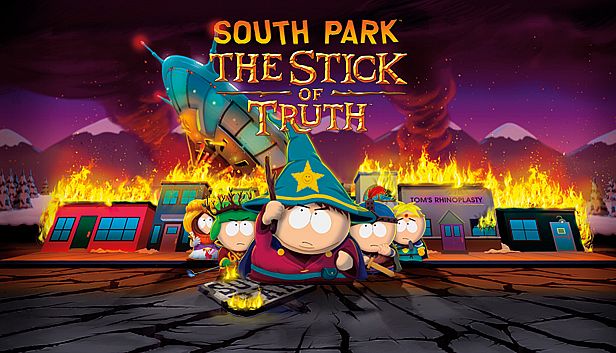






















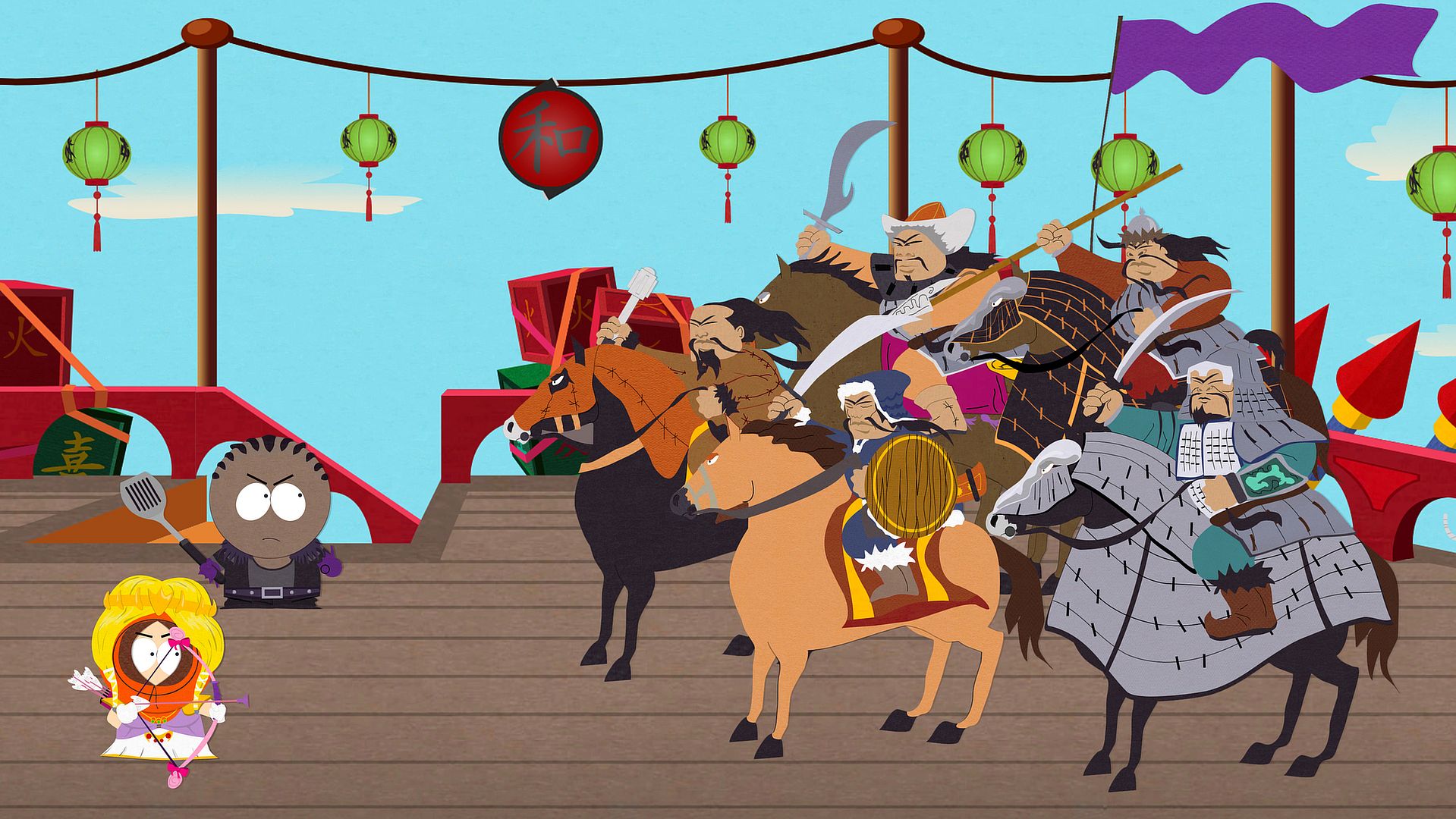





South Park: The Stick of Truth stands out as a turn-based RPG that captures the chaotic humor of the animated series in an interactive format. Released in 2014 and developed by Obsidian Entertainment with input from creators Trey Parker and Matt Stone, this action-adventure title lets you step into the shoes of a new kid in the quirky town of South Park. The story revolves around a fantasy role-playing game among the kids, where controlling a powerful artifact called the Stick of Truth sparks endless conflict. With its blend of exploration, combat, and customization, the game appeals to fans of satirical narratives and light RPG mechanics on PC.
Gameplay
The core of South Park: The Stick of Truth involves navigating the town from a 2.5D third-person view, designed to mimic the show's art style. You control the New Kid, who interacts with familiar characters, completes quests, and uncovers hidden areas as the plot unfolds. Combat shifts to turn-based encounters in a dedicated arena, where you select actions from a radial menu including melee strikes, ranged shots, special abilities, and magical fart-based attacks that consume points known as PP.
Customization plays a key role, starting with choosing one of four classes: Fighter, Mage, Thief, or Jew. Each class provides unique abilities, such as the Jew's focus on Jew-jitsu and ranged assaults, though you can mix equipment across classes for varied builds. Weapons and armor get upgrades through attachments called strap-ons, which add effects like bleeding or fire damage. Leveling up from experience points earned in battles and tasks unlocks new perks and enhances stats, while collectibles like Chinpokomon toys grant permanent bonuses when gathered.
Exploration encourages side activities, from recruiting allies to solving environmental puzzles with fart magic, like using Nagasaki to break barriers or Sneaky Squeaker to distract foes. The game's Facebook-inspired menu tracks friends, inventory, and progress, adding a social layer to the solo experience.
Game Modes
South Park: The Stick of Truth is strictly a single-player experience, centered on its main story campaign. There are no separate multiplayer options or distinct modes; instead, the game unfolds through a linear narrative with branching side quests that integrate into the overarching plot of the kids' fantasy war.
Players progress through chapters that escalate from playground battles to larger conflicts involving various town factions, all while building their character and arsenal. This setup keeps the focus on narrative-driven gameplay without competitive or cooperative elements.
Factions and Mechanics
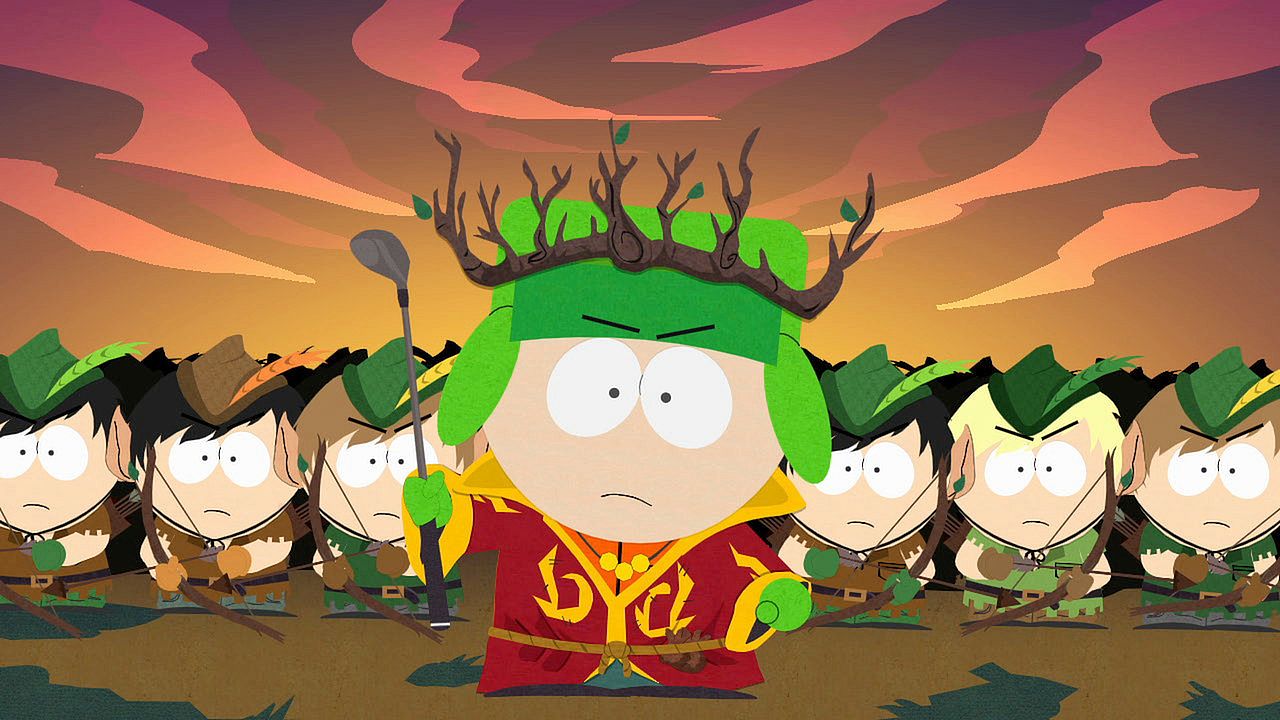
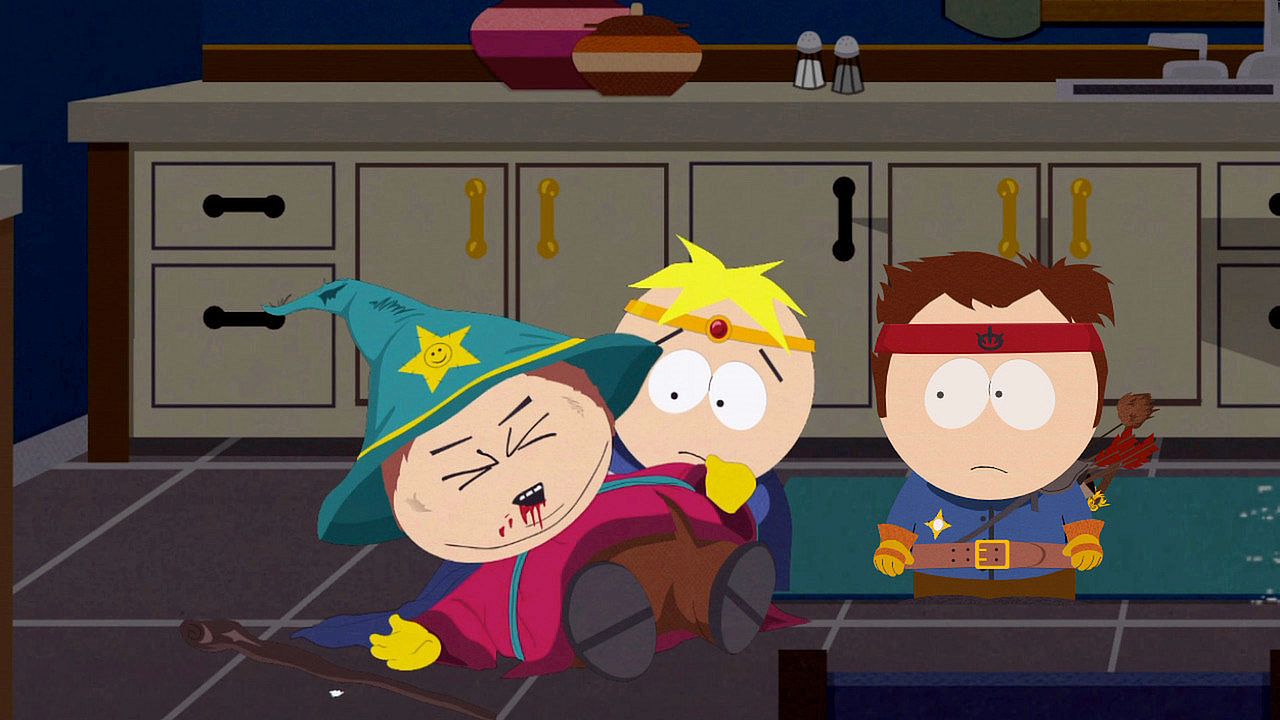
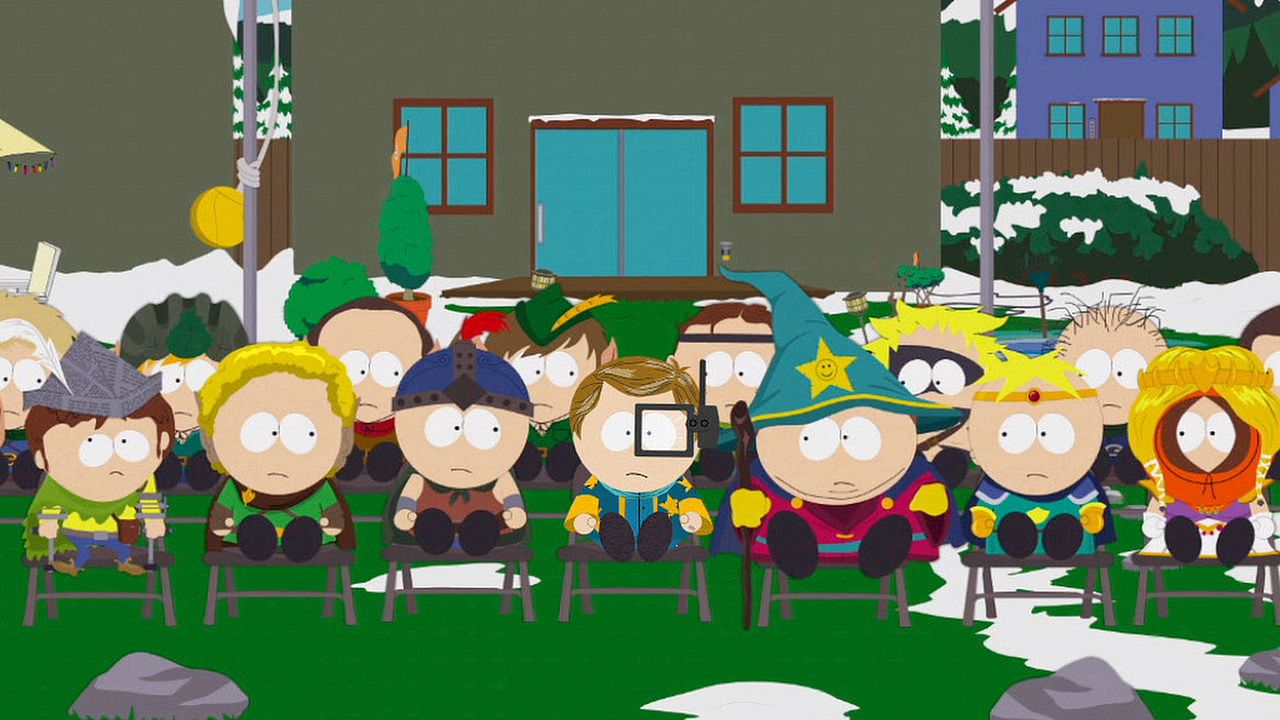
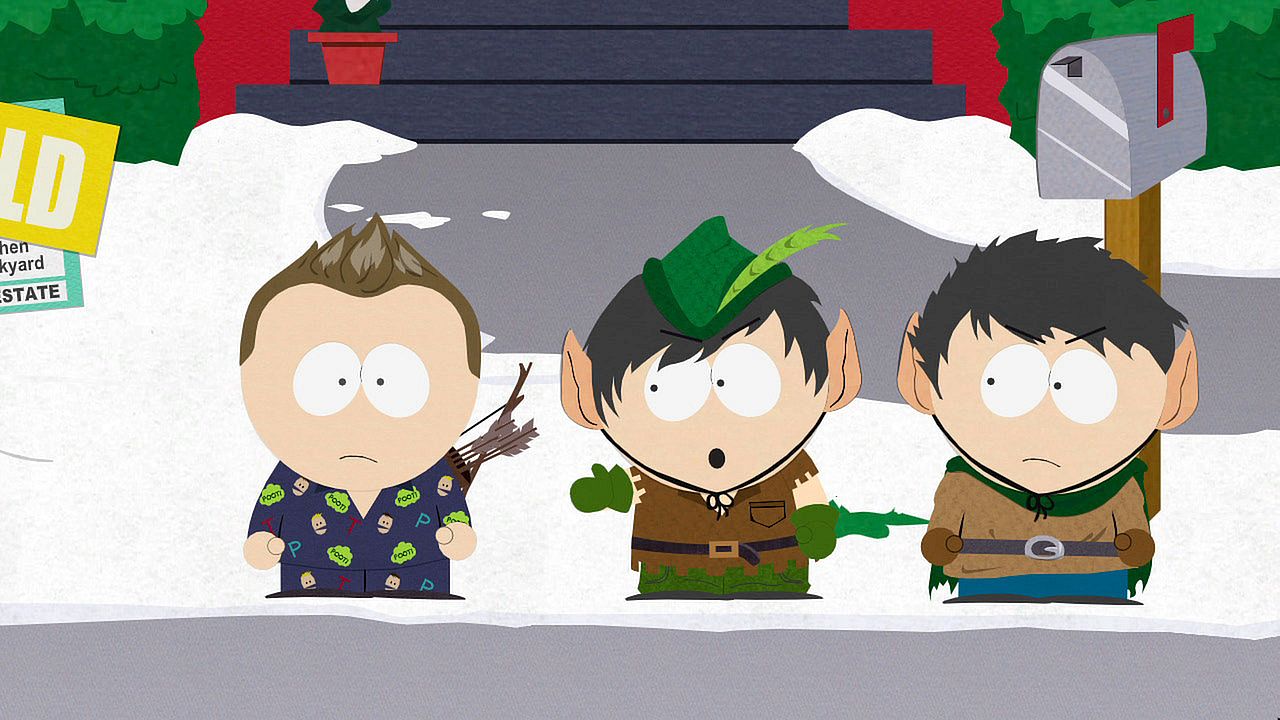
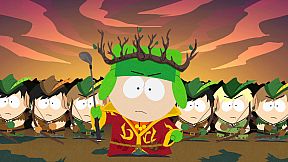
The game's world divides into rival factions locked in a mock war over the Stick of Truth. The humans form the Kingdom of Kupa Keep, led by Cartman as the Wizard King, with members like paladin Butters and thief Craig. Opposing them are the Drow Elves, commanded by Kyle as the High Jew Elf, featuring warrior Stan and bard Jimmy.
Mechanics tie into these groups through recruitment and alliances, where you can summon characters like Jesus or Mr. Slave for special combat moves. Additional mechanics include enemy stances that counter specific attack types, prompting strategic choices, and mini-games for actions like defecating to create throwable items that apply status effects.
Is It Worth Playing?
For those who enjoy South Park's brand of humor and straightforward RPG elements, The Stick of Truth remains a solid choice even in 2026. It earned Metacritic scores of 85 out of 100 for PC and PS3 versions, with praise for its faithful adaptation of the show's wit and visuals, though some noted the combat's relative simplicity.
The game has seen re-releases on platforms like Nintendo Switch in 2018, ensuring accessibility without ongoing updates or seasons. Player reviews highlight its hilarity and replay value for completionists, making it suitable for fans seeking a satirical take on fantasy tropes or light turn-based battles. If crude comedy and exploration in a familiar setting appeal to you, it's a worthwhile playthrough; otherwise, those preferring deeper mechanics might look elsewhere.