




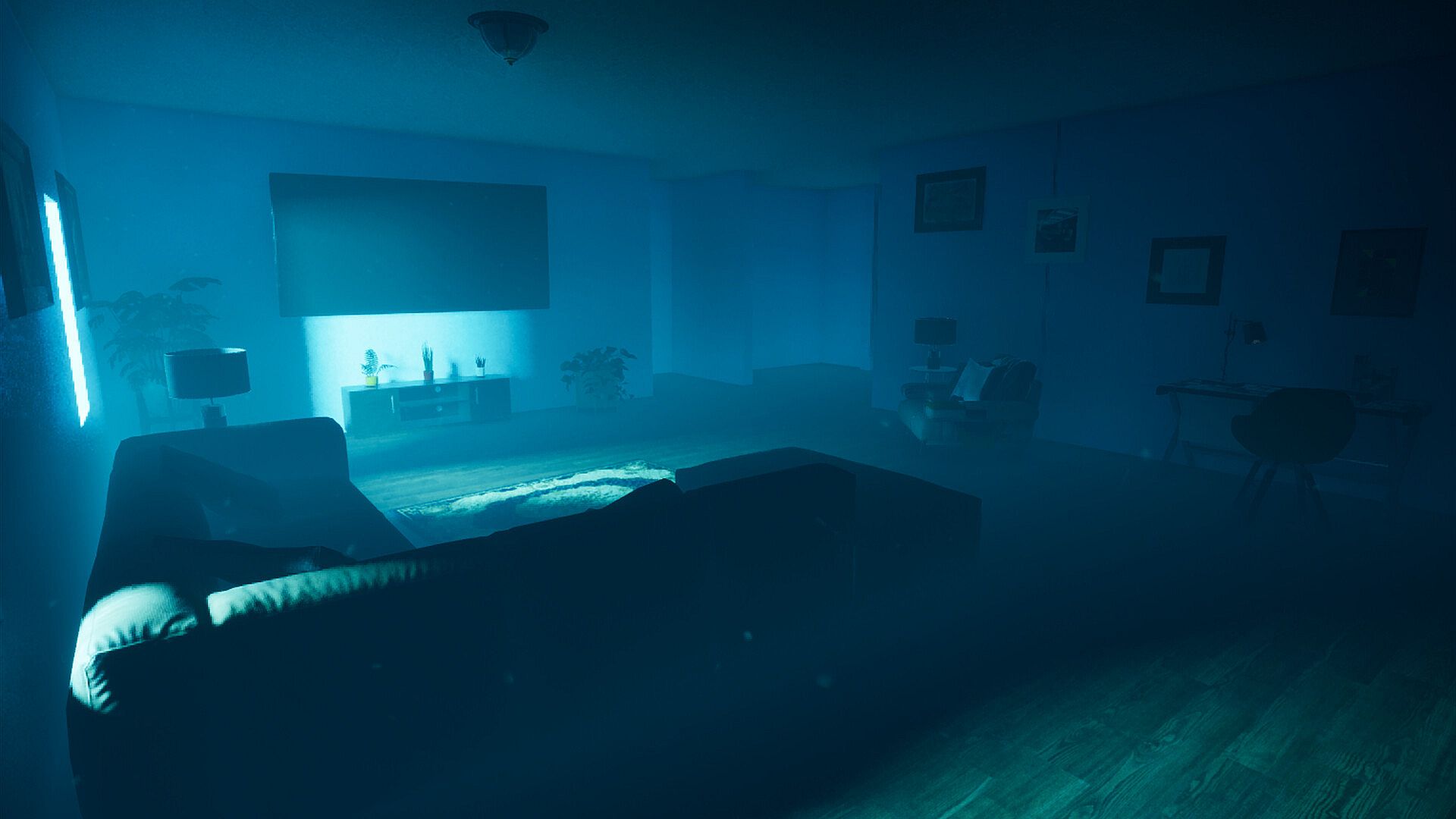
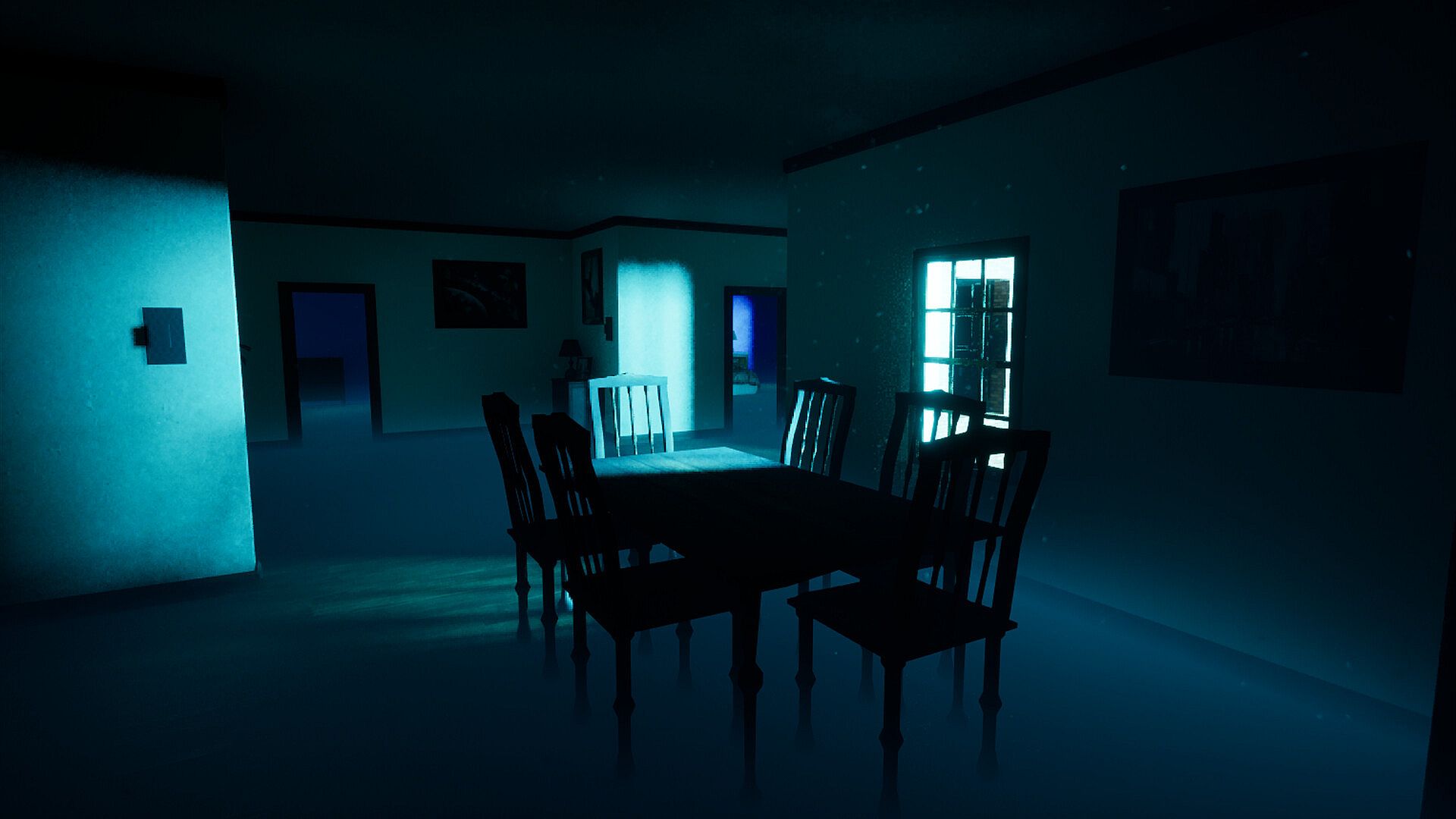
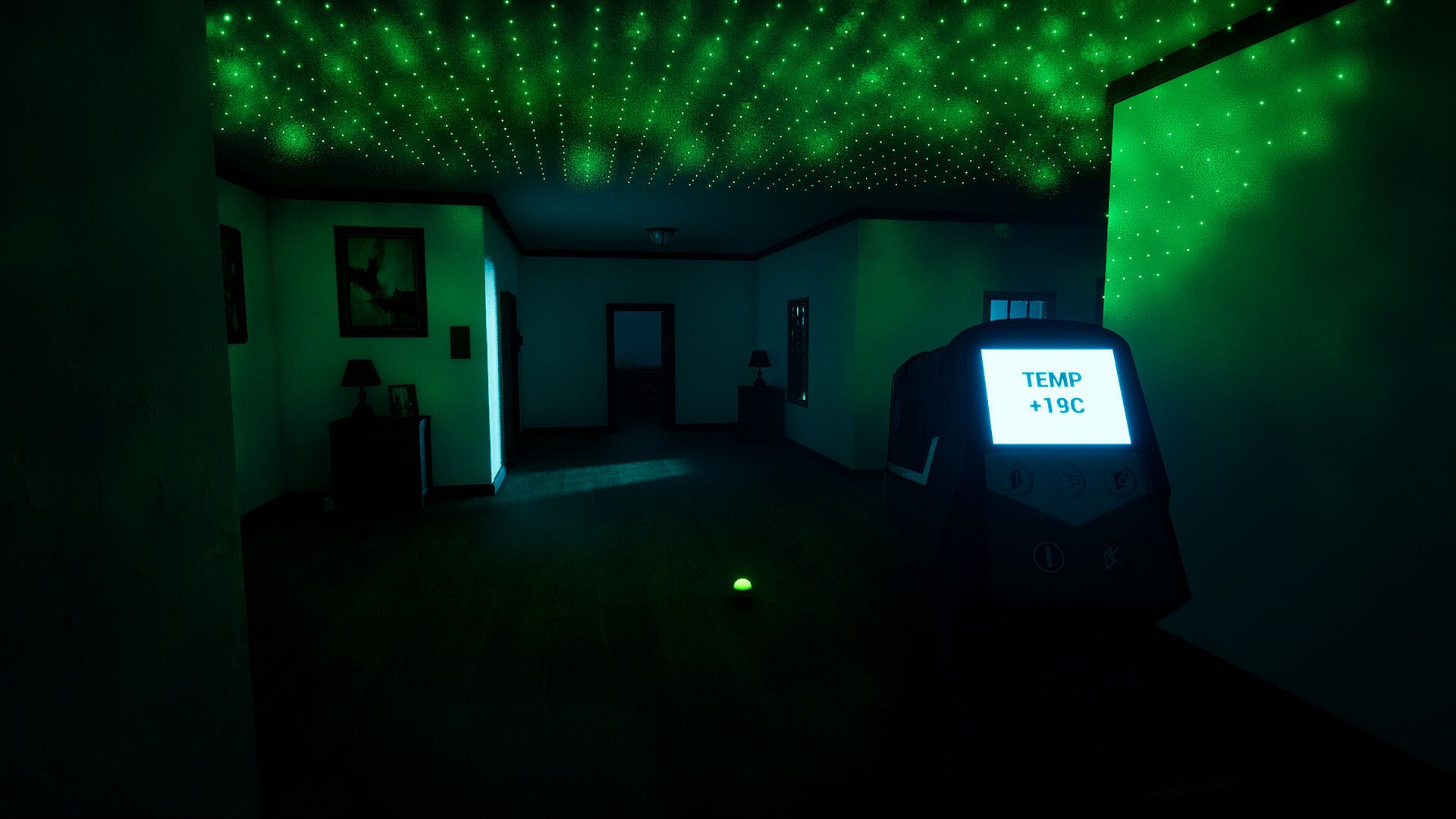
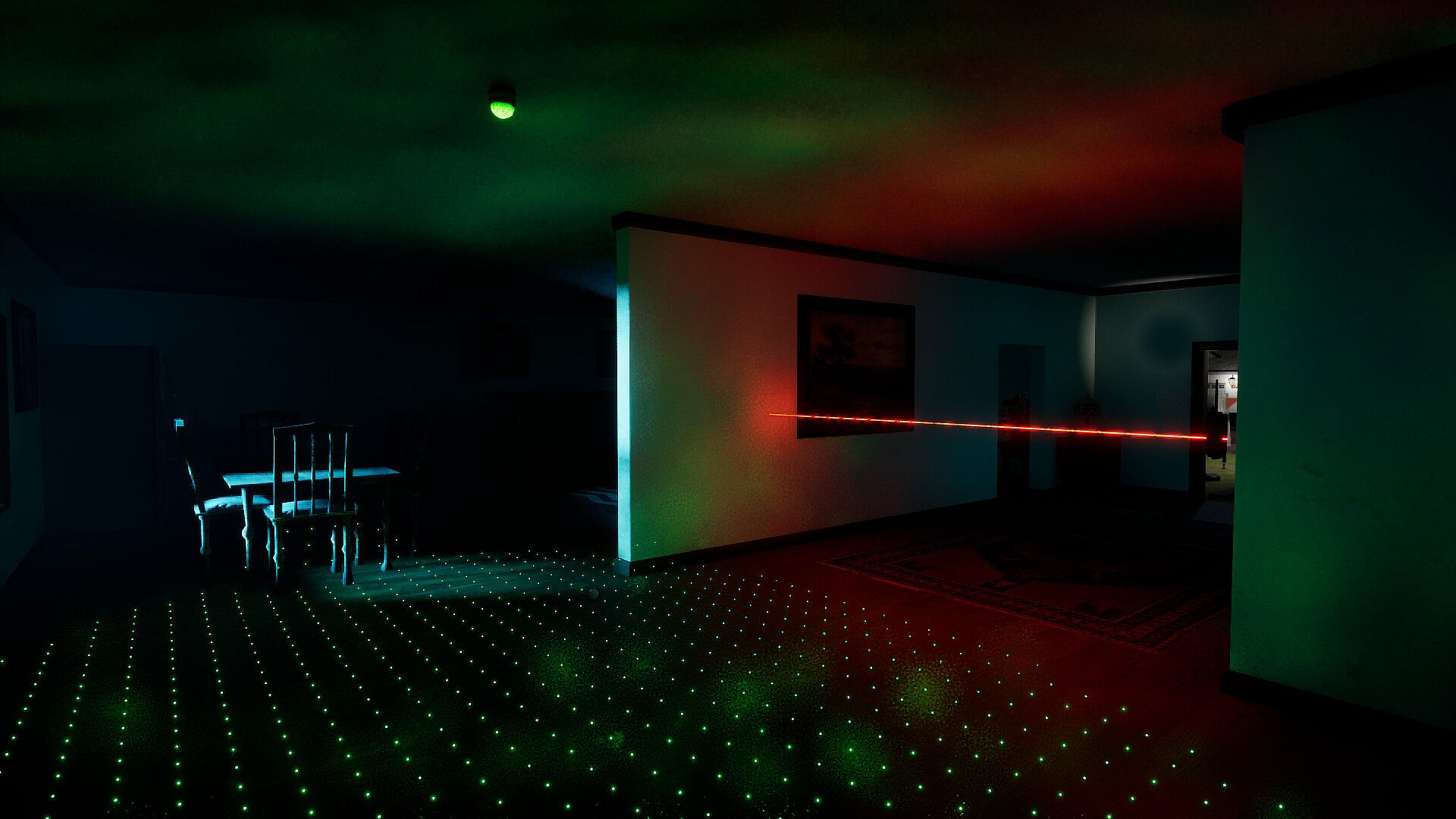
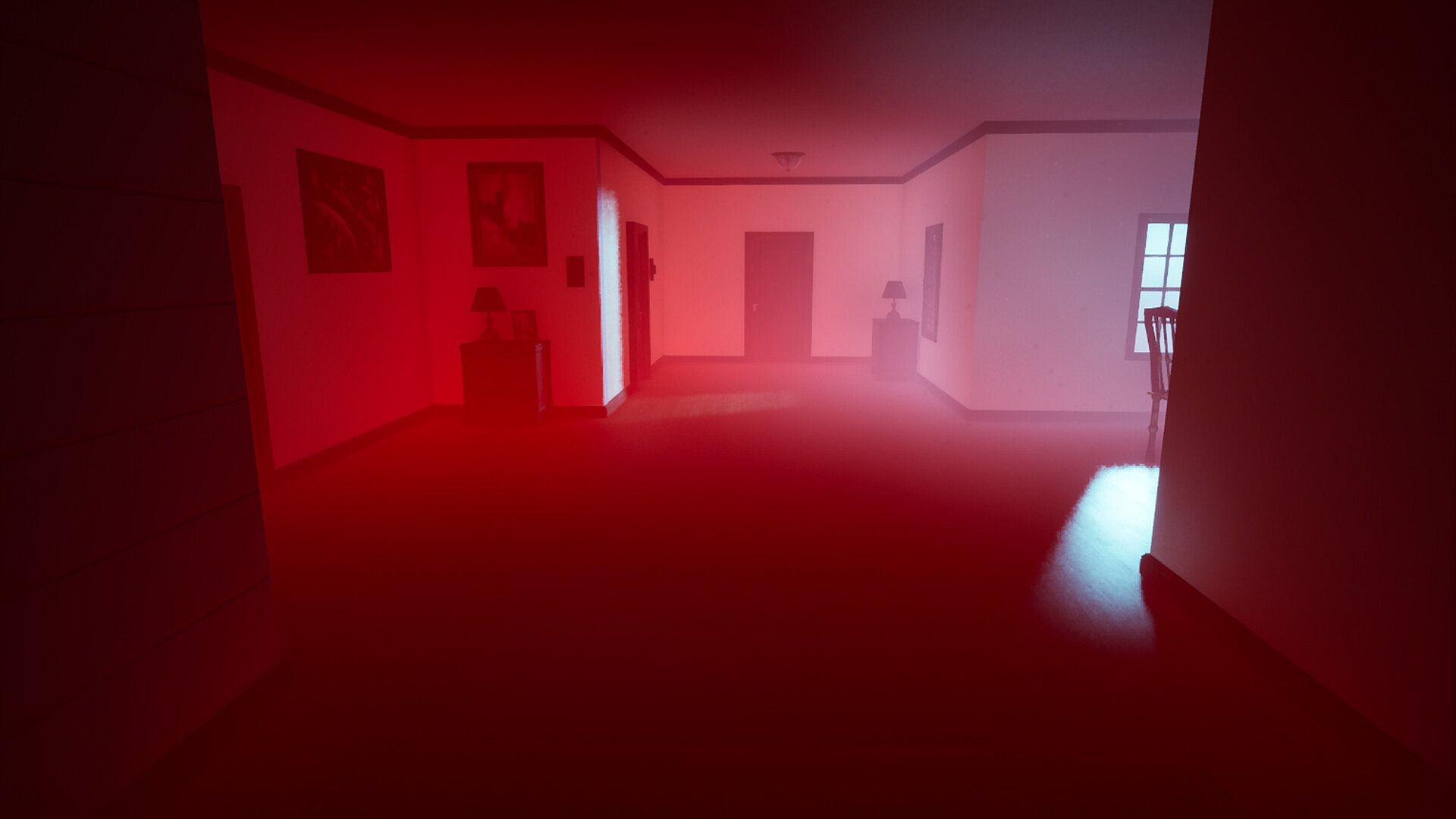
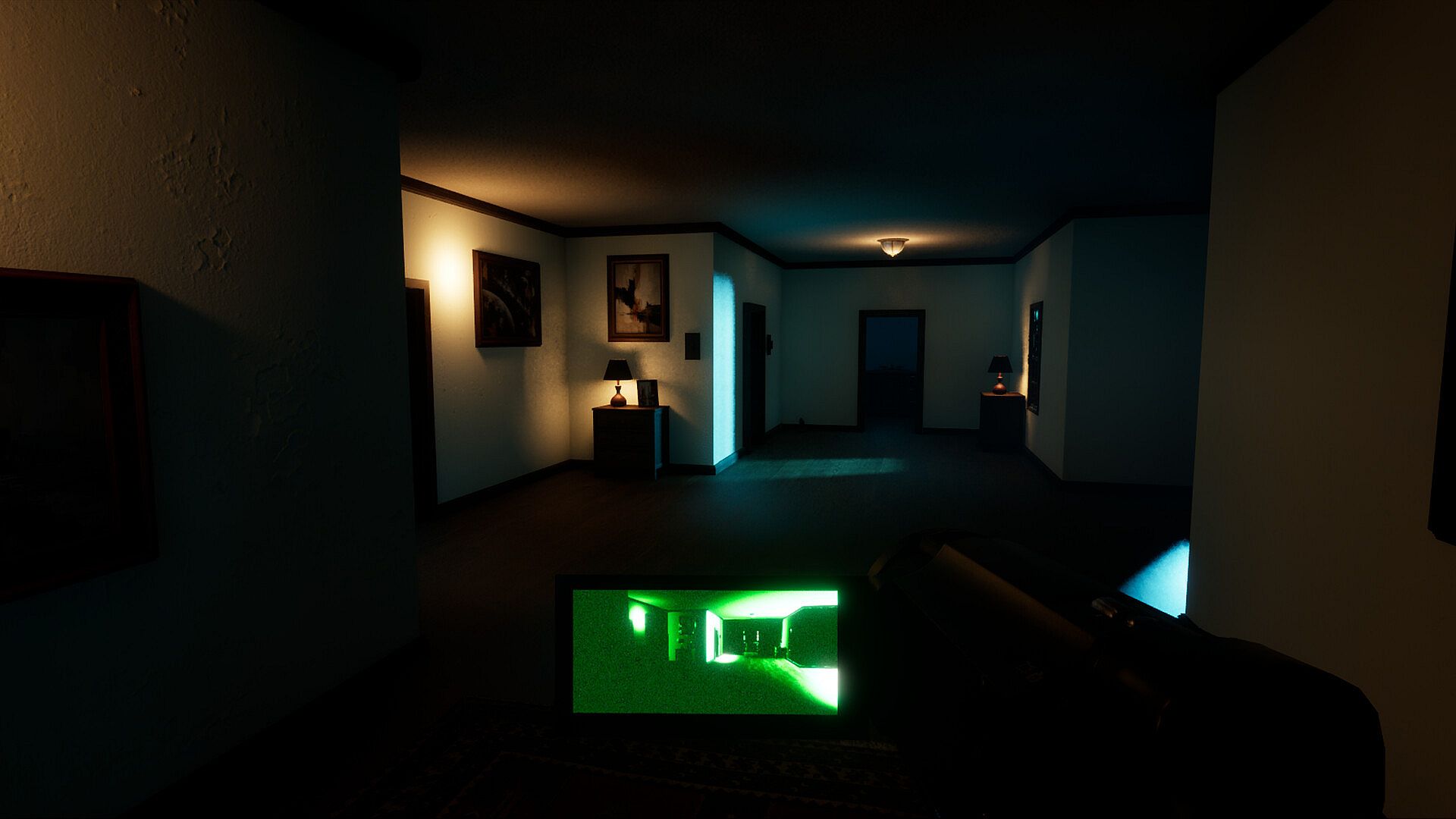
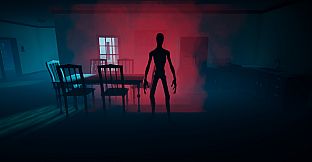
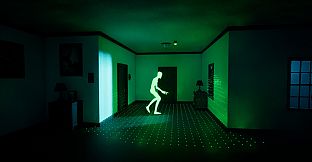

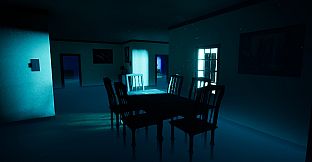
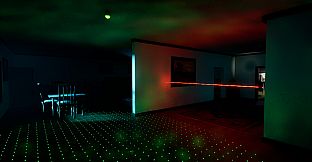
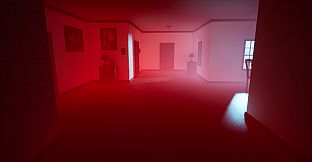
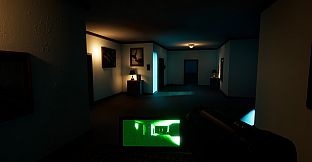
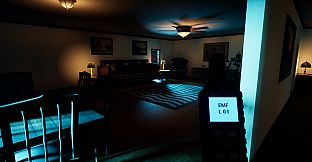
Spectral Divide is a first-person paranormal investigation horror game set on PC that places players in haunted locations to gather evidence and identify the entity responsible before it turns aggressive. Developed as an indie title blending action, simulation, and adventure elements, it emphasizes careful observation, tool use, and narrative discovery over direct combat. Players explore eerie sites either solo or alongside others in online co-op, selecting investigative gear and piecing together clues as tension builds through environmental shifts and unexplained activity.
Gameplay
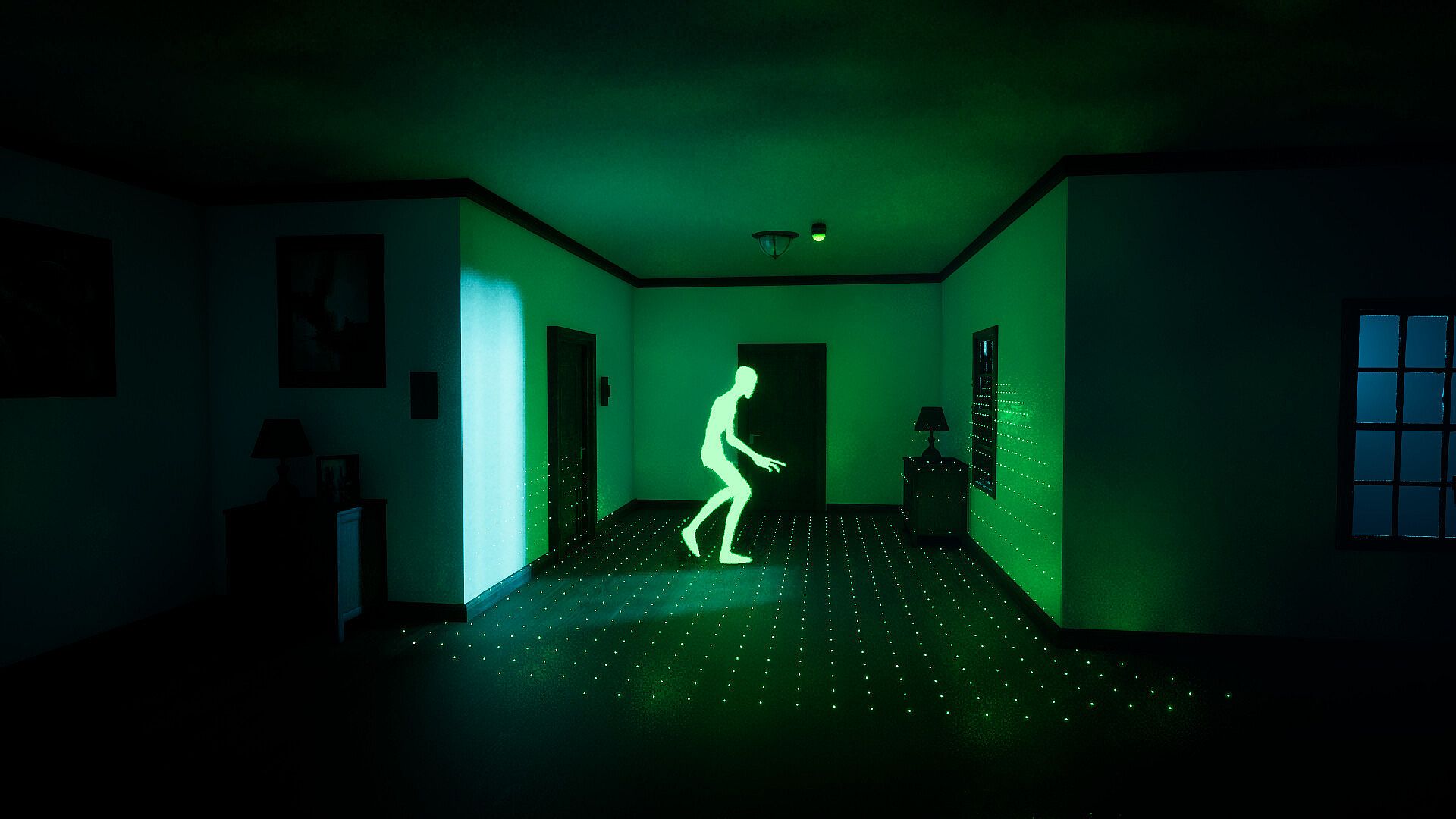
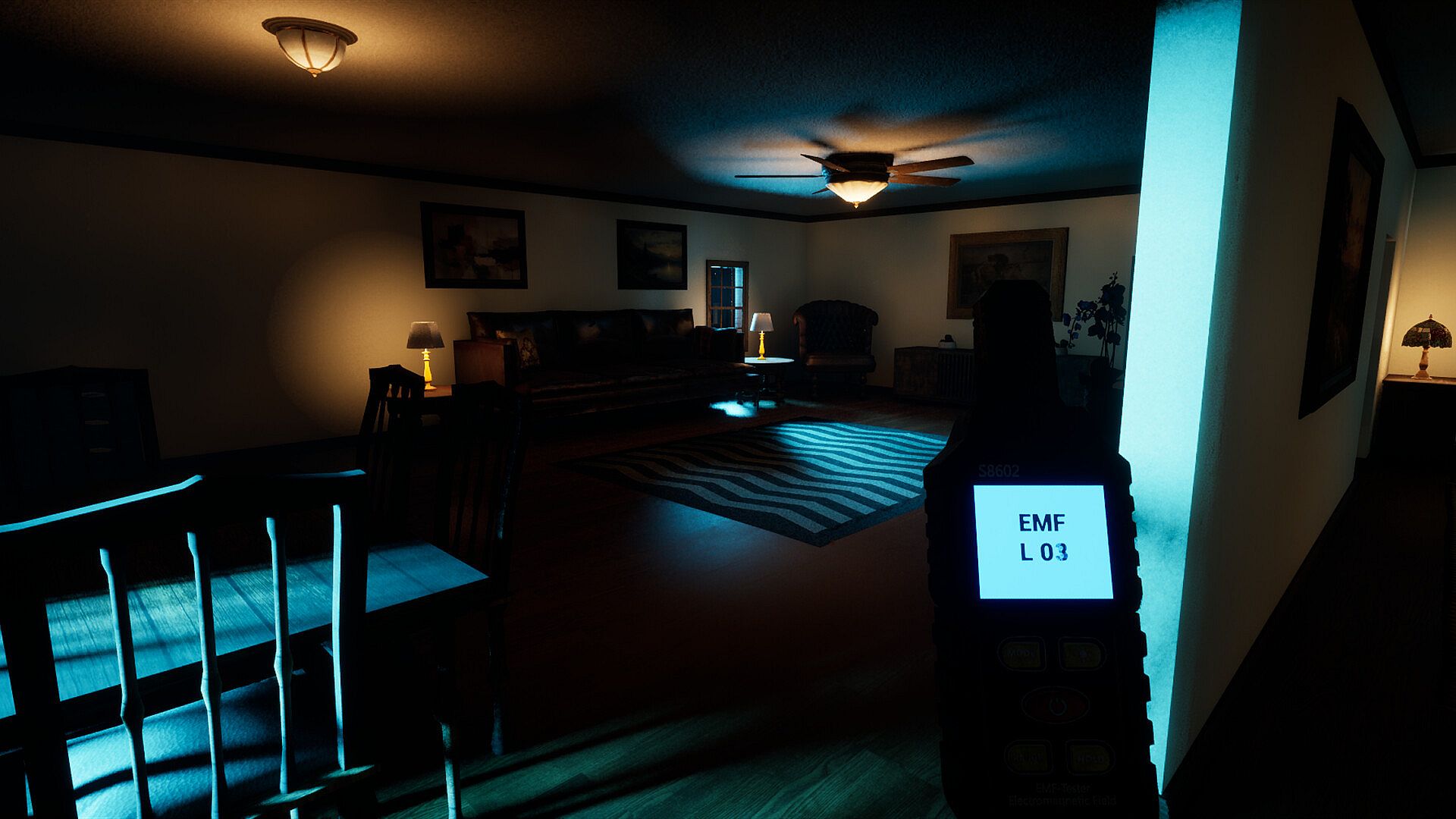
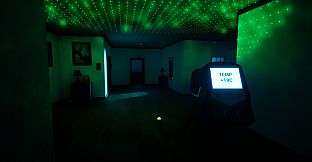
The core loop revolves around methodical evidence collection using specialized tools such as EMF readers, UV flashlights, and spirit boxes. These instruments help narrow down possibilities about the haunting, with findings logged on a case computer to rule out options and form a conclusion. Attention to detail matters, as different ghost types exhibit distinct behaviors and preferences that manifest in subtle ways like creaking doors, moving objects, or sudden temperature changes.
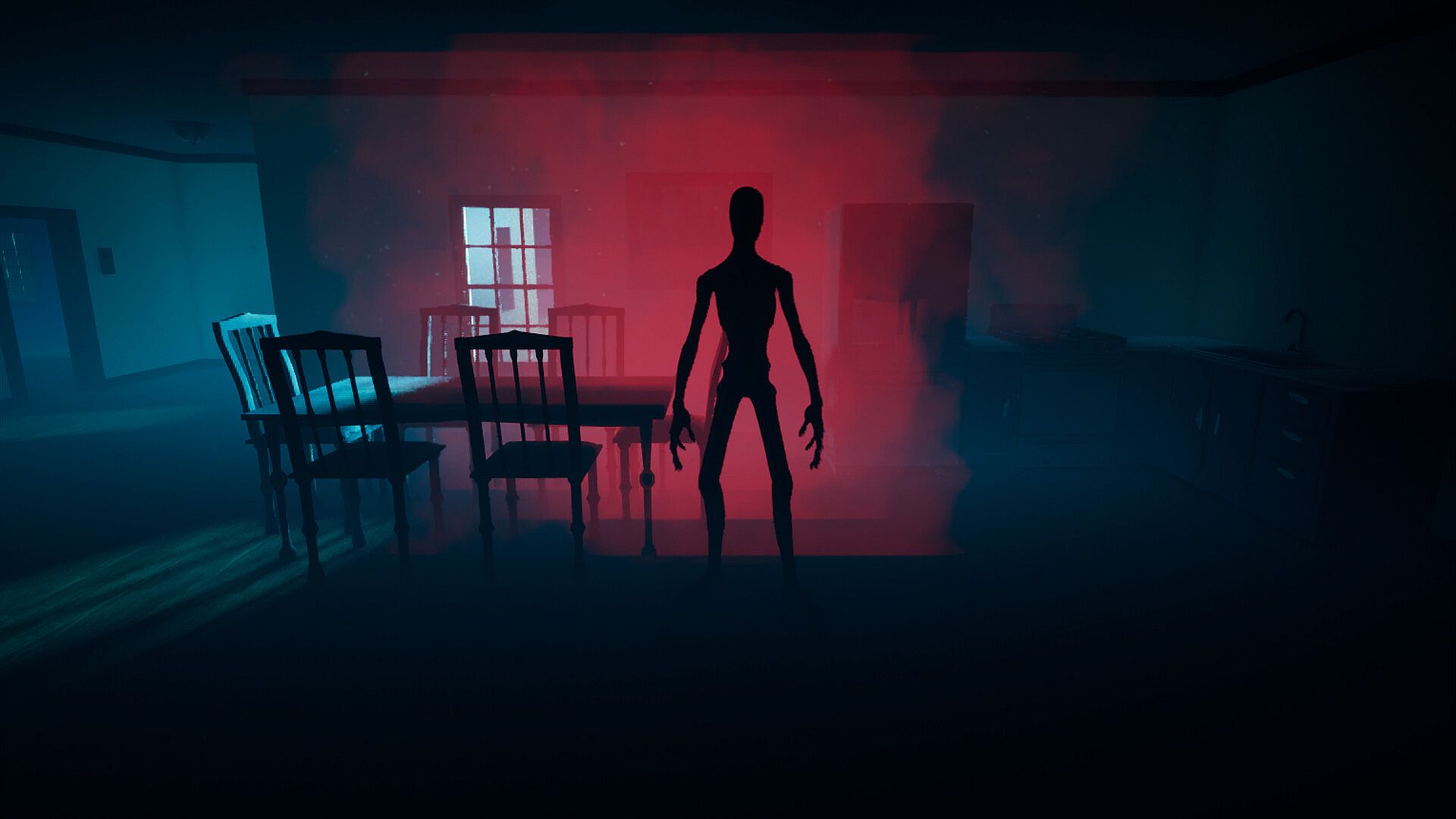
Memory fragments scattered throughout each location add layers to the experience. Scanning keepsakes, paper scraps, traces, and echoes reveals the backstory, including the cause of the haunting and the entity's motive. This information directly influences the final resolution, turning investigation into a puzzle that rewards thorough searching. Environmental hazards intensify the pressure, with power failures, flickering lights, rising objects, and manifestations that bring the entity closer during active searches.
Preparation plays a key role before entering a site. Players choose locations, assemble loadouts of tools suited to evidence gathering and fragment recovery, and coordinate plans with teammates. The setup allows flexibility to adapt when a hunt phase begins, shifting focus from quiet collection to survival and quick thinking.
Game Modes
Single-player mode supports independent investigations where one person handles all aspects of evidence gathering, memory recovery, and resolution decisions without external input. This format suits those who prefer solitary exploration and self-paced deduction in haunted environments.
Online co-op expands the experience to team-based play, allowing players to divide tasks, share tool findings, and compare notes in real time as danger escalates. Coordination becomes essential for covering larger areas efficiently while managing the growing threat from the entity.
Investigation Mechanics
Tool selection and evidence tracking form the backbone of every session. Narrowing possibilities through repeated readings and cross-referencing builds toward a definitive identification of the ghost type. The process encourages repeated visits or varied approaches across different locations to test hypotheses.
Memory fragments serve as narrative anchors, each discovery unlocking specific details about past events. These elements guide the resolution phase, where players select actions like returning an item, releasing a spirit, binding the entity, or destroying its anchor. Success depends on accurate identification and understanding of the motive.
Dynamic changes in the environment keep sessions unpredictable. Objects interacting without cause, sudden visual effects, and proximity to the entity test player composure during the evidence phase, blending simulation elements with horror tension.
Is It Worth Playing?
Spectral Divide targets players interested in deliberate, story-driven horror experiences that prioritize deduction and atmosphere over fast-paced action. Its blend of tool-based investigation, memory reconstruction, and choice-driven resolutions offers a focused loop for those who enjoy piecing together mysteries in co-op or alone. As a title still approaching release with no player reviews or post-launch updates available yet, its appeal rests on the described systems matching personal preferences for paranormal simulation and adventure. Fans of methodical exploration in haunted settings may find the combination of evidence rules, fragment scanning, and resolution options engaging enough to warrant attention once available on PC.












