

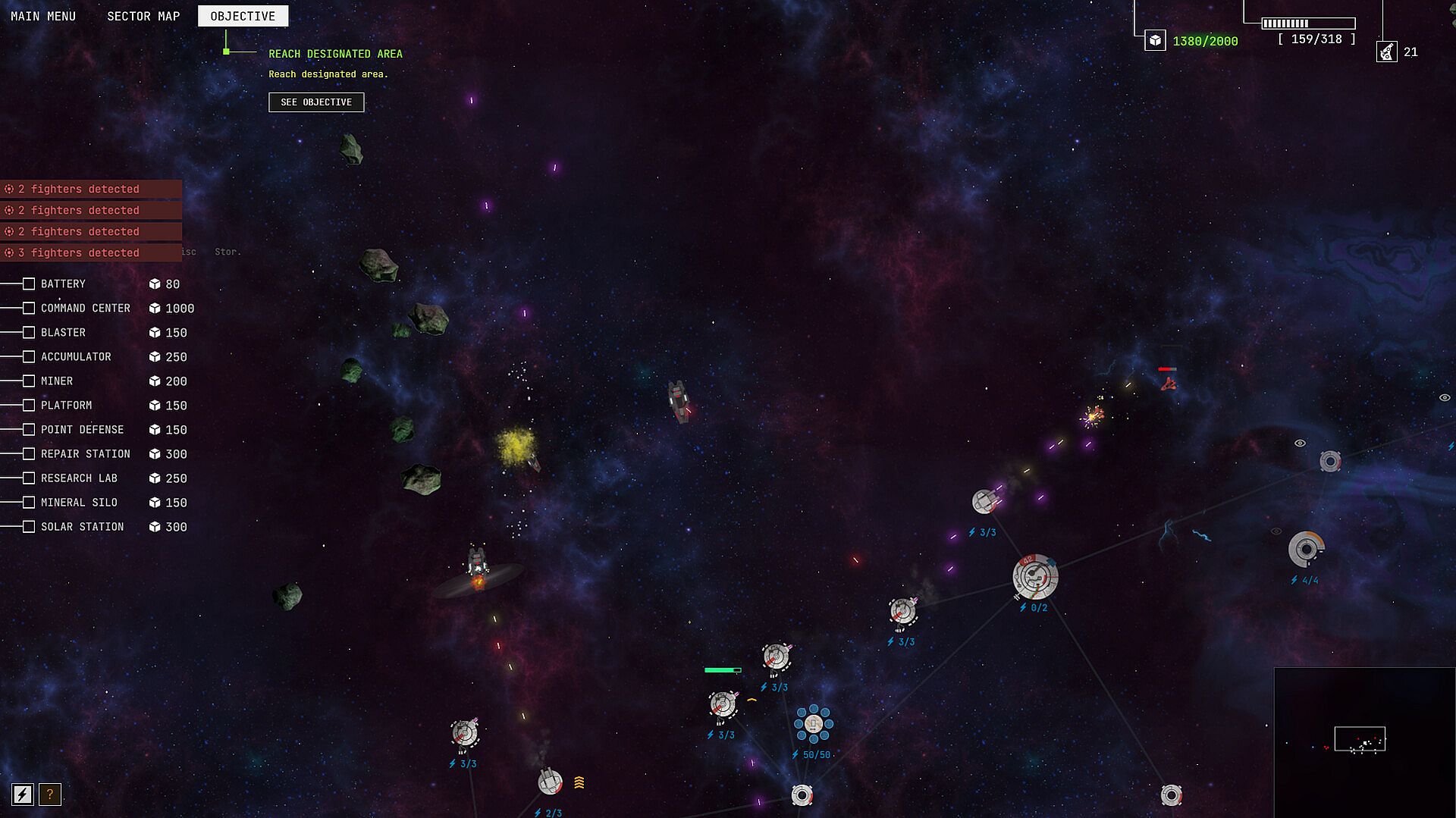
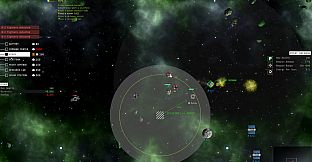
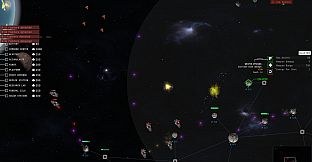
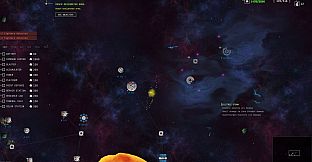
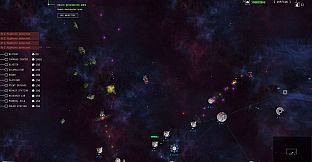
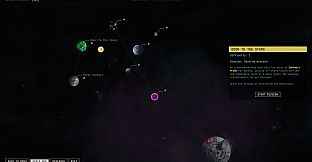
Station 42 is a single-player strategy indie game for PC that combines space station building with tower defense elements set against a dynamic orbital environment. Players manage a fragile economy while expanding an interconnected network of modules in a volatile sector of deep space, where celestial bodies follow realistic paths and cosmic events can be harnessed or avoided.
Gameplay
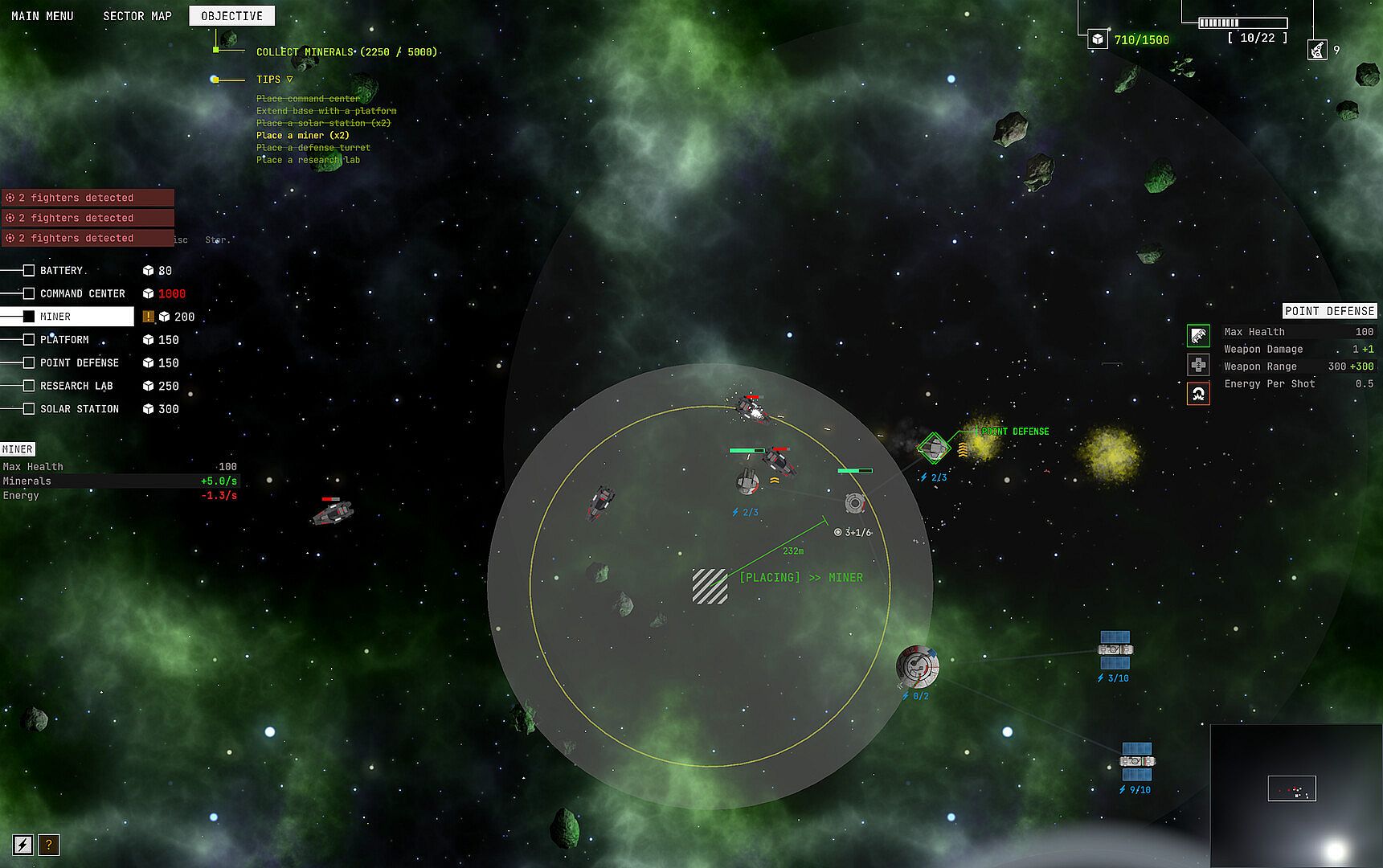
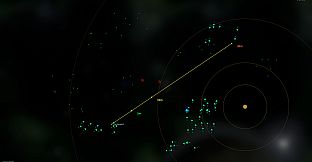
The core loop centers on constructing and linking space station modules to create a resource distribution network. Modules must be placed with attention to orbital mechanics, as asteroids drift along predictable trajectories that require advance planning for mining operations. Success depends on anticipating these movements to position collectors and extractors efficiently rather than reacting in real time.
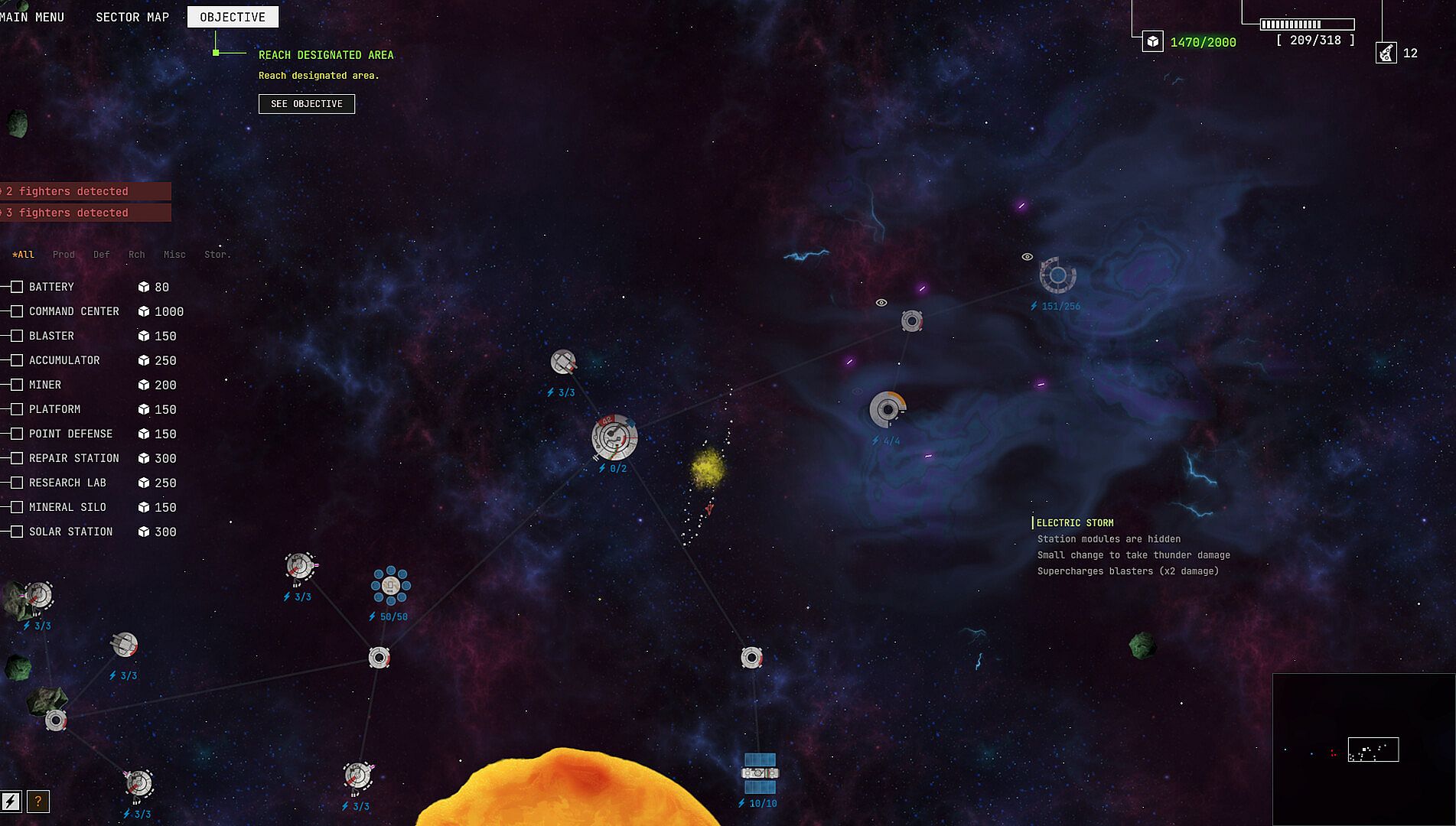
Violent cosmic storms add another layer of strategy. Players can route high-risk energy collectors into storm paths to gather raw power, though this exposes structures to potential damage. Sensitive facilities can instead be shielded by positioning them away from or within safer zones of these events. The semi-realistic simulation means suns decay over time and orbits shift, forcing ongoing adjustments to the station layout.
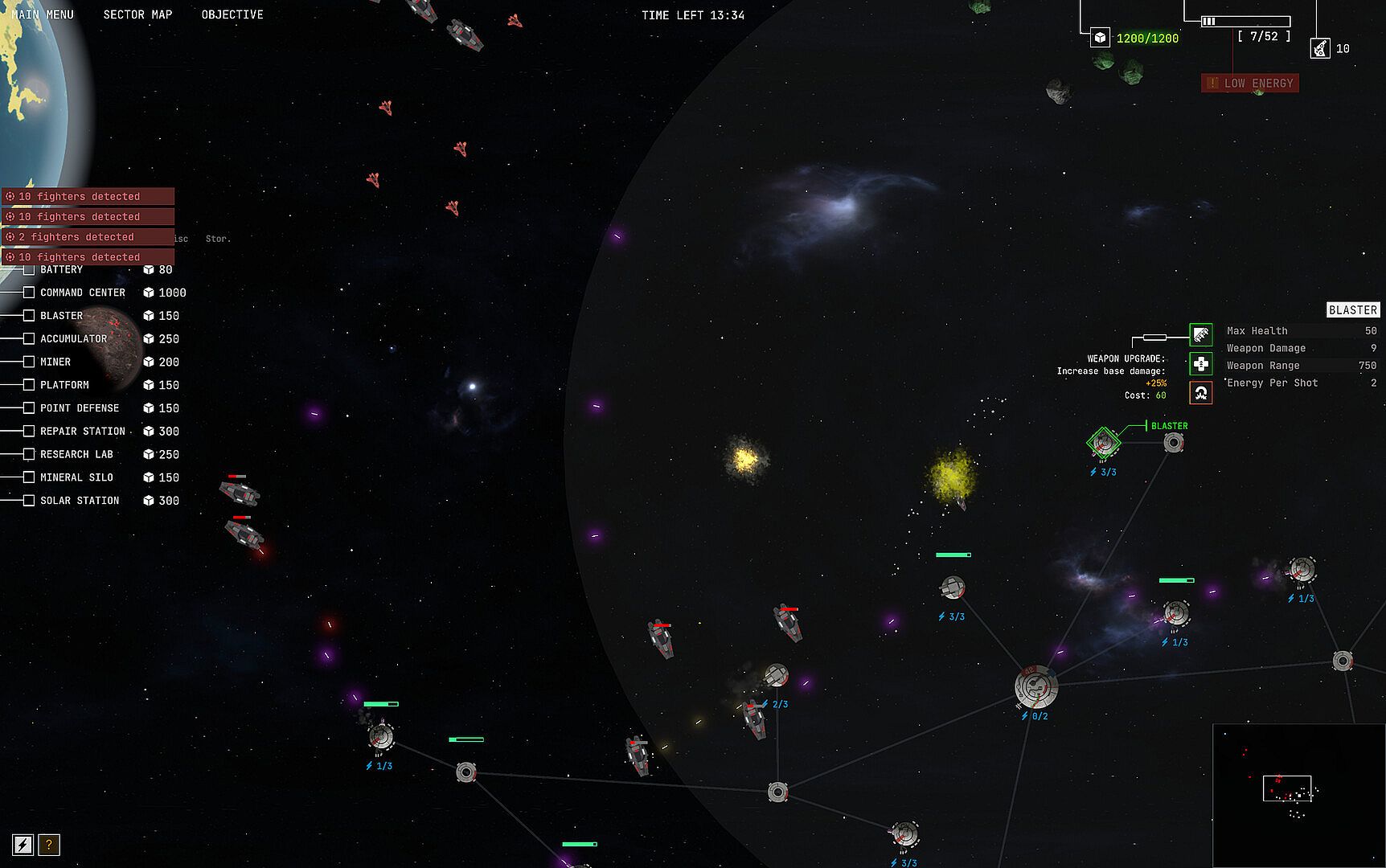
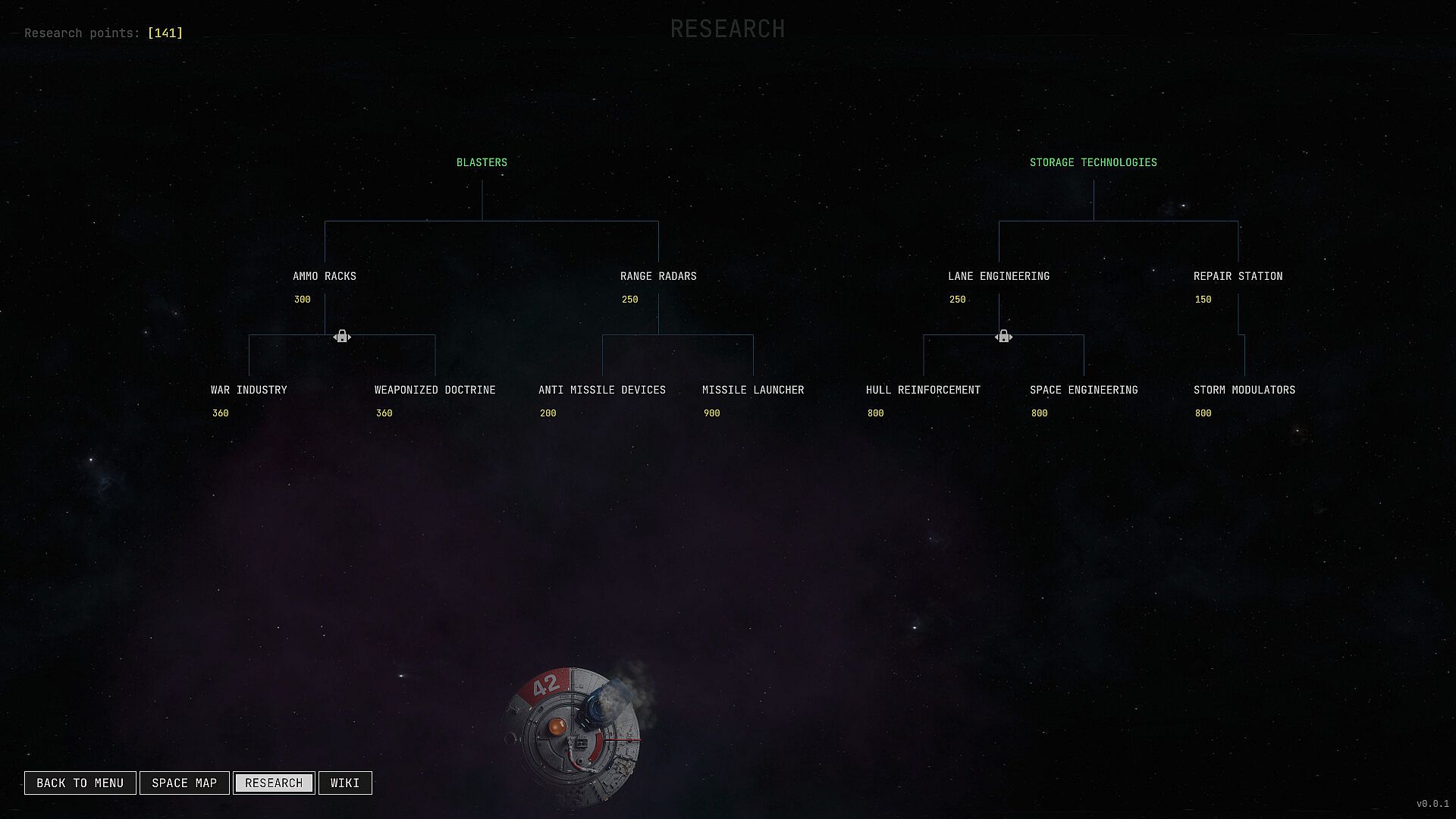
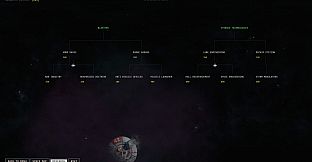
A tech tree governs progression, with each upgrade presenting trade-offs that align with either a tall or wide expansion approach. Upgrades that strengthen defenses might limit resource output, while those boosting production could leave networks vulnerable to targeted attacks. Enemies exploit weak points in the resource network, cutting off sections if connections are not reinforced or diversified properly.
Game Modes
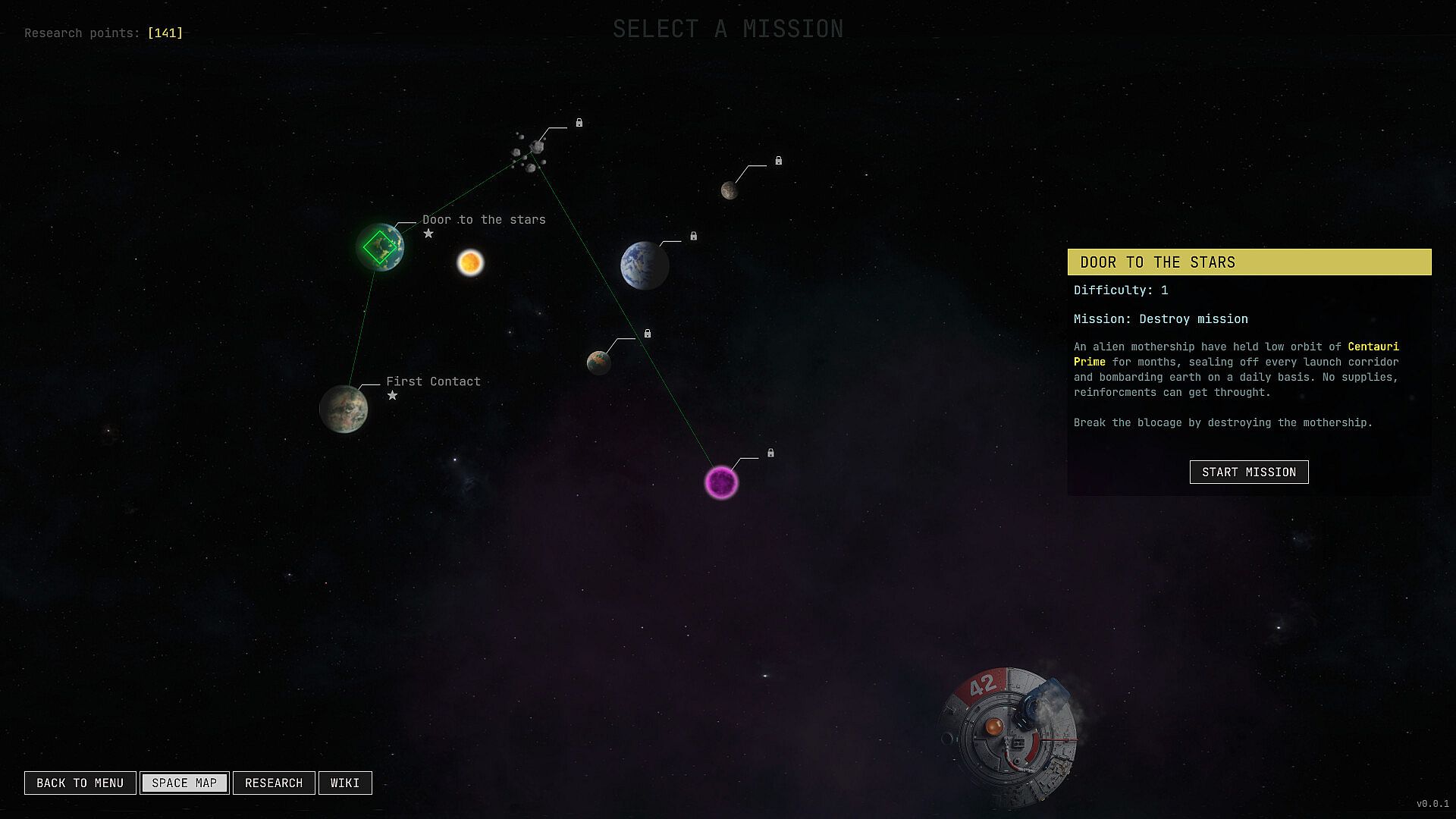
Station 42 emphasizes mission variety within its single-player framework. Objectives range from escorting friendly vessels through hazardous sectors to launching strikes against enemy outposts. When conditions deteriorate, players may need to relocate their entire base to unexplored regions, requiring careful disassembly and reestablishment of the resource network under pressure.
These scenarios test different aspects of planning. Escort missions demand protection of moving assets amid drifting hazards, while outpost assaults focus on offensive positioning and storm utilization. Base migration challenges long-term sustainability and adaptability when initial locations become untenable.
Orbital Mechanics and Resource Management
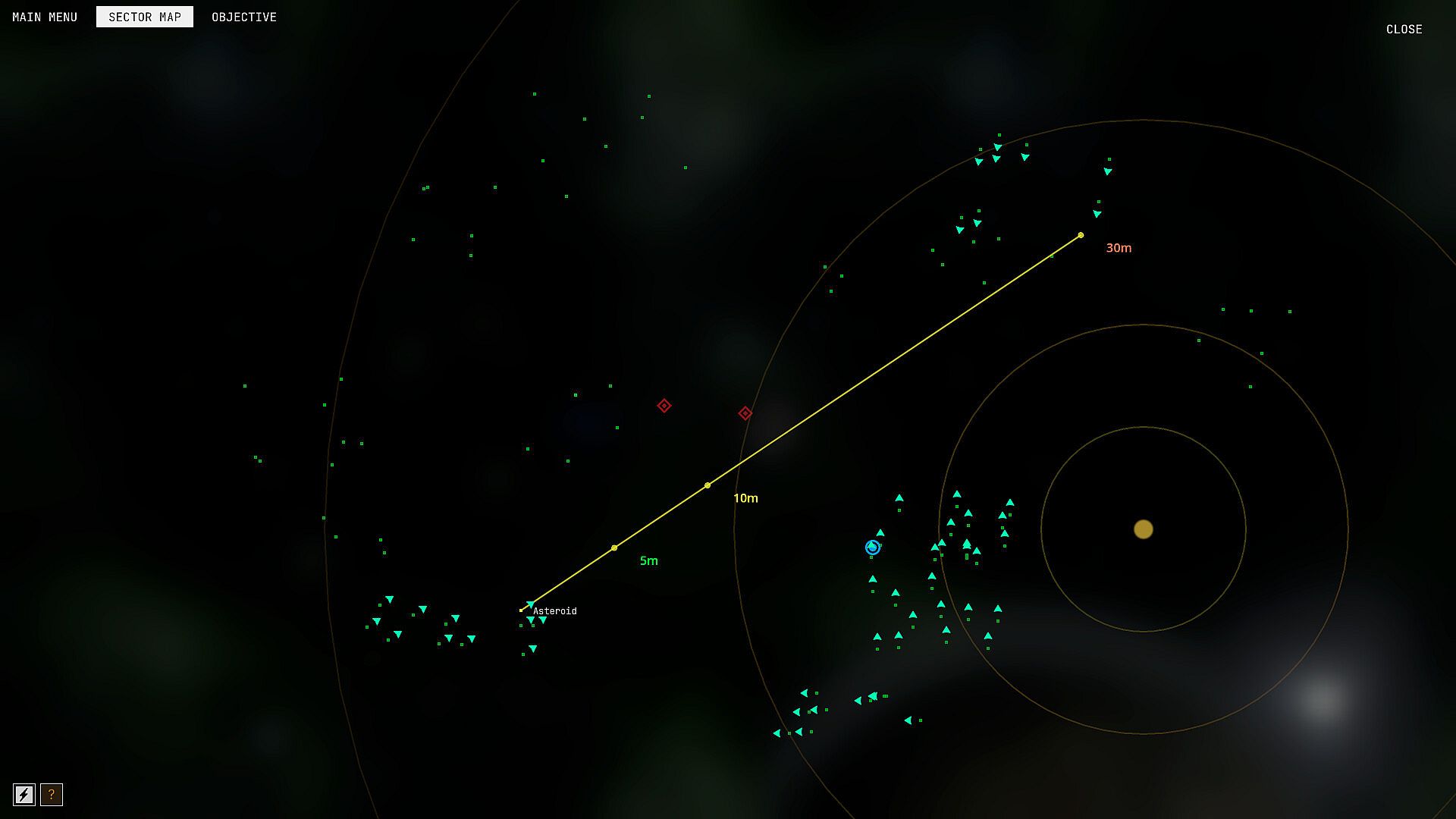
Predictive orbital mining forms a central pillar. Asteroids do not remain fixed, so players study trajectories to time extractions and avoid collisions that could disrupt the station. This system rewards foresight over rapid expansion, as miscalculated paths can strand resources or expose modules to debris.
The strategic resources network encourages modular growth. Players decide whether to concentrate upgrades in fewer, stronger hubs or spread modules across a wider area. Both paths carry risks, as concentrated setups invite focused enemy strikes while sprawling ones create more potential failure points in the supply lines.
Is It Worth Playing?
Station 42 appeals to players who enjoy deliberate strategy games that blend tower defense with simulation mechanics. The emphasis on orbital planning, storm management, and tech trade-offs creates a thoughtful experience distinct from faster-paced titles in the genre. Those who appreciate managing interconnected systems and adapting to changing environmental conditions will find the core systems engaging.
With its focus on single-player challenges and no confirmed multiplayer elements, the game suits individuals seeking a self-contained campaign of missions rather than competitive or cooperative play. The current pre-release status means the full scope of content and balance will become clear upon launch, but the described mechanics point to a niche title for strategy enthusiasts comfortable with planning ahead in a non-stationary environment.
Overall, it offers a solid option for fans of indie space strategy who value mechanics like predictive resource placement and risk-reward decisions over broad accessibility features. Potential buyers should monitor development updates for any expansions to the mission set or refinements to the simulation depth.