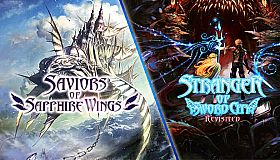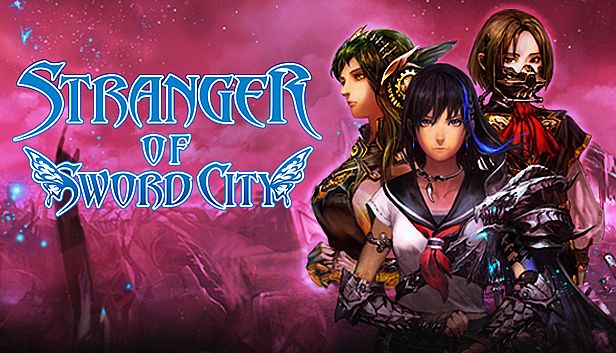














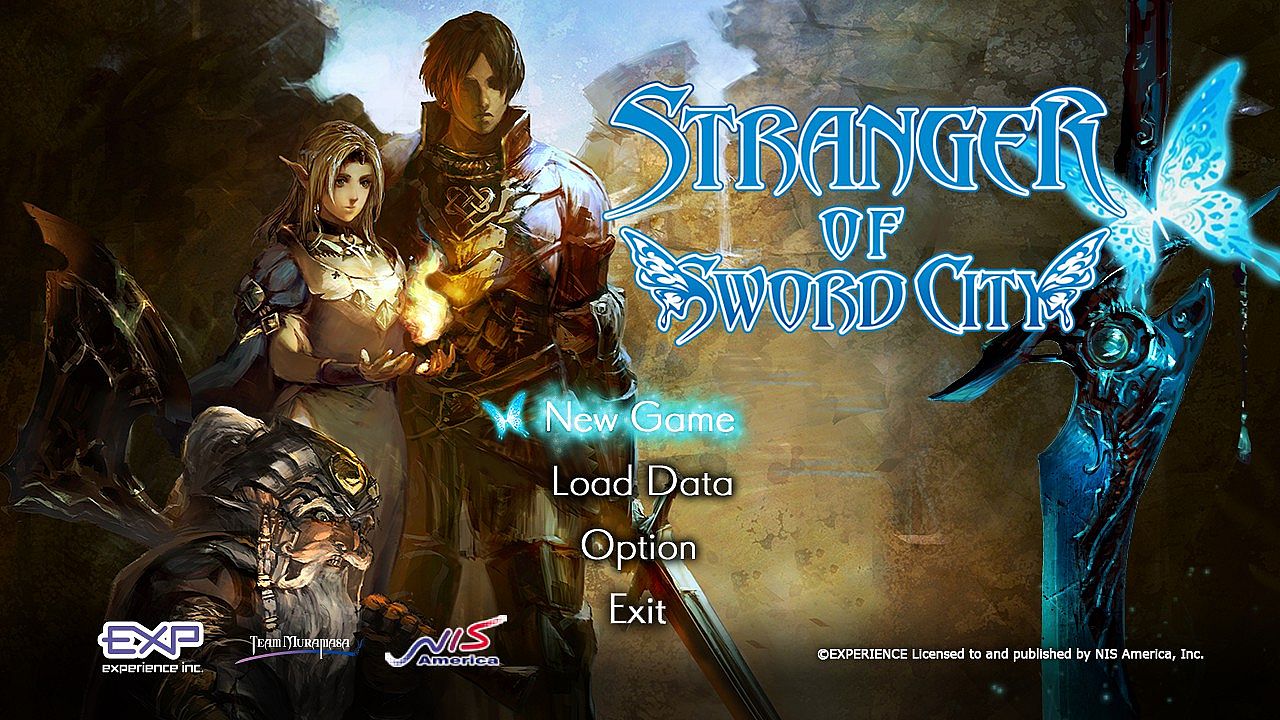
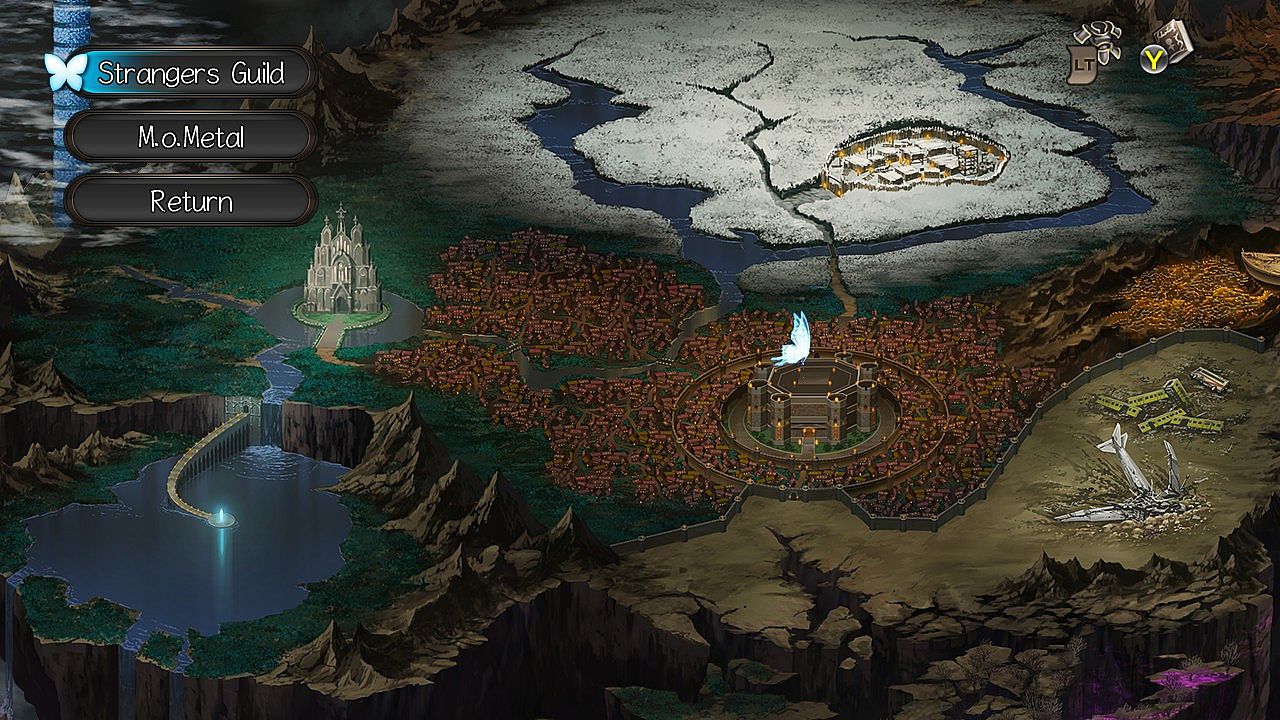
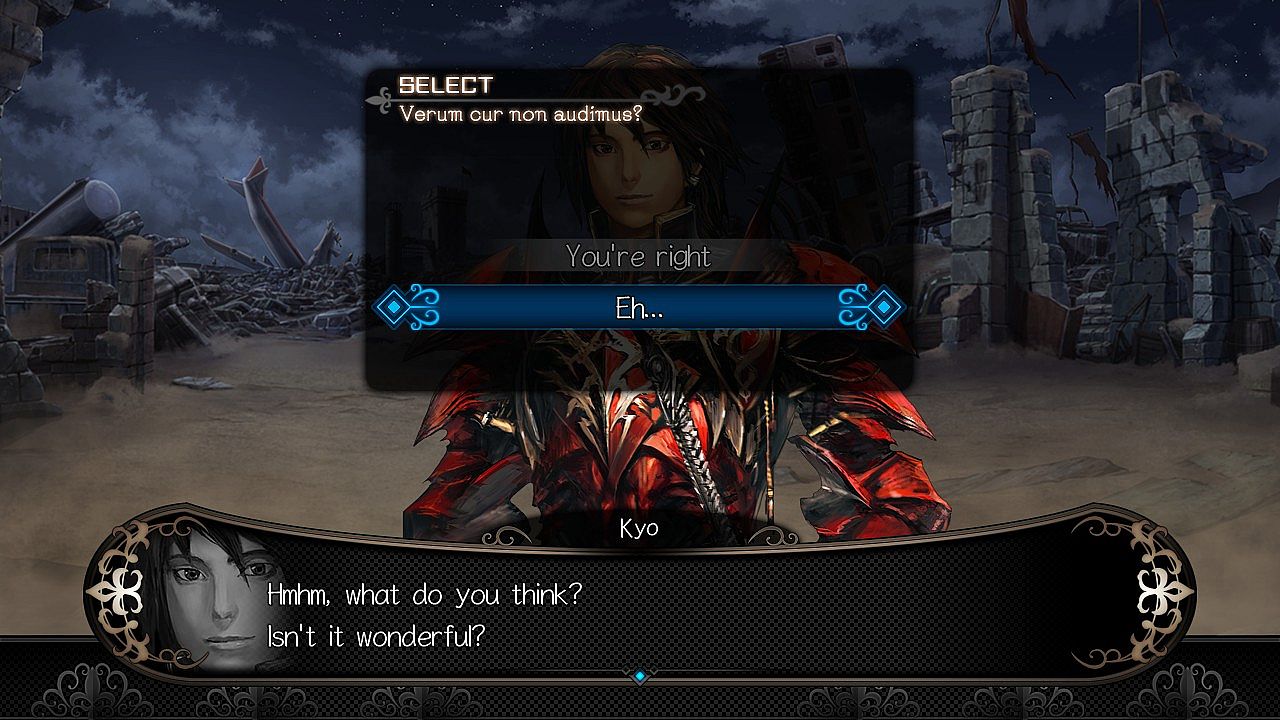
Stranger of Sword City is a role-playing game developed by Experience Inc. and published by NIS America. Players take control of a character known as the Stranger after surviving a plane crash through a rift into the dark fantasy setting of Escario, a land blending magic with technology. The core experience centers on dungeon exploration, party management, and strategic combat in a classic first-person dungeon crawler format.
Gameplay
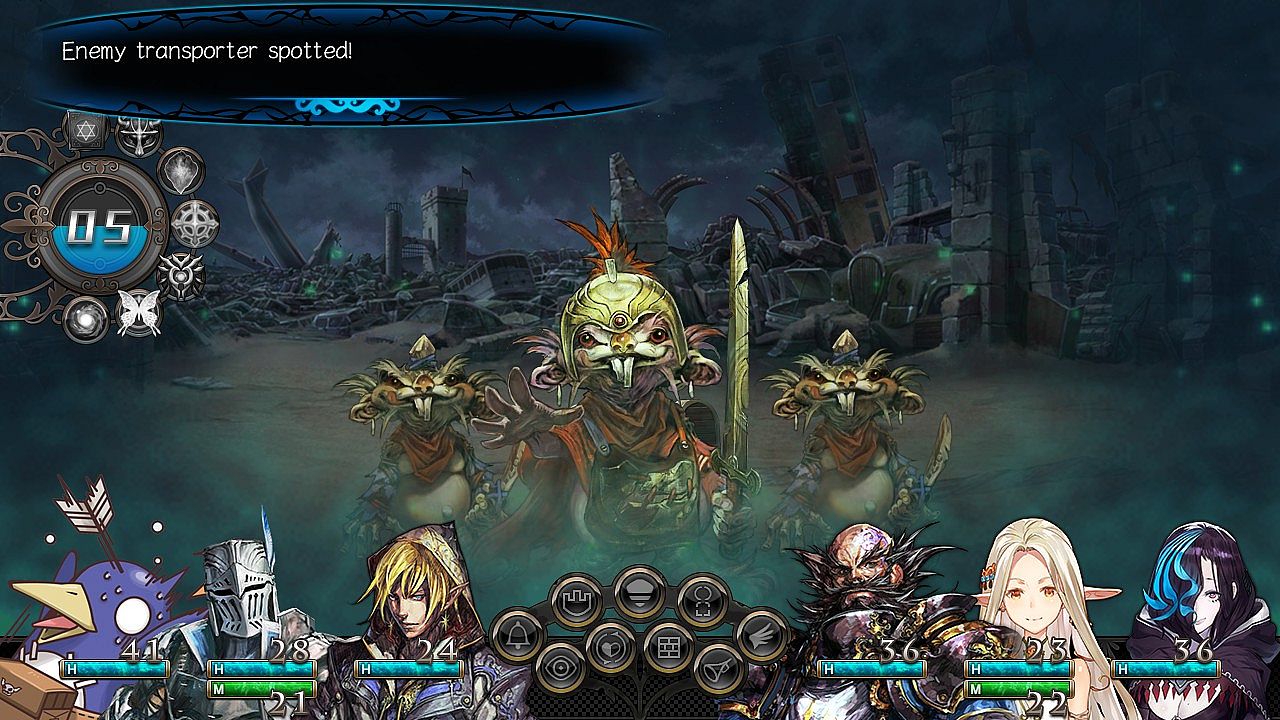
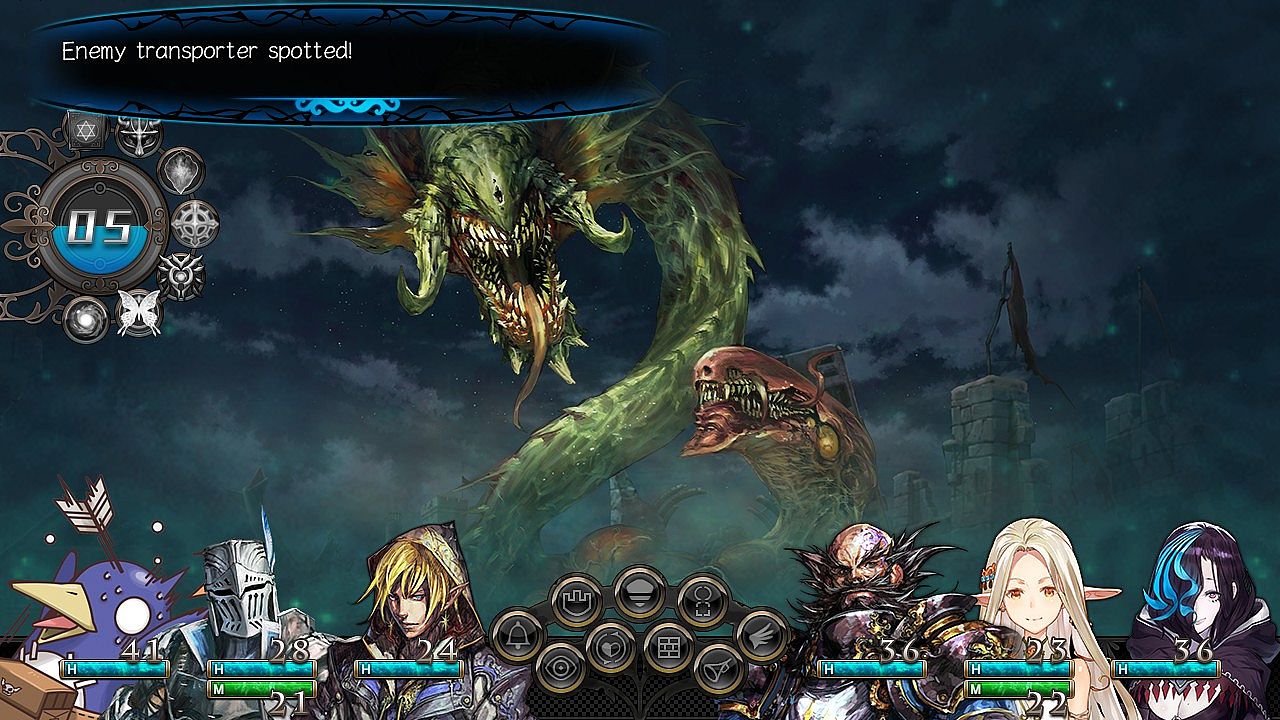
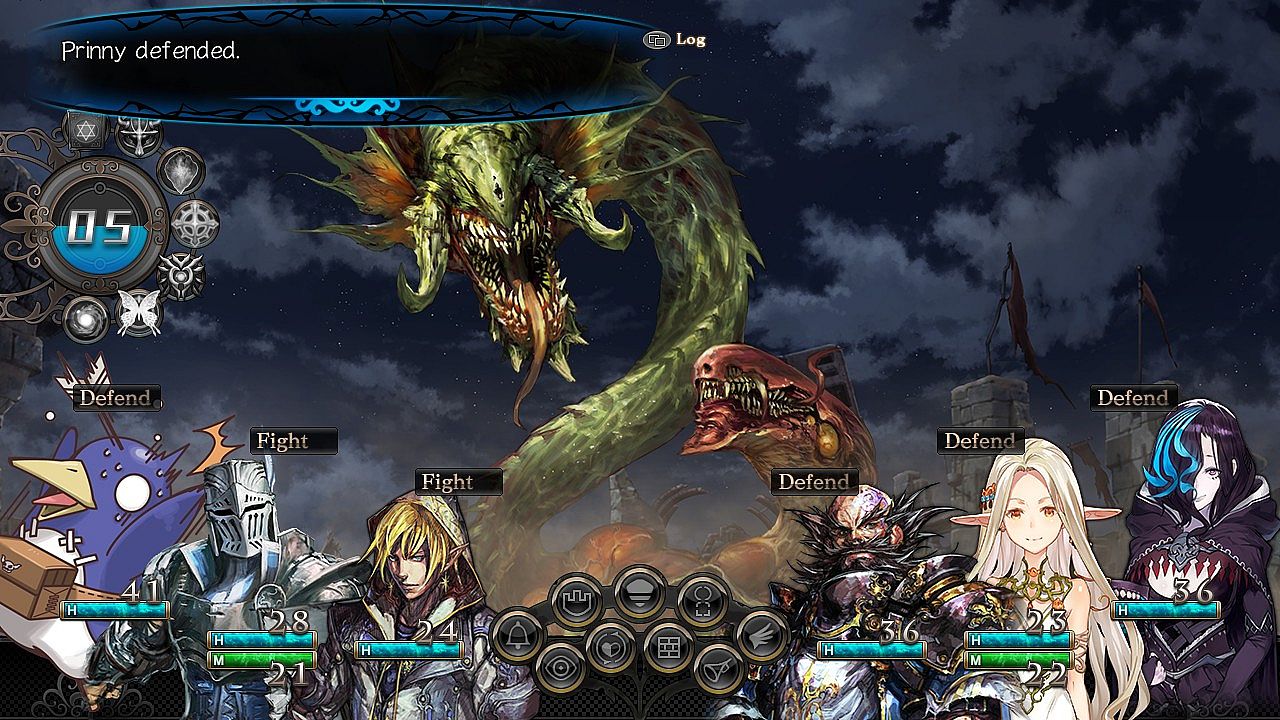
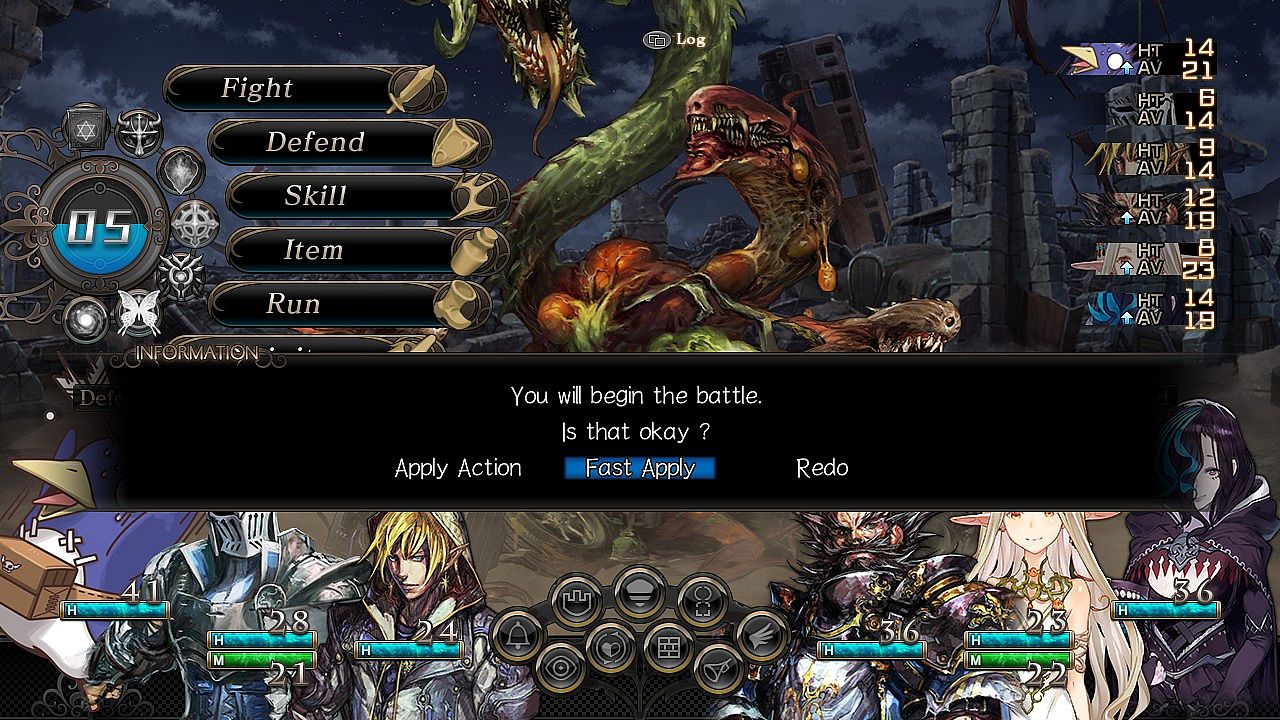
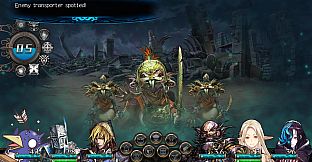
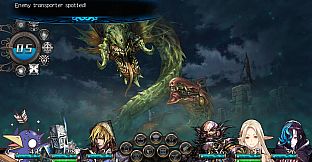
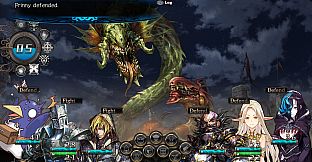
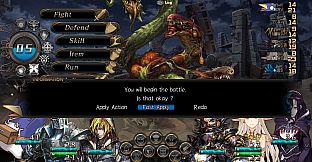
The game emphasizes careful navigation through labyrinths filled with traps, hidden passages, and aggressive monsters. Movement occurs in a grid-based first-person view, requiring players to map areas mentally or on paper while managing resources like health and items. Combat unfolds in turn-based encounters where positioning, class abilities, and party composition determine success against standard foes and tougher opponents.
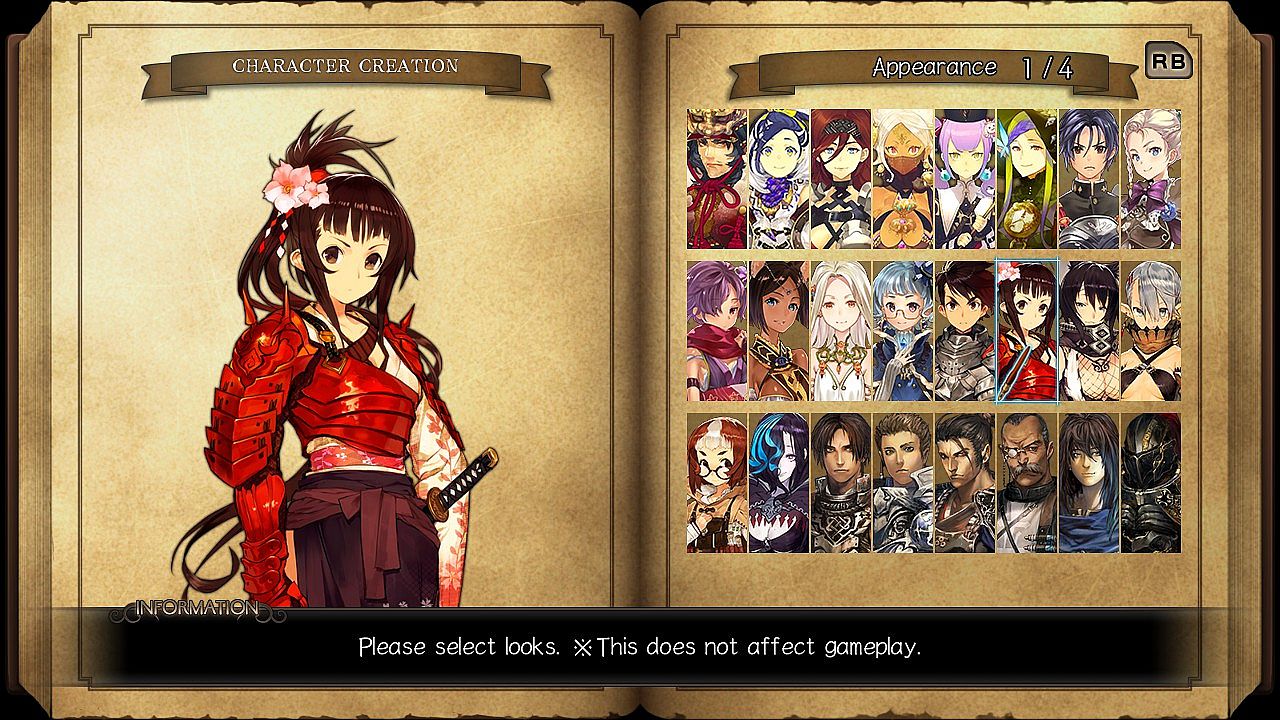
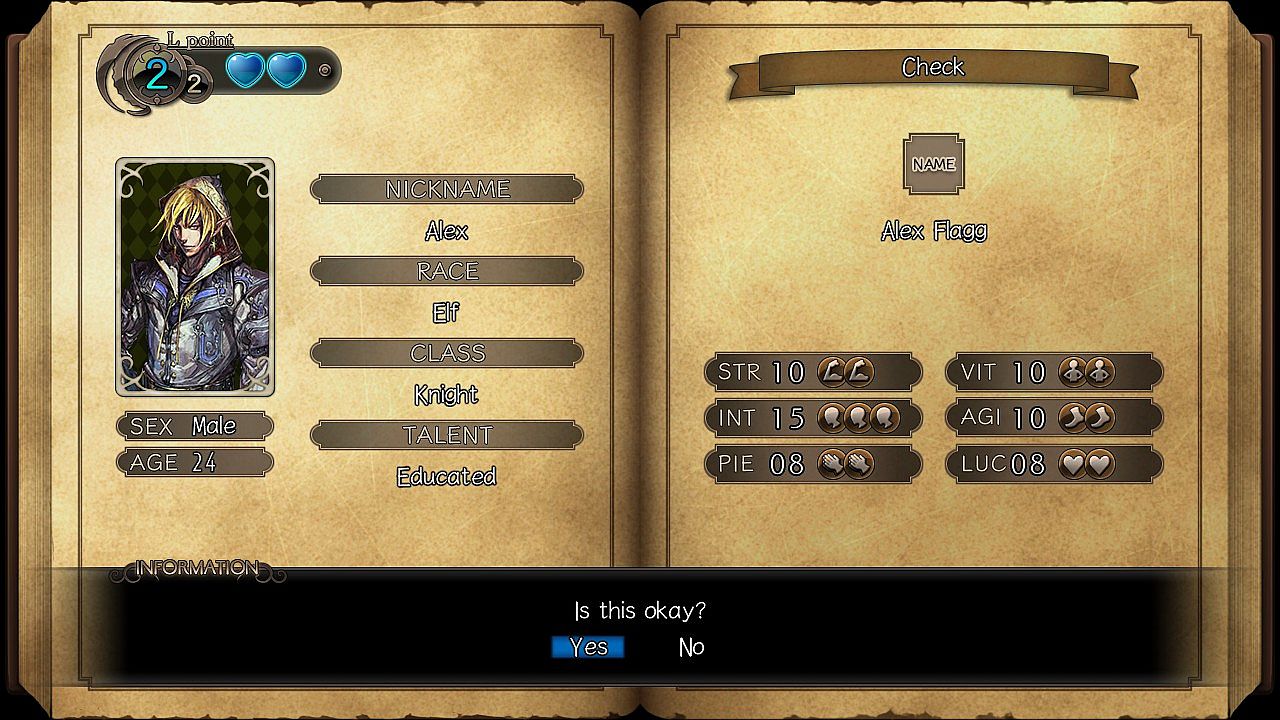
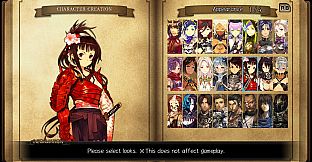
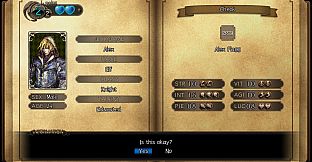
Character creation allows extensive customization. Players select races that influence base stats, assign age for additional bonuses and life points, and distribute talent points for passive effects such as trap detection or critical hit resistance. Available classes include fighters, clerics, wizards, ninjas, and knights, each with distinct spells and skills. Leveling occurs through repeated labyrinth runs, and Blood Crystals harvested from defeated Lineage Type bosses provide permanent power upgrades to the party.
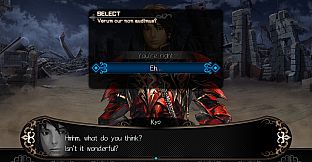
Party building requires balancing roles for offense, healing, and support. Players recruit and manage multiple characters, swapping them in and out based on the challenges ahead. Faction allegiance choices among the Kingdom, Medell Co., and the Strangers Guild influence available quests, story branches, and long-term outcomes, adding replay value through different narrative paths.
Game Modes
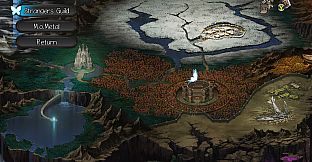
The primary activity involves entering and clearing labyrinths scattered across Escario. Each labyrinth presents unique layouts, enemy types, and Lineage Type bosses whose Blood Crystals serve as the main progression currency. Players return to town hubs between expeditions to rest, upgrade equipment, and advance faction storylines.
Exploration mode focuses on mapping and resource gathering, while combat encounters demand tactical decisions on when to engage, retreat, or use specific abilities. No separate multiplayer or competitive modes exist; the experience remains strictly single-player with emphasis on repeated dungeon dives to strengthen the team and uncover more of the world.
Faction-related activities function as parallel progression tracks. Aligning with one group unlocks specific support options or story events, while the others remain available for later playthroughs. The structure encourages multiple runs to experience different alliance outcomes and collect additional Blood Crystals.
Story and Setting
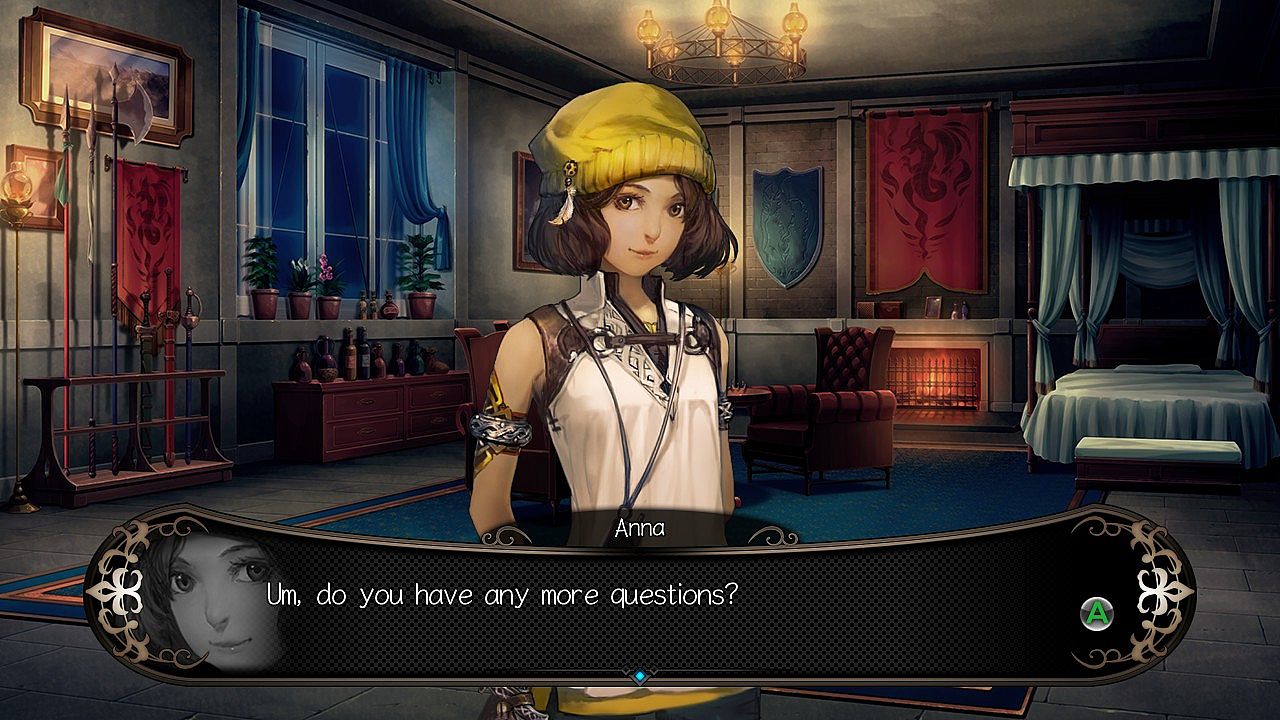
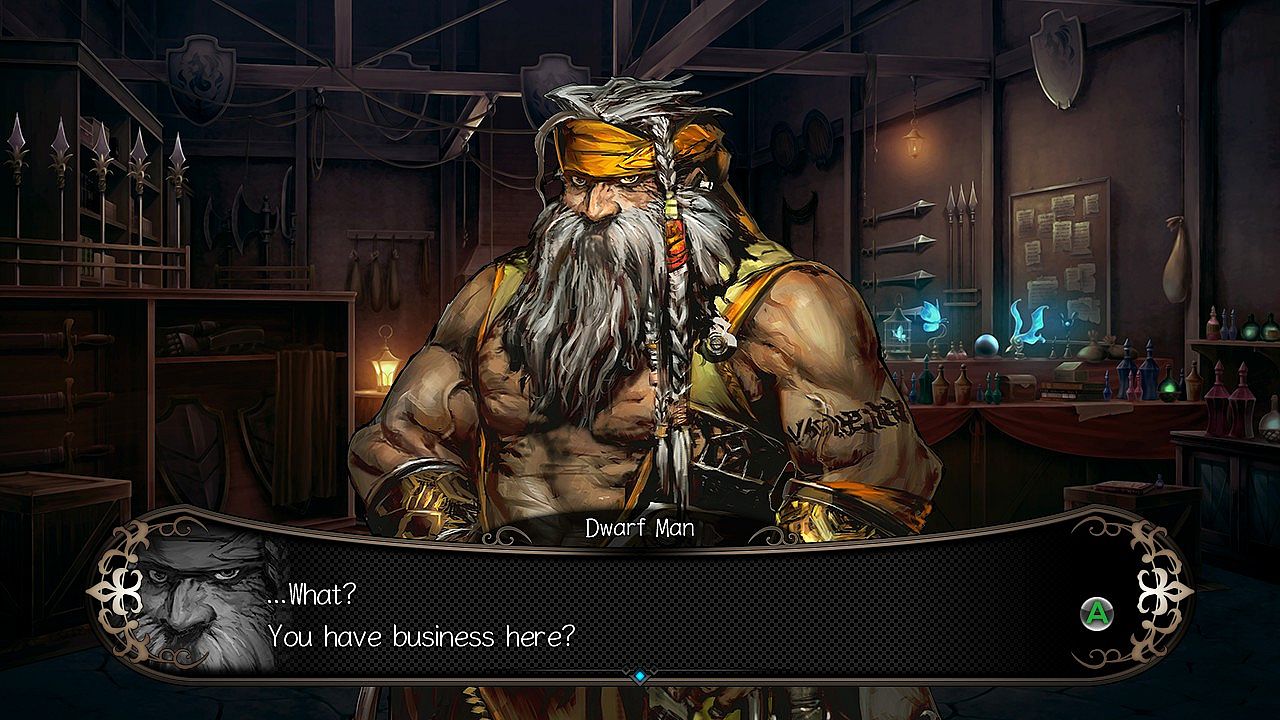
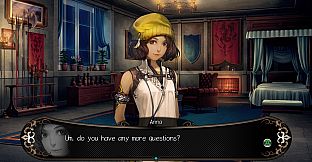
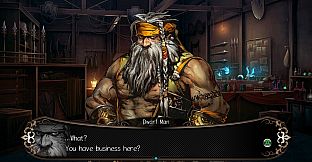
Escario serves as a contained world where the Stranger must navigate political tensions between established powers and fellow outsiders. The narrative unfolds through dialogue with faction representatives and discoveries within the labyrinths. Magic and technology coexist in the environment, reflected in enemy designs and item variety.
Player choices regarding trust and allegiance shape the path toward finding a way home. The story avoids lengthy cutscenes in favor of integration with exploration and combat, keeping focus on the dungeon crawler loop while providing motivation for continued play.
Is It Worth Playing?
Stranger of Sword City appeals to fans of traditional dungeon crawlers who enjoy high difficulty, detailed character systems, and deliberate pacing. The Mixed rating on Steam, with 66 percent positive from 553 reviews, reflects appreciation for the tactical depth and customization alongside criticism of the steep learning curve and occasional grind.
Those who value first-person grid exploration and party optimization will find substantial content in the labyrinths and faction decisions. Newcomers to the genre may find the lack of modern quality-of-life features challenging, but the core loop of mapping, fighting, and upgrading remains consistent throughout.
The game runs on modern PCs through its original release and continues to receive occasional community attention for its distinctive art and soundtrack. Players seeking a focused single-player RPG without online components or frequent updates will find it a solid option for dedicated sessions.