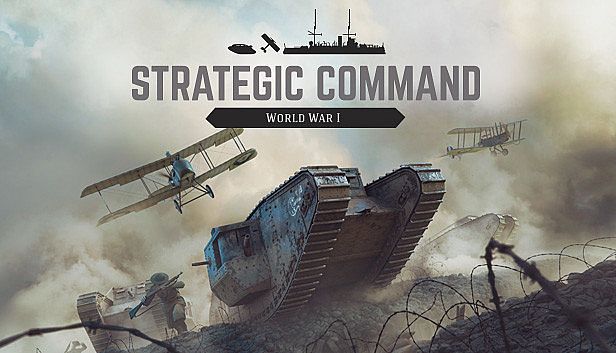




















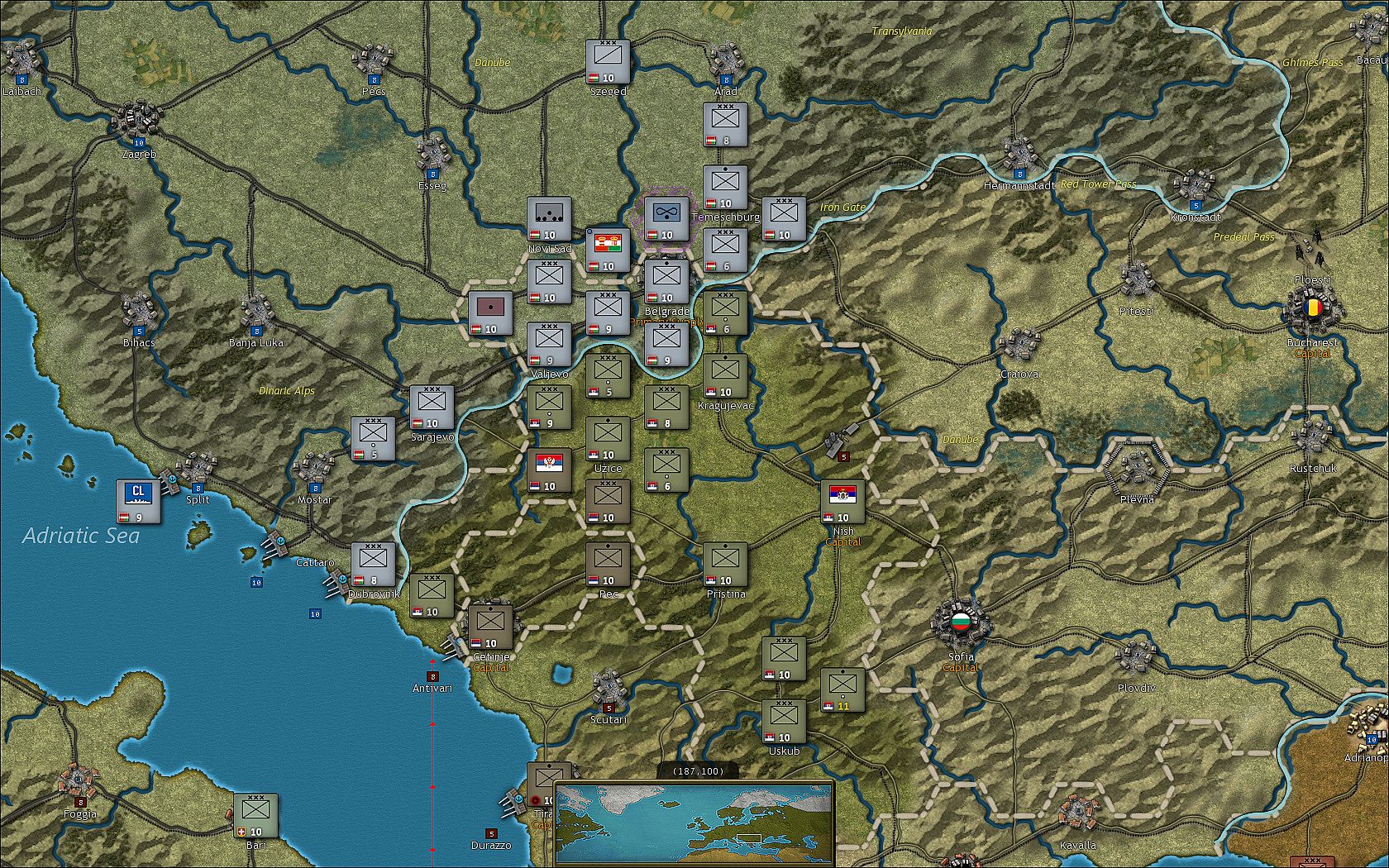
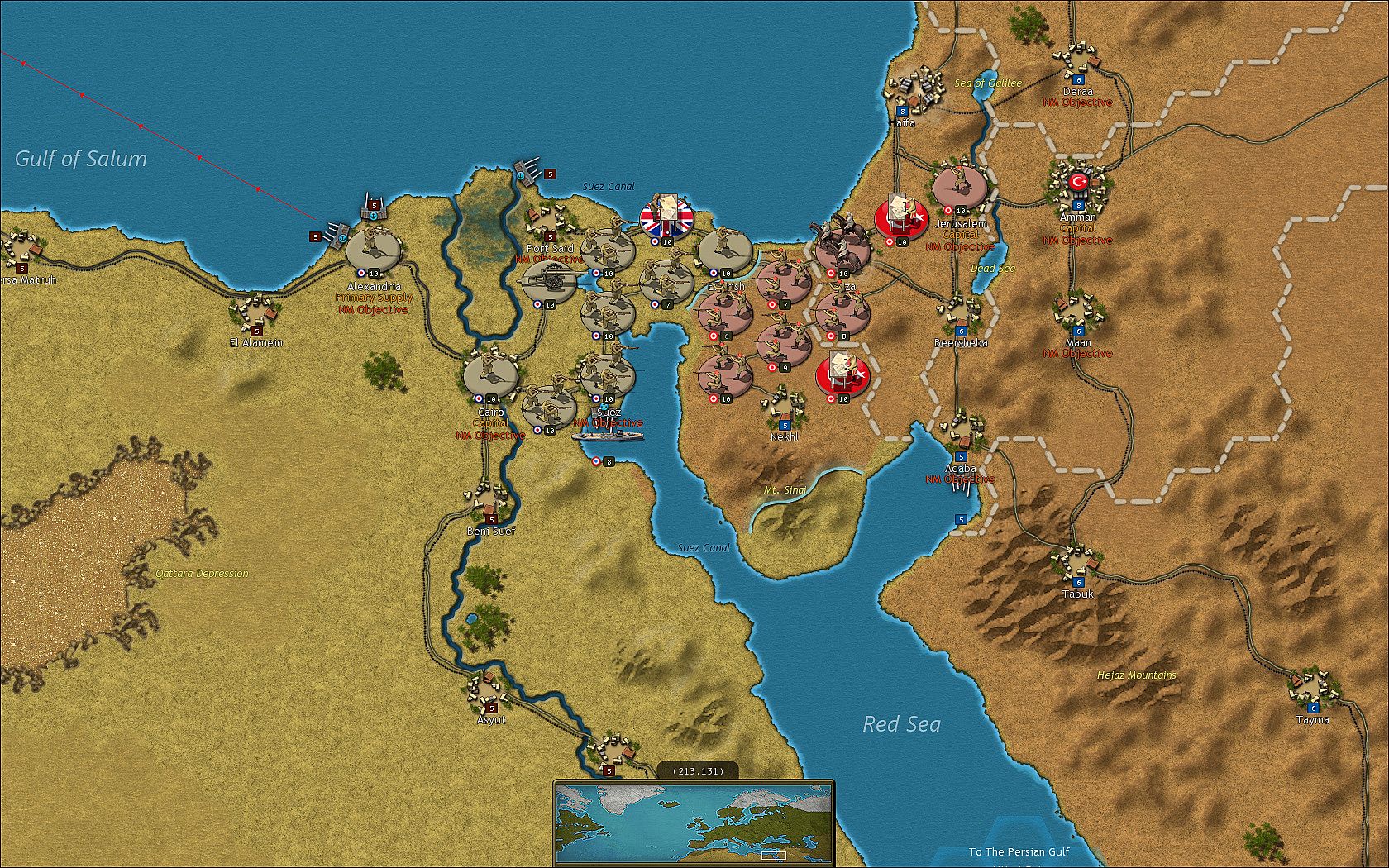
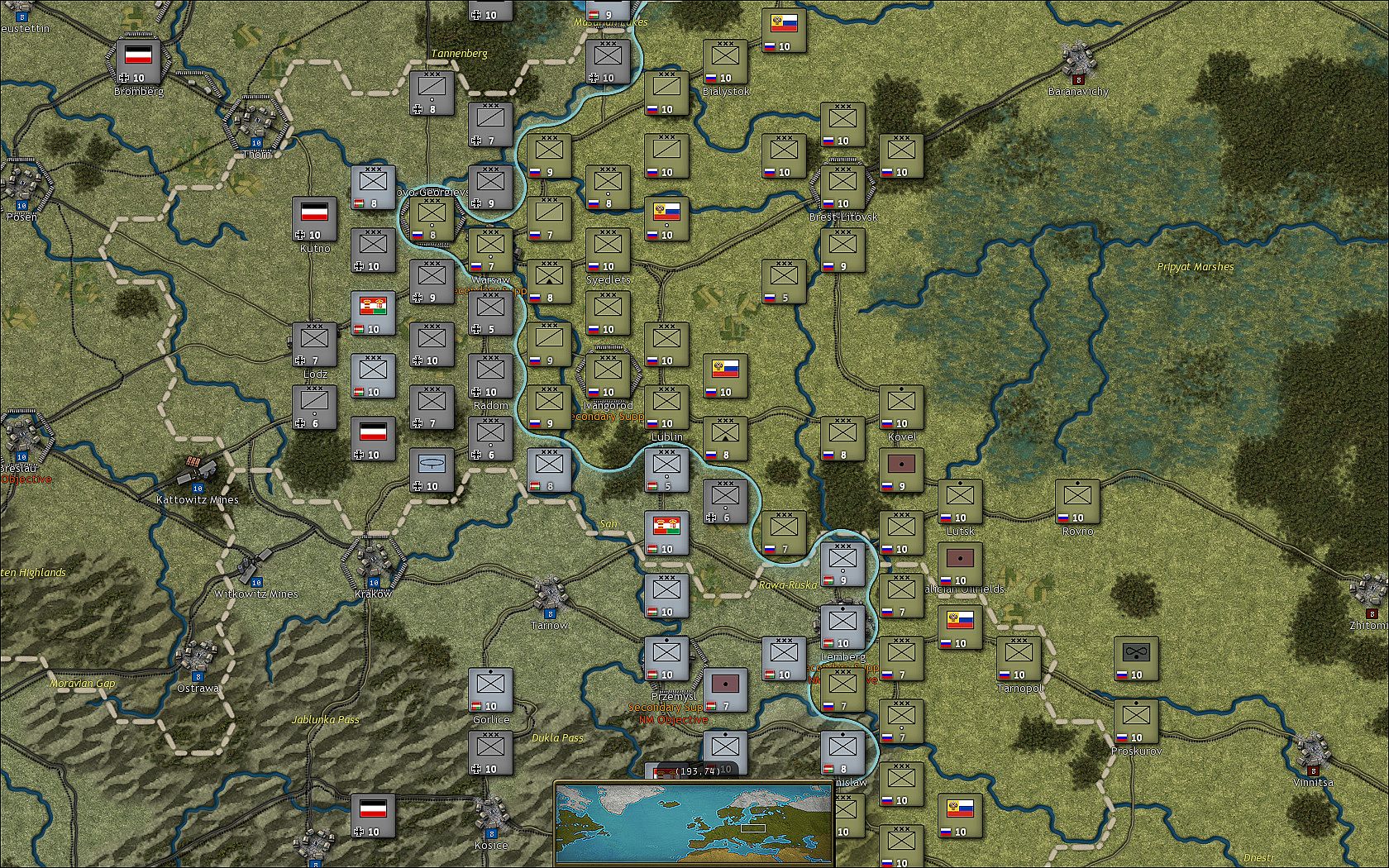
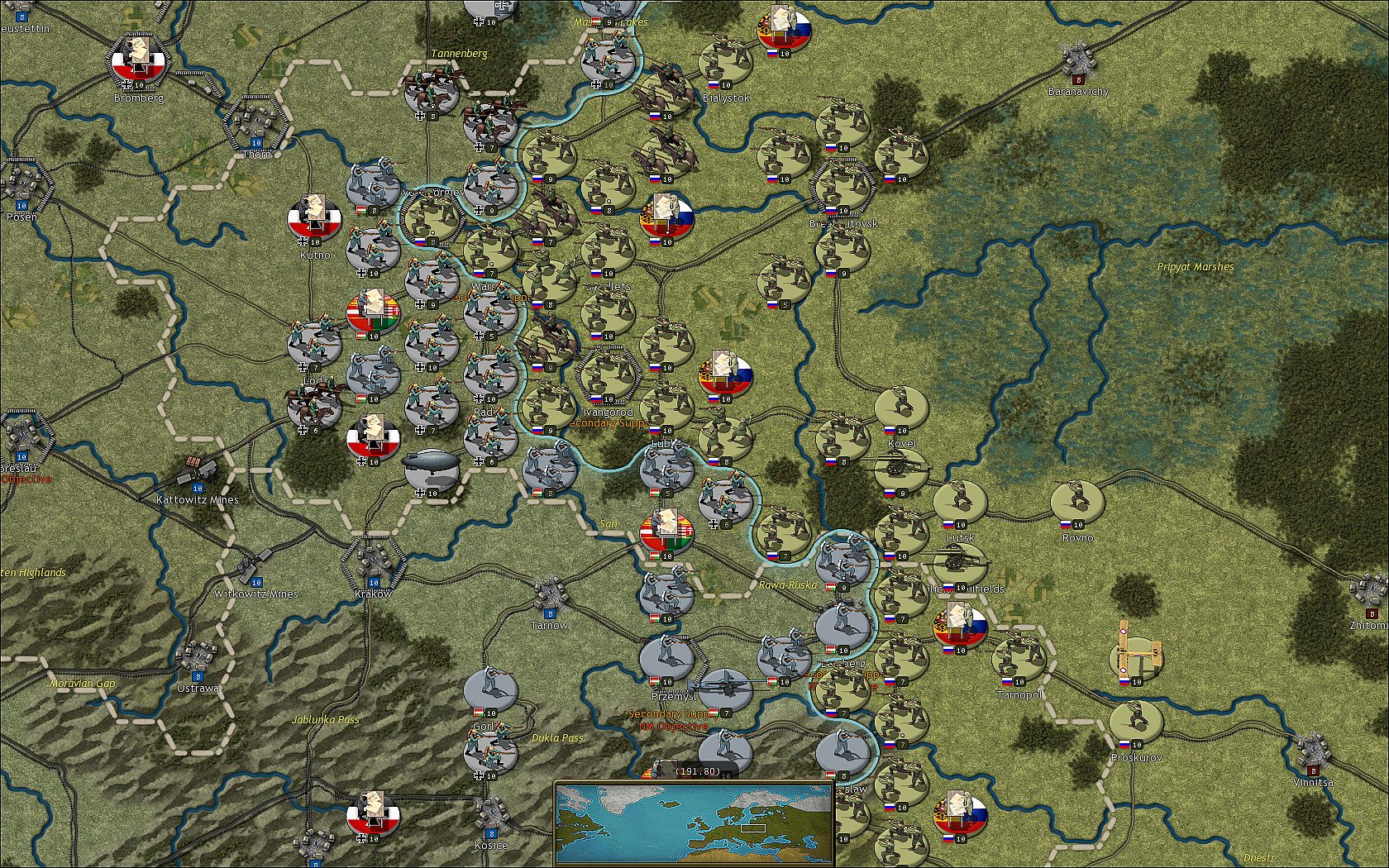
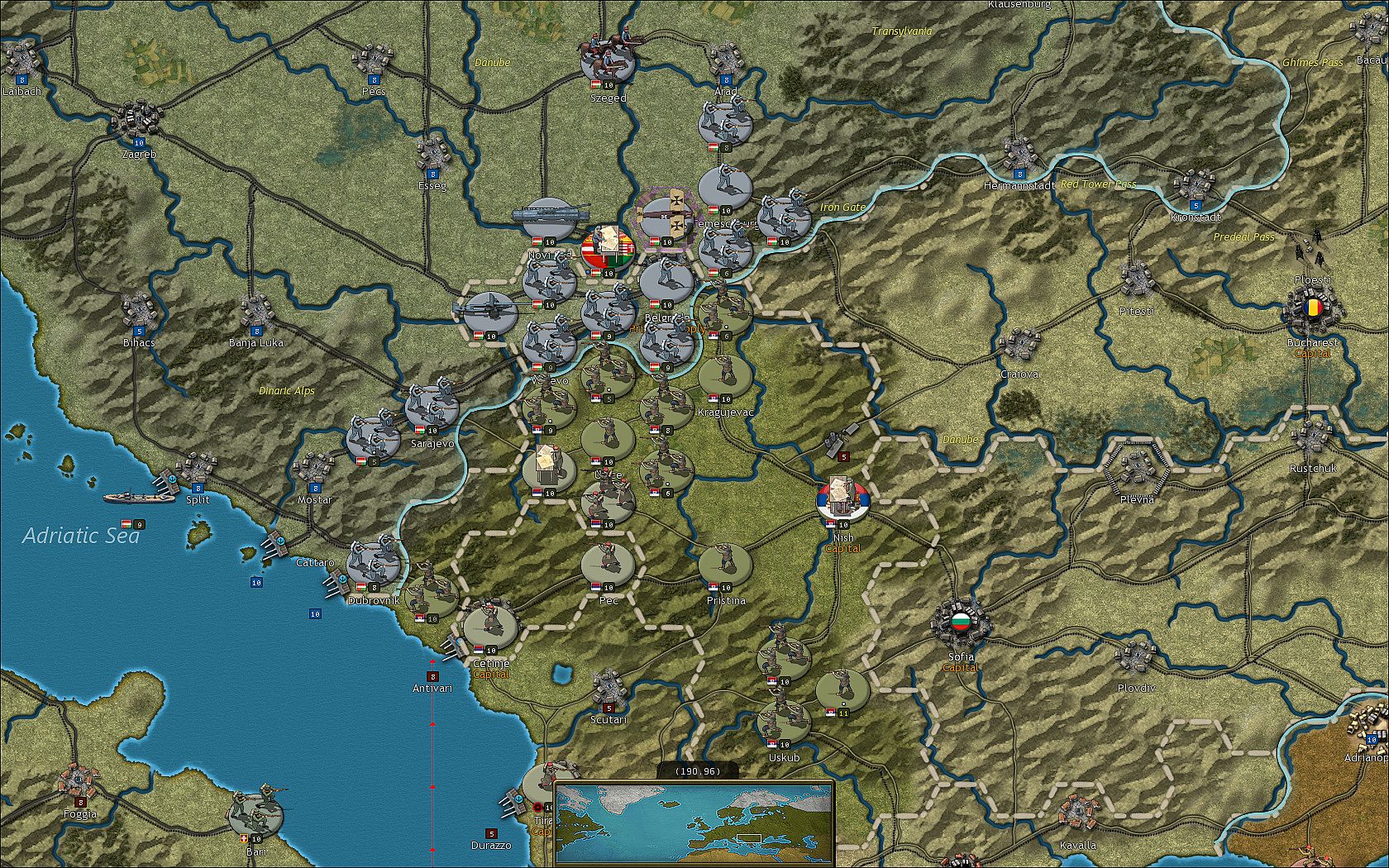
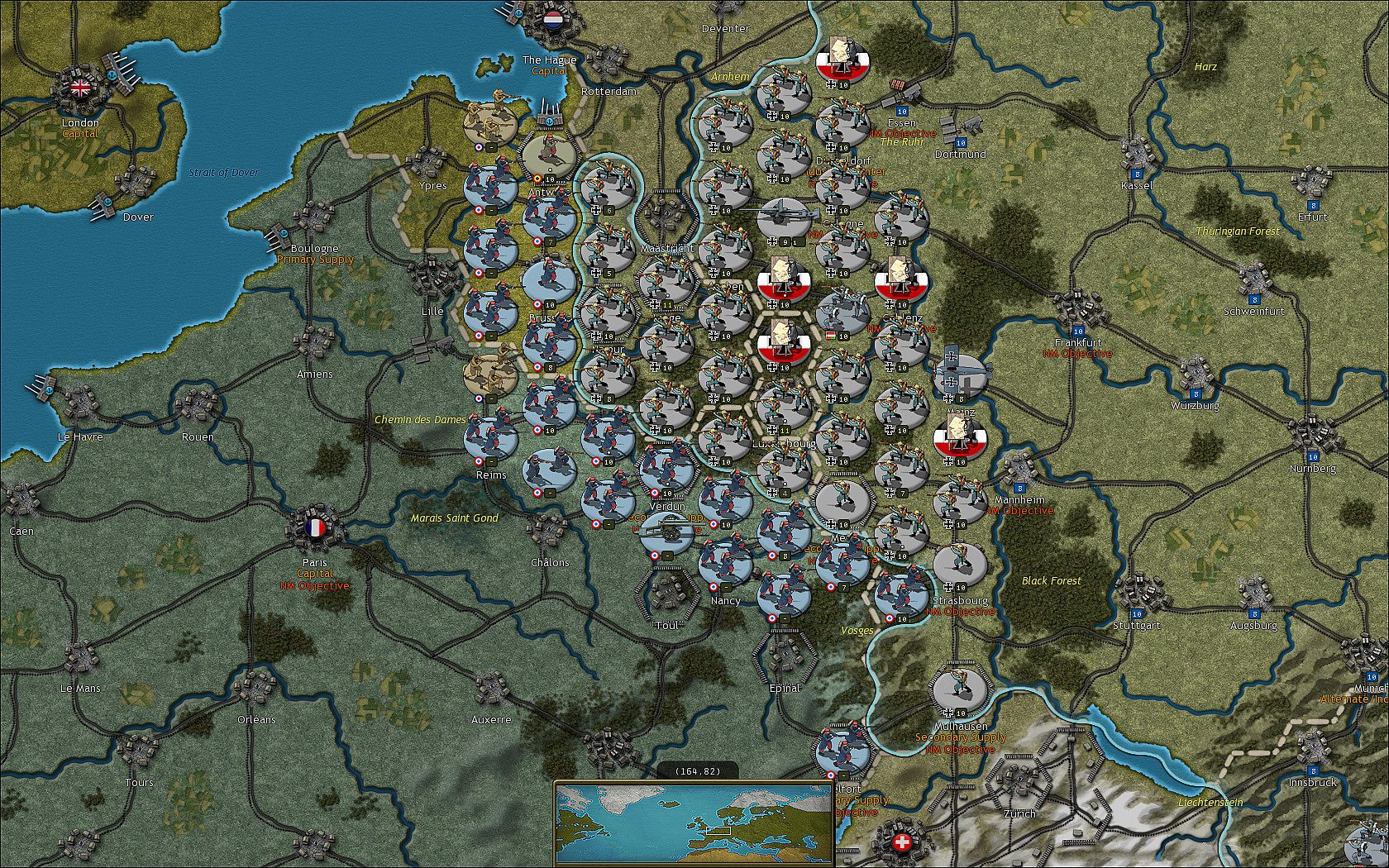
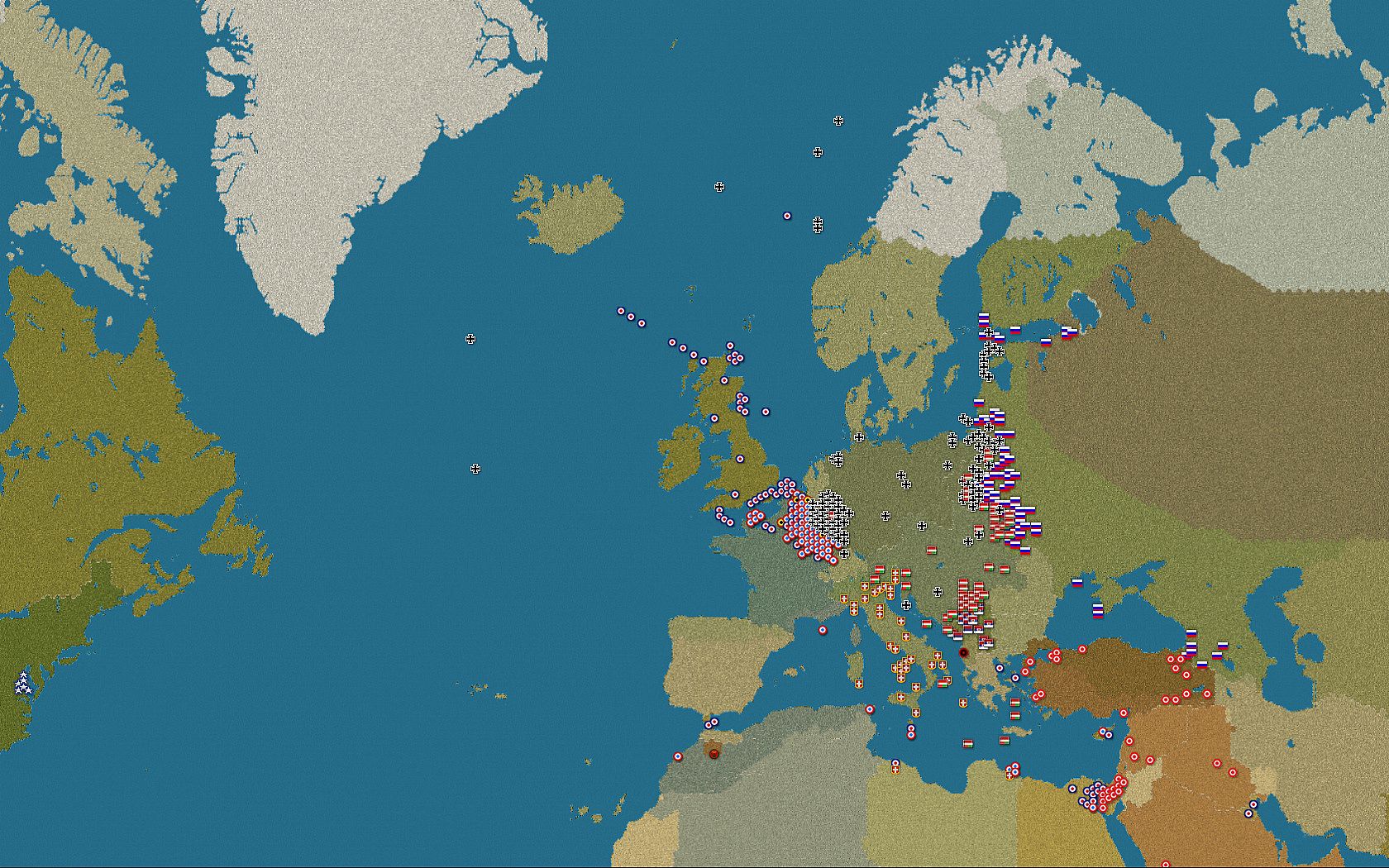
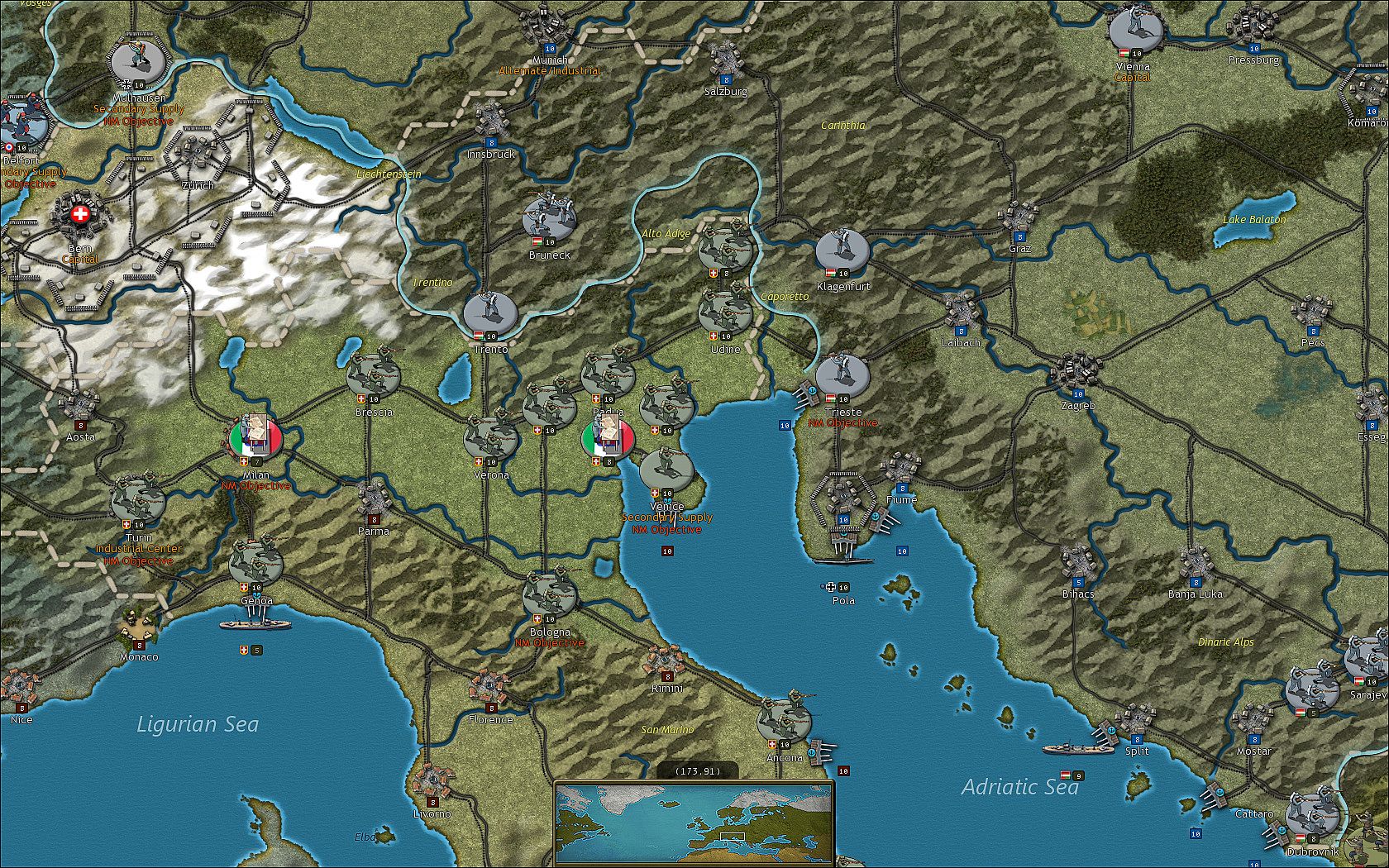
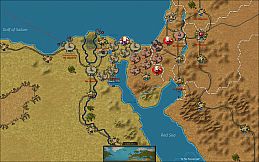
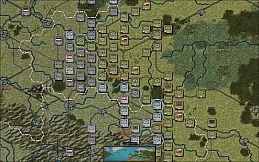
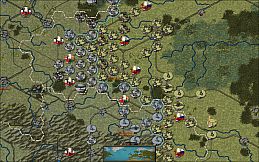
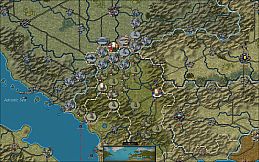
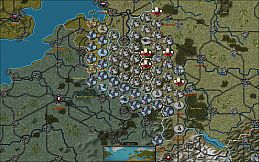
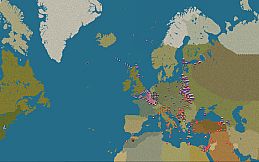
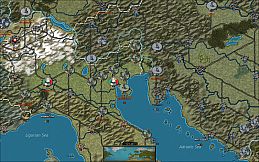
Strategic Command: World War I is a turn-based grand strategy game that places players in command of nations during the First World War. The title focuses on hex-based movement across a detailed map covering Europe, North Africa, the Middle East, and the Atlantic, with each hex representing roughly twenty miles. Players direct armies, navies, and emerging technologies from 1914 through the final offensives, balancing military operations with diplomatic efforts and technological research.
Gameplay
The core loop revolves around managing resources, positioning units, and responding to historical events on a large-scale map. Units can move across hexes and then entrench to improve defensive positions, with further improvements available through research into trench warfare doctrines. Naval units benefit from cruise mechanics for longer-distance travel and can lay mines to protect sea lanes or disrupt enemy shipping. Reconnaissance bombers provide spotting information that enhances artillery effectiveness against hidden targets.
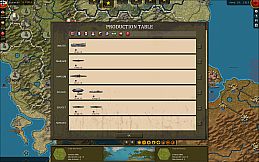
Technology development forms a key pillar. Players allocate research toward new weapons and tactics, including tanks, aircraft, submarines, and aircraft carriers. These advancements alter combat effectiveness and open fresh strategic options. Diplomacy allows nations to influence neutral countries or undermine enemy resolve, while political decisions can trigger events such as revolutions or alliances. Enhanced fog of war limits visibility to unit spotting ranges, forcing careful planning and reconnaissance.
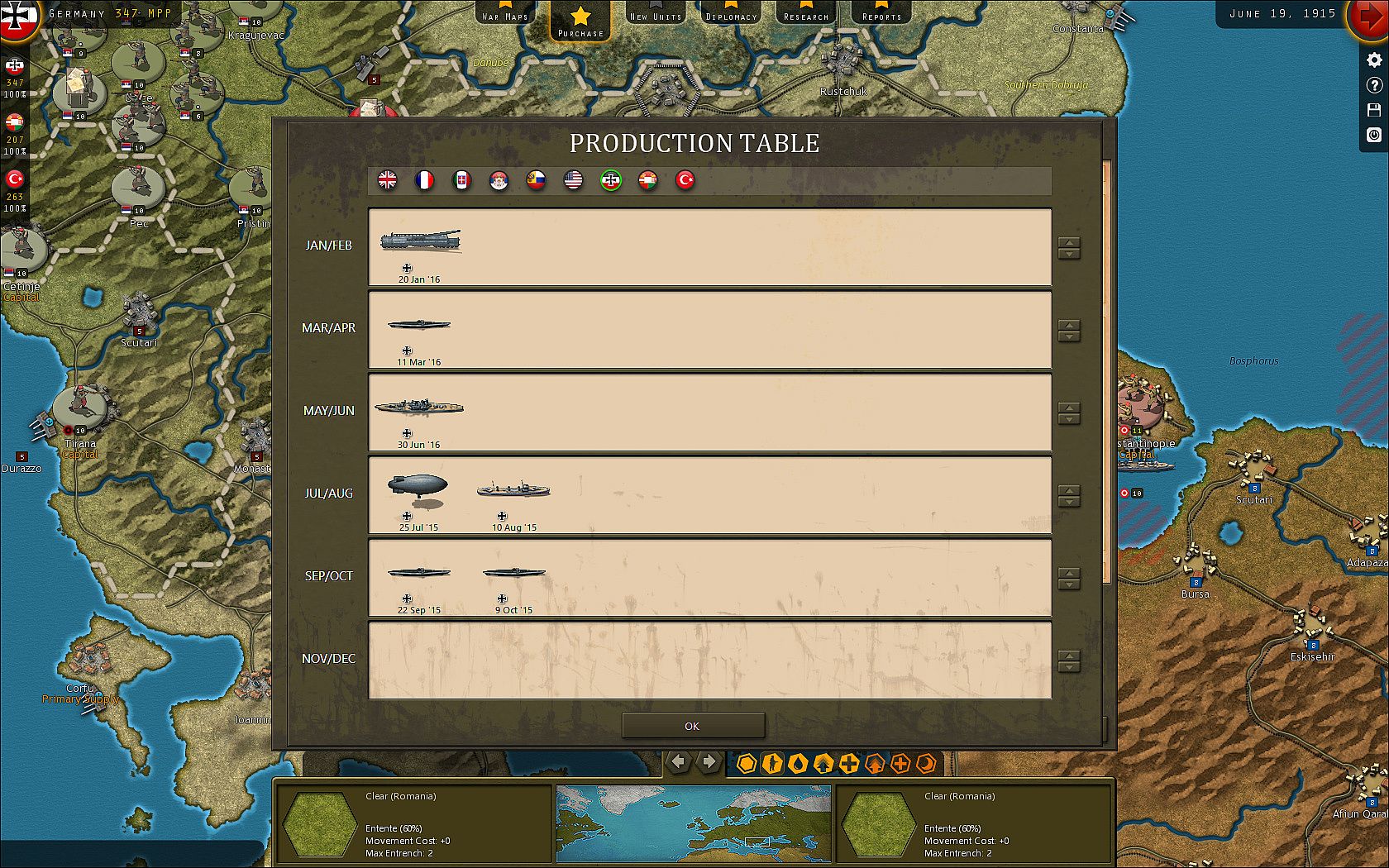
Dynamic movement lets commanders deselect and reselect units that still have action points remaining, streamlining multi-step maneuvers. Naval reinforcement occurs in stages rather than instantly, reflecting the logistical realities of the era. Commanders gain experience and improved abilities through doctrine research, which also boosts unit performance and technology deployment speed.
Game Modes
Single-player campaigns form the primary experience, with several scenarios available that cover different starting points and alternate histories. The flagship campaign pits the Entente powers of France, Italy, Russia, Serbia, the United Kingdom, and the United States against the Central Powers of Germany, Austria-Hungary, and the Ottoman Empire. Additional nations such as Belgium, Greece, Portugal, Romania, and various British Empire forces often join one side or the other depending on events.
Players can assign friendly major powers to AI control at any time and adjust these settings mid-campaign. Side switching is also supported, allowing experimentation with opposing strategies. Multiplayer occurs through a dedicated PBEM++ server that includes a challenge lobby for finding opponents and seamless turn exchange during games.
Three core campaigns anchor the single-player content: 1914 Call to Arms, 1914 Triple Alliance where Italy begins aligned with the Central Powers, and 1917 Fate of Nations. Further scenarios include 1914 March on Paris and 1918 Ludendorff Offensive, each presenting distinct strategic challenges and victory conditions tied to territorial control, resource denial, and political stability.
Units and Mechanics
New unit types expand tactical variety beyond standard infantry and armor. ANZAC forces, colonial corps, and mountain corps bring specialized capabilities suited to particular theaters. Ground attack aircraft join reconnaissance bombers in supporting ground operations. All units operate under the same movement and entrenchment rules, encouraging layered defenses along static fronts while allowing breakthroughs once sufficient force and technology accumulate.
Naval warfare emphasizes area denial through mines and the overhaul of unrestricted submarine warfare mechanics. Artillery benefits directly from aerial spotting, creating combined-arms opportunities that mirror historical developments. The system rewards players who integrate research, positioning, and diplomacy rather than relying solely on brute force.
Is It Worth Playing?
Strategic Command: World War I receives consistent praise from players who enjoy deliberate, historically grounded strategy experiences. Reviews highlight its ability to convey the grinding nature of the conflict while still offering meaningful choices in technology, alliances, and operational planning. The title suits those seeking a grand strategy wargame that balances accessibility with depth, particularly fans of hex-based systems who appreciate the period's unique constraints on mobility and logistics.
Support continues through patches that refine balance and add scenario options. The game remains available for single-player campaigns and PBEM multiplayer, with no requirement for additional purchases to access the core content. It appeals most to players comfortable with turn-based pacing and long-term planning rather than fast-paced action. Those interested in the First World War at the strategic level will find substantial replay value across the varied campaigns and the ability to test alternate outcomes such as an early German advance through Belgium or a successful naval blockade.