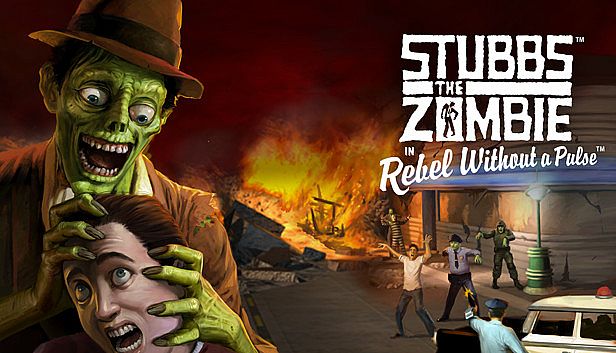






















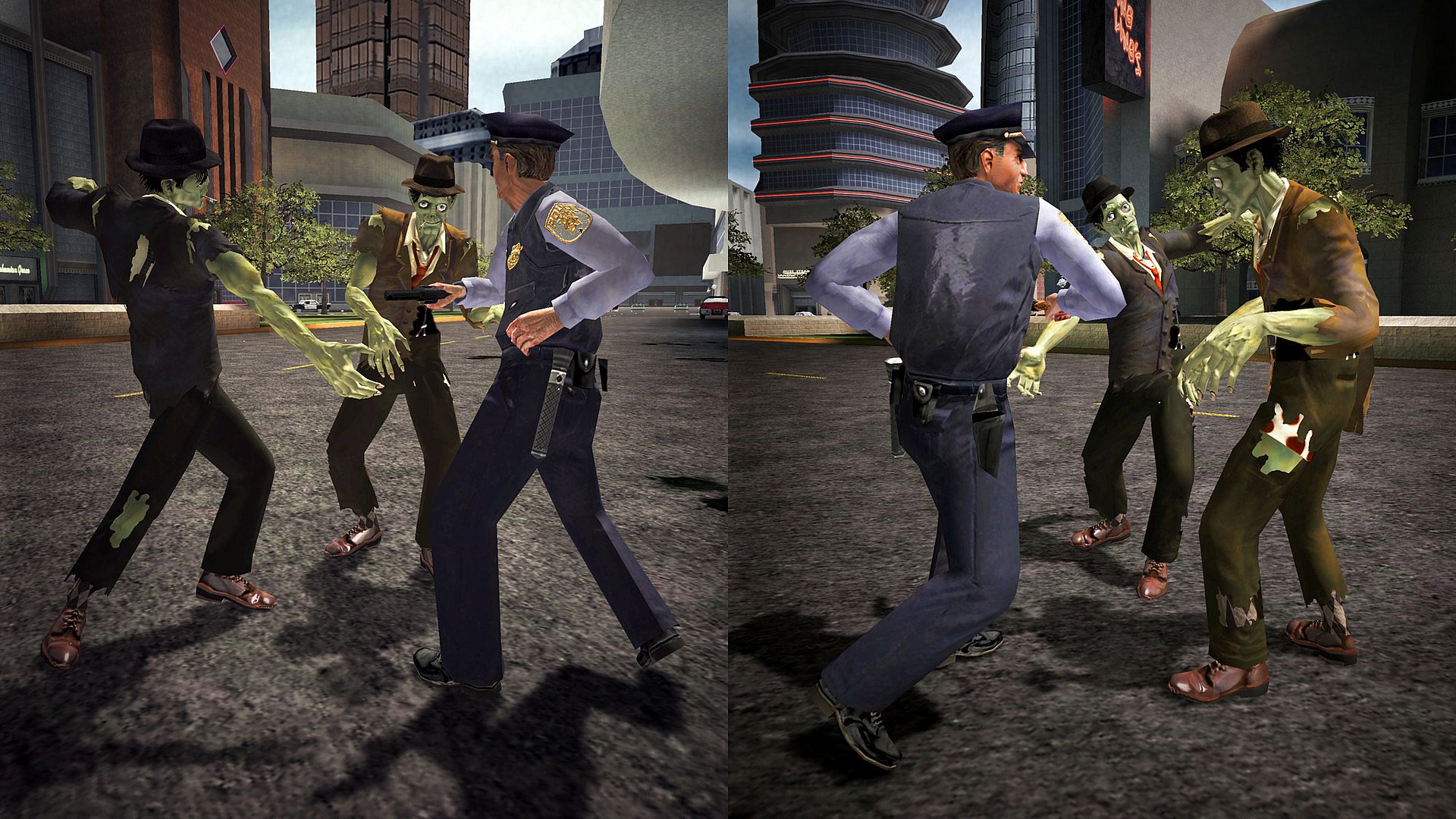
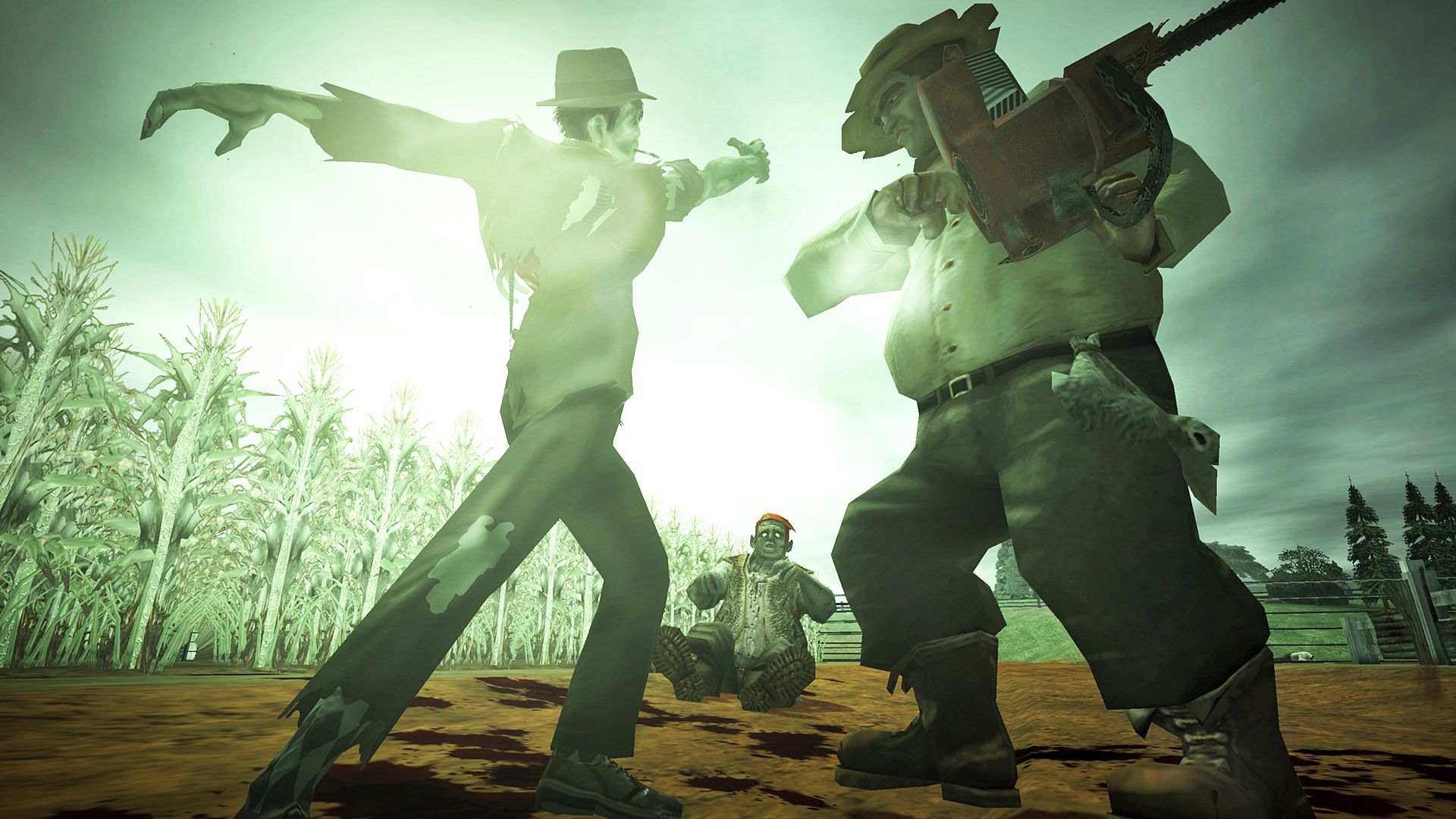
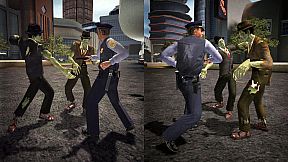

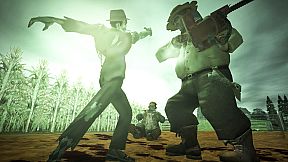
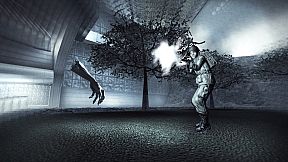
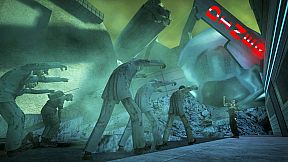
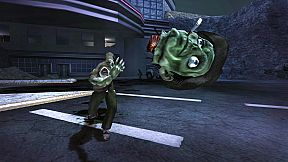
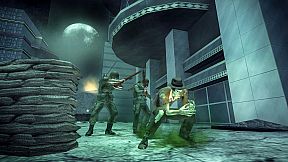
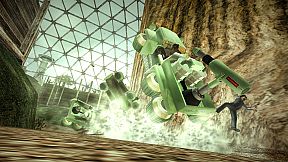
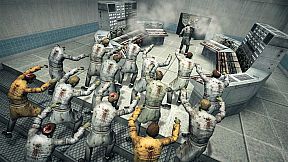
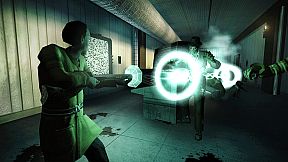
Stubbs the Zombie in Rebel Without a Pulse is an action game that places players in control of a reanimated corpse named Stubbs as he tears through the idealized city of Punchbowl, Pennsylvania, in 1959. The experience centers on turning the tables on the living population through direct combat, resource management, and the creation of undead allies. Set against a backdrop of mid-century optimism and advanced technology, the title emphasizes physical confrontations, improvised weapons drawn from the zombie body itself, and the gradual conversion of enemies into followers.
Gameplay
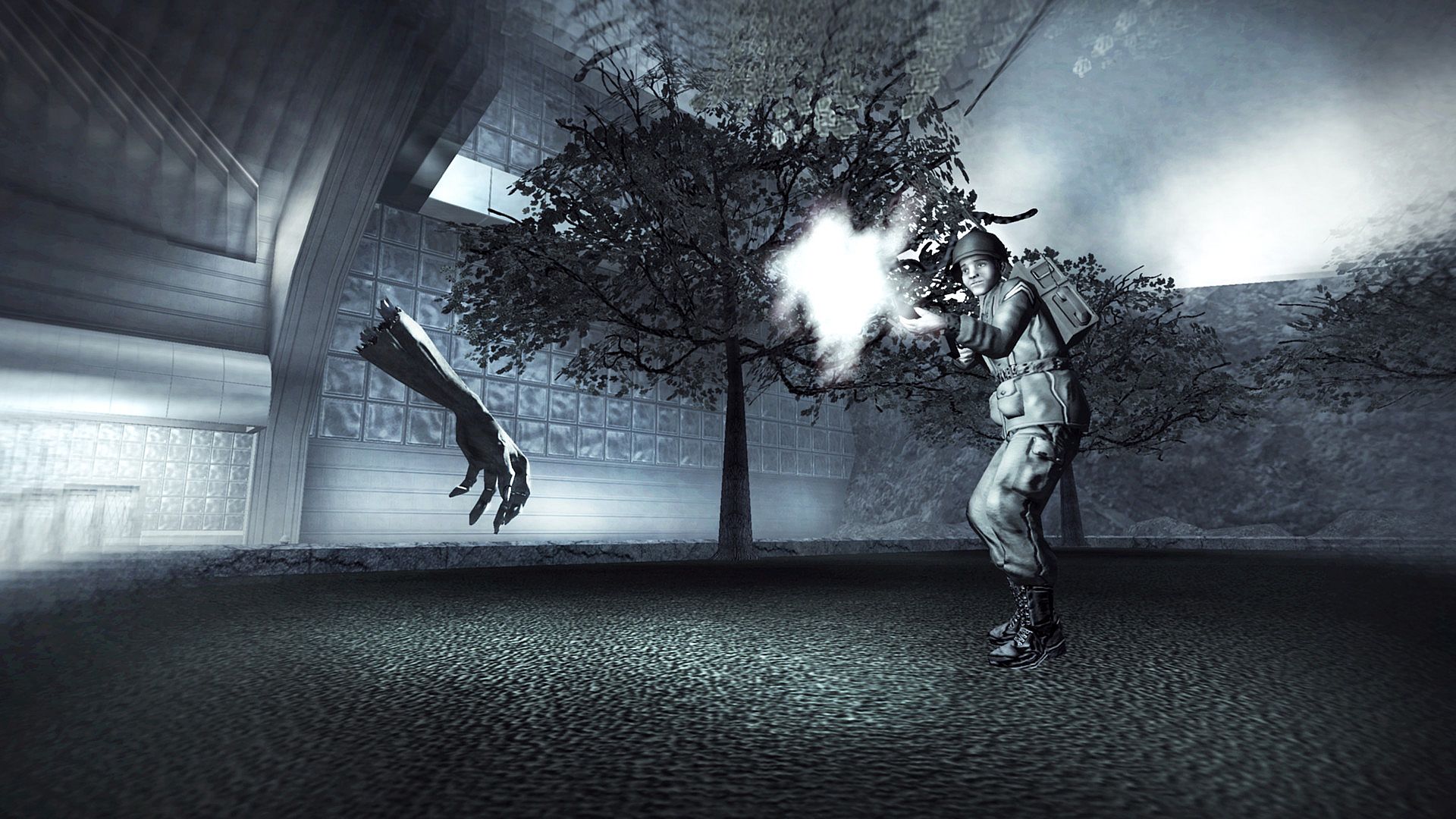
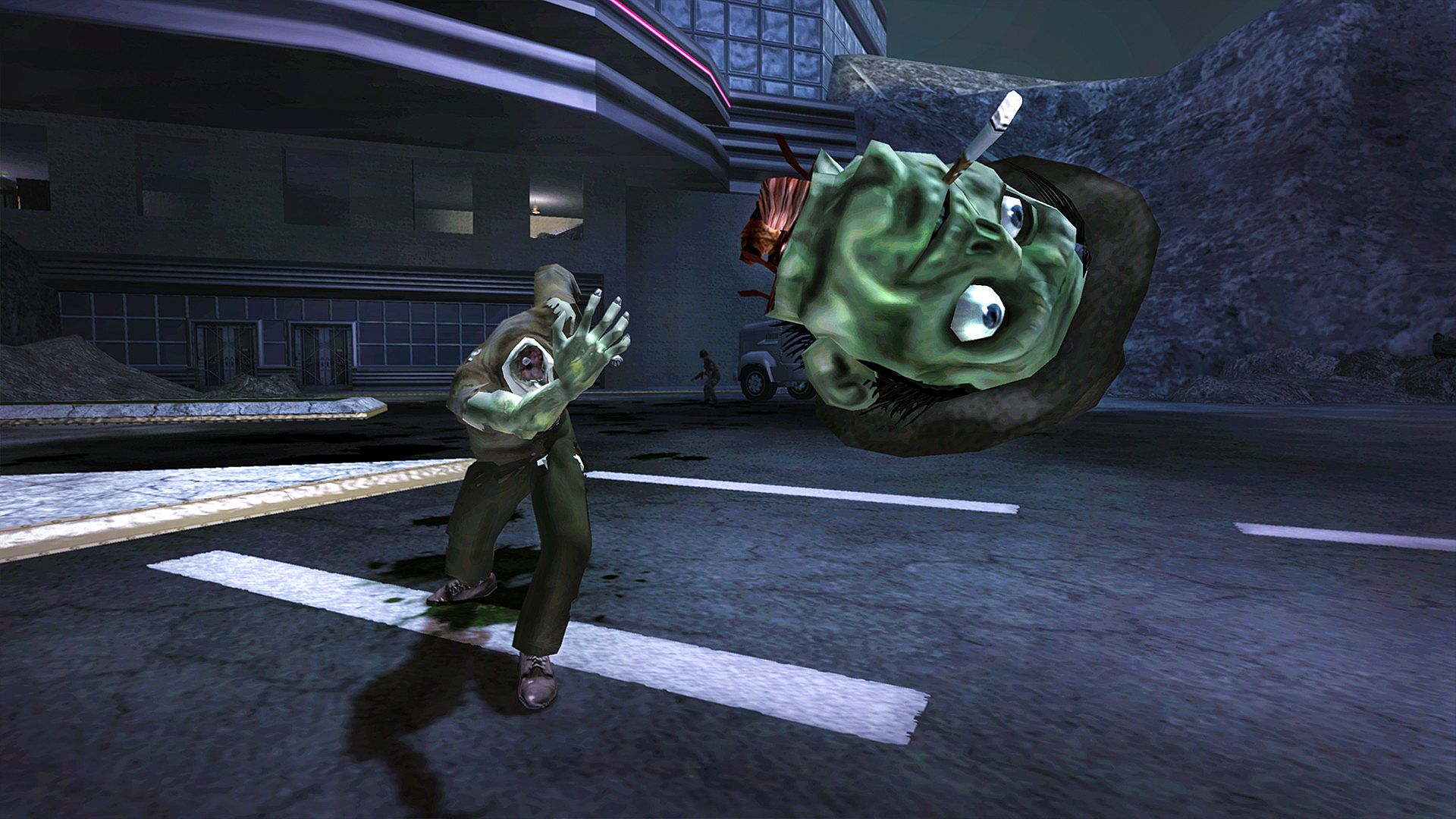
Core play revolves around close-quarters engagements where Stubbs consumes brains to restore health and unlock abilities. Eating restores vitality while also powering a set of bodily weapons that include projectile sputum, explosive gut grenades, and a powerful flatulence blast capable of stunning groups. These tools encourage aggressive positioning and timing, as each ability draws from the same limited pool replenished only through feeding.
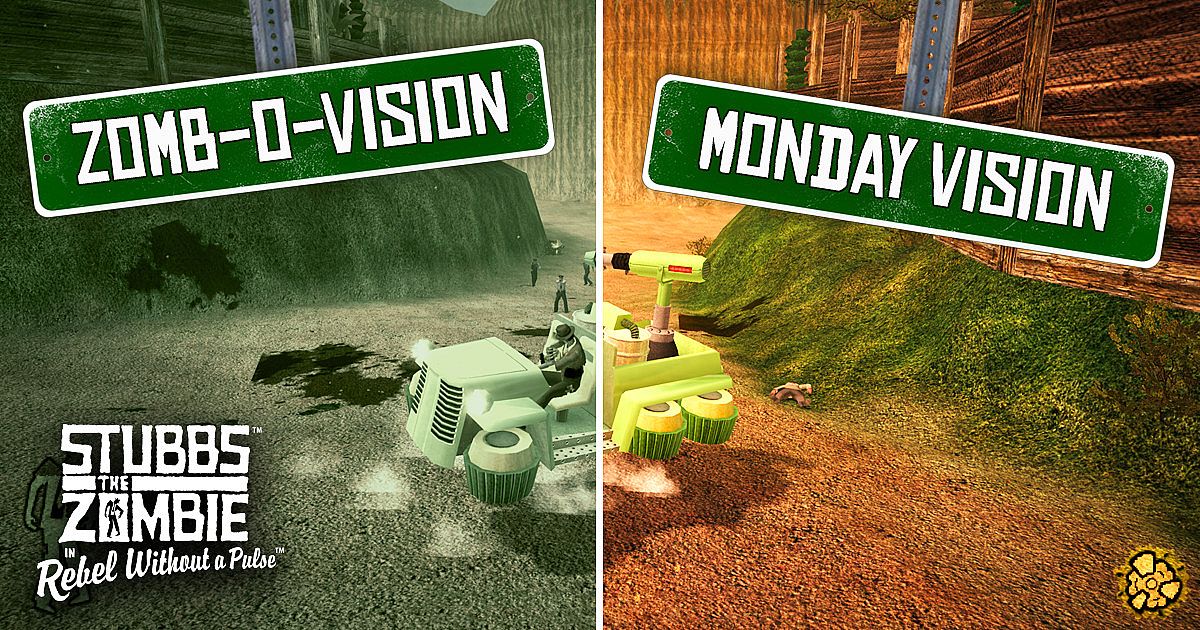
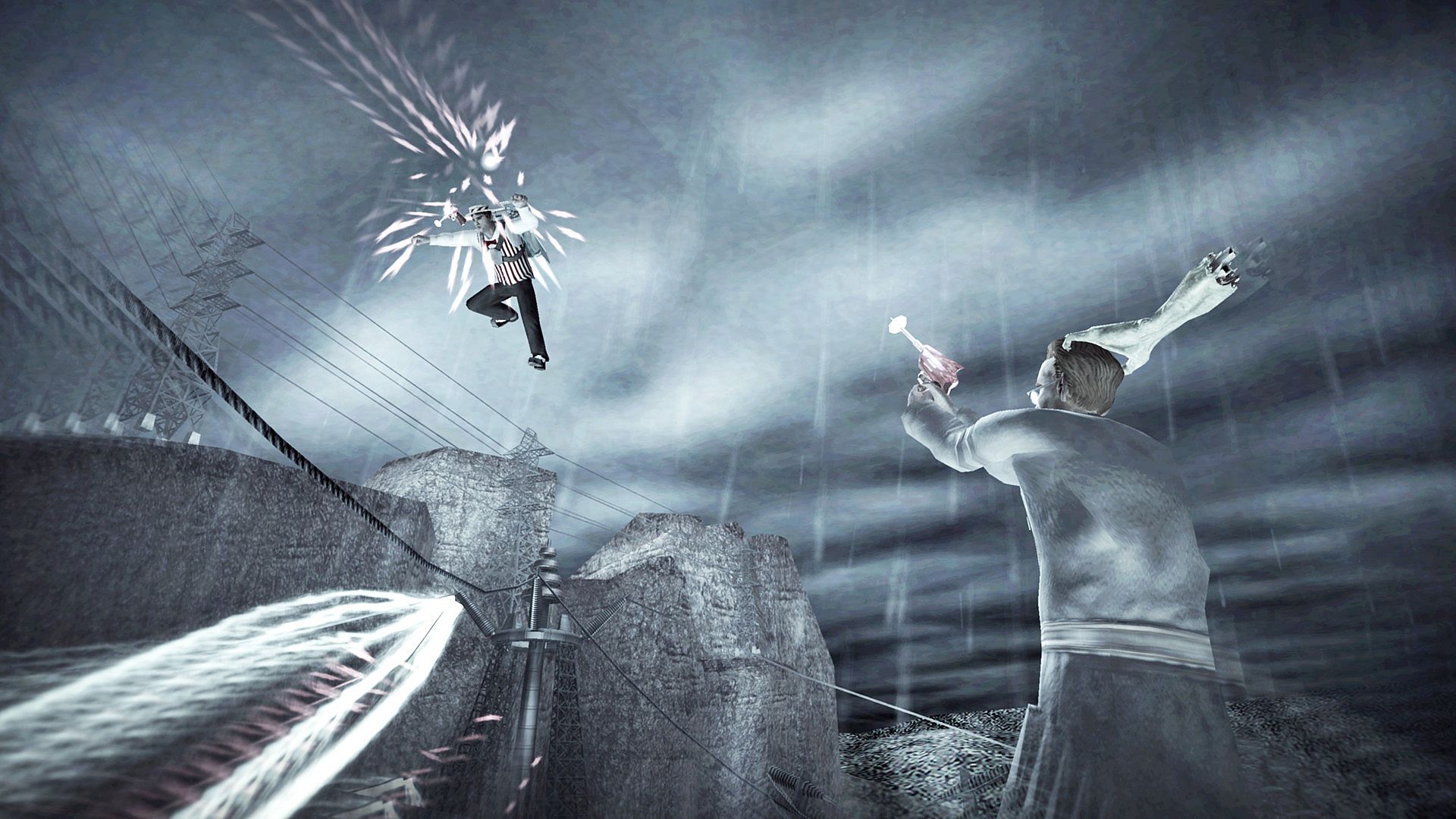
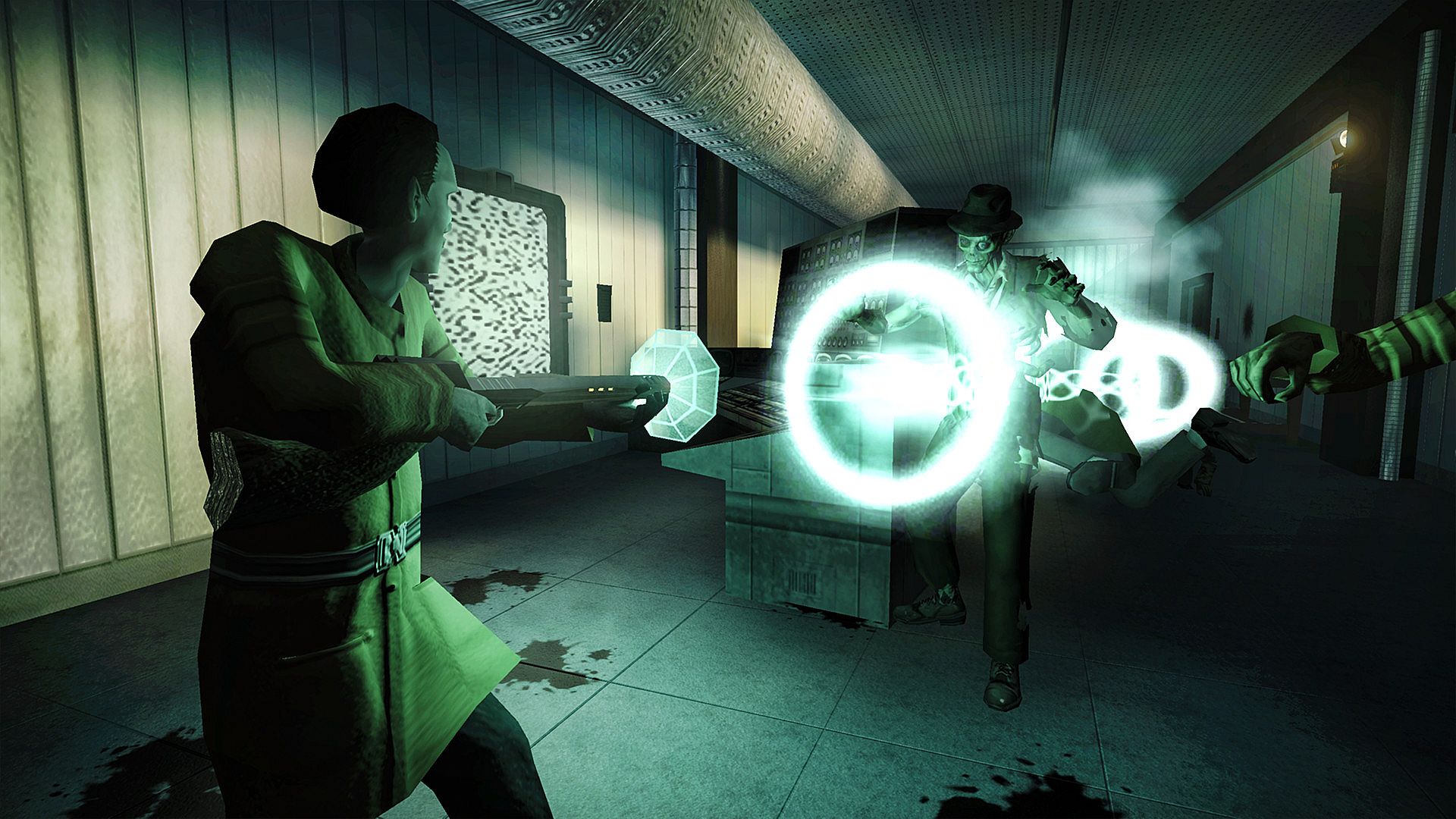
Possession adds another layer. Players detach Stubbs' hand and attach it to living targets, temporarily taking control of their bodies and weapons, including futuristic ray guns. This mechanic allows infiltration of defended areas or the elimination of threats from within enemy ranks before the hand returns or the host is discarded.
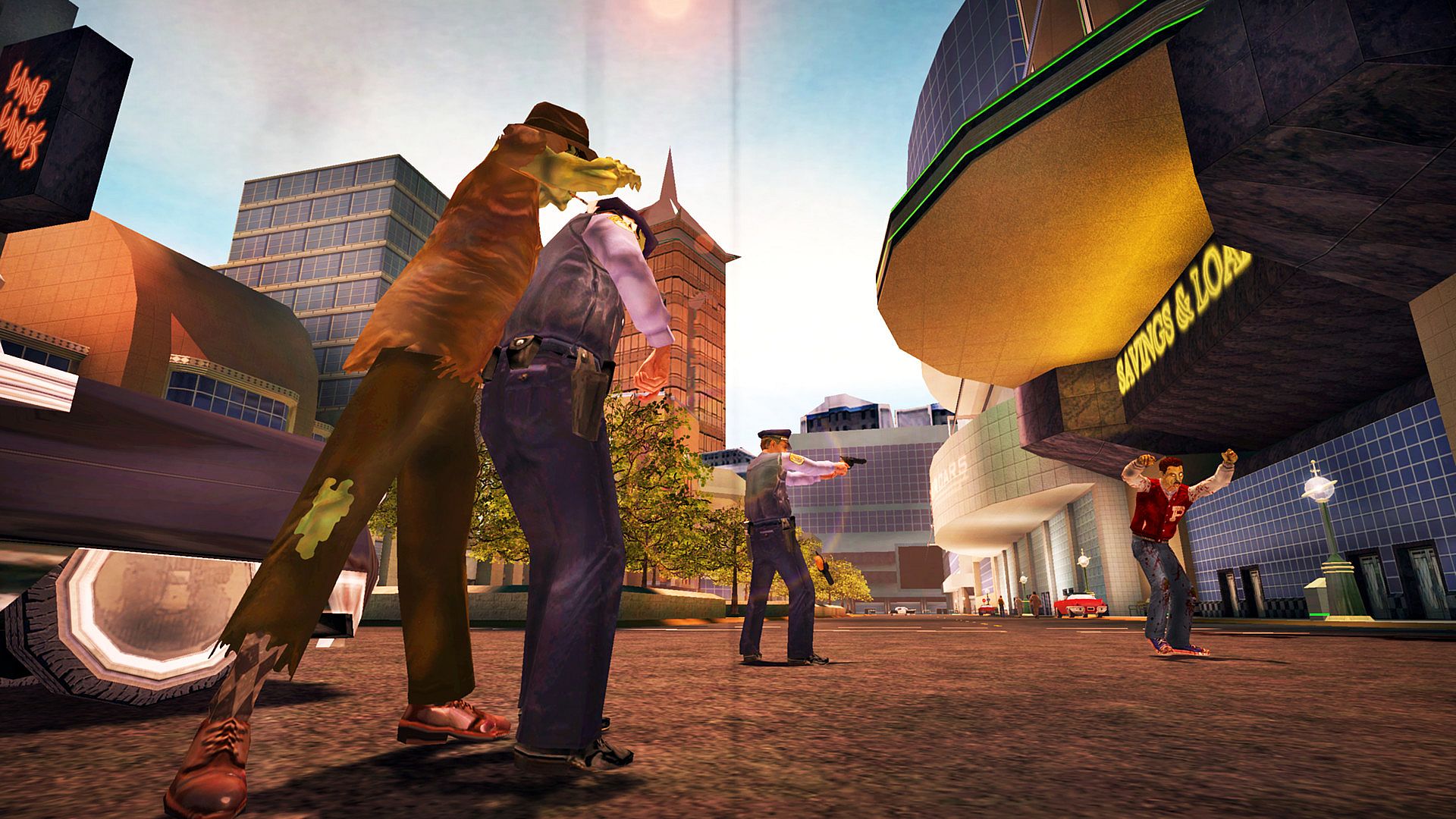
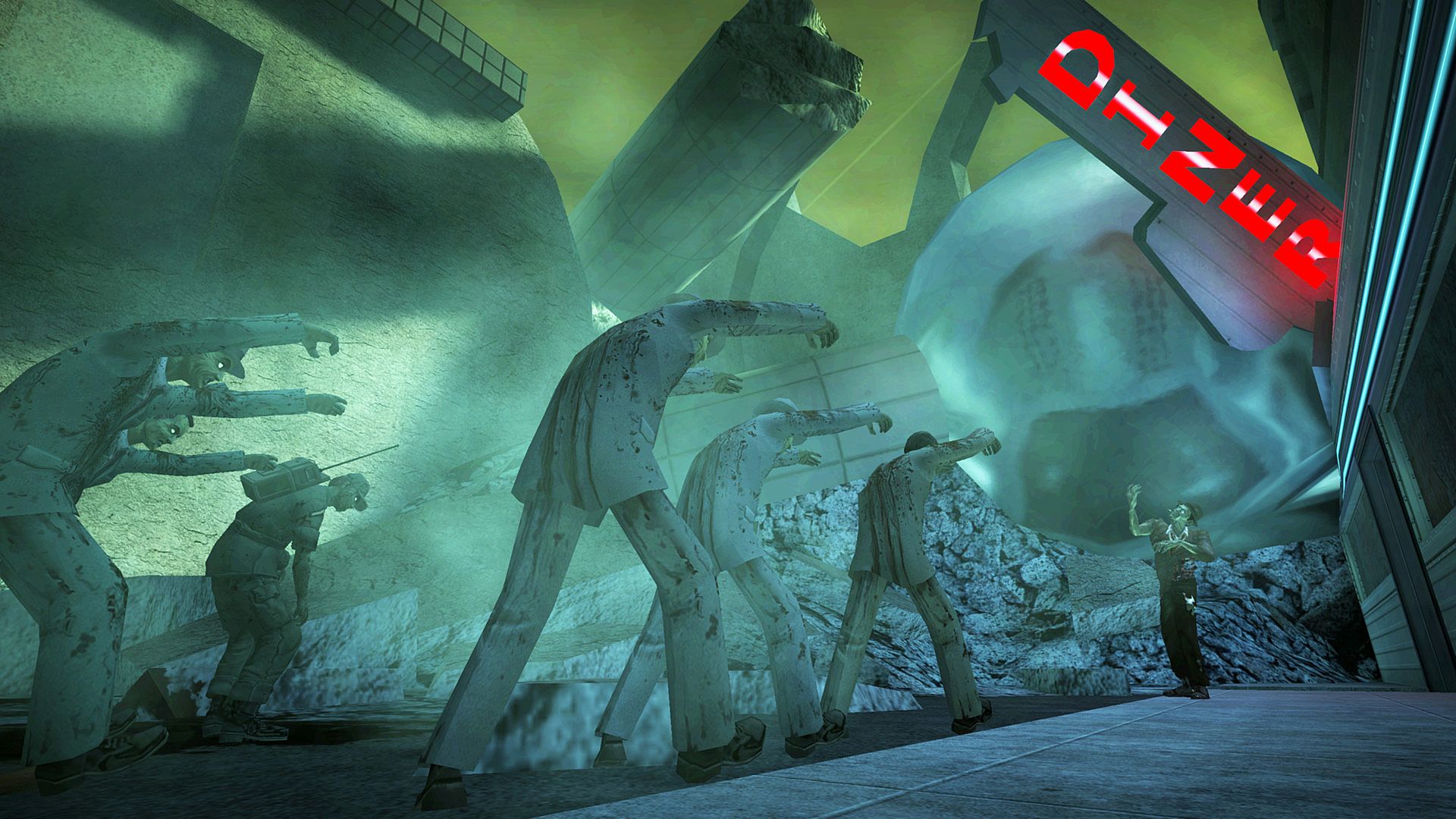
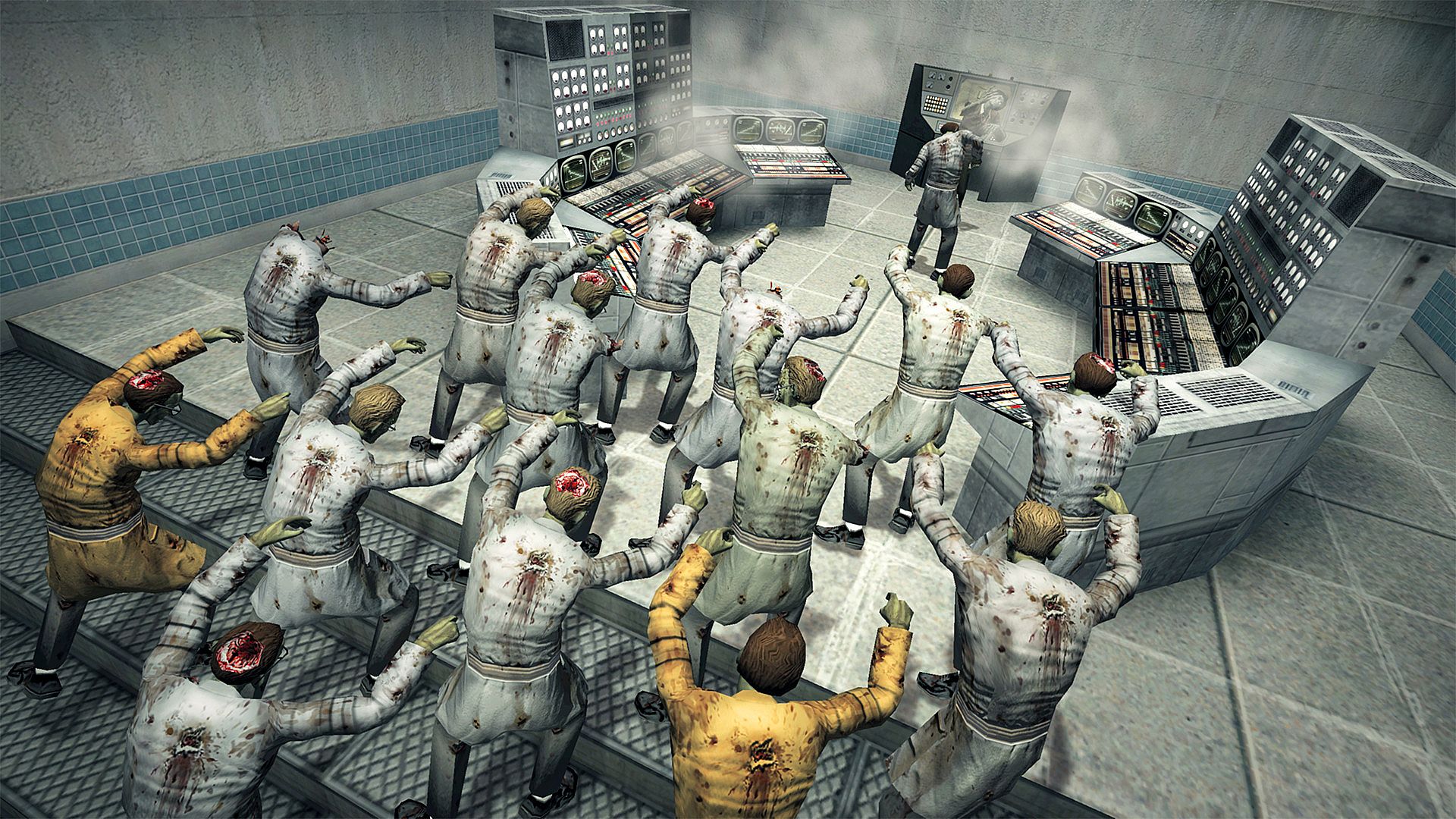
Converting the living expands the player's forces. Defeated enemies rise as part of a growing horde that follows and assists in later fights. Directing this group creates opportunities for coordinated assaults on fortified positions or larger enemy clusters, shifting the focus from solo survival to leading an expanding undead army through the city's streets and buildings.
Game Modes
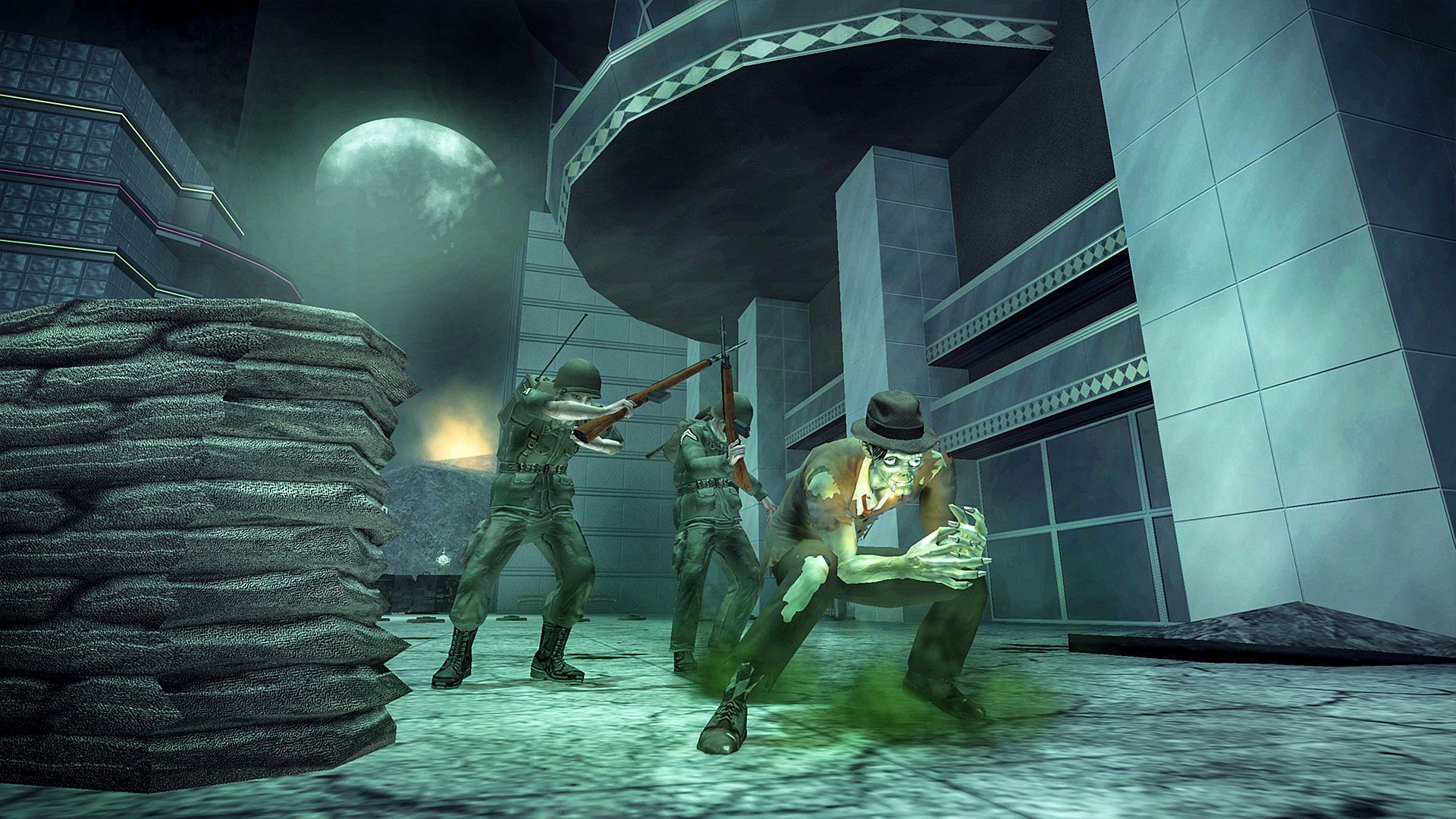
The primary experience unfolds in a linear single-player campaign that follows Stubbs' path of revenge across multiple districts of Punchbowl. Progression involves clearing objectives, navigating environmental hazards, and using the horde to overcome resistance from police, civilians, and security forces equipped with period-appropriate and advanced weaponry.
Local cooperative play supports a second participant controlling Grubbs, a companion zombie. Both characters share the same core abilities but operate simultaneously on the same screen, enabling combined attacks and shared horde management during key sequences. This mode preserves the same combat loop while introducing opportunities for teamwork in tighter spaces or against tougher concentrations of enemies.
The Retro-Futuristic Setting
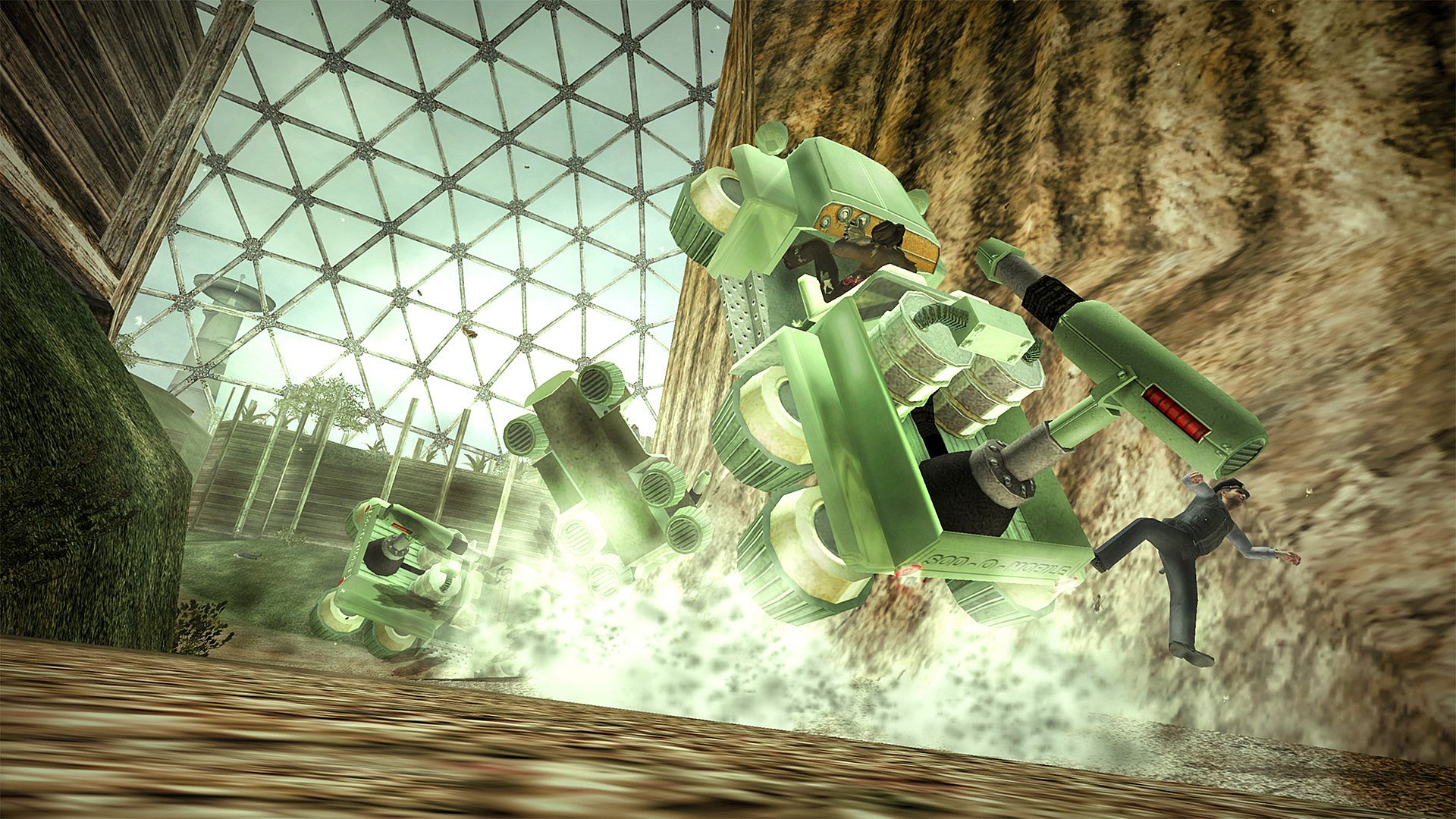
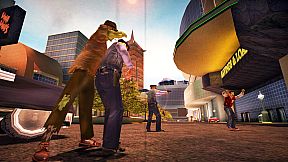
Punchbowl represents a stylized vision of 1950s America infused with science-fiction elements such as ray guns, hovering vehicles, and gleaming architecture. Missions take players through barbershops, diners, laboratories, and public spaces where the contrast between wholesome surface appearances and underlying violence drives much of the humor and tone. Environmental details reinforce the era while providing verticality and cover for both ranged and melee approaches.
Sound design and visual style lean into exaggerated gore and slapstick, with each brain consumption or ability activation accompanied by distinctive audio cues. The city layout encourages exploration of side paths that yield additional brains or conversion opportunities before major confrontations.
Is It Worth Playing?
The game delivers a focused, self-contained action experience built around its central zombie fantasy. Players who appreciate direct, visceral combat paired with light strategy in horde direction will find consistent engagement across the campaign length. The local co-op option extends replay value for those with access to split-screen setups, allowing shared sessions without online requirements.
Re-releases have kept the title accessible on modern PC hardware, preserving the original mechanics and presentation. Those seeking a straightforward, humorous action title with unconventional weapons and progression through enemy conversion will likely enjoy the loop. The absence of ongoing seasonal content or live-service elements means the package remains exactly as originally designed, appealing to players who prefer complete, offline-friendly experiences over constantly updated titles.