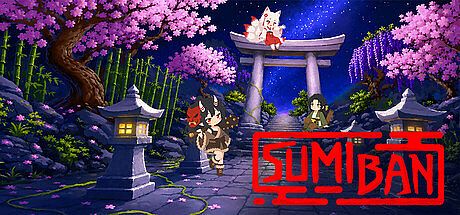


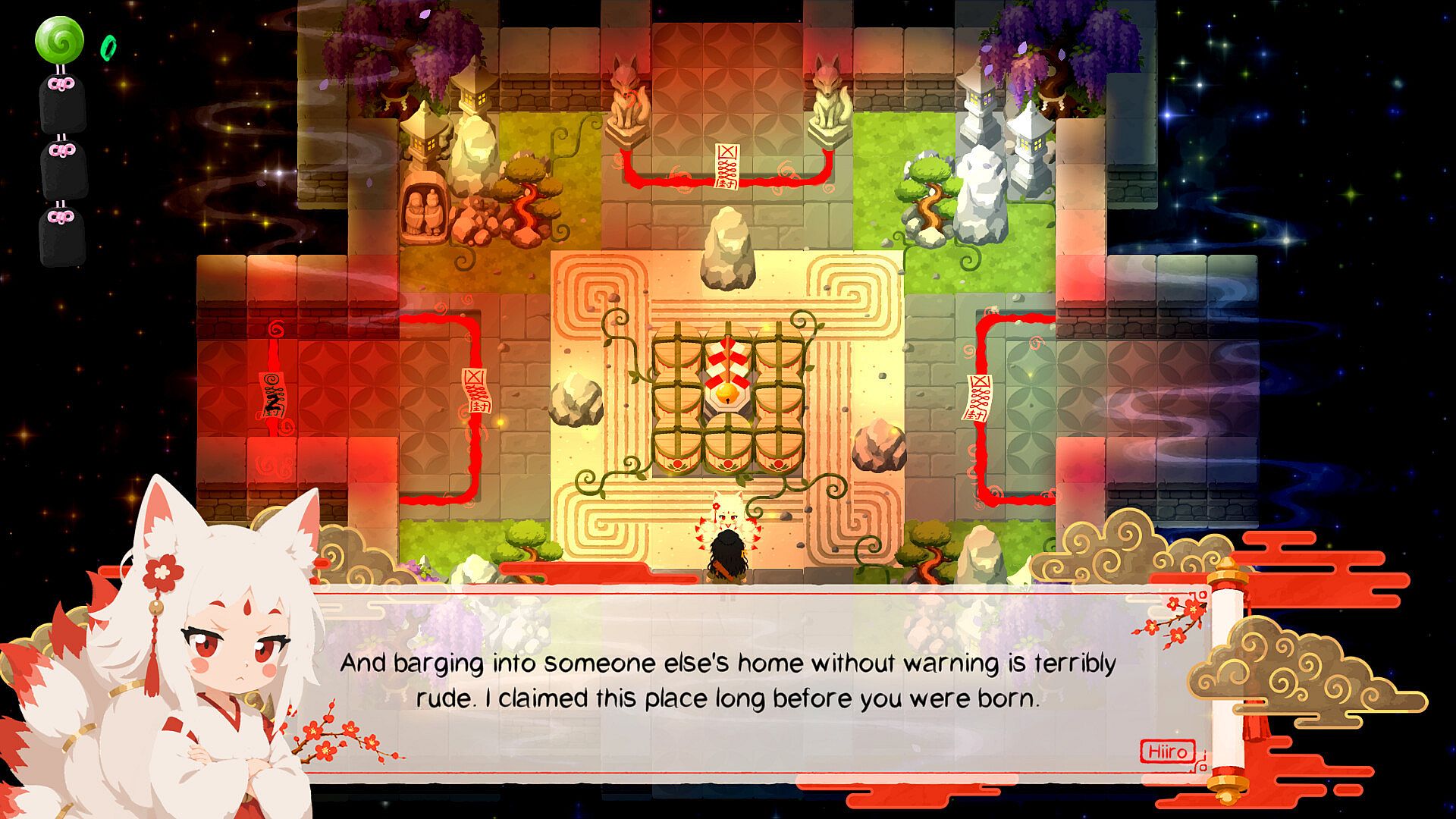
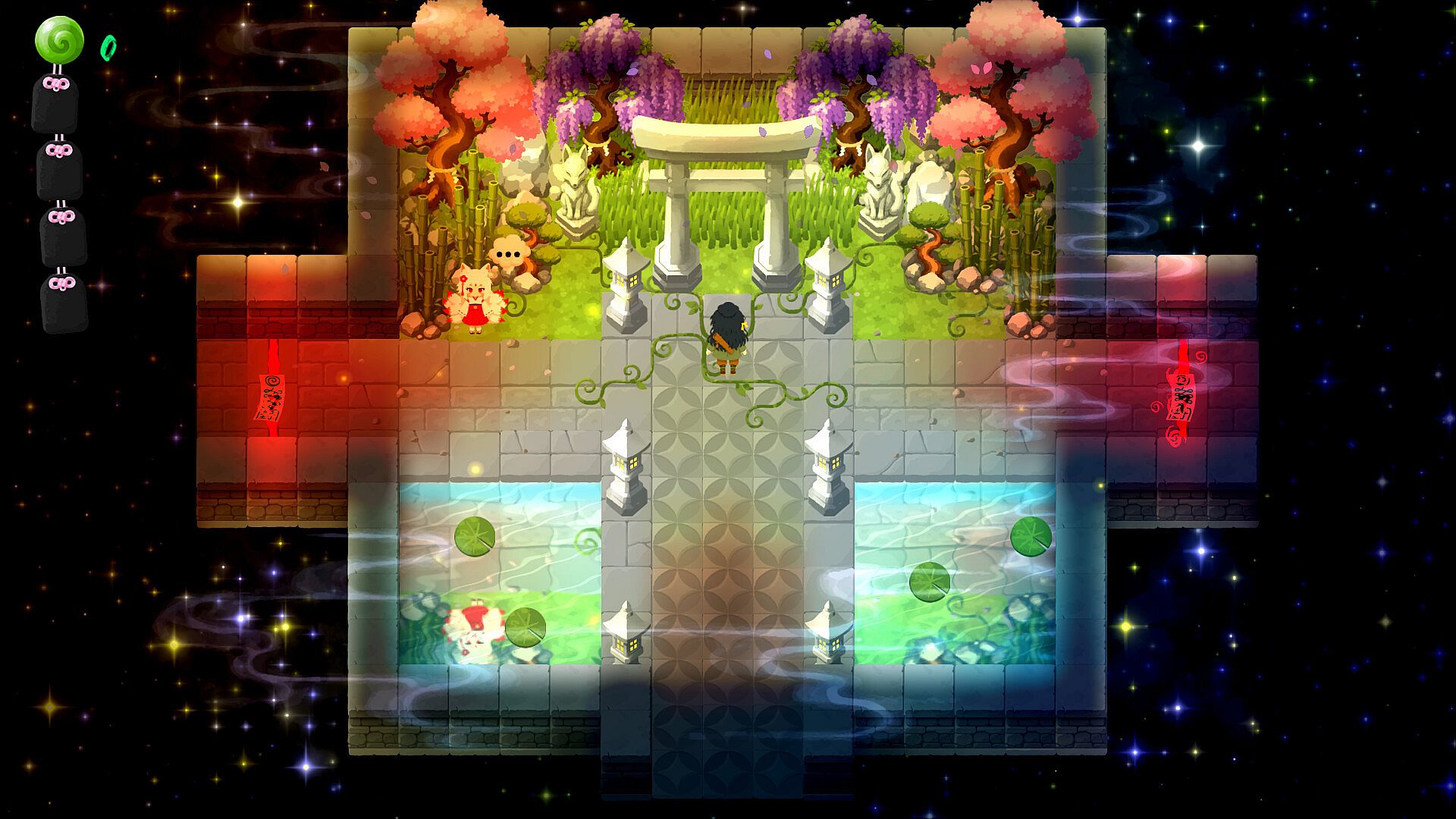
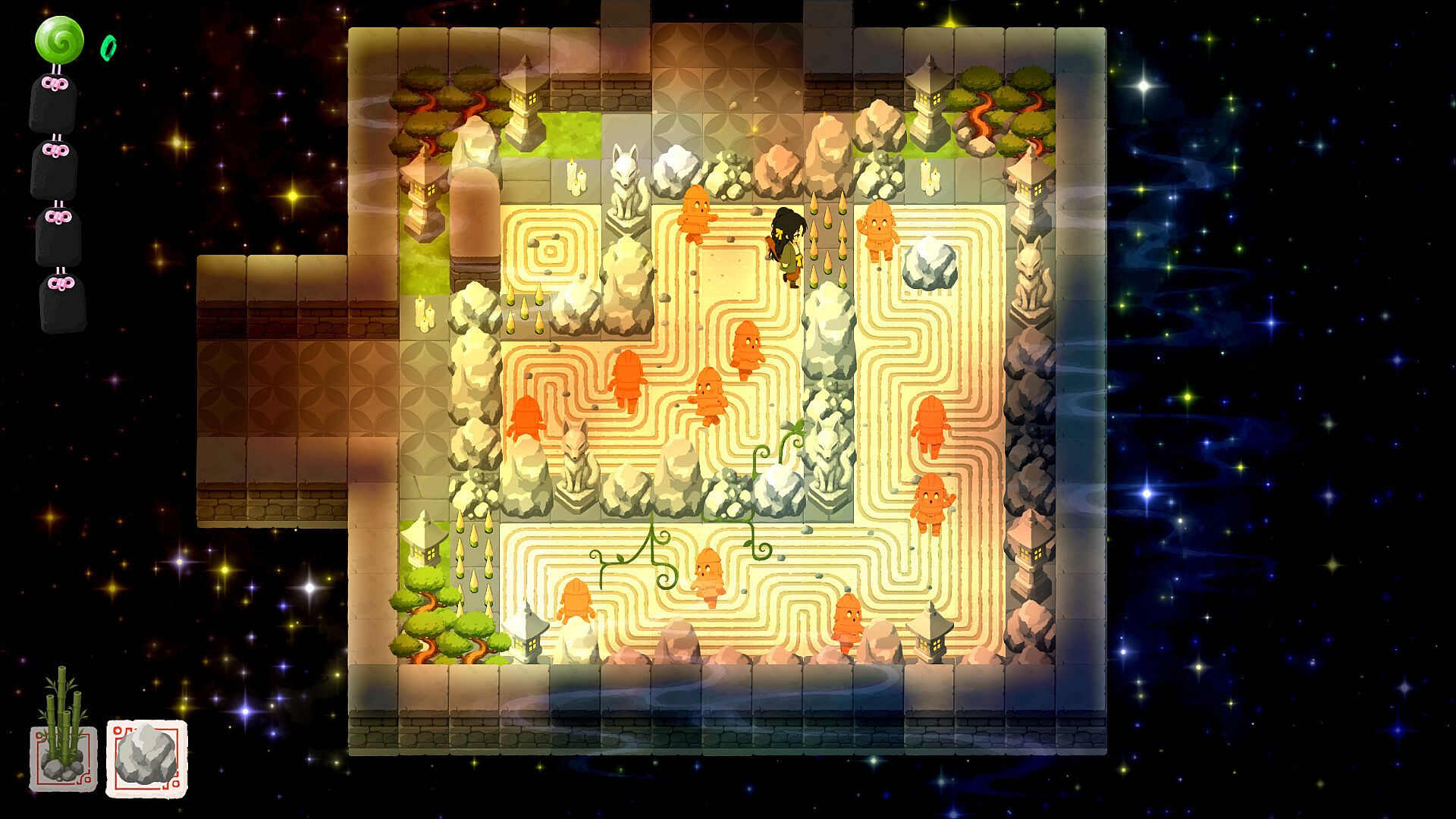
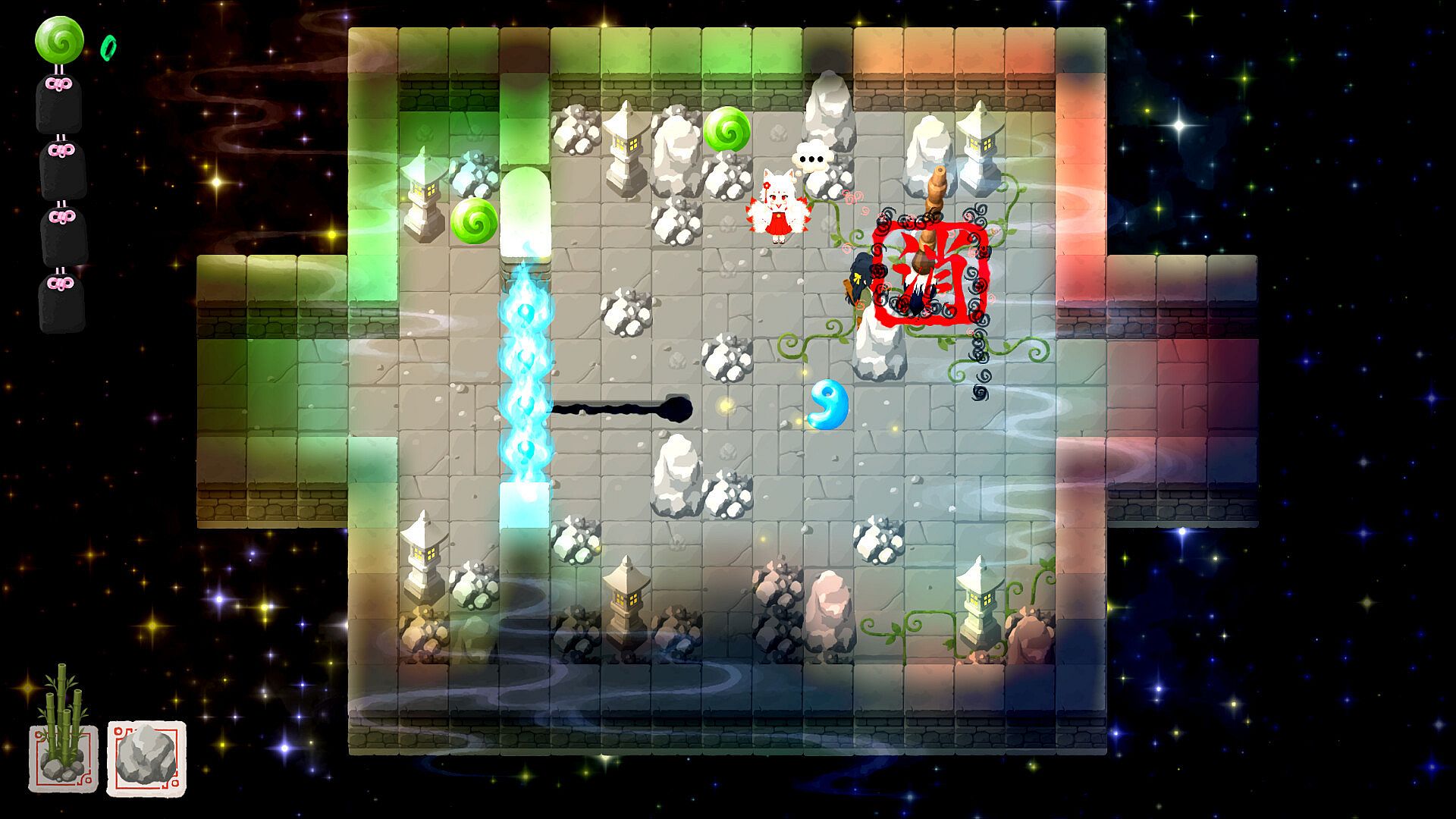
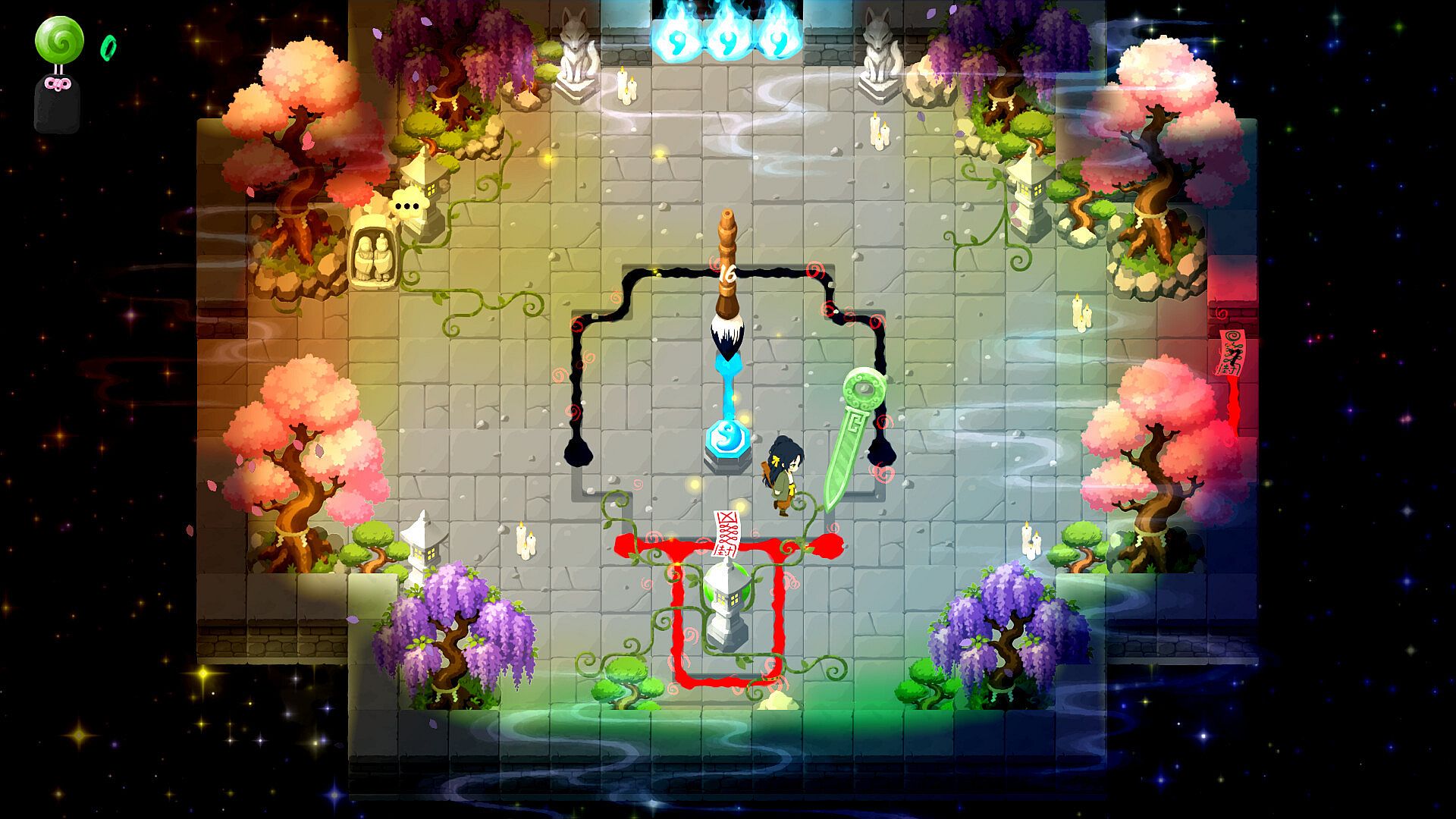
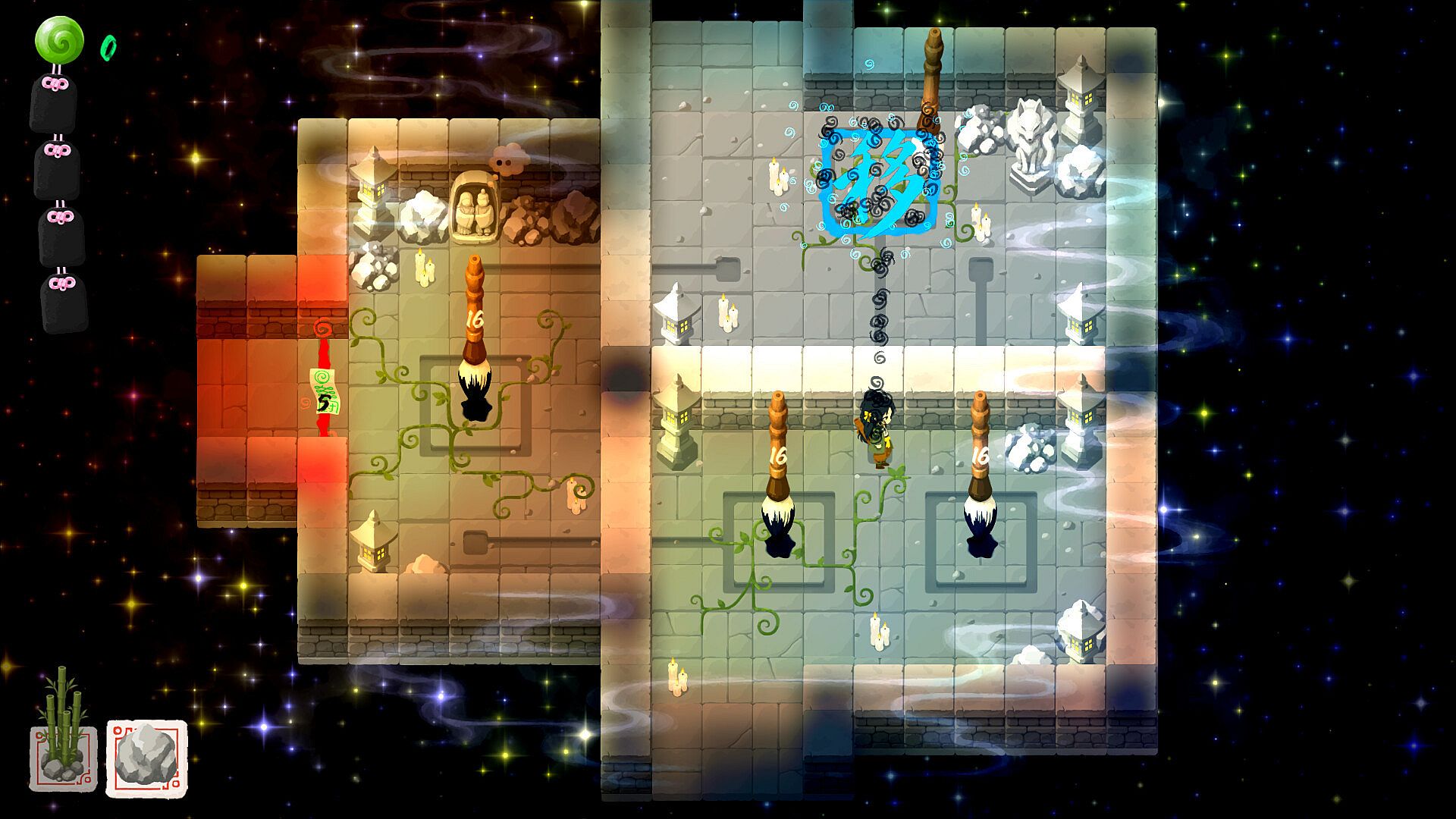
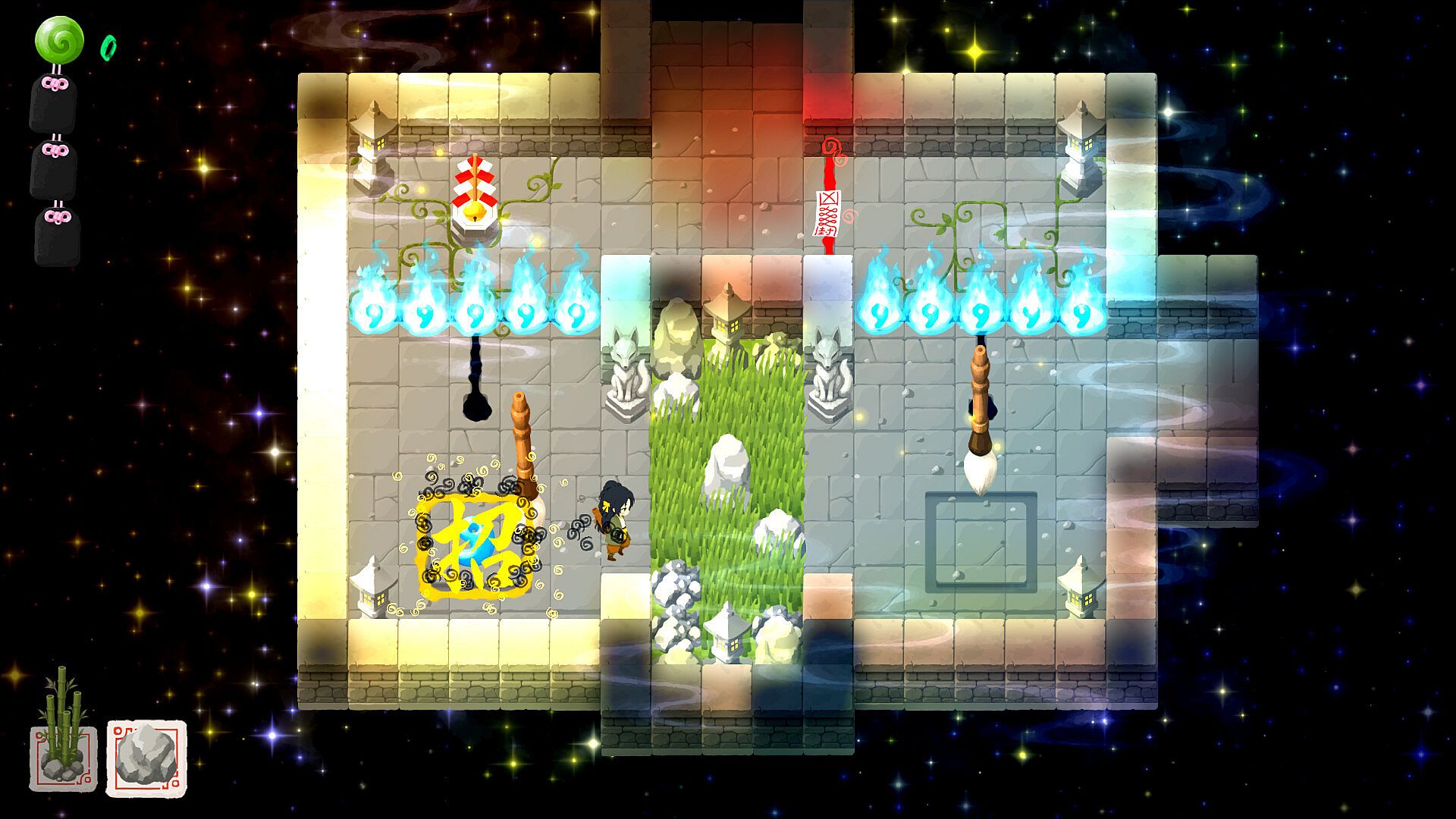
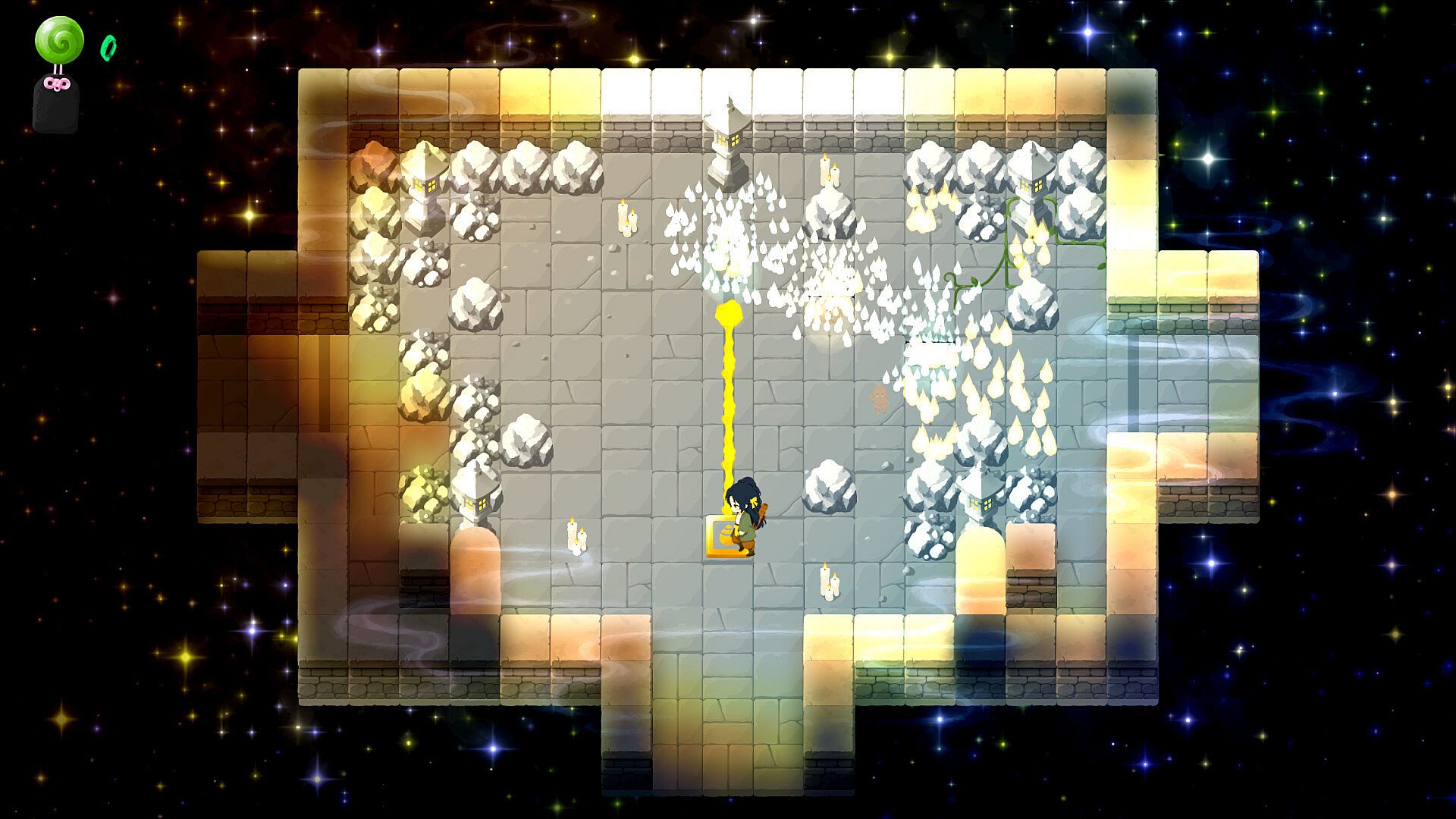
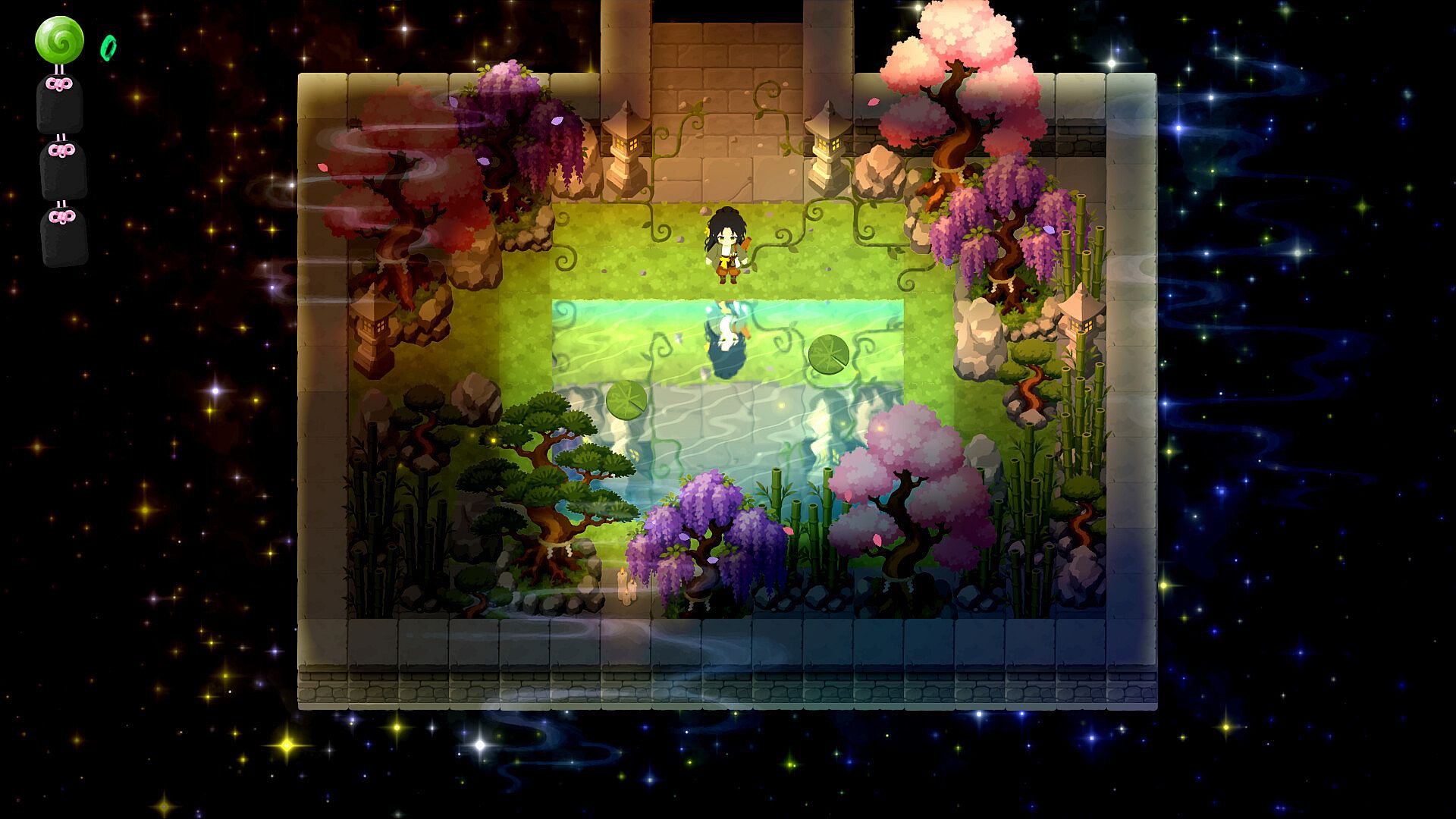
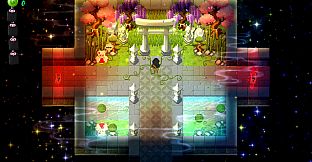
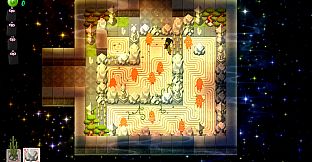
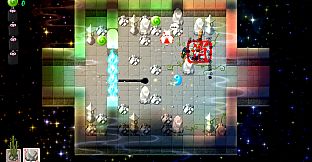
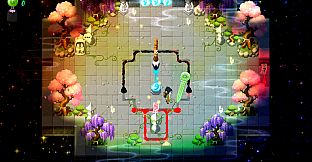
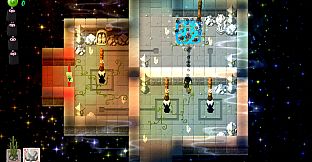
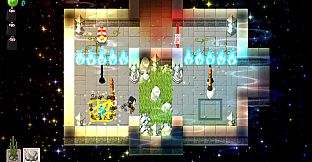
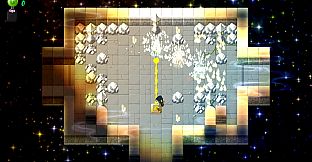
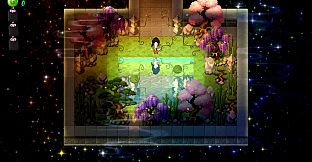
Sumiban is an indie puzzle adventure game developed for PC that blends Sokoban mechanics with painting as a core tool for progression. Players take on the role of Mizuki, a wandering artist who enters ancient Shinto-inspired ruins once filled with color and divine presence but now left fractured and overgrown. The central loop involves navigating room-based challenges where movement follows classic Sokoban rules of pushing and positioning while using enchanted brushes to apply paint that permanently alters the environment.
Gameplay
The experience centers on deliberate, room-by-room puzzle solving inside an interconnected network of temple chambers. Mizuki discovers different brushes that apply paint in distinct ways, allowing players to reveal hidden passages, trigger mechanisms, or reshape pathways that were previously blocked. Each decision carries weight because strokes remain in the world, potentially creating new routes or closing off options depending on placement and timing.
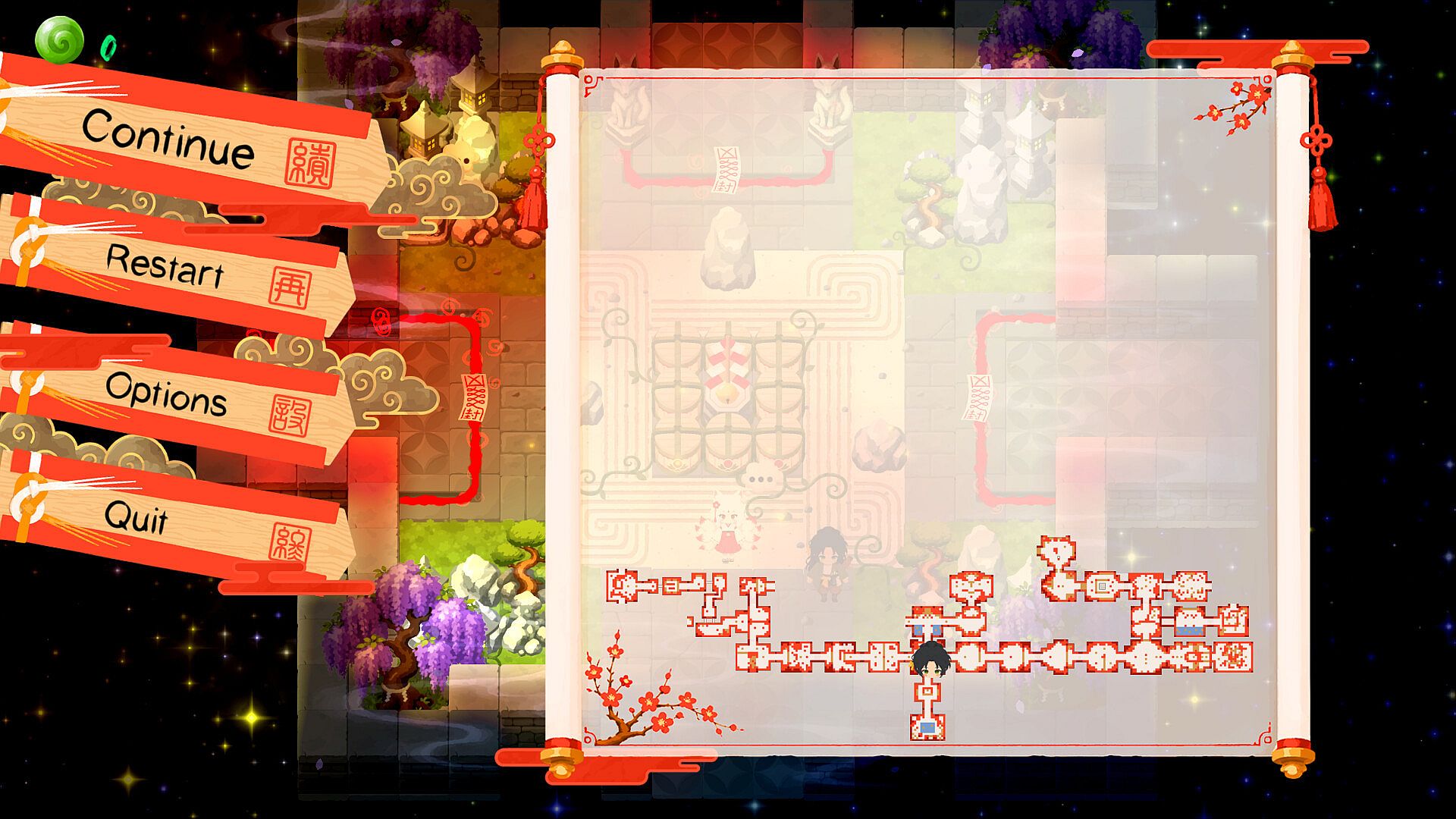
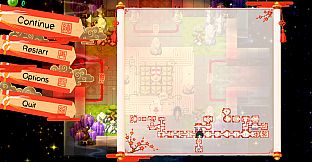
Exploration rewards careful observation of architecture, statues, and ambient details that hint at the ruins' past without direct exposition. A world map helps track progress through the dense layout, while collected sacred items provide extra undos for correcting moves during complex sequences. Controller support ensures precise input for both movement and brush application, complemented by spatial audio that emphasizes the quiet atmosphere of the abandoned spaces.
Puzzles demand study of each room's layout before committing to actions, as a misplaced stroke can require backtracking or creative rerouting through shortcuts discovered later in the ruins. The system encourages experimentation within the constraints of limited resources, turning every brushstroke into a meaningful choice that advances or complicates the path forward.
Game Modes
Sumiban operates entirely in single-player mode with no additional multiplayer or competitive options available. All content unfolds through the main campaign of handcrafted puzzle rooms connected by exploration and discovery. Progress occurs linearly through the ruins while allowing nonlinear navigation once shortcuts and sealed areas open via collected items and painted transformations.
The structure focuses on sequential puzzle completion supported by optional backtracking and note-taking on environmental clues. There are no separate difficulty modes, time trials, or variant play styles beyond the core single-player adventure loop described in the features.
Story and Exploration
The narrative emerges from the environment itself rather than cutscenes or dialogue. Players piece together events surrounding the disappearance of the gods through visual storytelling embedded in the temple designs, forgotten statues, and lingering spirits encountered during exploration. This observational approach fits the deliberate pace of the puzzles and encourages revisiting areas after new painting abilities unlock additional layers of the ruins.
Interconnected chambers contain hidden seals that require specific items to open, granting further undos and revealing deeper sections of the labyrinth. The world map assists in planning routes through the dense layout, highlighting how painting can create permanent changes that affect future navigation choices.
Is It Worth Playing?
Sumiban targets players who enjoy methodical Sokoban-style puzzles combined with creative environmental interaction through its painting system. The single-player focus and emphasis on observation make it suitable for those who prefer thoughtful progression over fast action or multiplayer competition. As an upcoming title with no released version yet, its reception remains untested in public reviews or player counts.
The listed features, including full controller support, atmospheric sound design, and a detailed world map, align with standard expectations for a polished indie puzzle adventure. Fans of games that reward careful planning and environmental manipulation will likely find the core loop engaging once it becomes available. Those seeking immediate multiplayer content or established community feedback should monitor its release for confirmation of the final experience.