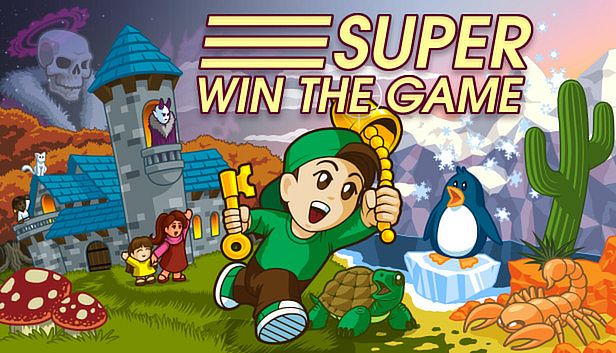










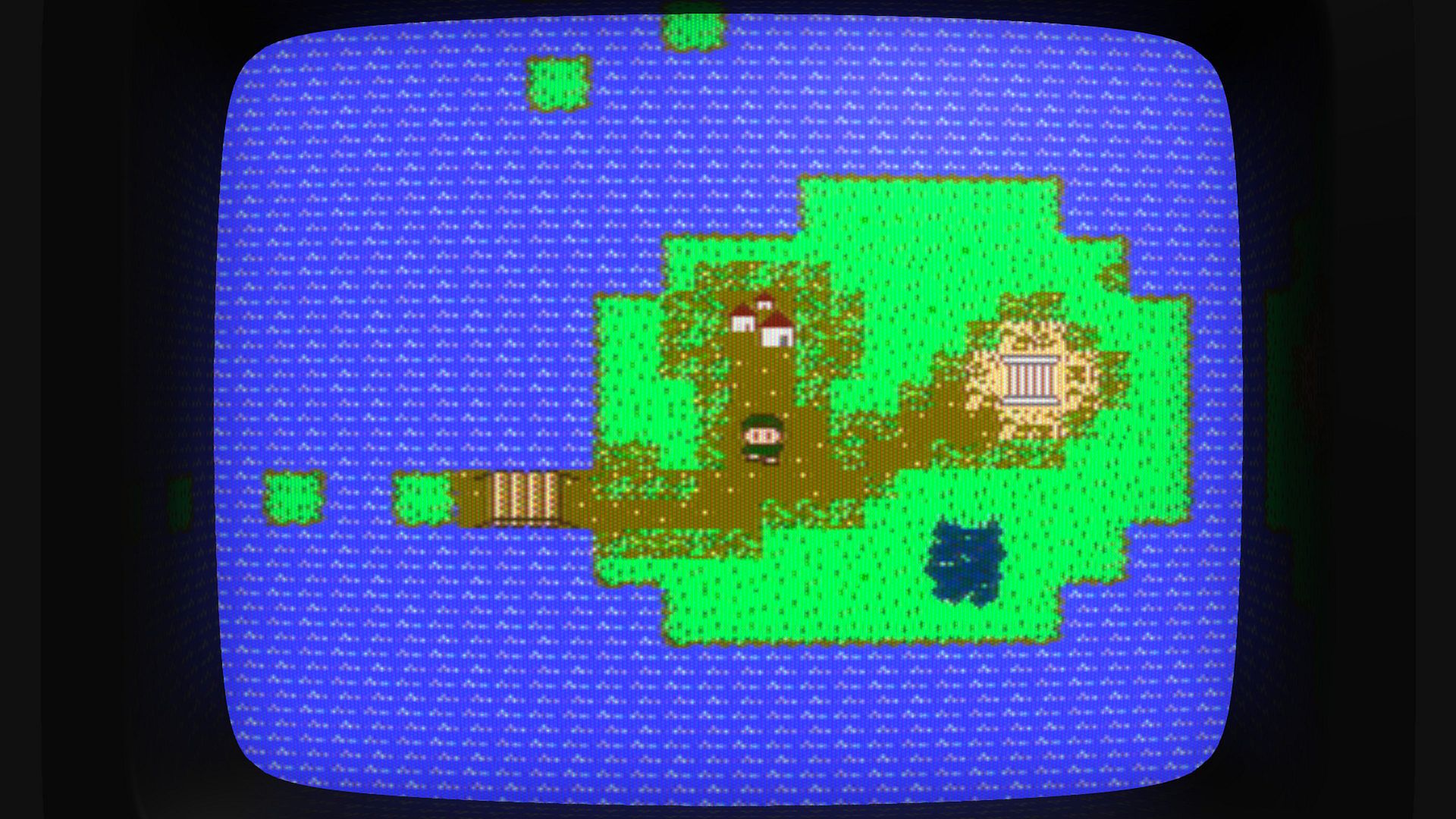
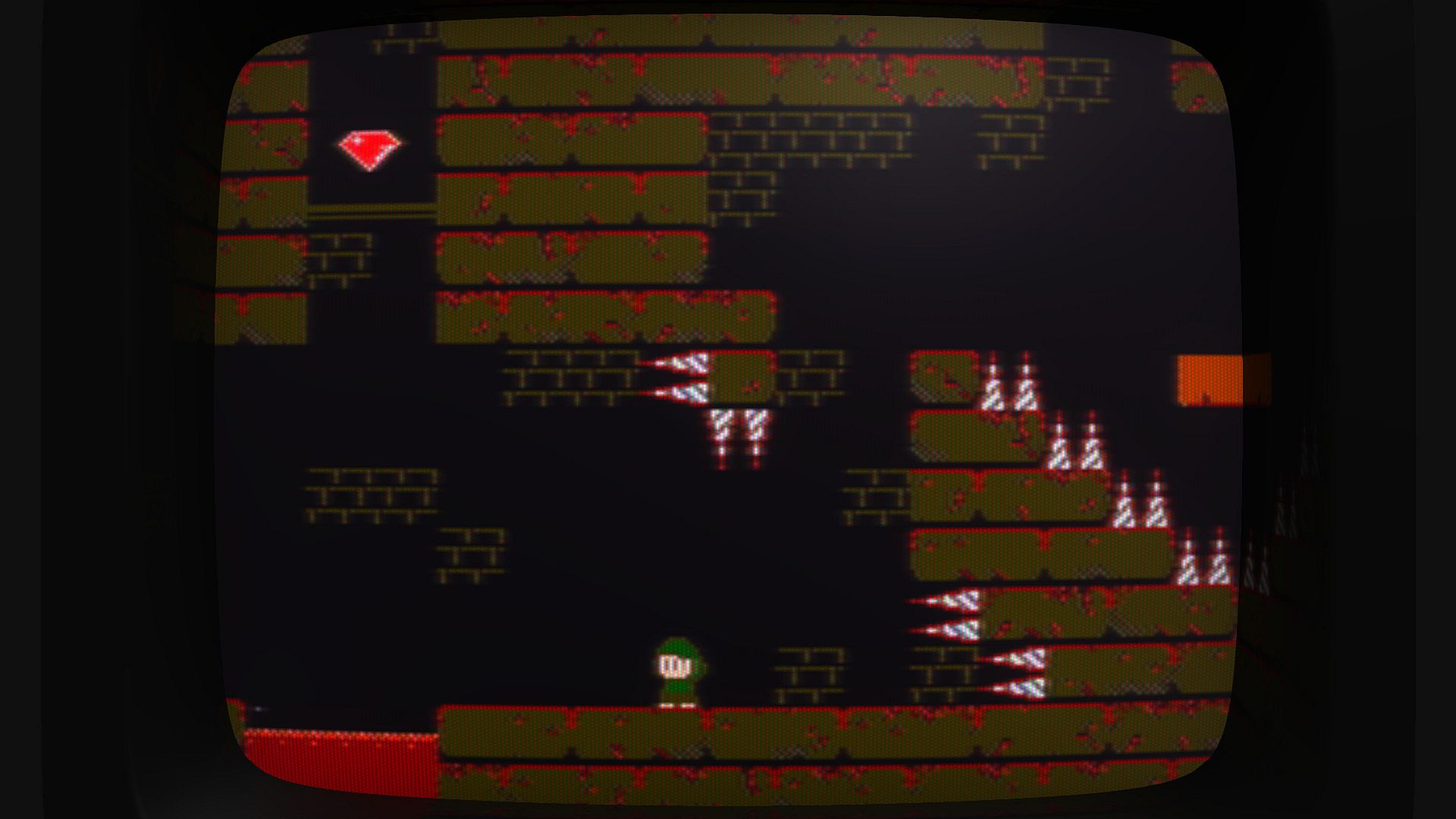
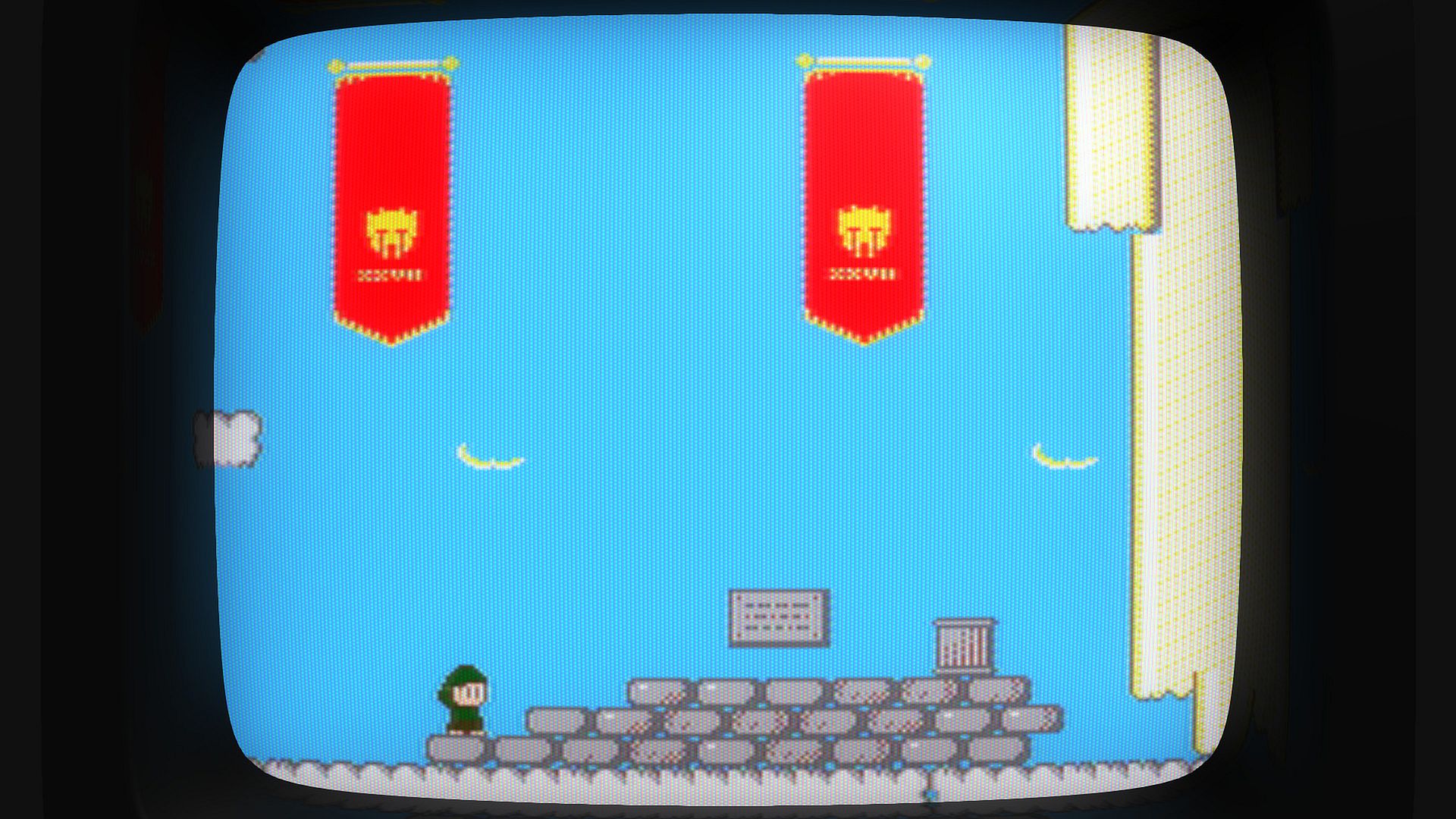
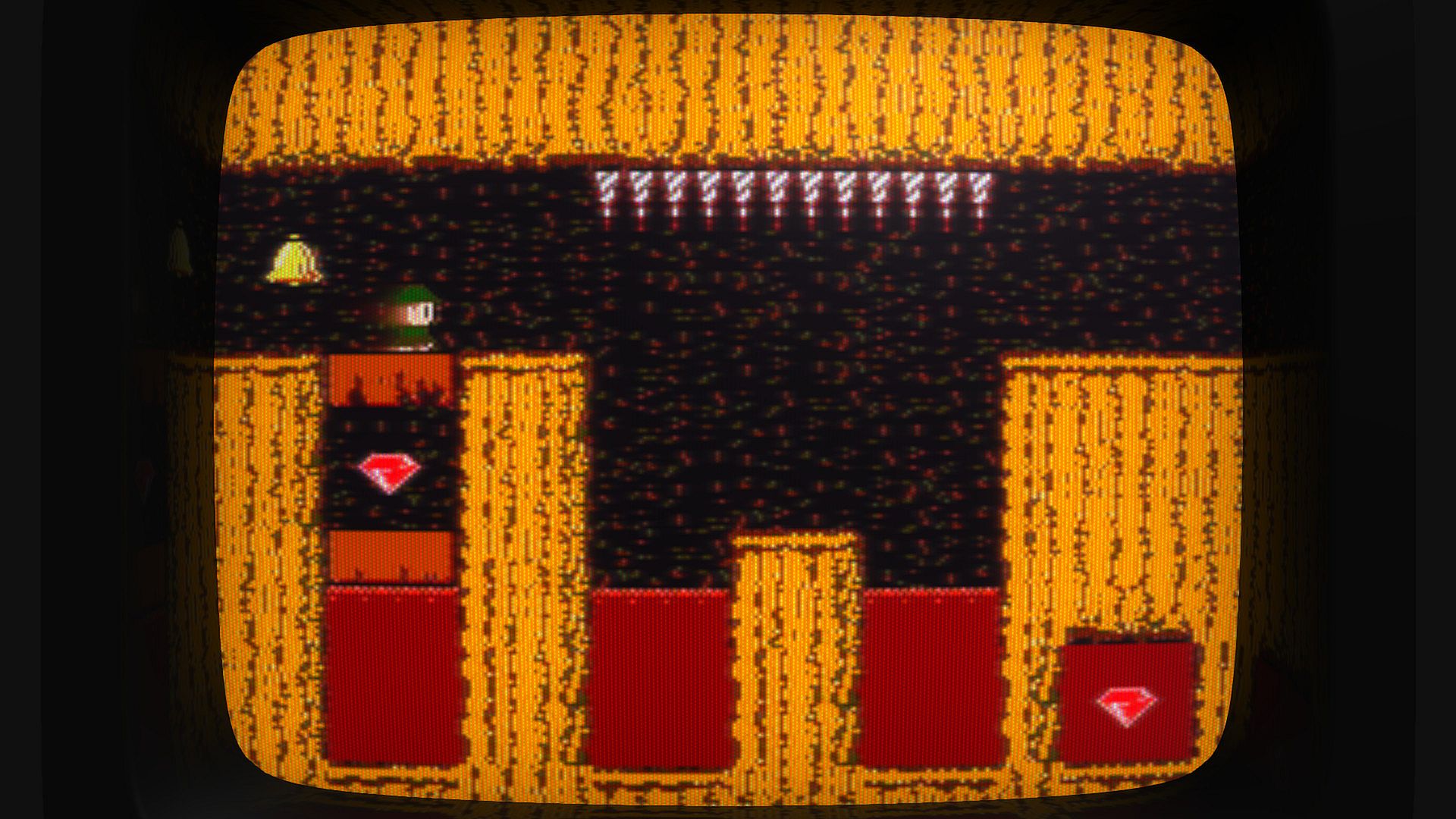
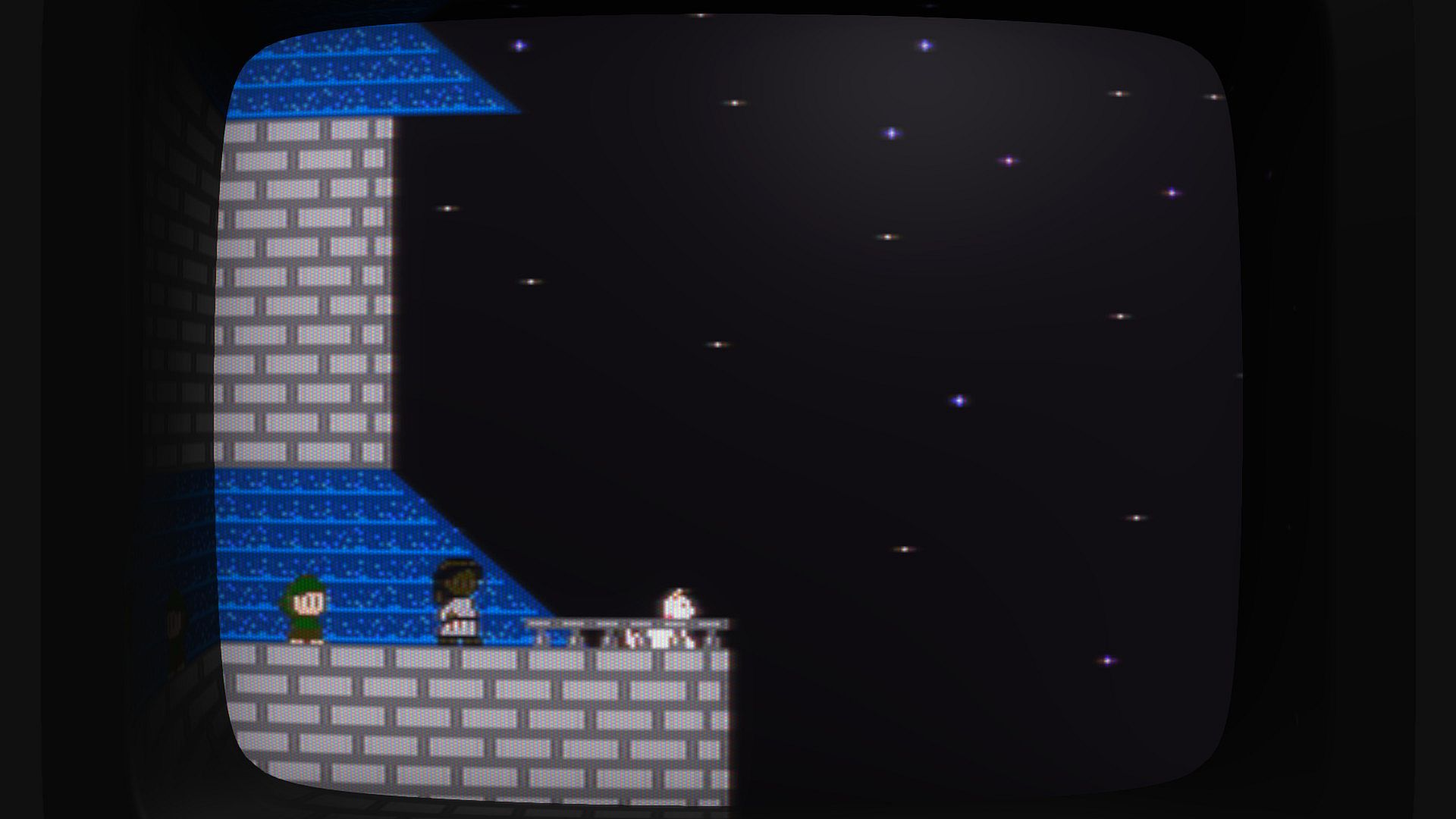
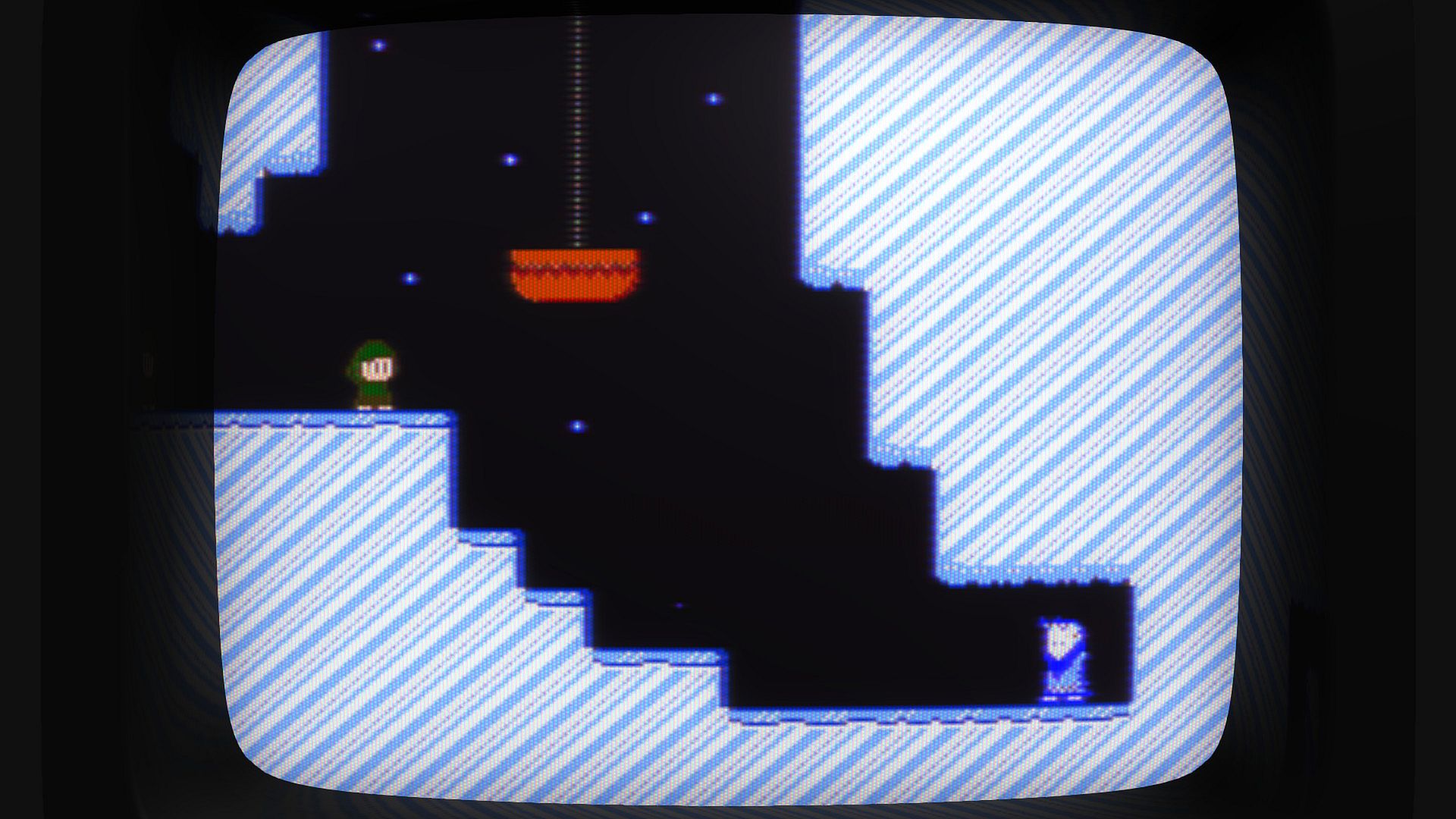
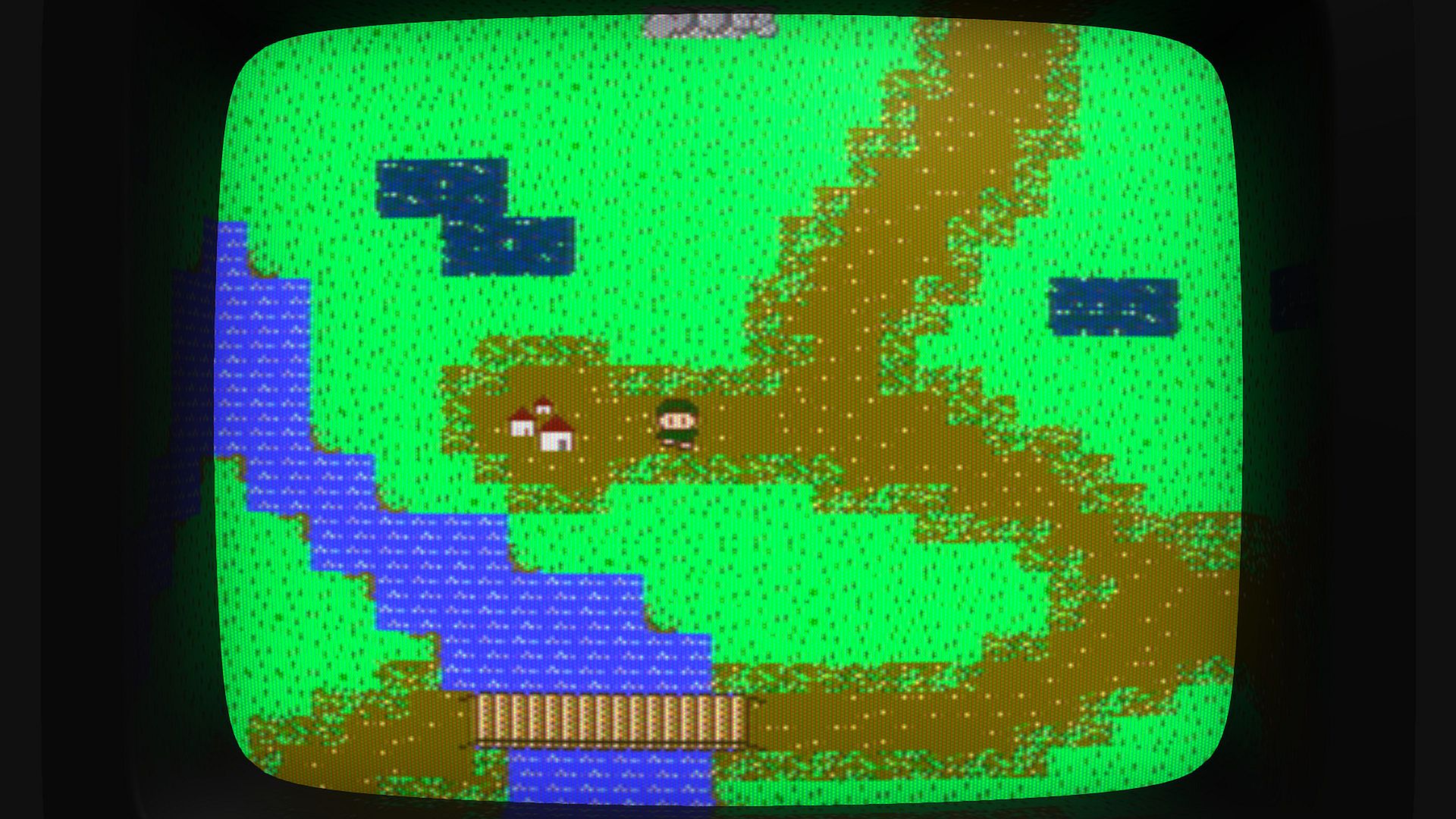
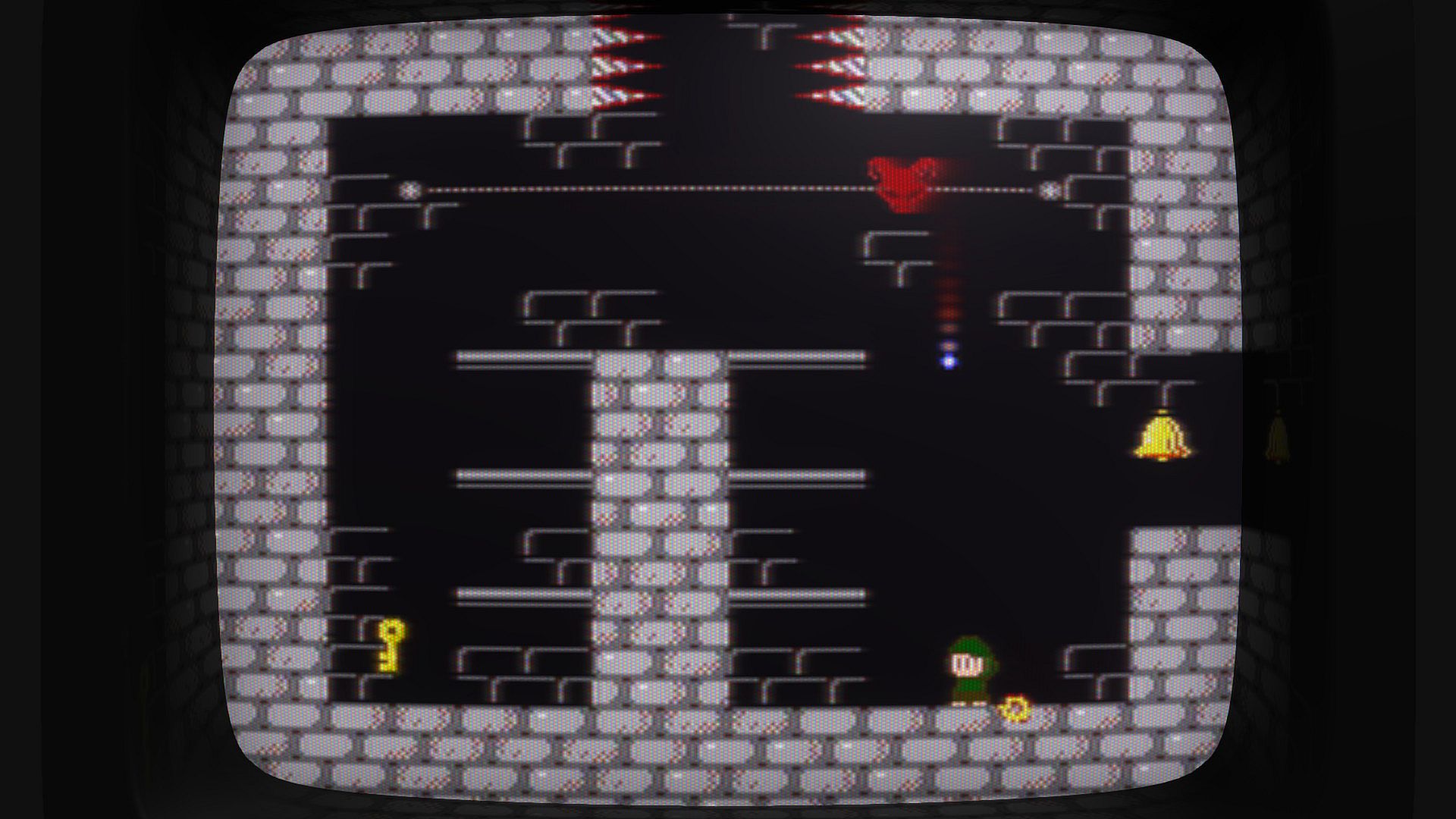
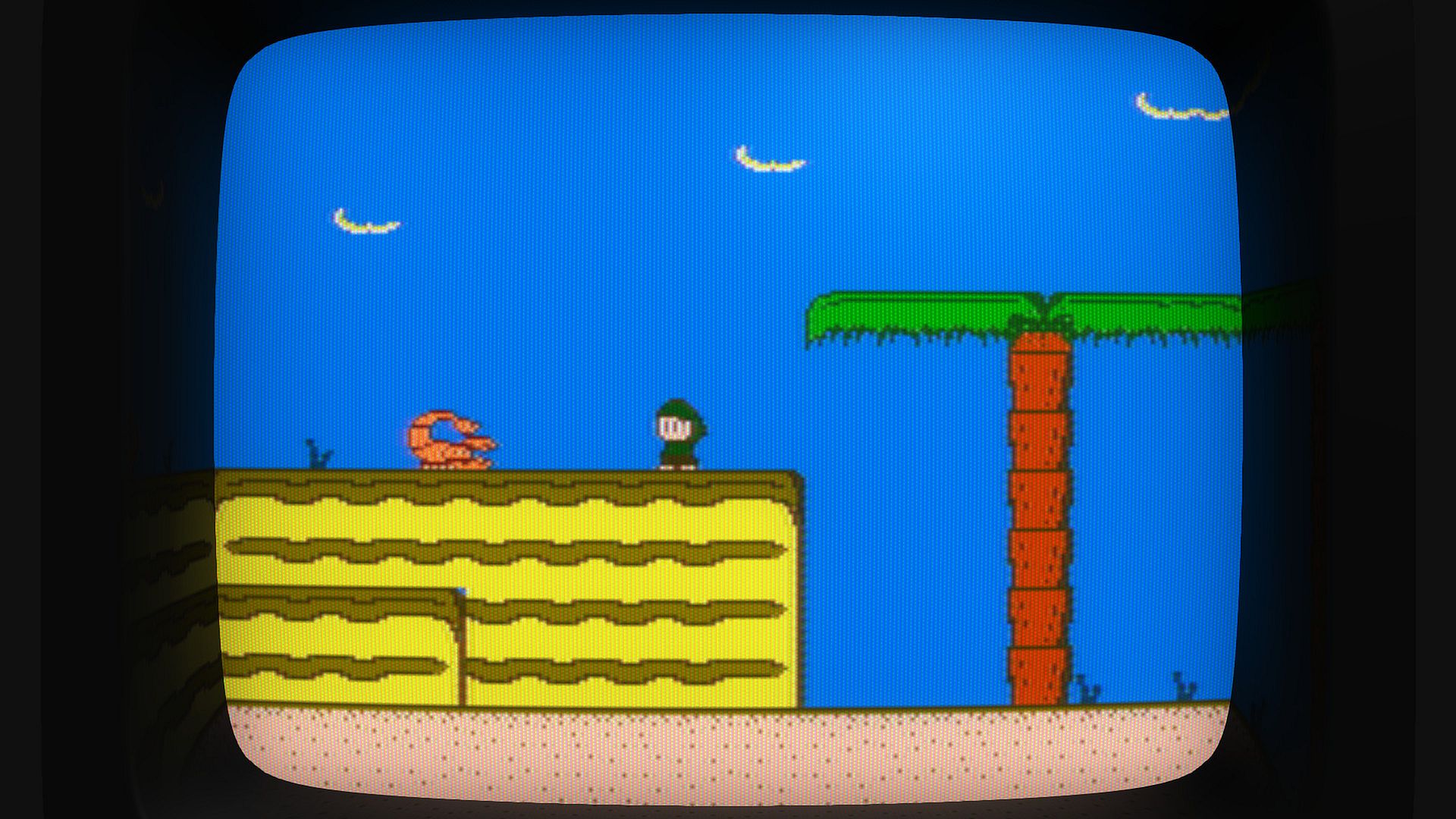
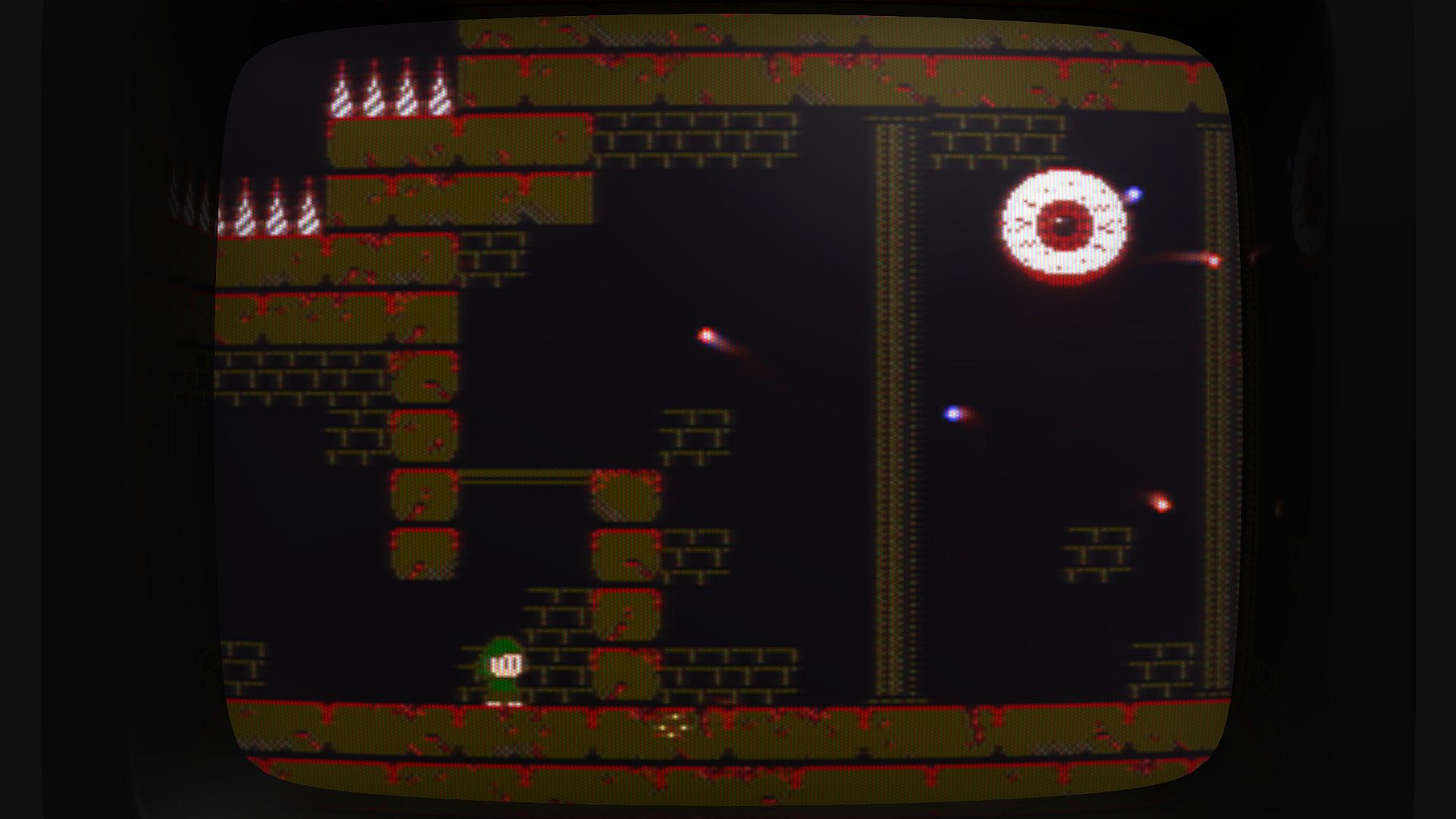
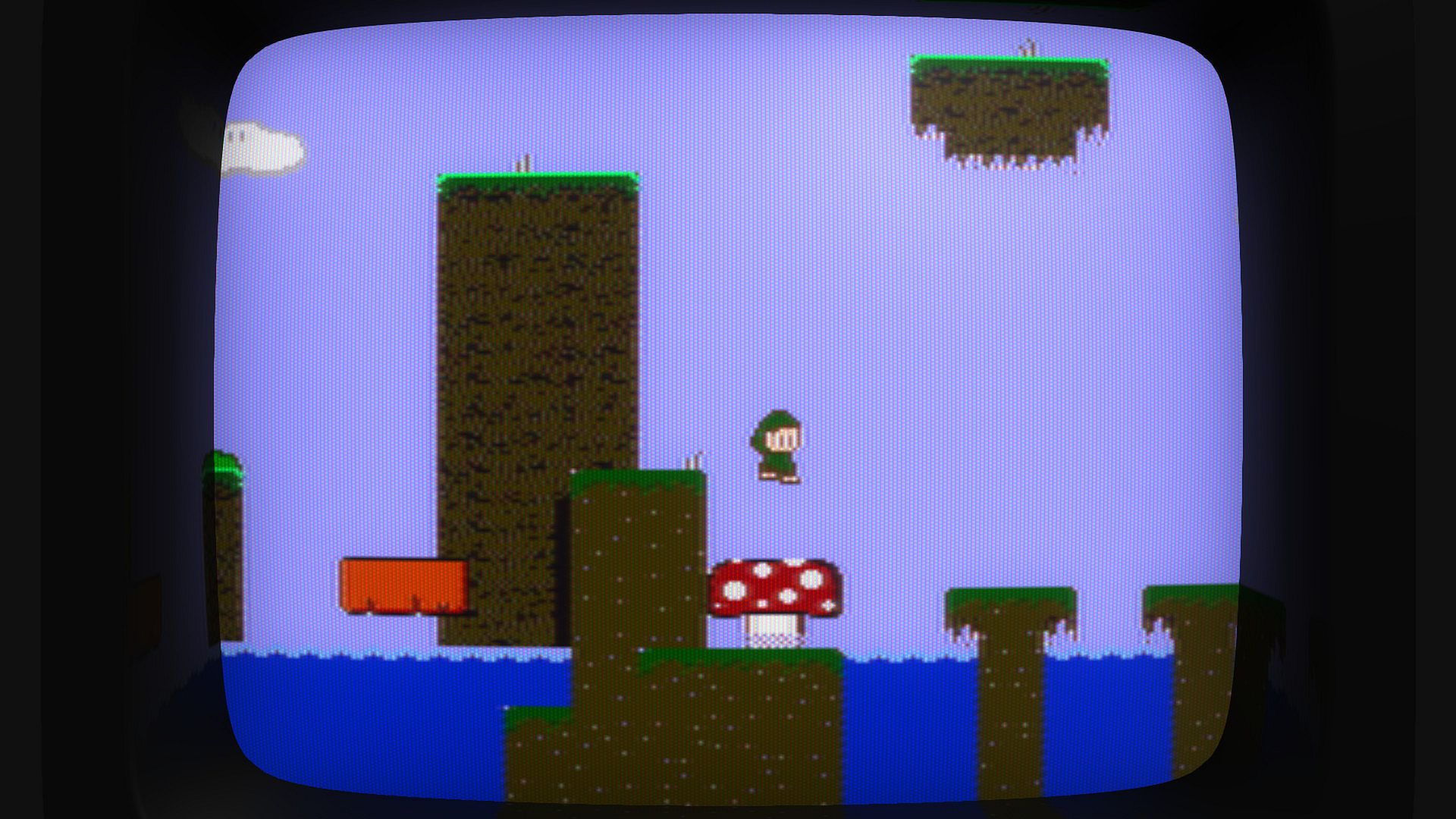
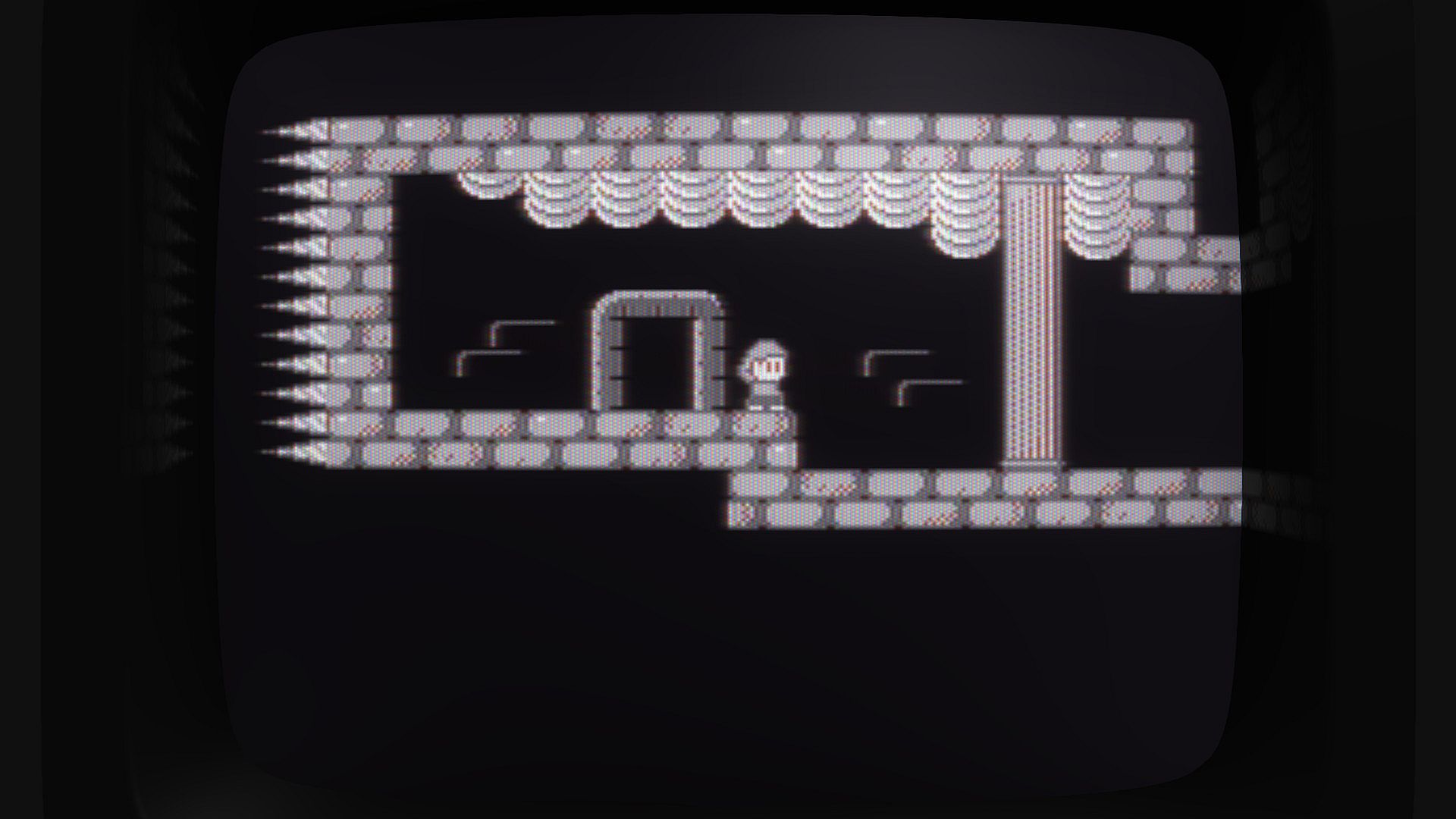
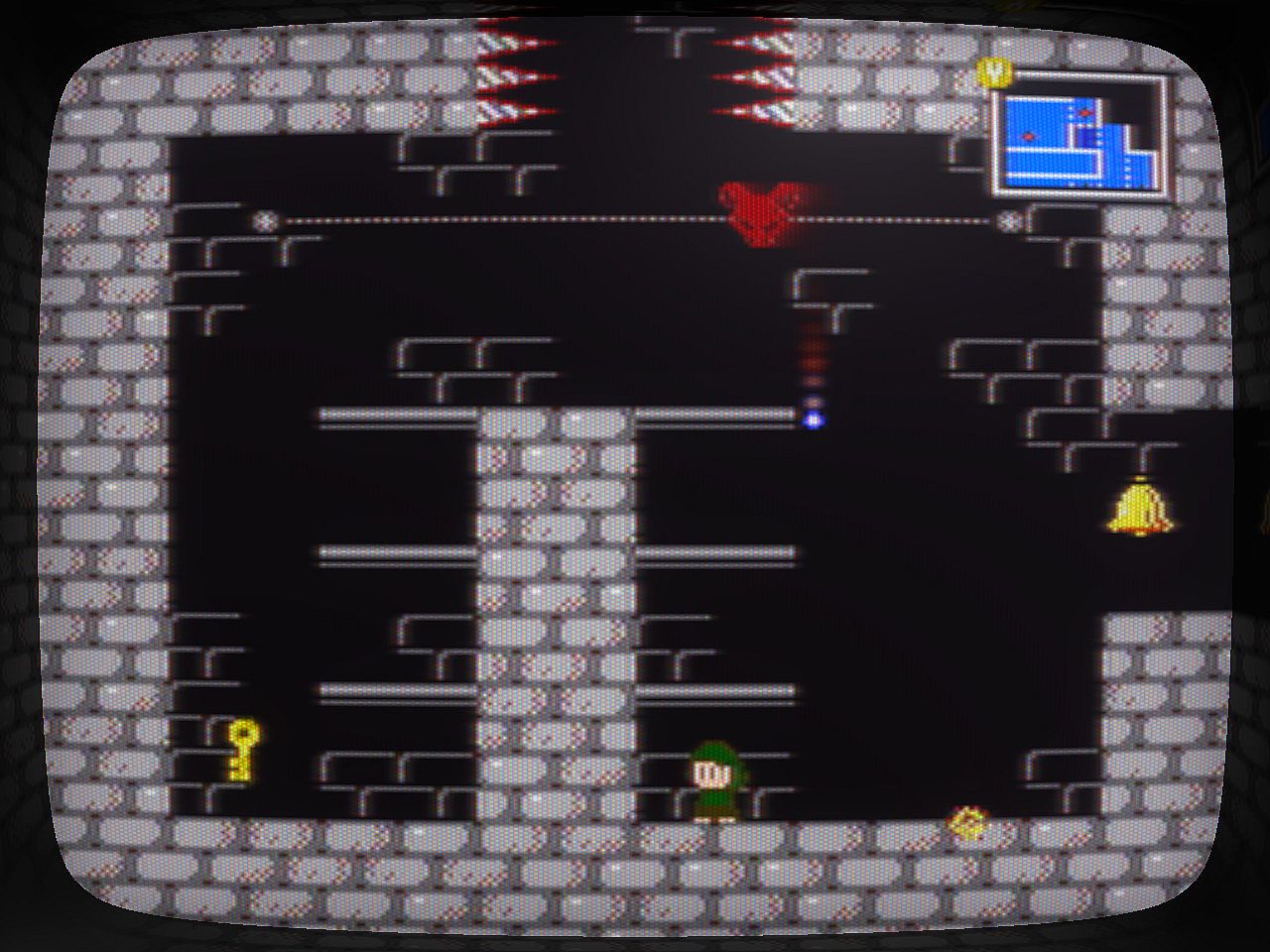
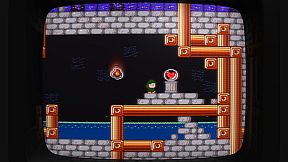
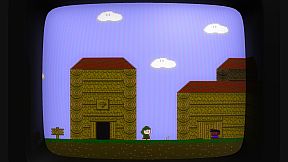
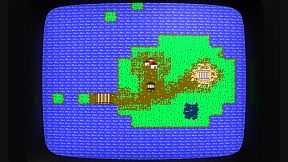

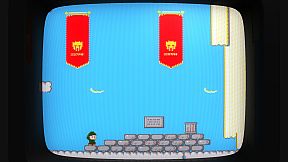
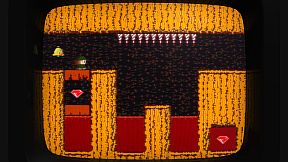
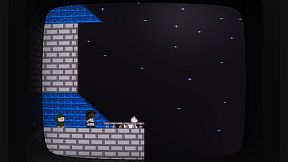
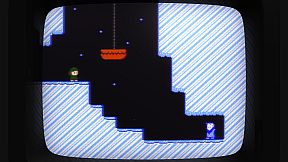
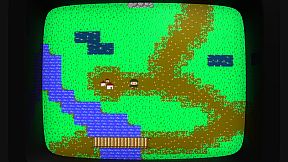
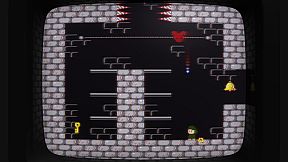
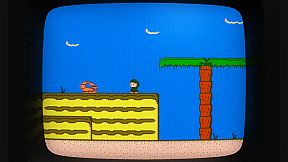
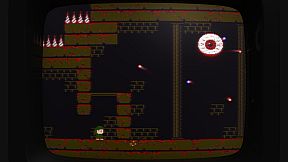
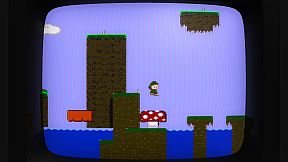
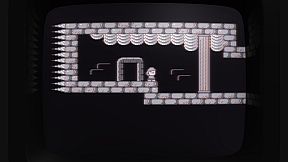
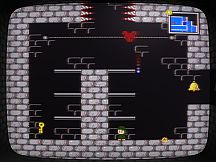
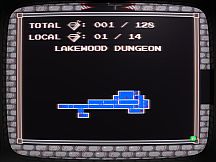
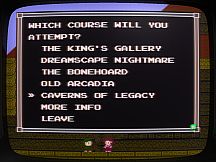
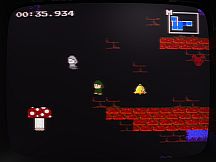
Super Win the Game is a retro-inspired action platformer that emphasizes open-ended exploration and precise movement across a large interconnected world. Released in 2014 as a sequel to the earlier freeware title You Have to Win the Game, it delivers tight platforming mechanics paired with ability progression and hidden content discovery. Players control a character through side-scrolling levels filled with spikes, moving platforms, and environmental hazards while collecting upgrades that expand movement options.
Gameplay
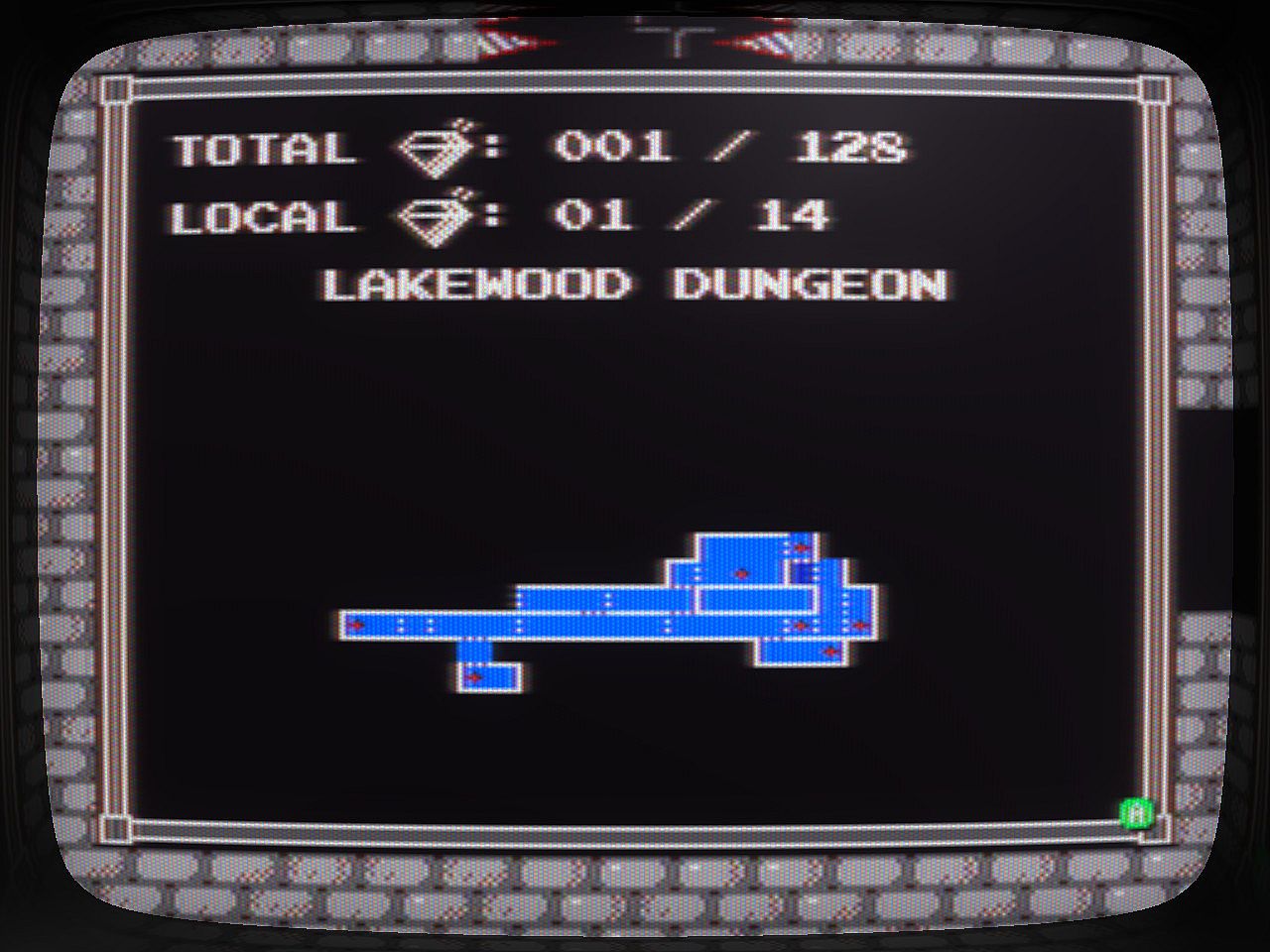
The core loop revolves around navigating a sprawling map where progress depends on finding powerups that grant new abilities. Early movement feels limited, but each collected item opens previously inaccessible areas, encouraging backtracking and thorough searching. Hidden treasures and secrets reward careful observation, and the design avoids linear checkpoints in favor of free-form discovery.
Platforming demands accuracy with jumps, wall climbs, and momentum management. Hazards appear consistently, requiring players to learn patterns and timing rather than relying on combat. The experience stays focused on exploration and traversal rather than combat systems or resource management.
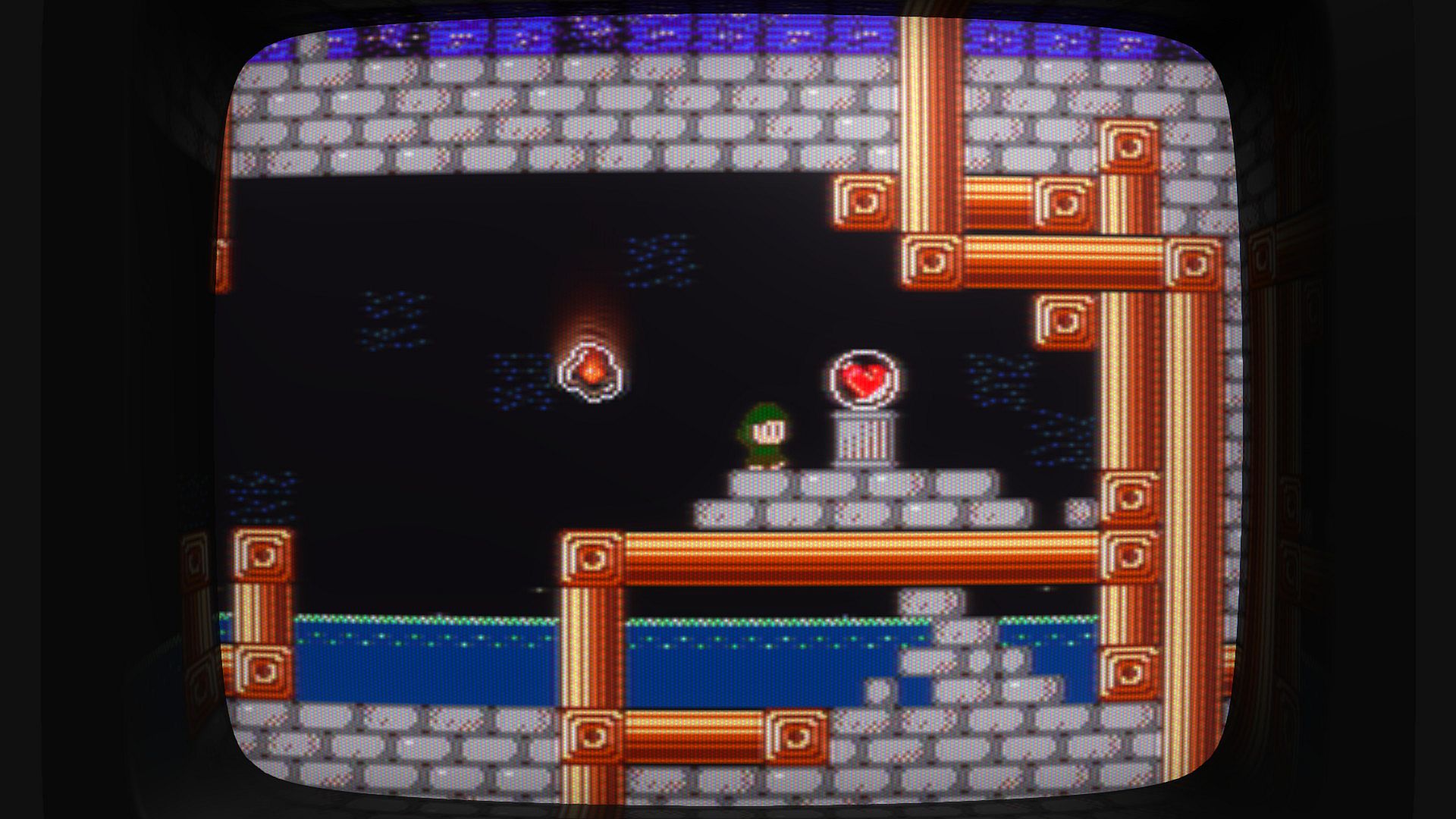
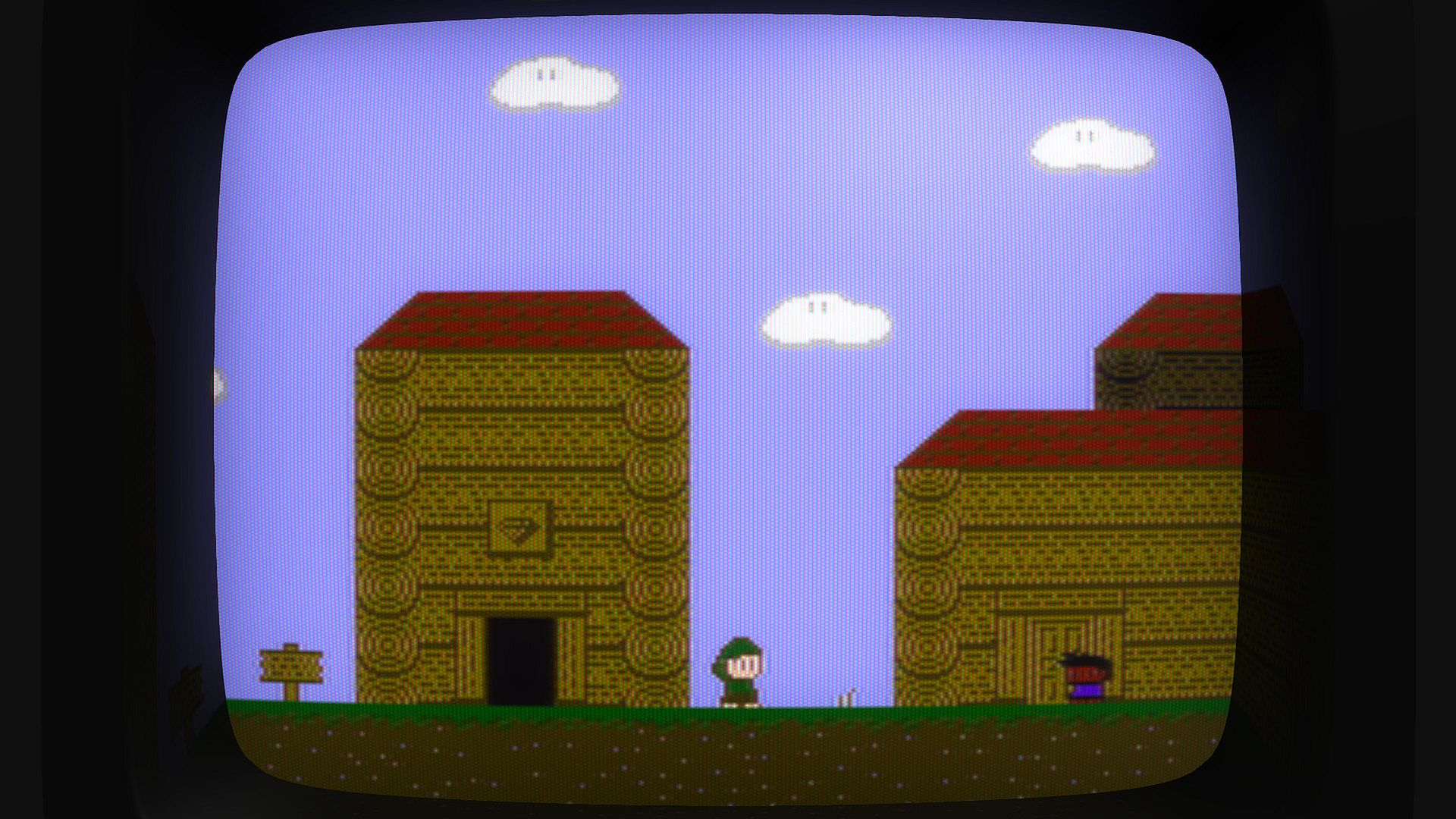
An adjustable CRT filter lets players customize the visual presentation to mimic older television displays, with options to increase or reduce scanlines, curvature, and color bleed. This feature integrates directly into the main experience without interrupting gameplay flow.
Game Modes
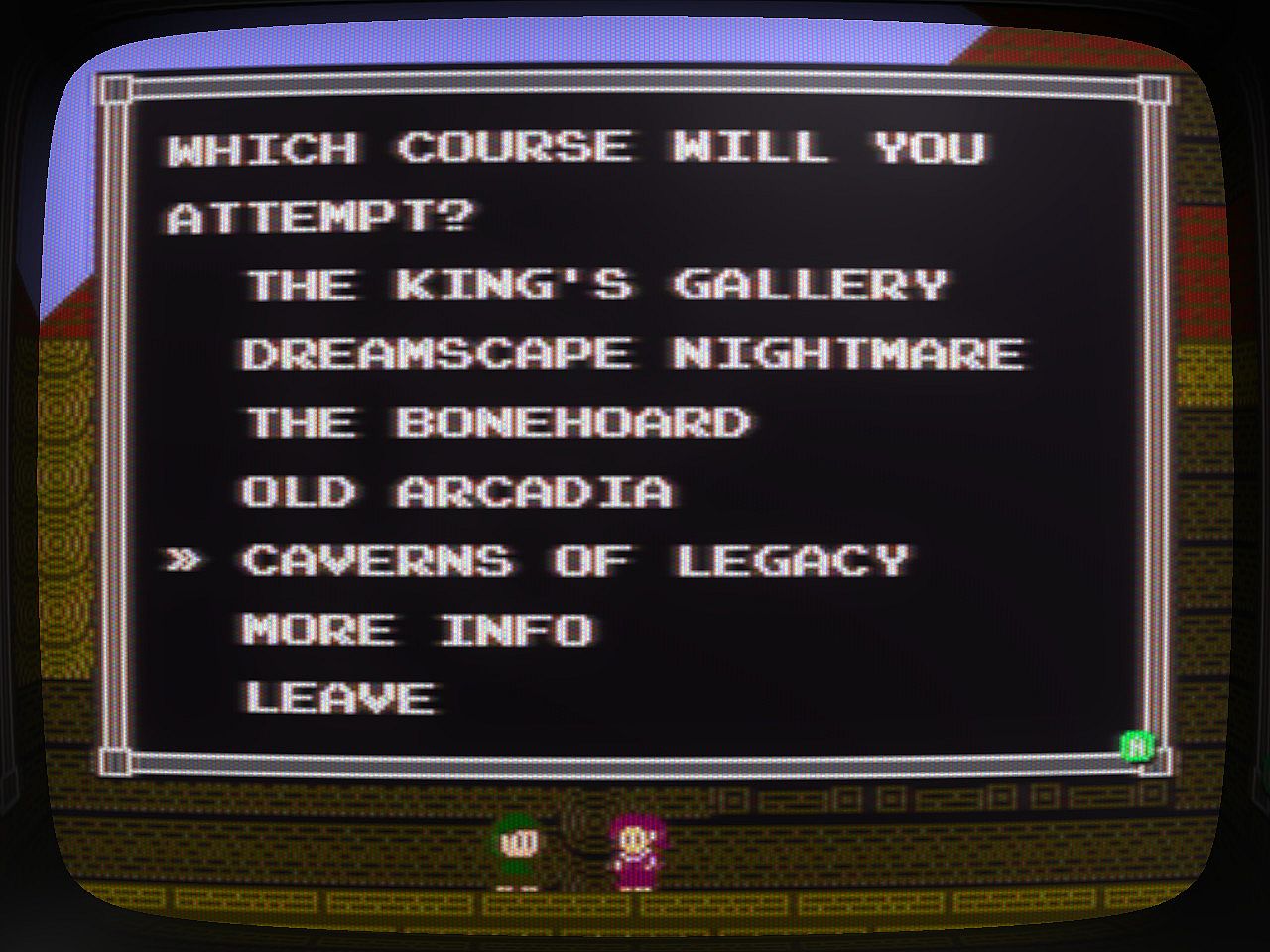
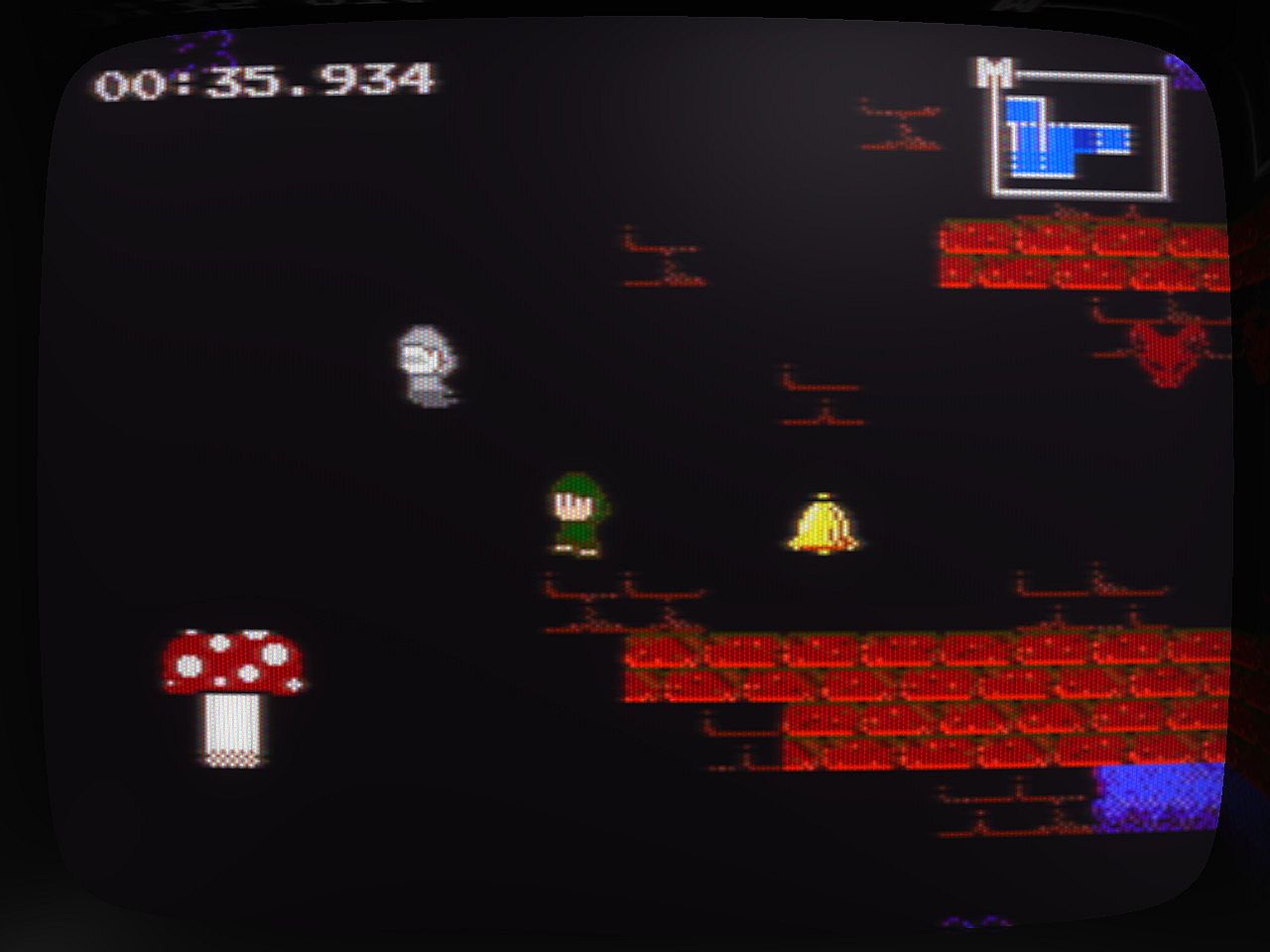
Speedrun courses provide dedicated segments designed for timed runs. These tracks support Steam leaderboards where players compare times against others and race against recorded ghost replays of previous attempts. The format isolates specific challenges while maintaining the same movement rules as the main game.
Randomized Game mode shuffles elements such as item placement and level layouts to create fresh experiences on each playthrough. This variant increases replay value by altering the order of ability acquisition and secret locations without changing the underlying mechanics.
Standard playthroughs follow the open exploration structure, allowing players to tackle areas in different sequences based on discovered upgrades. Achievements track specific challenges like completing sections without deaths or locating all secrets.
Visual Style and Progression
The art direction draws from 8-bit and 16-bit aesthetics with clean pixel art and limited color palettes. Environments vary from industrial zones to abstract dreamlike spaces, each presenting distinct platforming puzzles. Sound design supports the retro theme through chiptune-style music that shifts with different areas.
Progression feels organic because new abilities build directly on existing movement. Players gradually gain tools that transform how they interact with the world, turning early obstacles into routine paths. This structure rewards observation and experimentation over trial-and-error repetition.
Is It Worth Playing?
Steam user reviews rate the game Very Positive, with 89 percent approval from 528 total reviews. The title appeals most to players who enjoy deliberate exploration in retro platformers and appreciate the option to fine-tune visual filters or compete on leaderboards. Those seeking fast-paced action or multiplayer features may find the single-player focus limiting.
The game remains available with its original content intact, including the randomized mode added through later patches. It suits fans of the predecessor title or anyone looking for a compact experience that emphasizes discovery and skill over lengthy campaigns or frequent updates.