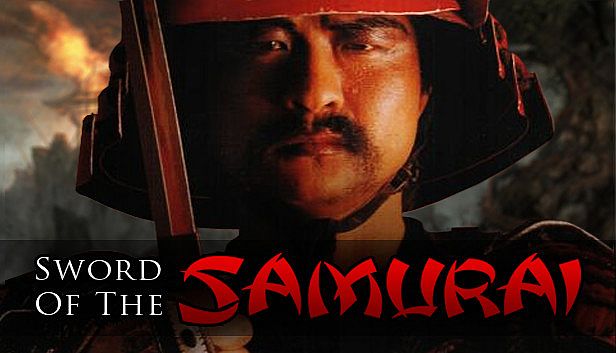










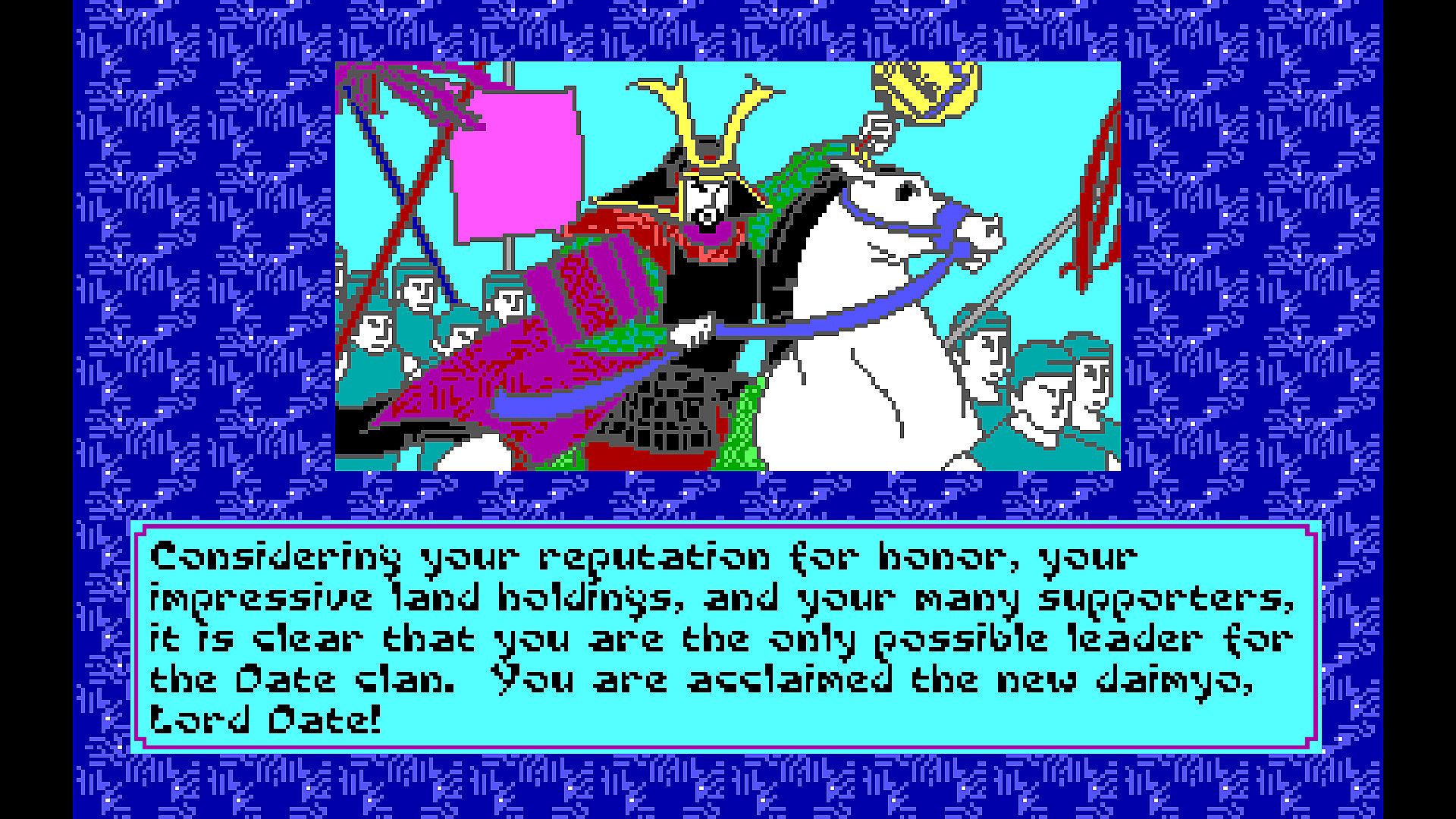
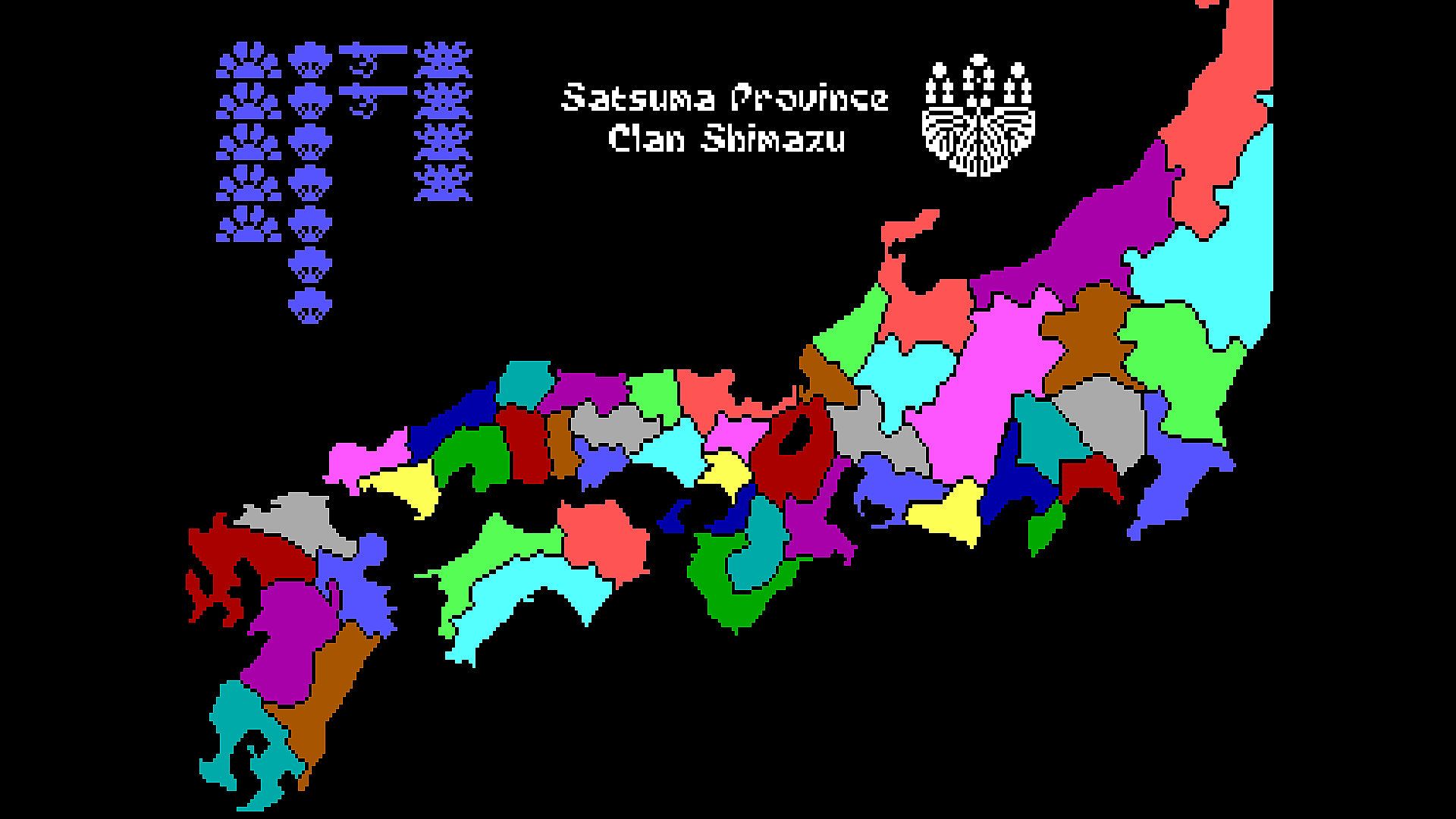
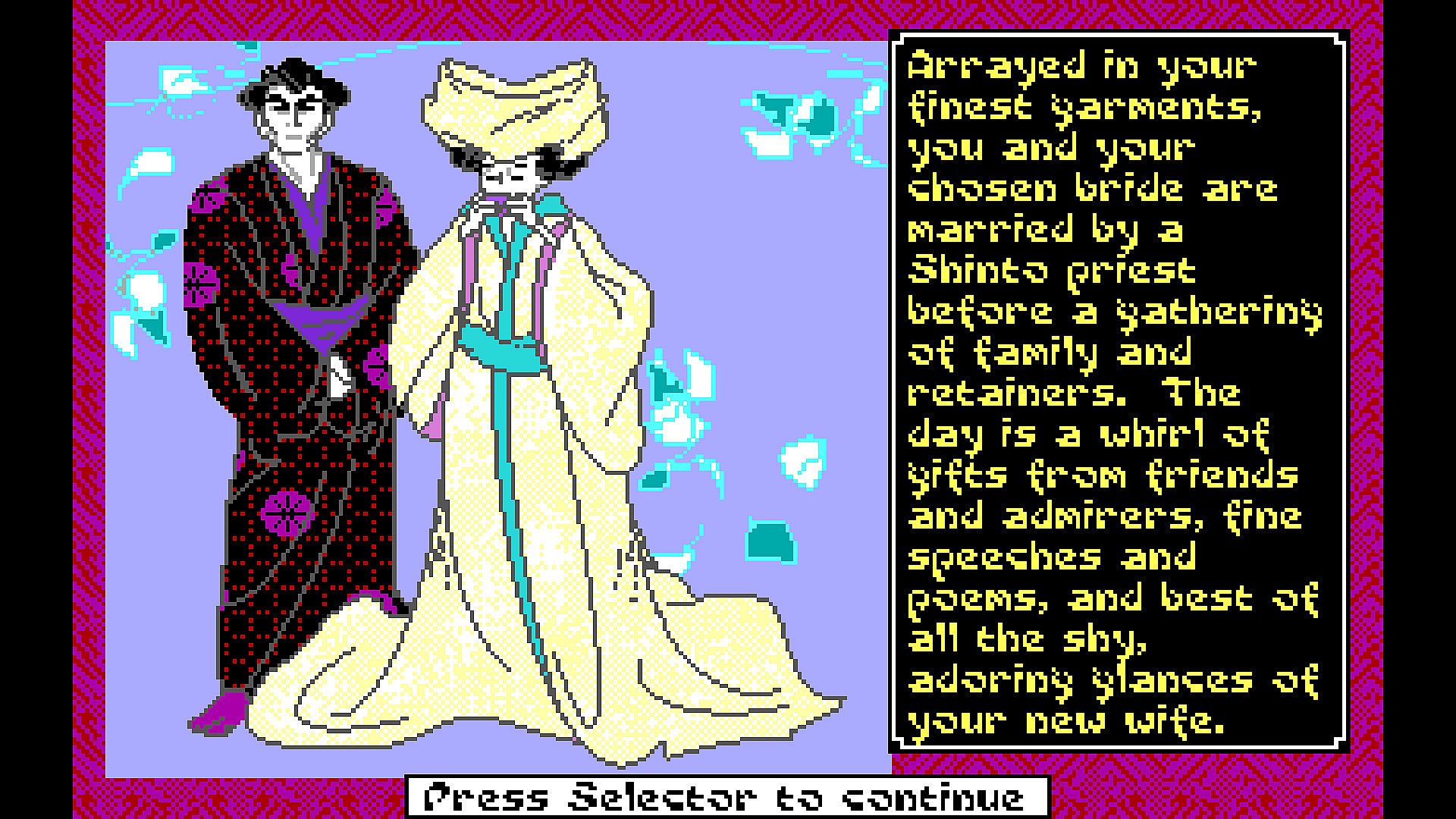
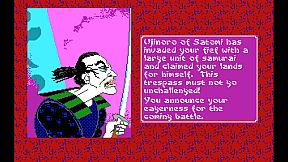
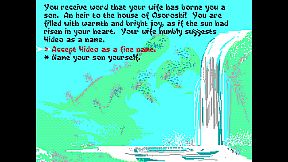
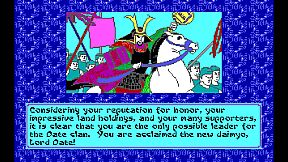
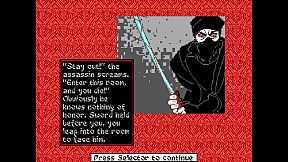

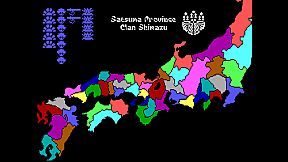
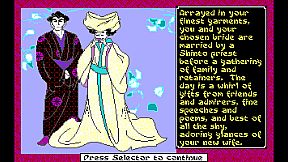
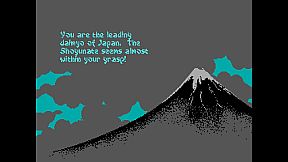
Sword of the Samurai is a simulation and adventure game that places players in the role of a samurai warrior during Japan's Sengoku period of warring states. The experience centers on managing personal honor while navigating combat, political maneuvering, and territorial expansion with the ultimate aim of unifying all 48 provinces under one rule and earning the title of shogun.
Gameplay
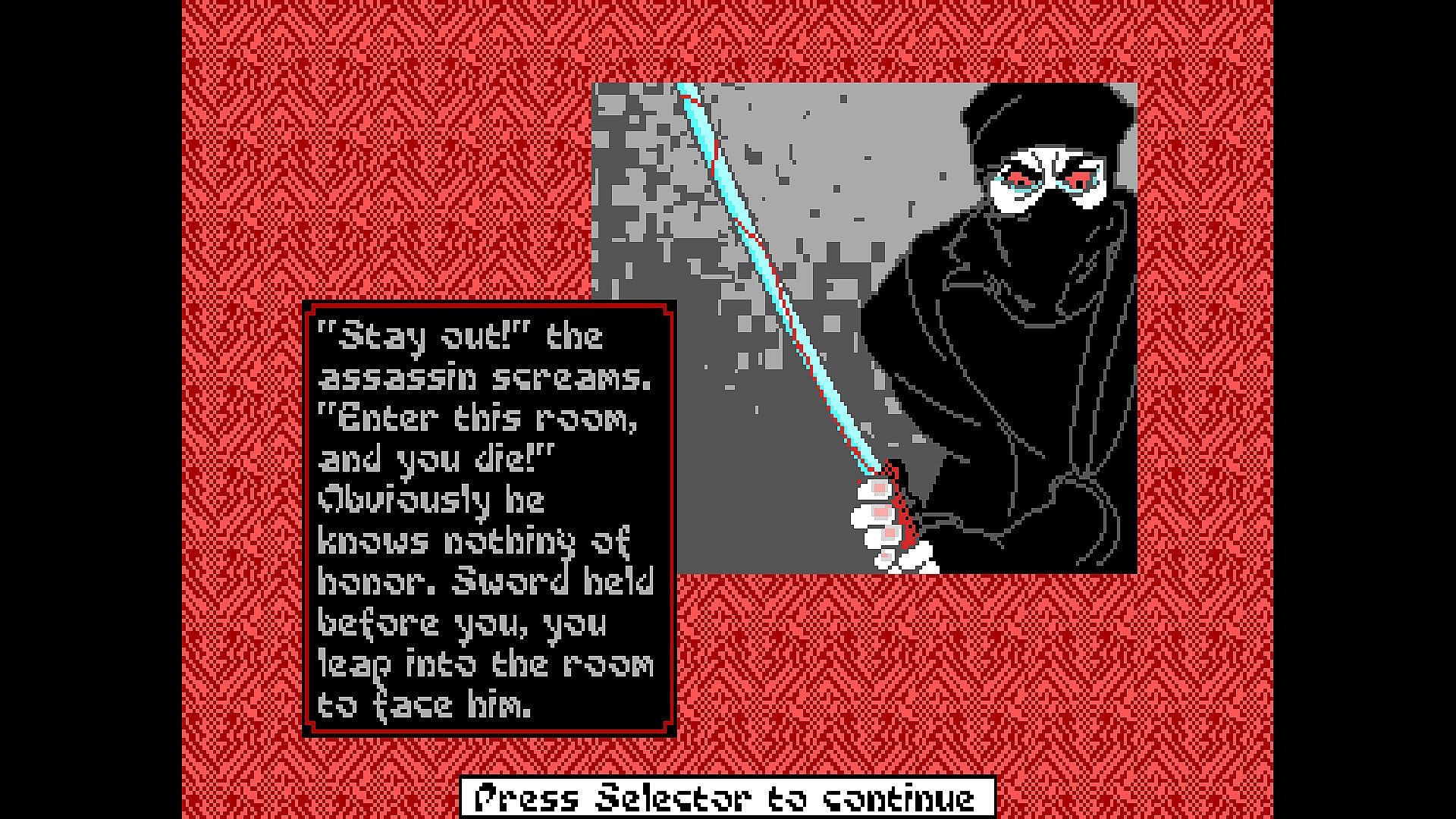
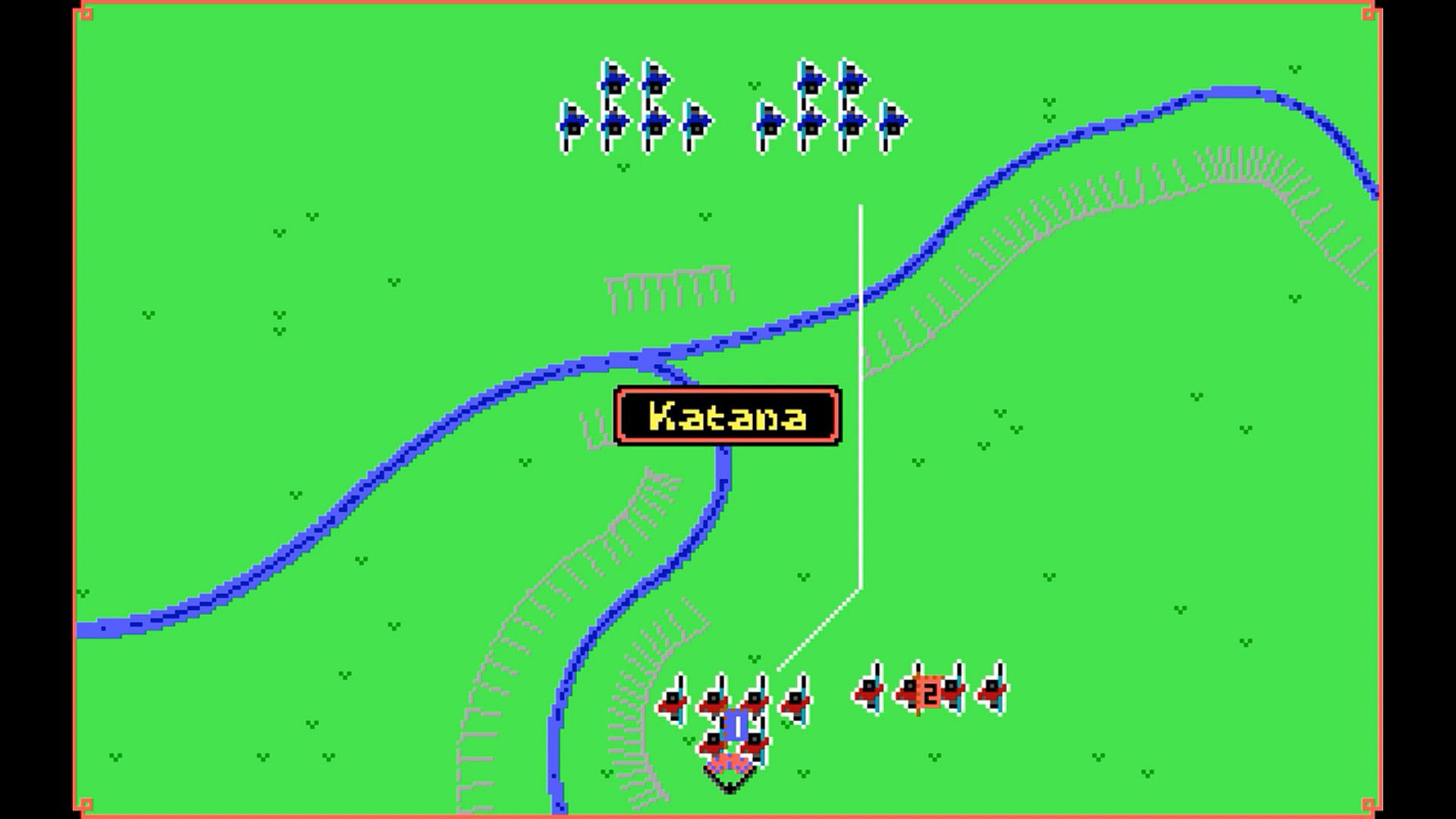
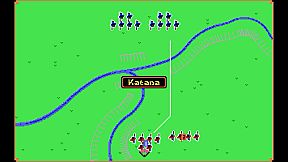
The core loop combines personal combat encounters with larger strategic decisions. Players engage in one-on-one duels to settle disputes and protect honor against rivals. Separate melee sequences pit the samurai against groups of opponents in settings such as castles, villages, and rice paddies. Real-time battles unfold on battlefields that change with each conflict and involve infantry, cavalry, and muskets under the player's direction.
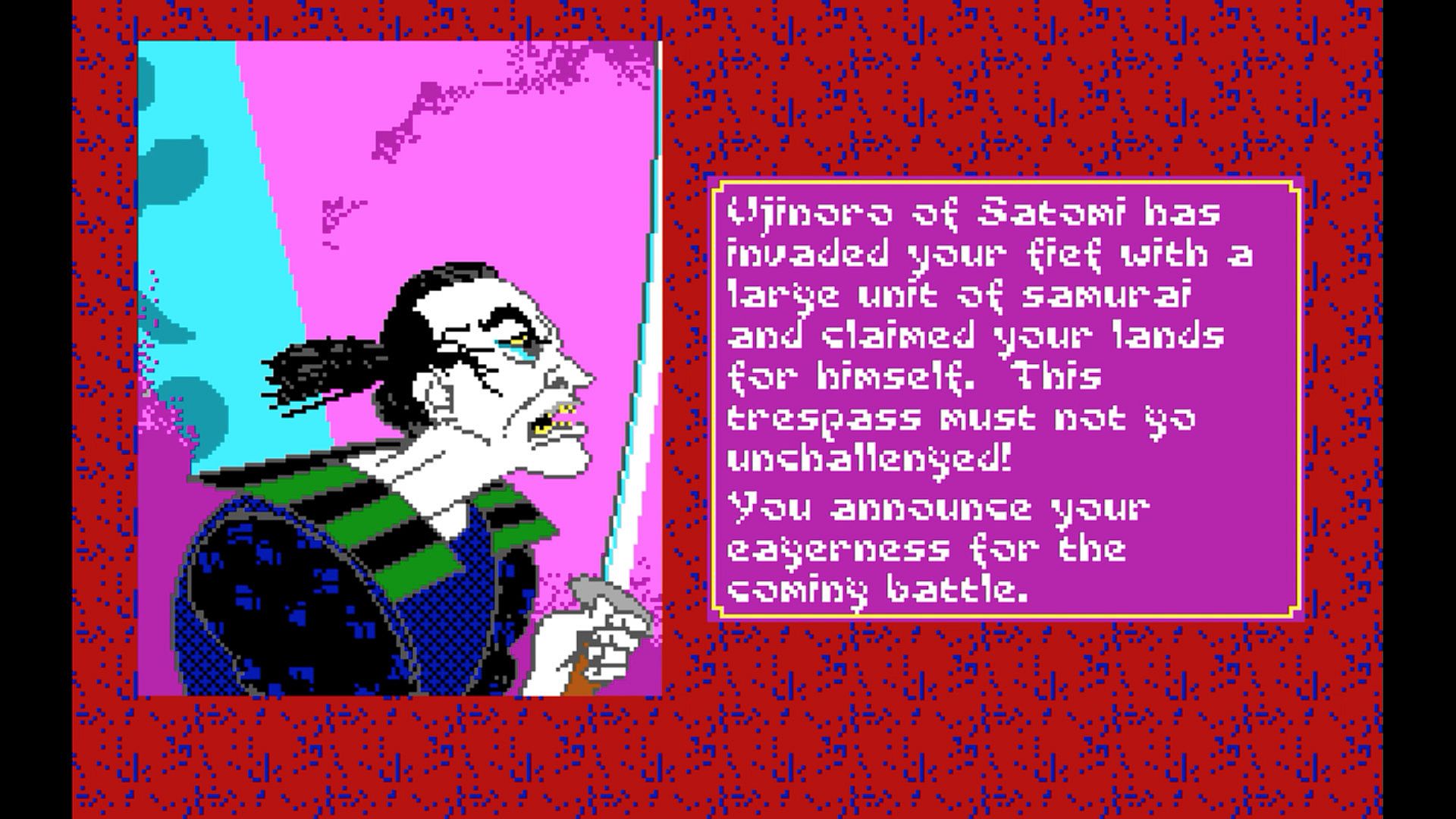
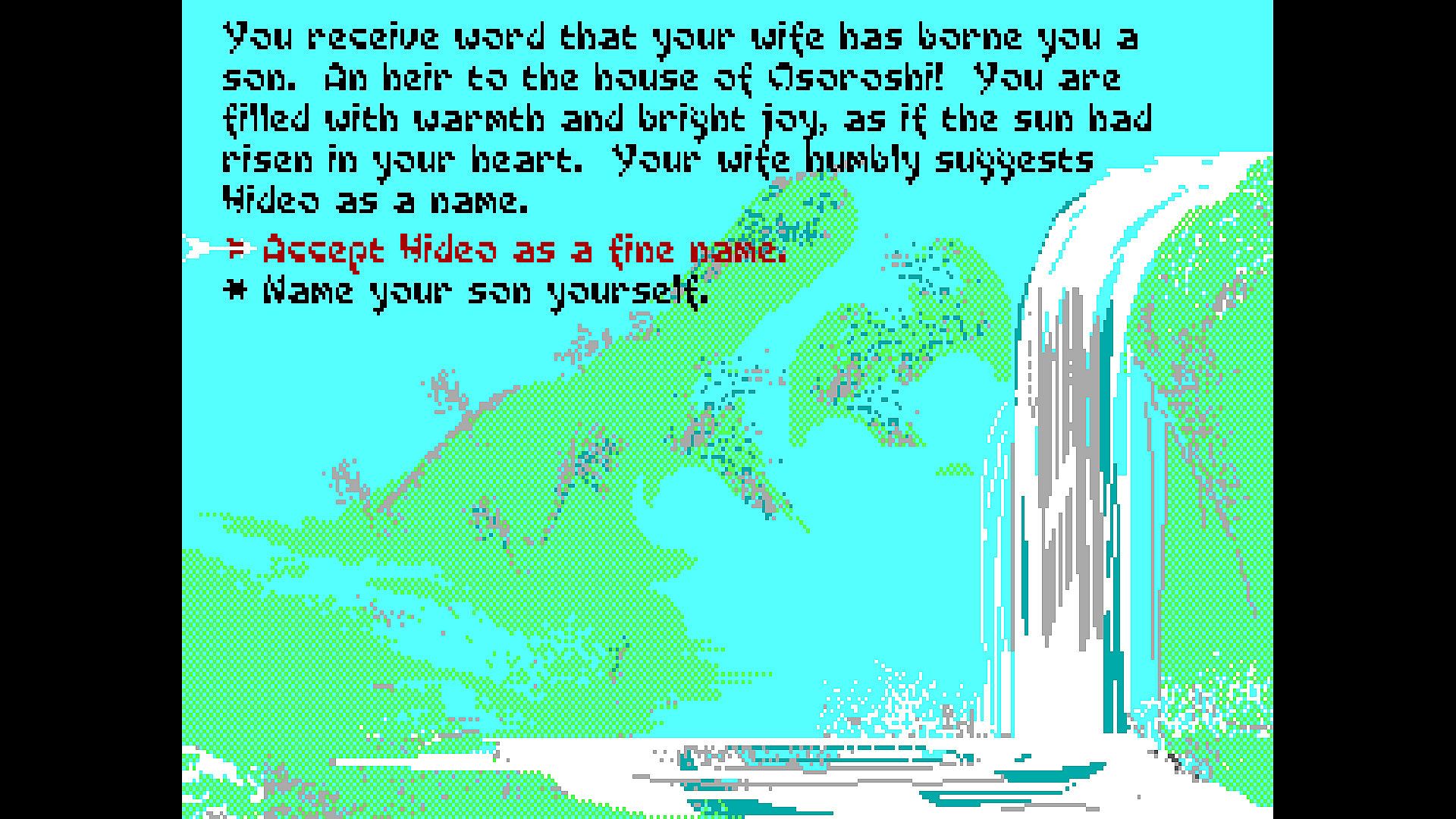
Computer-controlled characters respond to the player's choices as well as the actions of other rivals, creating a reactive environment for statesmanship and intrigue. An interface built around menus, animations, and text windows supports these systems while keeping controls straightforward. Four skill levels and additional starting options allow adjustments to difficulty and initial conditions.
Game Modes
The game operates as a single continuous campaign that shifts between different activity types without separate selectable modes. One activity type focuses on individual duels that test timing and positioning to maintain or restore honor. Another involves group melee fights that require managing multiple threats in varied environments. A third centers on directing forces in real-time engagements across dynamic battlefields.
Progression ties these activities together through the need to expand influence across provinces. Political decisions and rival interactions influence outcomes in all areas, encouraging repeated playthroughs with different starting options to explore varied paths toward unification.
Setting and Atmosphere
The game draws on sixteenth-century Japan for its visual and audio presentation. Graphics and music work together to establish the period's mood across both intimate encounters and larger conflicts. The emphasis on honor as a central resource shapes how players approach every duel, melee, and battlefield decision, reinforcing the stakes of each action in the campaign.
Is It Worth Playing?
This title suits players who enjoy older strategy-adventure hybrids that blend direct combat with oversight of rival AI behaviors and territorial goals. Its reactive opponents and variety of combat scales provide consistent engagement for those interested in feudal Japan simulations. The straightforward menu-driven interface and adjustable skill levels make it accessible for newcomers to the style while offering depth through repeated campaigns. Availability on modern platforms supports play without additional setup beyond standard compatibility options.