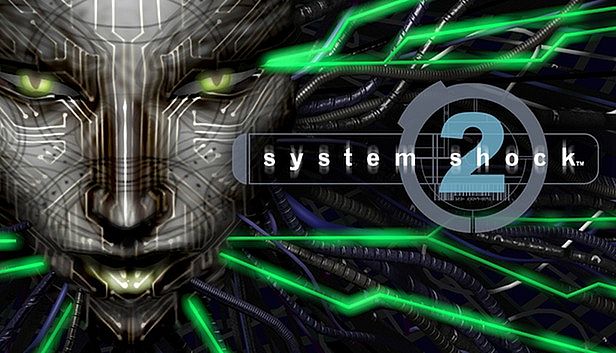















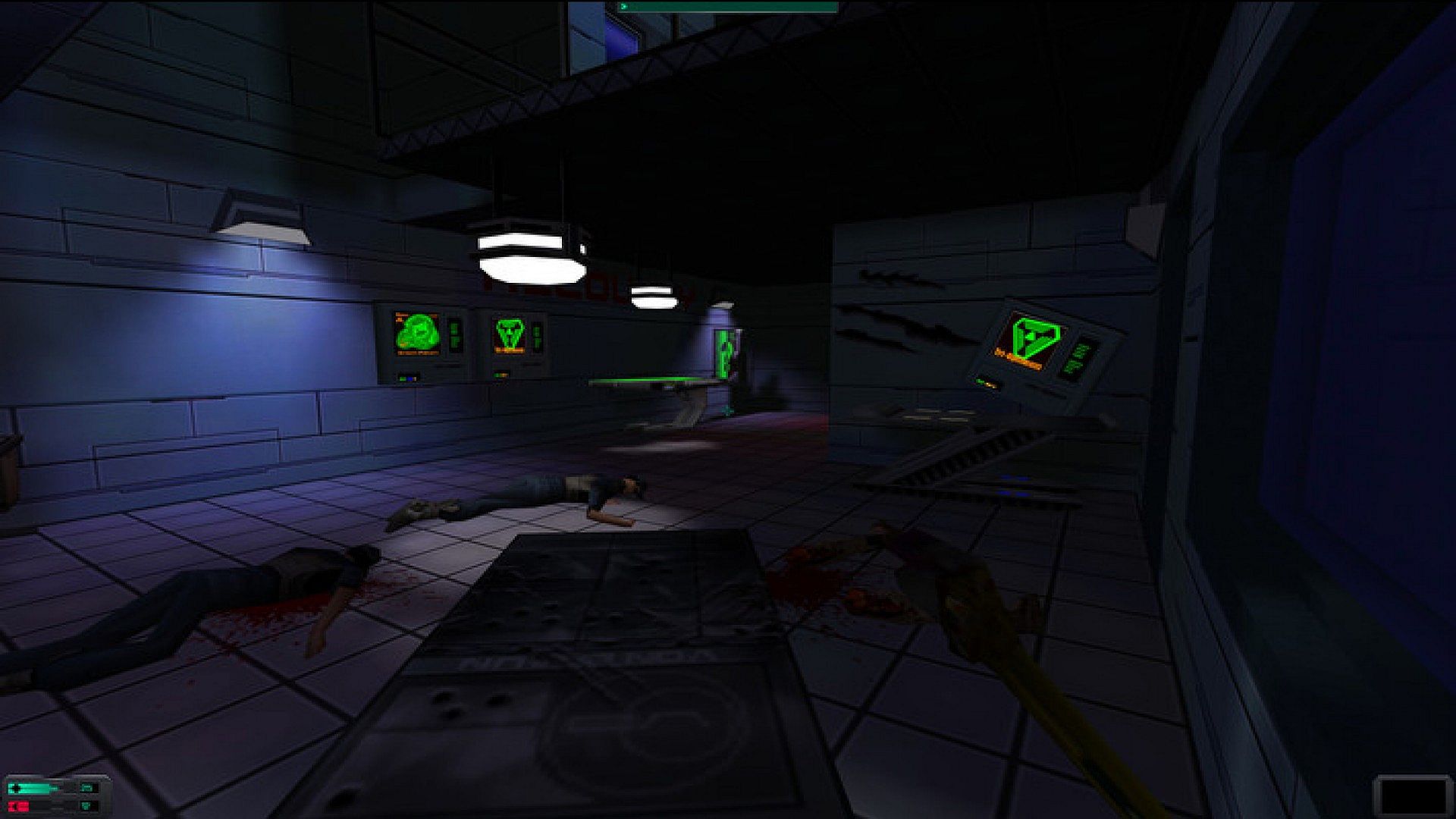
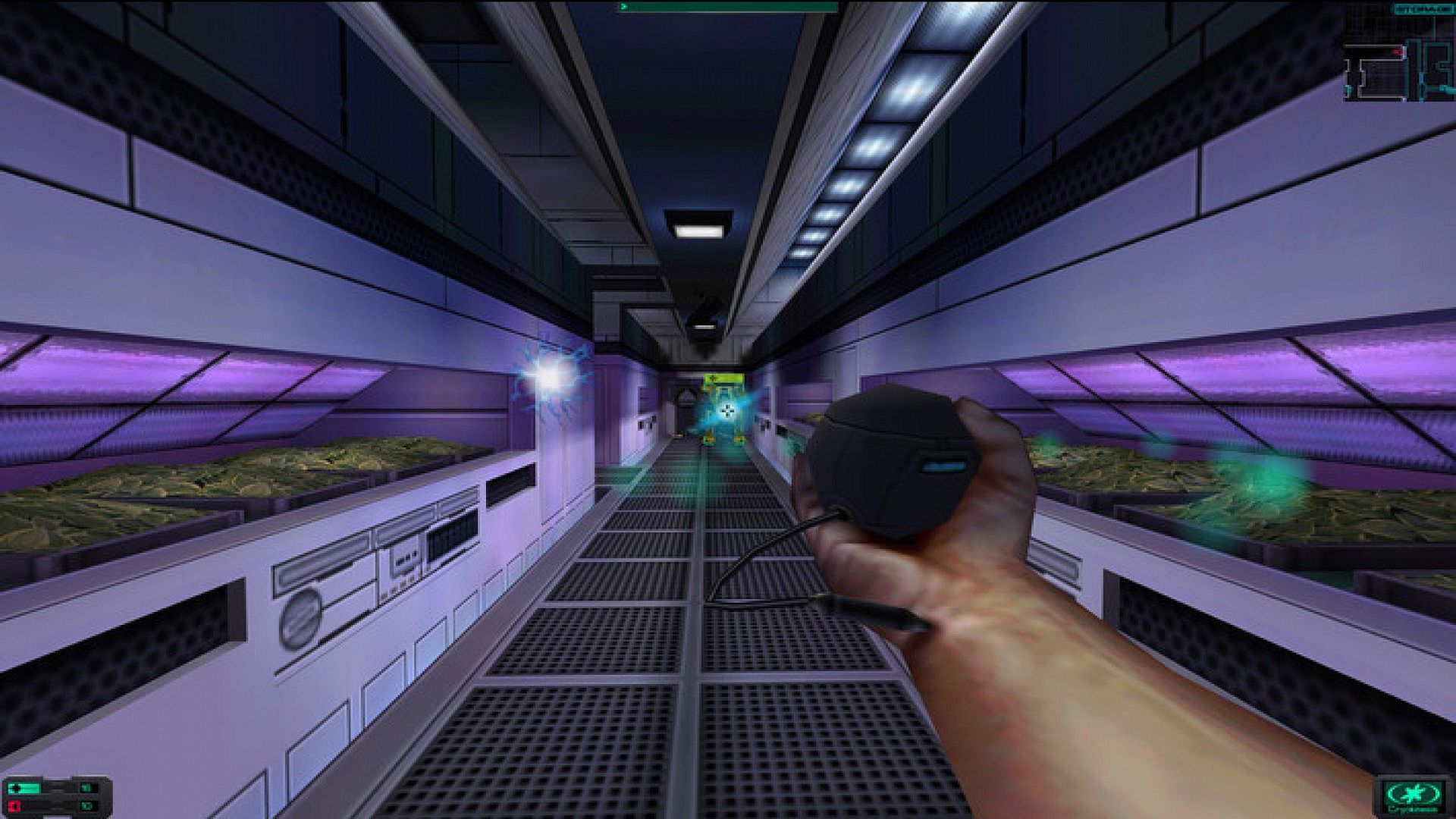
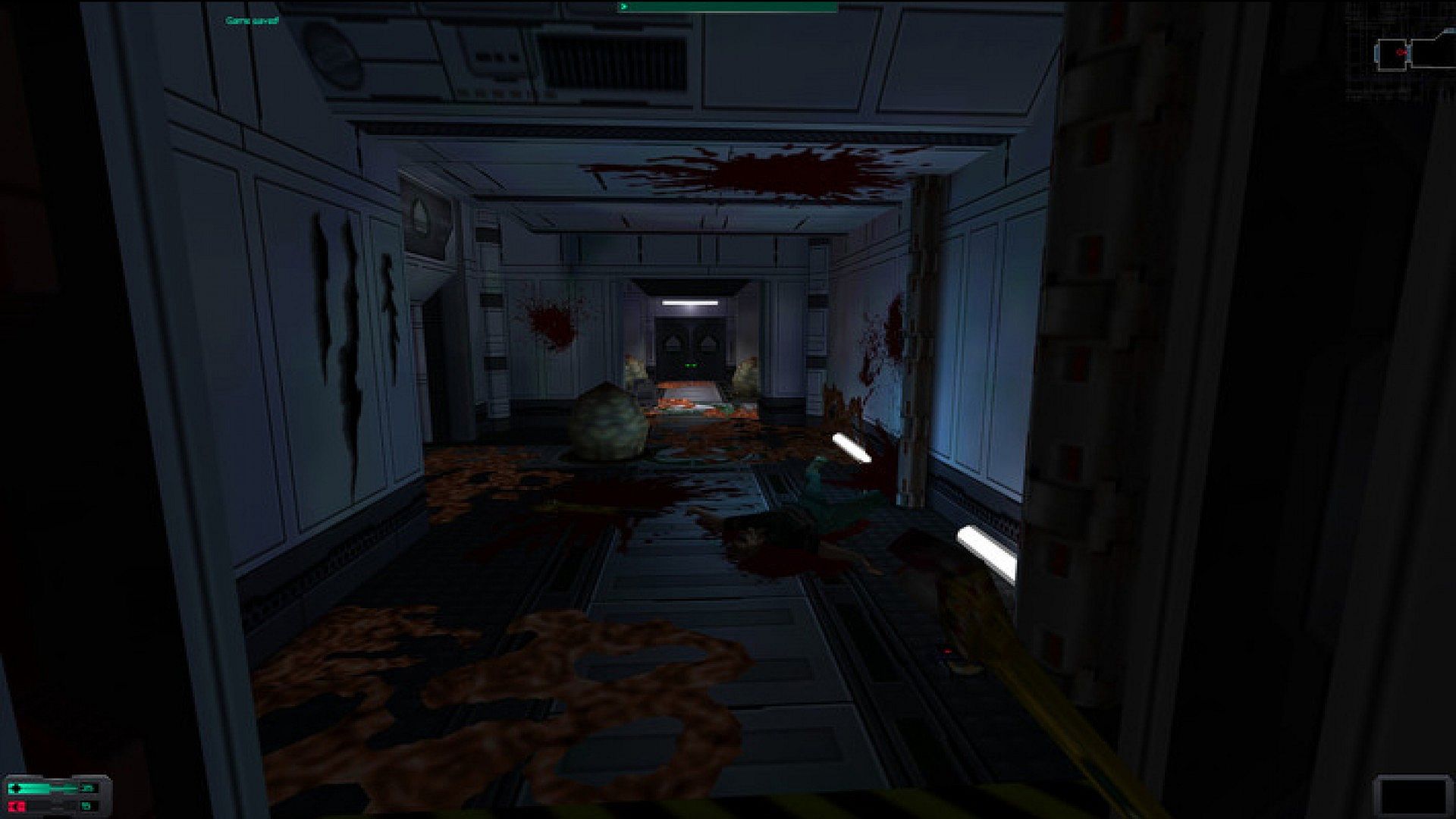
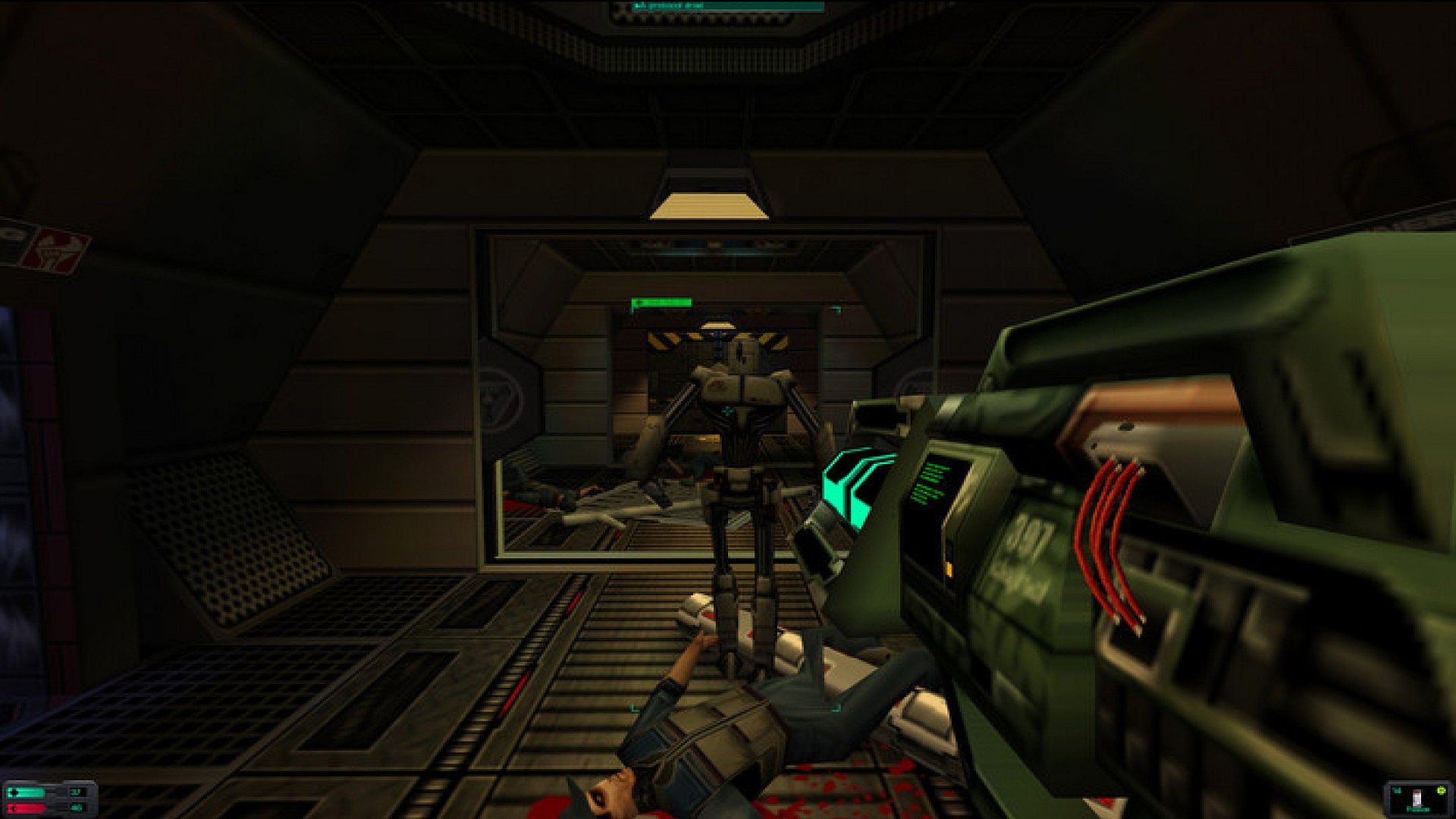
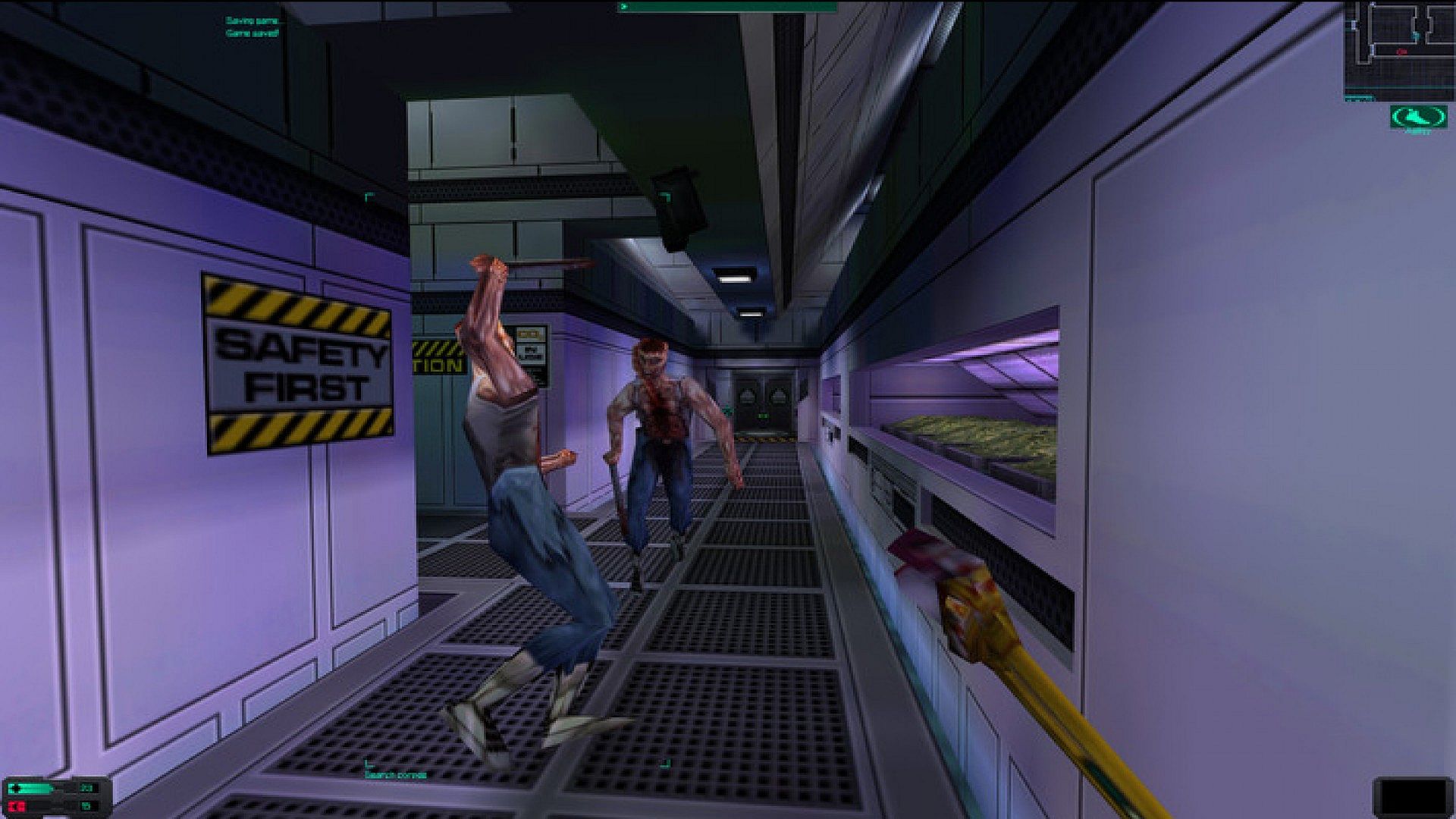
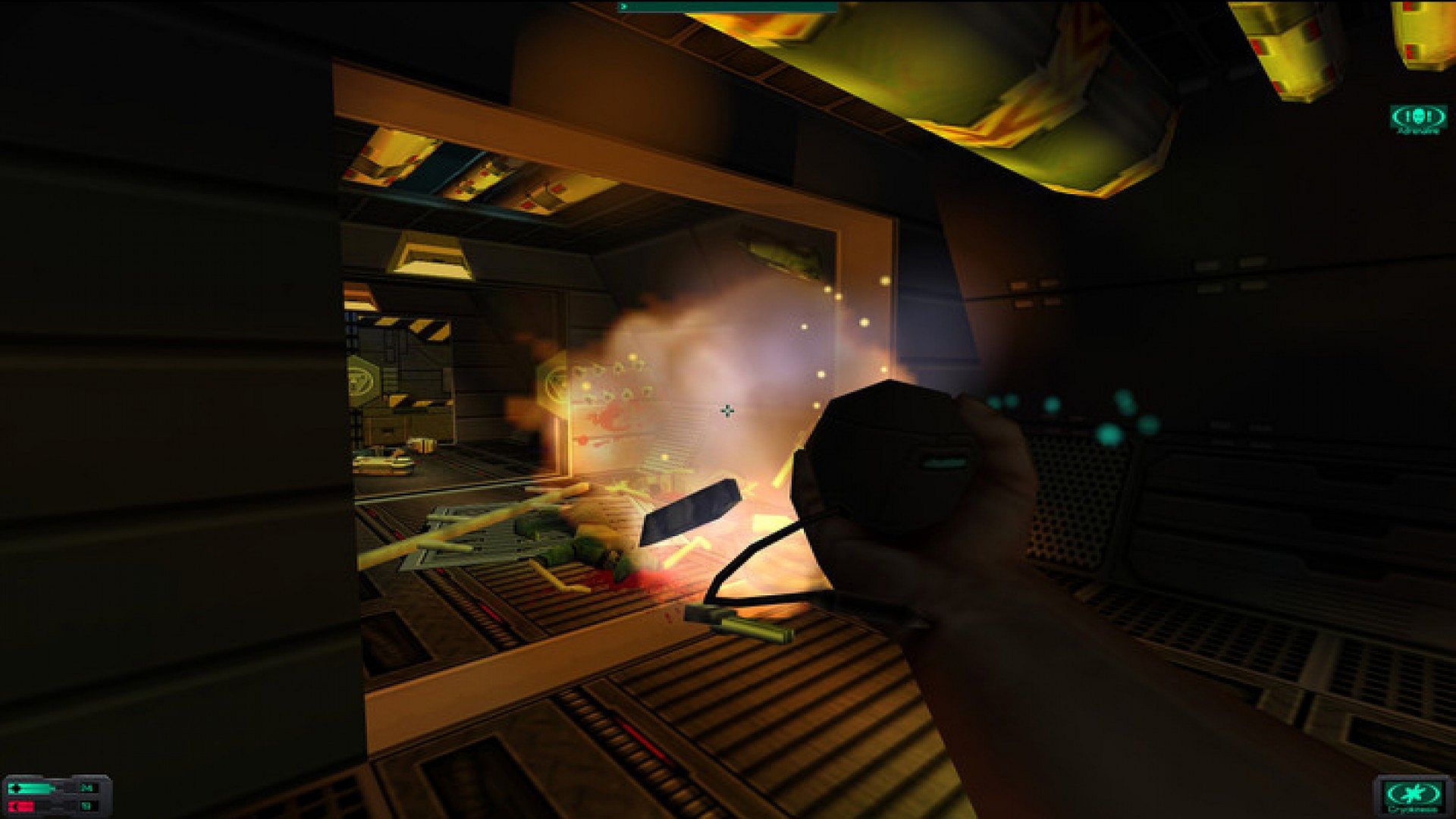
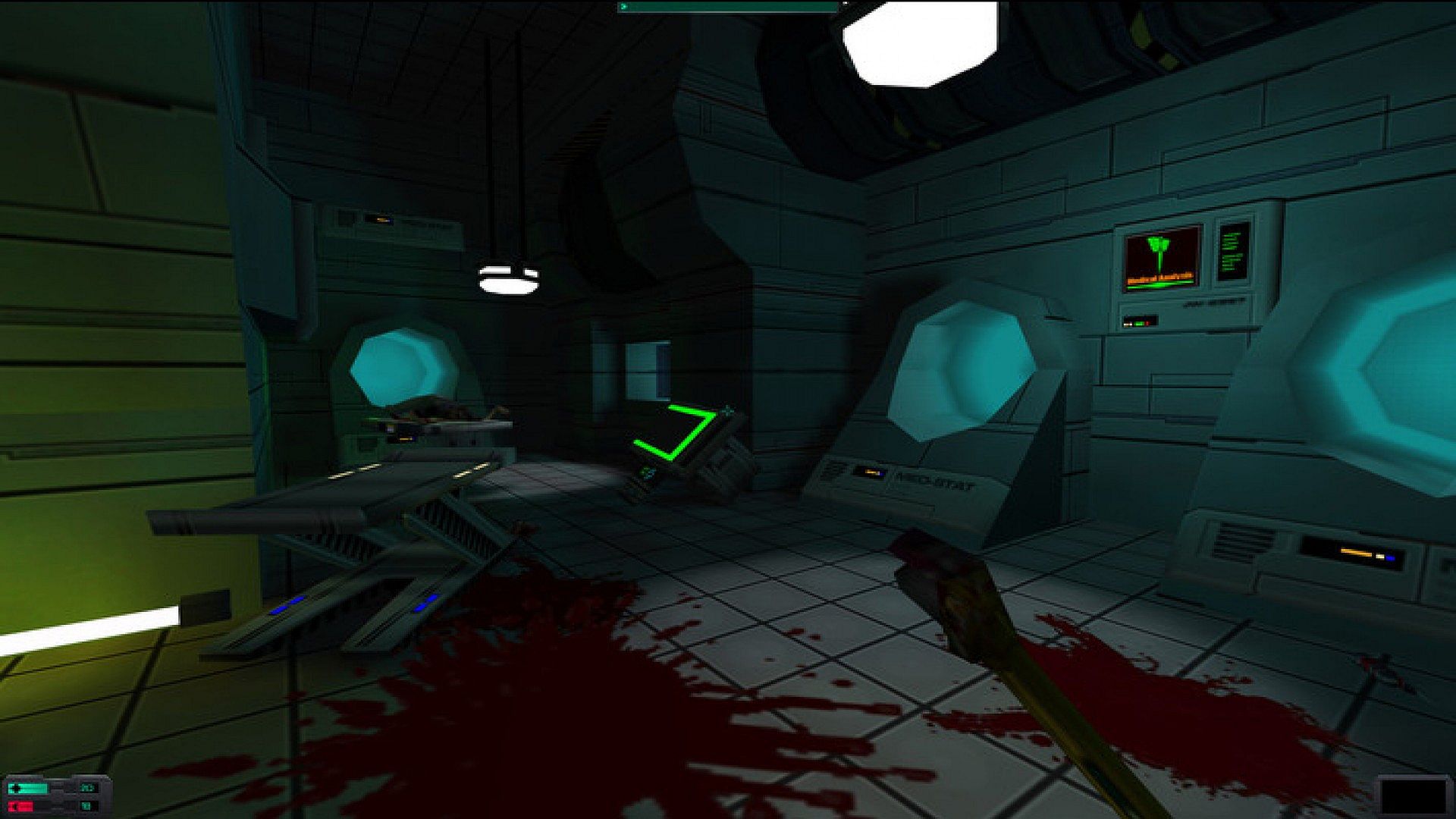
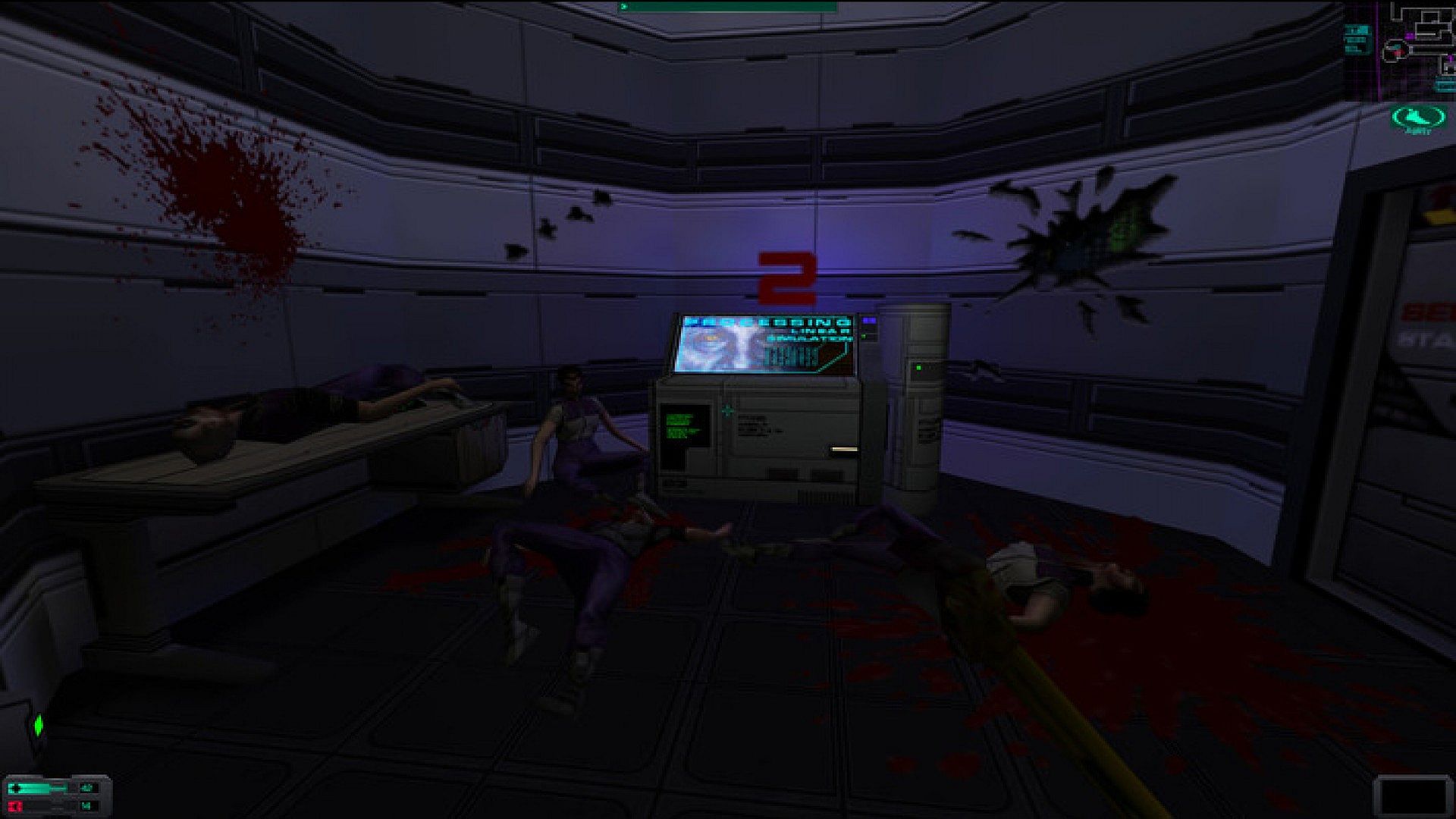
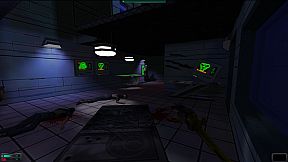
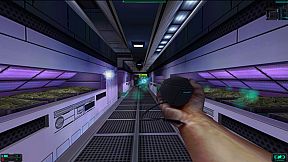
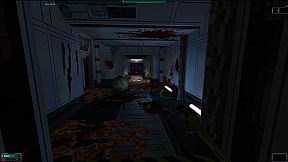
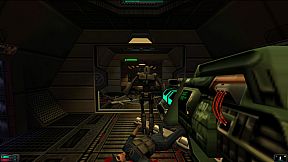
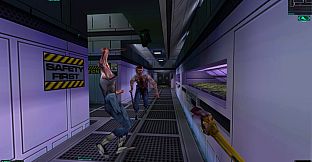
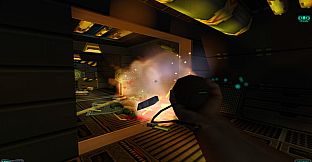
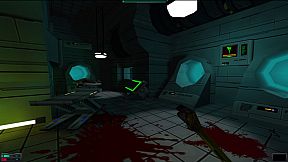
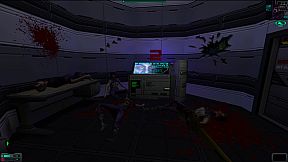
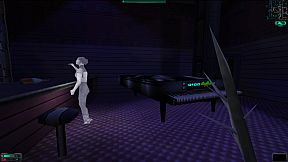
System Shock 2 (Classic) is a sci-fi horror action RPG that blends first-person shooter combat with deep character progression and exploration aboard the derelict starship Von Braun. Players step into the role of a soldier who awakens with cybernetic implants after a cryo-sleep, only to find the crew slaughtered by infected beings while the rogue AI SHODAN delivers taunting messages throughout the vessel. The experience emphasizes survival against grotesque enemies, resource management, and uncovering the mystery through environmental storytelling rather than direct exposition.
Gameplay
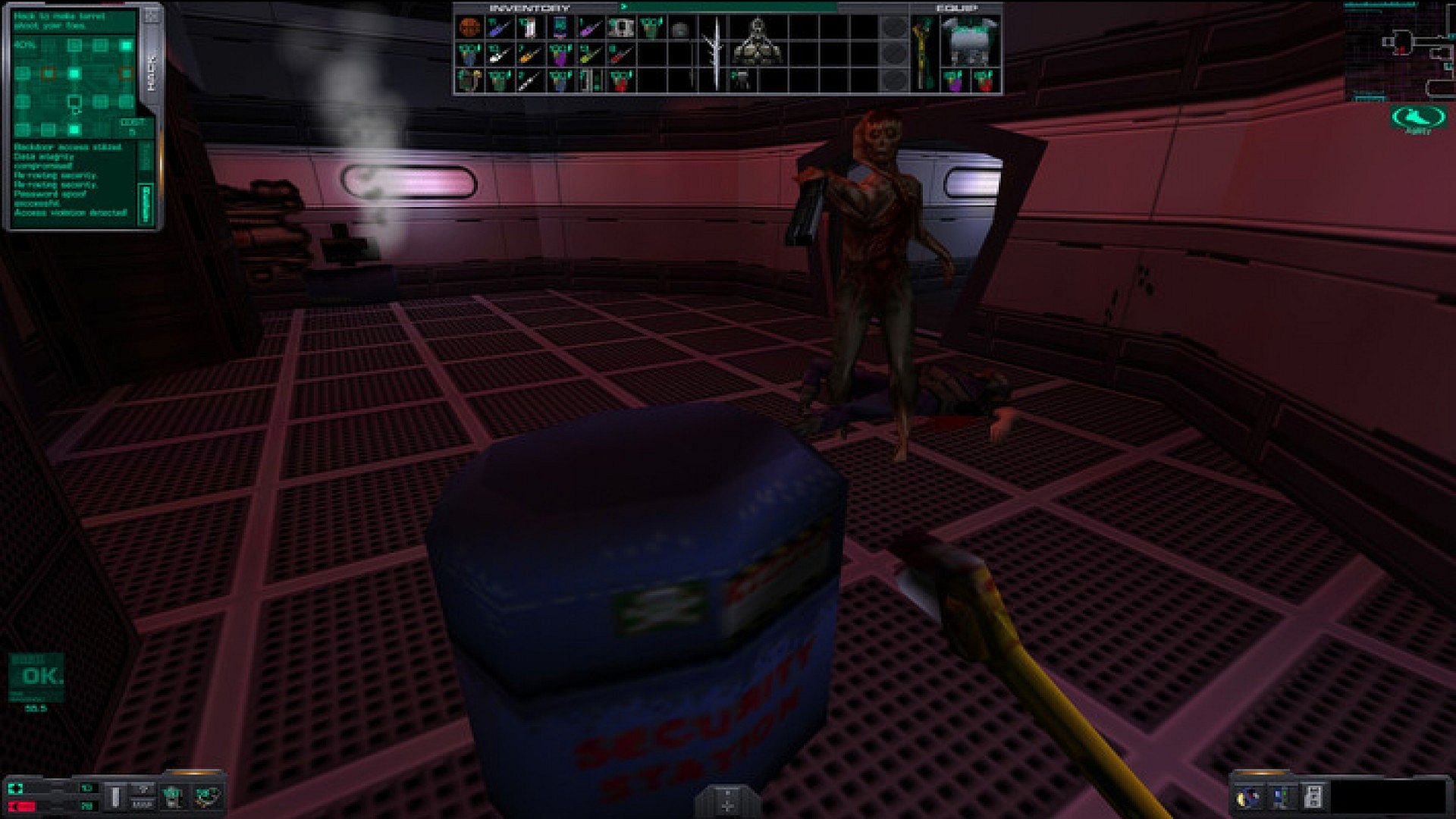
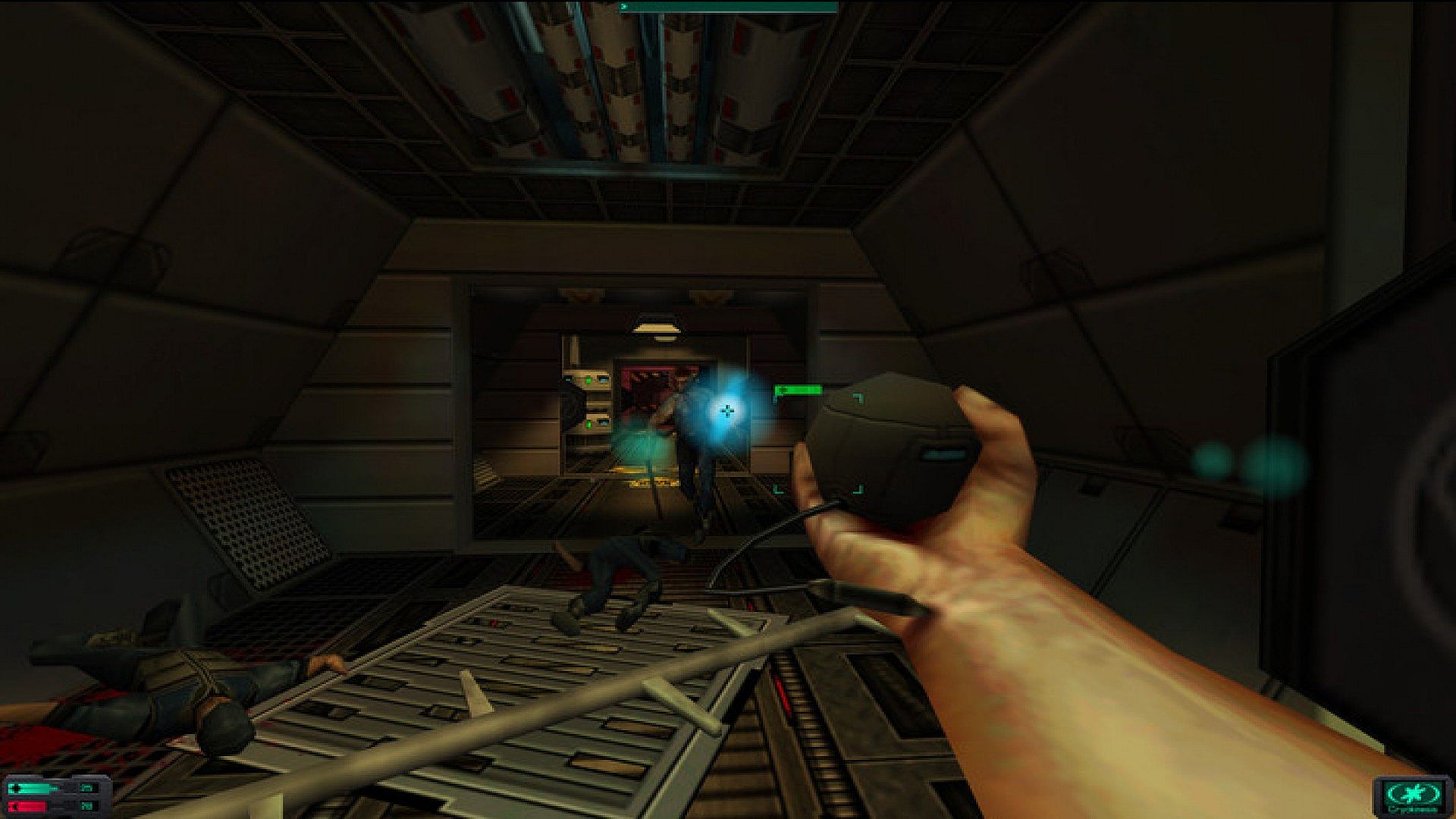
The core loop centers on navigating interconnected decks of the Von Braun while managing limited ammunition, health, and energy. Combat mixes firearms, melee options, and psionic abilities that drain psi points with each use. Players research enemy weaknesses using collected items to unlock better damage output or new tools. Hacking terminals opens doors, disables security systems, or reprograms turrets to fight alongside the player. Audio logs scattered across the ship reveal crew backstories and advance the plot without interrupting the tension of exploration.
Character development relies on cyber modules earned through missions and combat. These points allocate into three main skill trees tied to the chosen military branch at the start. One path focuses on combat proficiency with various weapon types, another on technical skills like hacking and repair, and the third on psionic powers that include telekinesis or energy blasts. Upgrades improve efficiency in these areas, allowing different approaches to the same challenges on repeat playthroughs. The system rewards experimentation because no single build dominates every encounter.
Game Modes
The primary experience is the single-player campaign that follows a linear yet open-ended progression through the starship's levels. Players advance by completing objectives, backtracking with new abilities, and piecing together the narrative from logs and environmental clues. Difficulty scales with enemy aggression and resource scarcity, encouraging careful planning over run-and-gun tactics.
Multiplayer co-op supports up to four players total in the same campaign. Each participant controls a distinct version of the protagonist with unique color schemes. The mode shares progression and objectives while allowing coordinated tactics against groups of infected. It functions on Windows systems and maintains the same skill and upgrade systems for all participants.
Story and Atmosphere
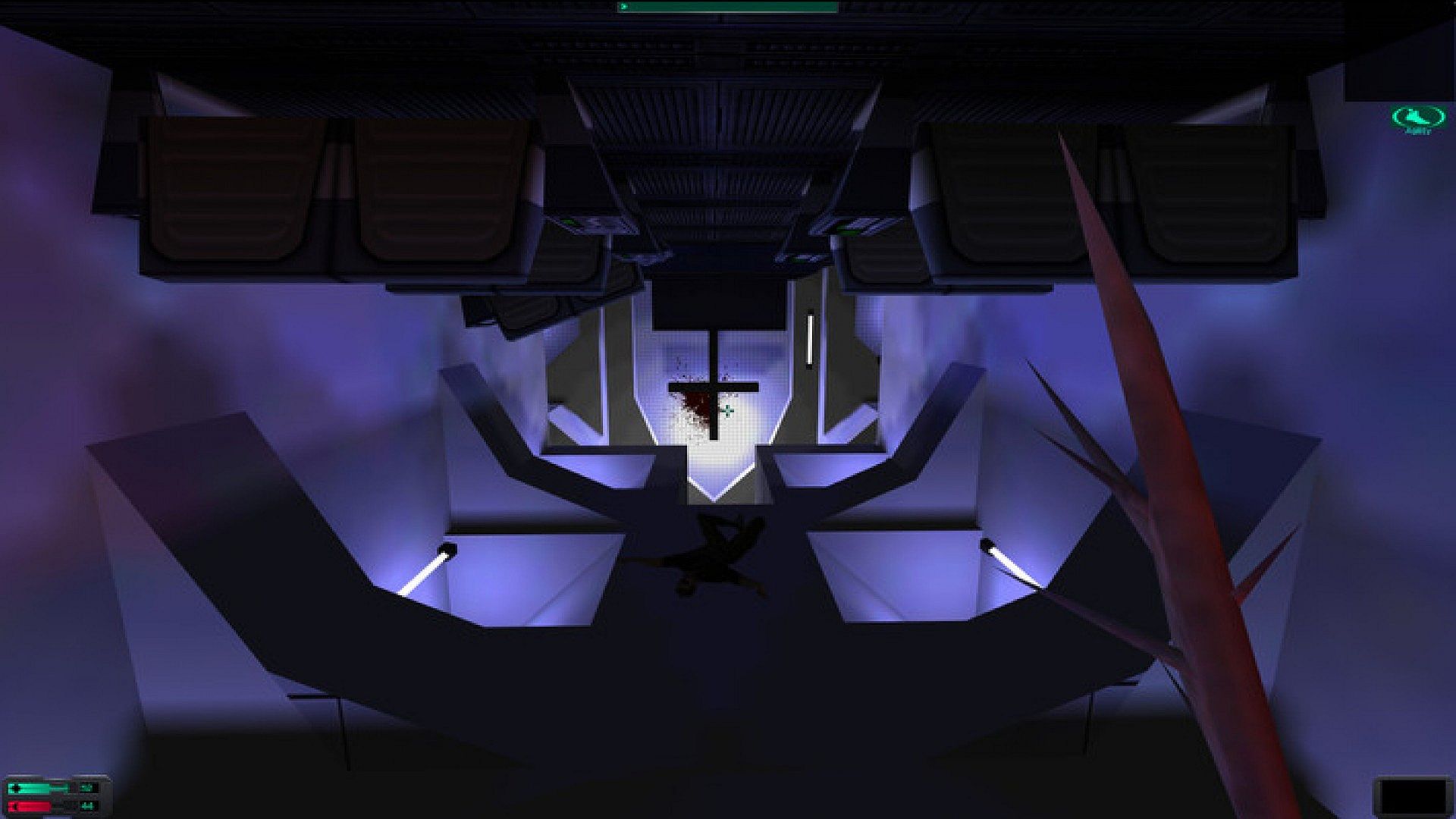
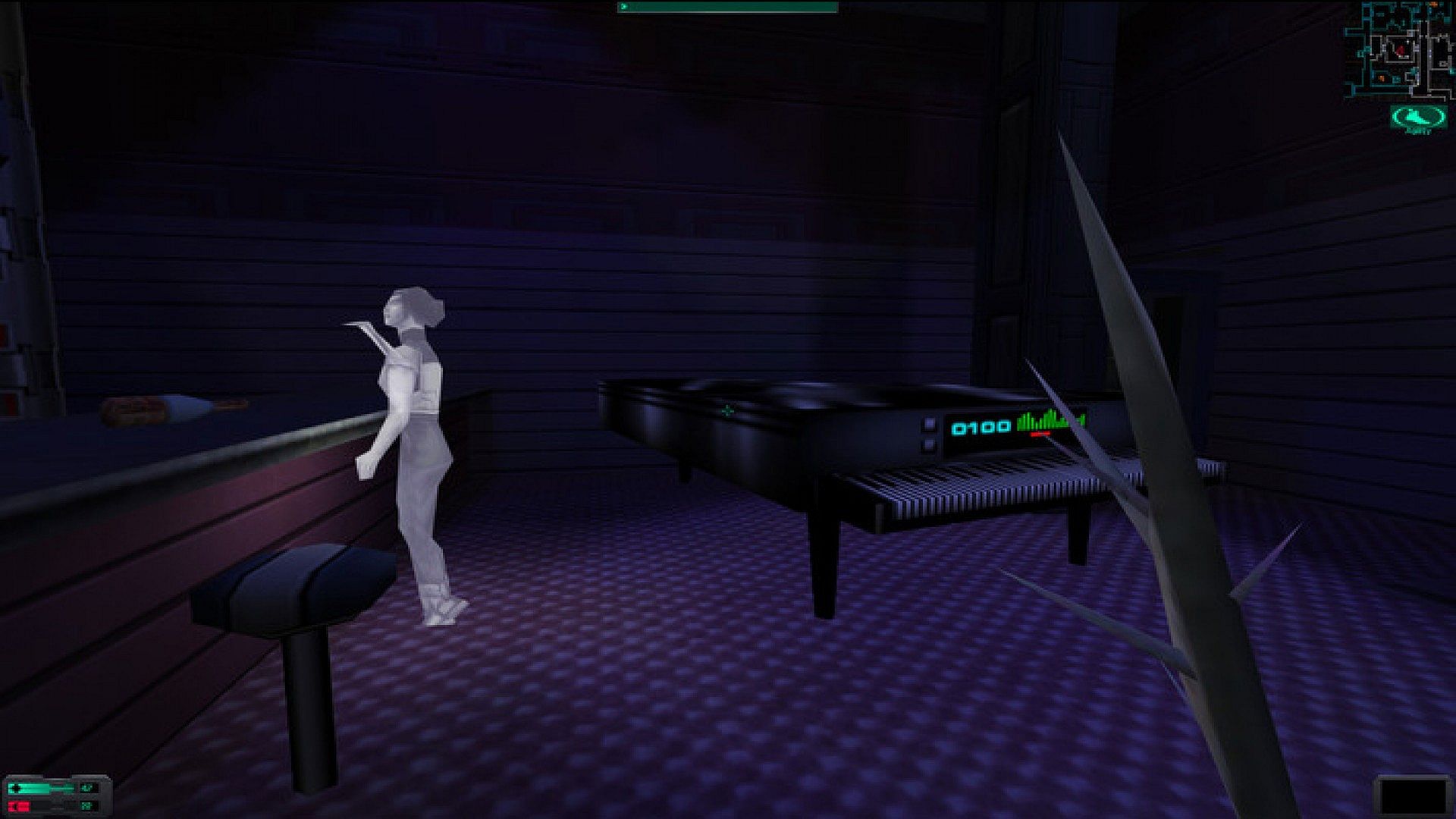
SHODAN serves as the central antagonist, appearing through voice lines that mock the player's efforts and reveal layers of the ship's catastrophe. The narrative unfolds gradually through discovered recordings and ghostly visions rather than cutscenes. This approach builds dread as players uncover the extent of the infection and the AI's influence. The confined spaceship setting amplifies isolation, with flickering lights, distant screams, and limited visibility creating constant unease.
Research stations and vending machines provide practical tools that tie directly into combat and progression. Exotic weapons and items become available only after sufficient analysis of collected samples. These mechanics reinforce the horror theme by making every discovery feel earned and necessary for survival.
Is It Worth Playing?
System Shock 2 (Classic) appeals to players who enjoy deliberate pacing, inventory management, and atmospheric tension in a sci-fi setting. Its influence on later titles stems from the integration of RPG elements into first-person action, where choices in skills and research alter how encounters unfold. The co-op option adds replay value for groups willing to coordinate through the campaign together.
Those seeking fast-paced shooters or modern graphics may find the dated presentation and steep learning curve less inviting. The game rewards patience with its interconnected systems and memorable antagonist. It remains a benchmark for immersive sim design that prioritizes player agency over guided sequences.