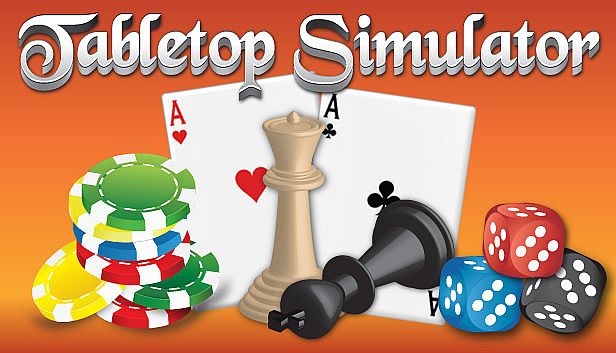






















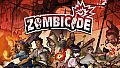






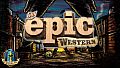



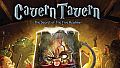






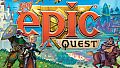











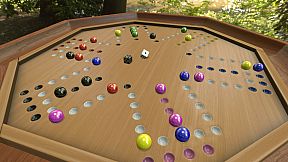
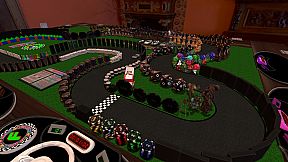
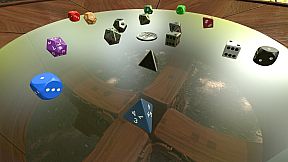
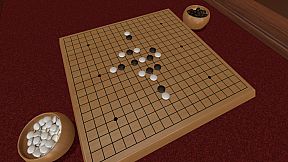
Tabletop Simulator stands out as a versatile multiplayer simulation game that brings the world of board games, card games, and RPGs to your PC. Released in 2015, this indie title from Berserk Games lets you recreate physical tabletop experiences in a digital space, complete with realistic physics and endless customization options. Whether you're into strategy games, casual puzzles, or immersive role-playing sessions, it offers a platform where creativity meets social interaction, supporting up to 10 players in online matches.
Gameplay
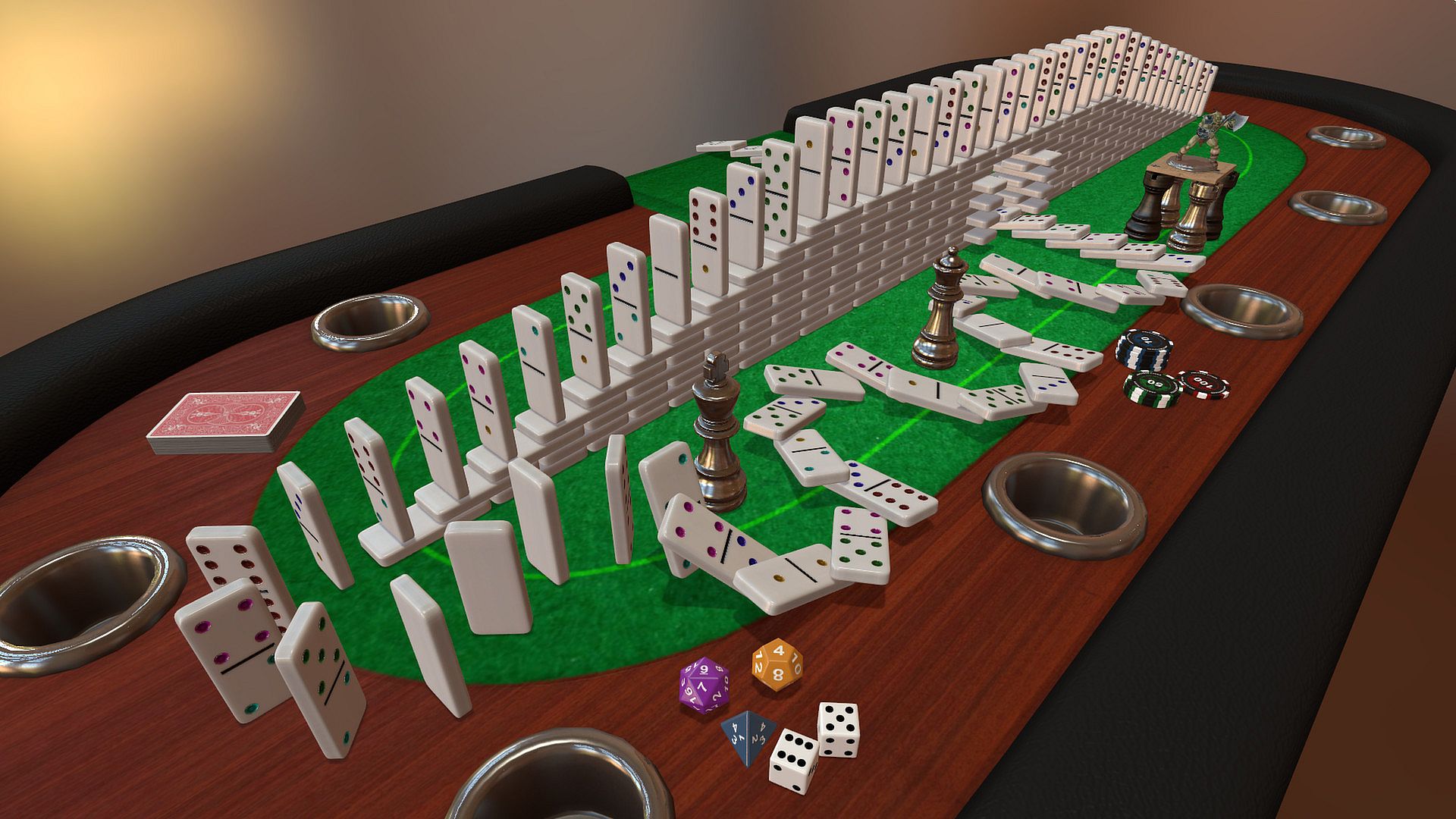
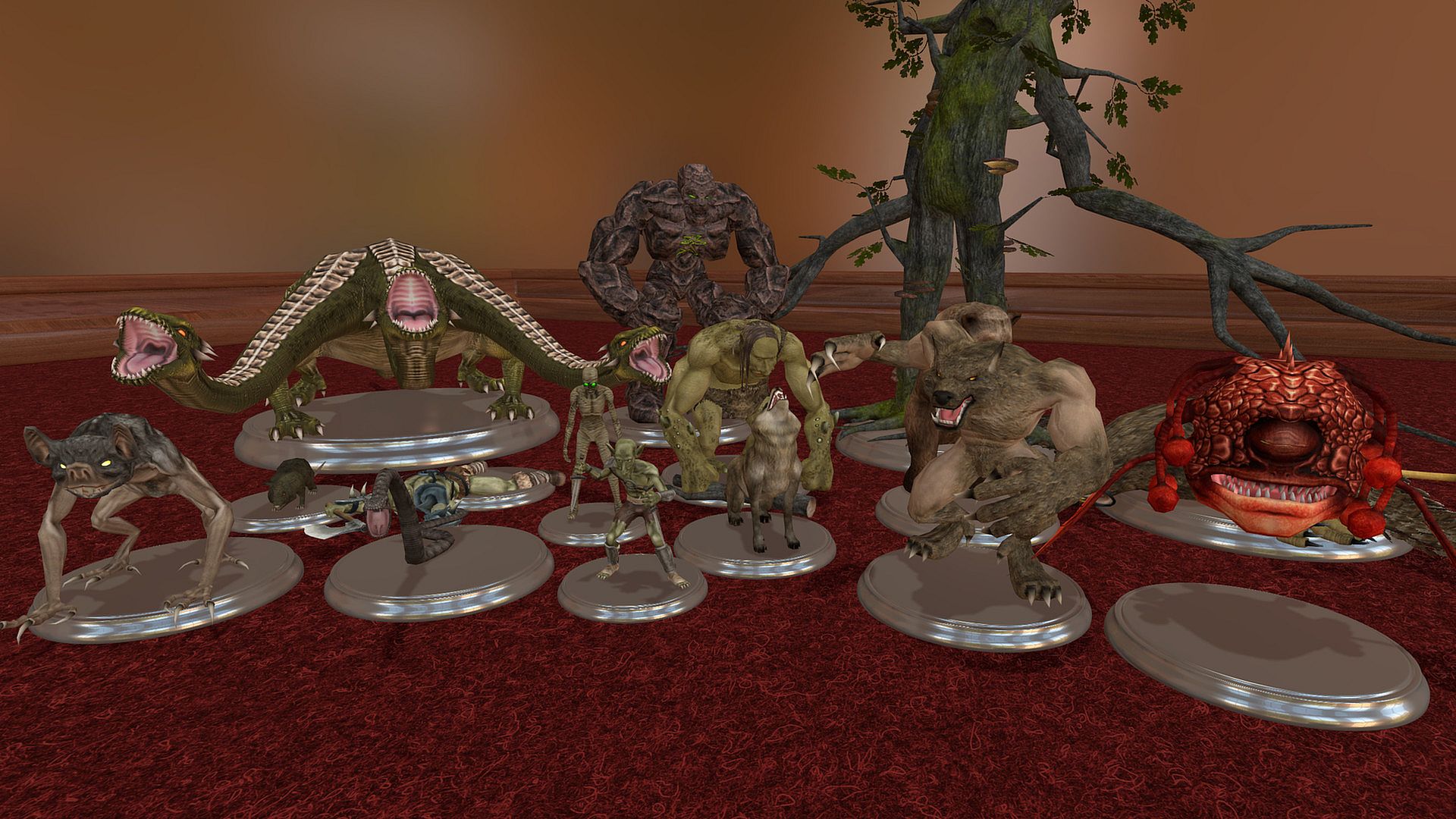
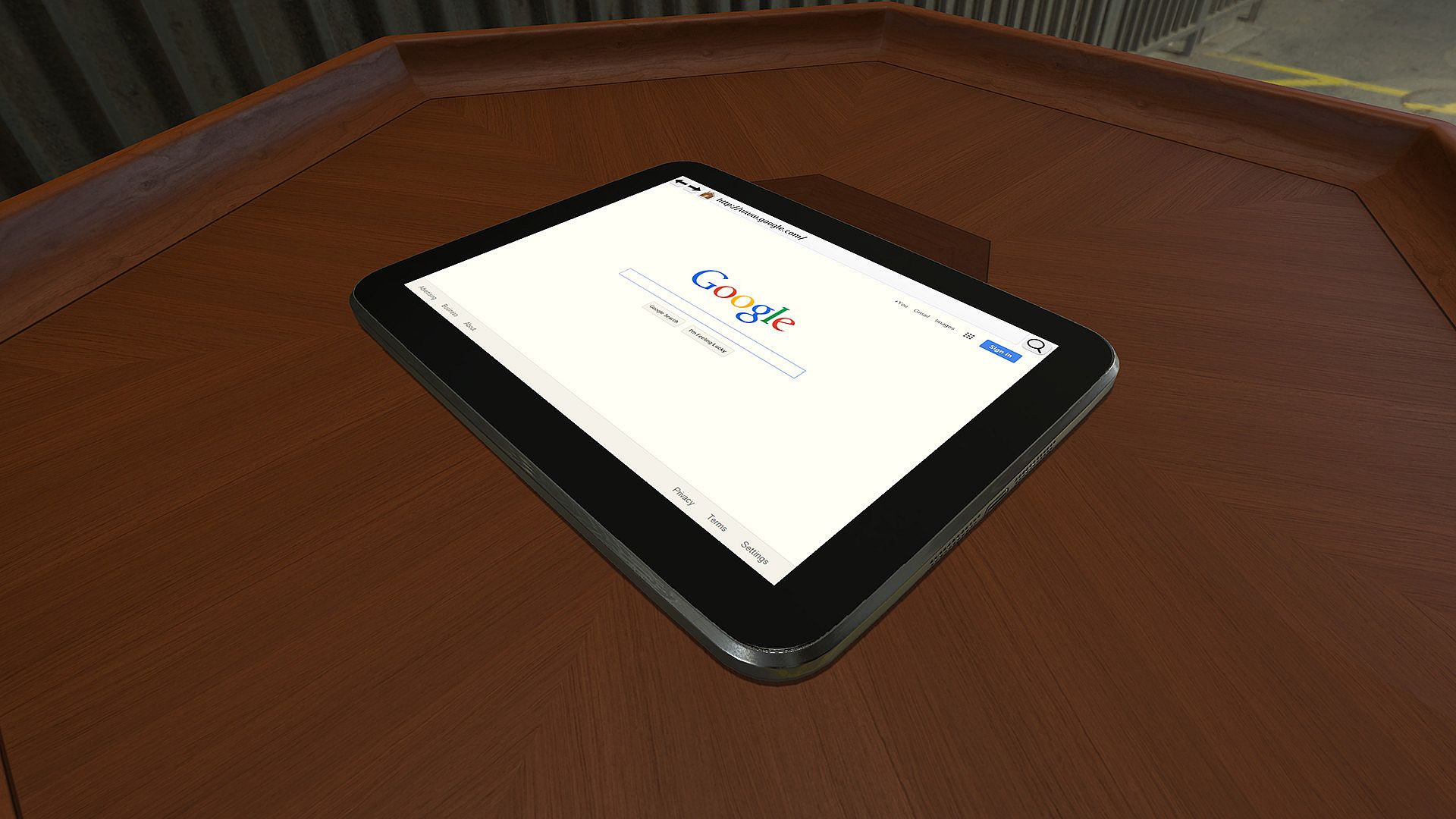
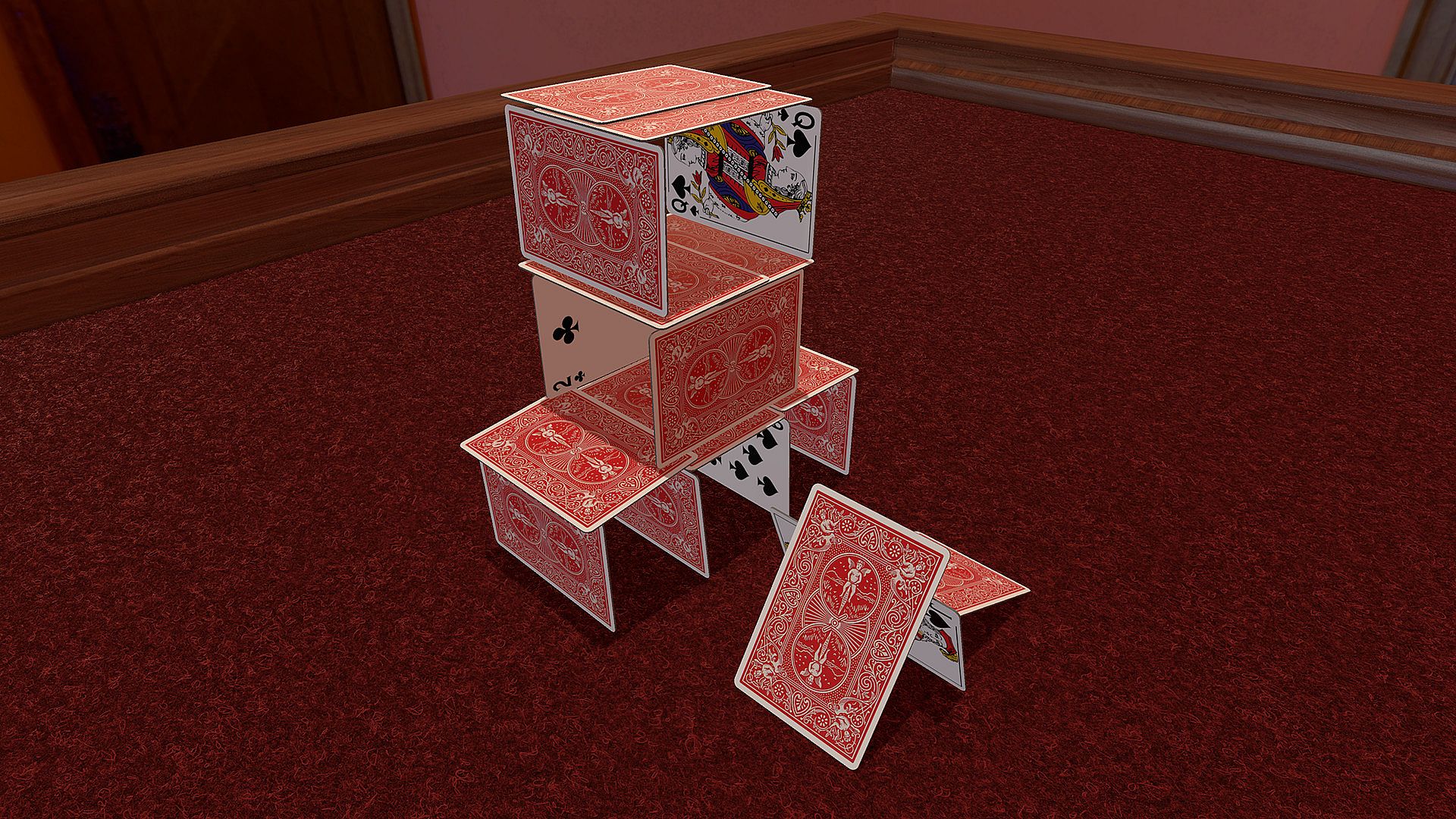
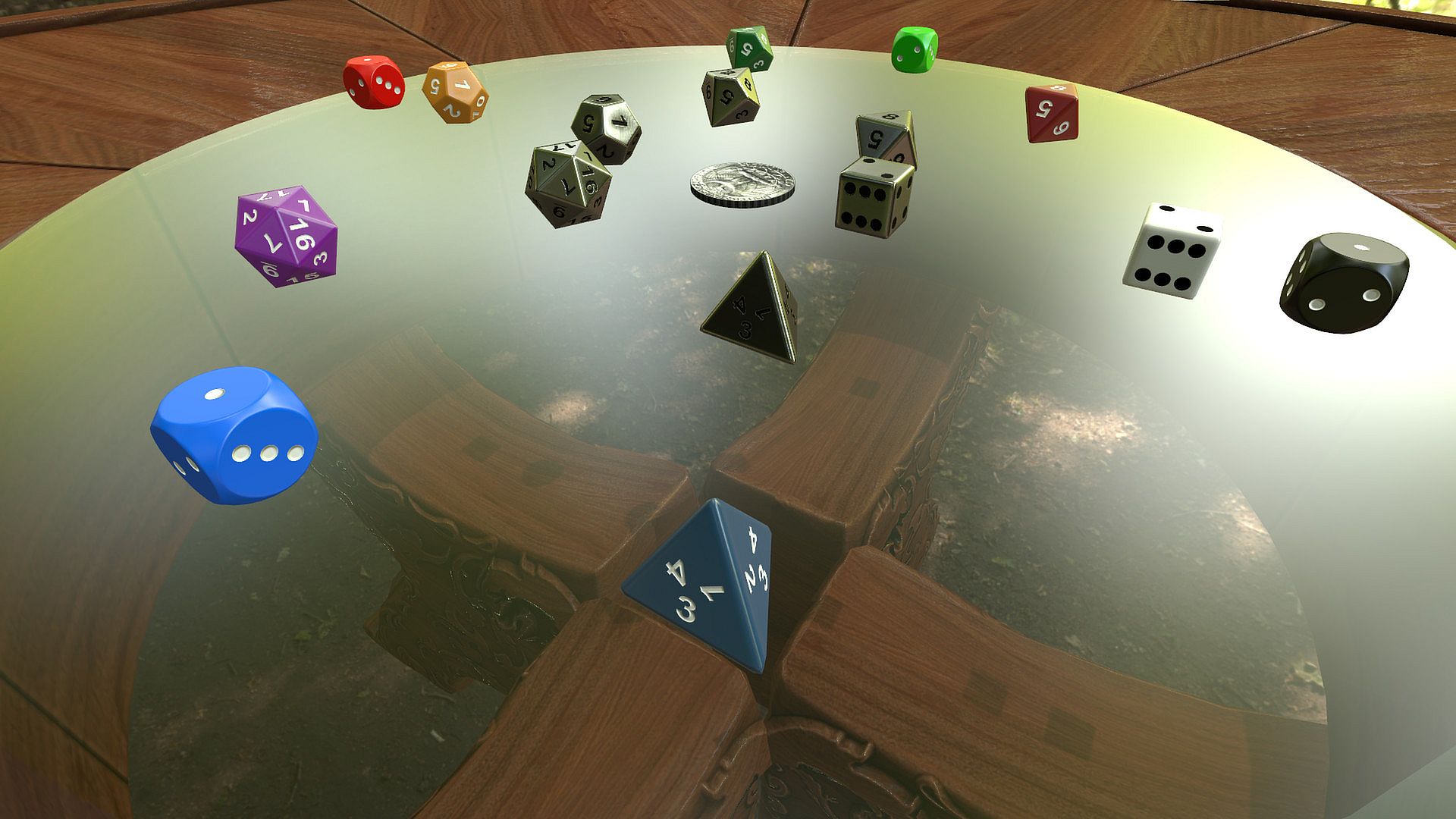
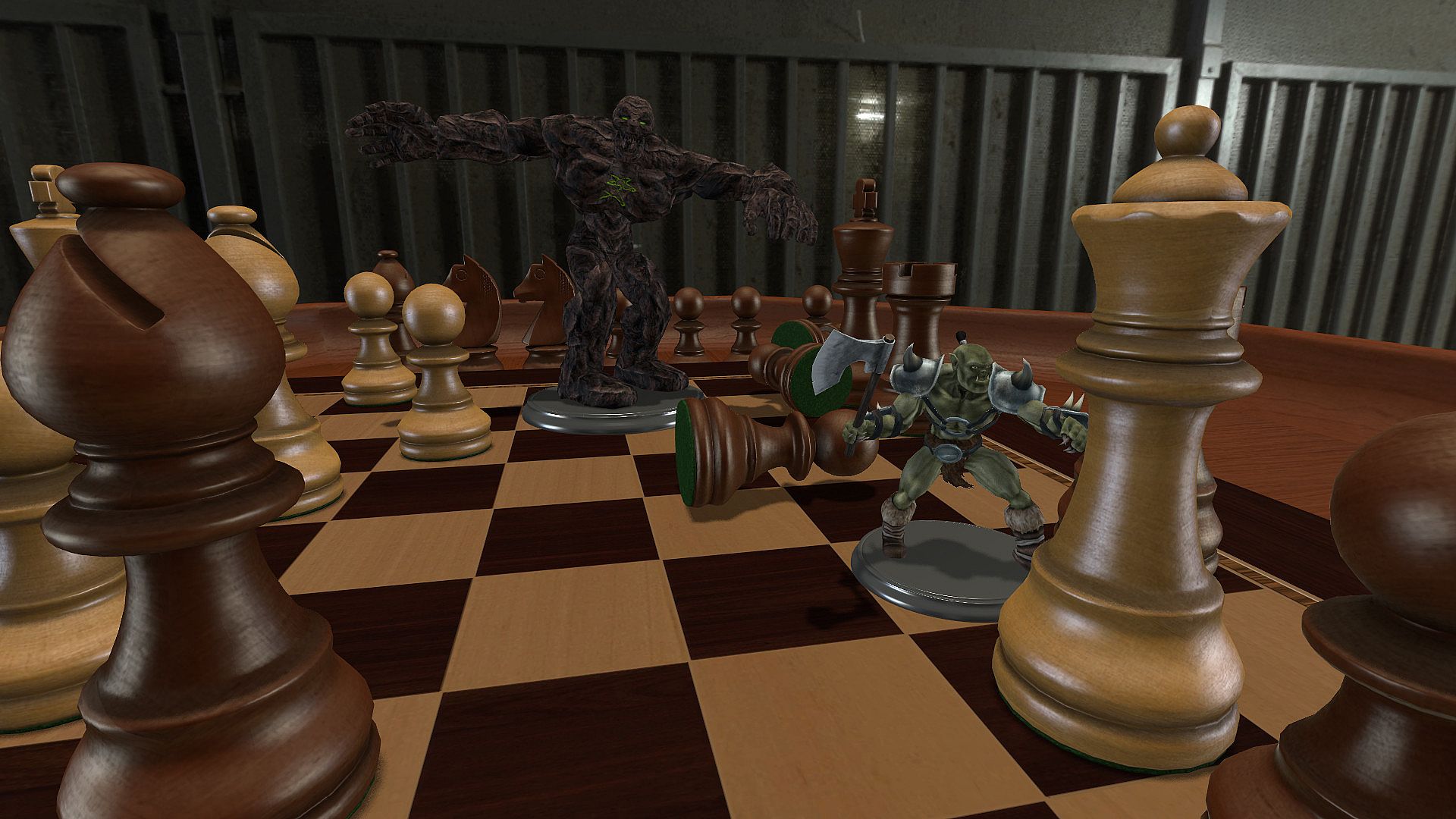
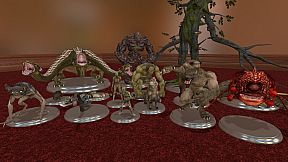
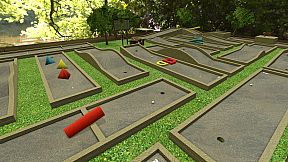
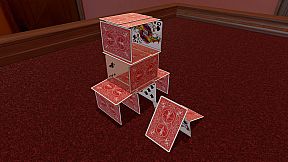
In Tabletop Simulator, the core experience revolves around a physics-based sandbox where objects behave much like they would on a real table. You can pick up, rotate, shake, or throw items such as dice, cards, and figurines, with collisions and interactions adding a layer of realism. The game supports Lua scripting to automate rules and behaviors, allowing for complex setups like automated card dealing or custom mechanics. Players can import 3D models, images for custom boards and decks, and even create hinges or joints for intricate constructions. For RPG enthusiasts, tools like modular tilesets and animated figurines enable dungeon building and battles. A tablet feature lets you browse the web, play music, or view videos during sessions, enhancing the social aspect. Admin controls help manage permissions to prevent disruptions in public games, and panoramic backgrounds adjust lighting and atmosphere for different moods.
Recent updates have refined these systems, including a networking overhaul for better reliability and lower latency, an upgrade to Unity 6 for improved performance, and enhancements to hotseat mode that simulate online play locally. Scripting improvements, such as better error handling and new APIs for turn orders and hand management, make it easier to prototype and refine custom games.
Game Modes
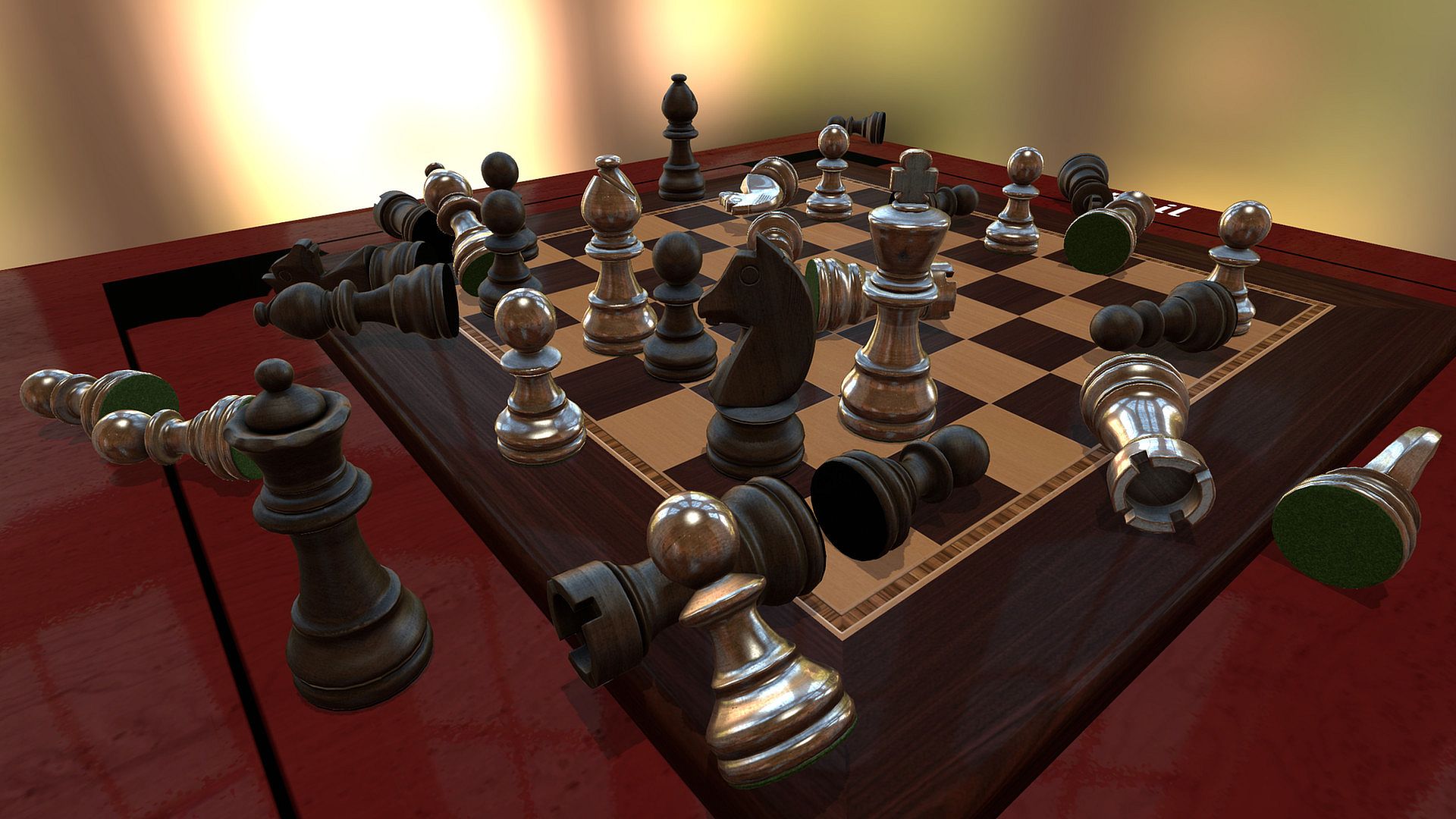
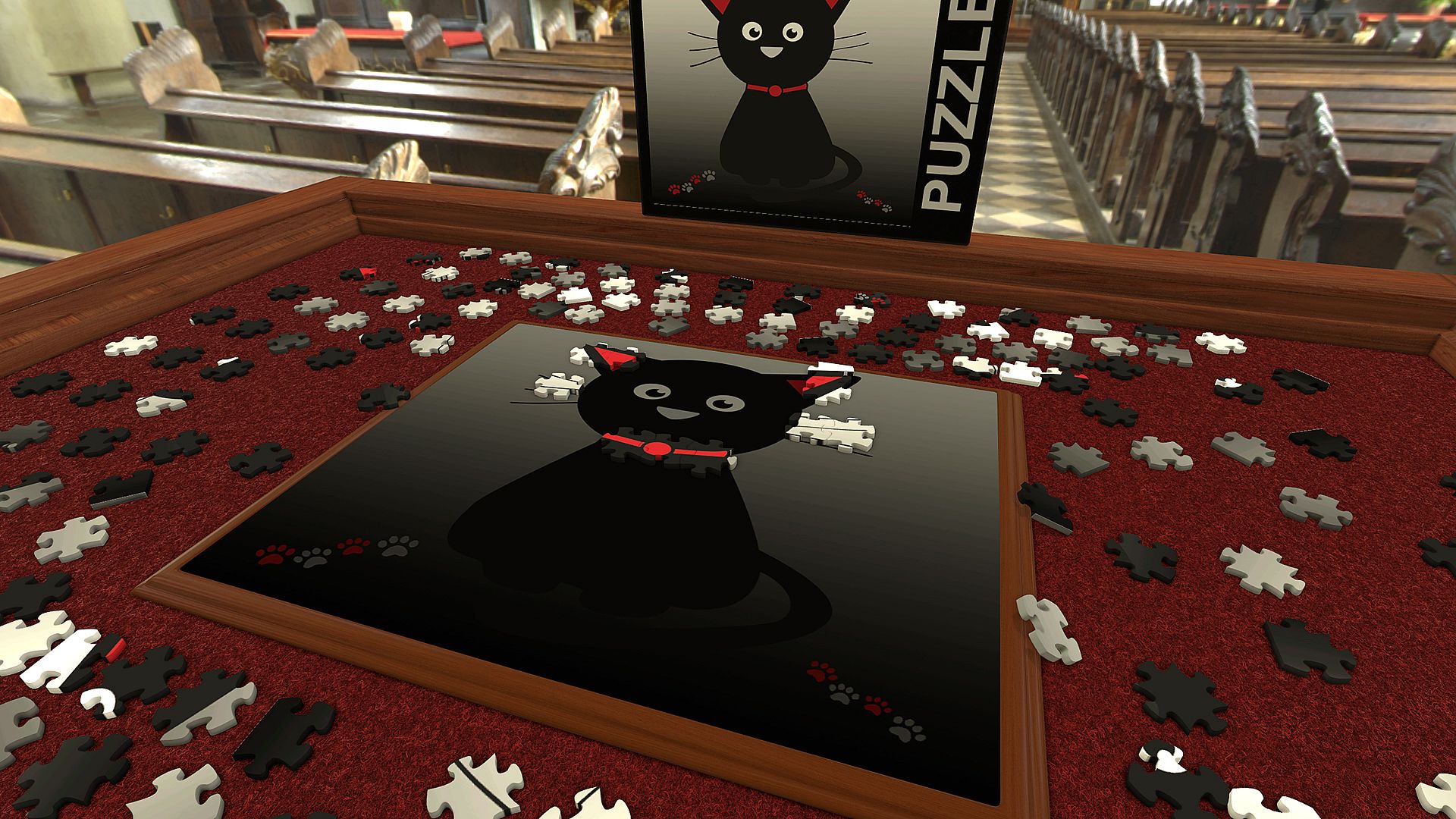
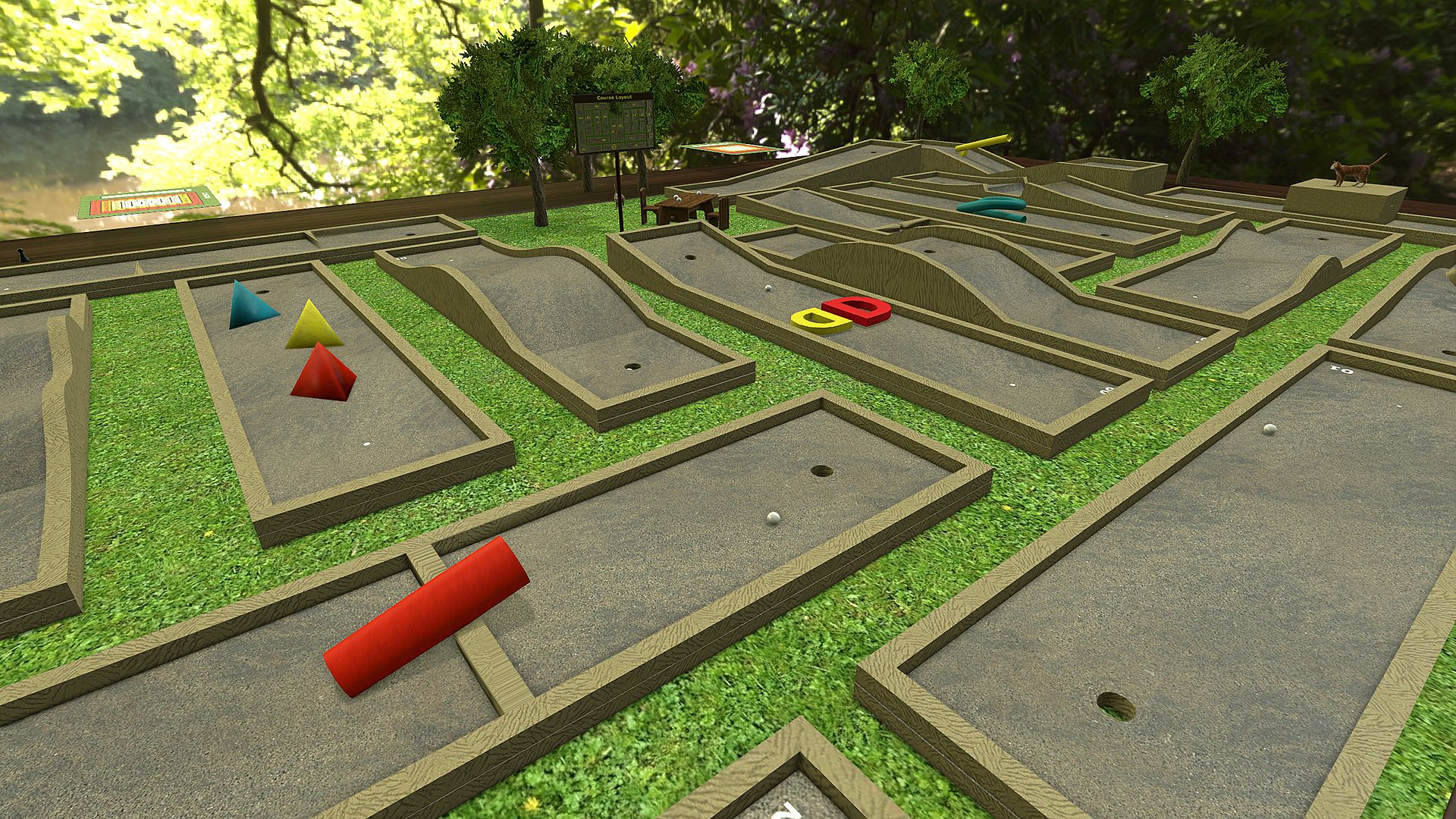
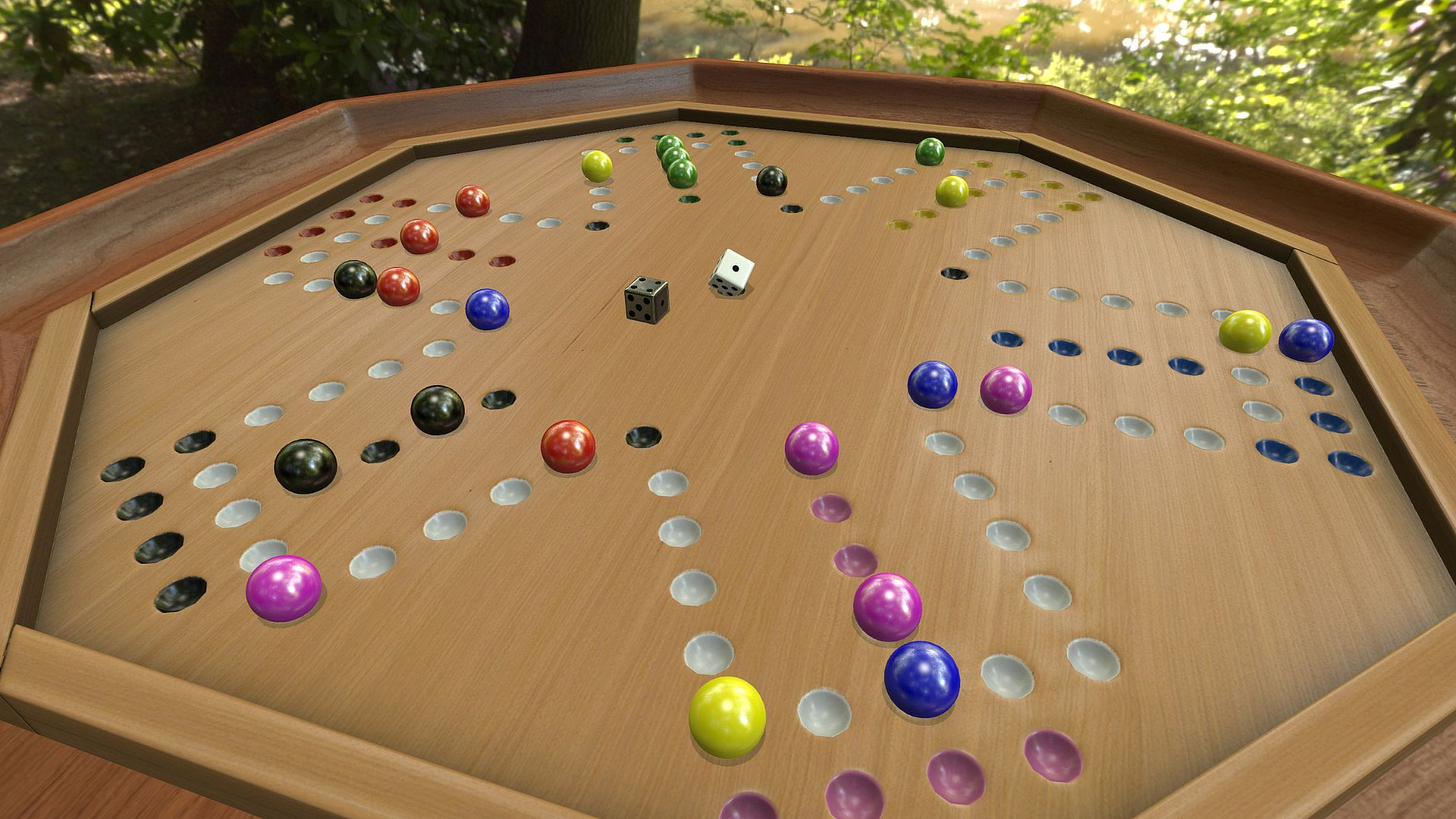
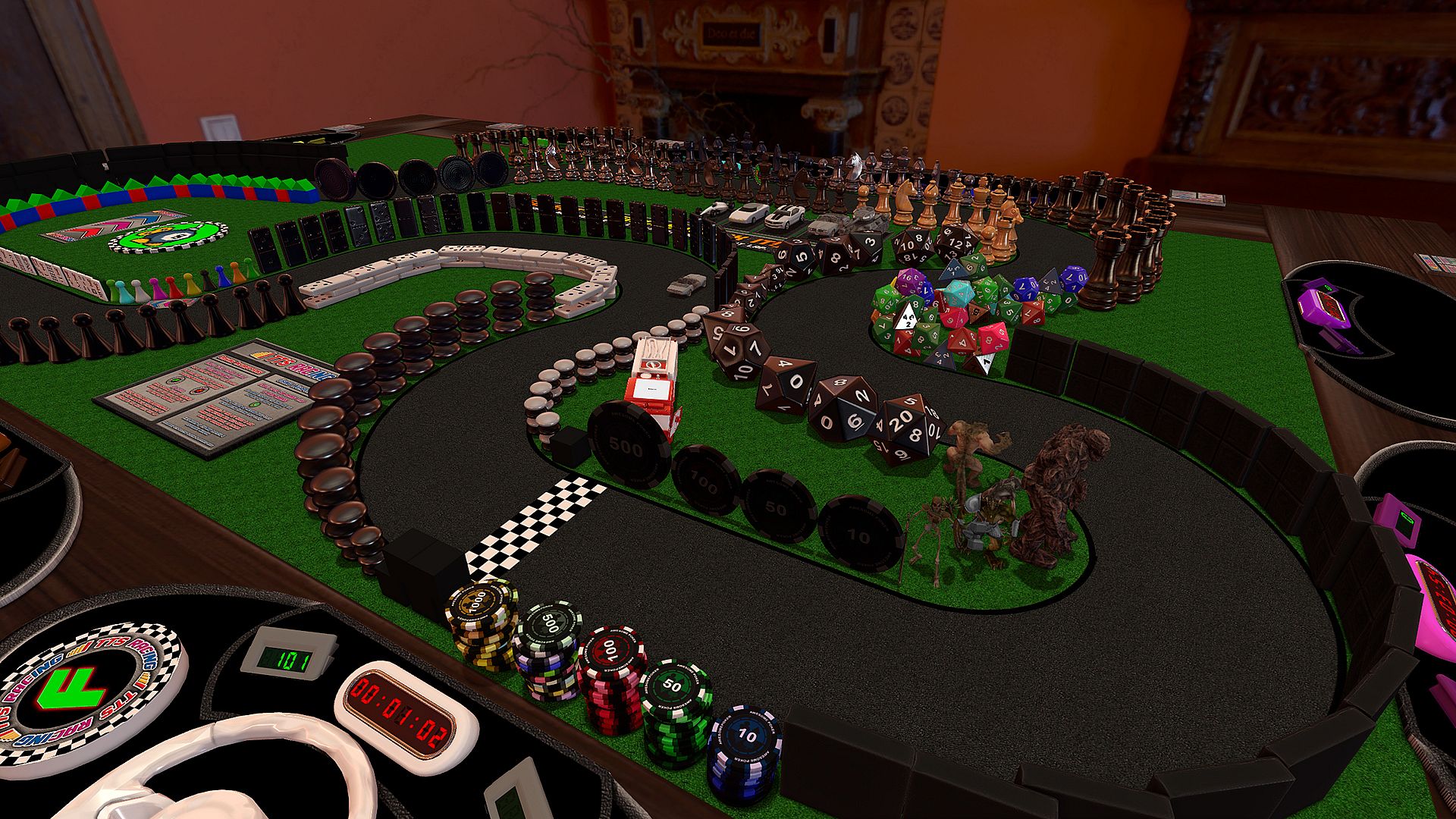
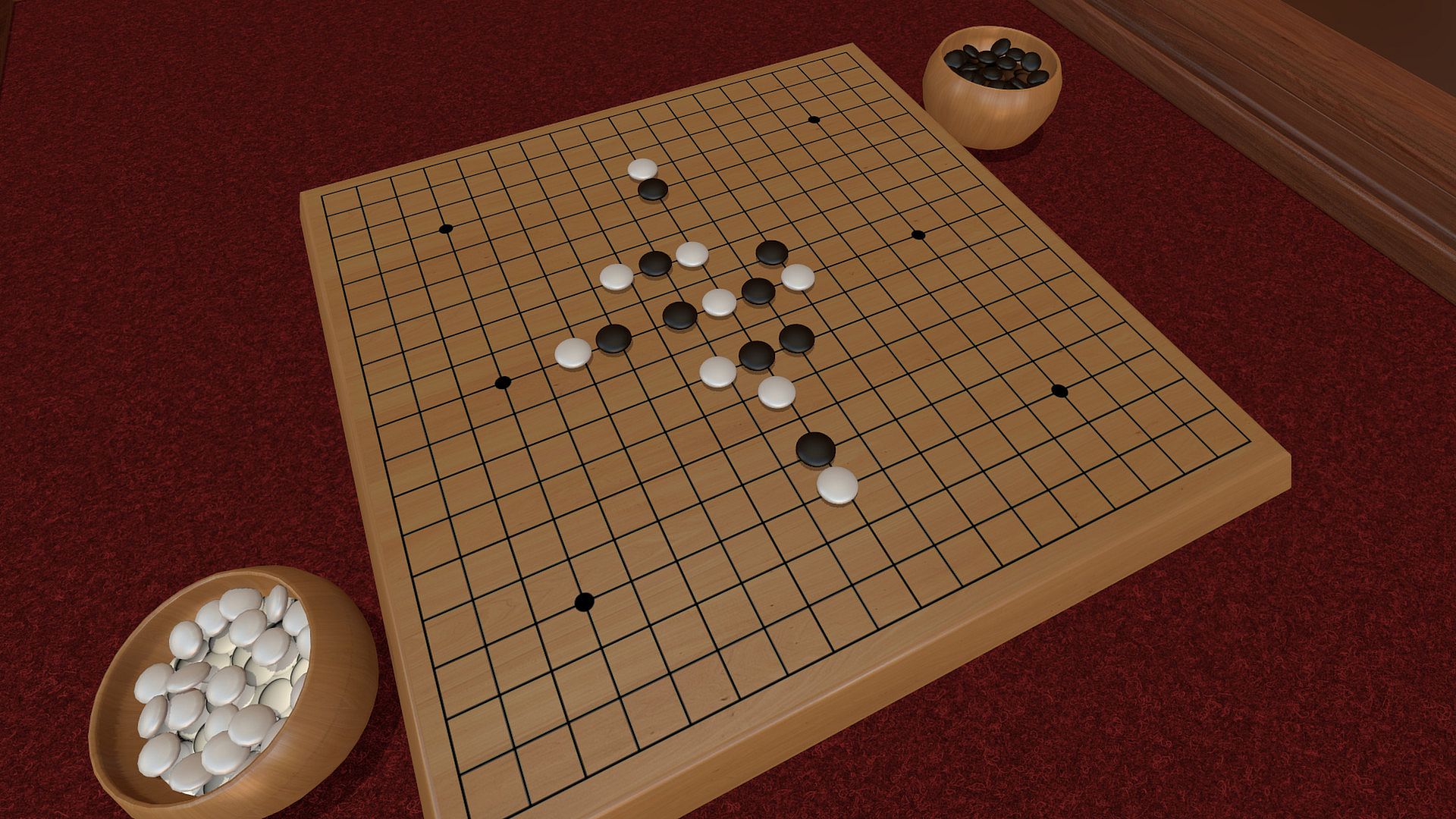
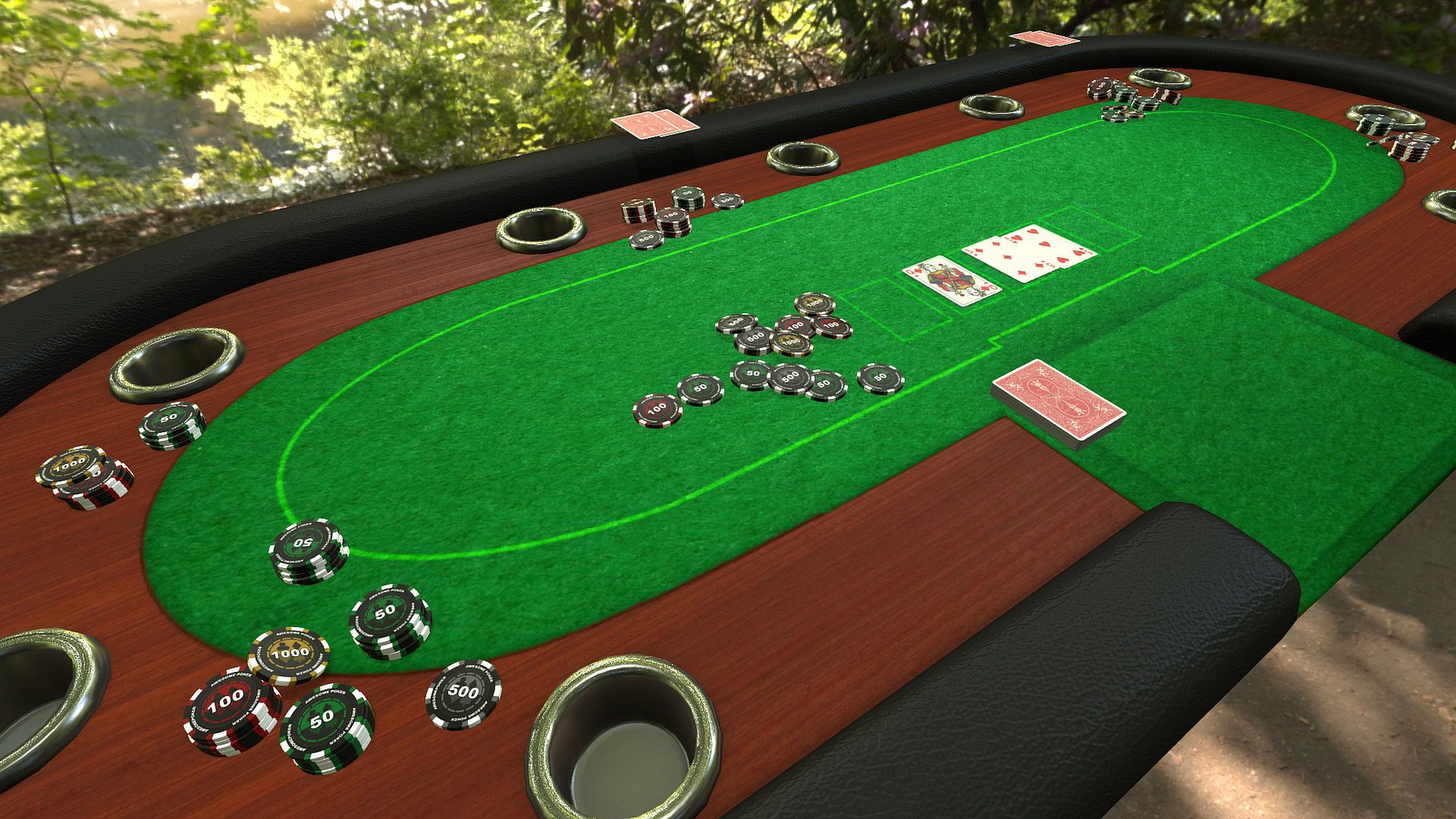
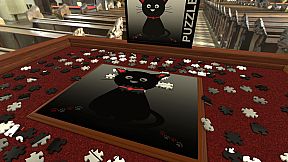
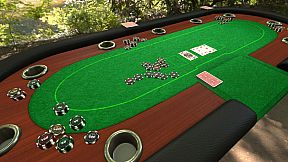
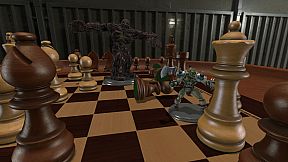
Tabletop Simulator doesn't follow traditional game modes but provides flexible ways to engage with content. The sandbox mode serves as the foundation, where you can freely manipulate objects and build custom scenarios without enforced rules. It includes 15 built-in classics such as Chess, Poker, Dominoes, Mahjong, Backgammon, Checkers, Chinese Checkers, Go, Jigsaw Puzzles, Pachisi, Piecepack, Reversi, Solitaire, and a Custom Board with Dice. An RPG Kit offers tilesets, furniture, and figurines for role-playing adventures, complete with Game Master controls to oversee sessions.
Multiplayer mode supports online play with up to 10 participants, featuring voice and text chat, team systems, and options for cooperative or competitive setups. Hotseat mode allows multiple players to share one computer, passing turns locally. VR integration adds immersion for compatible headsets, while single-player options let you practice or experiment solo. Community Workshop content expands this with thousands of user-created games, from board game adaptations to original prototypes.
Key Features and Mechanics
Beyond basic interactions, Tabletop Simulator includes advanced mechanics like object states for multi-sided items, hidden zones for private hands, and infinite bags for endless item supplies. The search system helps organize decks and bags, with recent patches adding security features to prevent exploits. Physics settings can be tweaked for gravity or friction, and save/load functions preserve setups across sessions. For creators, full Steam Workshop integration simplifies sharing mods, and cross-platform multiplayer ensures broad accessibility.
- Realistic object manipulation with collision detection
- Lua scripting for automation and custom rules
- In-game tablet for multimedia integration
- Admin tools to control player actions
- Support for VR and panoramic environments
Is It Worth Playing?
Tabletop Simulator remains a strong choice for anyone who enjoys board games or RPGs but prefers digital convenience, especially with friends scattered across locations. Its overwhelmingly positive reception, with 96% positive reviews from over 30,000 English users and a total of more than 45,000 reviews, highlights its appeal as a creative and social tool. Ongoing updates, including a major networking revamp and engine upgrade in early 2026, keep the game fresh and reliable. If you thrive on customization, multiplayer fun, or prototyping ideas, it's definitely worth trying, particularly for groups looking to play classics or invent new games without physical setups. However, if you prefer structured narratives or solo campaigns without much setup, it might feel too open-ended.