






Take Five is a strategy card game for PC that blends bluffing, deception, and tense decision making in short rounds for two to four players. The core loop revolves around hidden information and psychological pressure rather than pure chance, placing it firmly in the indie and casual strategy space while delivering a sharp multiplayer experience focused on reading opponents.
Gameplay
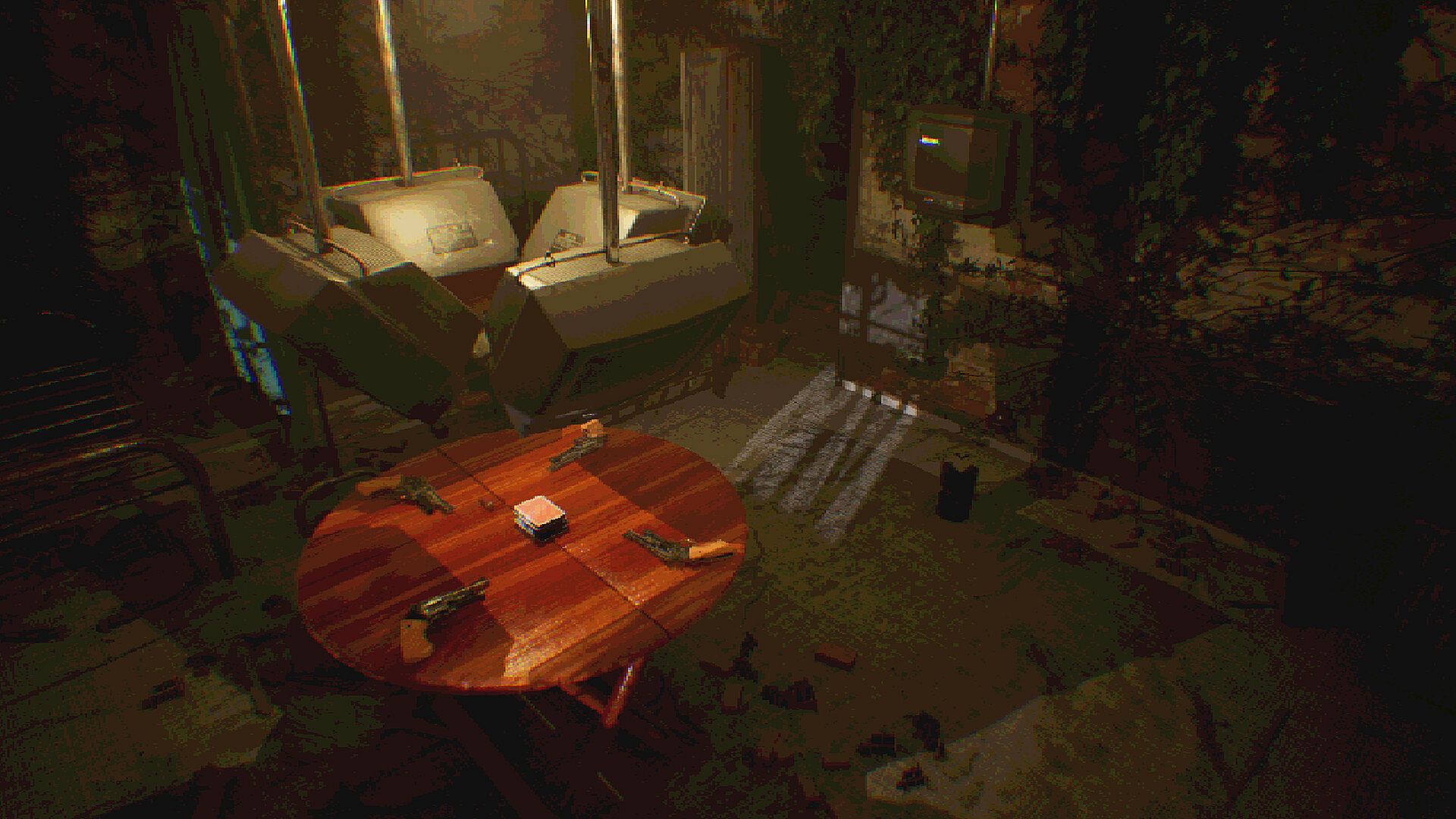
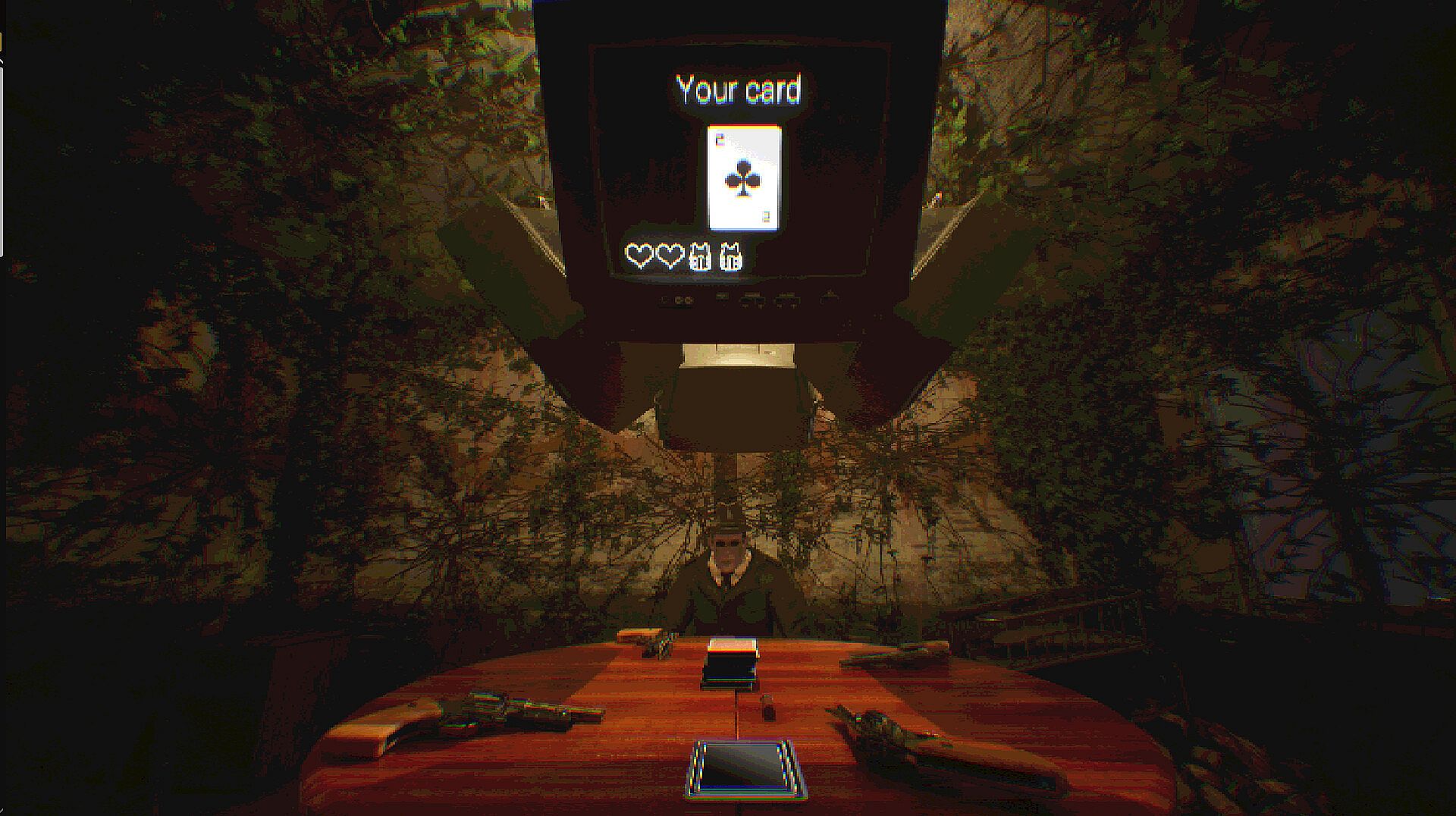
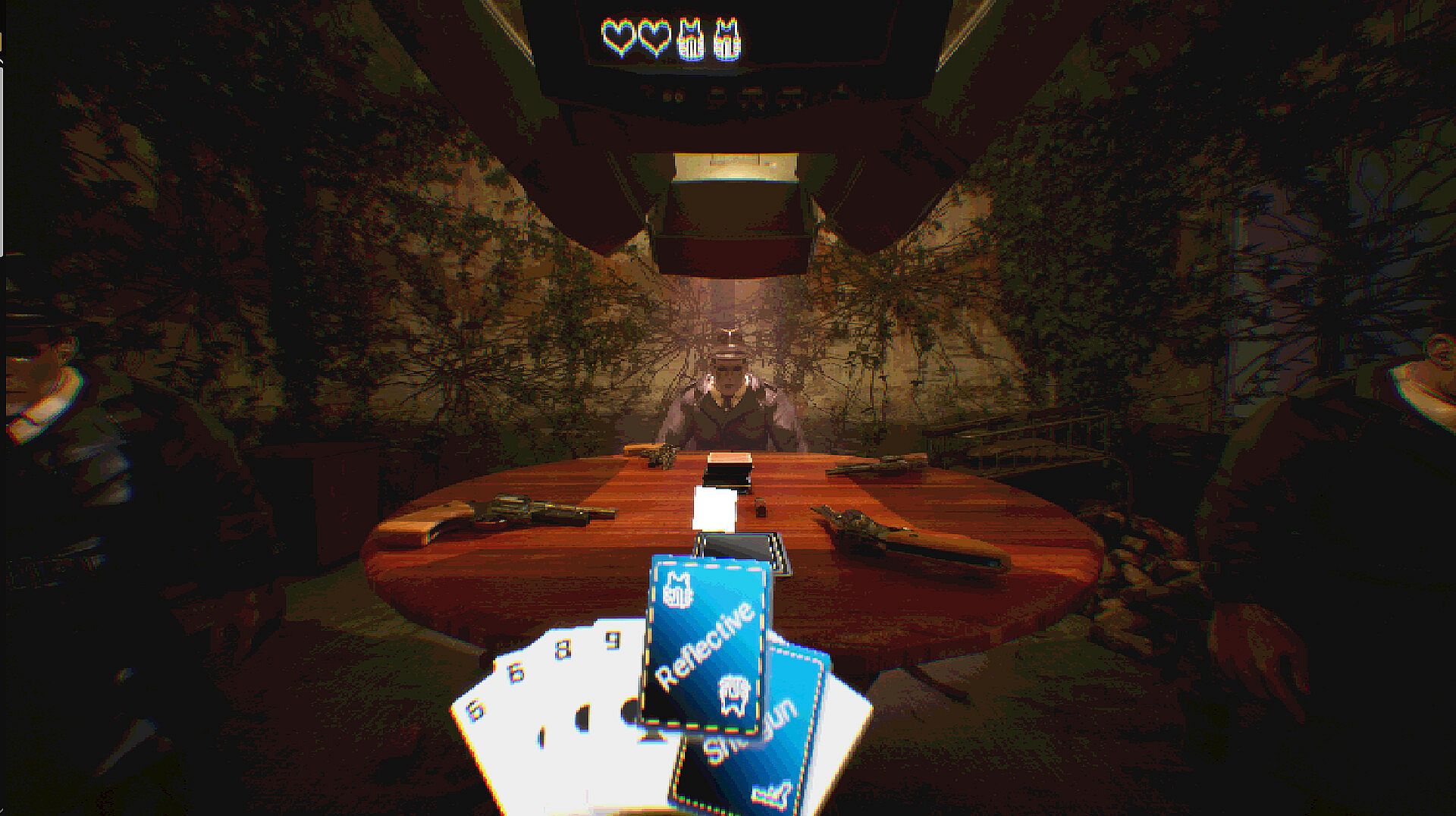
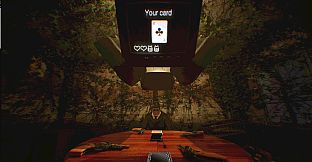
The game begins with a dealing phase where one player views two cards and assigns them while the other receives only one card and may lie about its value. This sets up an immediate negotiation filled with uncertainty, as each side tries to determine whether the stronger number has been claimed or concealed. Once cards are committed, the highest value grants the right to fire at any other participant at the table.
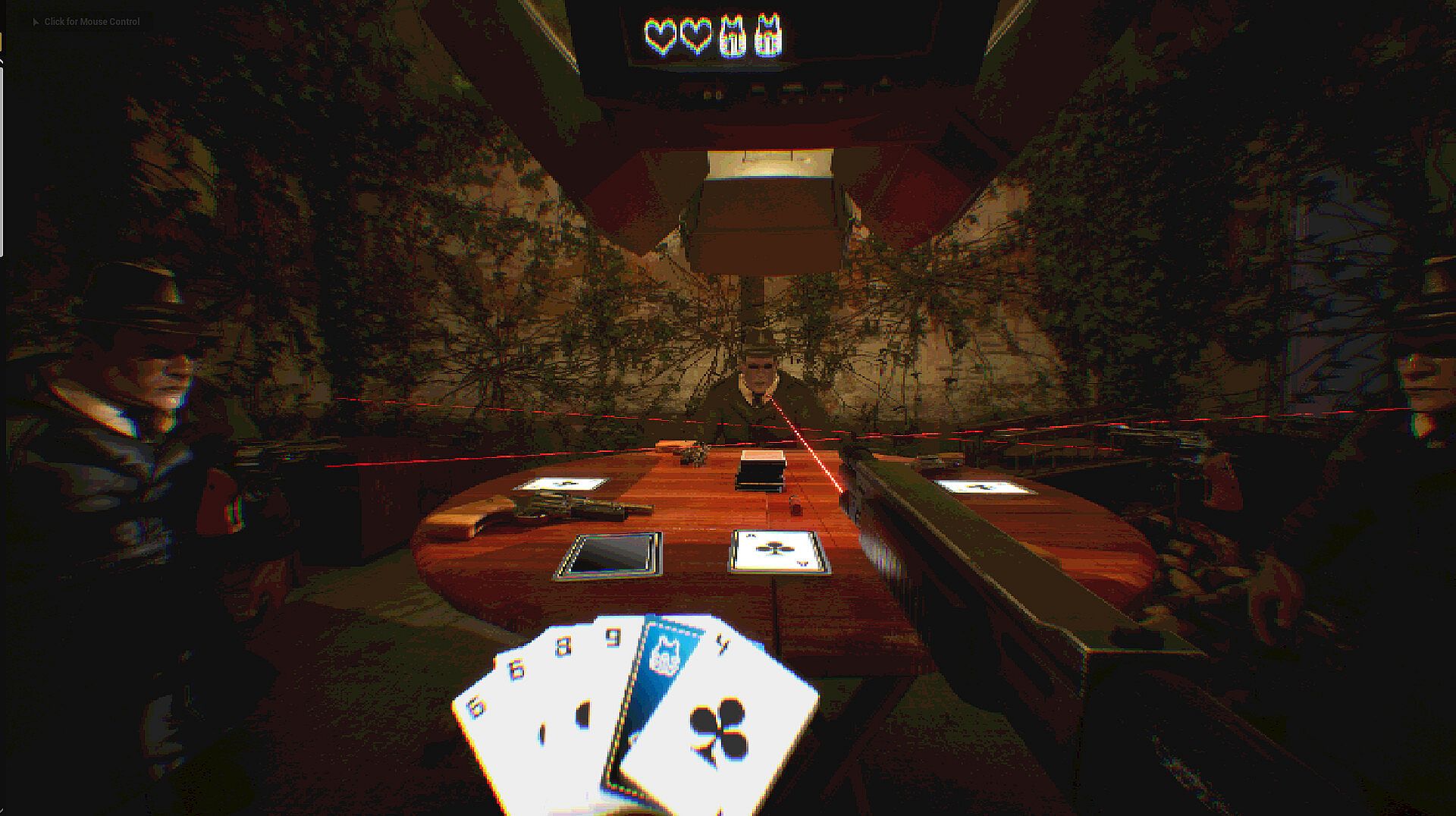
Being shot prevents retaliation in that round, creating a strong incentive to target threats early. However, firing before the optimal moment causes the shot to rebound on the shooter, punishing impatience. Special cards appear throughout the deck and can protect a player, force an action, redirect a shot, or completely reverse control of the round. These elements turn each exchange into a layered contest of timing and misdirection rather than a straightforward comparison of numbers.
Surviving multiple rounds requires consistent attention to body language, verbal cues, and prior patterns of behavior. The design rewards players who identify when an opponent is bluffing or when a strong card is being downplayed, turning every table into a small arena of nerve and observation.
Game Modes
Take Five centers on a single last-one-standing format that supports two to four participants in simultaneous rounds. All players commit cards at the same time, then resolve shots and special effects in sequence until only one remains. The structure repeats with a fresh deal, keeping sessions short and replayable while maintaining constant pressure from the start of each hand.
No additional named modes appear in the available information. The experience stays consistent across player counts, scaling the intensity of deception and targeting as the table size changes. Online co-op support allows remote groups to participate without local hardware requirements.
Key Mechanics
Bluffing occurs before any cards are revealed, during the assignment step where one participant can misrepresent the card they hold. Simultaneous commitment removes the safety of reacting to others, forcing every player to weigh risk without full knowledge. The penalty for premature shooting adds a self-correcting layer that discourages reckless aggression and rewards restraint.
Special cards introduce variability that can override numerical strength, ensuring that even a high card does not guarantee safety. These interactions keep rounds unpredictable and encourage adaptive strategies rather than fixed approaches. The overall system favors skill in reading people over luck in draws.
Is It Worth Playing?
Take Five remains unreleased with a coming-soon status and no user reviews available at this time. Its appeal lies in the compact, high-stakes card gameplay that emphasizes deception and timing over complex systems or long campaigns. Players who enjoy small-group strategy titles with strong social elements may find the short rounds and direct confrontation engaging once it launches.
The game suits those comfortable with bluffing mechanics and the tension of hidden information in a multiplayer setting. Because it targets two to four participants and focuses on repeated short matches, it fits casual sessions or regular play with the same group. Availability on PC through standard digital platforms will determine access once the release occurs.