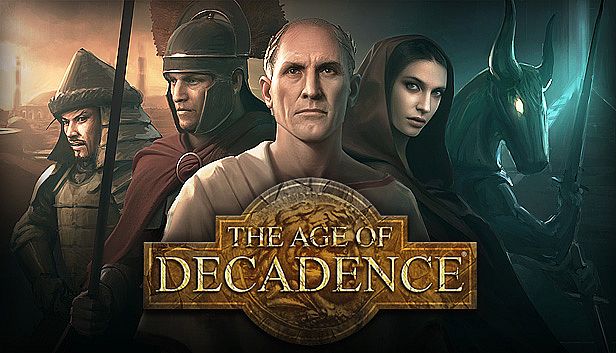













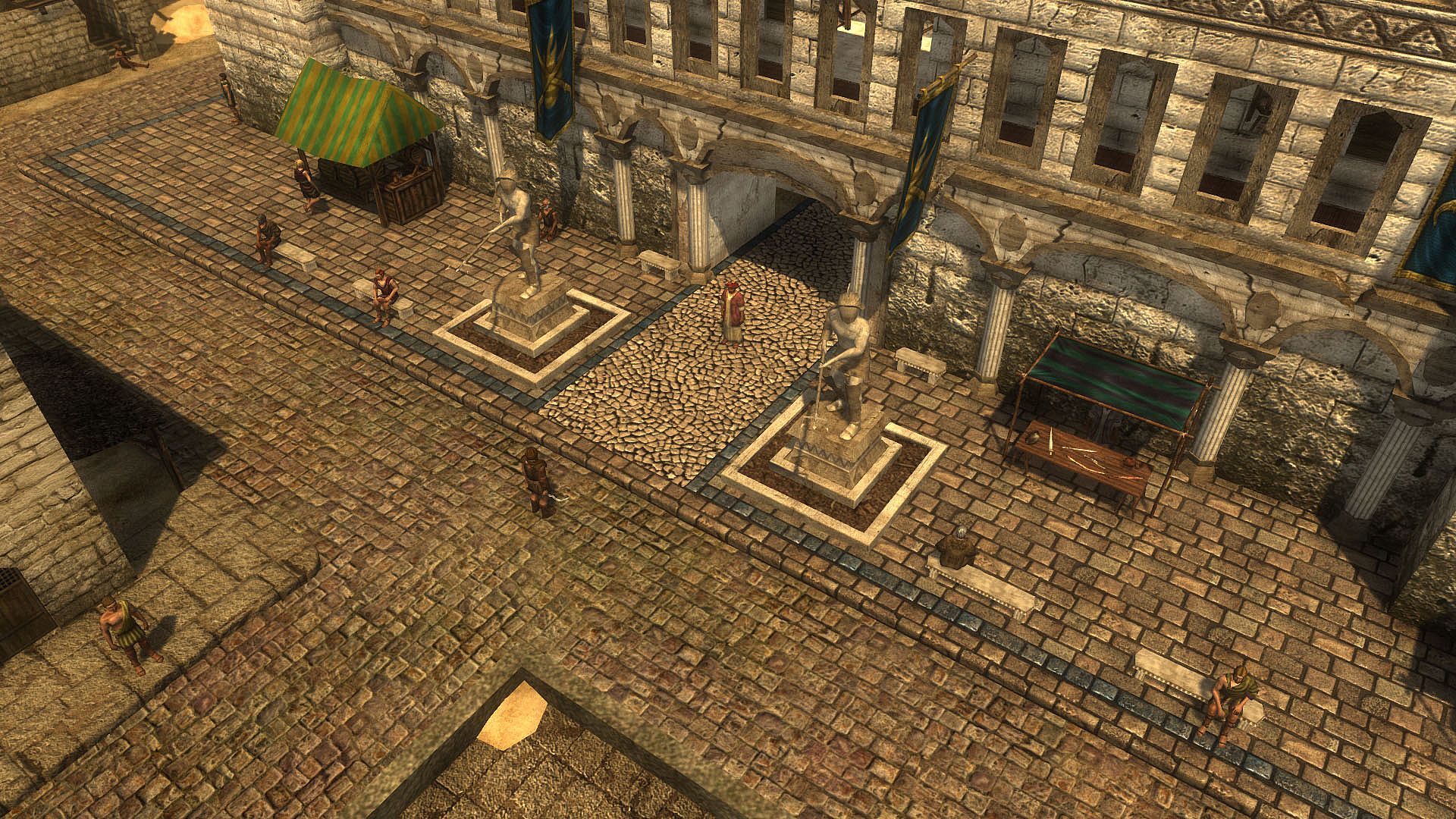
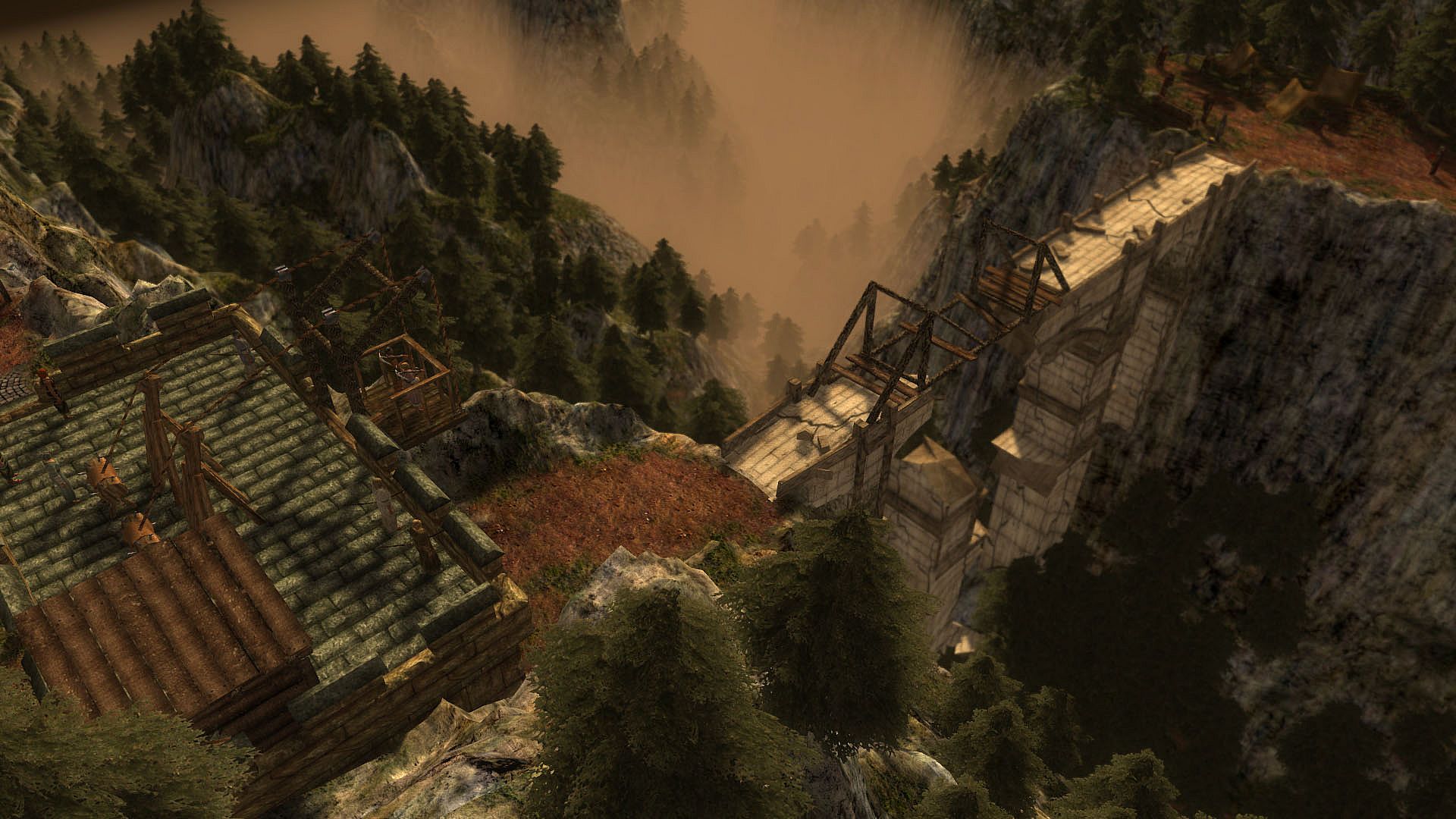
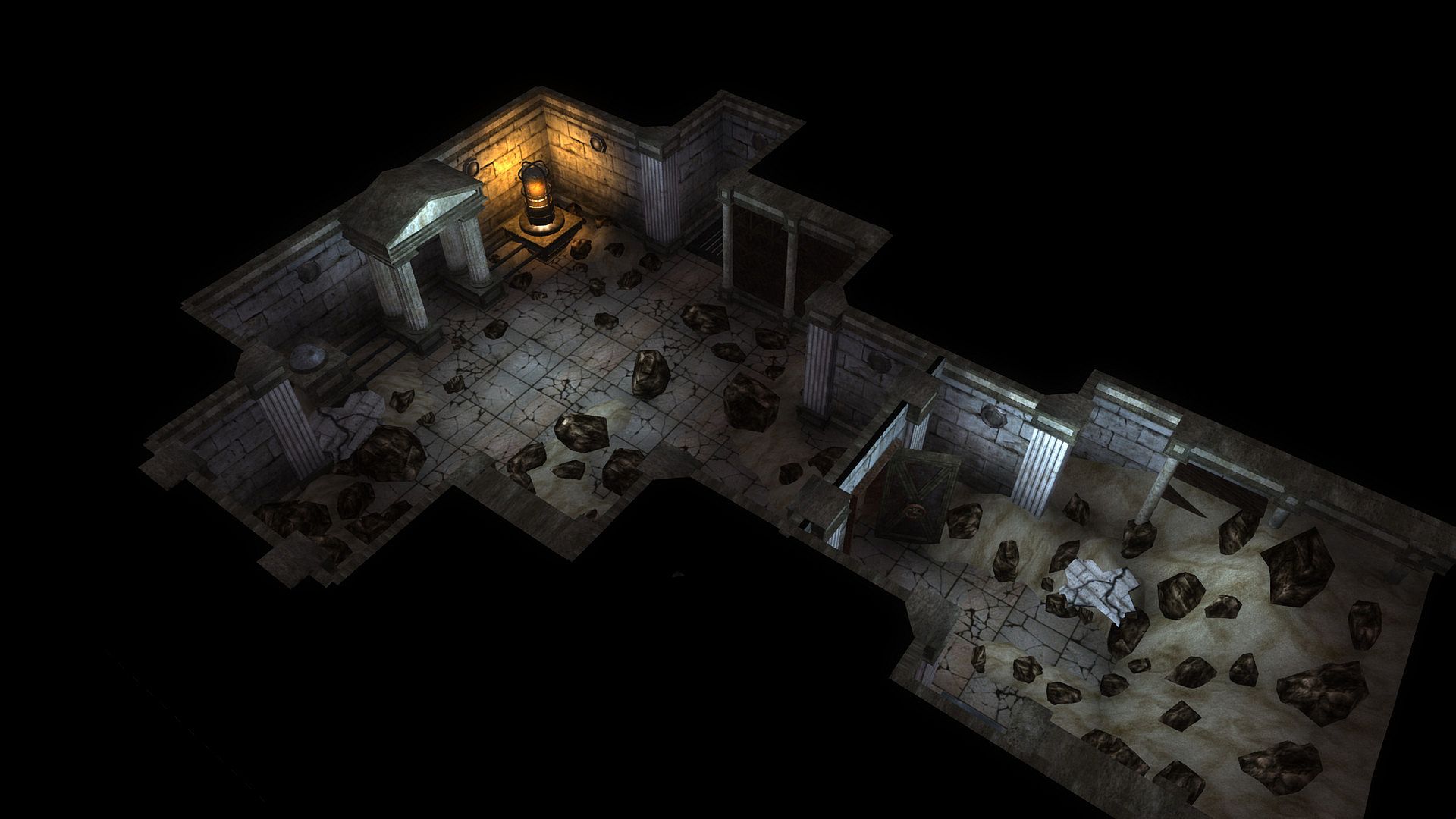
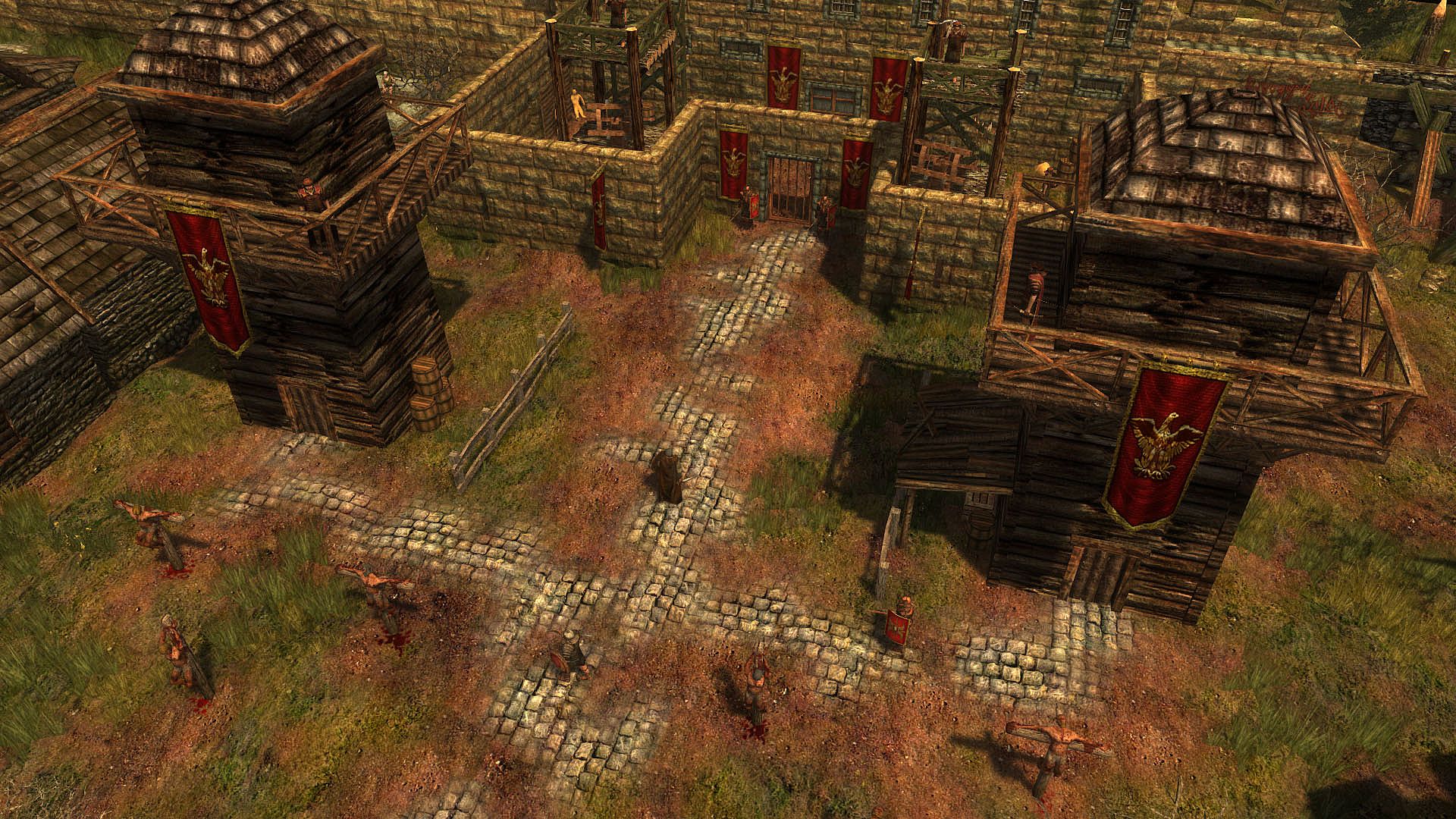
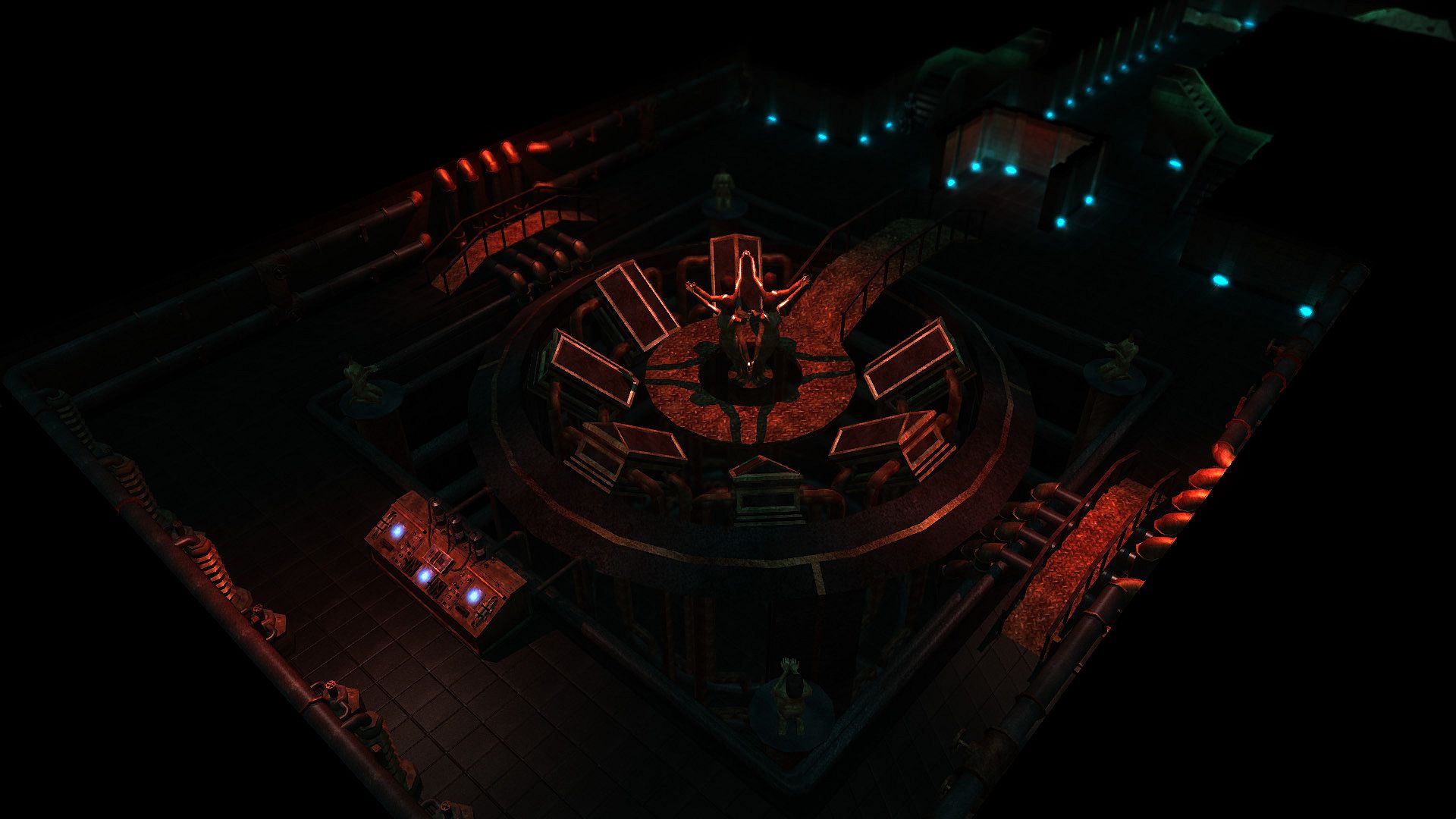
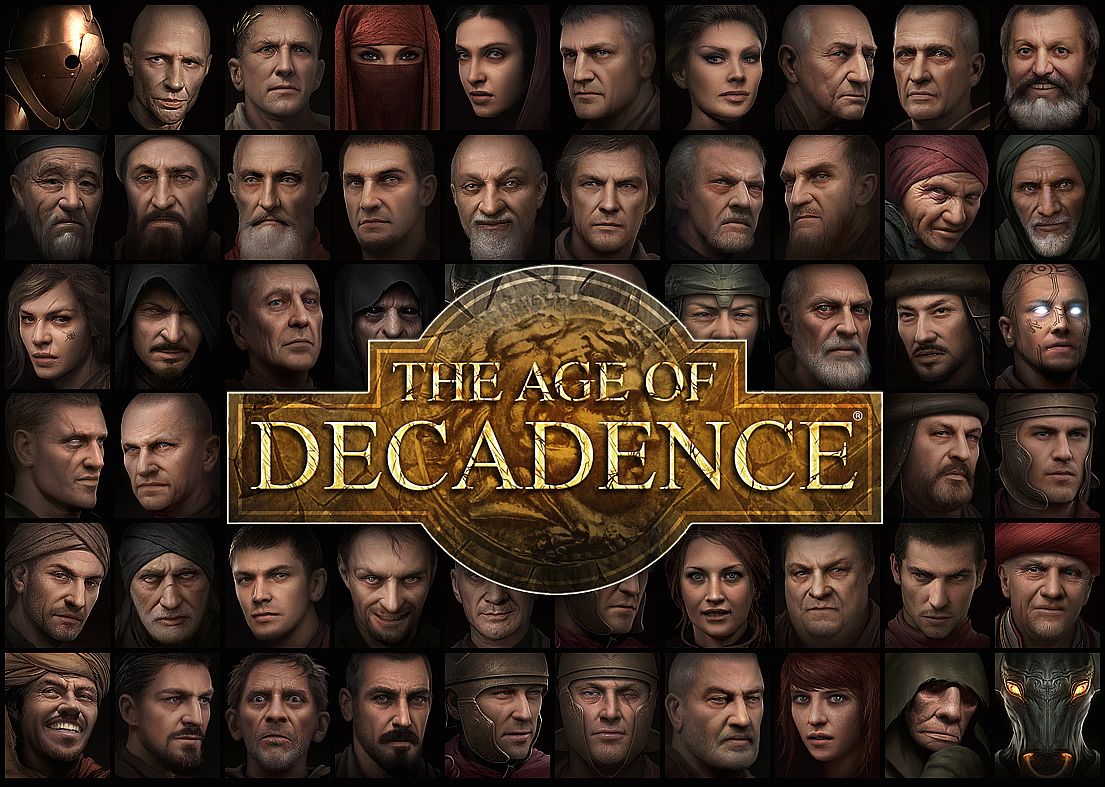
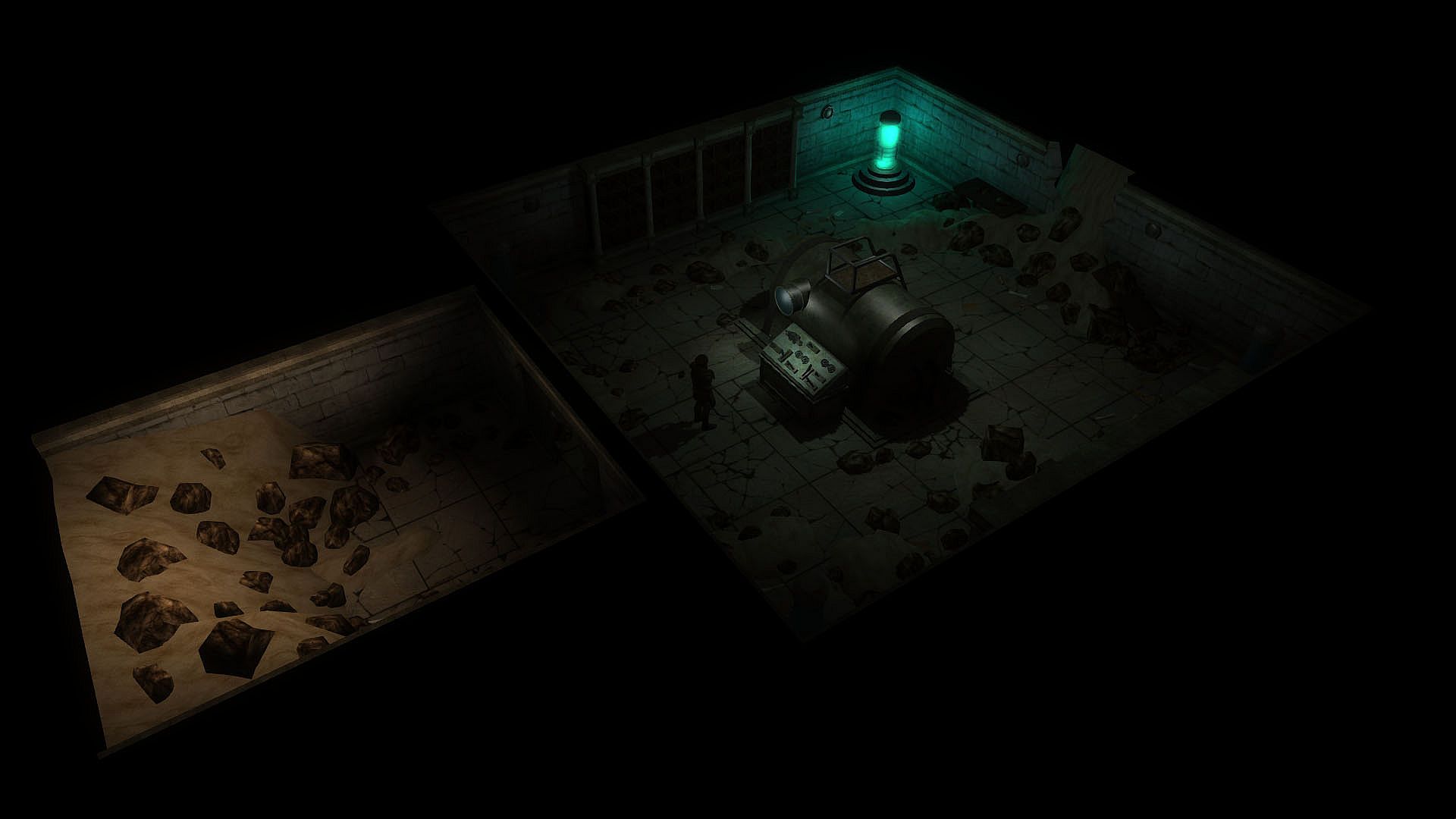
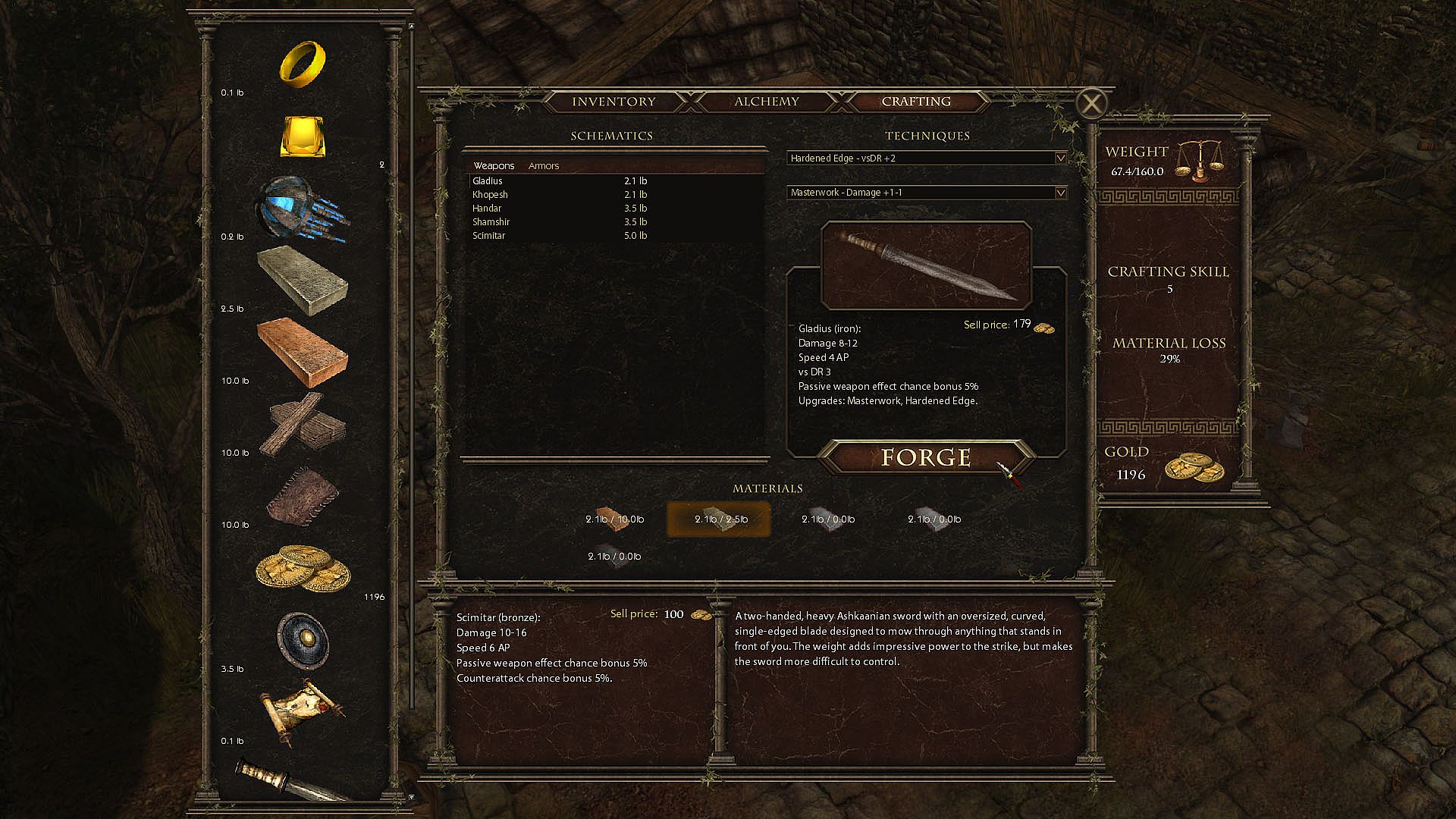
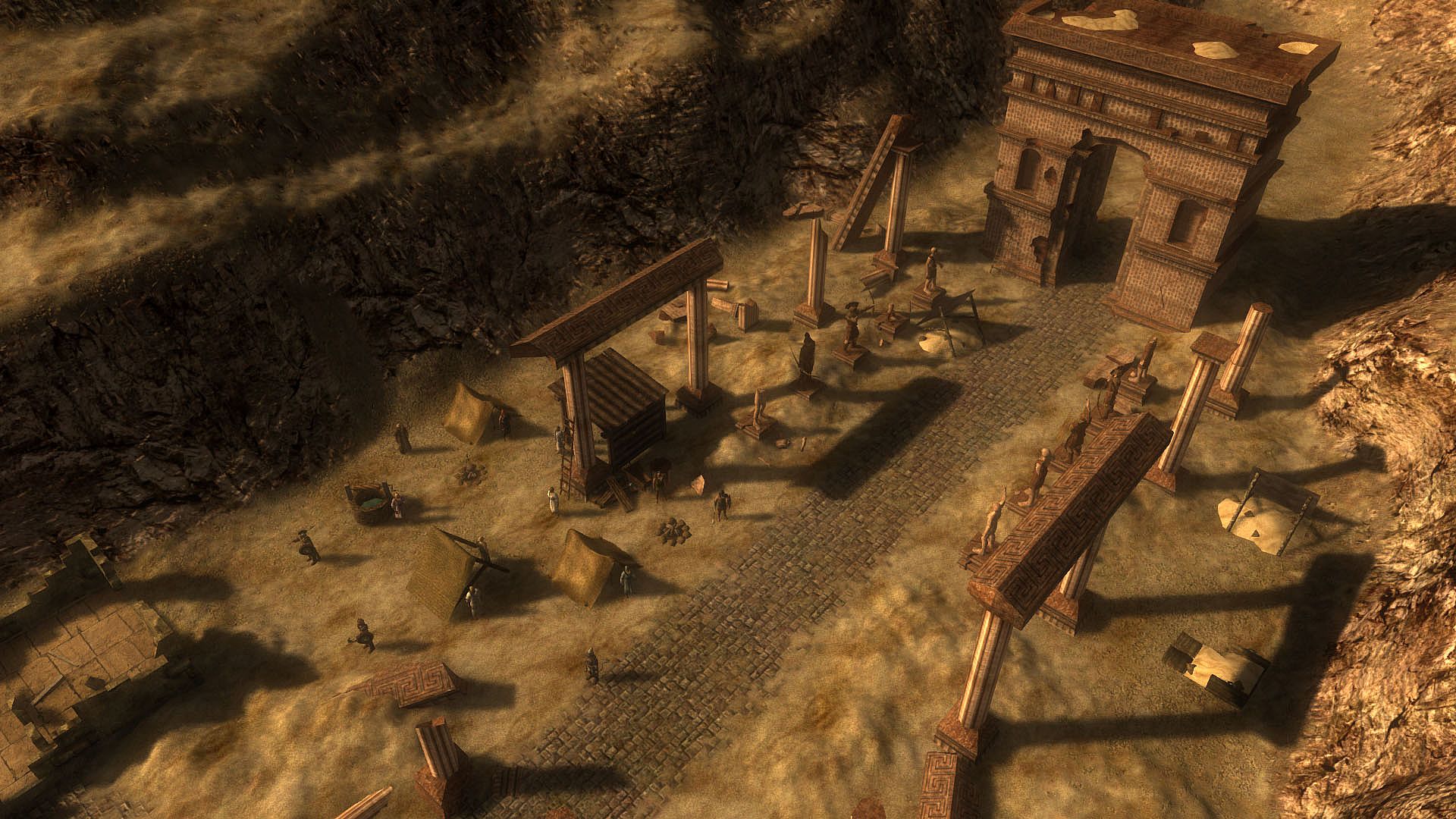
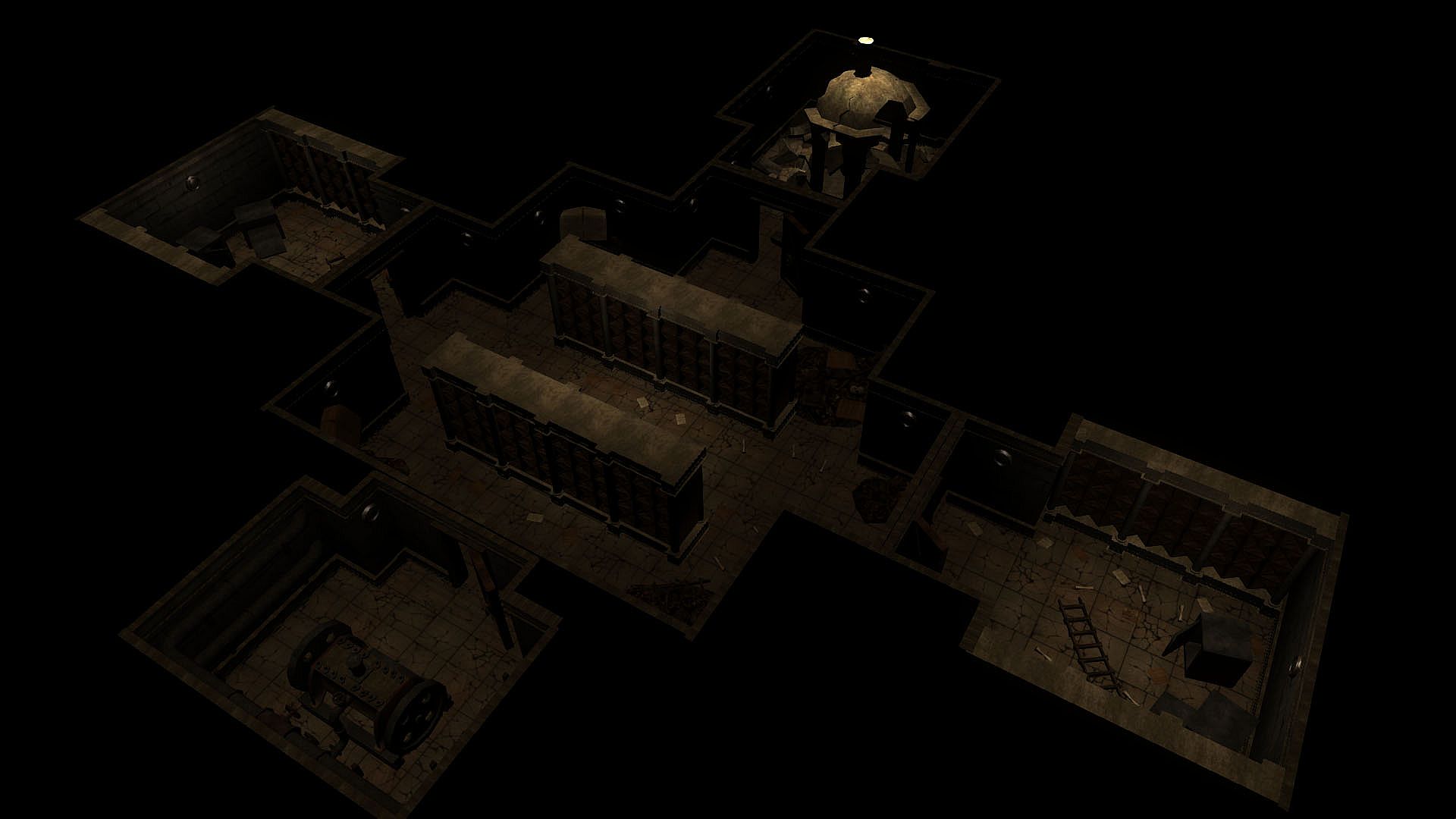
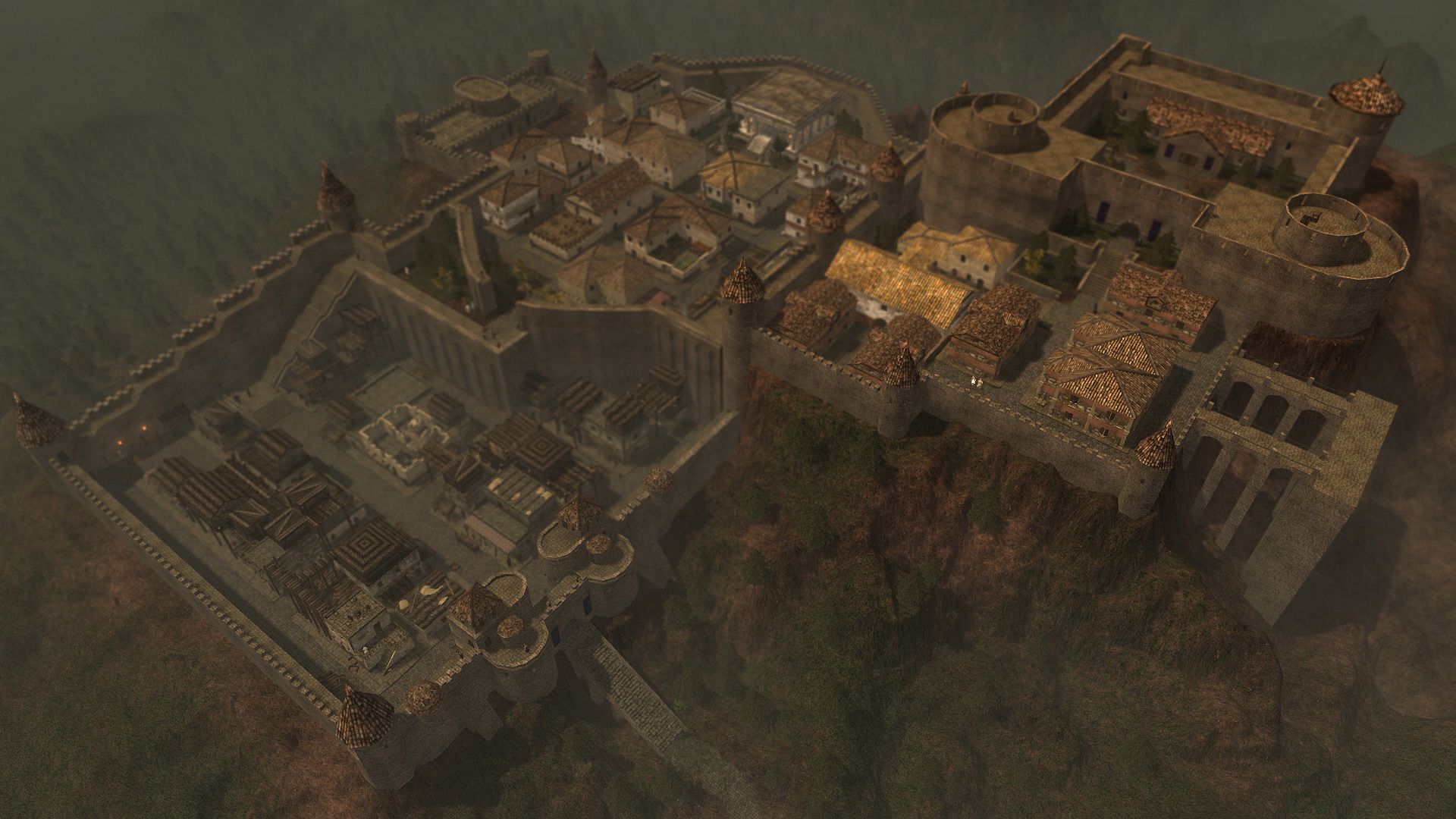

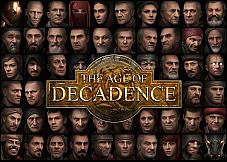

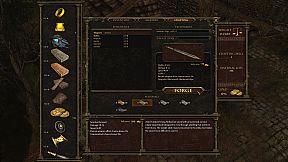
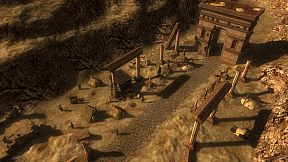
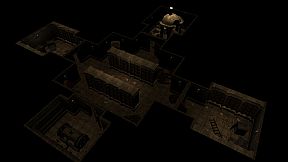
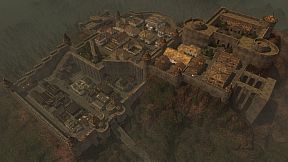

The Age of Decadence is an indie RPG for PC that places players in a crumbling society divided by three noble houses and four professional guilds. The experience centers on survival through words, alliances, and calculated risks rather than heroic monster slaying or magical quests. No elves, dwarves, or wizards appear in this setting, which instead emphasizes human greed, backstabbing, and the consequences of every decision in a world without clear heroes or villains.
Gameplay
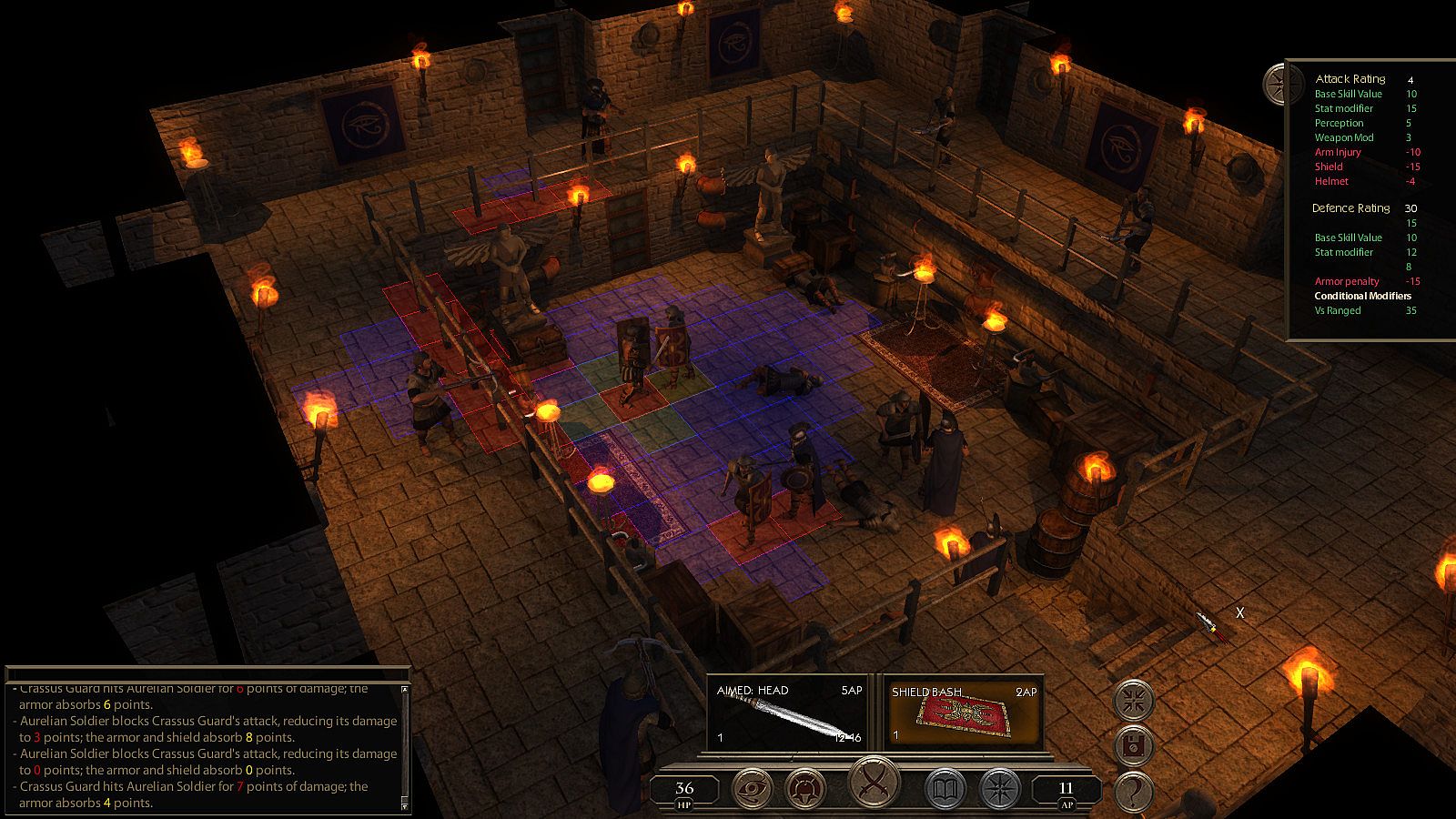
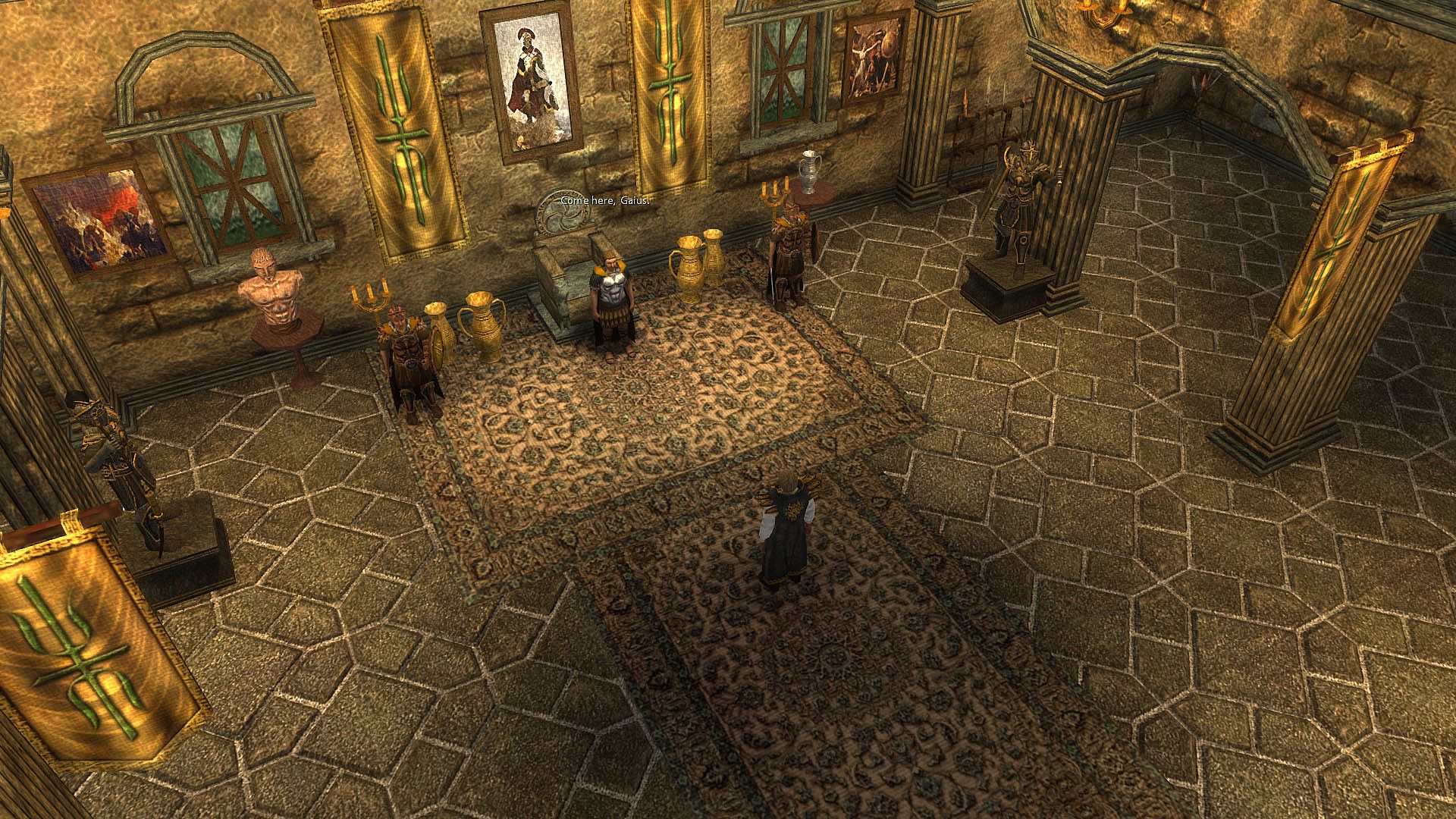
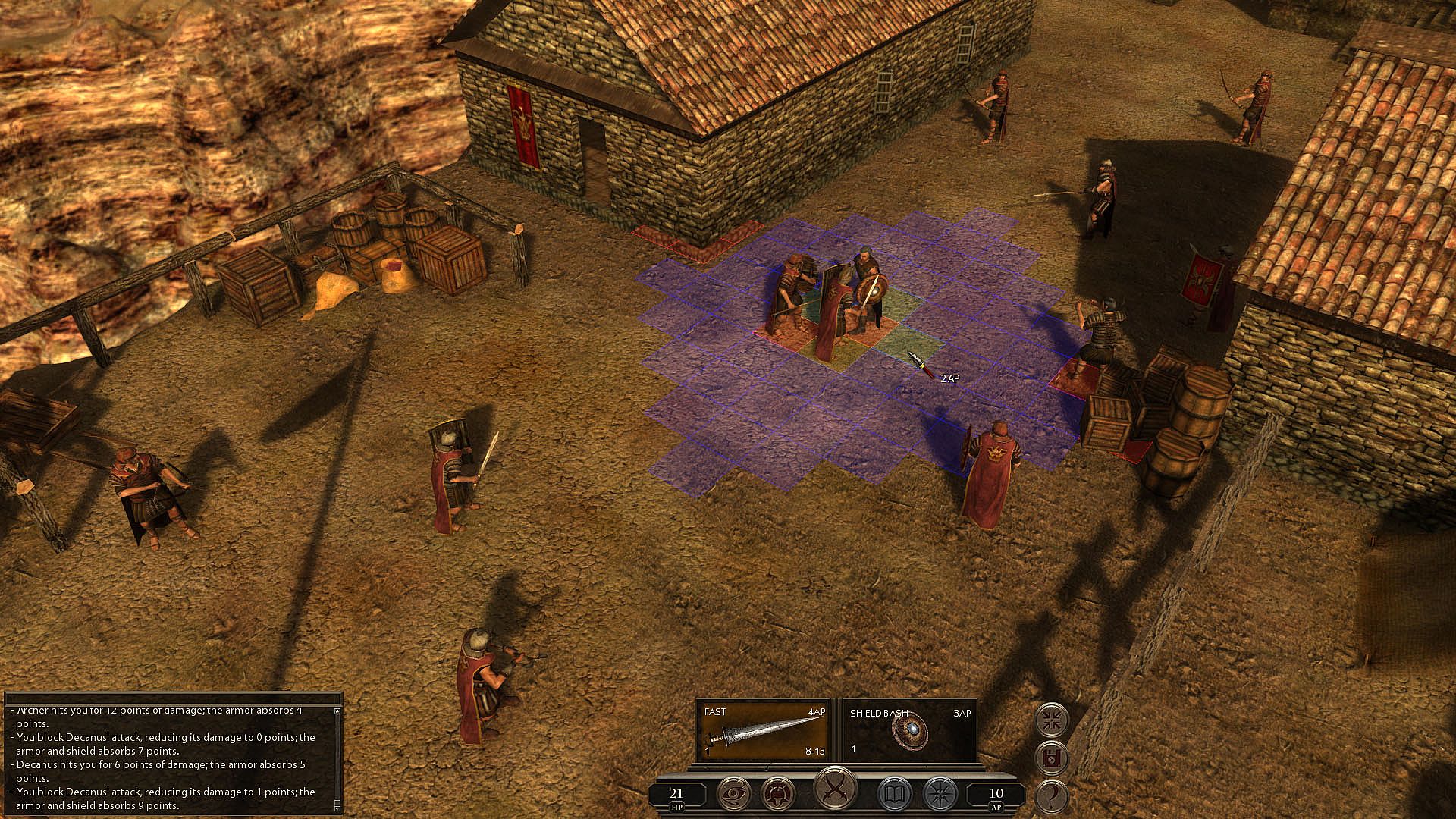
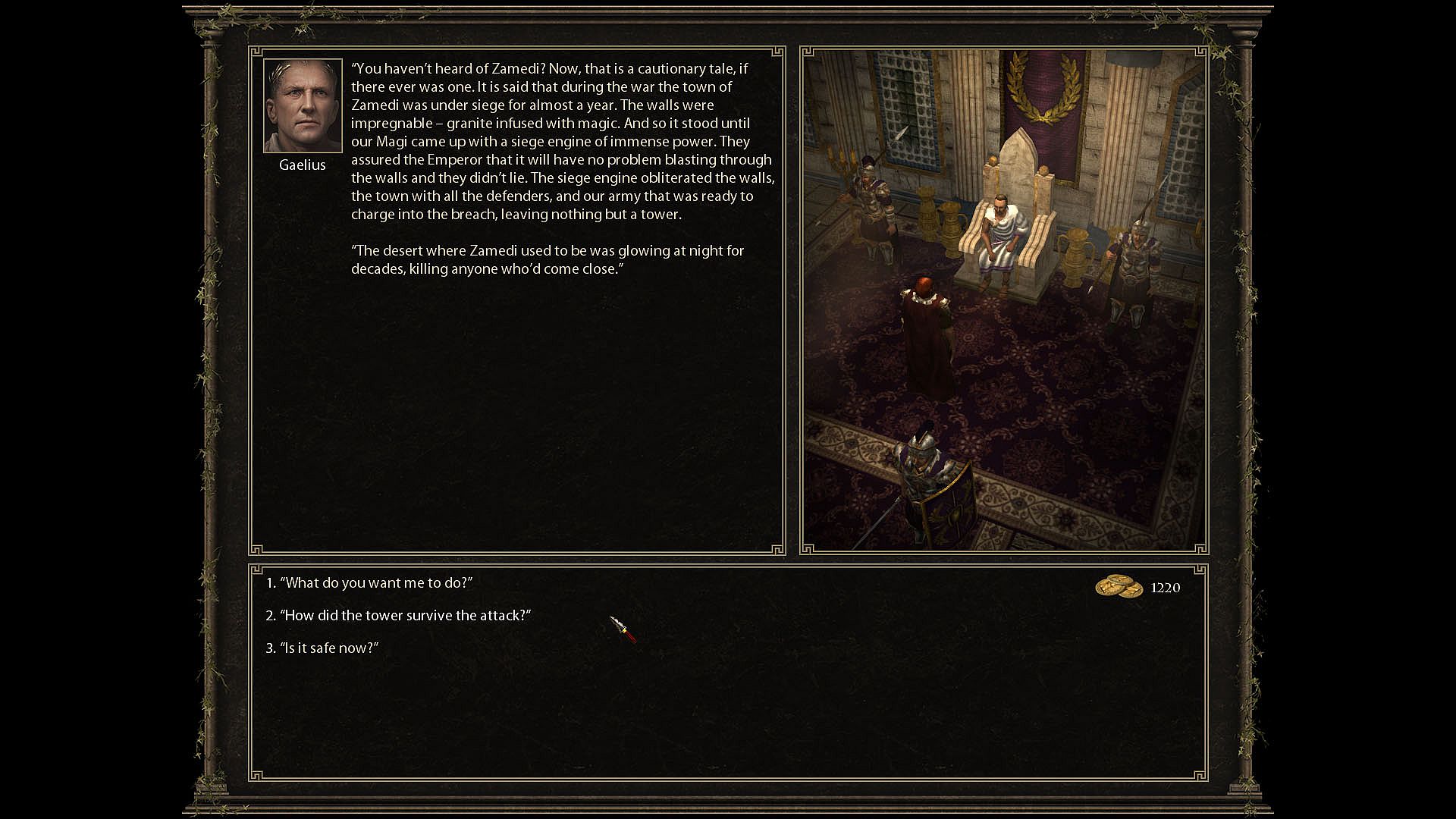
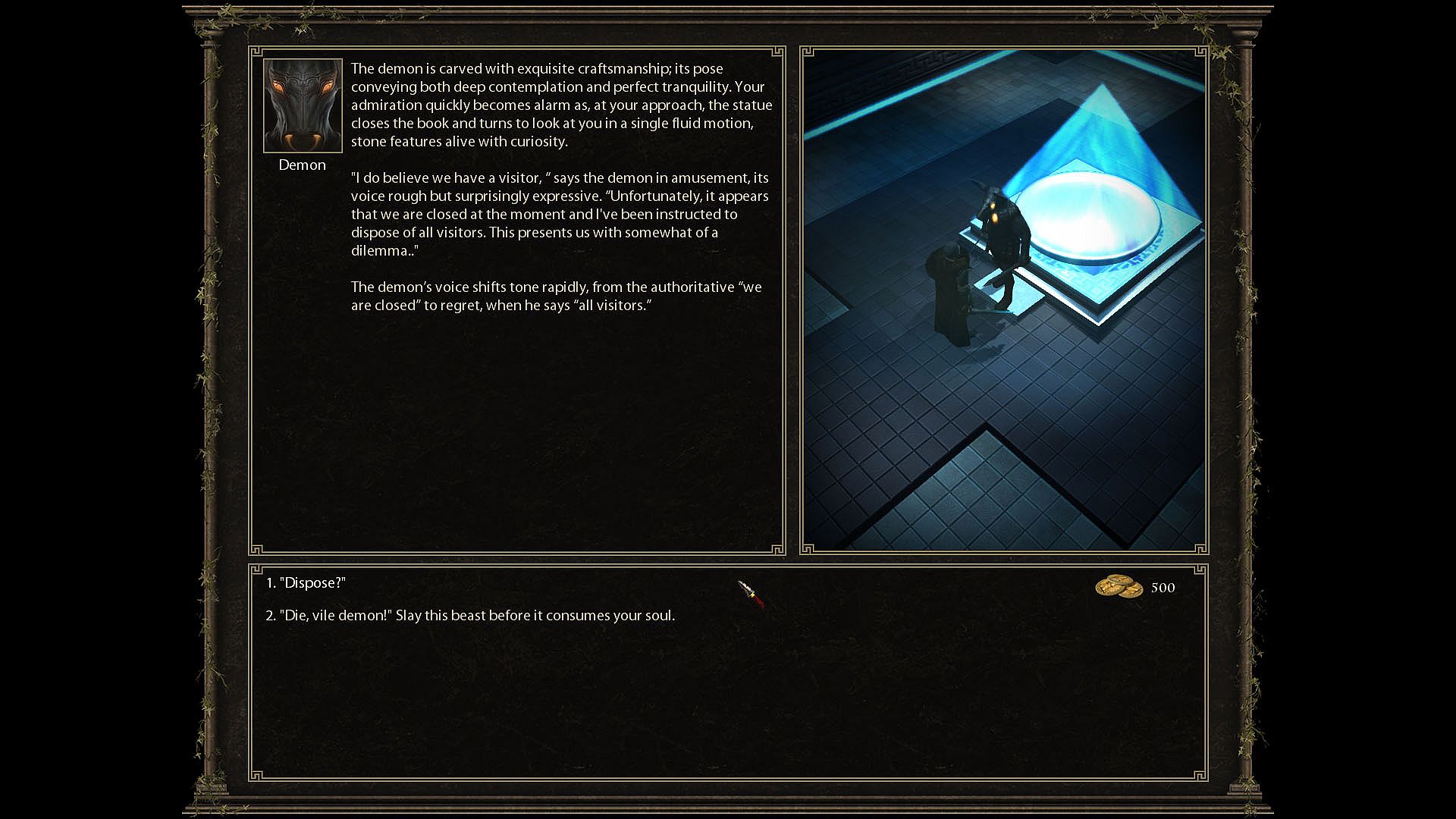
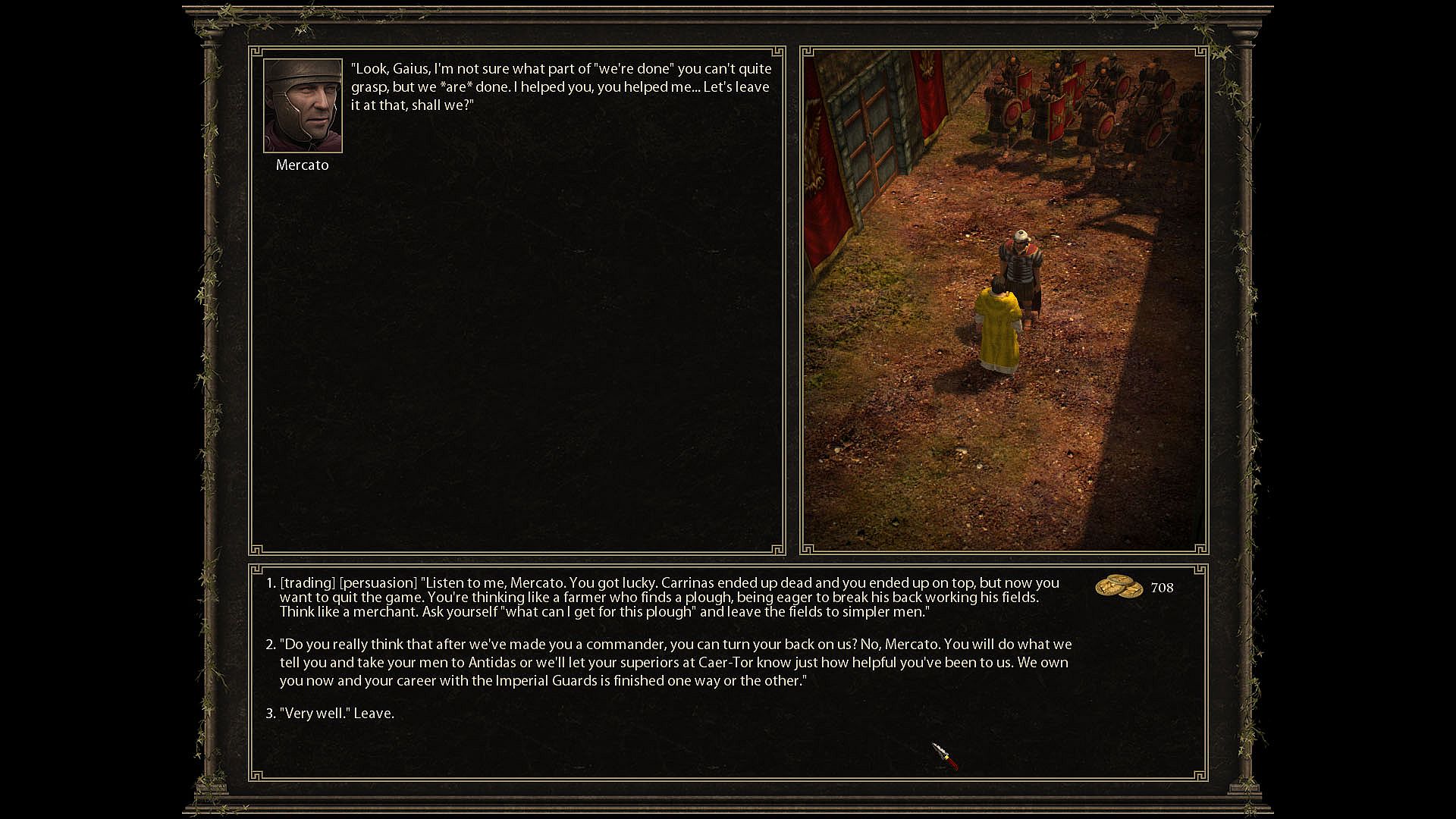
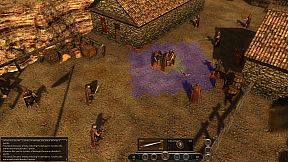
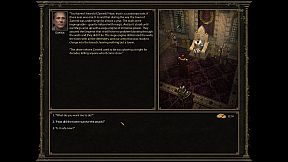
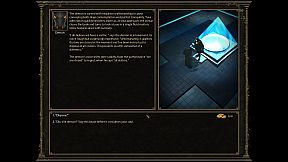
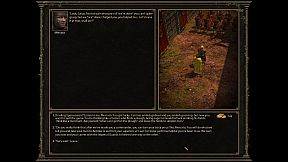
Core gameplay revolves around dialogue choices, faction interactions, and a harsh combat system that reflects the unforgiving environment. Players navigate over 600,000 words of dialogue across more than 100 named characters and 750 generic characters, each with unique identities that influence ongoing events such as assassinations and power shifts. Combat demands careful consideration because the game does not position the player as an unstoppable force capable of defeating anyone who crosses their path. Dying comes easily, which reinforces the need to weigh words and actions before committing to fights.
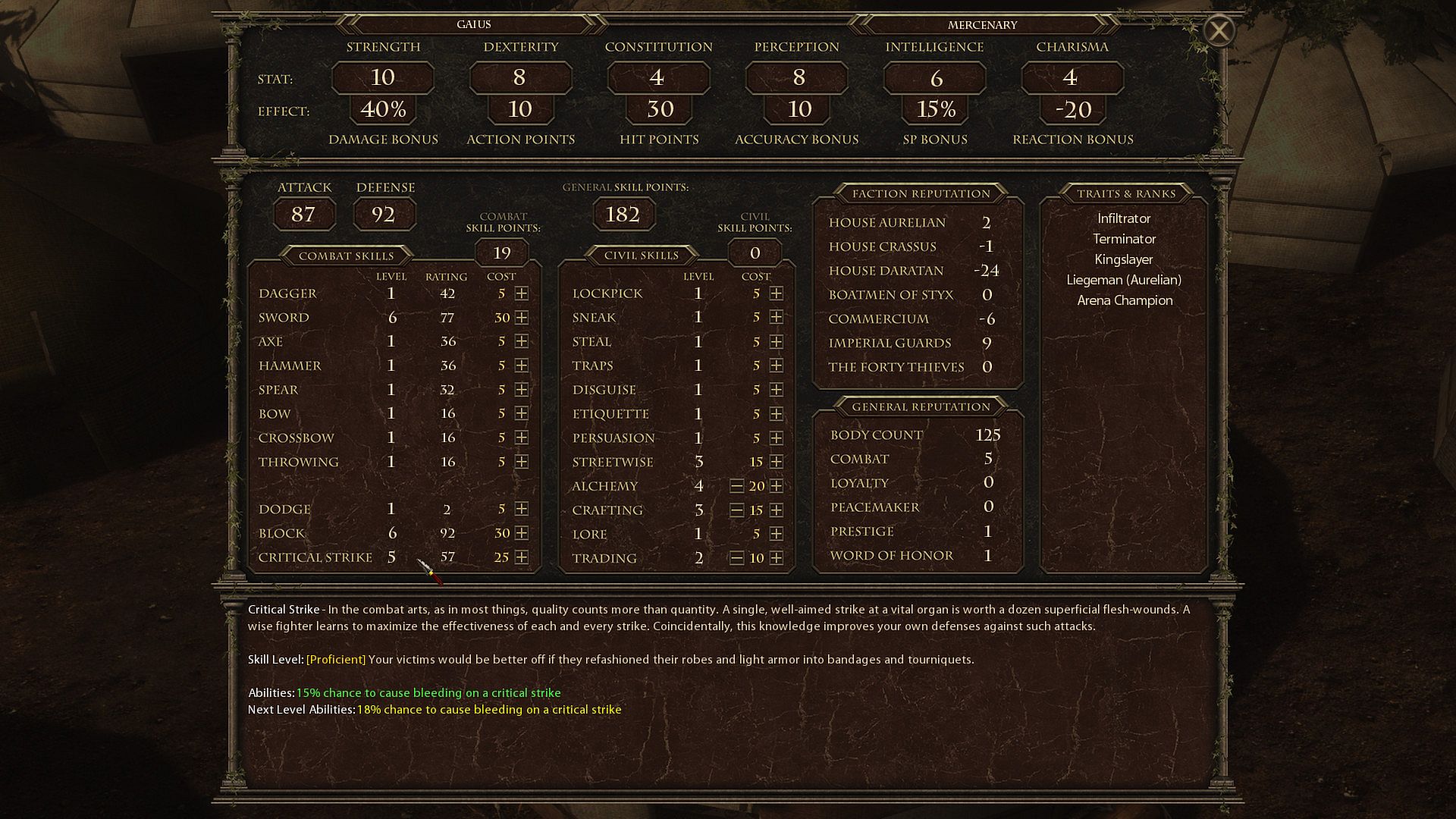
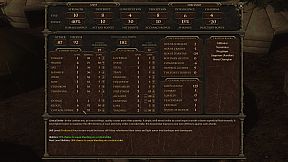
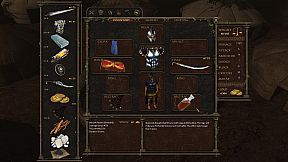
Seven factions shape available paths: the three noble houses and the guilds of merchants, assassins, thieves, and the army. Starting as a mercenary who joins the imperial guards produces a distinct set of quests and viewpoints compared with joining the merchants guild or serving as a praetor for a noble house. These alignments alter the story, available content, and long-term options without relying on traditional leveling or power fantasies.
Game Modes
The game operates as a single-player title with no separate multiplayer components. Replayability stems from the interwoven questlines and mutually exclusive decisions that create entirely different narratives depending on the chosen faction and starting background. A single playthrough reveals events from one limited perspective, while additional runs uncover how choices ripple across the larger conflict among the houses and guilds.
Branching paths allow players to explore scheming within the merchants guild, infiltration tactics as an assassin, or military service in the army, each delivering unique quest solutions and points of view. The structure encourages multiple completions to piece together the central mystery of the fallen world and observe the full range of outcomes.
Setting and Narrative Design
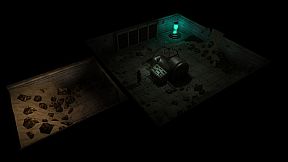
The world draws from pen-and-paper RPG roots with a focus on realistic motivations and believable characters rather than fantastical elements. Players act as investigators piecing together accounts of what destroyed society, often becoming entangled in the very events they seek to understand. Over 750 characters participate in violent takeovers and power grabs, creating a dense web of alliances and betrayals that respond to player actions.
Good and evil remain relative concepts. Every decision carries the potential to forge partnerships or create enemies, and the narrative avoids wish-fulfillment tropes in favor of moral ambiguity and personal survival.
Is It Worth Playing?
The developer recommends trying the available demo before purchase. The demo covers the first chapter across three locations and roughly 30 quests divided among mutually exclusive paths. This allows prospective players to experience the choice systems and faction dynamics firsthand.
The title suits those who value deep narrative branching and accept a steep difficulty curve where poor decisions lead to quick failure. It delivers a focused single-player experience built around dialogue and consequence rather than combat spectacle or open exploration. Players who prefer traditional heroic RPG formulas may find the liberties taken with genre conventions unappealing, while those drawn to intricate faction politics and replayable storylines will find substantial depth in the seven available alignments and their interconnected questlines.