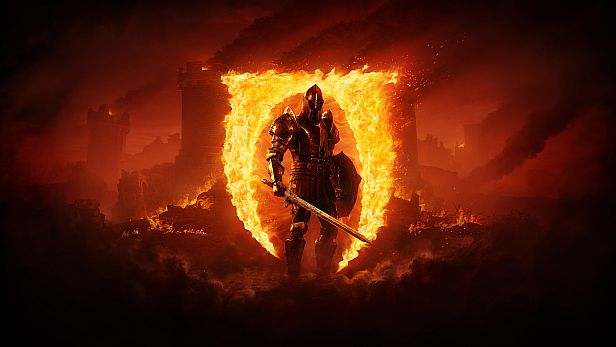










The Elder Scrolls IV: Oblivion Remastered is a single-player open-world action role-playing game that brings the 2006 classic into the modern era with updated visuals and quality-of-life refinements while preserving its core systems.
Gameplay
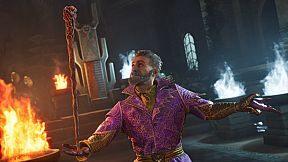
Players create a character from one of ten races and select or customize a class built around 21 skills divided into combat, magic, and stealth categories. Skills improve through repeated use rather than automatic leveling, which ties progression directly to player actions in the world. Attributes such as Strength, Intelligence, and Agility influence how effectively those skills perform during exploration and encounters.
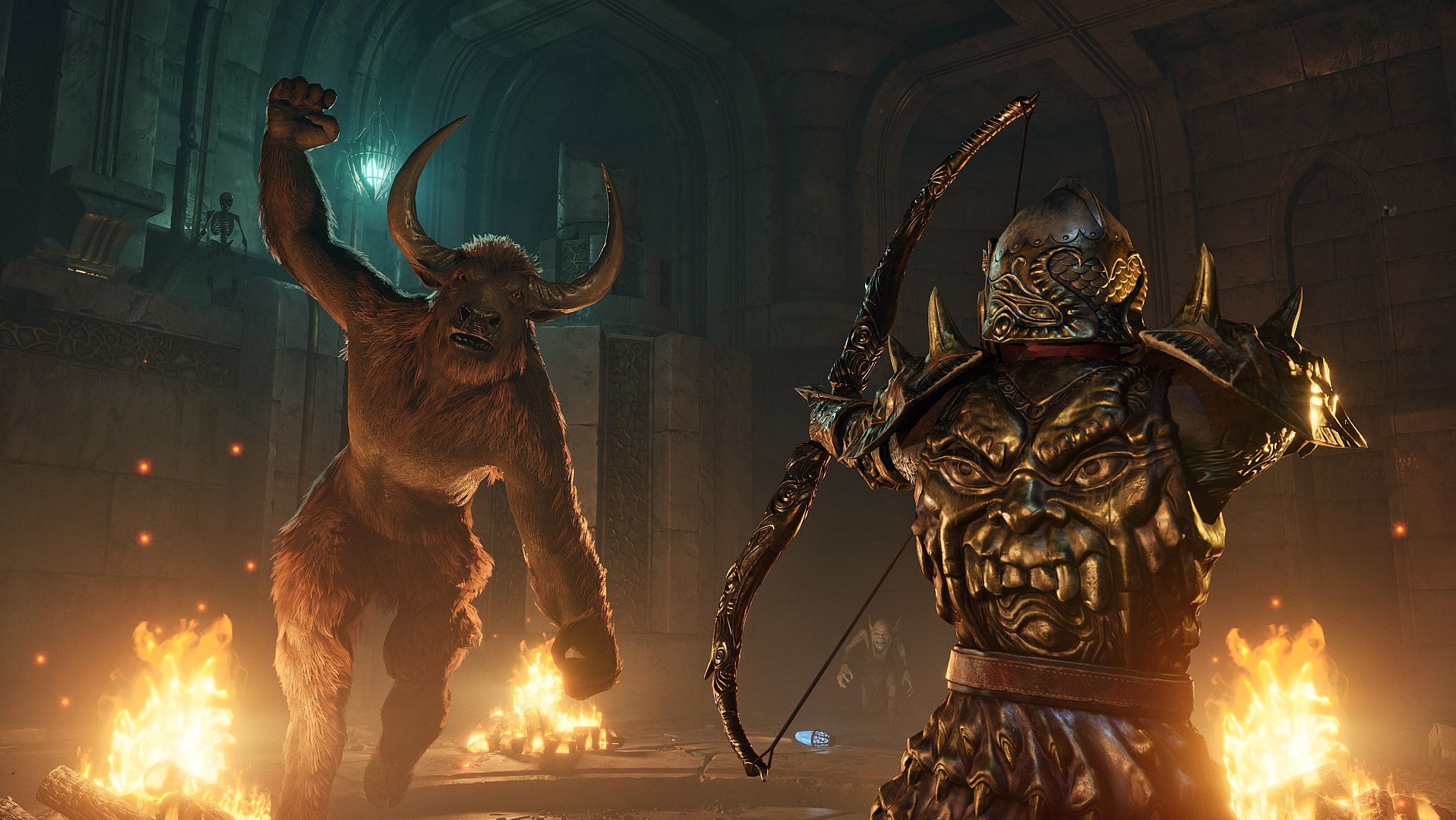
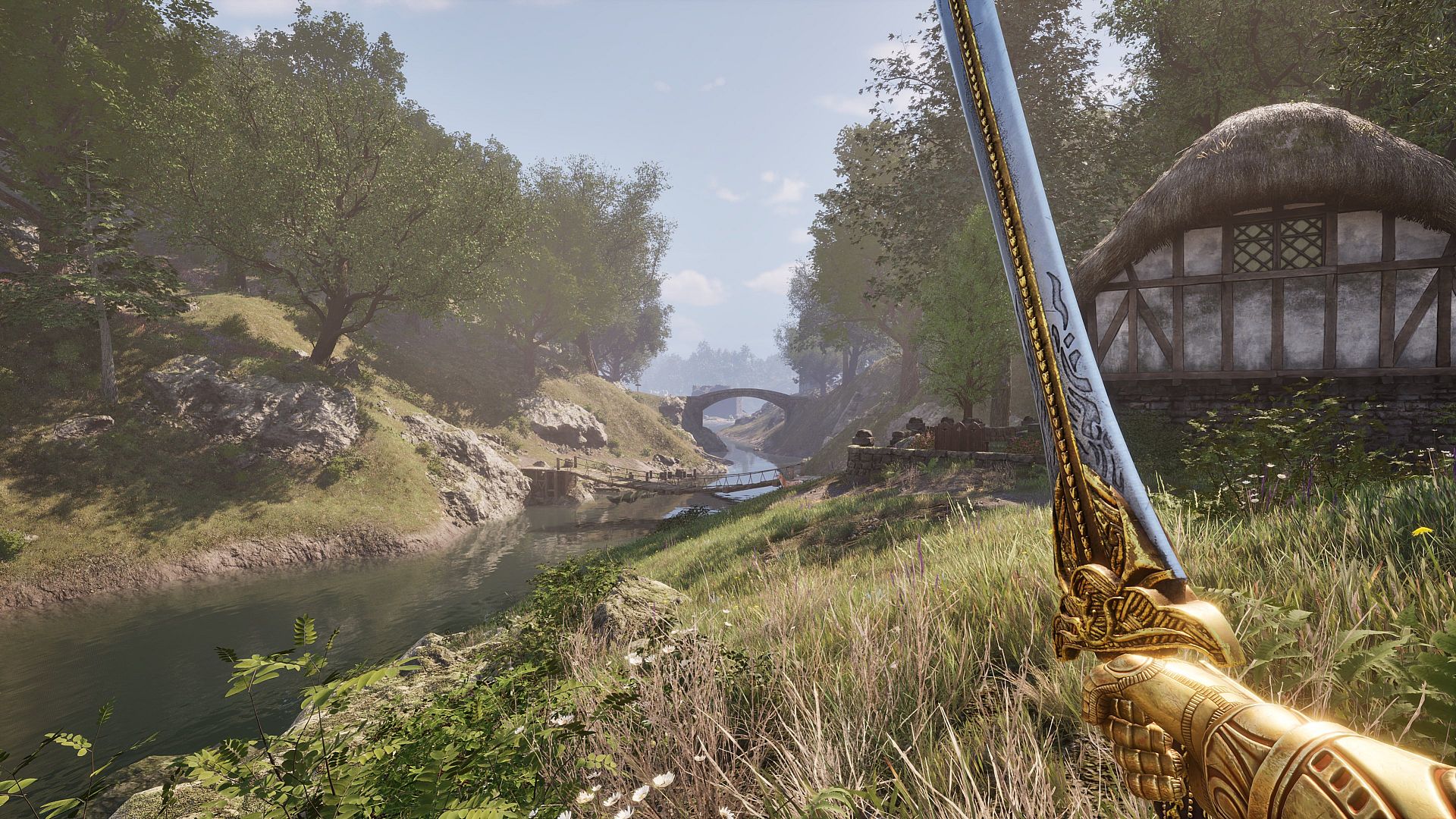
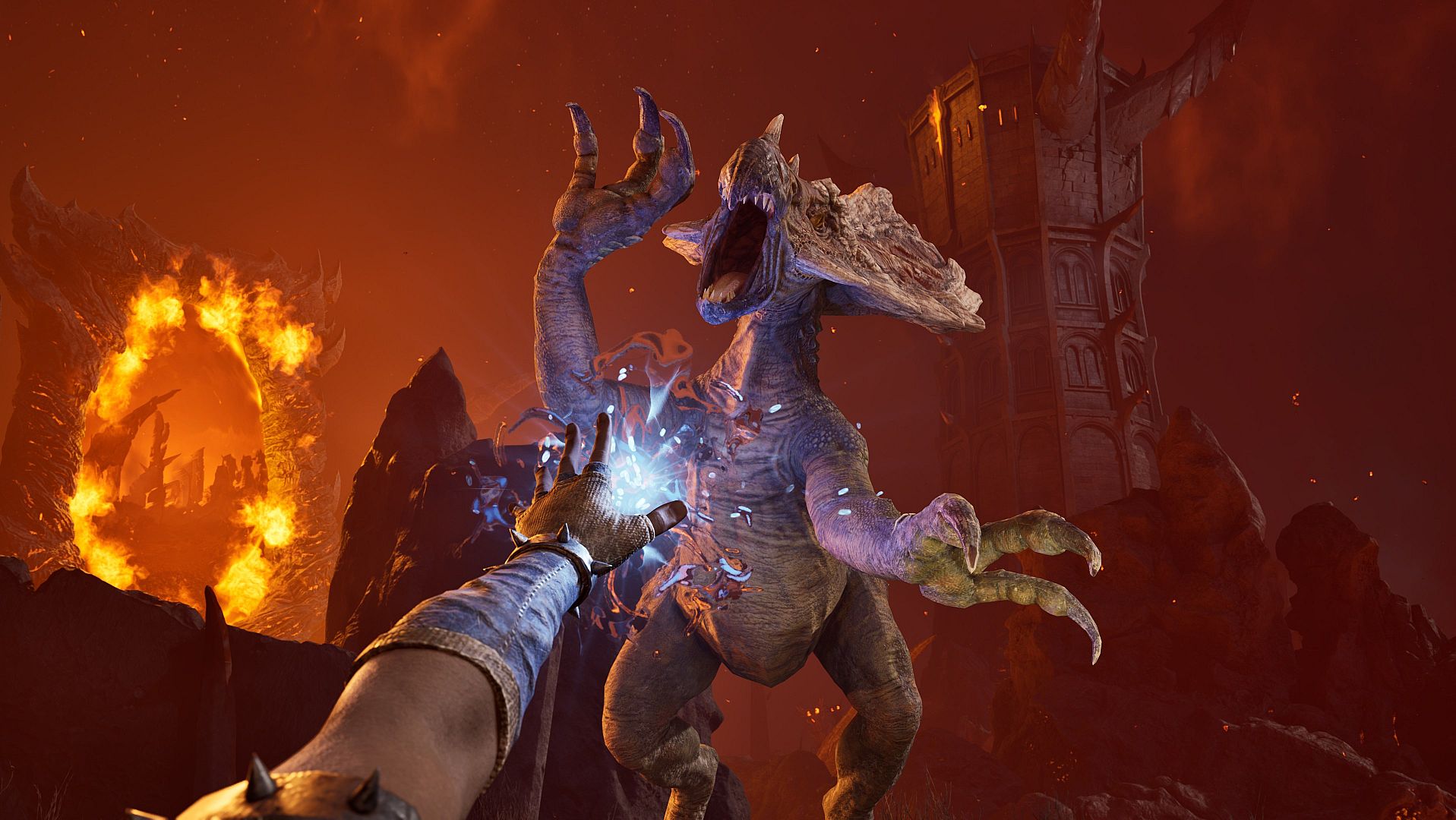
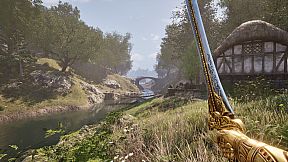
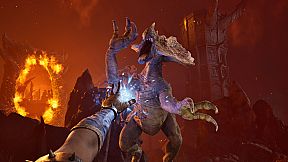
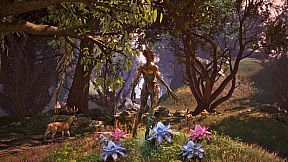
Real-time combat mixes melee weapons, ranged attacks, and spells that draw from a magicka pool. Blocking and counterattacks have received adjustments for smoother flow, while archery and spellcasting retain their original timing requirements. The open world of Cyrodiil encourages freeform travel on foot or horseback, with handcrafted locations ranging from forests and cities to the planes of Oblivion that open during the main storyline.
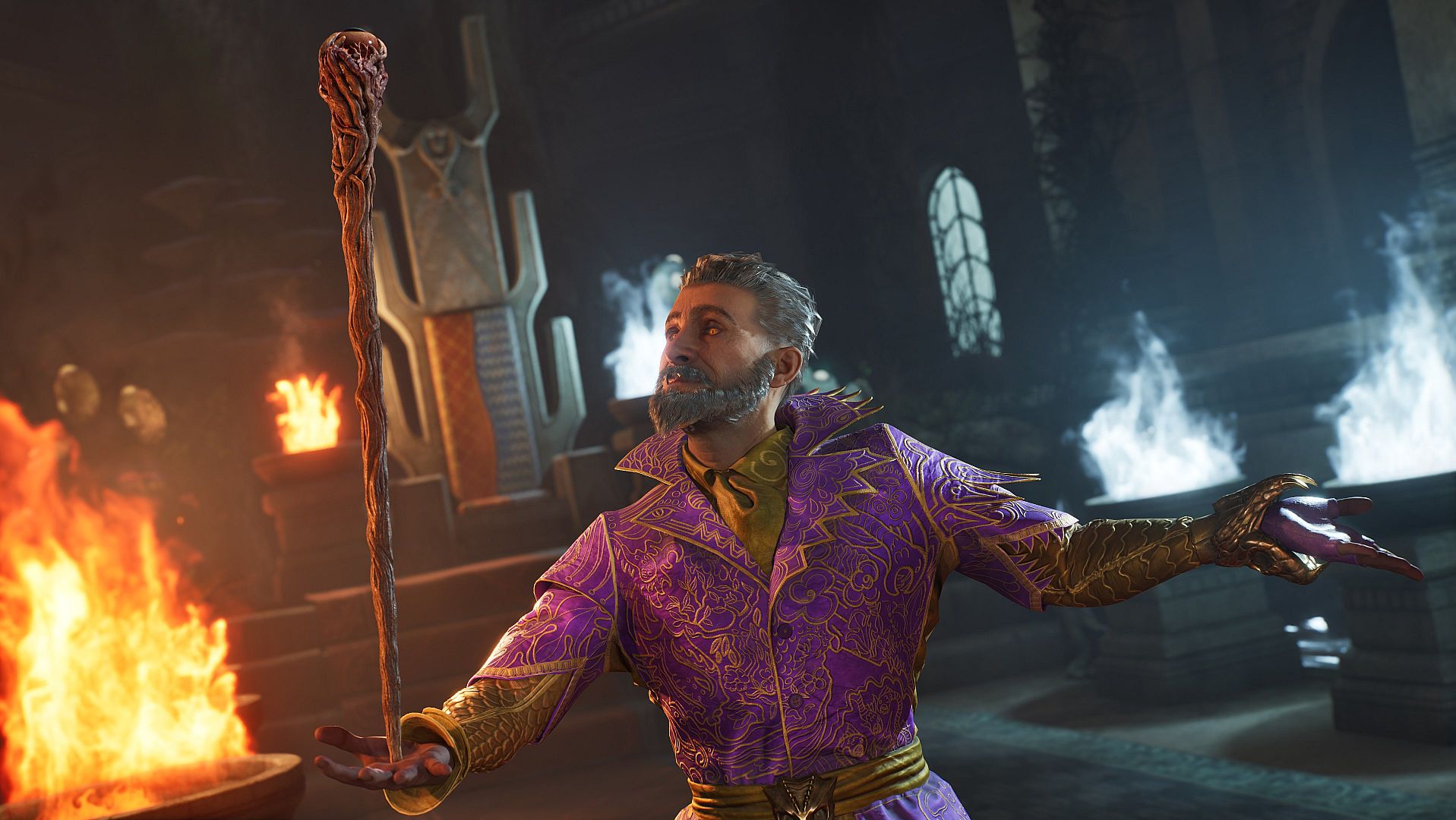
Quest design centers on narrative threads involving the Daedric invasion, alongside dozens of side stories tied to guilds and independent contracts. Faction membership, such as the Fighters Guild or Mages Guild, grants access to unique missions and rewards that can alter how the world reacts to the player. Crime mechanics track bounties and allow stealth approaches, including non-lethal options when desired.
Game Modes
The experience is built entirely around single-player progression. There are no multiplayer components or competitive modes. Instead, the structure revolves around a linear main quest that players can interrupt at any time to pursue guild storylines, exploration, or independent objectives. The included expansions add dedicated campaigns that integrate into the same world without requiring separate launches.
Character builds support multiple playstyles within that single-player framework. A stealth-focused run emphasizes Sneak and Security skills for infiltration, while a magic-oriented path relies on Destruction and Conjuration spells. Combat builds lean on Blade, Block, and Heavy Armor for direct confrontation. These approaches coexist in the same save file, allowing switches based on available resources or story context.
Story and World
The narrative follows the arrival of Oblivion gates across Cyrodiil and the player's role in countering the threat. Dialogue and quest outcomes remain faithful to the original design, with choices affecting reputation among factions and certain endings. The remaster updates ambient audio, environmental effects, and select voice lines while keeping the core writing intact.
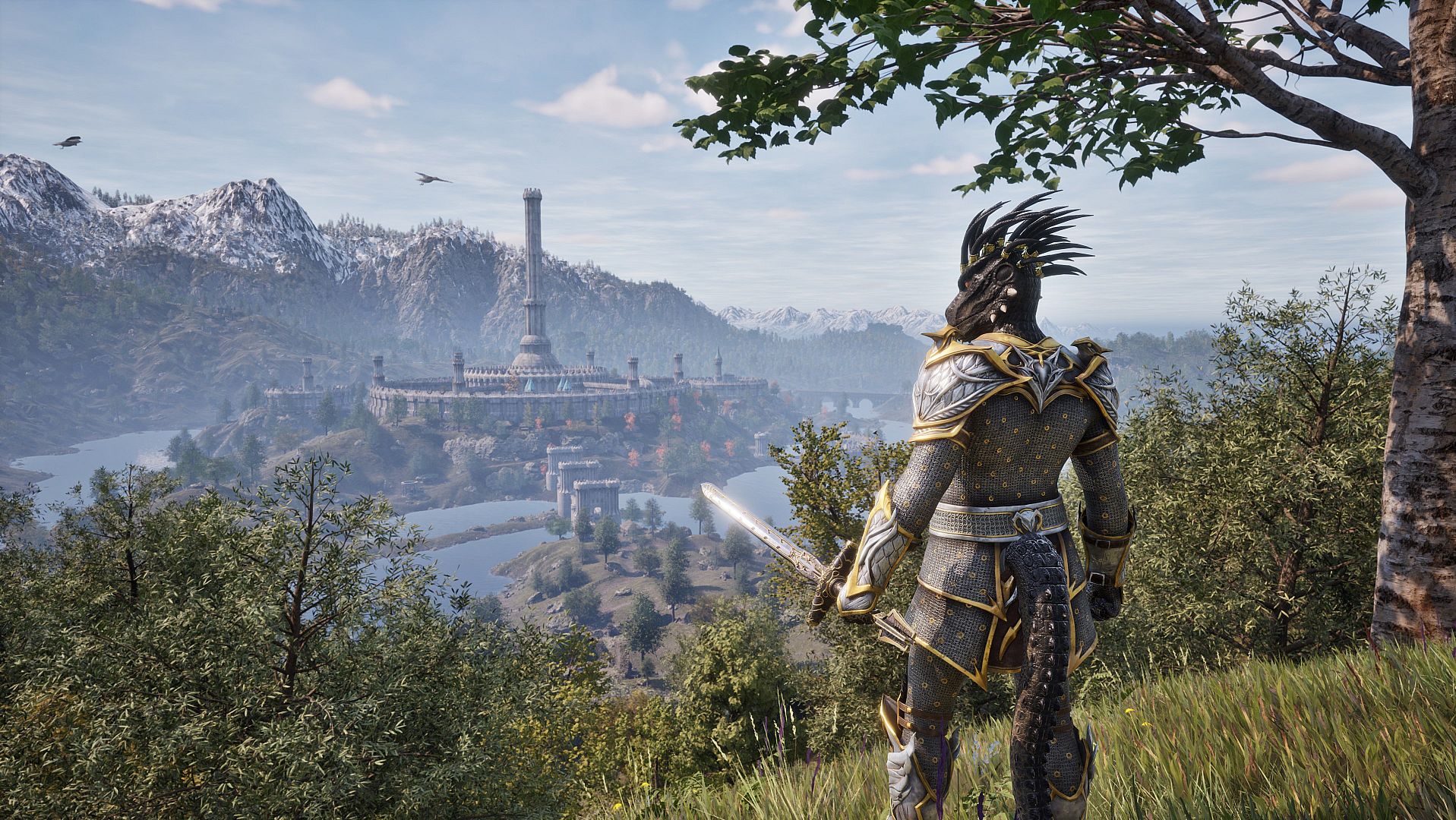
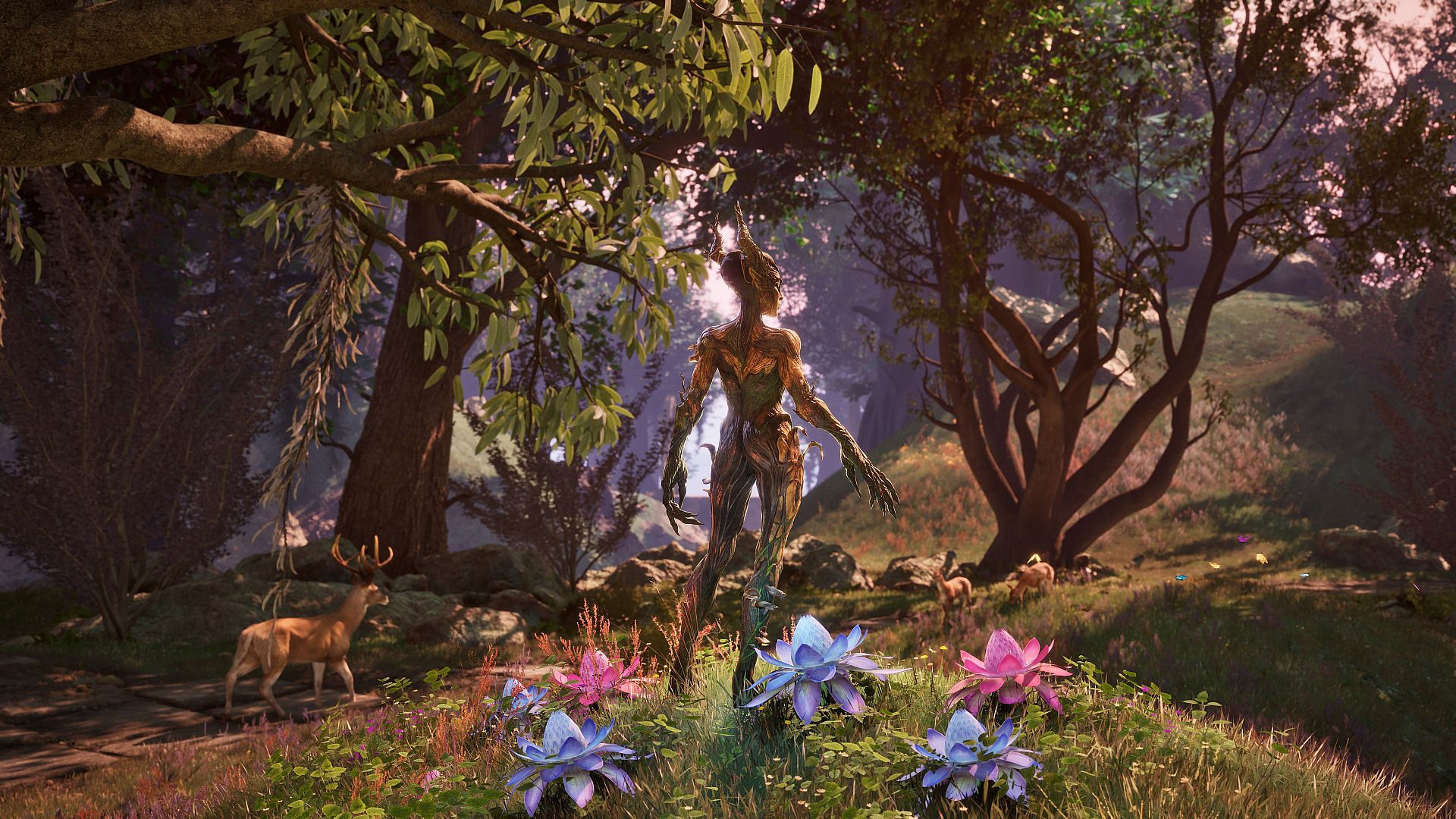
Locations receive visual upgrades through modern rendering, improved textures, and lighting that highlights the handcrafted detail of cities like the Imperial City and remote ruins. NPC schedules and behaviors have been refined for more consistent daily routines, though the underlying AI framework stays close to the 2006 foundation.
Is It Worth Playing?
Reviews from major outlets have been generally positive, praising the visual modernization and retained freedom of the original while noting that some dated combat and leveling quirks remain. The game launched with all major expansions included and has received post-release updates addressing stability and balance. It suits players who enjoy open-world single-player RPGs with skill-driven progression and extensive side content rather than fast-paced action or online features.
Those seeking a nostalgic return to Tamriel or a first-time experience with the title will find the refined controls and presentation make the journey more accessible than the 2006 version. The absence of multiplayer keeps the focus squarely on personal storytelling and exploration across the full campaign and expansions.