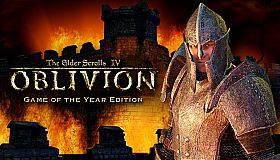


























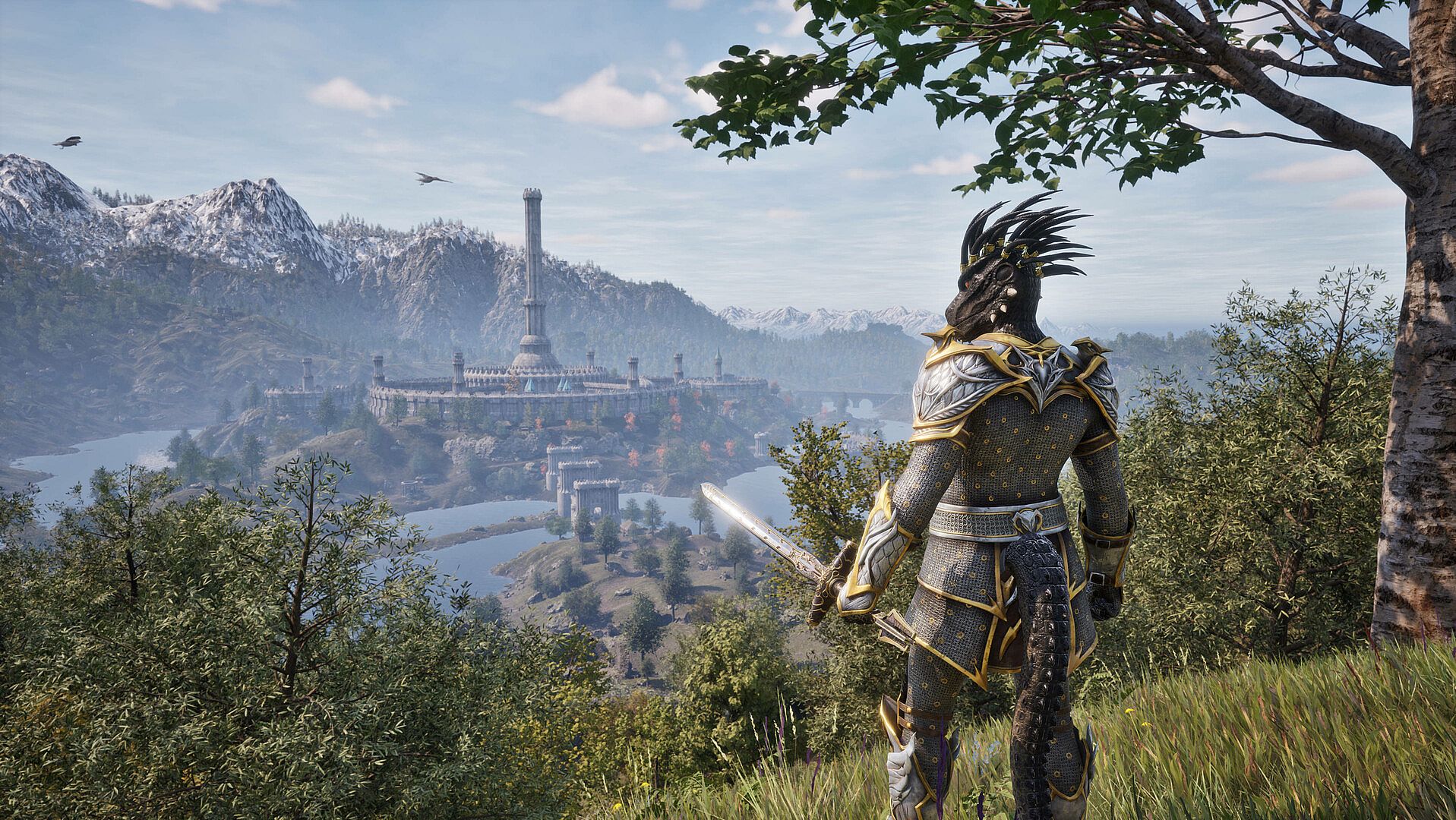
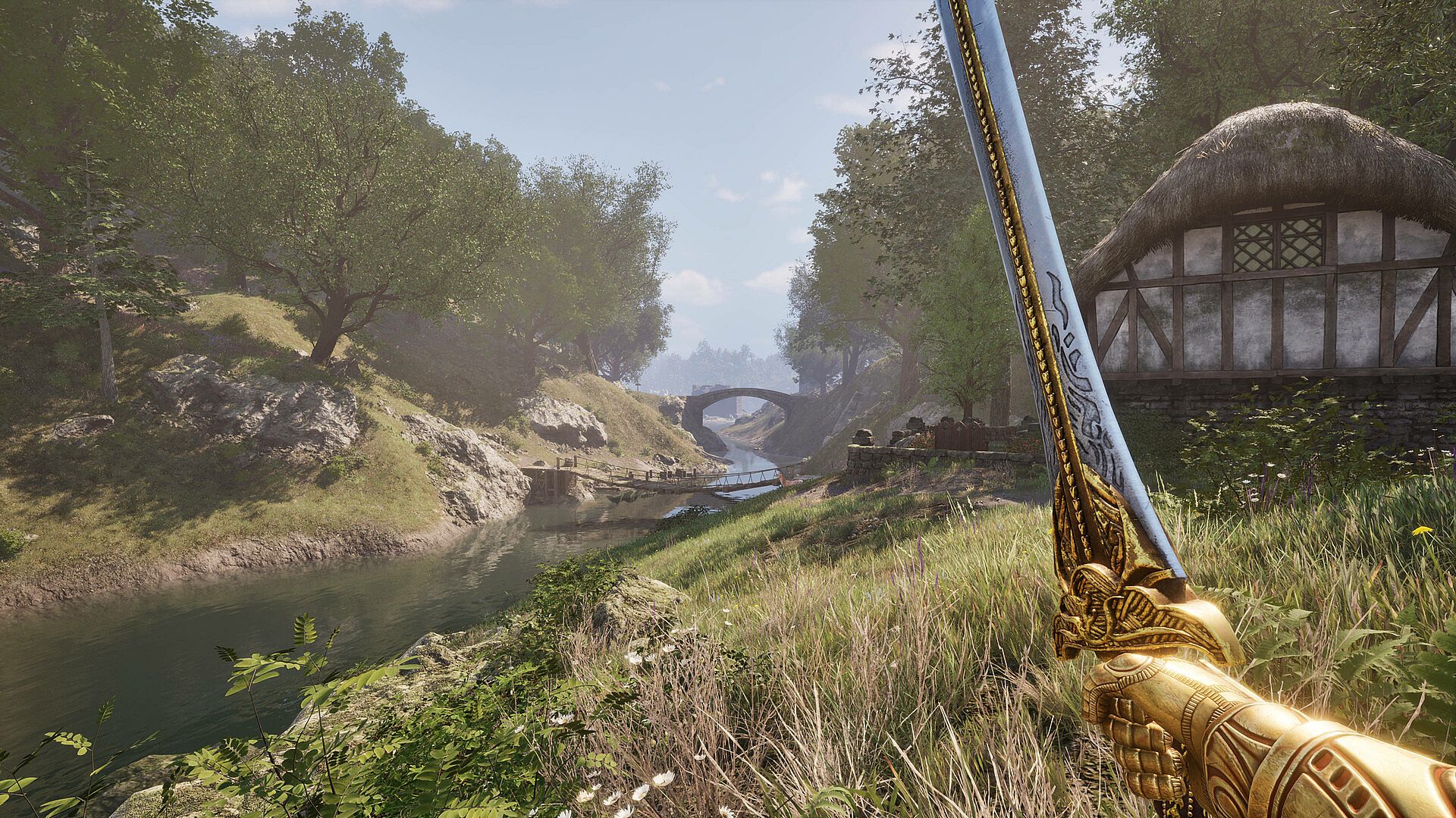
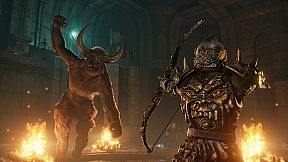
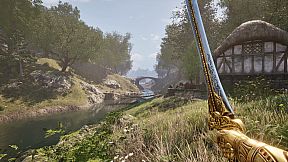
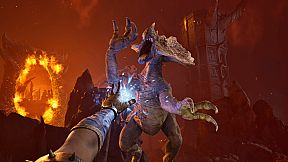
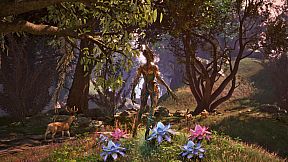
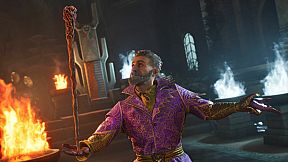
The Elder Scrolls IV: Oblivion Remastered stands as a single-player RPG that updates the 2006 classic with visual enhancements and quality-of-life tweaks, letting players roam the expansive land of Cyrodiil to thwart a Daedric invasion.
Gameplay
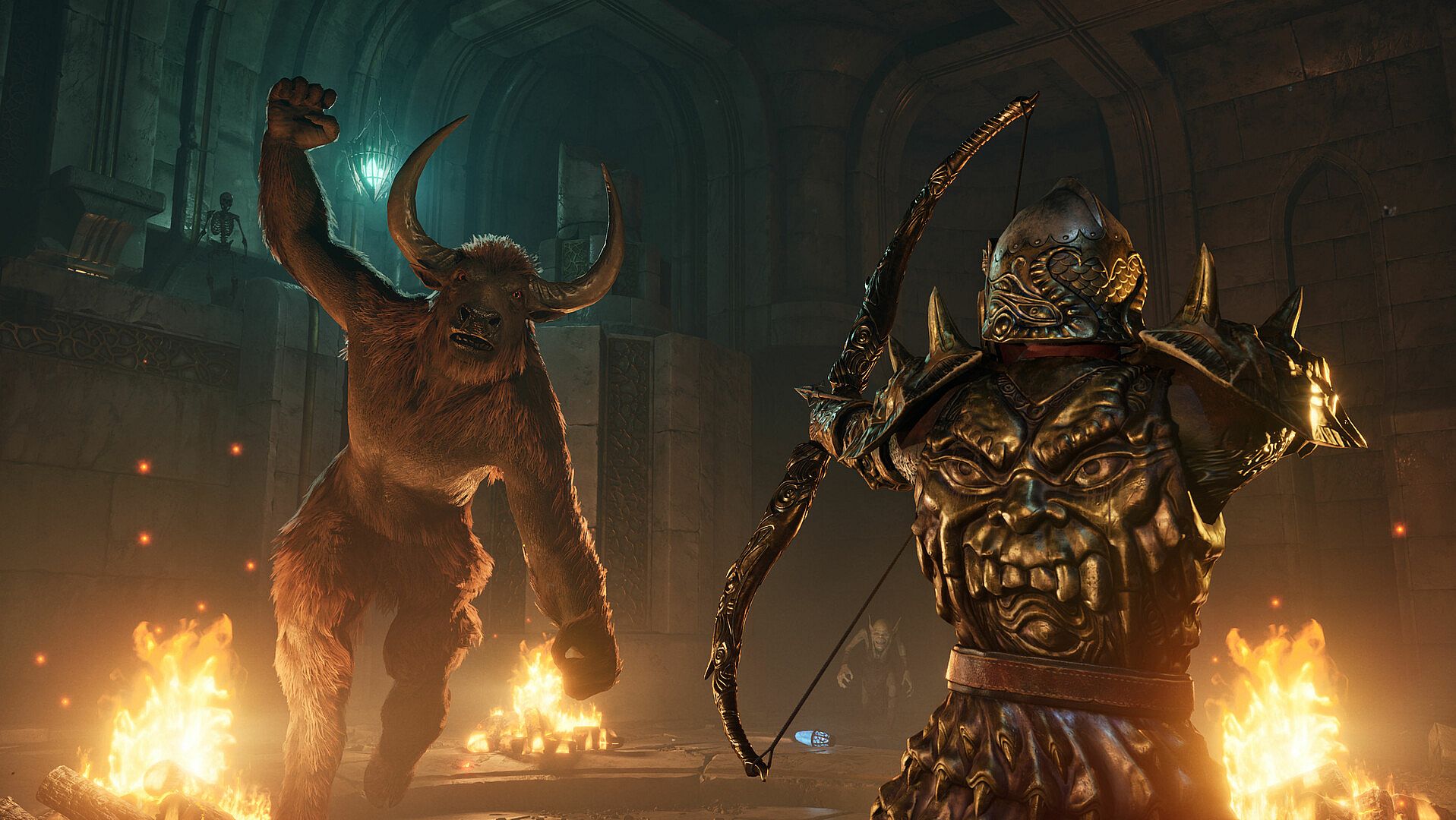
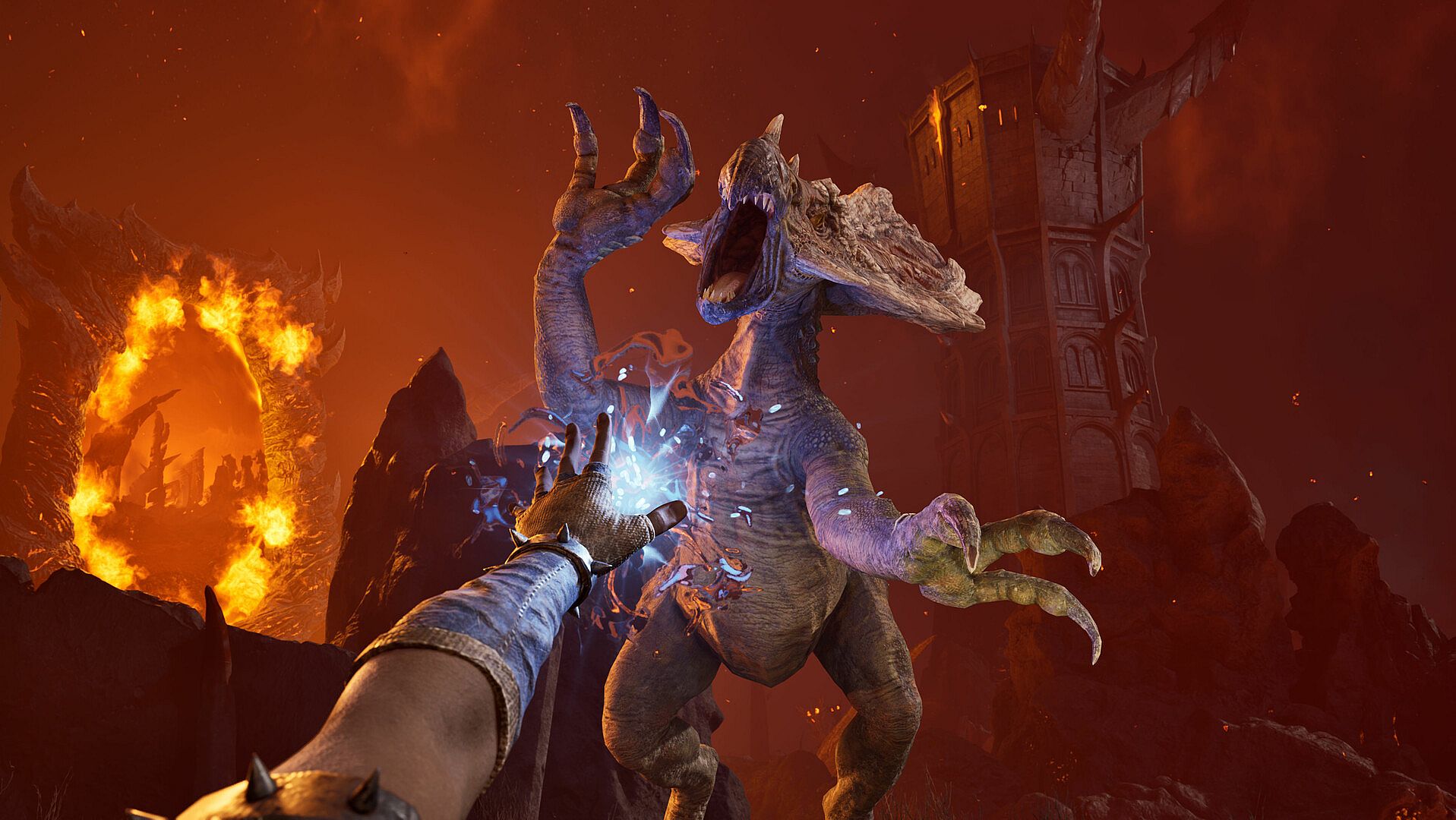
In this RPG, character progression hinges on skill improvements through actions like casting spells or repairing armor. The remaster revises leveling to blend the original class-based system with a more flexible approach where various activities contribute to overall advancement, easing some frustrations from enemy scaling. Combat mixes melee attacks with blades or blunt weapons, archery for ranged strikes, and stealth for covert approaches. Magic plays a key role, with a spellcrafting mechanic that lets users combine effects to form custom spells, such as one that demoralizes foes while boosting their speed. Resource gathering now guarantees success without random failures, and a new stamina bar enables sprinting, which drains during use and encourages strategic skill investments. The user interface sees updates, including a repositioned compass and more accessible menus for spells and stats, though elements like the persuasion minigame stay true to the original design.
Game Modes
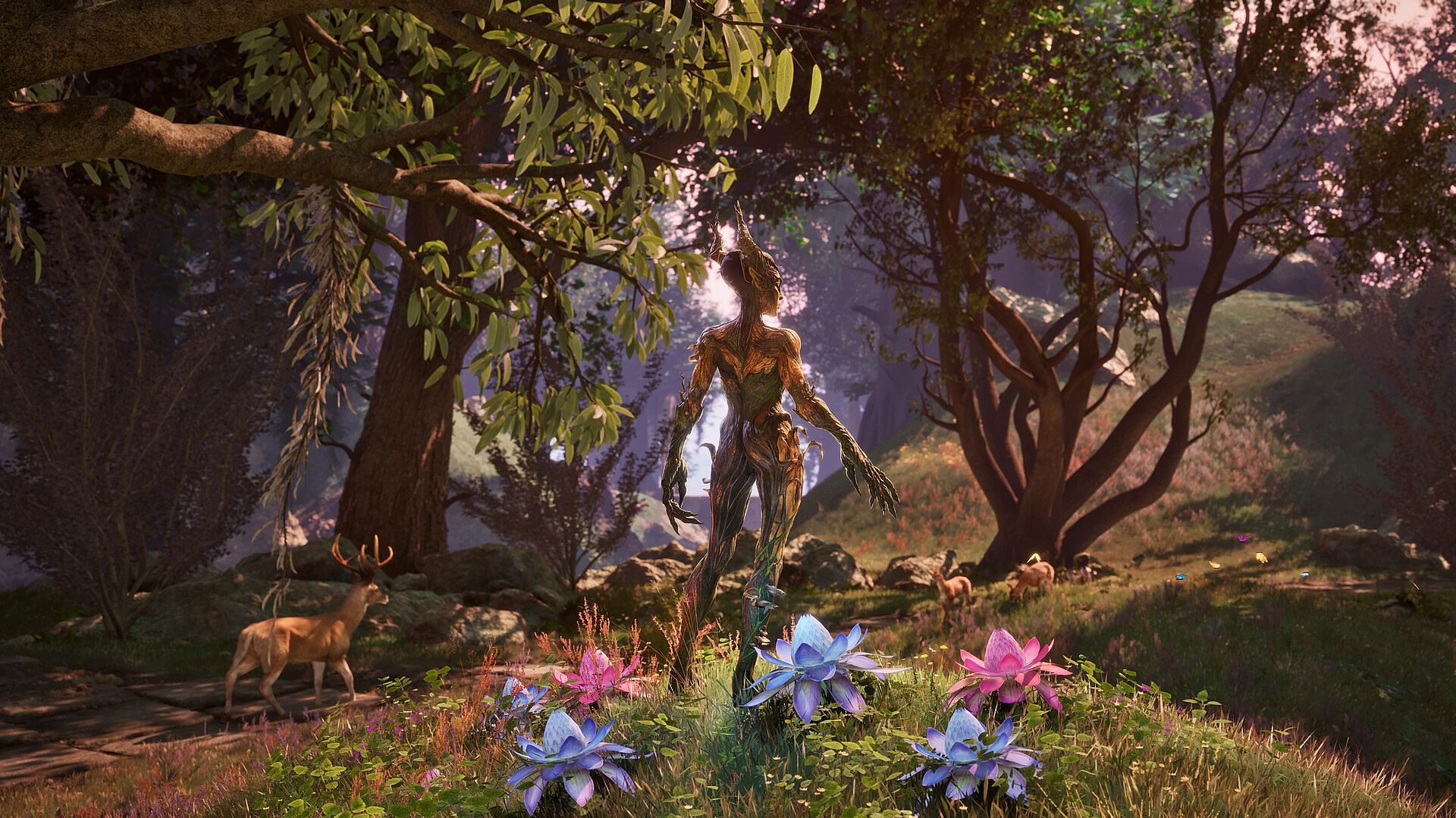
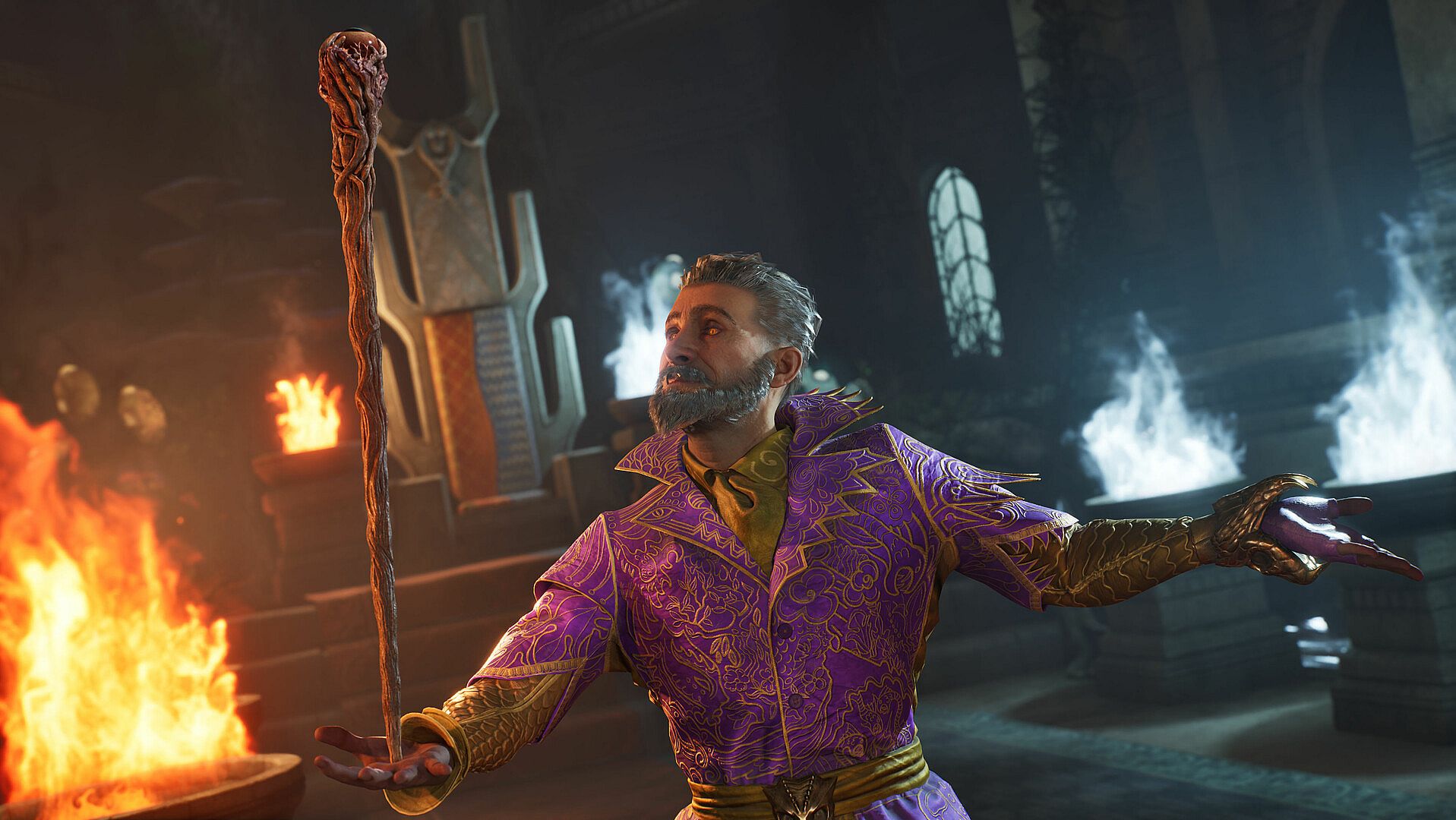
As a single-player RPG, the game centers on an open-world structure without distinct multiplayer options or competitive modes. Players engage in the main questline to stop the Daedric forces, alongside expansive exploration across Cyrodiil and into Oblivion planes. The remaster bundles in expansions like Shivering Isles, which introduces a surreal realm tied to the Daedric Prince Sheogorath, and Knights of the Nine, adding a storyline focused on divine artifacts and a knightly order. Additional side content, such as various downloadable quests, rounds out the package, allowing for nonlinear progression through the core narrative and supplementary adventures.
Factions and Mechanics
Several guilds offer structured questlines that deepen the RPG experience. The Mages Guild involves rising through ranks while uncovering plots among sorcerers, the Thieves Guild emphasizes stealthy heists, and the Dark Brotherhood delivers assassination missions with memorable twists. Mechanics like enemy scaling adjust foe difficulty based on player level, sometimes leading to encounters where bandits wield high-end gear. Quests range from the central story of locating the emperor's heir to faction-specific arcs, with side activities including theft and exploration. Skills such as Athletics for movement or Destruction for offensive magic influence build variety, supporting diverse playstyles from direct confrontation to subtle manipulation.
Is It Worth Playing?
With an OpenCritic score of 82 from 117 critic reviews and a player rating of 80, The Elder Scrolls IV: Oblivion Remastered earns praise for its quest depth, character freedom, and visual upgrades, though bugs like frame drops and quest glitches persist in its current state as of early 2026. No major post-launch updates are noted beyond the initial remaster features released in April 2025. This title suits RPG enthusiasts drawn to open-world freedom and intricate stories, particularly those familiar with Bethesda's style who can overlook dated mechanics. Newcomers might find the jank off-putting, but the included expansions and refined systems make it a solid pick for fans of skill-based progression and narrative-driven exploration.