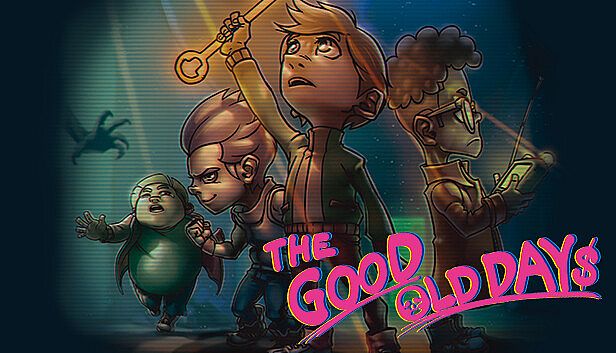





















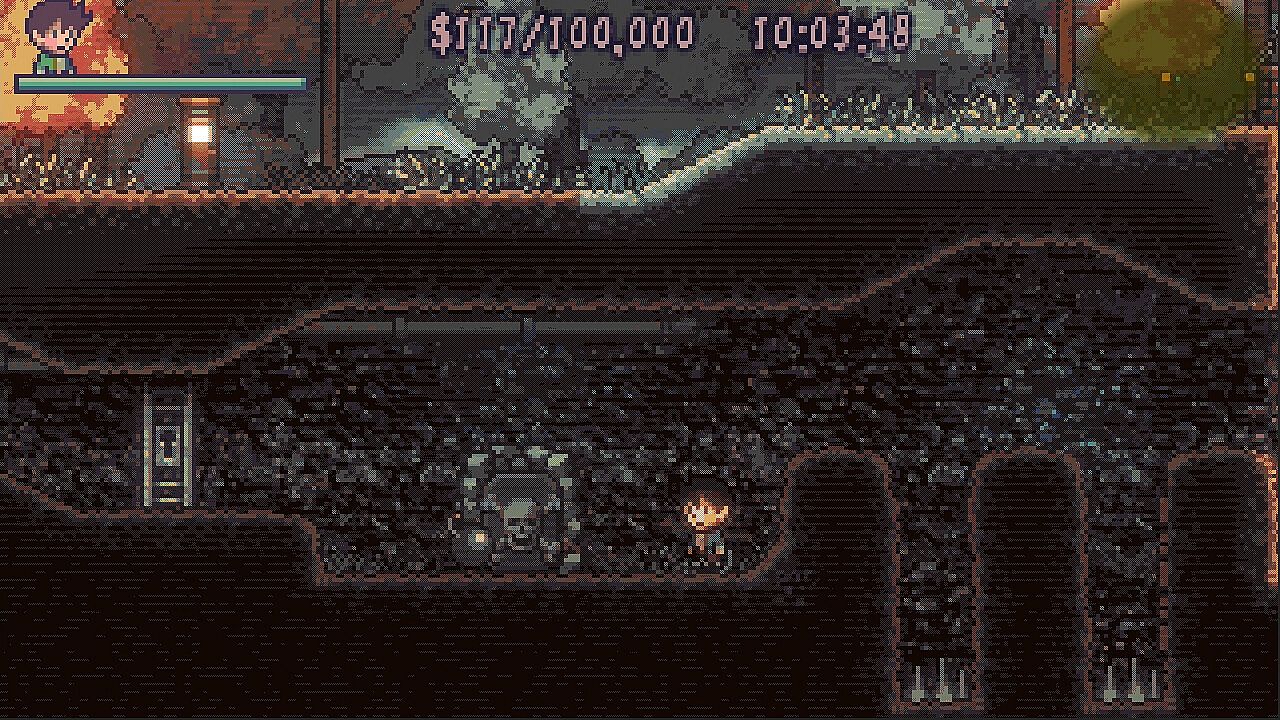
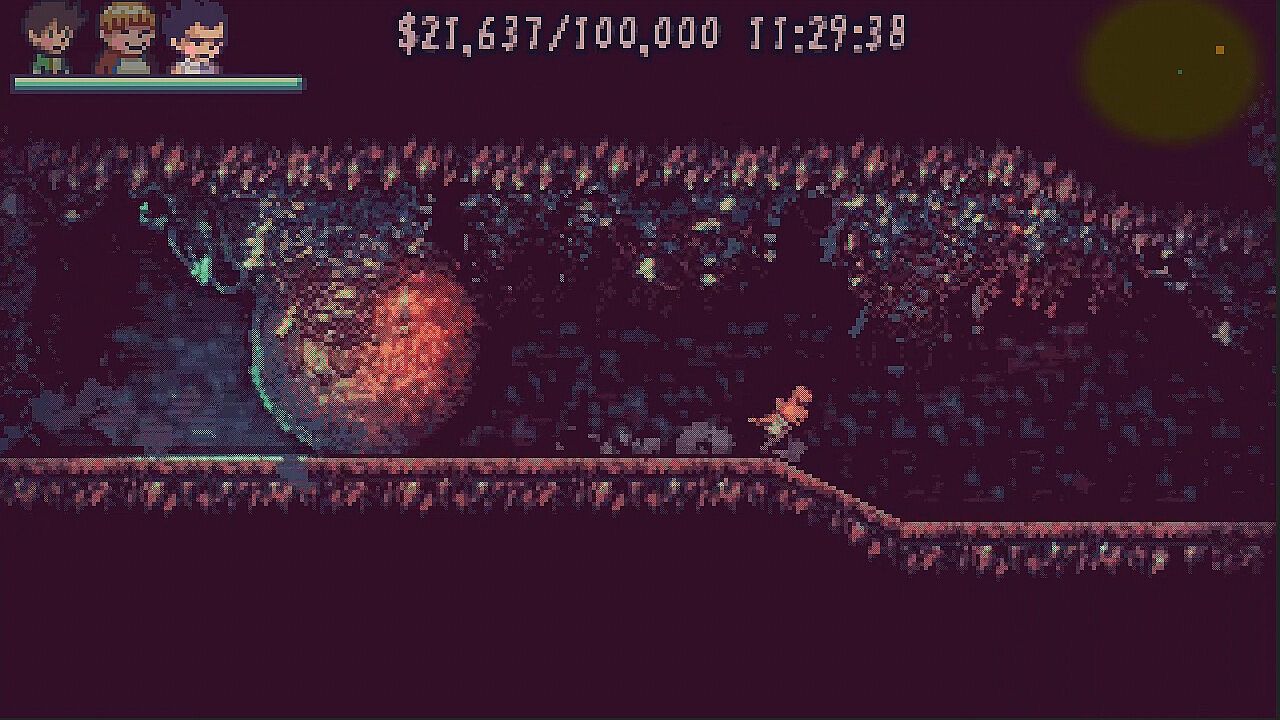
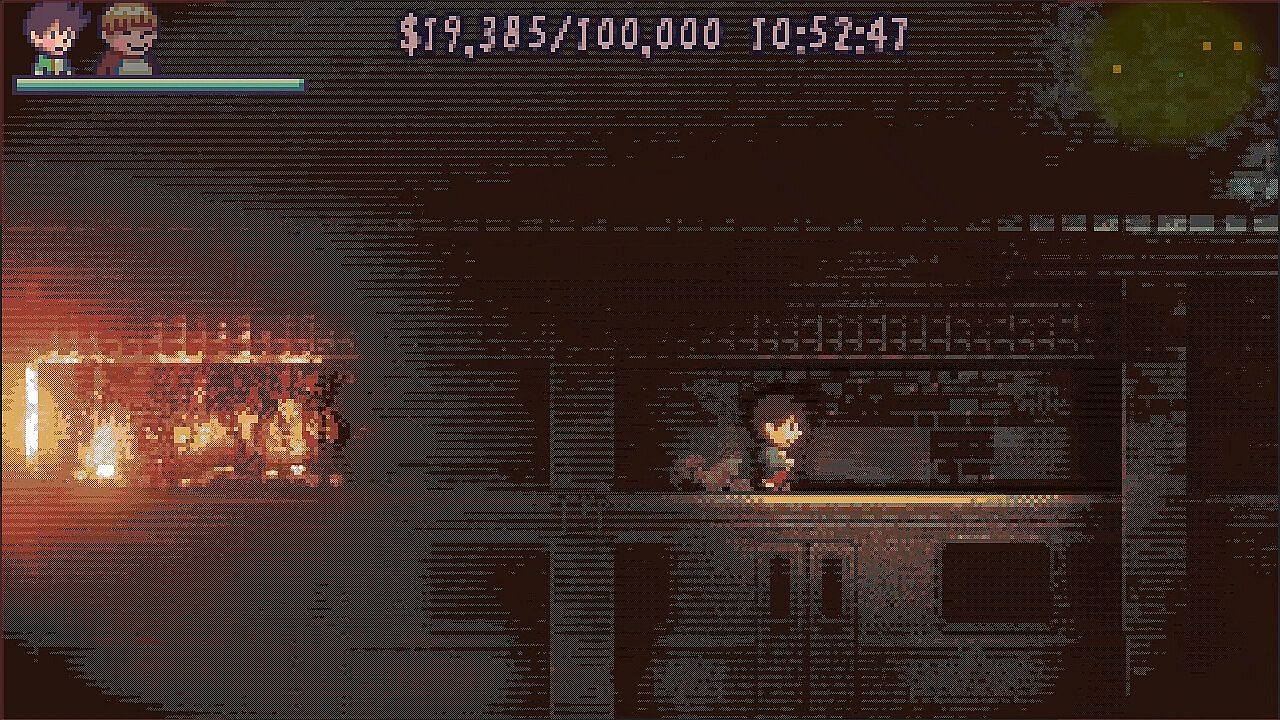
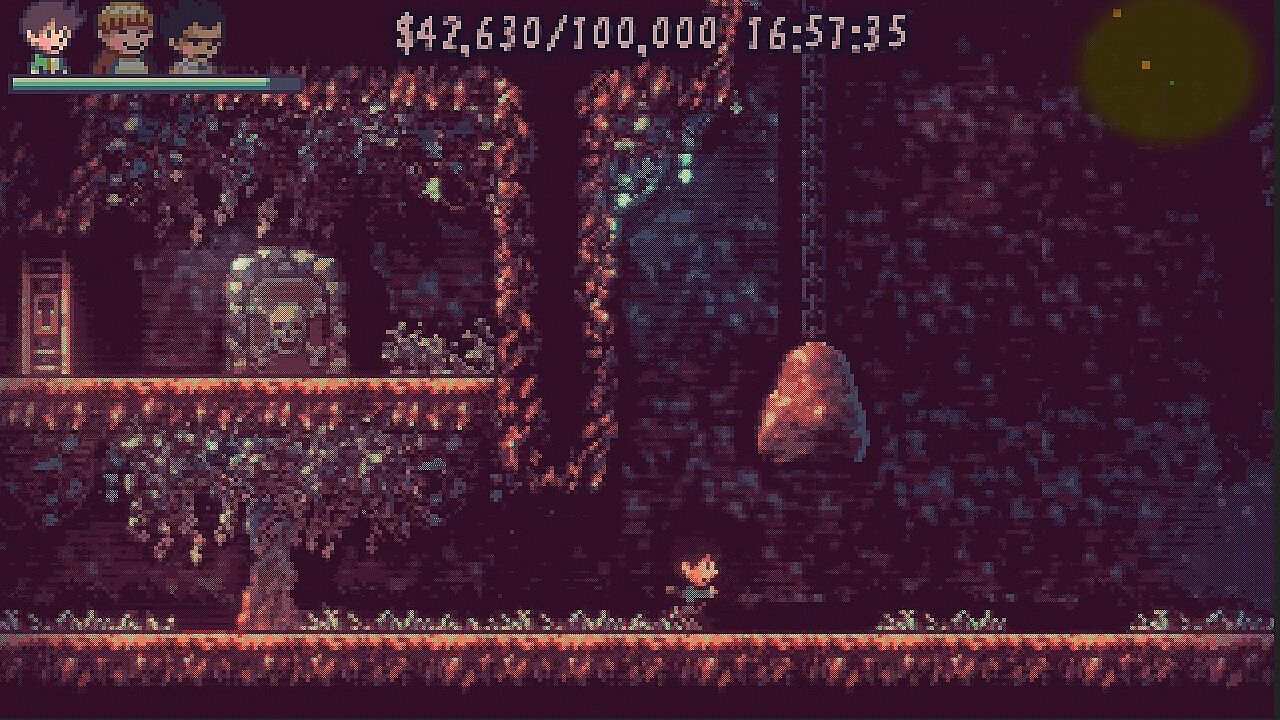
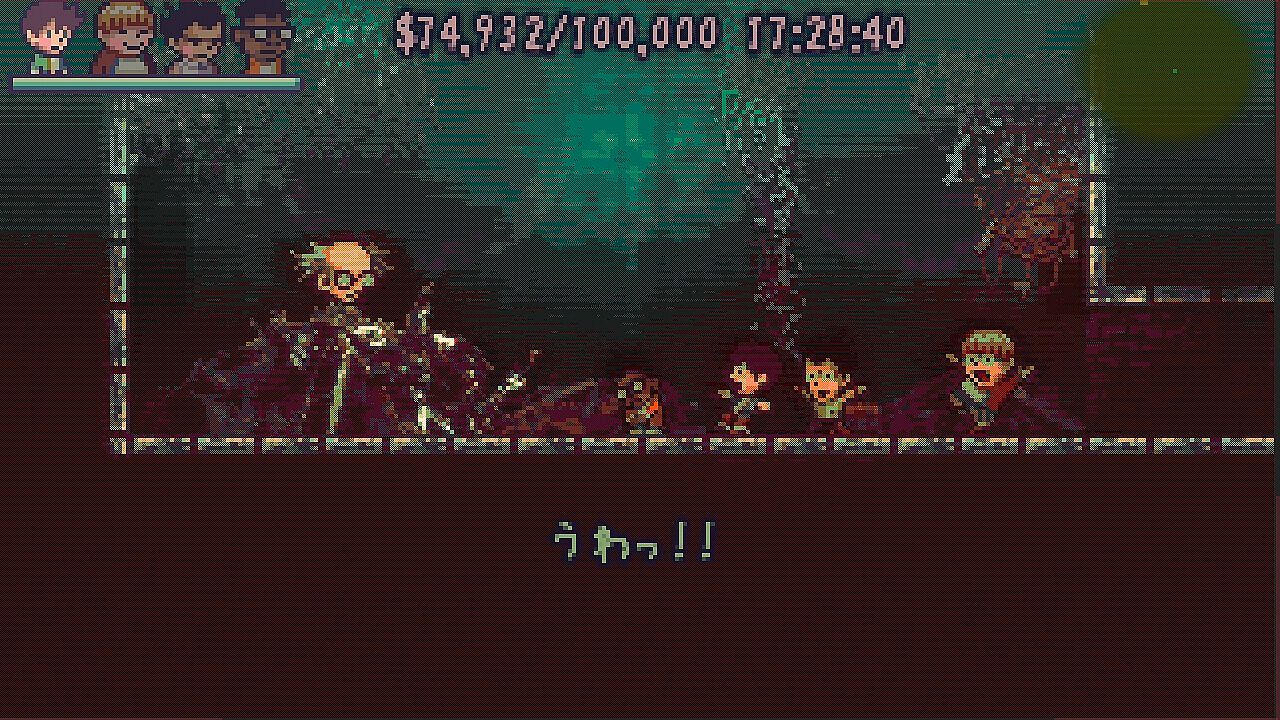
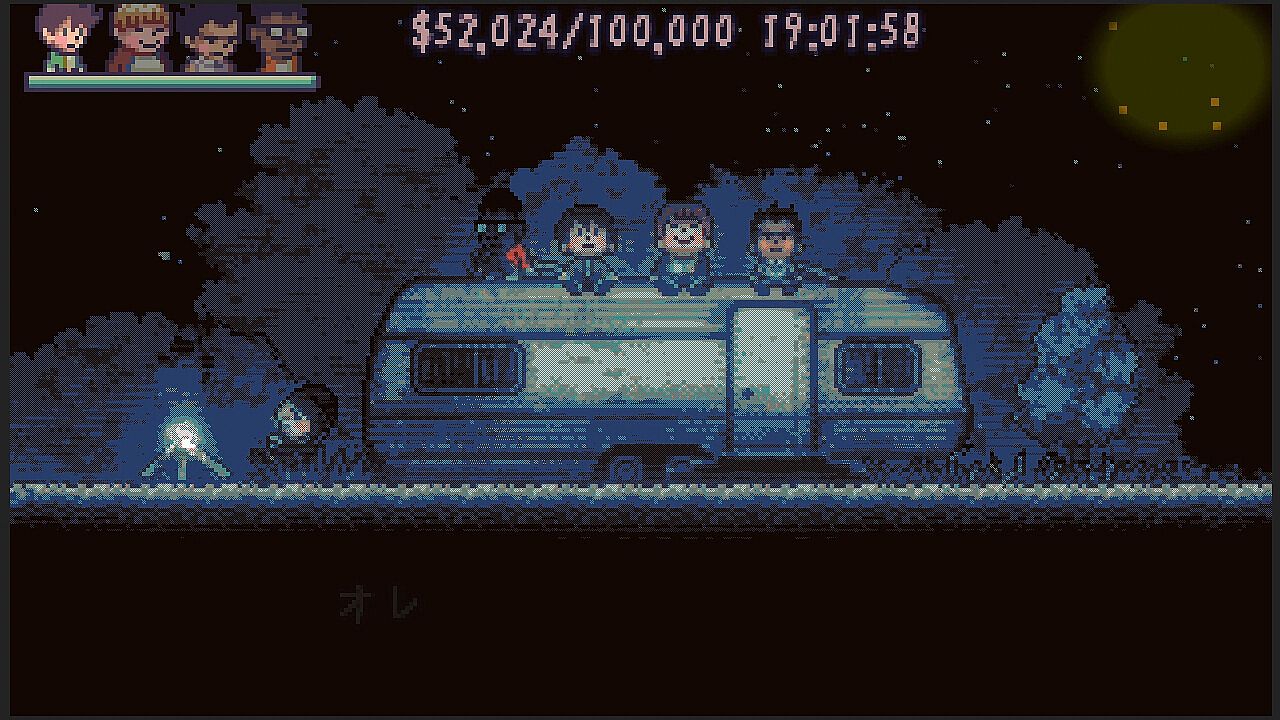
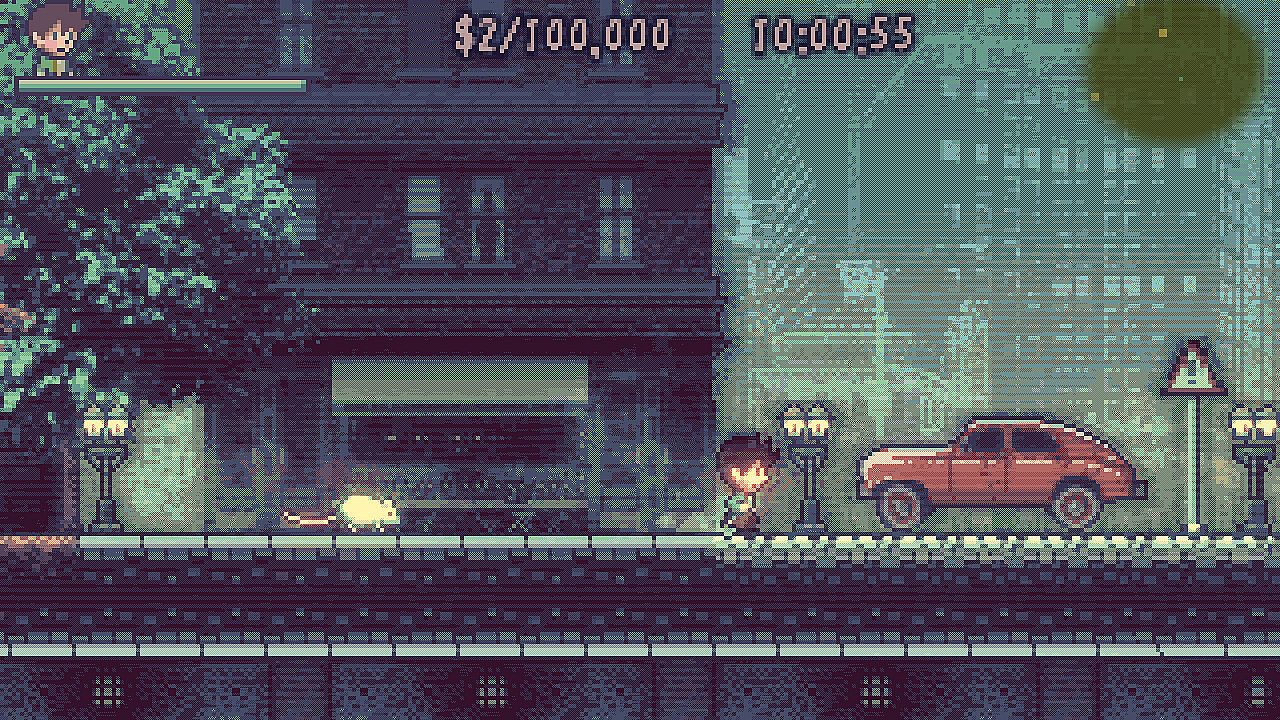
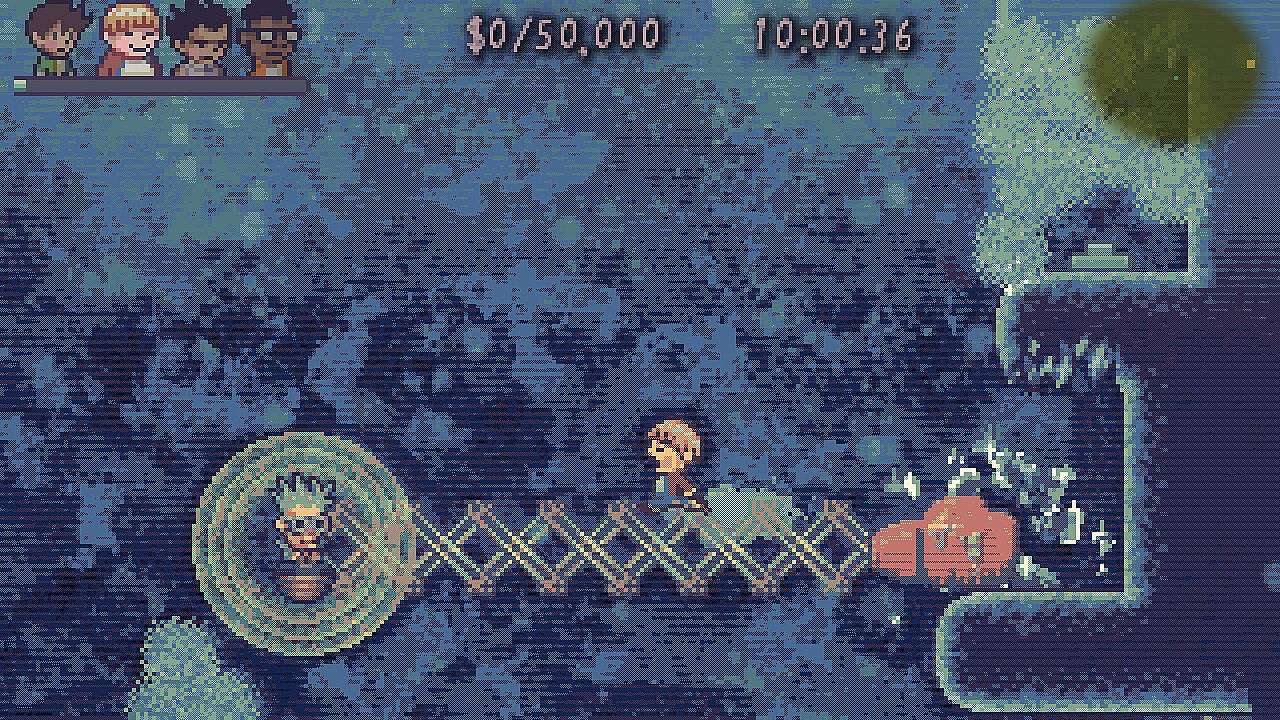
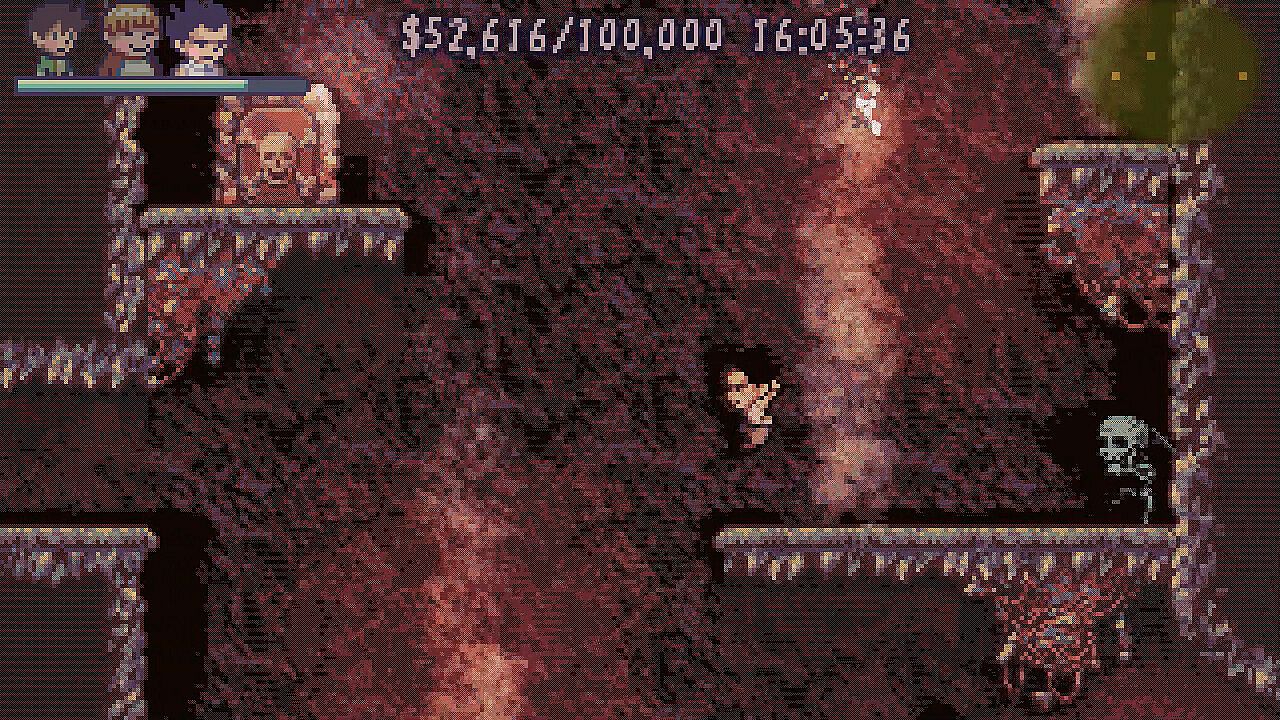
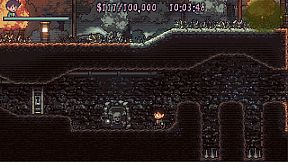
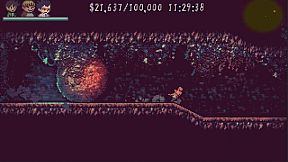
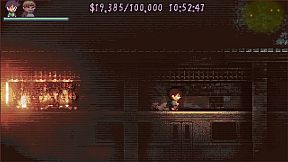
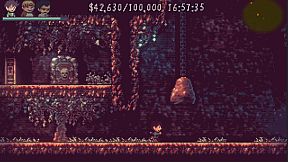
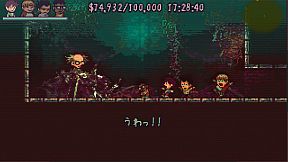
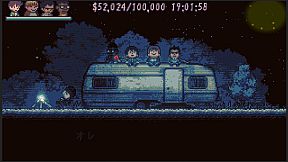
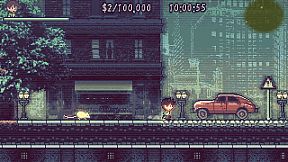
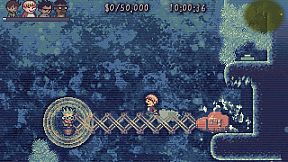
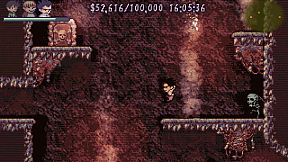
The Good Old Days is a pixel-art Metroidvania that blends action, adventure, and indie sensibilities into a single-player experience centered on exploration and time-sensitive objectives. Set in the rural town of Arostia during the year 19XX, players control Sean and his friends as they navigate underground areas and surface locations to address a pressing financial crisis while rescuing companions.
Gameplay
Exploration drives every session. The core loop requires gathering funds to settle a debt before a strict daily deadline expires. Players move through interconnected spaces at their own speed, deciding whether to engage enemies or bypass them entirely since combat remains optional throughout. Hidden caches of money reward thorough searching, while the four playable characters each bring unique movement and interaction abilities that open new paths and alter how quests unfold.
Switching between Sean, Foodie, Bruce, and Doc lets players tackle obstacles differently on each run. One character might reach elevated ledges another cannot, or interact with residents in ways that branch side stories. These abilities also influence quest outcomes, creating varied routes through the same areas. Residents scattered across Arostia offer personal tasks that shift based on prior choices, adding layers to the main objective without forcing direct confrontation.
Pixel visuals emphasize warm, expressive details that evoke 16-bit era charm while incorporating modern mechanical refinements. Easter eggs and subtle references appear in out-of-the-way spots, rewarding players who revisit familiar zones with fresh eyes.
Game Modes
No separate multiplayer or competitive modes exist. Instead, the game supports multiple approaches to completing the central debt-clearing task within the time limit. Players can focus on locating scattered funds in concealed spots, attempt demanding trial stages that test navigation and timing, or pursue side quests that carry consequences for the final outcome.
Additional options include participating in lottery draws, engaging with minigames, or confronting a rival gang whose members interfere with progress. Experimenting with different combinations of these methods across playthroughs changes how the story resolves. The same core map supports repeated visits because character abilities and quest branches evolve with each completion.
Story and Progression
The narrative follows the formation of a small group called The Noogies and their attempt to handle an inherited debt while freeing trapped friends. Choices made during exploration and quest resolution gradually shape the conclusion. Completing the main objective multiple times unlocks extensions to the ending sequence, revealing further developments tied to prior decisions.
Distinct thematic conclusions become available once players have explored enough variations. The structure encourages full replays rather than linear advancement, with each cycle building on the previous one through accumulated knowledge of routes and character interactions.
Is It Worth Playing?
Steam user reviews stand at Very Positive based on dozens of ratings. First-time playthroughs typically last three to four hours, yet the design rewards additional runs to uncover all endings and alternate paths. The optional combat and flexible money-gathering systems suit players who prefer deliberate exploration over constant action.
Those drawn to Metroidvanias that emphasize atmosphere, character switching, and choice-driven endings will find the mechanics align closely with that preference. A demo is available for direct testing of movement and progression before purchase. The game runs on Windows and SteamOS with modest hardware requirements, and it includes thirty-one achievements for completion tracking.